Knowledge
Polarising filter: what does it do and when should you use it?
Discover how a polarising filter reduces reflections, enhances colours and improves landscape photos, with practical tips and pitfalls.
Redactie ·
9 min
Practice & insight
Practical tips, techniques and clear explanations about cameras, light, composition and editing — always with the newest article first.
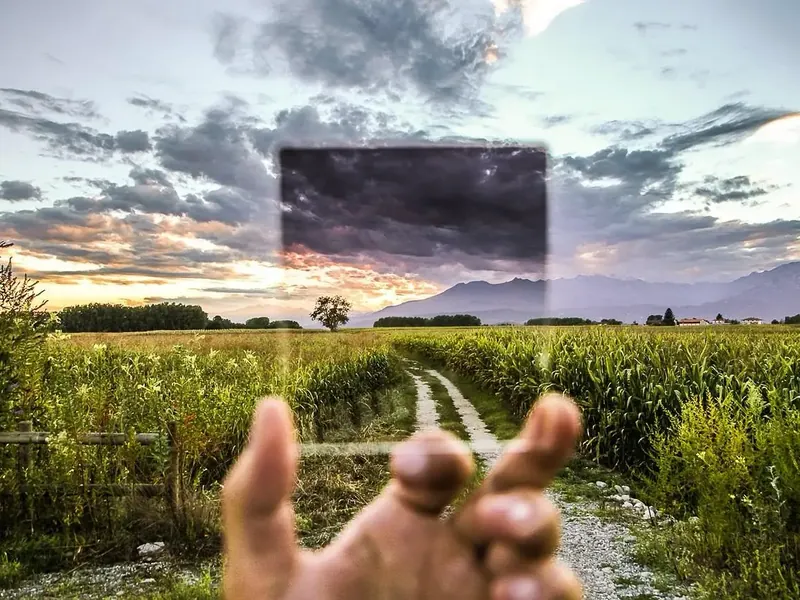
Discover how a polarising filter reduces reflections, enhances colours and improves landscape photos, with practical tips and pitfalls.
Should photographers choose a niche or remain versatile? Ektor Tsolodimos explores the benefits, risks and opportunities of both approaches.
Which lens do you need as a beginner? Learn what focal length, aperture, zoom, and prime lenses mean—and choose the lens that fits you.
Get more from your iPhone camera with five useful settings for macro, composition, lens correction, and more predictable shooting.

From 2FA to shared Dropbox links, here’s how to better protect unpublished work, client folders, and previews throughout your photography workflow.
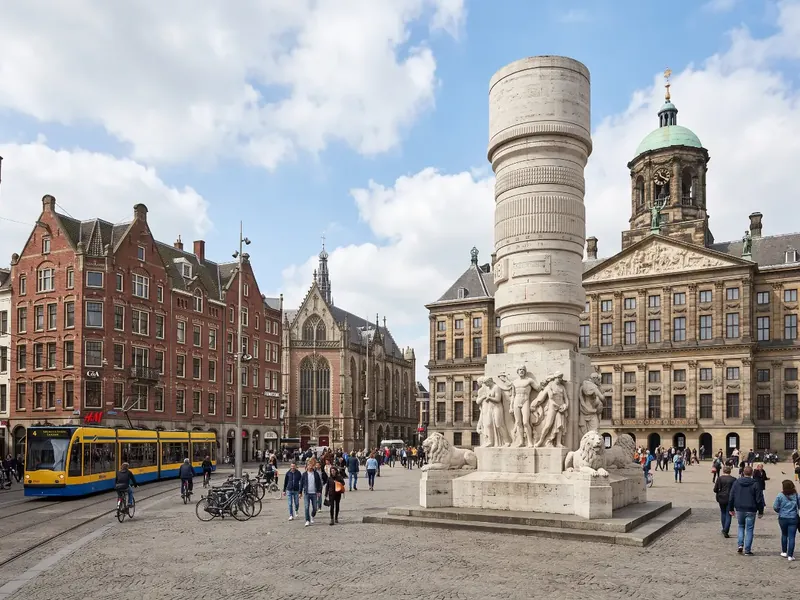
The EU is tightening AI transparency. What should photographers label now, and how can they communicate clearly in publishing, editorial work, and competitions?
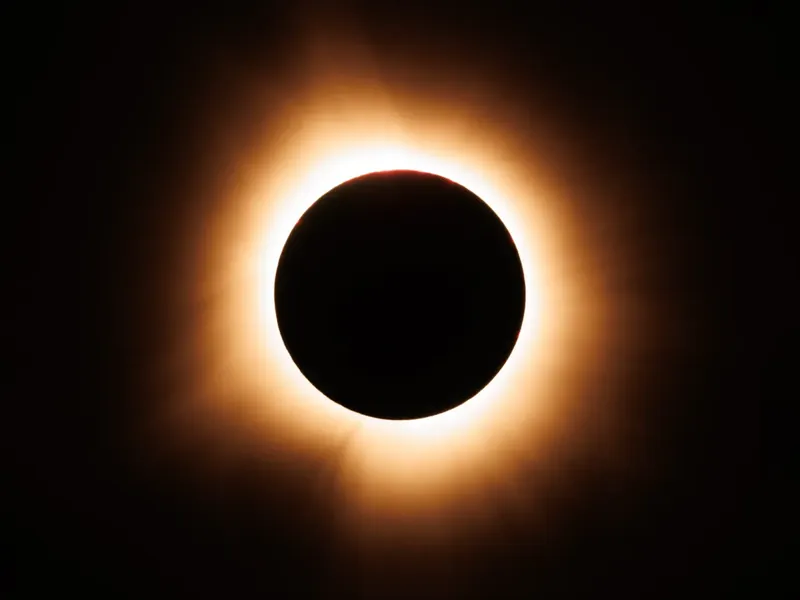
How to photograph a solar eclipse, with practical tips on preparation, filters, smartphones, and telephoto lenses.
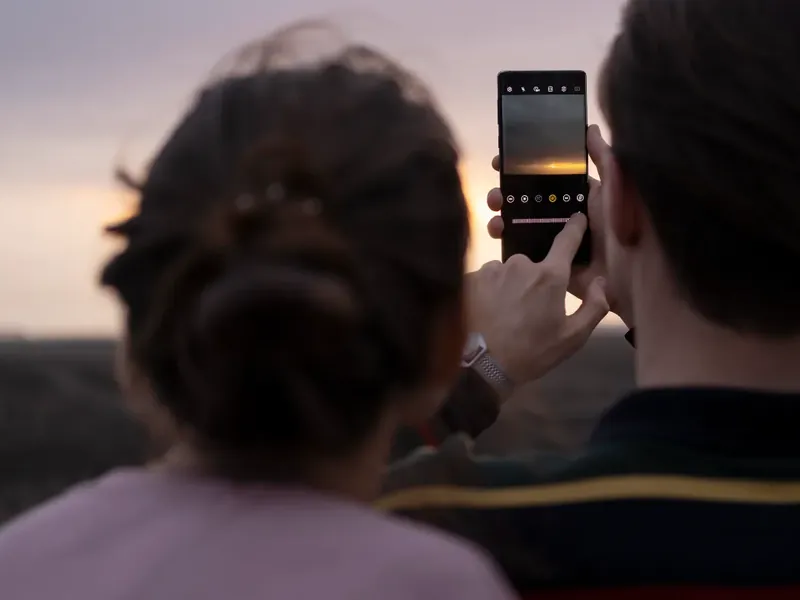
When should you choose RAW on your phone, and when is HEIC or JPEG smarter? Practical guidance for iPhone, Android, and mobile editing.

Which photography app is right for you? Ten excellent camera, RAW, editing, and planning apps for better smartphone photos in 2026.
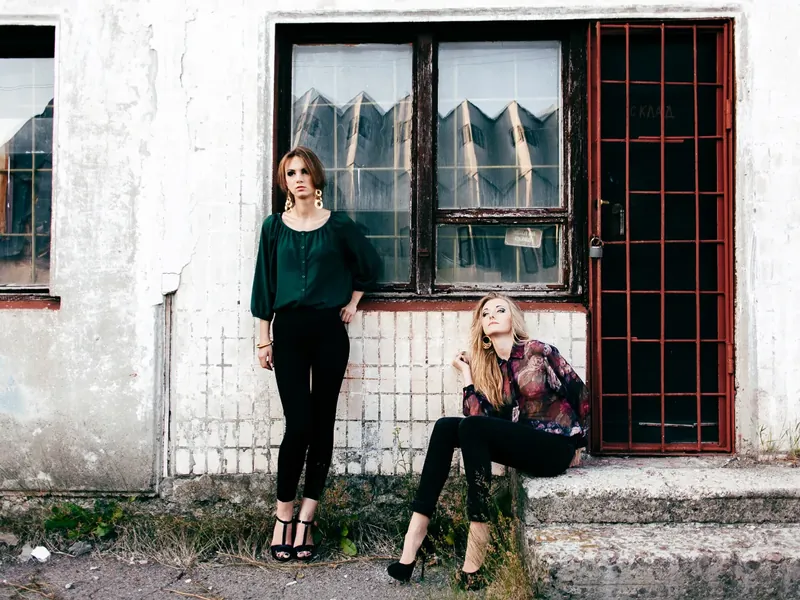
Many smartphones start at around 24mm. Here’s why a 35mm mode or crop can produce calmer street, travel, and portrait photos.

Lightroom Classic 15.4 helps with duplicates and culling. Here’s how to clean up your catalog without losing good photos.
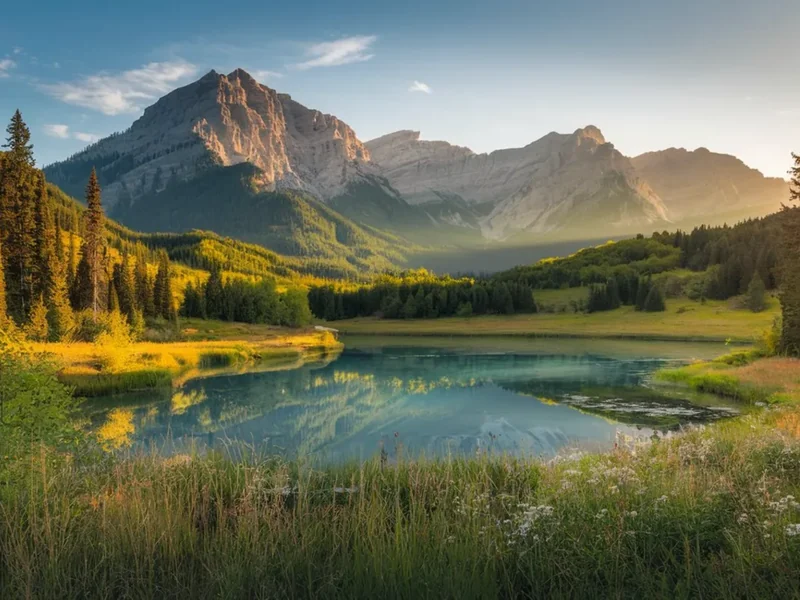
Which lens is right for landscape photography? Learn when to choose wide angle, telephoto, prime, or zoom—and what to consider.
Considering moving from a smartphone to a camera? Learn when the switch makes sense and how to choose a camera that fits the way you photograph.
Learn how exposure rules like the Sunny 16 rule help you transition from auto mode to M mode. Simple explanation for modern cameras.
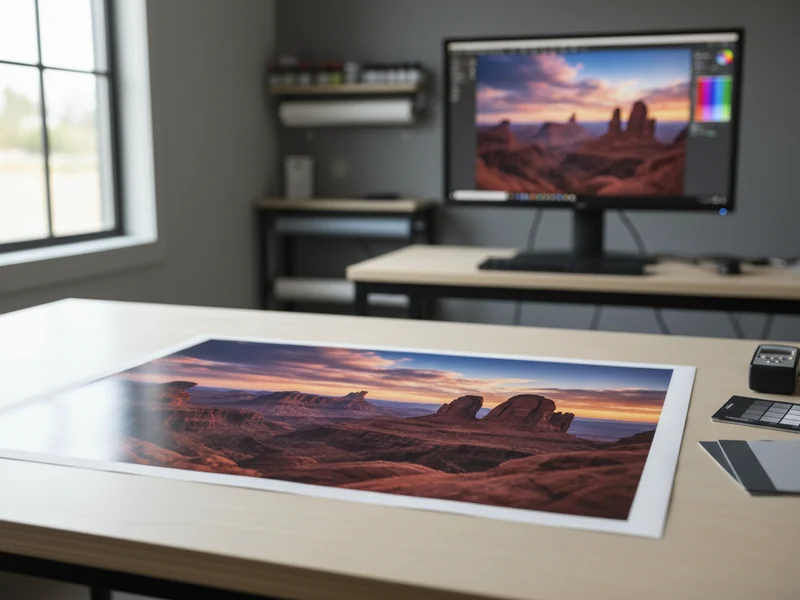
Want to print photos in high quality? Read how color profiles, resolution (dpi), sharpening and paper choice determine the end result.
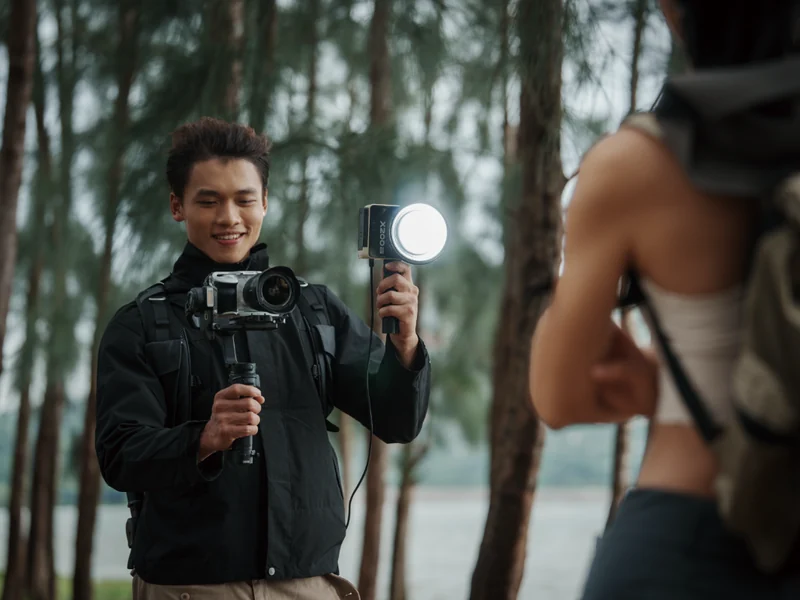
Discover the best LED lights for photography and video in 2025, from compact on-camera LEDs to bright, portable and affordable COB lights.
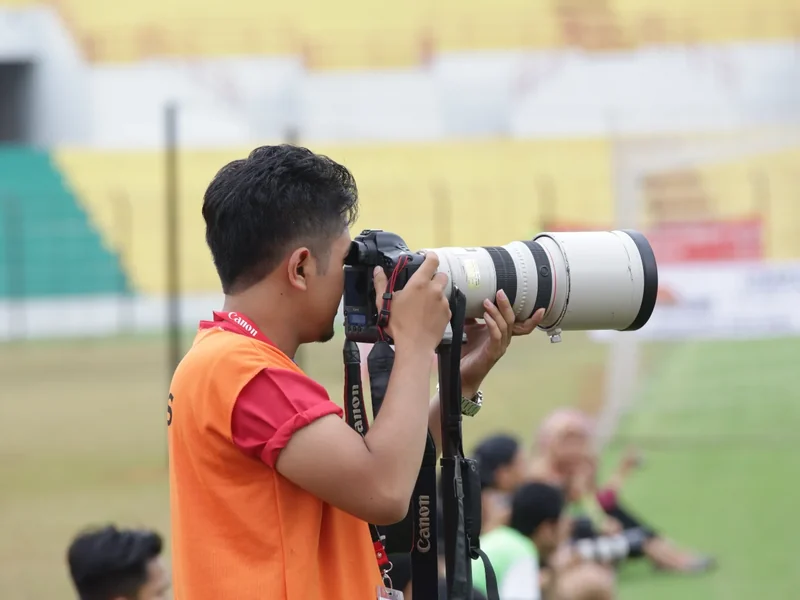
How to capture speed and emotion in sports photography with preparation, timing, equipment and the right camera settings.
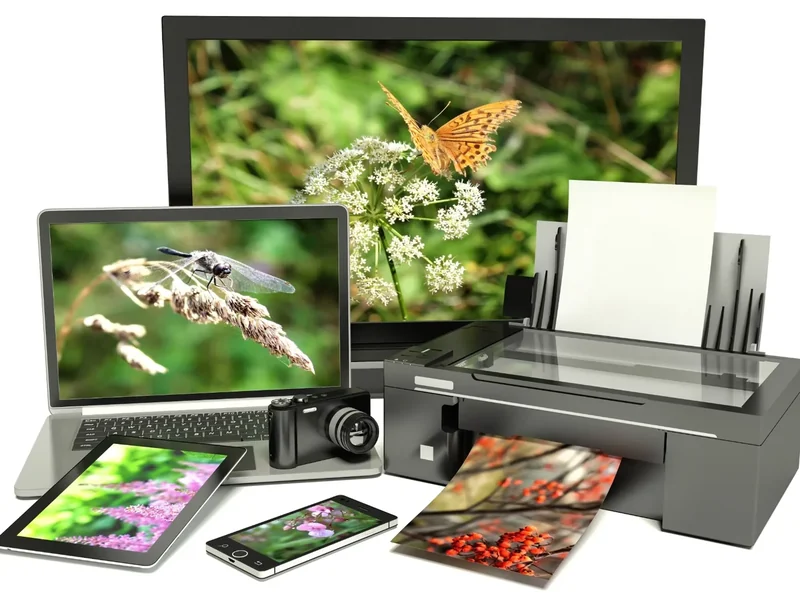
Buying a photo printer? Learn what to consider and choose the right model for printing high-quality photos at home.
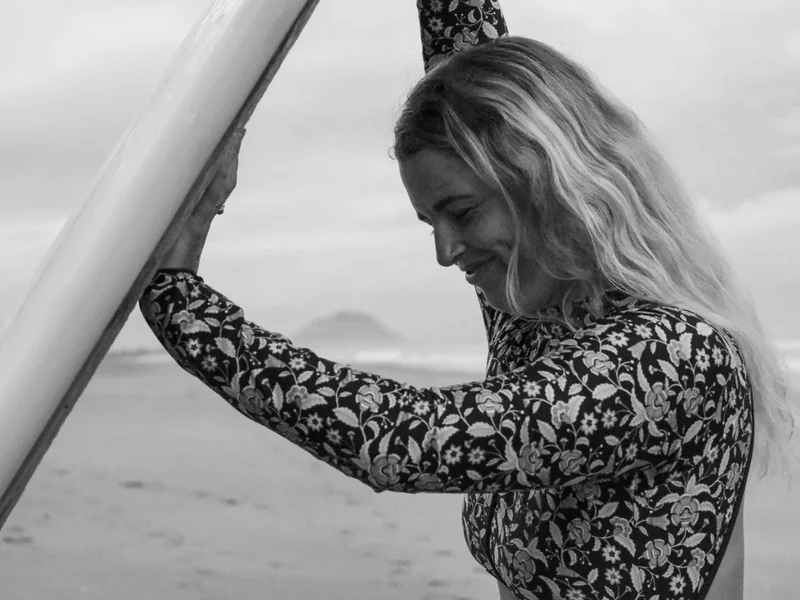
The five best Fujifilm film simulations for portraits—and how to choose the one that best matches the look you want.

How do you capture the perfect photo of someone blowing out the candles on a birthday cake? Tips for a mid-range mirrorless camera and a smartphone.
Tips for taking perfect photos with natural light. Whatever the conditions, natural light offers endless possibilities.
Daylight studio tips for professional portraits with soft, natural light instead of harsh shadows or unnatural color casts.

Tips for creating a portfolio website for a professional photographer.

When do you use a fisheye lens? Ten fun and interesting applications for a fisheye lens.
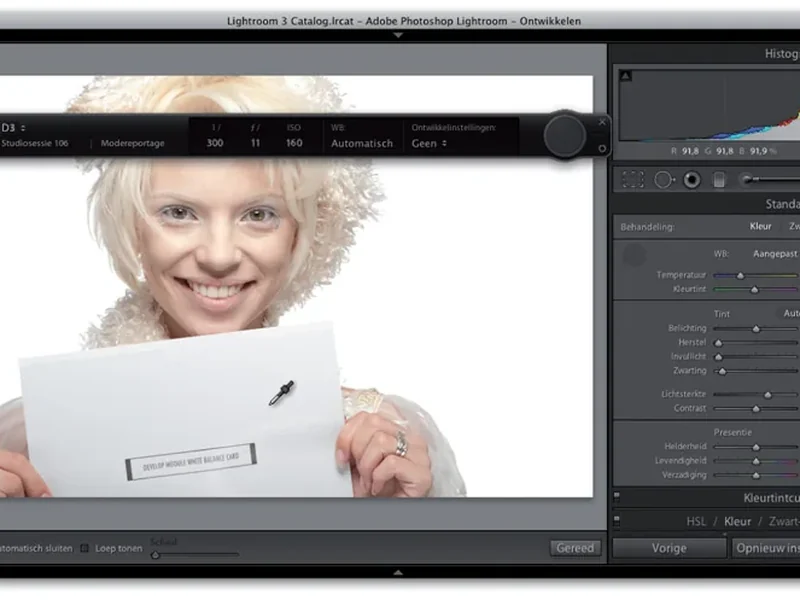
Scott Kelby explains how to set white balance live during tethered shooting in this preview from Chapter 4 of The Lightroom 3 Book.
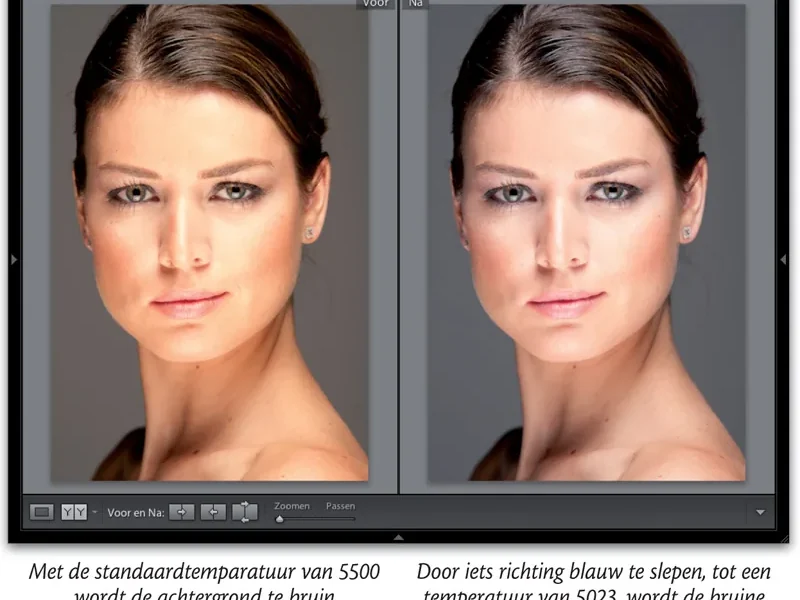
Scott Kelby explains step by step how to check and adjust the white balance of RAW, JPEG, and TIFF photos in Lightroom 3.
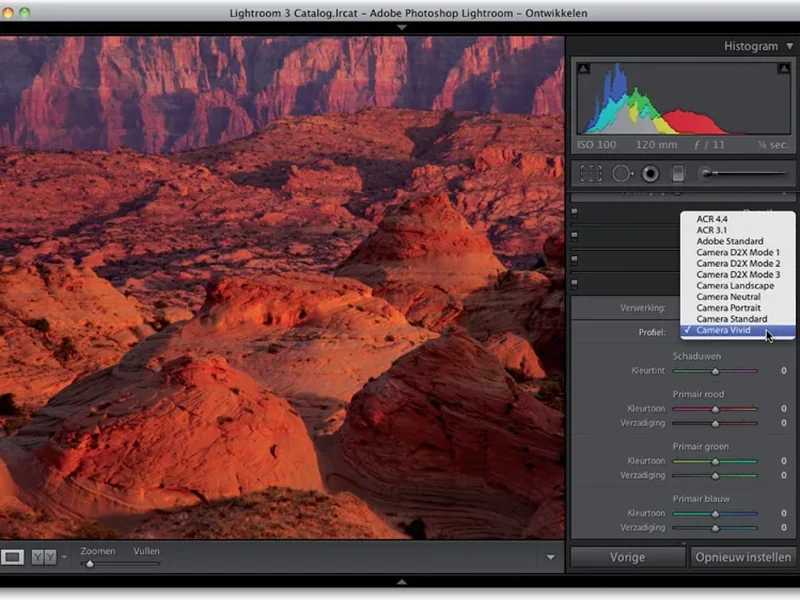
Scott Kelby explains how camera profiles in Lightroom give RAW photos a more contrast-rich, colorful, JPEG-like starting point.
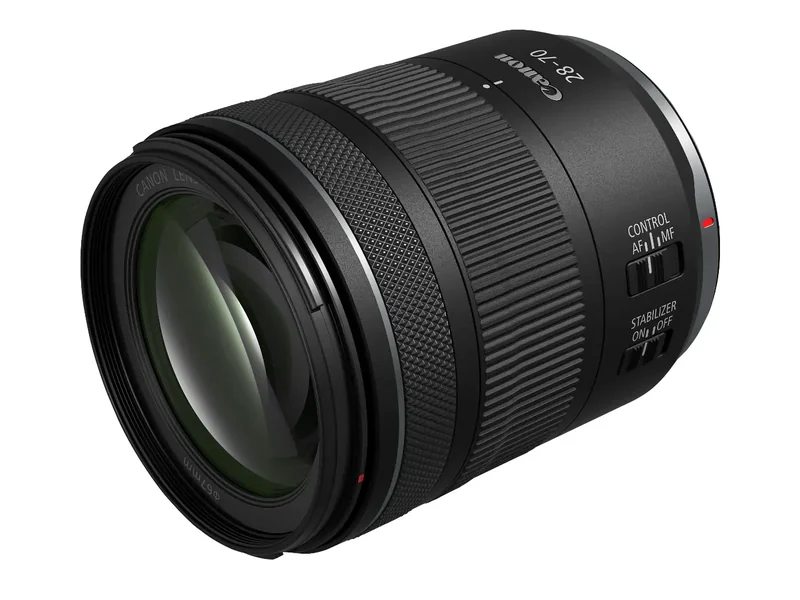
Zoom lens or prime lens? Scott Kelby explains in Chapter 3, The Truth About Lenses, of his Digital Photography book.
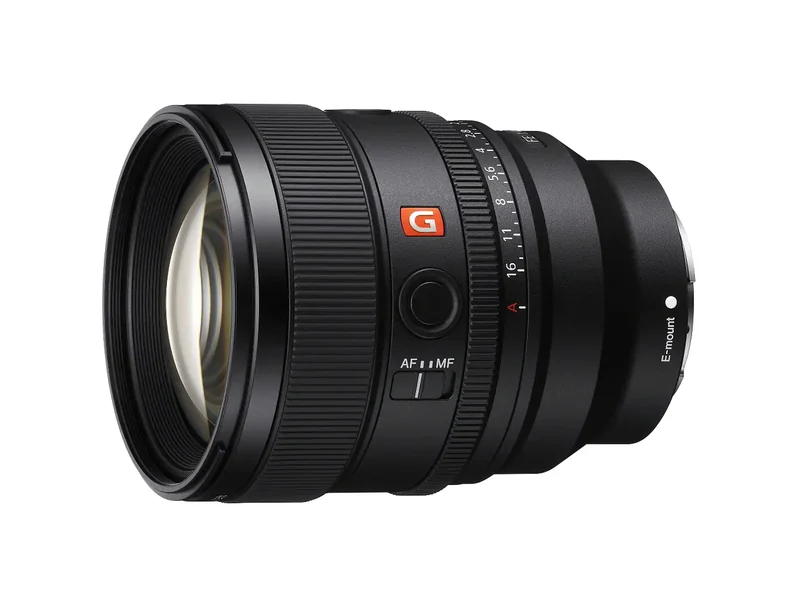
What makes a portrait lens? Modern zooms do an excellent job, and above 100 mm you will be pleased with the results—Scott Kelby.
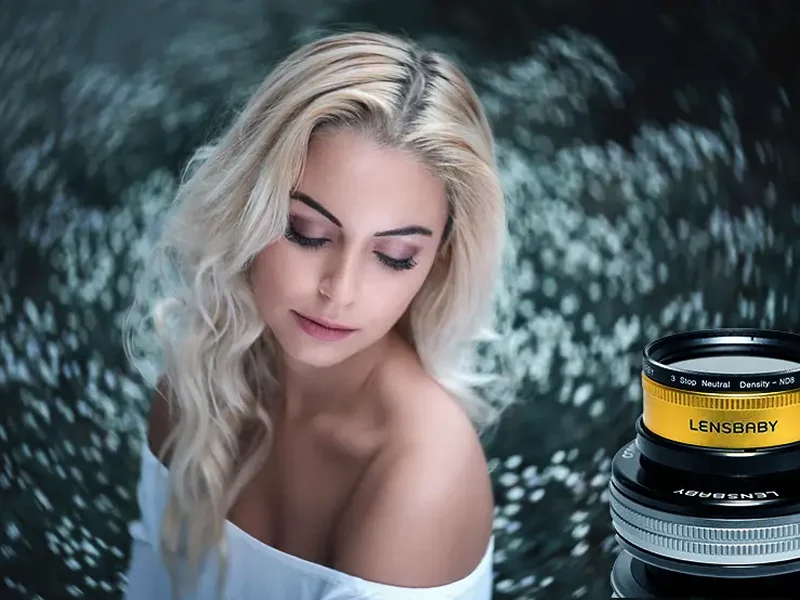
From Chapter 3, The Truth About Lenses, in Scott Kelby's Digital Photography book: when to use a Lensbaby lens.
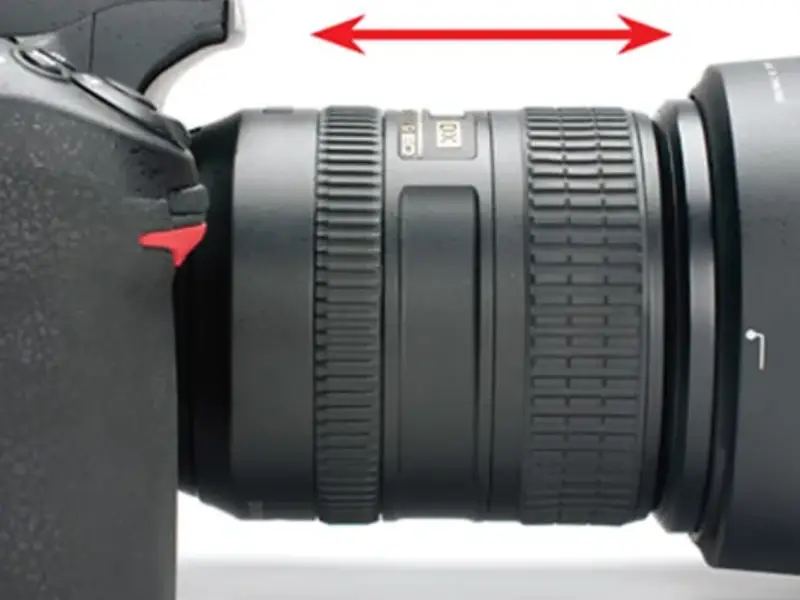
From Chapter 3, The Truth About Lenses, in Scott Kelby's Digital Photography book: when to use an all-in-one zoom lens.
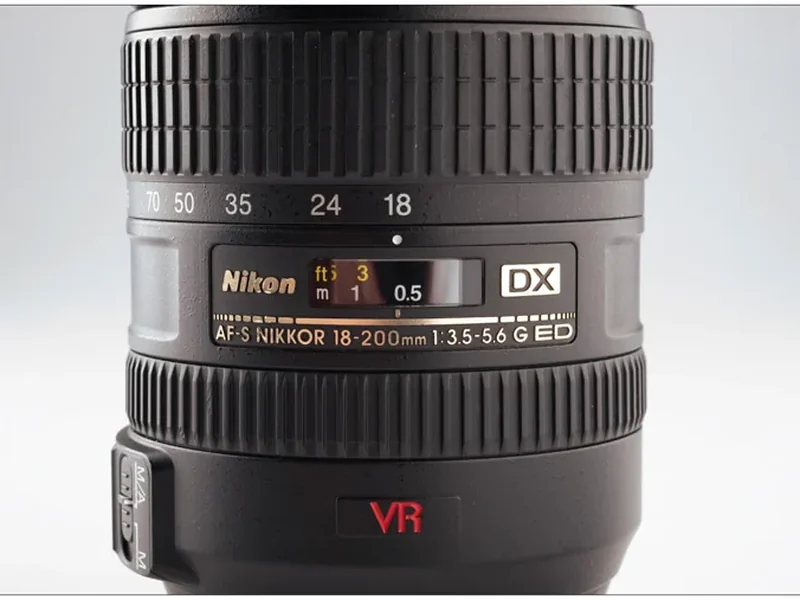
Some lenses have two apertures. Zoomed out at 18 mm, you can shoot in much less light than when zoomed to 200 mm.
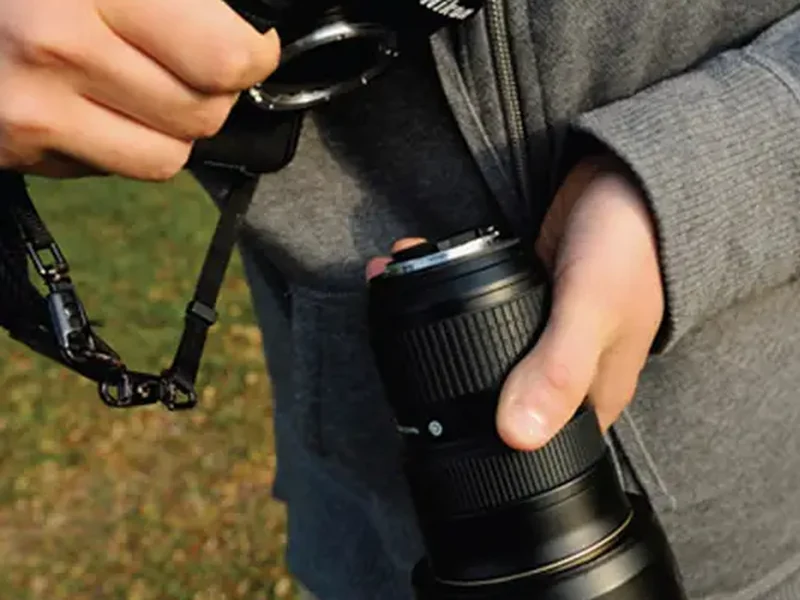
Tips for changing lenses, from Chapter 3, The Truth About Lenses, in Scott Kelby's Digital Photography book.
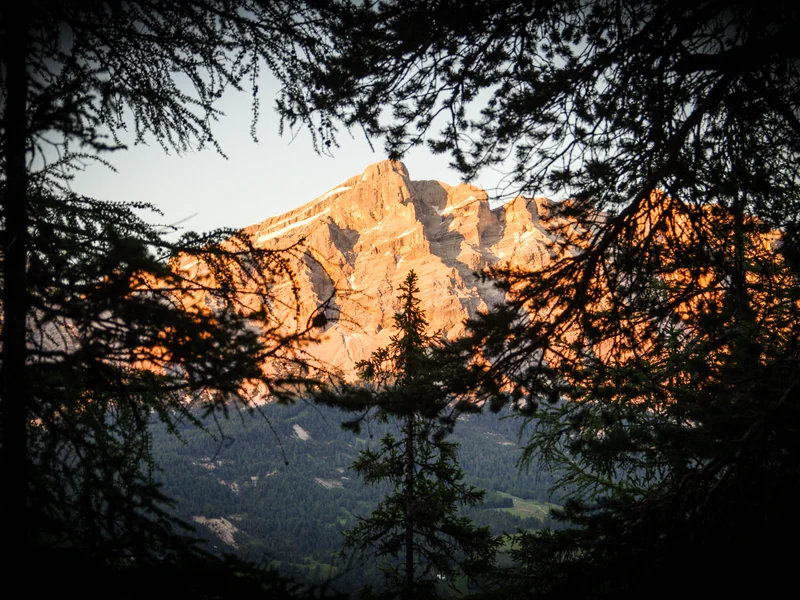
Dark corners in your photo? Scott Kelby explains vignetting and how to correct it quickly with lens corrections in Camera Raw and Lightroom.
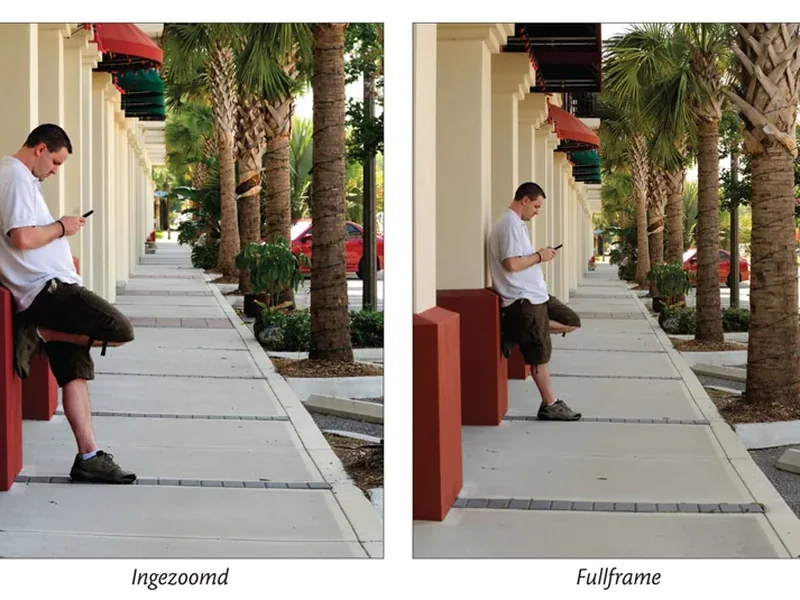
Zoom lenses and full-frame lenses, from Chapter 3, The Truth About Lenses, in Scott Kelby's Digital Photography book.
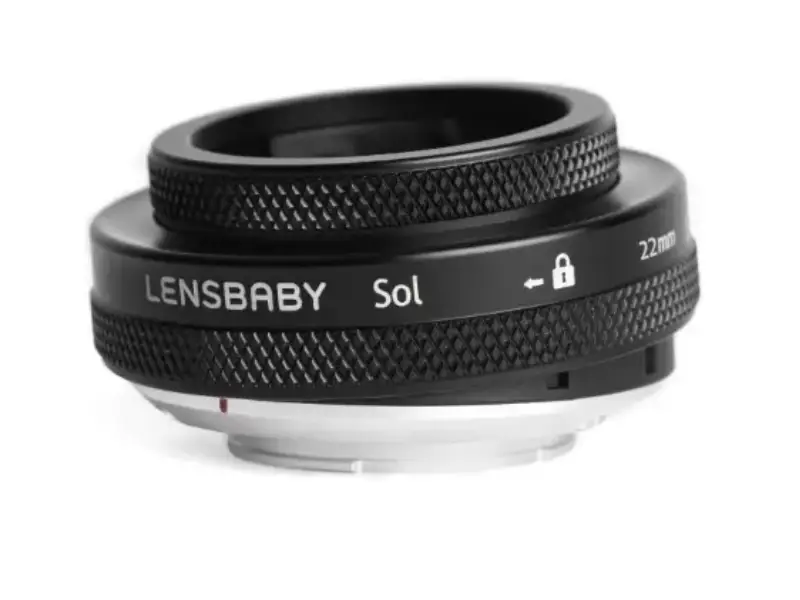
An excerpt from Scott Kelby's Digital Photography book, Chapter 3, The Truth About Lenses: when to use a tilt-shift lens.

An excerpt from Scott Kelby's Digital Photography book, Chapter 3, The Truth About Lenses: cleaning lenses.
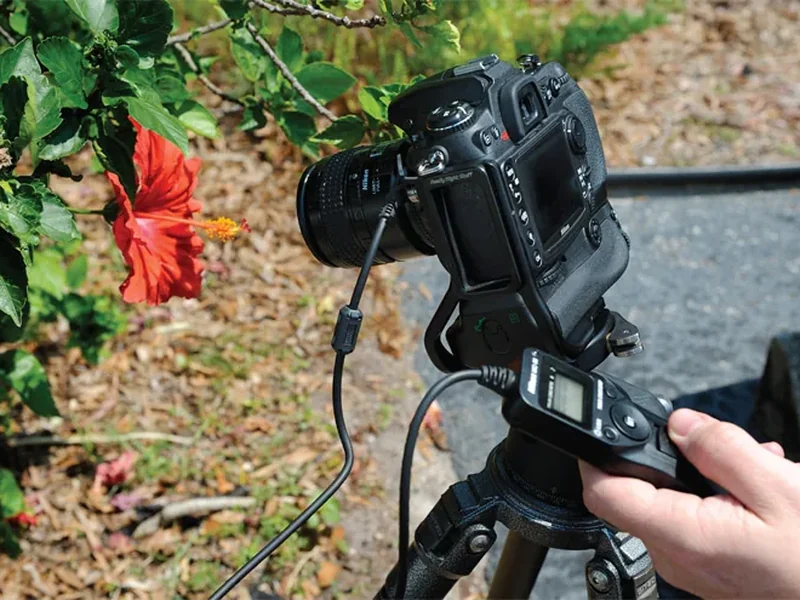
An excerpt from Scott Kelby's Digital Photography book, Chapter 3, The Truth About Lenses: when to use a macro lens.
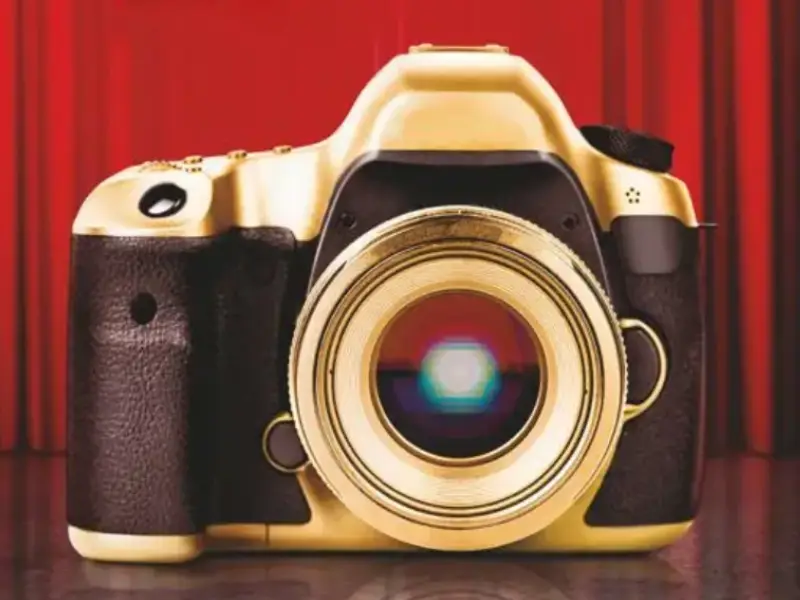
Scott Kelby on lenses: There are literally hundreds of different filters available for your lens.
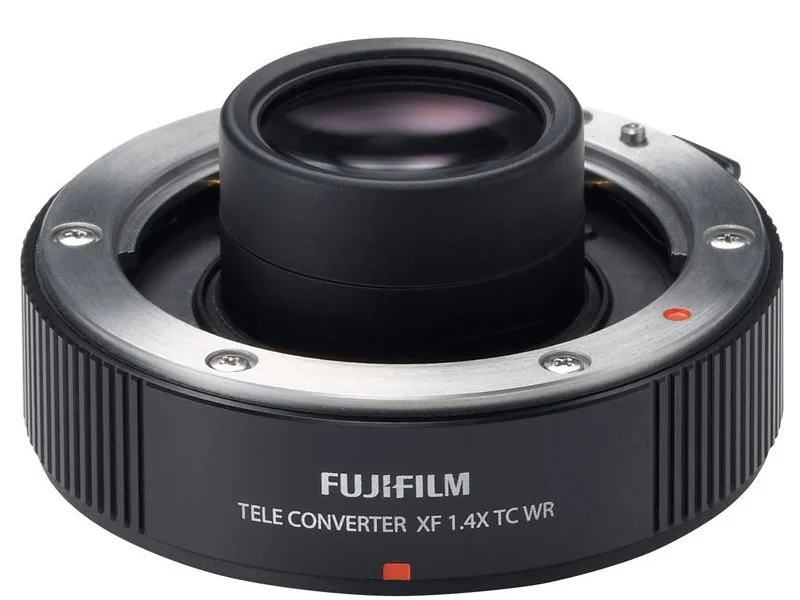
Teleconverters are a convenient, relatively inexpensive way to get even closer to the action.
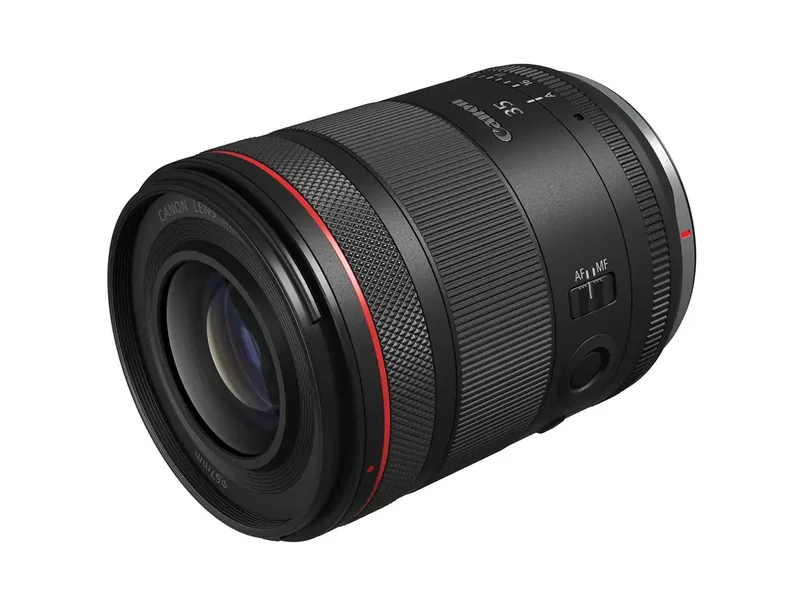
When should you use fast lenses? An excerpt from Scott Kelby's Digital Photography book, Chapter 3, The Truth About Lenses.
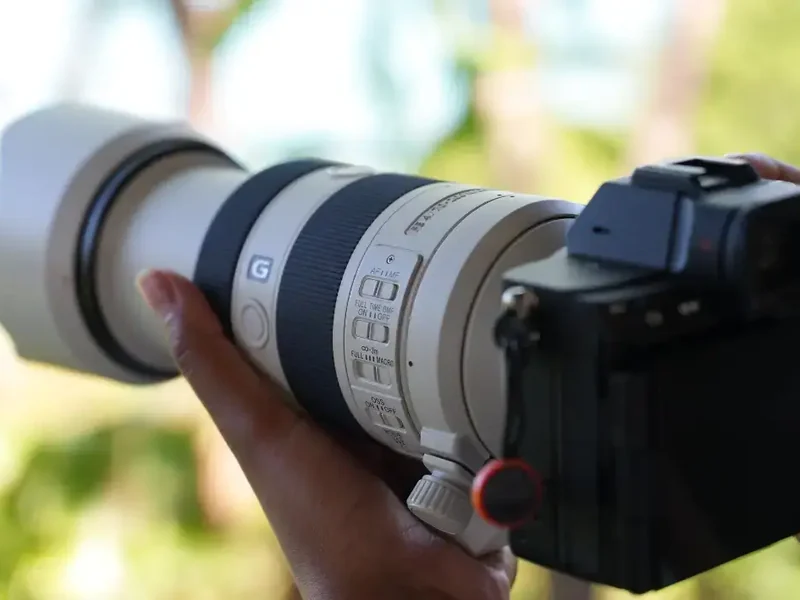
Scott Kelby explains when to use a telephoto zoom lens: the ideal choice when you want to get close and zoom in without changing position.
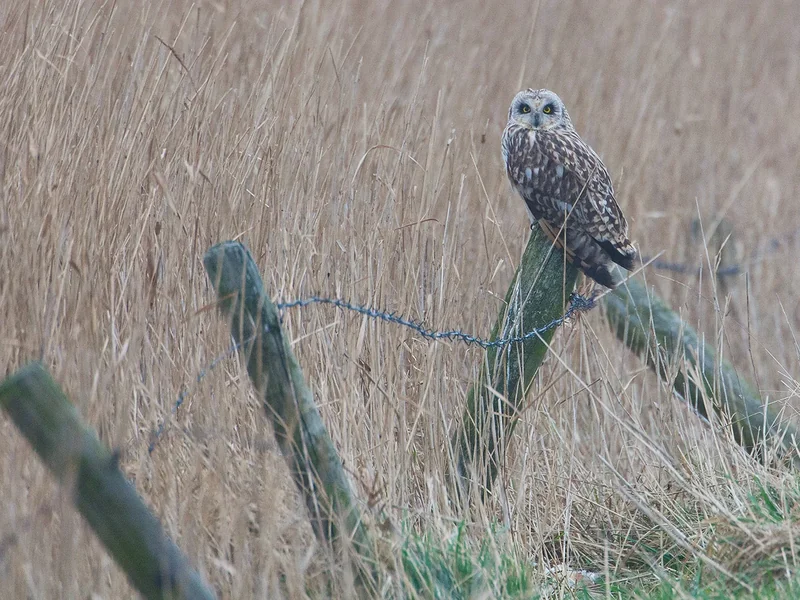
Playing with sharpness in photography can make an image more expressive. Some subjects are better left partly out of focus.
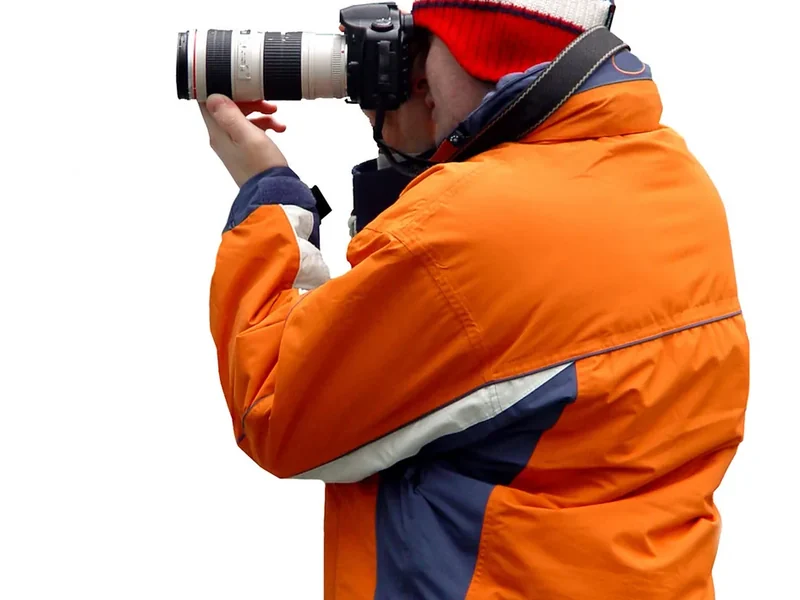
Image stabilization is designed for situations that require slow shutter speeds, when camera shake can cause motion blur.
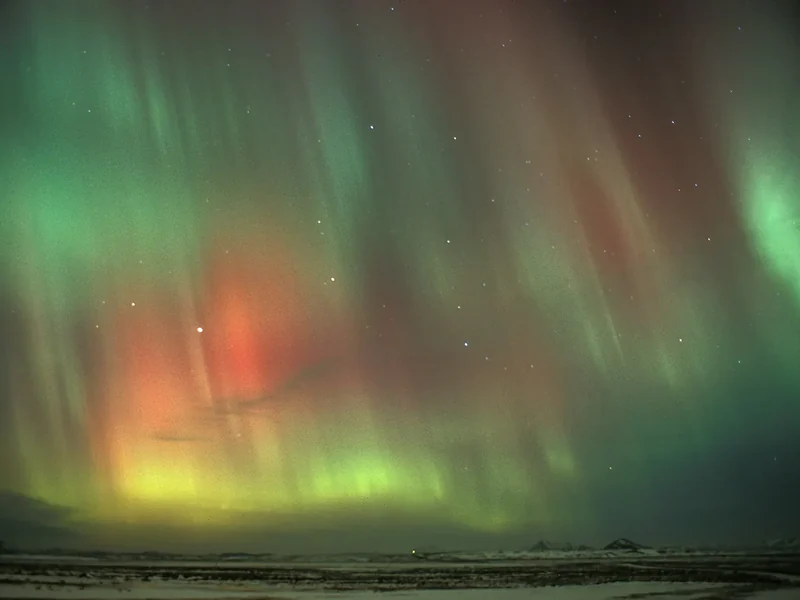
Learn to photograph at dusk and after dark, from proper exposure and bulb mode to long shutter speeds and using a cable release.
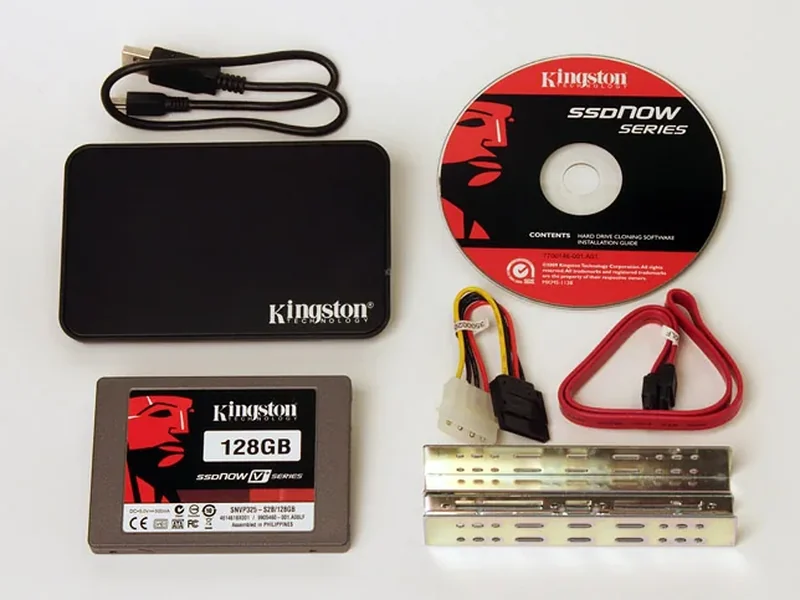
Why photographers buying a laptop or MacBook may want to consider an SSD: no moving parts, faster access, and greater shock resistance.
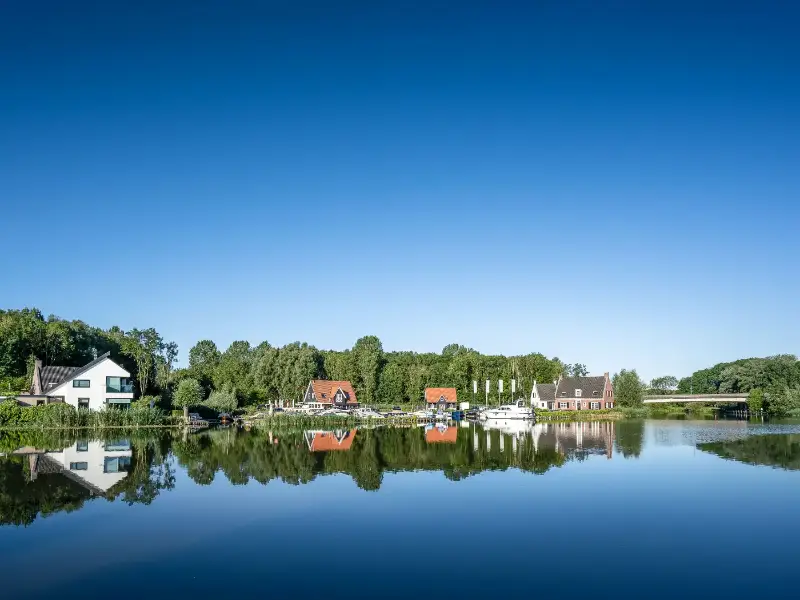
What is the difference between a polarizing filter and a graduated ND filter? Find out which to use for reflections, colours and bright skies.

Add digital fog in Photoshop using Quick Mask, a gradient, and a layer mask, then refine its density and transitions.

Which quality and resolution settings should you use on your DSLR? Discover when you don’t need to use the maximum settings and how to make smarter choices.
Which DSLR is right for you? This guide explains why ergonomics, ease of use, and trying a camera in the store should weigh heavily in your decision.

How do portrait rights and copyright apply to photography? Learn what photographers and subjects may and may not do when portrait photos are published or used
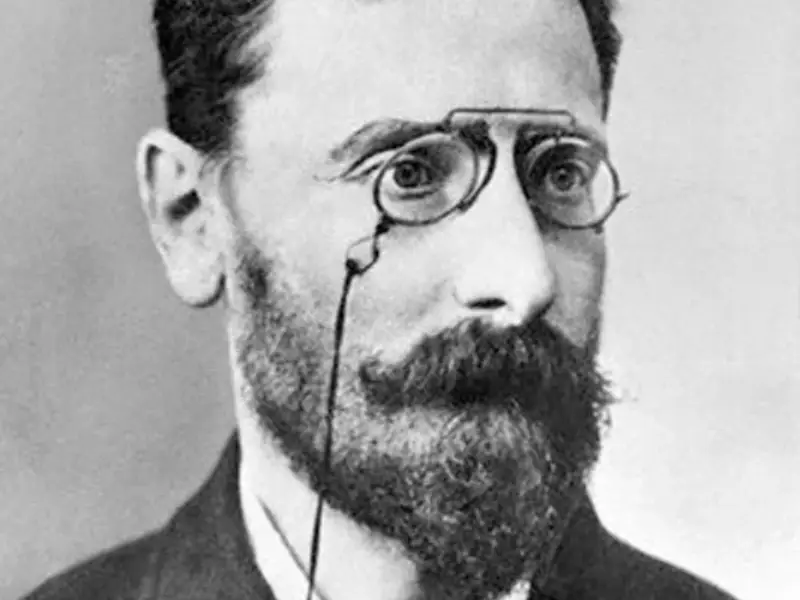
The Pulitzer Prize is an American journalism award and the most prestigious distinction in news, the arts, and literature
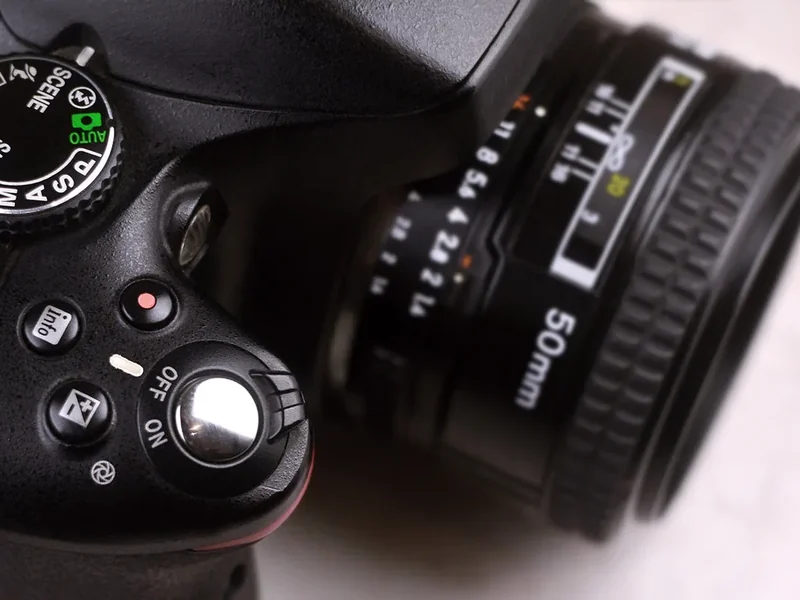
Are scene modes useful for beginners but best forgotten once you advance—or should they be taken more seriously?
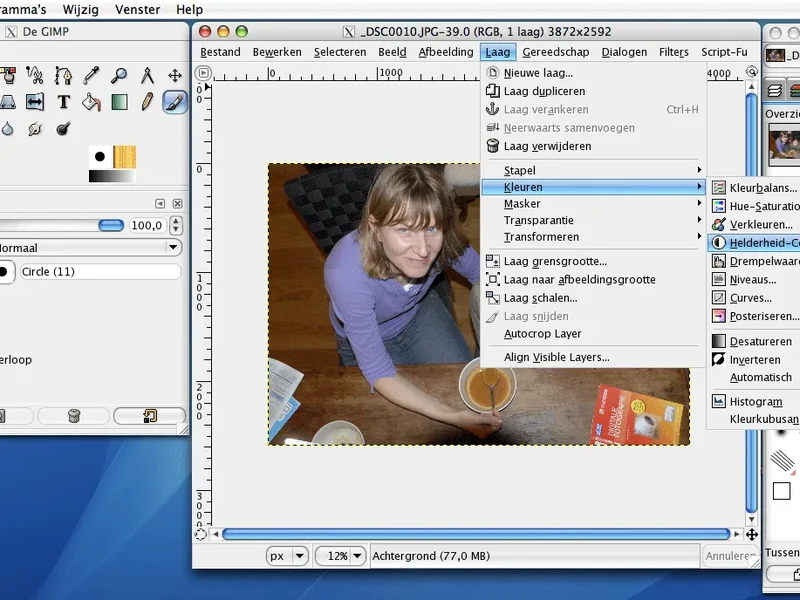
GIMP is a capable, free photo-editing package that is well worth installing and packed with features.
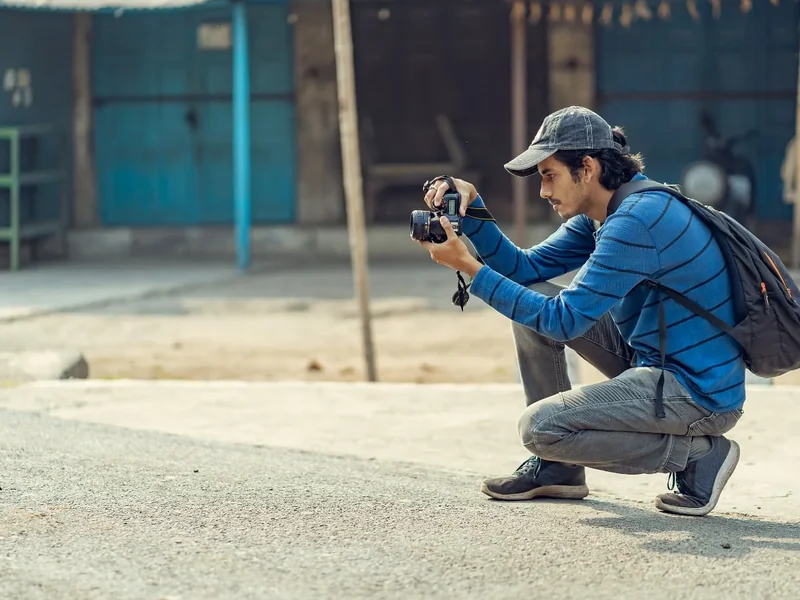
Get started quickly with your DSLR: begin shooting with your new digital SLR within minutes of arriving home, by Lars Polder
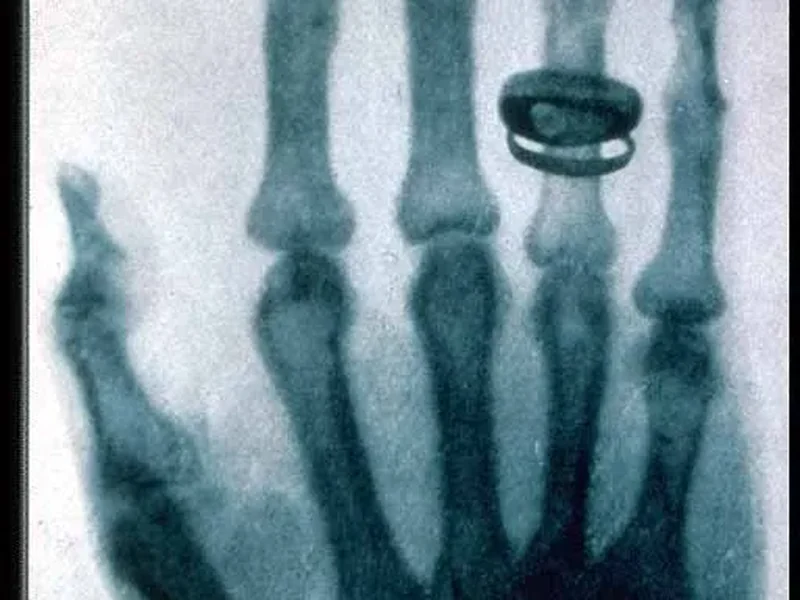
X-Ray photography: an accidental discovery. The story of German physicist Wilhelm Conrad Röntgen (1845–1923)
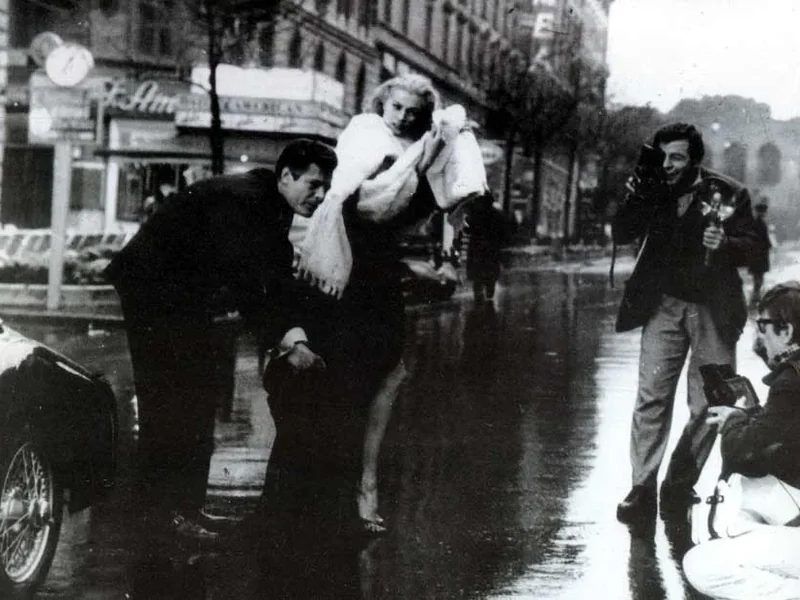
Paparazzo (plural: paparazzi): a gossip photographer who secretly documents the lives of famous actors and actresses for a curious public
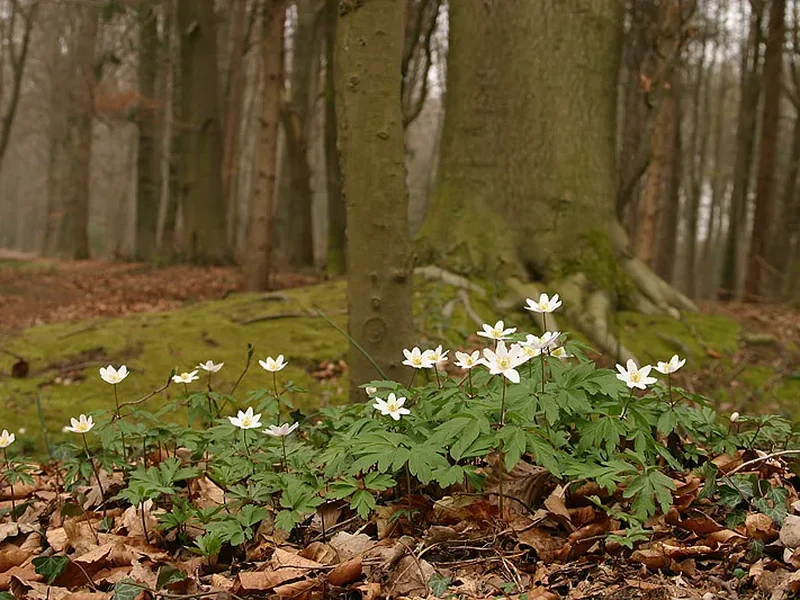
Tips for photographing trees and forests, from equipment to locations. Learn what to pack and how to create strong images in difficult light.
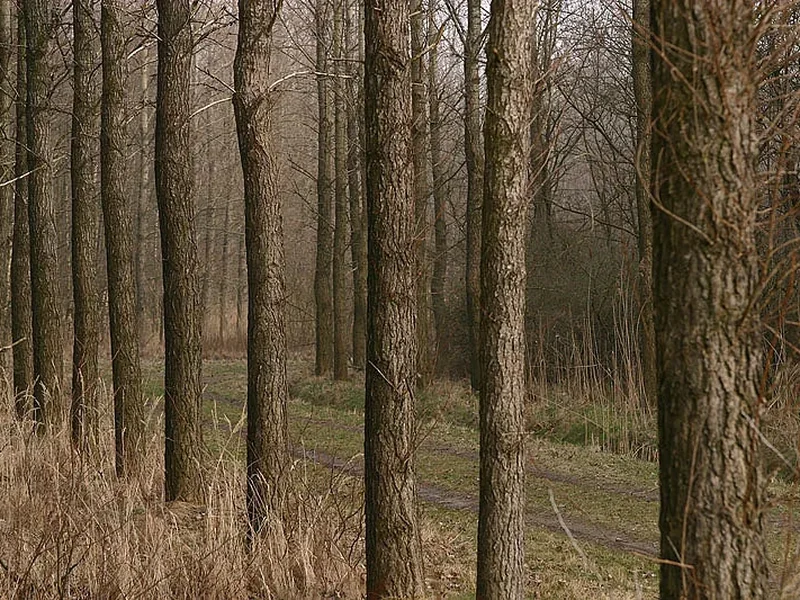
Photographing trees and forests involves more than capturing beautiful greenery. Discover where to go, how to see differently, and what to pack.
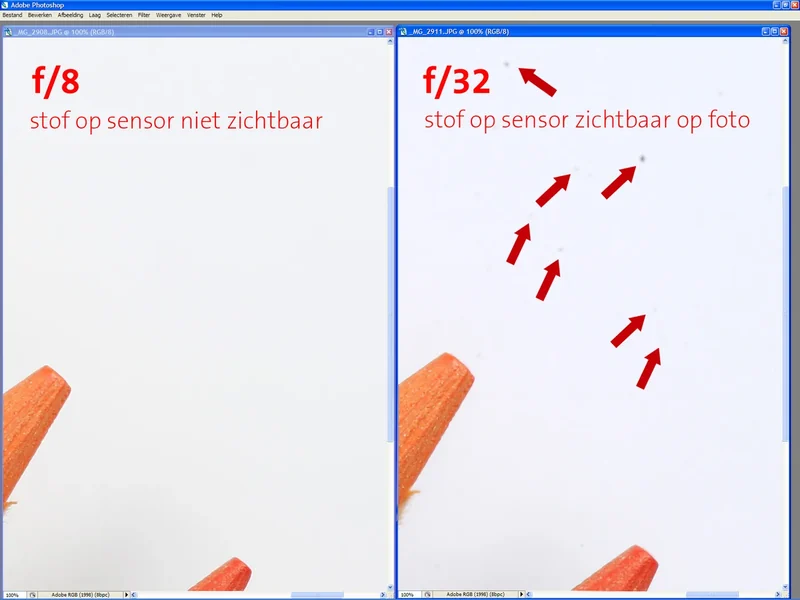
Pieter Dhaeze explains how sensor dust occurs, when spots become visible, and what you can and cannot safely do yourself.
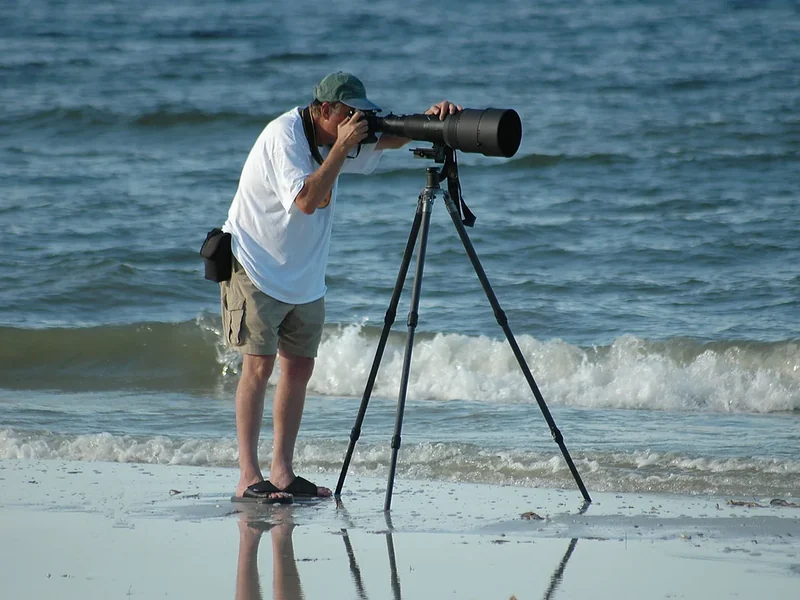
Buying a camera tripod or support? Learn what to consider and how to use tripods, monopods, dollies, and improvised supports effectively.
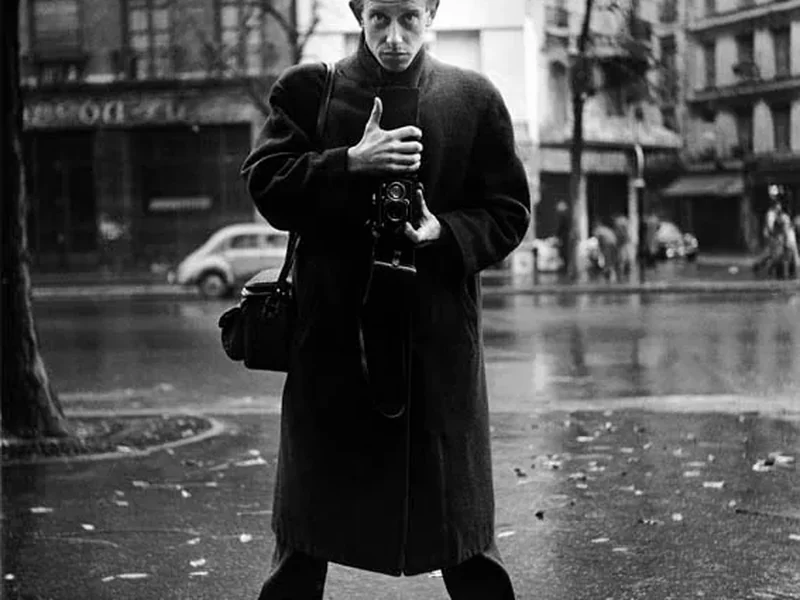
Ed van der Elsken (1925–1990) was one of the Netherlands’ most distinctive photographers, known for personal street and documentary work. By Cees Visser.
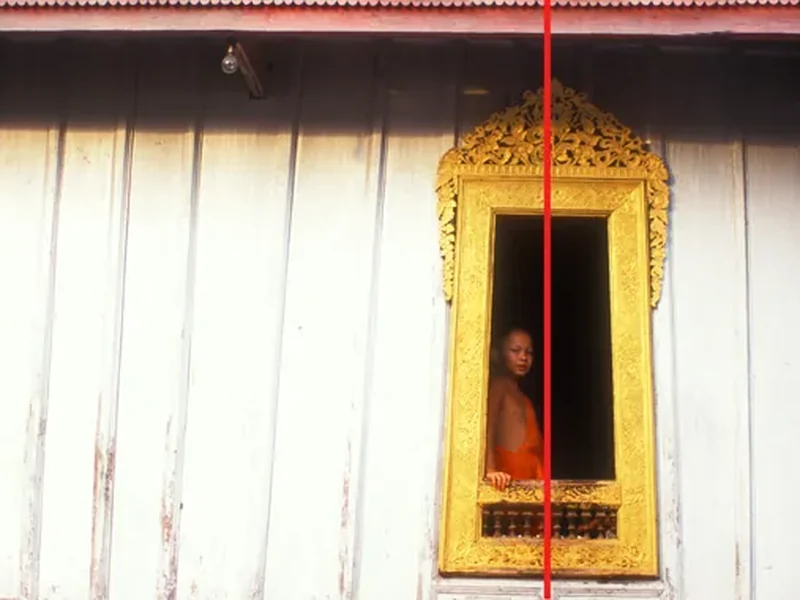
Six illustrated lessons show how the golden ratio, horizon placement, diagonal lines, viewpoint, depth, and color shape a photograph.
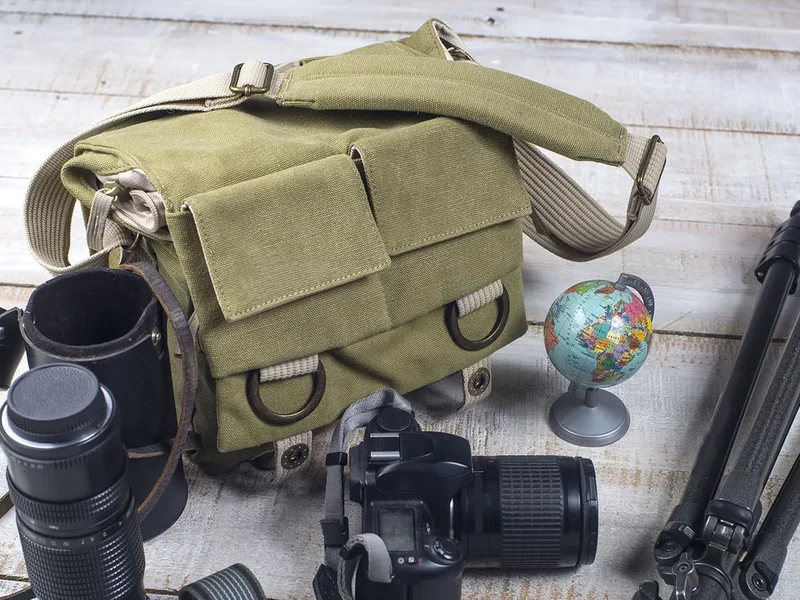
Find the right camera bag for you and your gear, with practical advice on size, comfort, protection, organization, and travel.
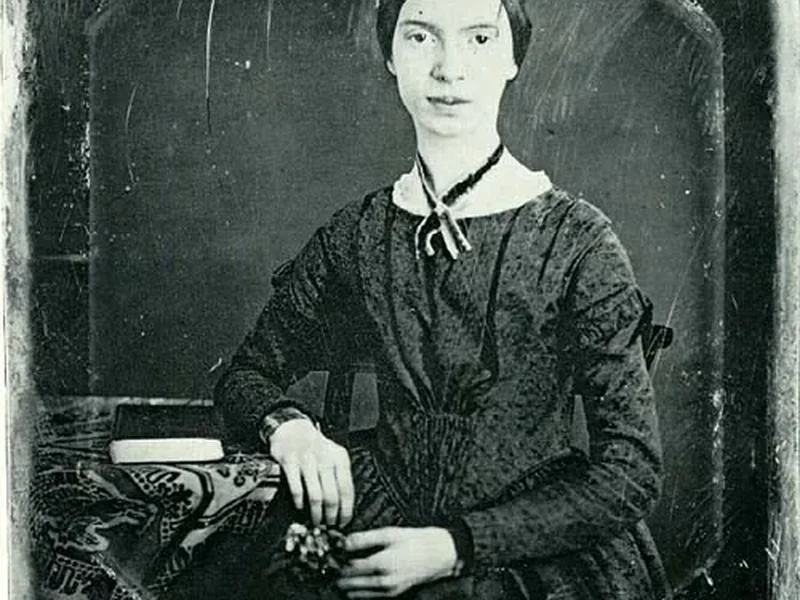
Frenchman Louis Jacques Mandé Daguerre is regarded as one of photography’s inventors, thanks to the daguerreotype process.
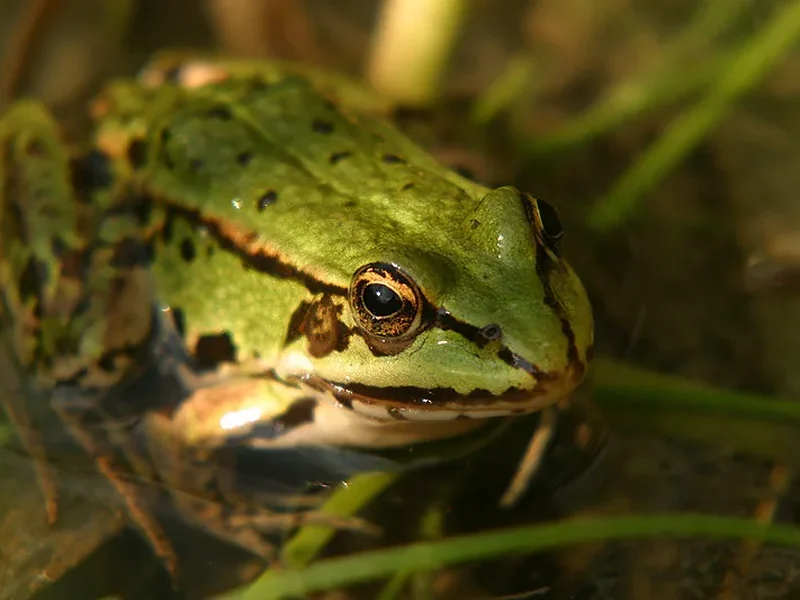
Discover how close-up and macro photography can reveal nature in detail, with practical tips on equipment, focusing, and depth of field.

When granting a license, you retain copyright and authorize specific uses. Copyright can also be transferred under agreed conditions.

As a photographer, you automatically own the copyright to your photographs. Learn what that means for use, permission, publication, and protection.
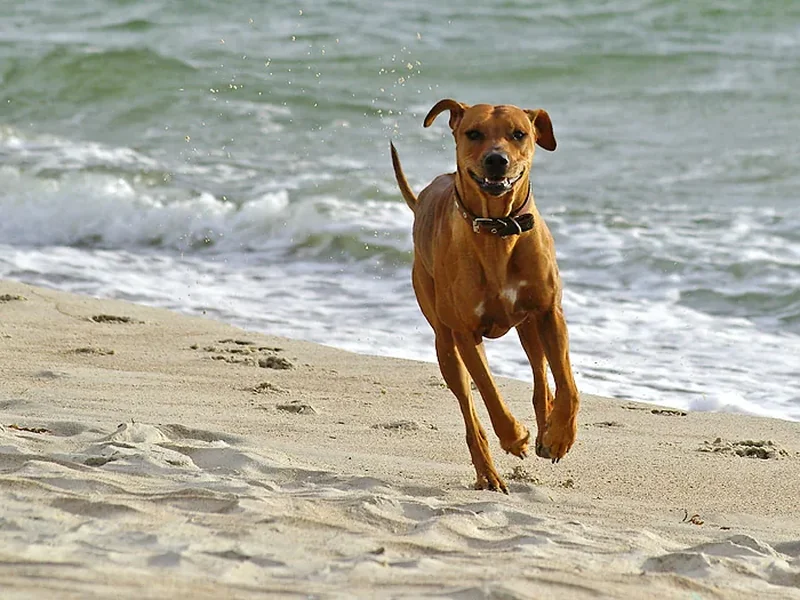
Pet photography tips to help you capture better pictures of your pet, from action shots and close-ups to zoo photography.
Fotografie.nl is made possible by


