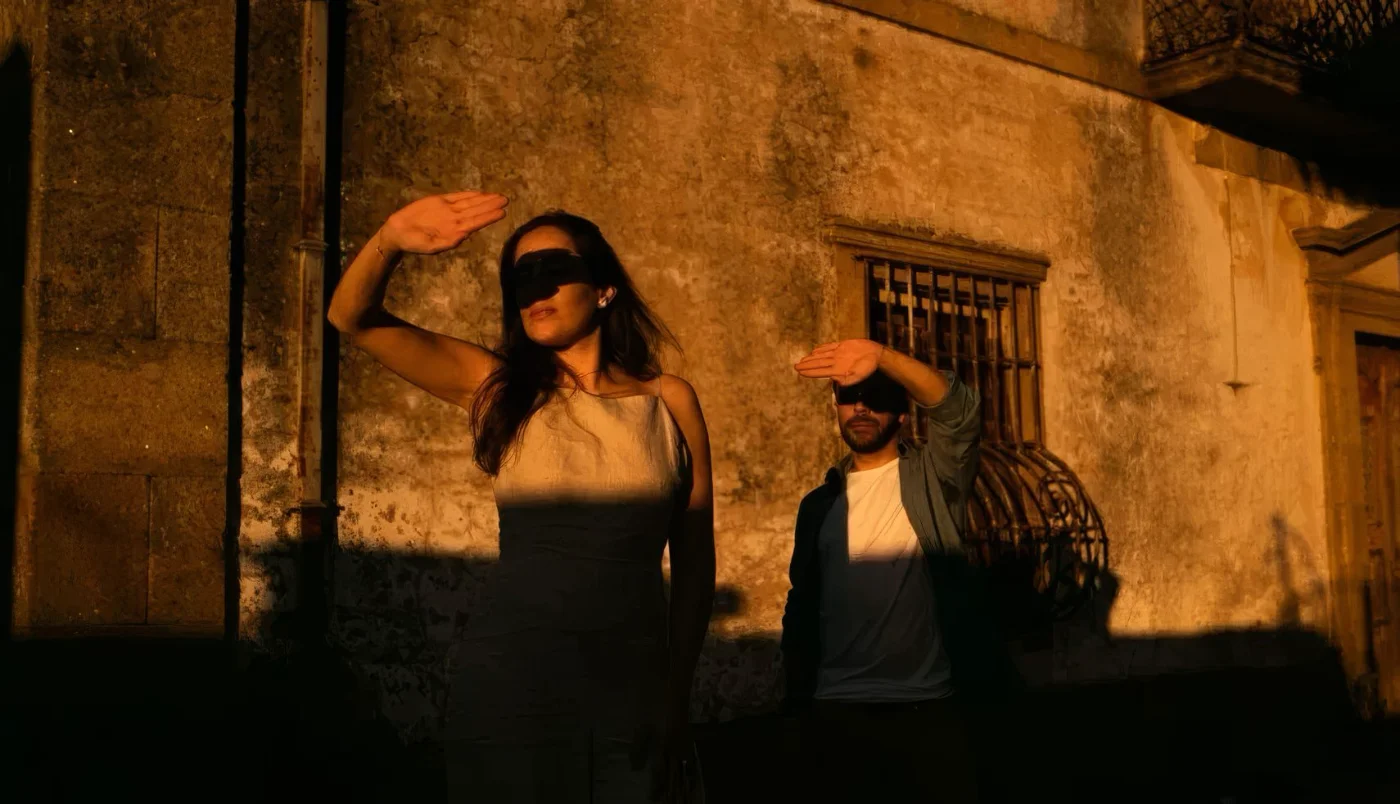
Photo: © Andre Heller | FUJIFILM X-T3 with FUJINON XF23mmF1.4 R, 1/4400 sec, F2.8, ISO 160
For many photographers, everything begins with natural light—and for some, it remains the most important light source. Whether you photograph landscapes, portraits, or architecture, natural light offers endless possibilities. Learning to work with the conditions you are given is a skill in itself, however, because the light cannot be controlled. Ultimately, what matters is how effectively you use it.
This article explains how to make the most of natural light. But remember: rules are not set in stone. If a moment moves you, follow your instincts and capture it as you experience it. Experimentation remains an excellent way to grow as a photographer.
Working With Bright Sunlight
Photographing under a clear sky presents challenges. Strong contrast can cause detail to disappear in the shadows or highlights. Eye color often appears less vivid, and faces do not always look their best. Yet these limitations can also create opportunities, provided you choose your approach carefully.
Expose for the Bright Areas
Bright sunlight creates hard shadows, so you often have to decide what to emphasize. Unless most of the scene is in shadow, it is wise to expose for the brighter areas of the frame. You do not have to do this manually; the exposure-compensation dial is a useful tool. Turning it to a negative value—sometimes as low as -5—lets you expose the bright areas correctly while keeping the shadows dark.

This approach of exposing for the bright areas can change the way you photograph. Imagine a person walking through shafts of sunlight in the city. Instead of recording every detail in the surroundings, you can emphasize the subject and use the shadows to direct attention toward it.
Even in scenes with little shade, slight underexposure can be highly effective. It keeps colors richer and more vivid because bright sunlight tends to wash them out.
Exposure Bracketing on Partly Cloudy Days
When the light changes rapidly, exposure bracketing can be a valuable tool. On a FUJIFILM mirrorless camera, set it through Shooting Setting > Drive Setting > BKT Setting > AE BKT or ISO BKT.
Even in scenes with little shade, slight underexposure can be highly effective...
When you press the shutter release, the camera takes three frames at different exposures. Choosing ±2 stops, for example, gives you extra latitude. As you gain experience, you can fine-tune these settings to your preference.
Golden Hour: The Perfect Moment
The soft, warm glow of golden hour—just after sunrise or shortly before sunset—creates a distinctive atmosphere. This beautiful light bathes everything in warm, gentle tones, making it almost impossible to take a bad photo.
Bring the Colors to Life
Golden hour’s warm tones invite emphasis.
For example, choose Velvia, a FUJIFILM film simulation mode, to make the colors even more vivid. You can also adjust white balance manually: select “Shade” for an even warmer look or “Tungsten” for a cooler effect. To change these settings, go to Image Quality Setting > White Balance in the camera menu.

Blue Hour: Soft and Atmospheric
Blue hour, the period immediately after sunset, has a unique and enchanting quality. Its cool, soft colors create a calm, almost dreamlike mood. To make sharp images at this time, open the aperture wide or raise the ISO to prevent motion blur. As the light fades, shutter speeds quickly become longer.
Image Stabilization: A Valuable Aid
In low light, image stabilization can make a significant difference. If your camera or lens has this feature, turn it on. It lets you photograph without a tripod while still achieving sharp, stable results.
Monochrome or Color?
Flat light is an excellent opportunity to experiment with black-and-white photography. With less prominent color, you can concentrate fully on contrast and texture. Try one of the black-and-white film simulations on your FUJIFILM camera, such as ACROS, to bring out additional detail and drama.

Prefer to work in color? Look for striking details that give the image character—for example, a red umbrella that stands out in an otherwise neutral street scene. In nature, focus on subtle color accents, such as a single flower in a field or a bird against a gray sky.
Finally
As you have seen, natural light offers endless possibilities in any conditions. Whether you work with bright sunlight, magical golden hour, or the soft illumination of an overcast day, it all comes down to your creative vision and willingness to experiment. Grab your camera, head out, and discover how to make the light work in your favor!