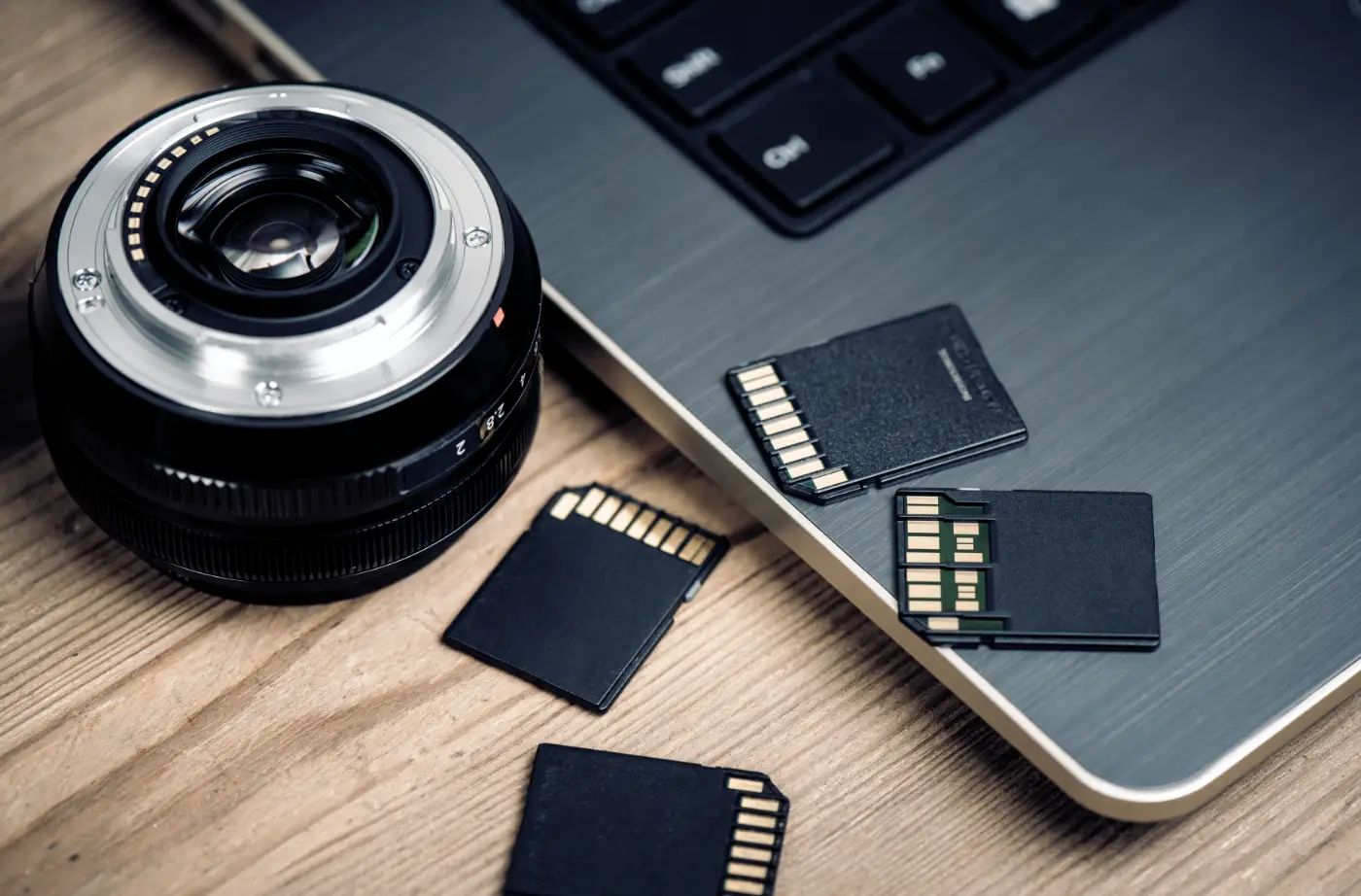
You start with your smartphone: it is always at hand and delivers surprisingly good results. That makes sense. But eventually you notice its limits: portraits can look flat, night photos show noise, and you want more control. Then the question arises: what can a dedicated camera add?
Let's look at that switch. Not from sales arguments or technical terms, but from the practice of photography.
Why a camera?
Smartphones are technically clever, but they do a lot of work for you. Sharpness, color and noise reduction are largely determined by software. This produces fast, beautiful images, but you have less influence on how the image is created.
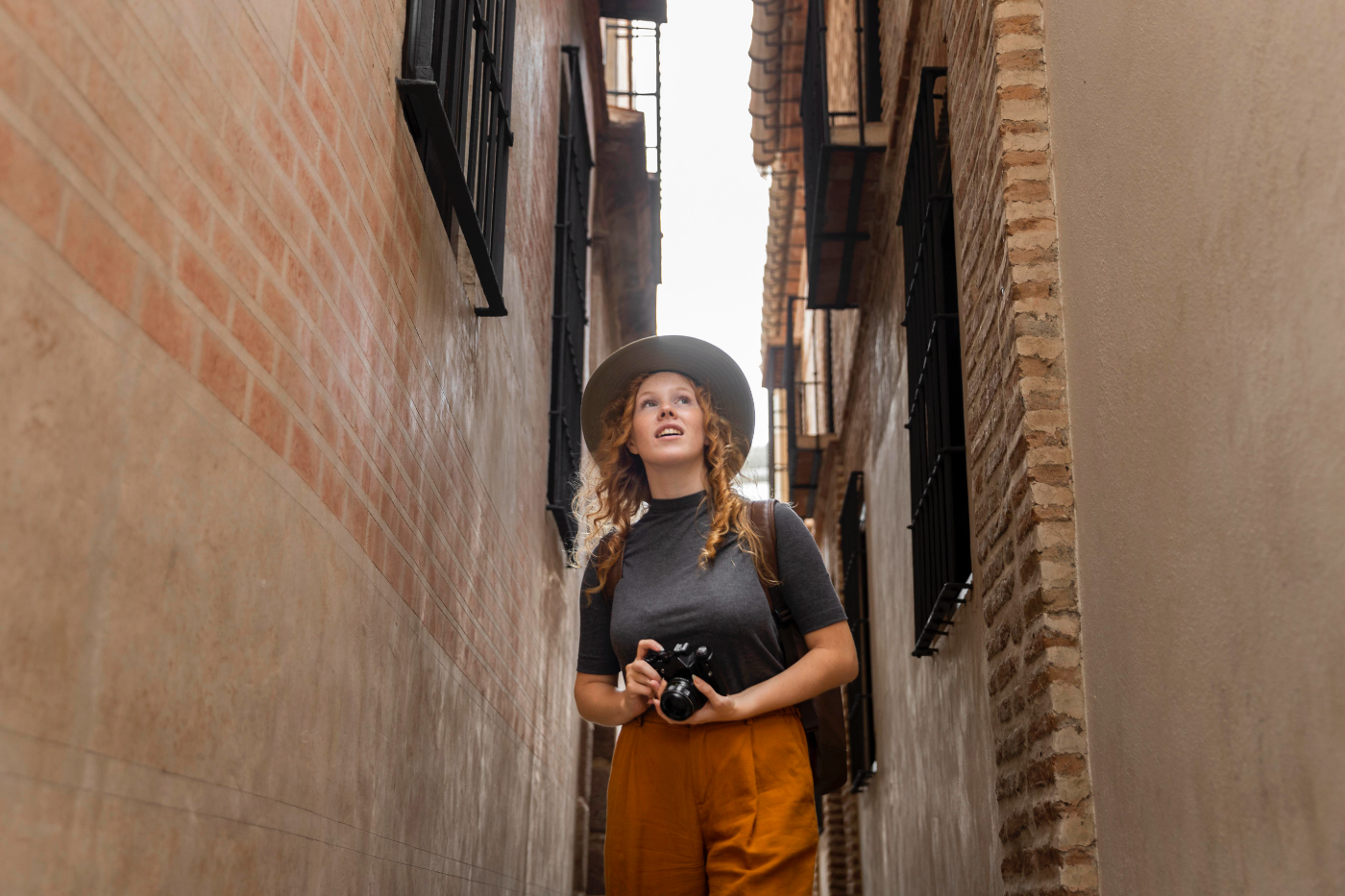
With a camera you have direct control over depth of field, shutter speed and ISO. Portraits get a natural background blur, color gradients become more subtle and details are retained longer in low light. Think of skin tones that appear warmer and more natural, or starry skies in which you really see individual stars instead of a vague glow.
But the biggest difference is this: a camera invites you to look more consciously. You take a moment to frame, wait, choose. That makes photographing less fleeting, and often more satisfying.
When Should You Make the Switch?
The switch makes sense when you notice that your smartphone is starting to limit you. This can happen in all kinds of situations.
For example, when you want to take portrait photos where the background fades away smoothly. Smartphones can simulate this, but you often see that hair or the edges of glasses are cut off. With a camera, the background blur comes from the lens itself, which looks more natural.
Or when you photograph children or animals and notice that movement is just too much for your phone. A camera can literally 'capture' more moments with higher shutter speeds and better autofocus. Many smartphone photographers really lack range for wildlife or sports.
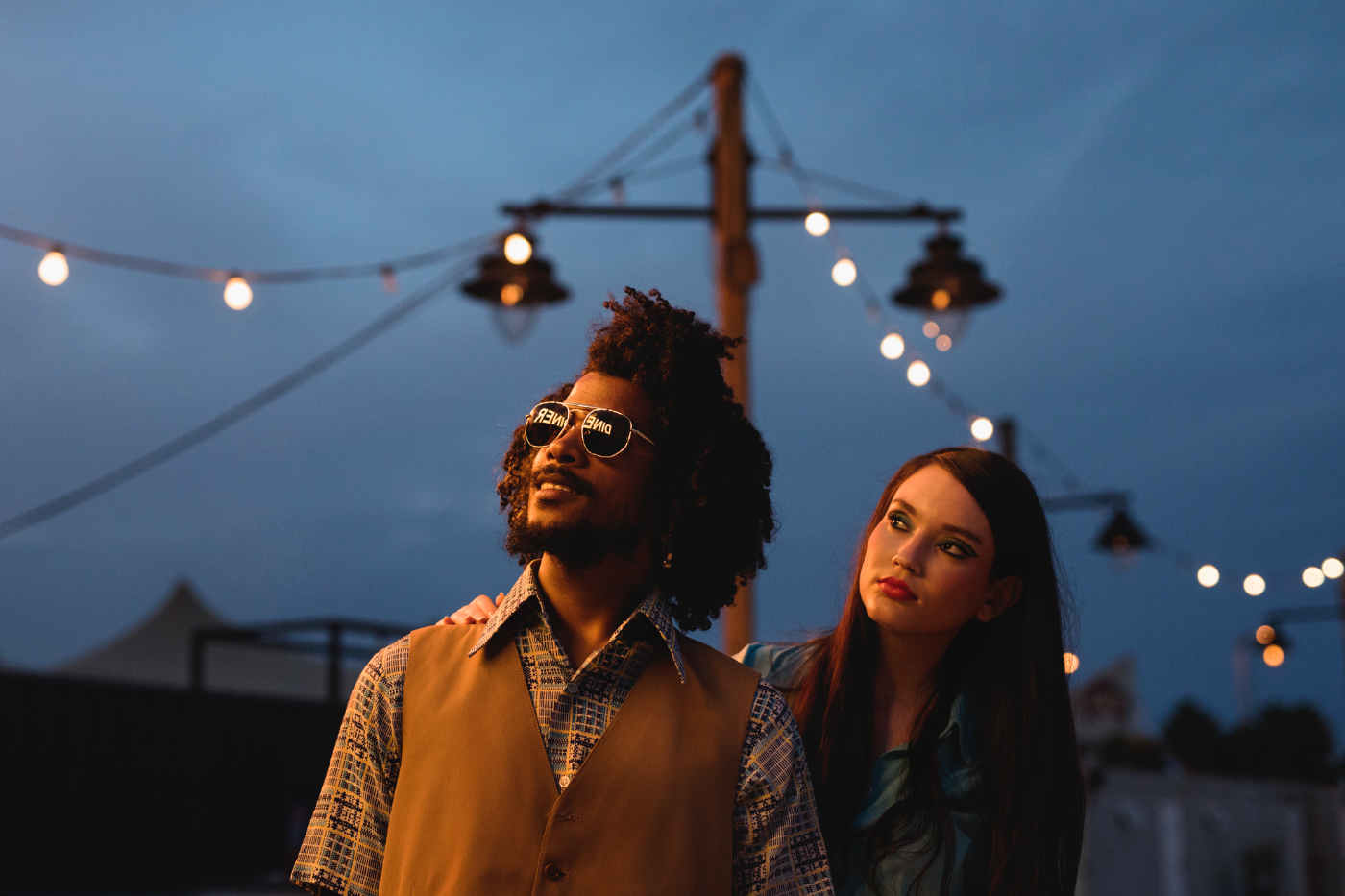
Or when you are photographing in low light, a concert, evening city or interior, and the smartphone starts producing noise or loses sharpness. A camera then retains more structure and detail.
As soon as you start to see these kinds of differences, you are actually already switching.
A Mirrorless Camera as a Starting Point
Almost all modern photo cameras are now system cameras: cameras without a mirror mechanism, often lighter and quieter than traditional SLR cameras. Most models work with interchangeable lenses, so the camera can grow with you.
Many starters start with a standard zoom, for example something towards 24–70mm (full frame equivalent). This allows you to capture portraits, street, travel and everyday use well. Over time you will notice where your heart lies, and then you can adjust the lens accordingly.
A Fixed-Lens Camera
A compact or bridge camera is an all-in-one system: you don't think about lenses and you always have the same tools with you. That feels calm and clear, nice for those who want to take simple photographs or who like to travel light. A camera like the Sony RX10 V is exactly in that corner: fixed lens, a lot of range and intended for those who do not want to work with separate lenses.
This can take you surprisingly far. The limitation is mainly in room to grow. If you later want more, a portrait lens, macro or telephoto zoom, you will naturally end up with a system camera.
Between these two worlds there are also high-end compact cameras with a larger sensor (for example 1-inch). They clearly provide better image quality than your phone, remain compact and do not require a lens choice. A nice intermediate step if you are still unsure about interchangeable lenses. Popular examples are the Sony RX100 VII (with zoom) or Ricoh GR IV (fixed lens, pocket size). They provide much better quality than your phone, without having to immediately change lenses.
At the much higher end of that spectrum is the Sony RX1R III, a full-frame compact camera with a fixed 35mm lens for those who want to stay small but are looking for maximum image quality.
The role of the lens
Anyone who switches from smartphone to camera will soon discover that the lens is at least as important as the camera body. The lens determines three very tangible things:
1. How Your Subject Appears in the Frame
A wide angle (e.g. 24–35 mm) invites you to get close and show a lot of surroundings.
A telephoto lens (e.g. 85–200 mm) brings your subject closer and compresses the perspective.
2. How soft the background becomes
Fast lenses (such as f/1.8 or f/2.8) create the characteristic blur that smartphones often try to reproduce with a software variant . A fast lens not only allows shallower depth of field but also admits much more light—ideal for concerts or twilight without pushing the ISO, and therefore noise, too high.
3. How you look and move as a photographer
A fixed focal length (e.g. 35 or 50 mm) literally forces you to move. That sounds like a limitation, but many photographers actually like it: you get a feeling for distance and composition.
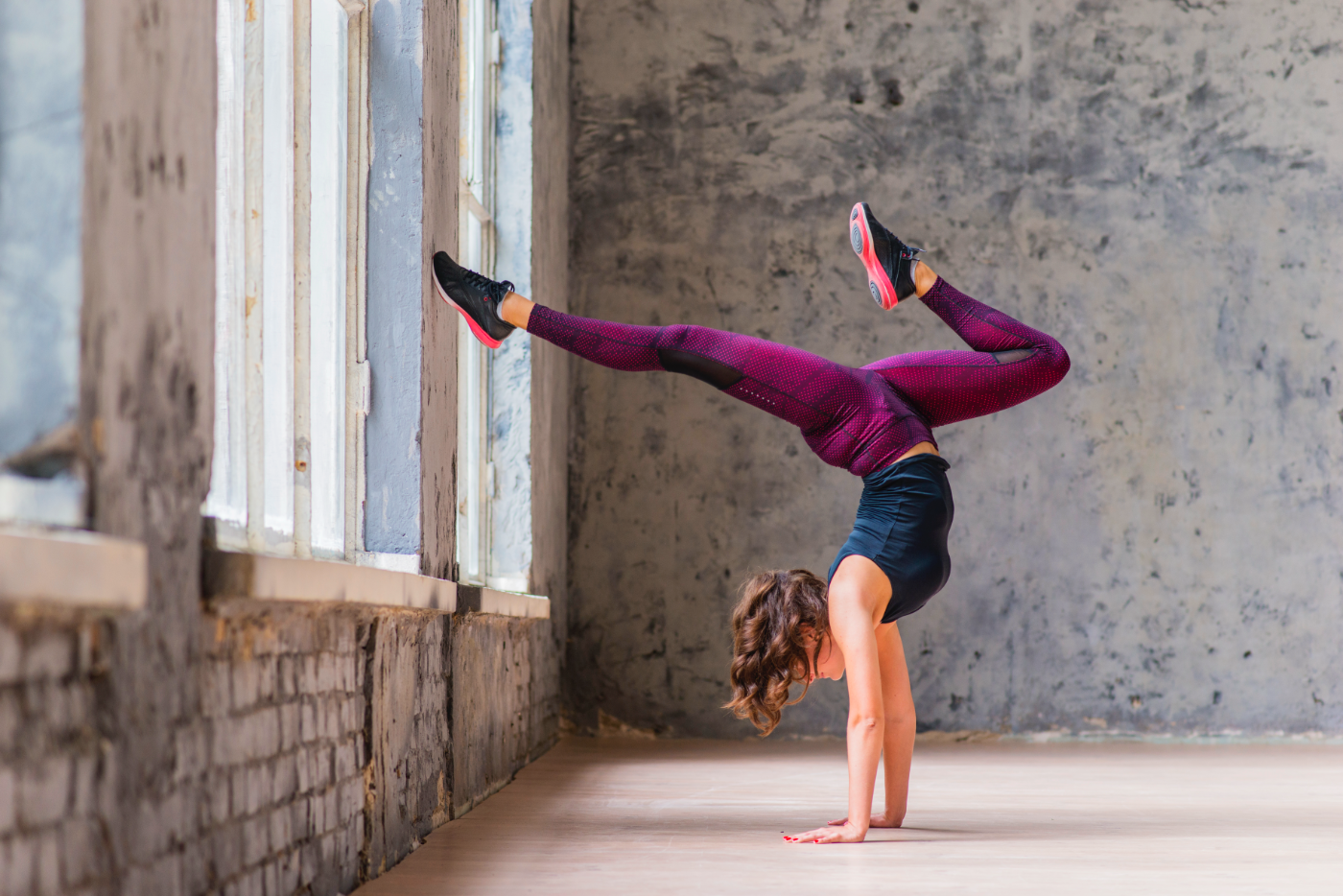
You can see it like this: the camera records, the lens characterizes.
Which lens suits which style of photography?
Not as hard rules, but as direction:
- Portraits → a short telephoto lens (such as 85mm) creates a calm composition and a soft background
- Travel & daily use → a standard zoom (such as a 24–70mm range) is flexible and familiar
- Street & documentary → a 35mm lens feels natural and unobtrusive
- Sports & wildlife → a telephoto zoom is essential for covering distance
And for macro?
Then you need a macro lens that can focus extremely close—a world of its own.
Anyone moving to a camera with interchangeable lenses also needs to choose a suitable lens. In Lenses for Beginners we explain what to look for.
How technical do you have to be?
You can start in automatic mode. Many photographers then progress step by step to setting the aperture or shutter speed. That process is often organic: you reach a limit, find out why, and learn.

What is a realistic budget?
The most pleasant entry point is usually in the middle segment. You then get:
- a good sensor
- solid construction
- a silent shutter and fine autofocus
- and lenses that you can expand later
The most expensive things are rarely necessary to get off to a good start. But a model that is very minimalistic sometimes feels limited as you grow further.
Nowadays you can find a good entry-level system camera with kit lens around €800–€1200 (body + standard zoom). Below that, autofocus and build quality often become noticeably more basic; above that, you mainly pay for extra speed or video features that you don't need yet as a beginner.
If your budget is lower (around €500–€800), look at older but still excellent models like the Sony a6000 series, Canon EOS R100 or Fujifilm X-T30 II (used). They still offer much more than a smartphone and grow with you.
Some popular and affordable lenses to get you started
These are available for most major system camera brands such as Canon RF, Sony E, Nikon Z, Fujifilm X; always choose the version that suits your camera.
- For portraits: A 50mm or 85mm f/1.8 lens (e.g. Sony FE 50mm f/1.8, Canon RF 50mm f/1.8 STM, or possibly for more bokeh Fujifilm XF 33mm f/1.4 R LM WR). Bright, compact and perfect for that soft background blur without it becoming very expensive.
- For travel & daily use: A standard zoom such as 24-70mm f/4 or a kit lens upgrade (e.g. Fujifilm XF 16-55mm f/2.8 R LM WR II, Sigma 28-70mm f/2.8 Contemporary or Tamron 28-75mm f/2.8). Flexible range, good sharpness and often a nice balance between price and quality.
The all-round is at the end of January Nikon Z 24-105mm f/4-7.1 available.
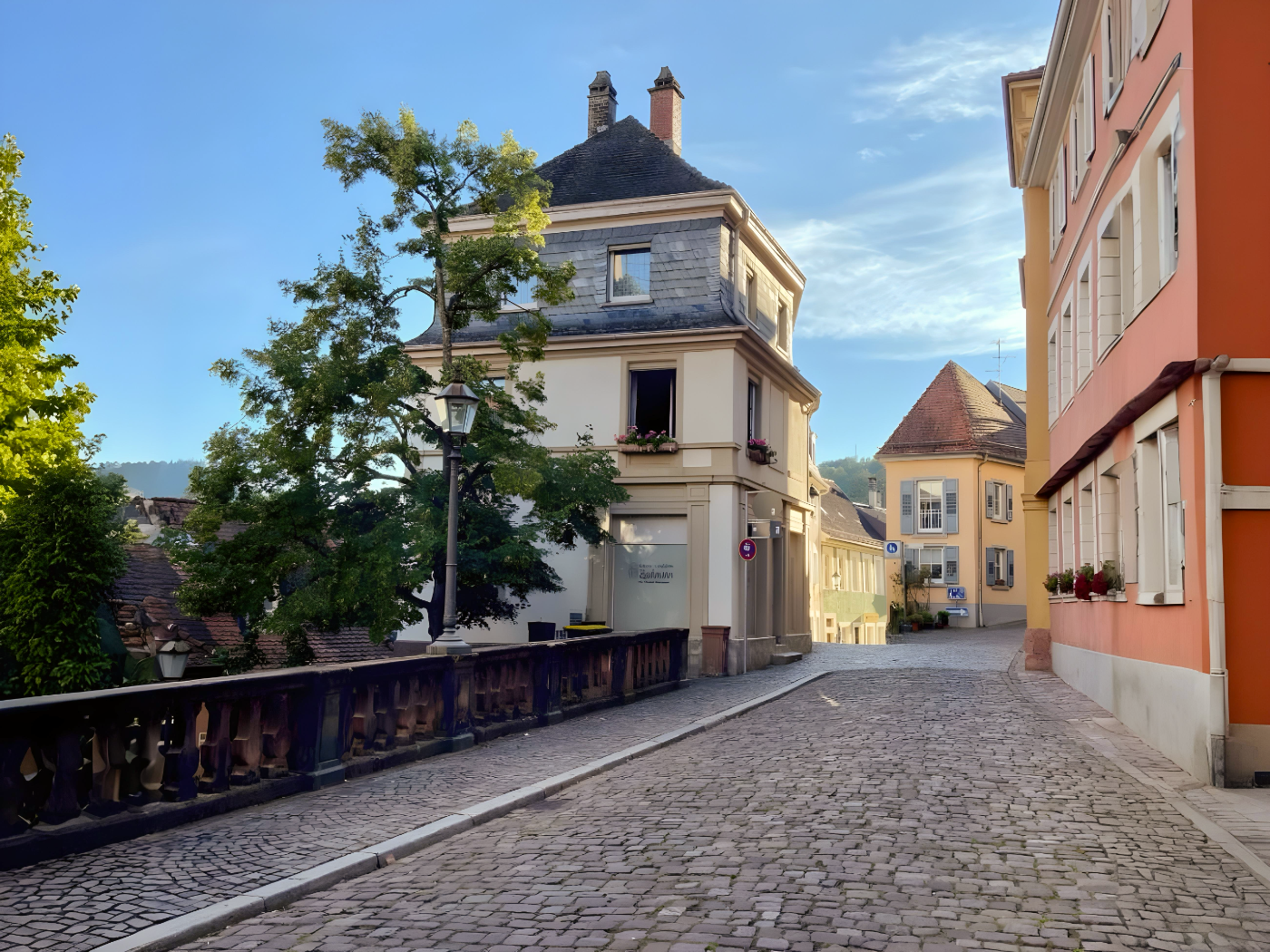
- For street & documentary: A fixed 35mm f/1.8 or f/2 (e.g. Viltrox 35mm f/1.8 or Fujifilm XF 35mm f/2). Small, inconspicuous and forces you to move creatively.
- For sports & wildlife: A telephoto zoom such as 70-300mm or 100-400mm (e.g. Tamron 70-300mm f/4.5-6.3 or Sigma 100-400mm f/5-6.3). Good reach without having to spend a fortune.
Third parties such as Sigma, Tamron and Viltrox often make comparable lenses that are just as sharp, but friendlier to your wallet. It is best to try out lenses in a store: how they fit and feel in your hand is at least as important as the specifications.
Smartphone and camera together
You don't have to choose. Camera and smartphone complement each other perfectly. You can transfer images directly to your phone for sharing, or use your smartphone as a remote control. Quick moments remain for the phone. For calmer, more conscious work, take the camera with you.
What it's all about in the end
The switch from smartphone to camera is not a technical decision, but a choice for a different way of seeing. You give yourself space to play with light, distance, timing and concentration. Then it matters less which brand or model you choose.
The best camera is not the most expensive or the most technically advanced, but the one that fits comfortably in your hand, that you can carry with you without difficulty and that invites you to take photos more often and more consciously.