Knowledge
Polarising filter: what does it do and when should you use it?
Discover how a polarising filter reduces reflections, enhances colours and improves landscape photos, with practical tips and pitfalls.
Redactie ·
9 min
Practice & insight
Practical tips, techniques and clear explanations about cameras, light, composition and editing — always with the newest article first.
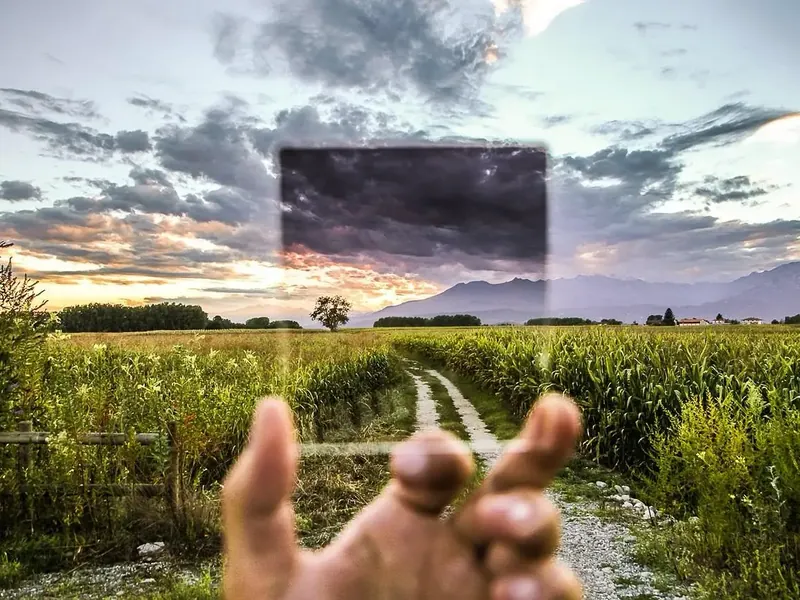
Discover how a polarising filter reduces reflections, enhances colours and improves landscape photos, with practical tips and pitfalls.
Should photographers choose a niche or remain versatile? Ektor Tsolodimos explores the benefits, risks and opportunities of both approaches.
Which lens do you need as a beginner? Learn what focal length, aperture, zoom, and prime lenses mean—and choose the lens that fits you.
Get more from your iPhone camera with five useful settings for macro, composition, lens correction, and more predictable shooting.

From 2FA to shared Dropbox links, here’s how to better protect unpublished work, client folders, and previews throughout your photography workflow.
The EU is tightening AI transparency. What should photographers label now, and how can they communicate clearly in publishing, editorial work, and competitions?
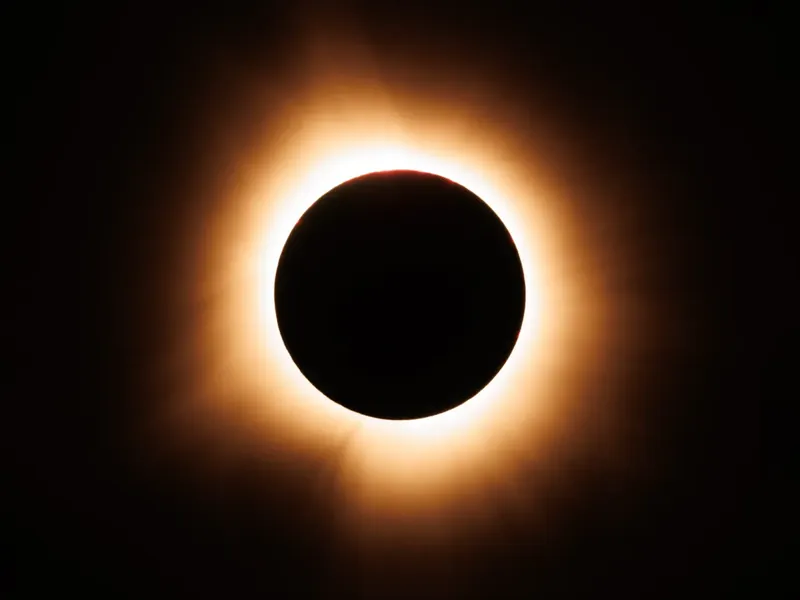
How to photograph a solar eclipse, with practical tips on preparation, filters, smartphones, and telephoto lenses.
When should you choose RAW on your phone, and when is HEIC or JPEG smarter? Practical guidance for iPhone, Android, and mobile editing.

Which photography app is right for you? Ten excellent camera, RAW, editing, and planning apps for better smartphone photos in 2026.
Many smartphones start at around 24mm. Here’s why a 35mm mode or crop can produce calmer street, travel, and portrait photos.

Lightroom Classic 15.4 helps with duplicates and culling. Here’s how to clean up your catalog without losing good photos.
Which lens is right for landscape photography? Learn when to choose wide angle, telephoto, prime, or zoom—and what to consider.
Considering moving from a smartphone to a camera? Learn when the switch makes sense and how to choose a camera that fits the way you photograph.
Learn how exposure rules like the Sunny 16 rule help you transition from auto mode to M mode. Simple explanation for modern cameras.
Want to print photos in high quality? Read how color profiles, resolution (dpi), sharpening and paper choice determine the end result.
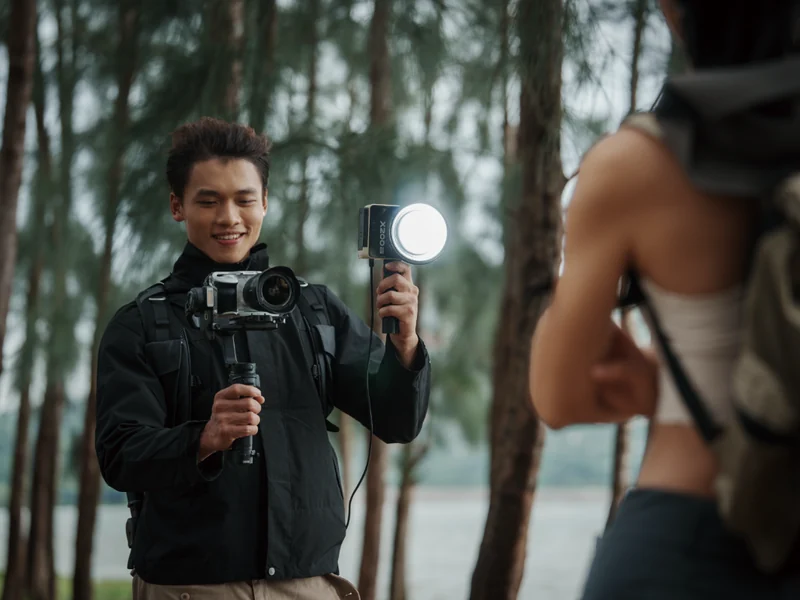
Discover the best LED lights for photography and video in 2025, from compact on-camera LEDs to bright, portable and affordable COB lights.
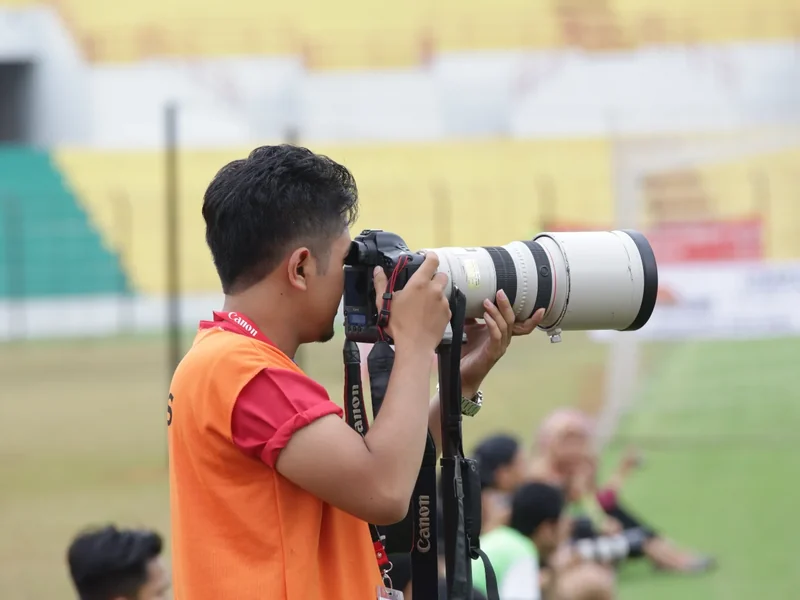
How to capture speed and emotion in sports photography with preparation, timing, equipment and the right camera settings.
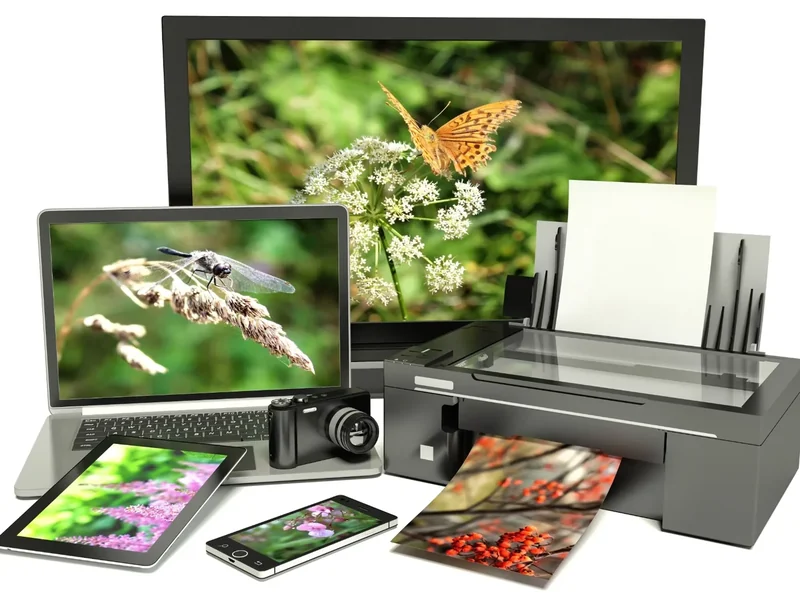
Buying a photo printer? Learn what to consider and choose the right model for printing high-quality photos at home.
The five best Fujifilm film simulations for portraits—and how to choose the one that best matches the look you want.

How do you capture the perfect photo of someone blowing out the candles on a birthday cake? Tips for a mid-range mirrorless camera and a smartphone.
Tips for taking perfect photos with natural light. Whatever the conditions, natural light offers endless possibilities.

Daylight studio tips for professional portraits with soft, natural light instead of harsh shadows or unnatural color casts.
Tips for creating a portfolio website for a professional photographer.

When do you use a fisheye lens? Ten fun and interesting applications for a fisheye lens.
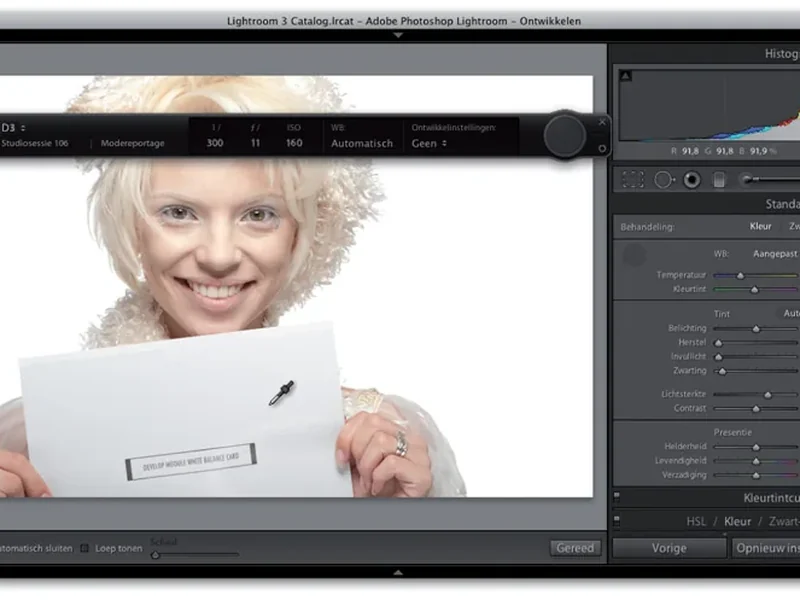
Scott Kelby explains how to set white balance live during tethered shooting in this preview from Chapter 4 of The Lightroom 3 Book.
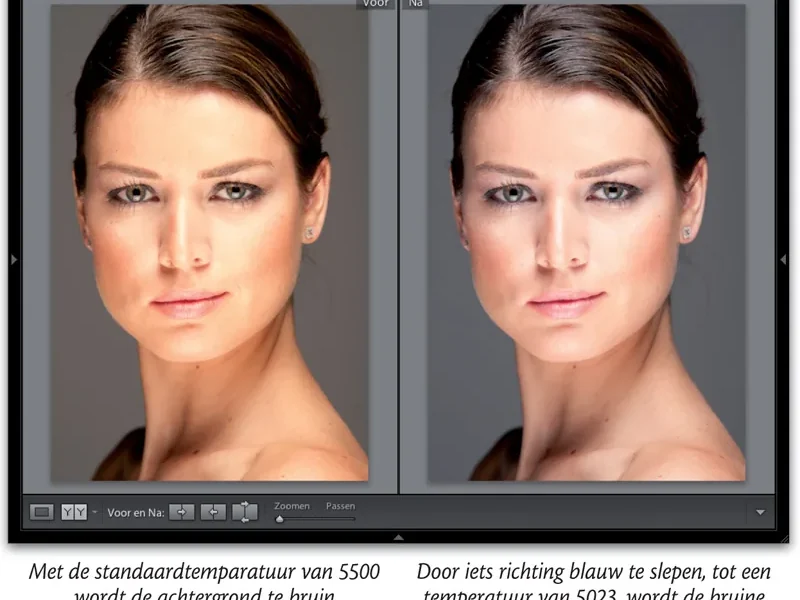
Scott Kelby explains step by step how to check and adjust the white balance of RAW, JPEG, and TIFF photos in Lightroom 3.
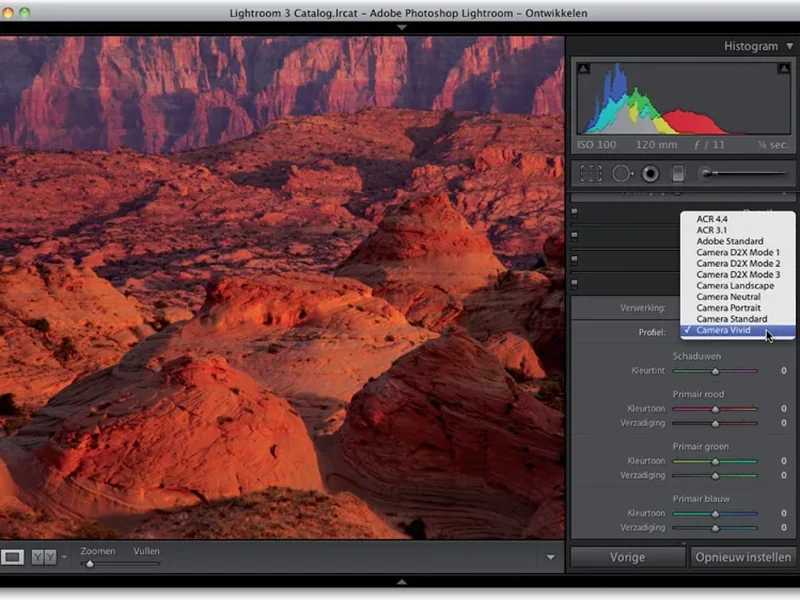
Scott Kelby explains how camera profiles in Lightroom give RAW photos a more contrast-rich, colorful, JPEG-like starting point.
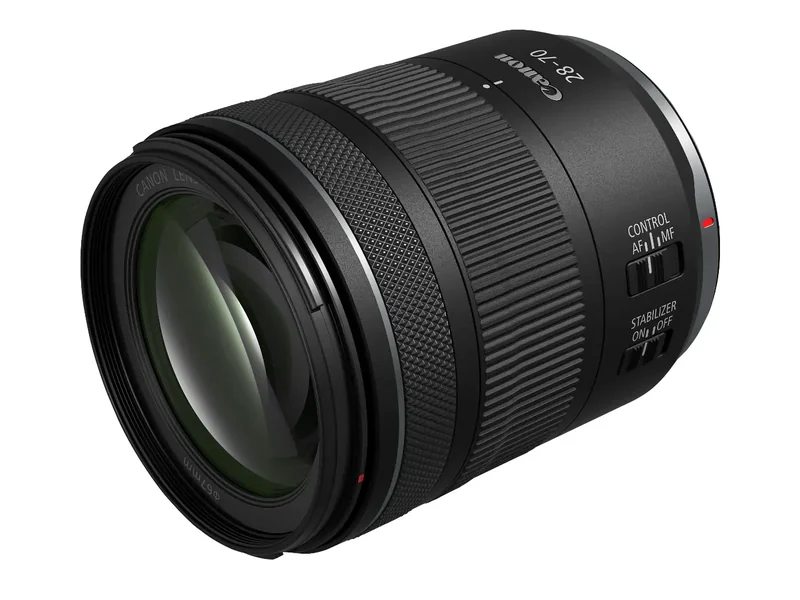
Zoom lens or prime lens? Scott Kelby explains in Chapter 3, The Truth About Lenses, of his Digital Photography book.
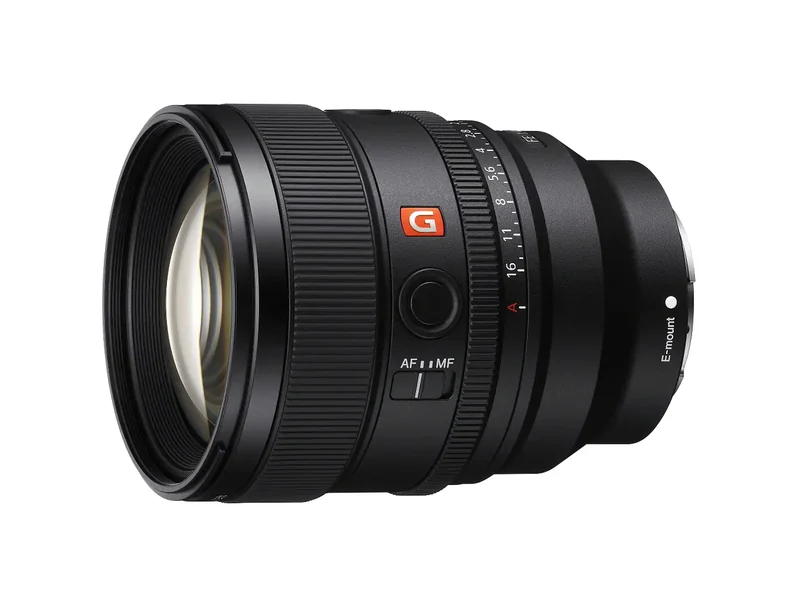
What makes a portrait lens? Modern zooms do an excellent job, and above 100 mm you will be pleased with the results—Scott Kelby.
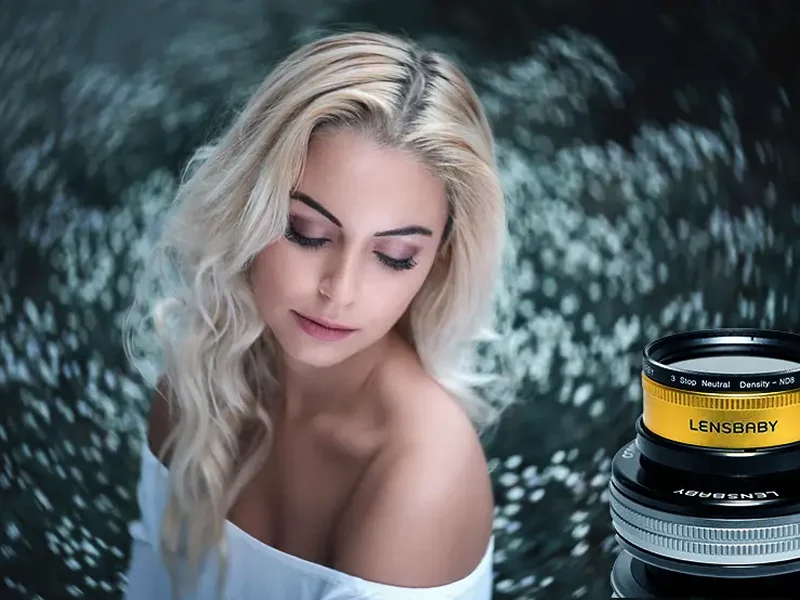
From Chapter 3, The Truth About Lenses, in Scott Kelby's Digital Photography book: when to use a Lensbaby lens.
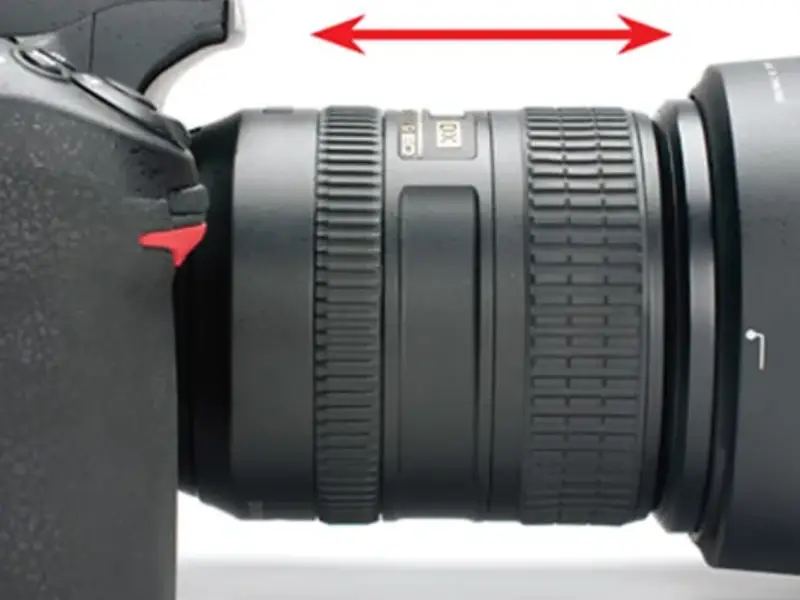
From Chapter 3, The Truth About Lenses, in Scott Kelby's Digital Photography book: when to use an all-in-one zoom lens.
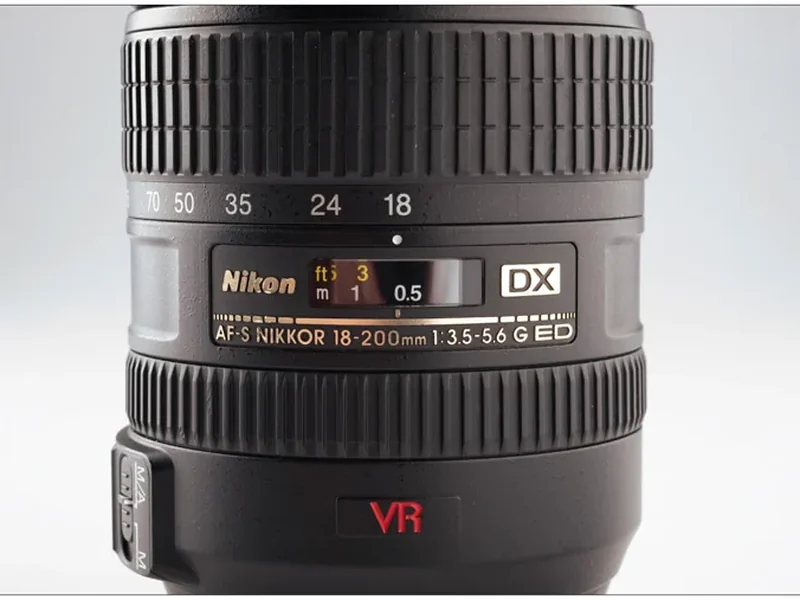
Some lenses have two apertures. Zoomed out at 18 mm, you can shoot in much less light than when zoomed to 200 mm.
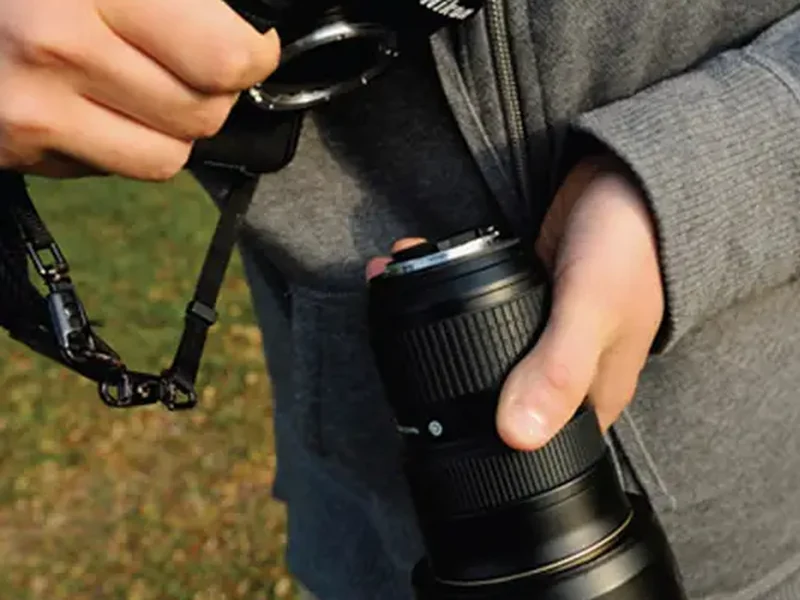
Tips for changing lenses, from Chapter 3, The Truth About Lenses, in Scott Kelby's Digital Photography book.
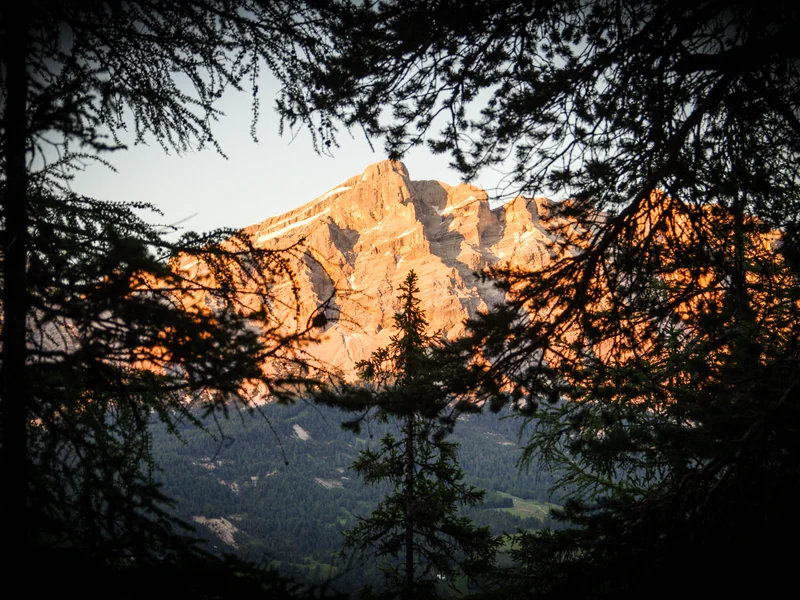
Dark corners in your photo? Scott Kelby explains vignetting and how to correct it quickly with lens corrections in Camera Raw and Lightroom.
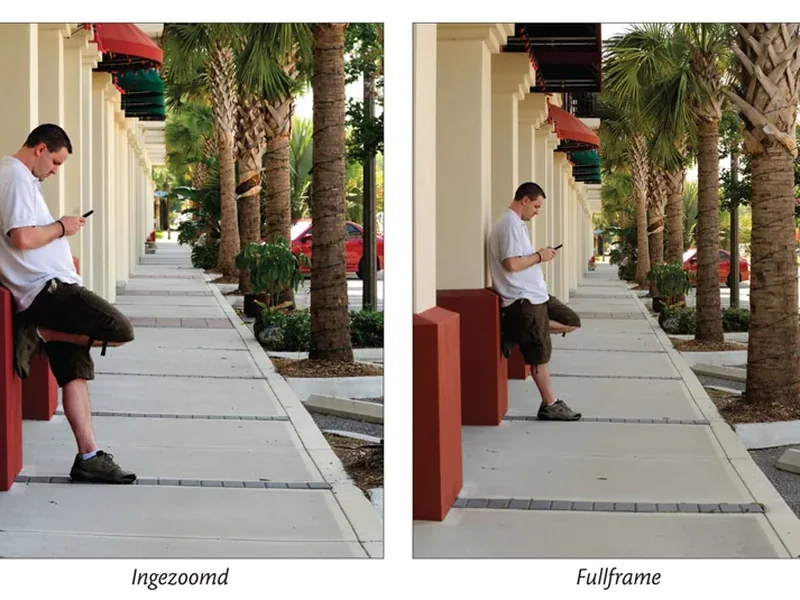
Zoom lenses and full-frame lenses, from Chapter 3, The Truth About Lenses, in Scott Kelby's Digital Photography book.
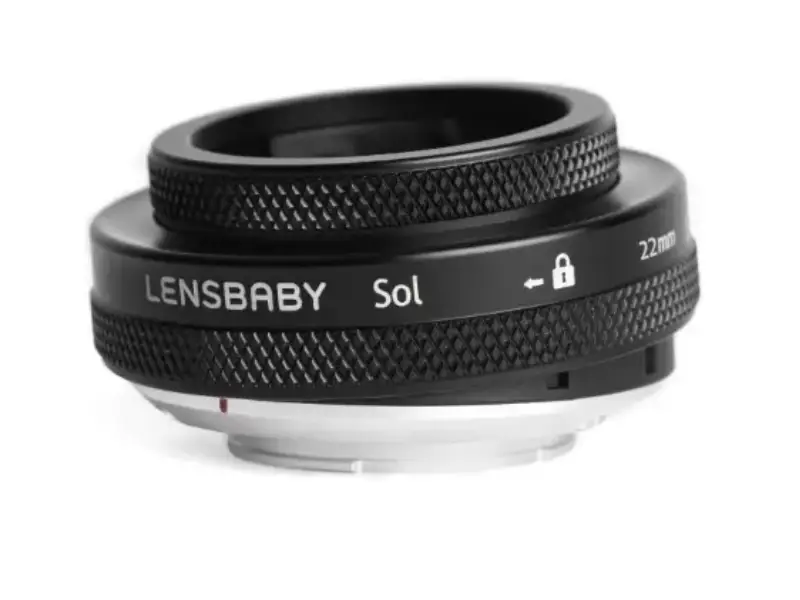
An excerpt from Scott Kelby's Digital Photography book, Chapter 3, The Truth About Lenses: when to use a tilt-shift lens.
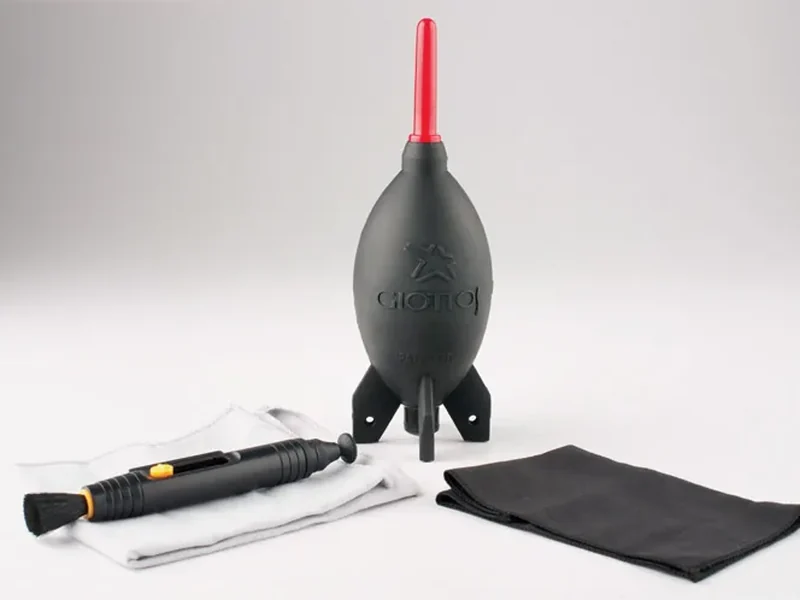
An excerpt from Scott Kelby's Digital Photography book, Chapter 3, The Truth About Lenses: cleaning lenses.
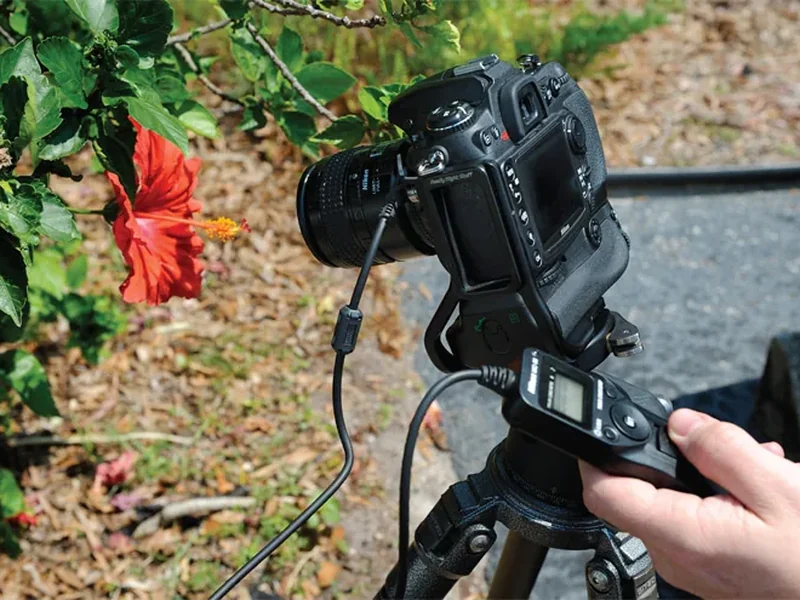
An excerpt from Scott Kelby's Digital Photography book, Chapter 3, The Truth About Lenses: when to use a macro lens.
Scott Kelby on lenses: There are literally hundreds of different filters available for your lens.
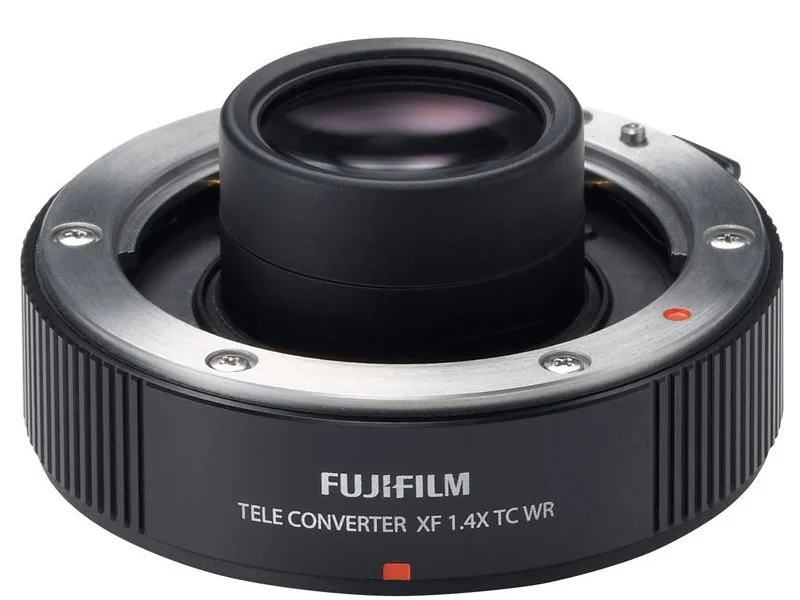
Teleconverters are a convenient, relatively inexpensive way to get even closer to the action.
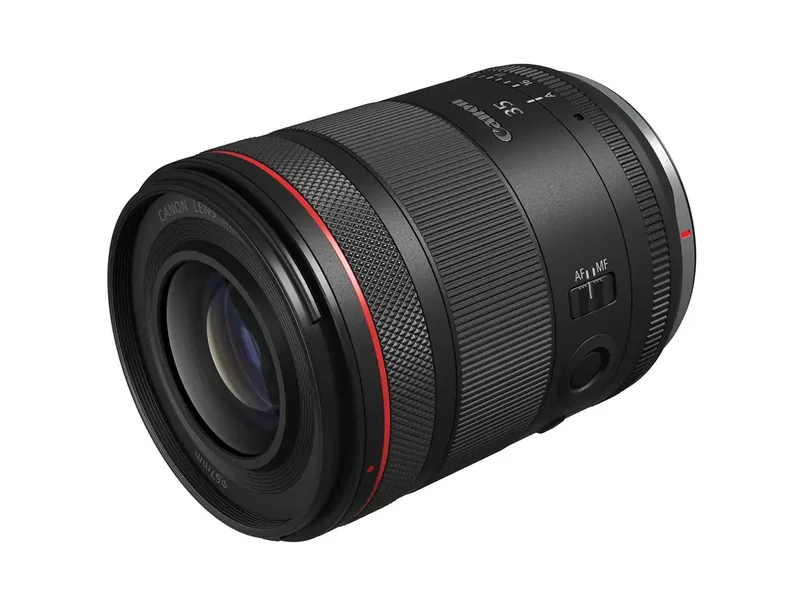
When should you use fast lenses? An excerpt from Scott Kelby's Digital Photography book, Chapter 3, The Truth About Lenses.
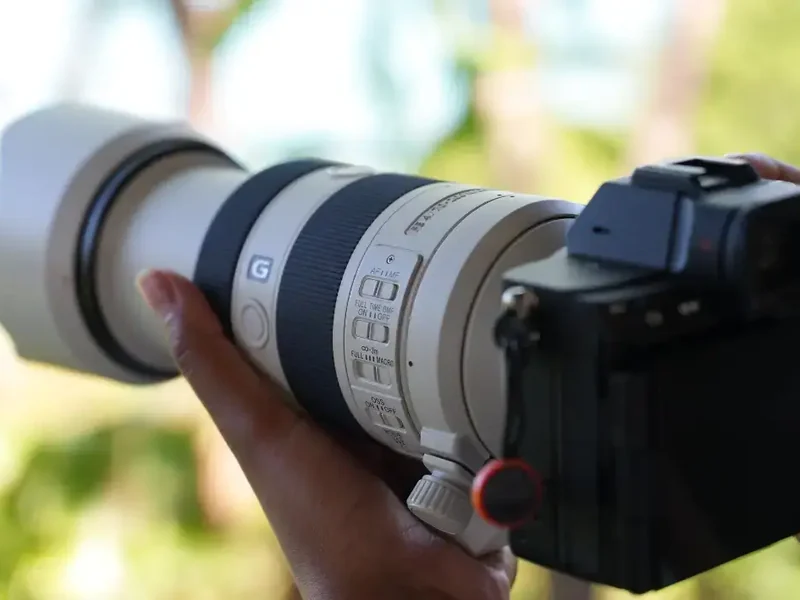
Scott Kelby explains when to use a telephoto zoom lens: the ideal choice when you want to get close and zoom in without changing position.
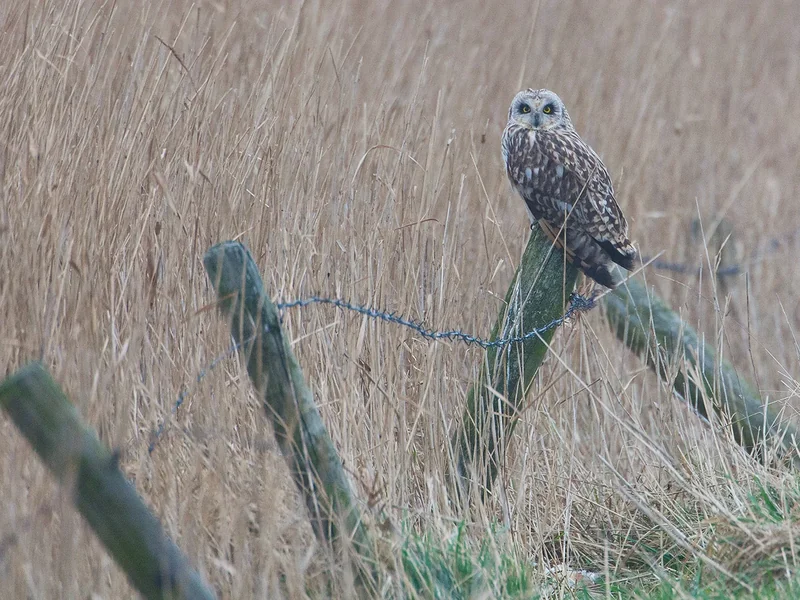
Playing with sharpness in photography can make an image more expressive. Some subjects are better left partly out of focus.
Image stabilization is designed for situations that require slow shutter speeds, when camera shake can cause motion blur.
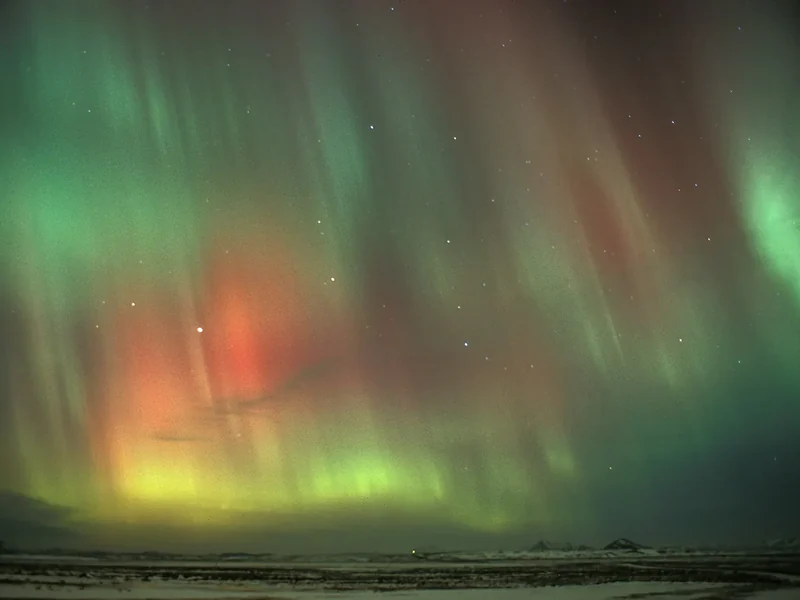
Learn to photograph at dusk and after dark, from proper exposure and bulb mode to long shutter speeds and using a cable release.
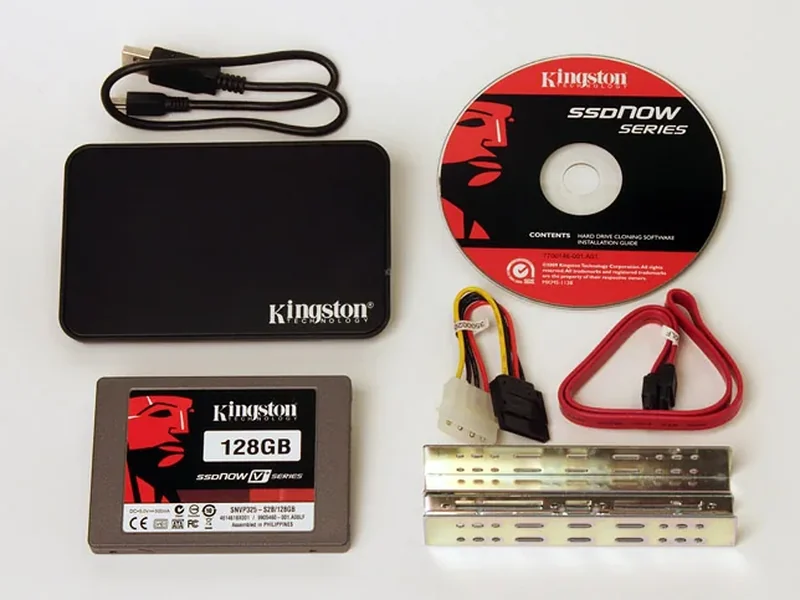
Why photographers buying a laptop or MacBook may want to consider an SSD: no moving parts, faster access, and greater shock resistance.
What is the difference between a polarizing filter and a graduated ND filter? Find out which to use for reflections, colours and bright skies.
Add digital fog in Photoshop using Quick Mask, a gradient, and a layer mask, then refine its density and transitions.
Practical tips for photographing deer, wild boar, badgers, and other large mammals, covering behavior, camouflage, wind direction, and gear.
Learn how to use Photoshop's Ruler tool to straighten a crooked horizon or slanted lines quickly and easily.
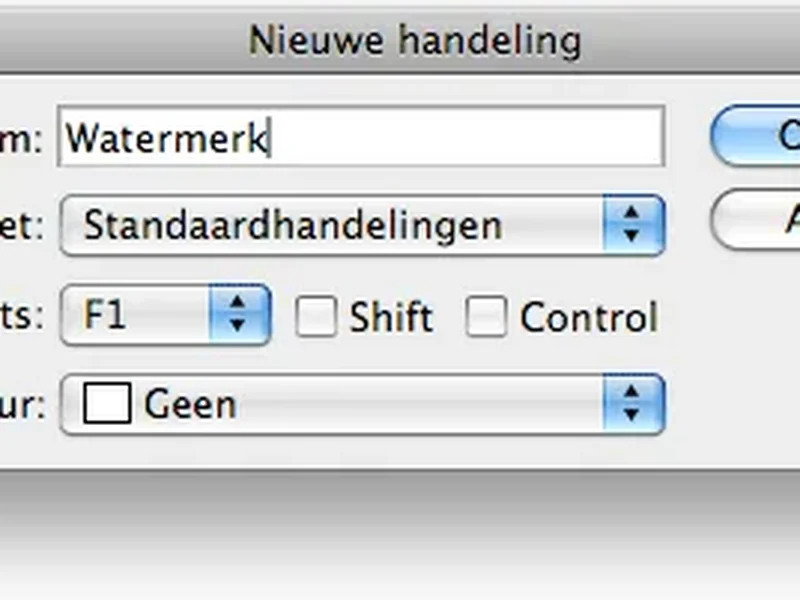
Learn how to add a watermark to photos in Photoshop and automate the process with Actions without distracting from your image.
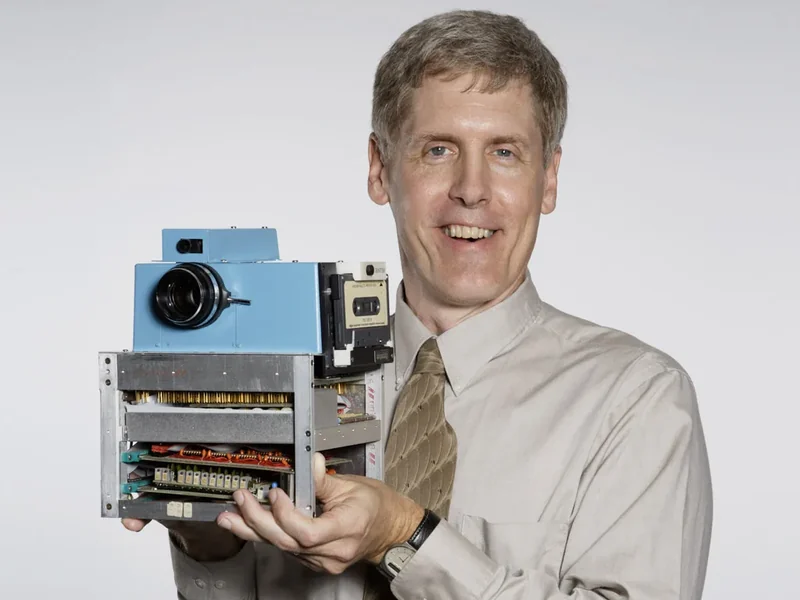
How Kodak engineer Steve Sasson built the first digital camera in 1975, laying the foundation for modern digital photography.
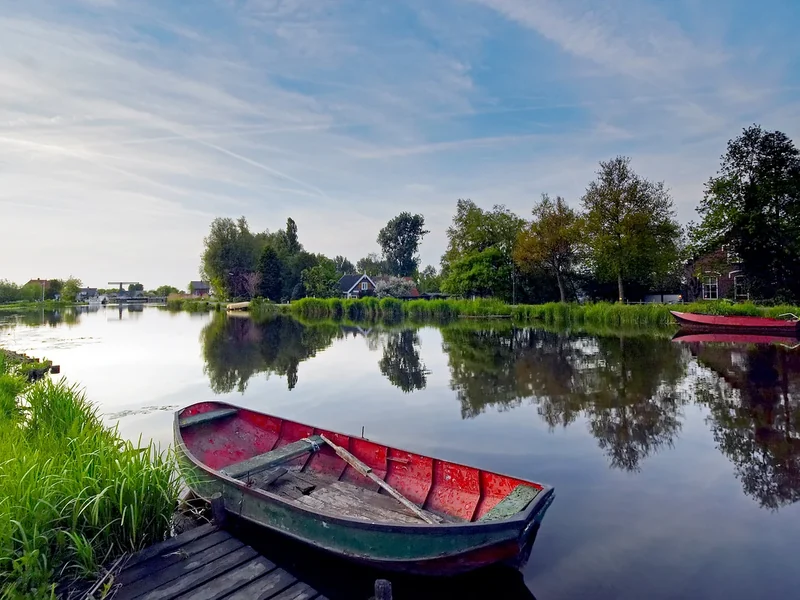
Learn how white balance works and how to set it for better color. Tips for daylight, artificial light, Kelvin, and custom white balance.
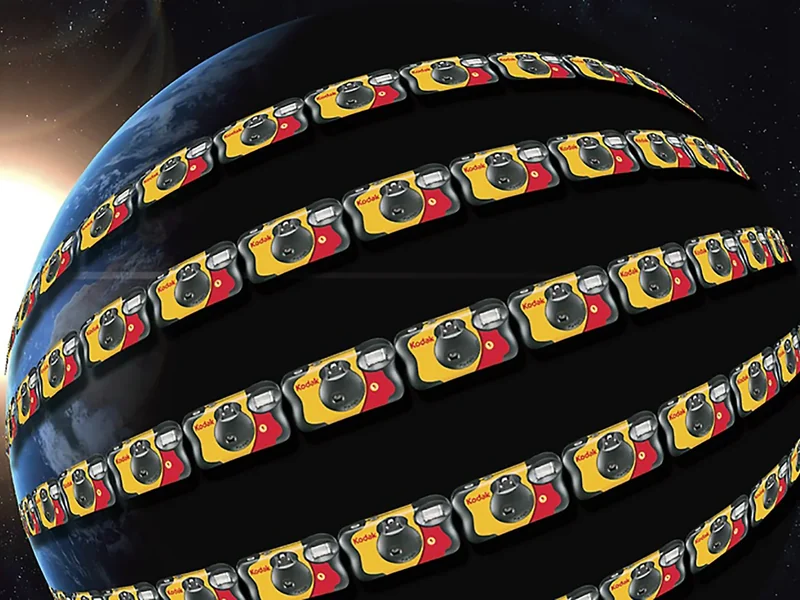
Kodak has recycled disposable cameras for 19 years and has now reused 1.5 billion of them. Here is how its unique single-use camera recycling process works.
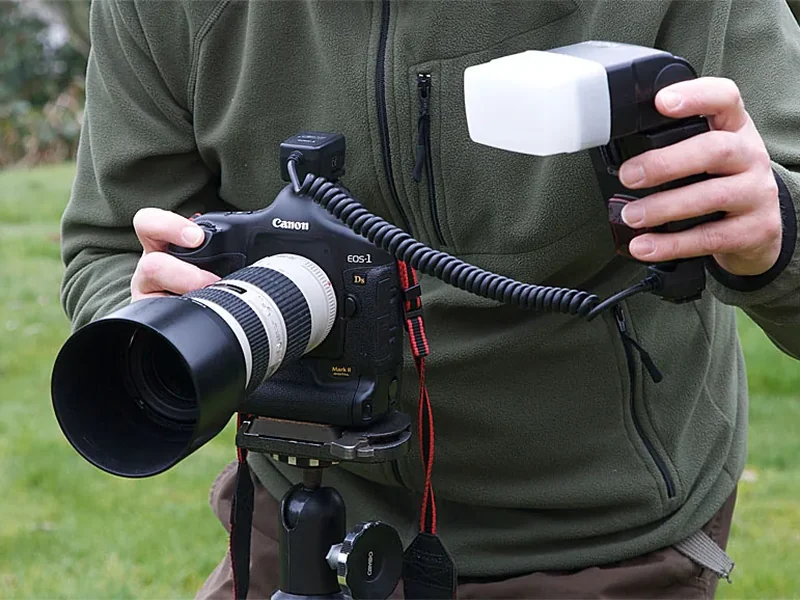
How do you use flash in nature photography? Practical tips for birds, macro, and close-up photography, including the Better Beamer and diffusers.
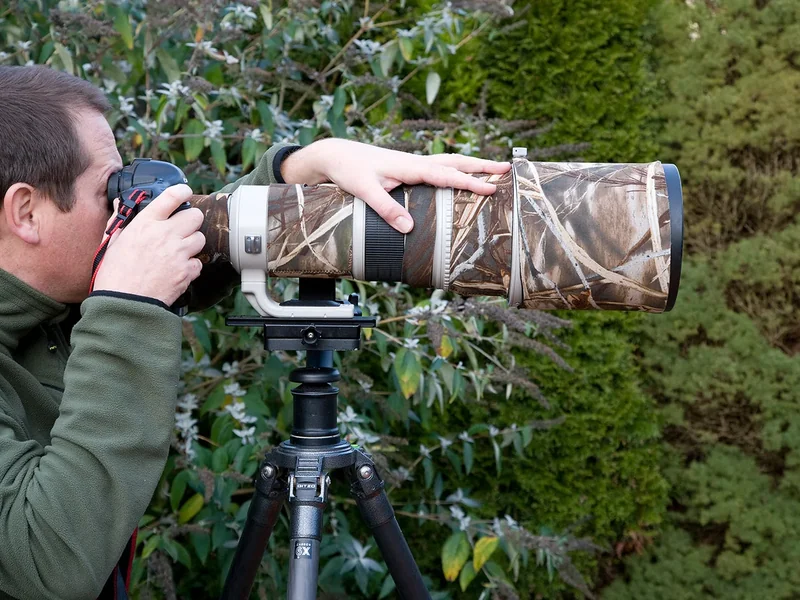
How do you use super-telephoto lenses? Practical tips on wide maximum apertures, stabilization and teleconverters.

Want to photograph birds in your own garden? Read practical tips on feeding stations, backgrounds, lenses and camera settings.

Learn what a histogram shows and how to use it to determine the right exposure in this practical guide.

Learn how to choose aperture and shutter speed in M mode for creative exposure, and when it offers an advantage over automatic modes.

Most SLR cameras offer spot metering. How can you use it to take better photos?
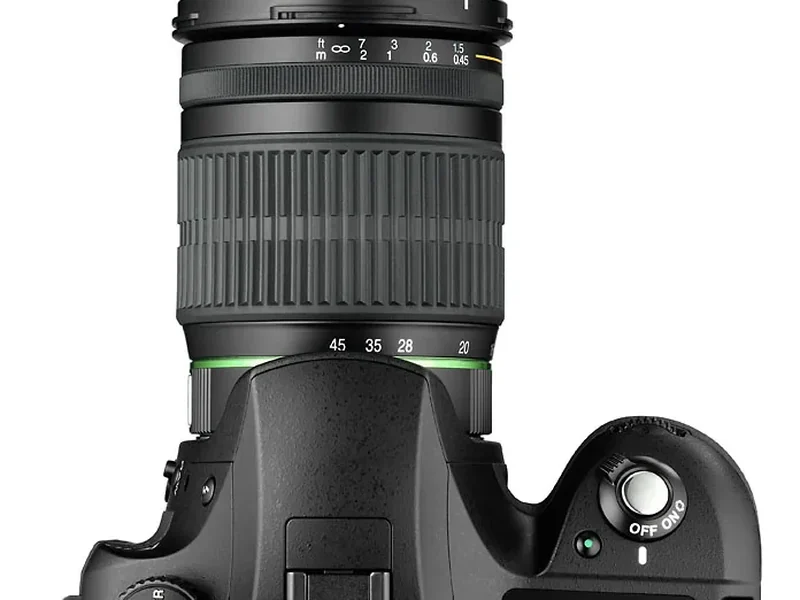
Modern DSLR cameras can deliver excellent image quality. Which lens will help you get the most out of them?
Photoshop has become commonplace. Half the Netherlands says without hesitation, ‘We’ll just Photoshop that in.’ It sounds pretty cool—a piece of cake.
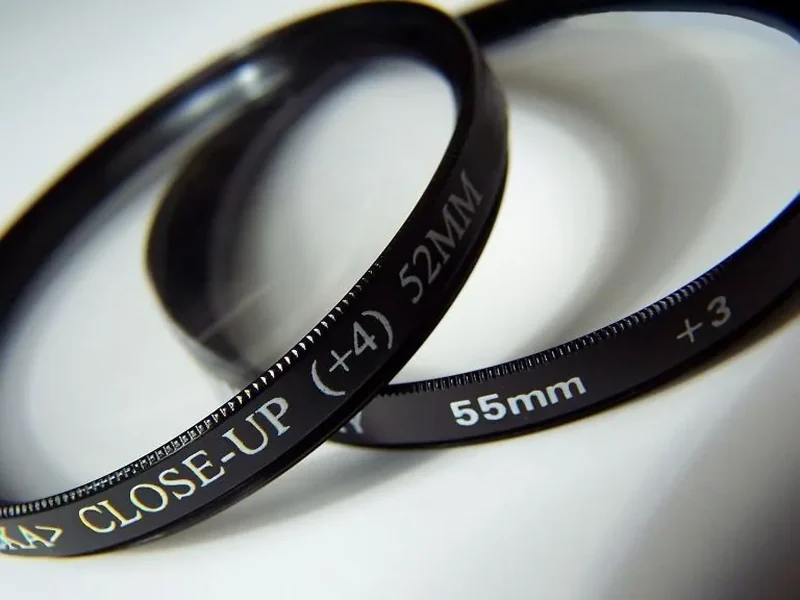
An overview of macro accessories such as extension tubes, close-up lenses, and bellows. What do you need to photograph subjects at extremely close range?

Still-life specialist Feddo van Gogh explains how digital photography and image editing radically changed his creative process and workflow.
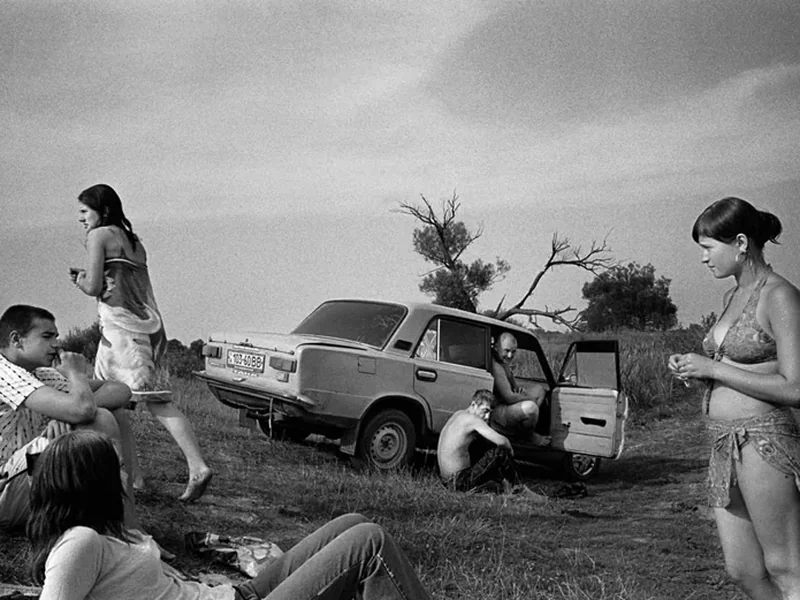
Which photograph had stayed with documentary photographer Robert Knoth when this interview was published? Discover why this particular image resonated with him.

Join us in the field for practical bird photography. Learn about observation, camouflage, composition, patience, and photographing birds in the wild.
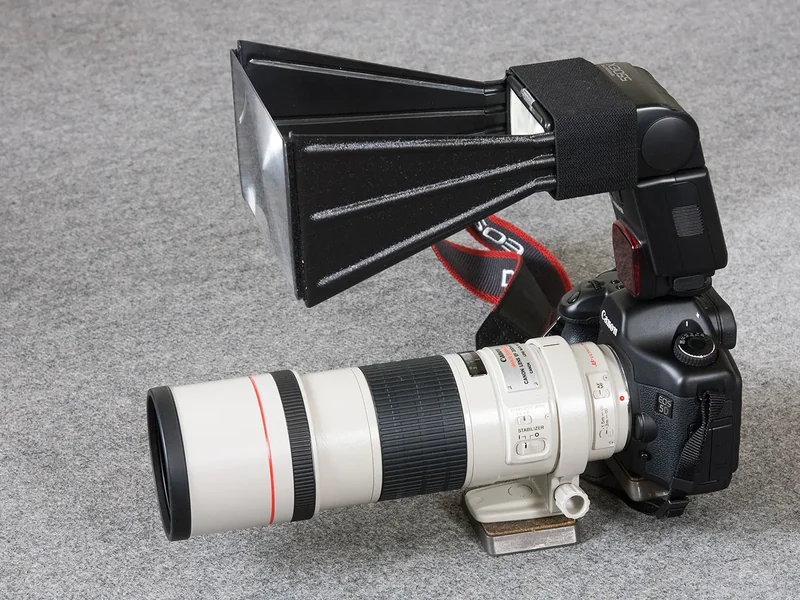
Which camera and lens should you use for bird photography? Explore practical tips on autofocus, telephoto lenses, exposure, tripods, and teleconverters.

Creating shadows in Photoshop: You can, of course, easily create a standard shadow in Photoshop.

Lars Polder explains how an external flash provides more light and control, with softer bounced light and more flexible lighting than a built-in flash.
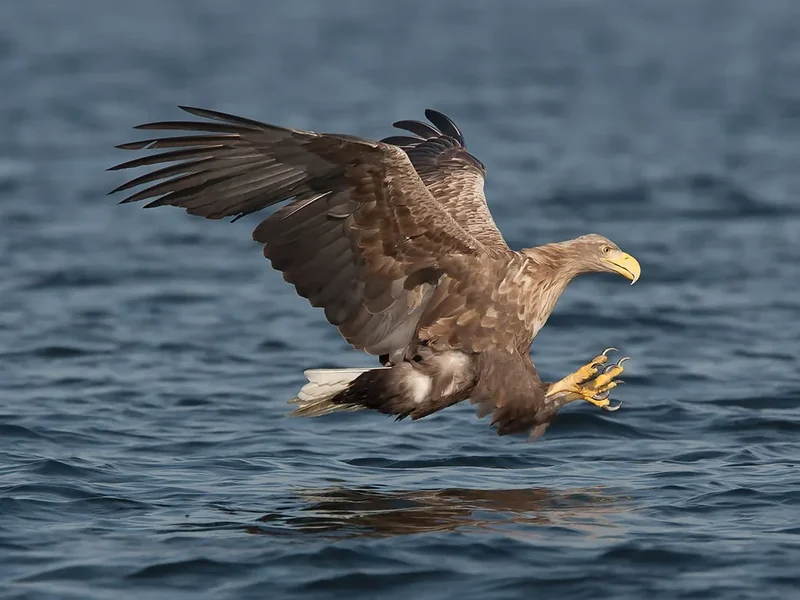
Want to take better bird photographs? Discover practical tips on composition, behavior, observation, viewpoints, and equipment.
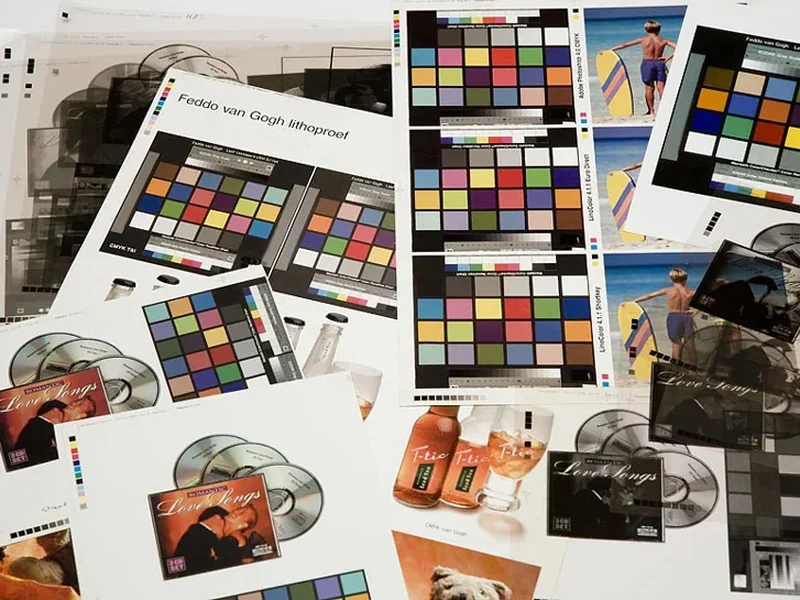
What does color management really offer photographers? This article cuts through the jargon and explains when it is useful—and when it is not.
Digital SLR cameras offer several AF options. What are they, and when should you use them?
Fotografie.nl is made possible by


