Knowledge
Creating Vibrant Portraits with Catchlights
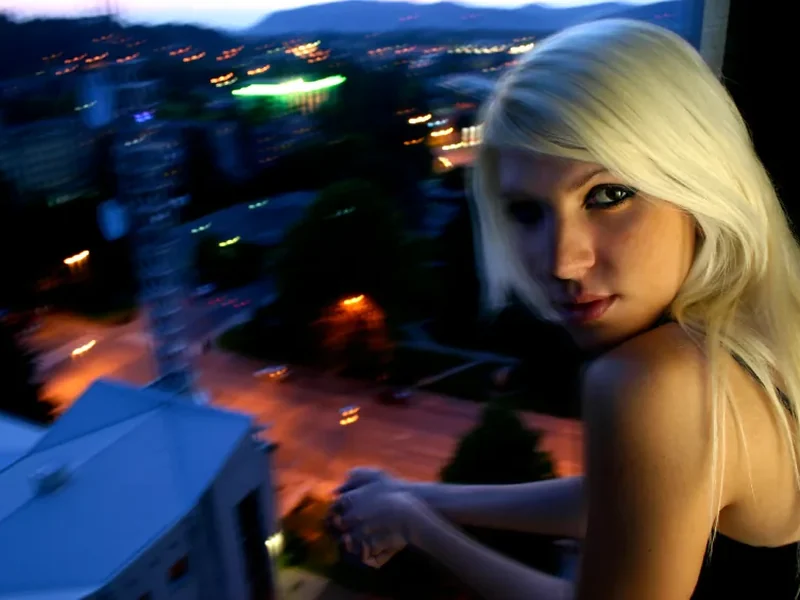
Create vibrant portraits with catchlights. Beautiful white reflections in your model's eyes make a portrait more lively.
Redactie ·
8 mins
Practice & insight
Practical tips, techniques and clear explanations about cameras, light, composition and editing — always with the newest article first.

Create vibrant portraits with catchlights. Beautiful white reflections in your model's eyes make a portrait more lively.

Taking better photos with your smartphone (part 2) - by Bob Timroff, Photographing and filming with your smartphone (Chapter 6), suitable for people over 60
Taking better photos with your smartphone - by Bob Timroff, Photographing and filming with your smartphone (Chapter 6), suitable for people over 60
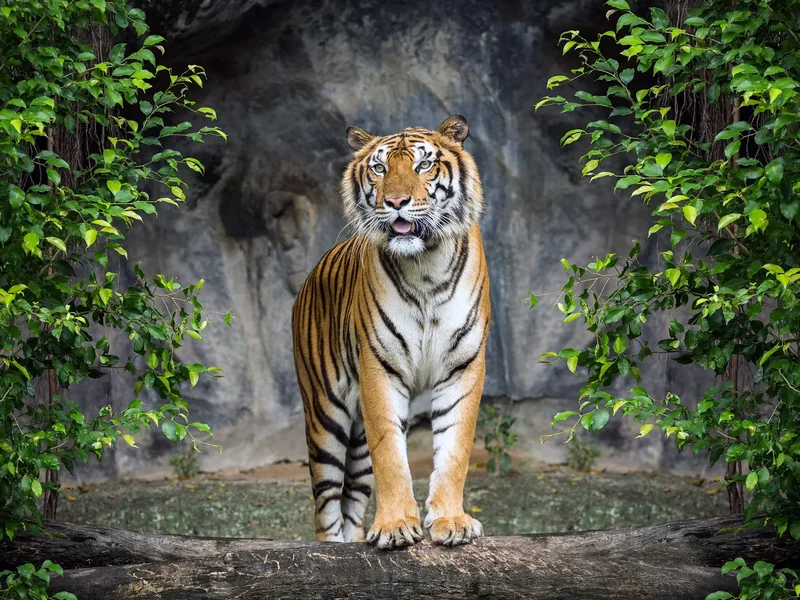
12 tips for zoo photography: practical advice for photographing animals at the zoo.
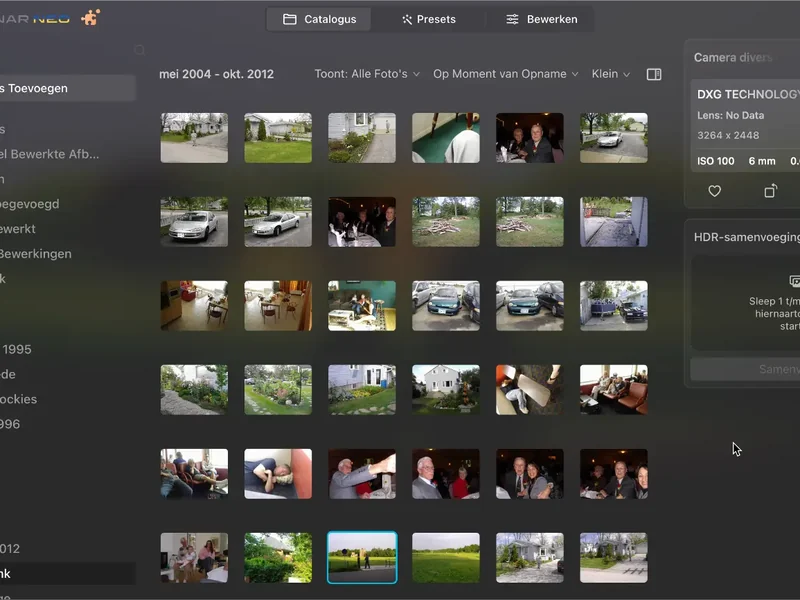
Luminar Neo and AI tutorial: Work with catalog, presets, layers and masks to manage and edit photos non-destructively.
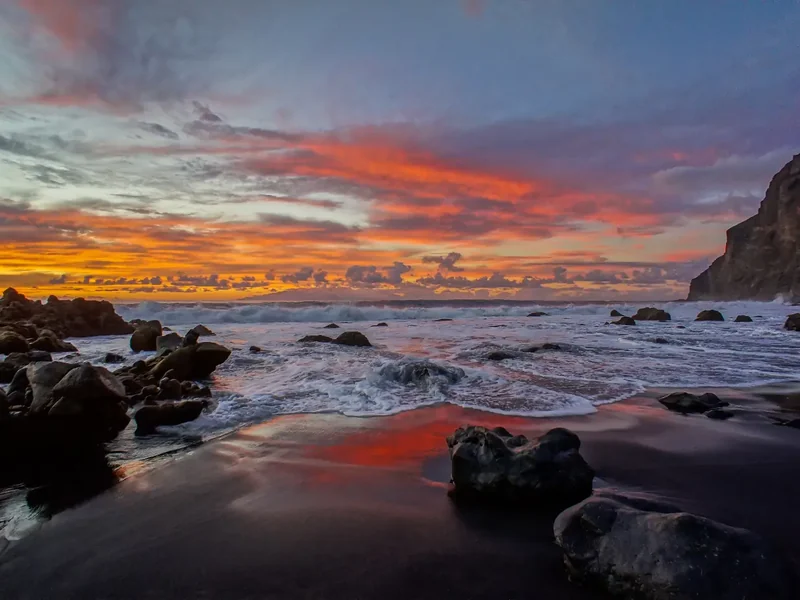
Discover how to take impressive landscape photos during civil, nautical and astronomical twilight with the most beautiful light of the day.
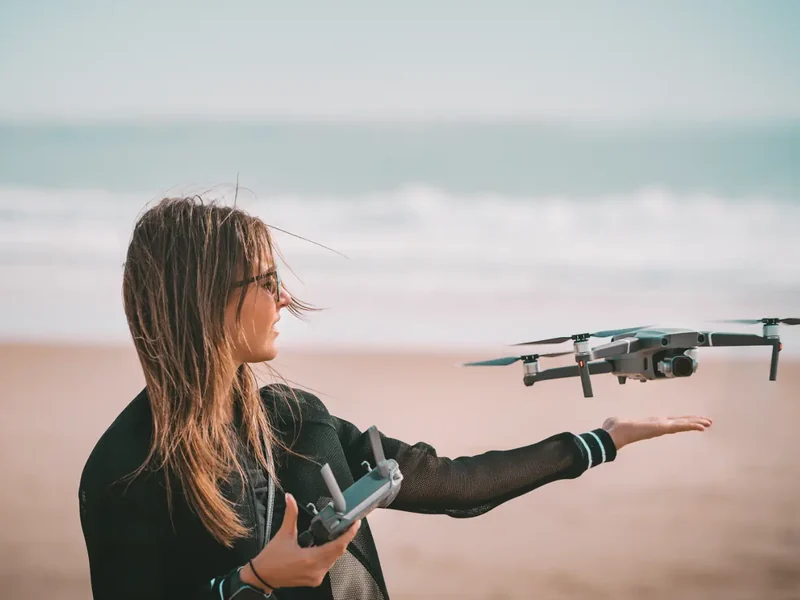
When is buying a drone really worth it? A drone offers wonderful new perspectives, but also requires time, rules and post-processing.
A photographer can easily carry thousands of euros’ worth of camera gear. Should you rely on caution alone, or insure your equipment?
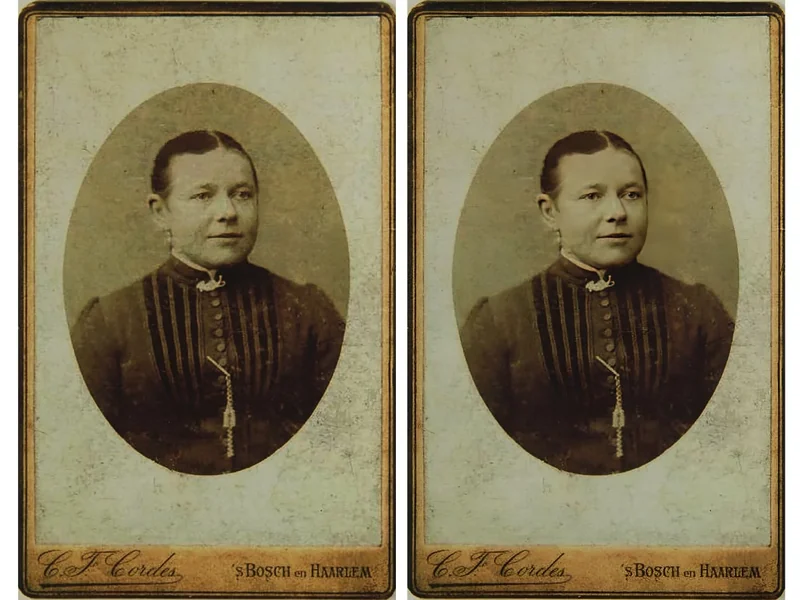
Restore old photos with AI and bring more detail and sharpness to faded portraits. See how GFP-GAN breathes new life into old family photos.

What should you consider when photographing books? Here are six practical tips for reflections, distortion, focus, settings, flash, and backgrounds.
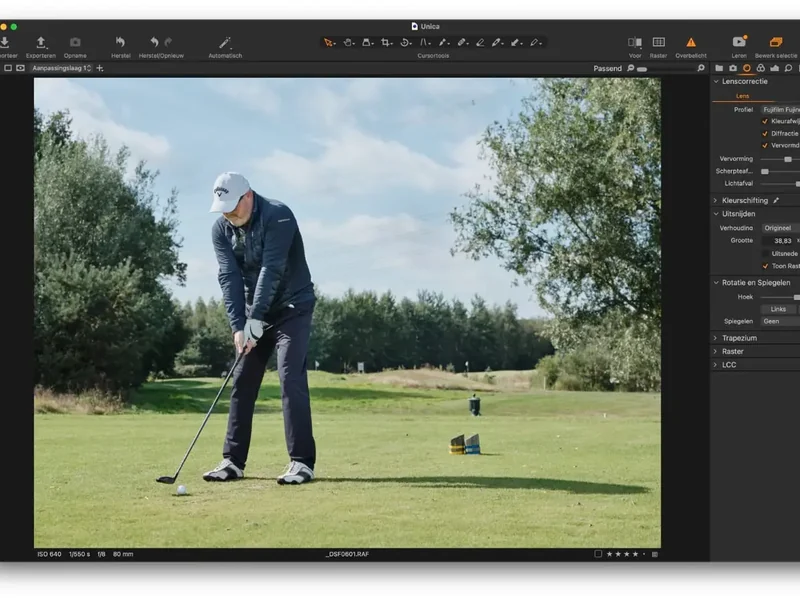
Editing RAW photos? Follow this practical 9-step workflow for lens correction, white balance, exposure, color, contrast, and sharpening.

Four practical ways to improve photos in bright sunlight: use fill flash, seek shade, attach a lens hood, and work creatively with the sun.
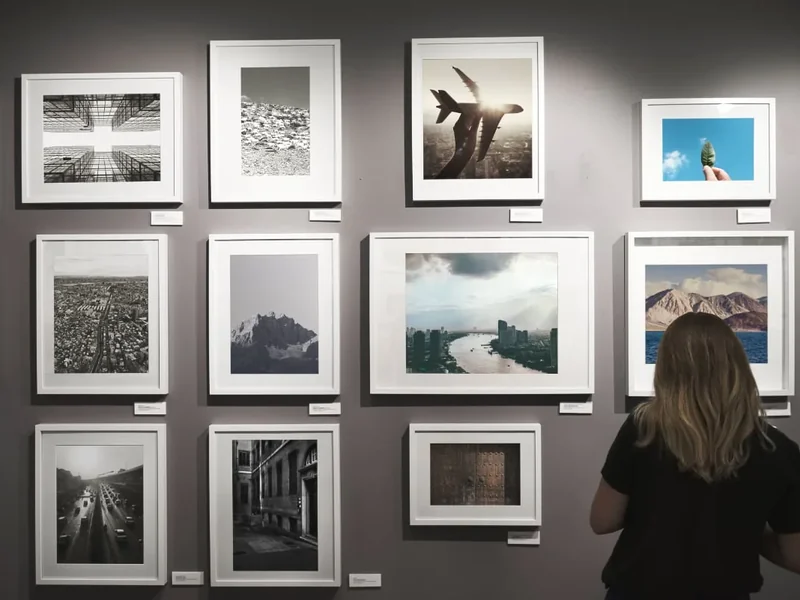
How do you get noticed as a photographer? Learn how to make your work stand out and attract potential clients.

Learn how the rule of thirds, leading lines, and moving closer can strengthen your photos. Practical composition tips for better photography.

Taking photos underwater? Find out when to choose a waterproof camera, action camera, smartphone housing, or underwater housing for your mirrorless camera.

Photographing in the rain? These tips will help you protect your camera and create atmospheric photos of droplets, reflections, and dramatic light.

Five important values of light in photography: light has color and direction, and it can be hard or soft.
A fast internet connection makes it easier to back up and edit your photos online.
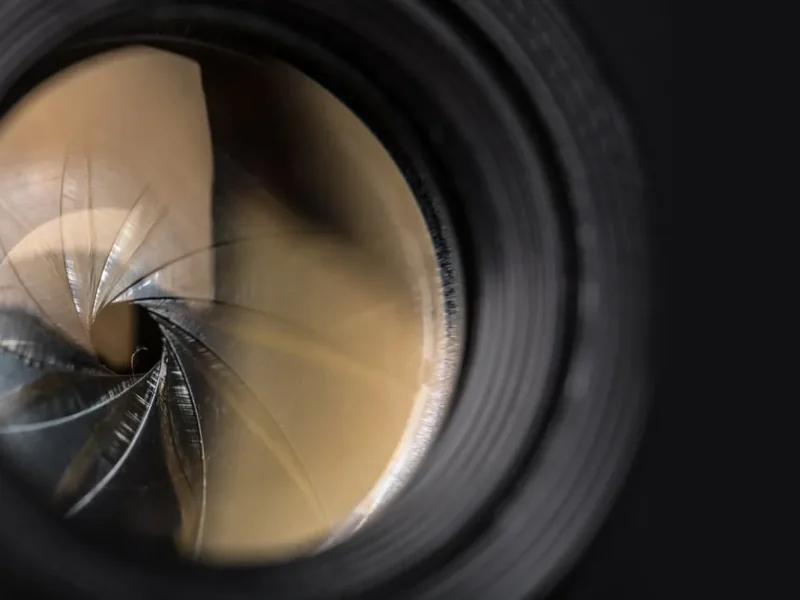
Why does the maximum aperture get smaller as you zoom in? Learn how variable-aperture zoom lenses work and when a constant aperture helps.

Color largely determines the mood of a photograph. Discover how to use color contrast, the color wheel, and saturation for a strong composition.

Displaying your photos on a website: The best way for amateur and professional photographers to showcase their photos online.

Want to take a great self-portrait? Explore tips on equipment, lighting, composition, depth of field, posing, and styling for stronger portraits.

Six tips for bringing overly bright and dark areas in photos closer together, both while shooting and in post-processing.
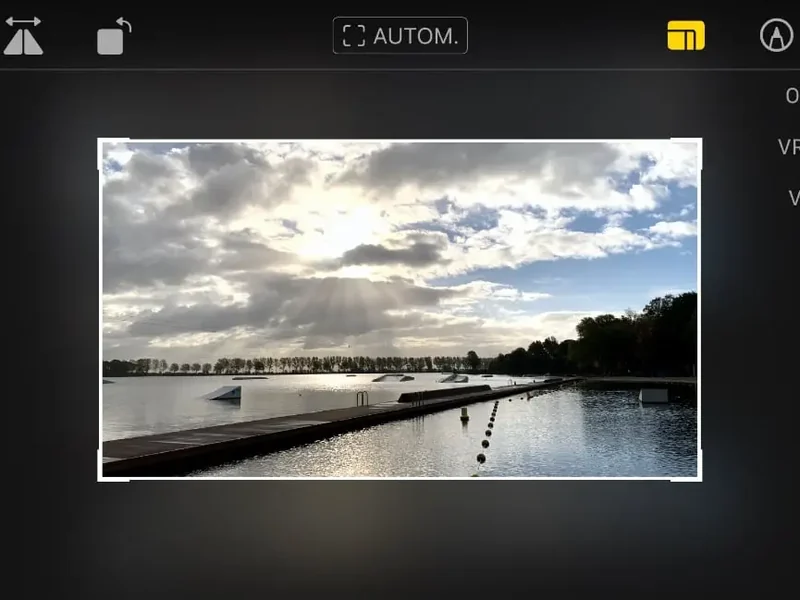
Cropping a photo: aspect ratio in photography is the ratio between the width and height of an image. Why is it important?
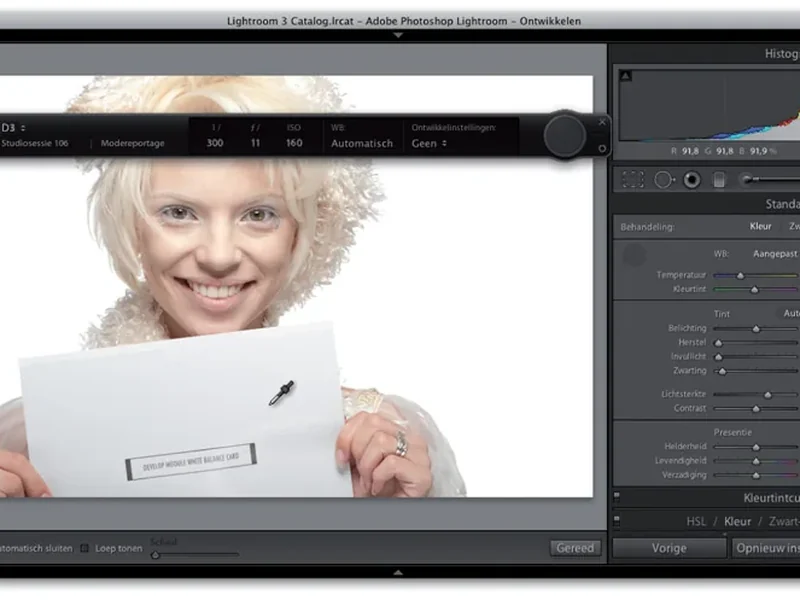
Scott Kelby explains how to set white balance live during tethered shooting in this preview from Chapter 4 of The Lightroom 3 Book.
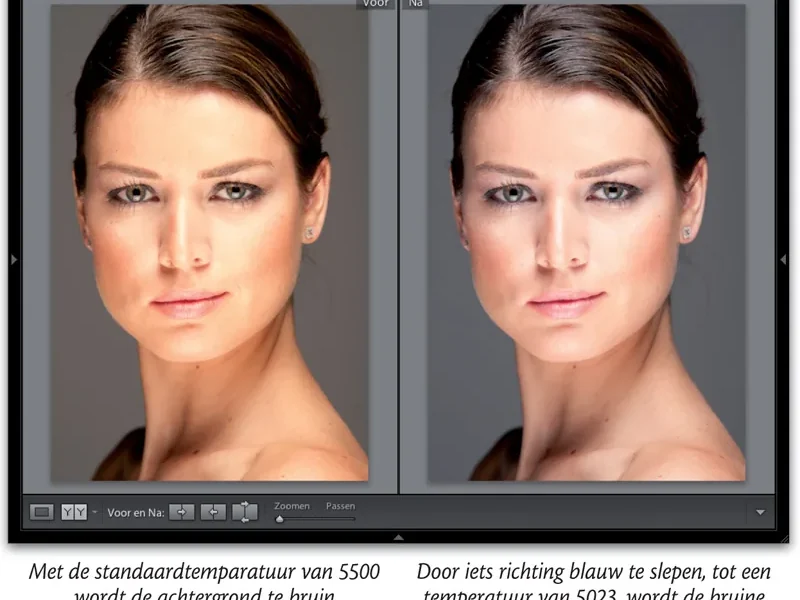
Scott Kelby explains step by step how to check and adjust the white balance of RAW, JPEG, and TIFF photos in Lightroom 3.
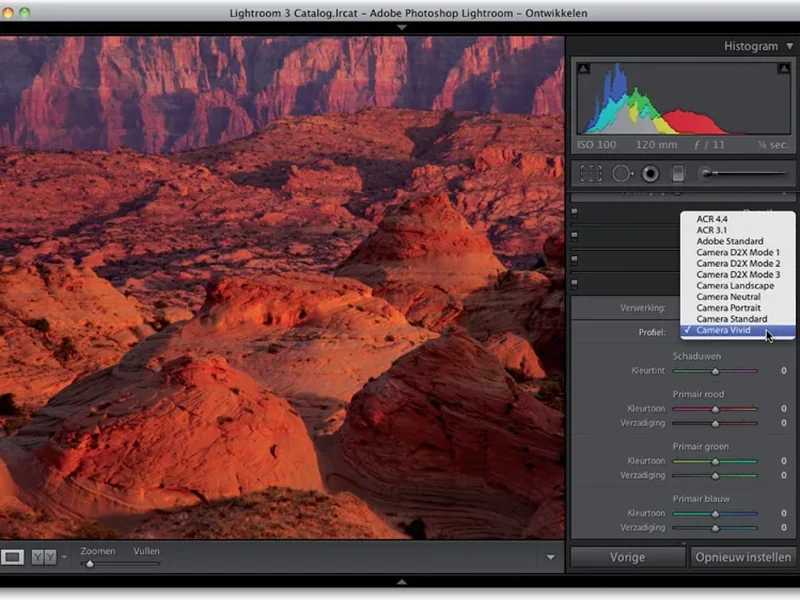
Scott Kelby explains how camera profiles in Lightroom give RAW photos a more contrast-rich, colorful, JPEG-like starting point.
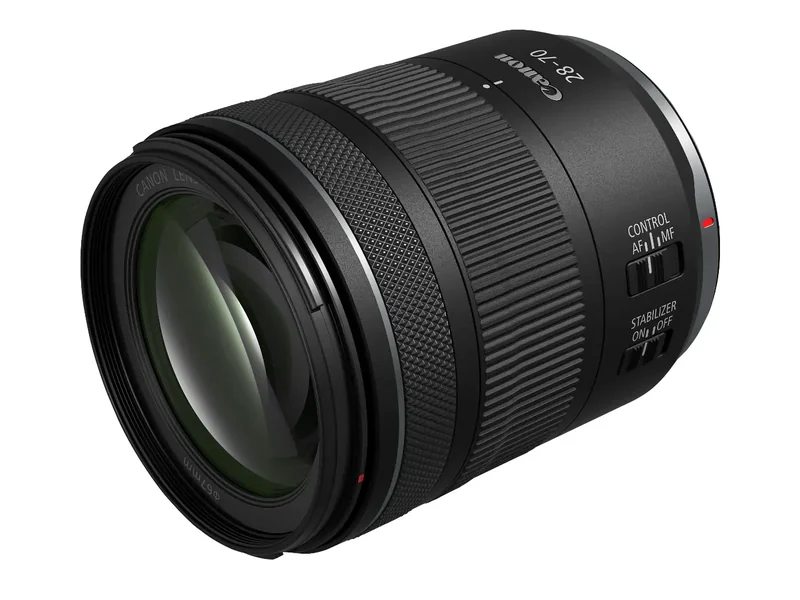
Zoom lens or prime lens? Scott Kelby explains in Chapter 3, The Truth About Lenses, of his Digital Photography book.
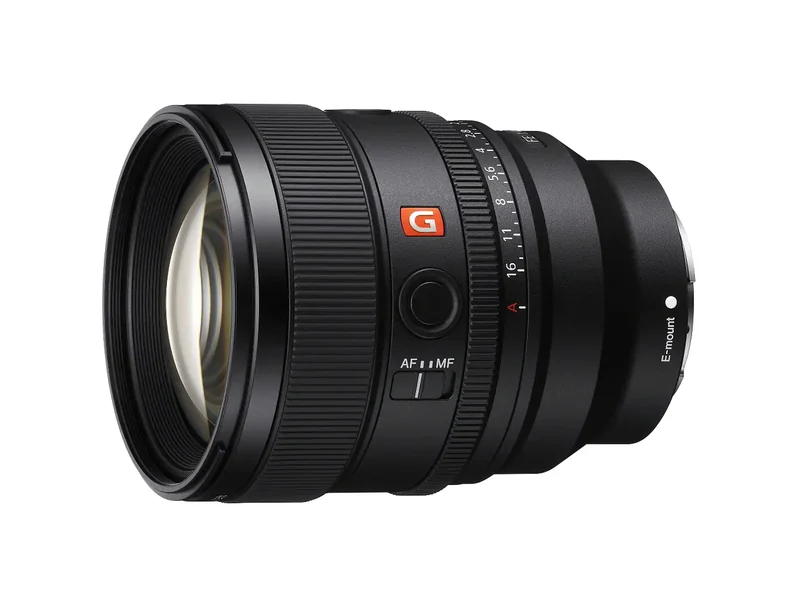
What makes a portrait lens? Modern zooms do an excellent job, and above 100 mm you will be pleased with the results—Scott Kelby.
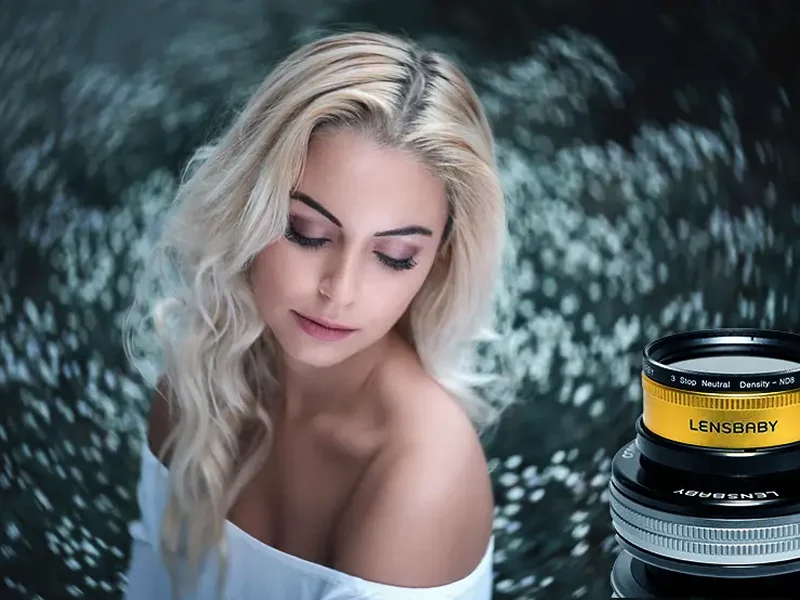
From Chapter 3, The Truth About Lenses, in Scott Kelby's Digital Photography book: when to use a Lensbaby lens.
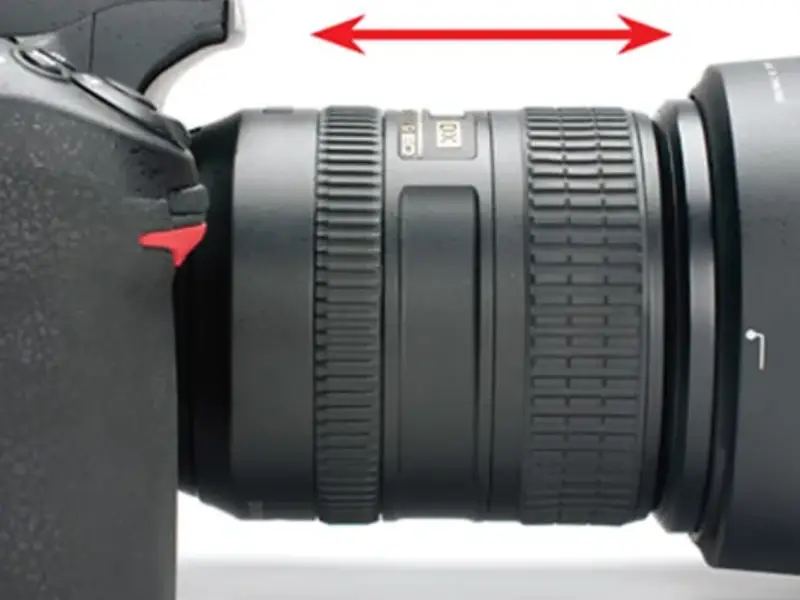
From Chapter 3, The Truth About Lenses, in Scott Kelby's Digital Photography book: when to use an all-in-one zoom lens.
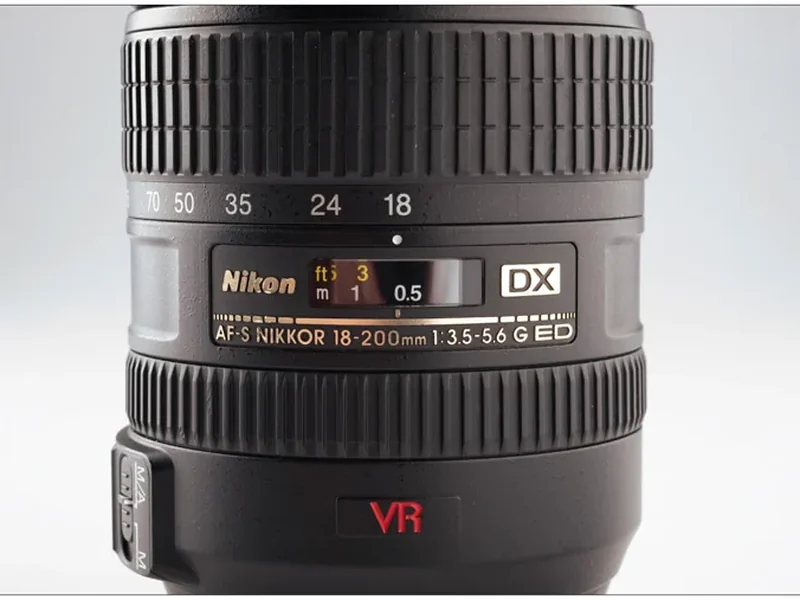
Some lenses have two apertures. Zoomed out at 18 mm, you can shoot in much less light than when zoomed to 200 mm.
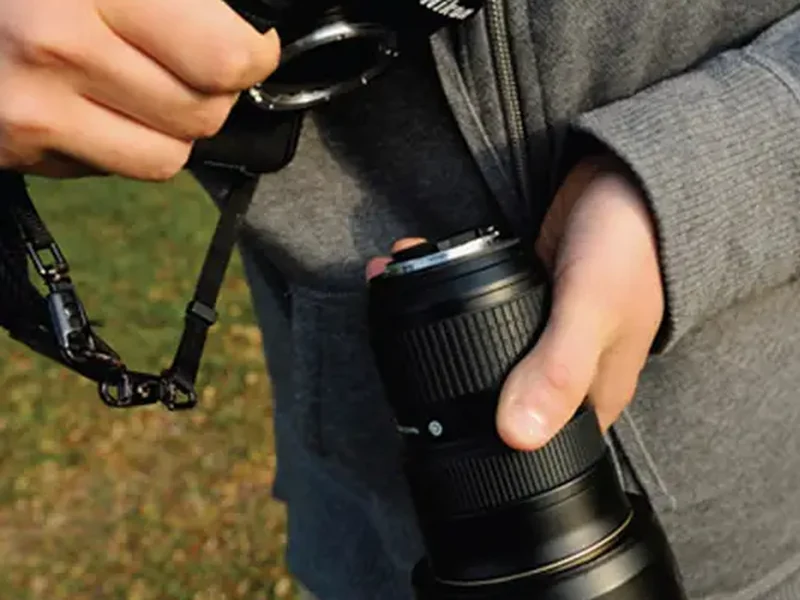
Tips for changing lenses, from Chapter 3, The Truth About Lenses, in Scott Kelby's Digital Photography book.
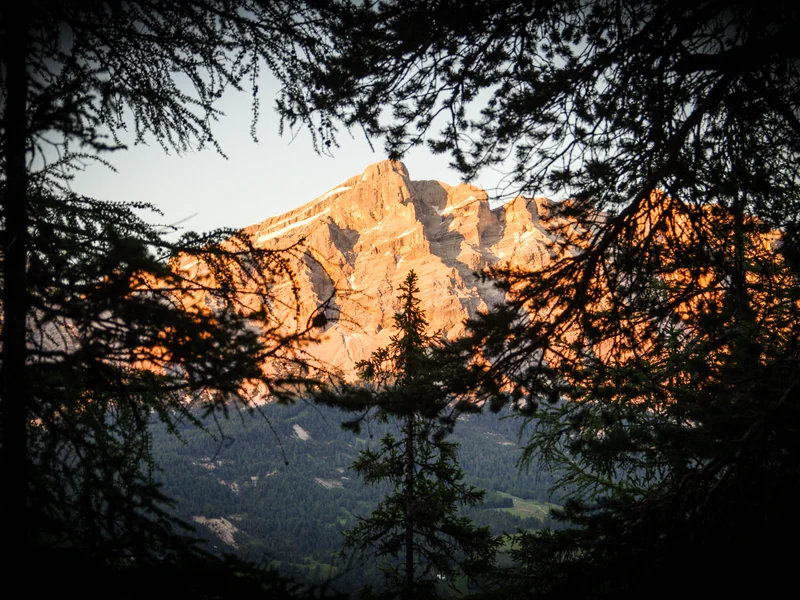
Dark corners in your photo? Scott Kelby explains vignetting and how to correct it quickly with lens corrections in Camera Raw and Lightroom.
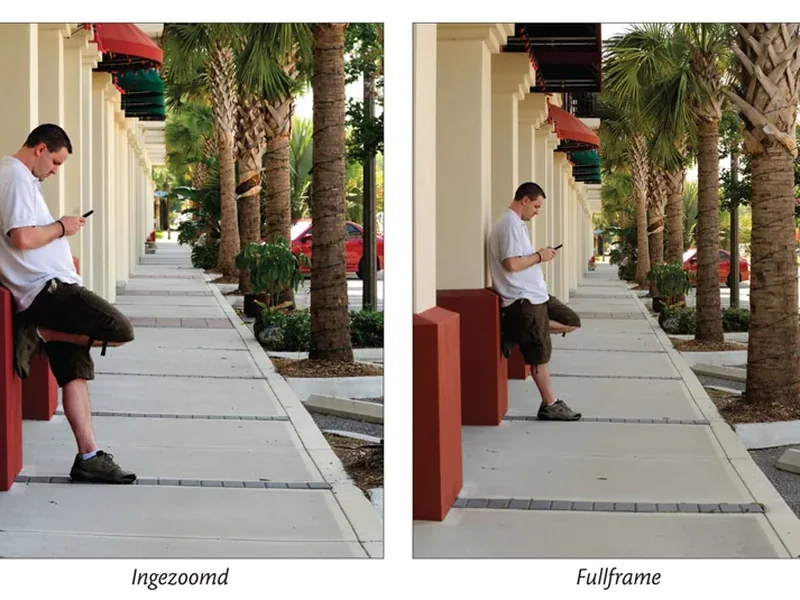
Zoom lenses and full-frame lenses, from Chapter 3, The Truth About Lenses, in Scott Kelby's Digital Photography book.
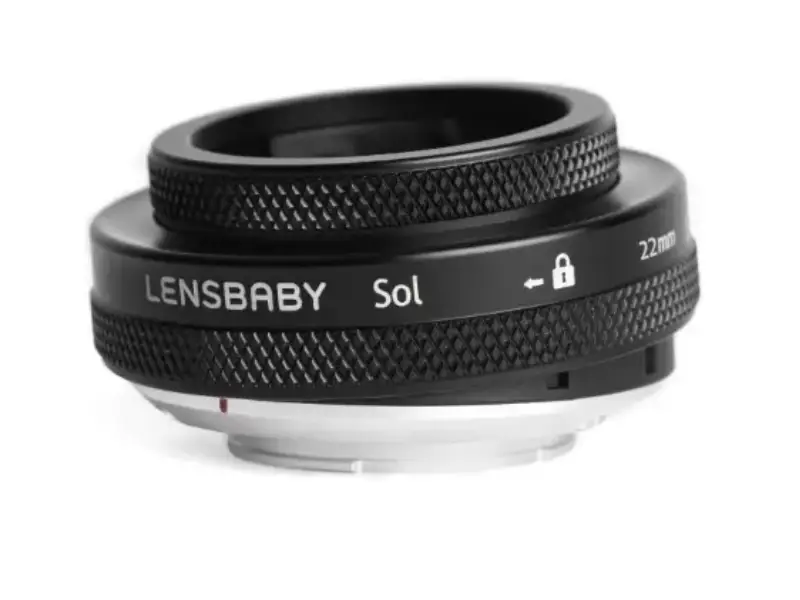
An excerpt from Scott Kelby's Digital Photography book, Chapter 3, The Truth About Lenses: when to use a tilt-shift lens.

An excerpt from Scott Kelby's Digital Photography book, Chapter 3, The Truth About Lenses: cleaning lenses.
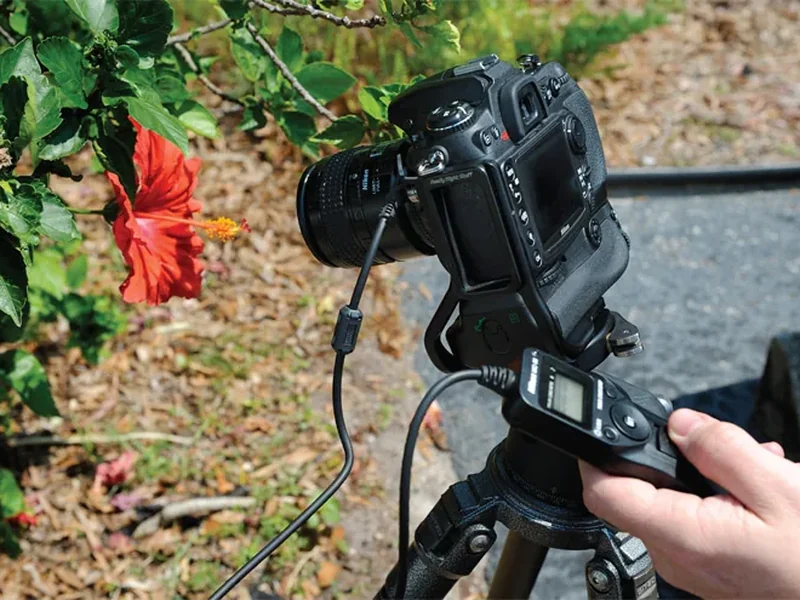
An excerpt from Scott Kelby's Digital Photography book, Chapter 3, The Truth About Lenses: when to use a macro lens.
Scott Kelby on lenses: There are literally hundreds of different filters available for your lens.

Teleconverters are a convenient, relatively inexpensive way to get even closer to the action.
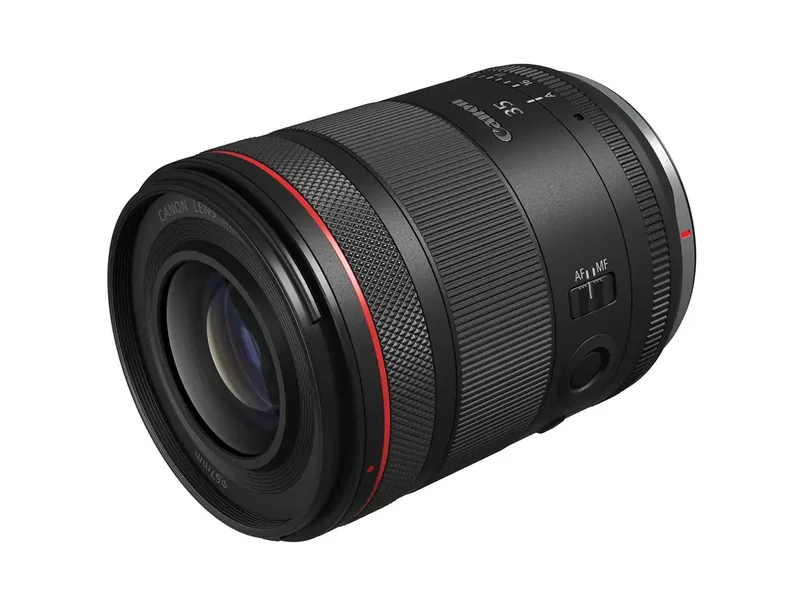
When should you use fast lenses? An excerpt from Scott Kelby's Digital Photography book, Chapter 3, The Truth About Lenses.
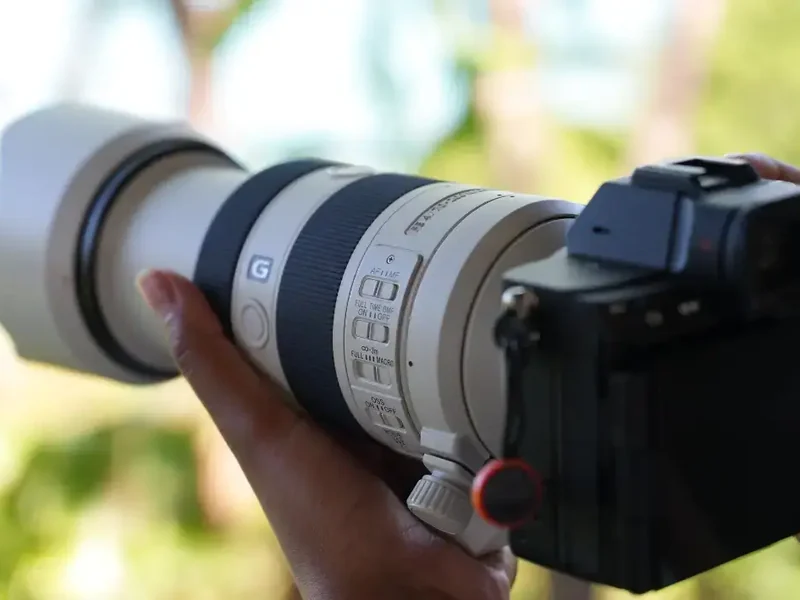
Scott Kelby explains when to use a telephoto zoom lens: the ideal choice when you want to get close and zoom in without changing position.
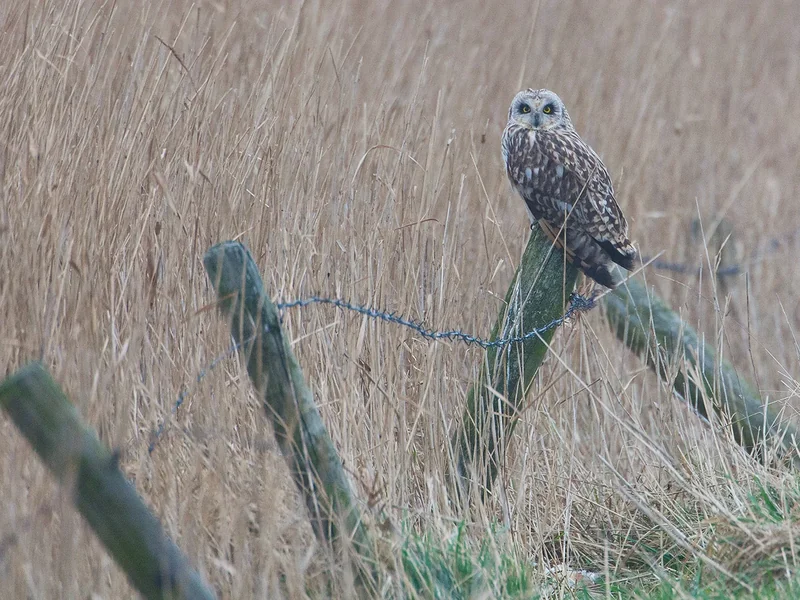
Playing with sharpness in photography can make an image more expressive. Some subjects are better left partly out of focus.
Image stabilization is designed for situations that require slow shutter speeds, when camera shake can cause motion blur.
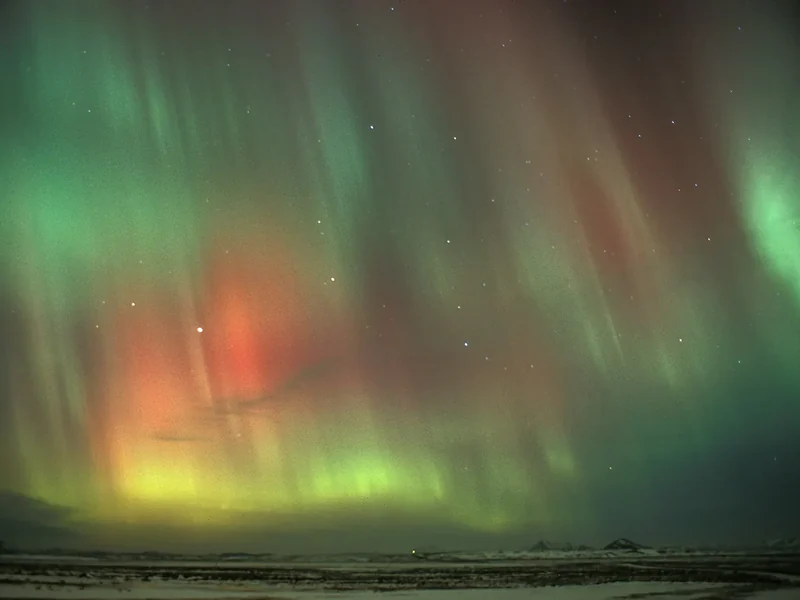
Learn to photograph at dusk and after dark, from proper exposure and bulb mode to long shutter speeds and using a cable release.

Why photographers buying a laptop or MacBook may want to consider an SSD: no moving parts, faster access, and greater shock resistance.
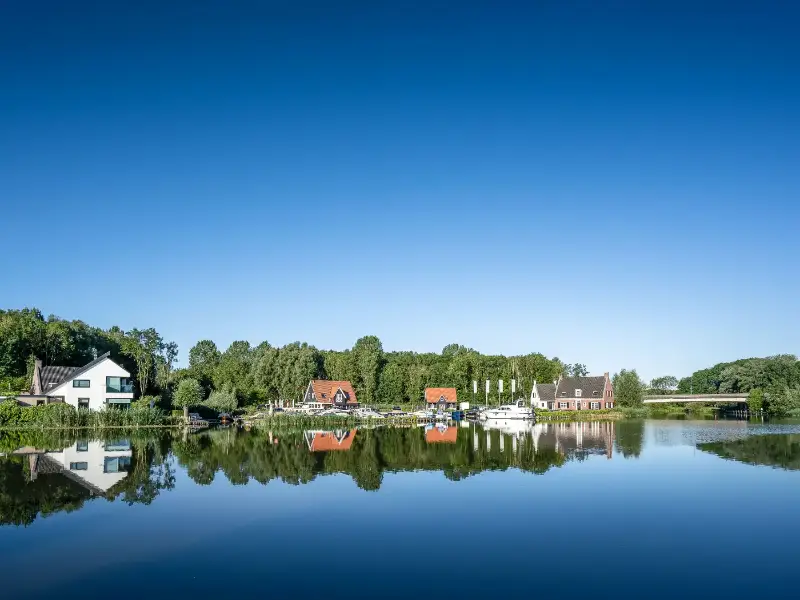
What is the difference between a polarizing filter and a graduated ND filter? Find out which to use for reflections, colours and bright skies.

Add digital fog in Photoshop using Quick Mask, a gradient, and a layer mask, then refine its density and transitions.
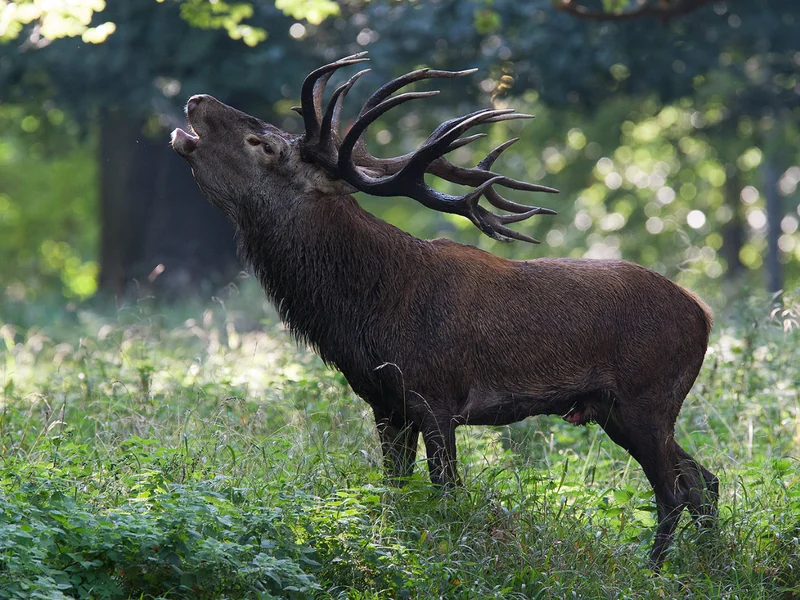
Practical tips for photographing deer, wild boar, badgers, and other large mammals, covering behavior, camouflage, wind direction, and gear.
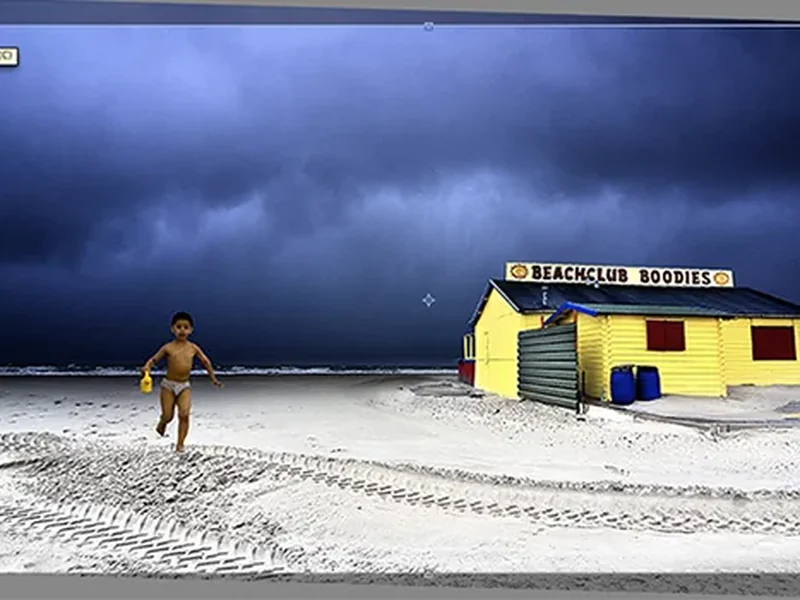
Learn how to use Photoshop's Ruler tool to straighten a crooked horizon or slanted lines quickly and easily.
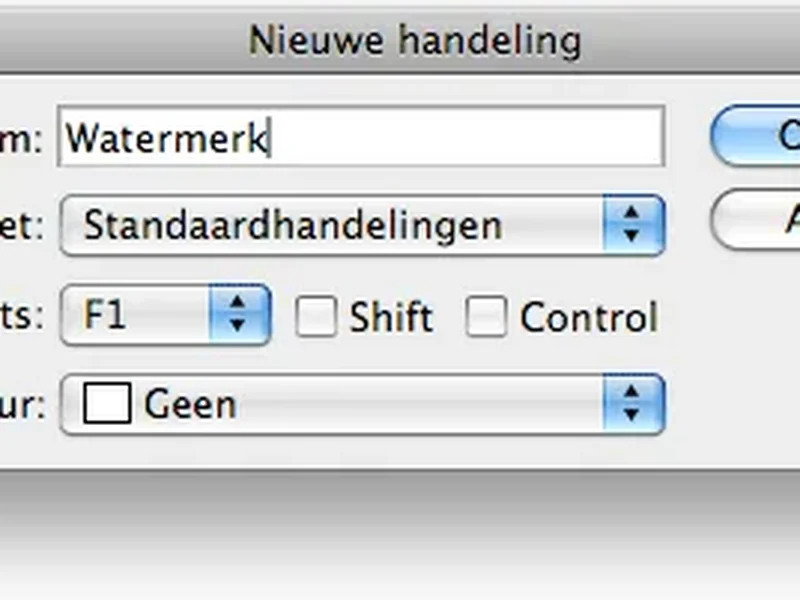
Learn how to add a watermark to photos in Photoshop and automate the process with Actions without distracting from your image.

How Kodak engineer Steve Sasson built the first digital camera in 1975, laying the foundation for modern digital photography.
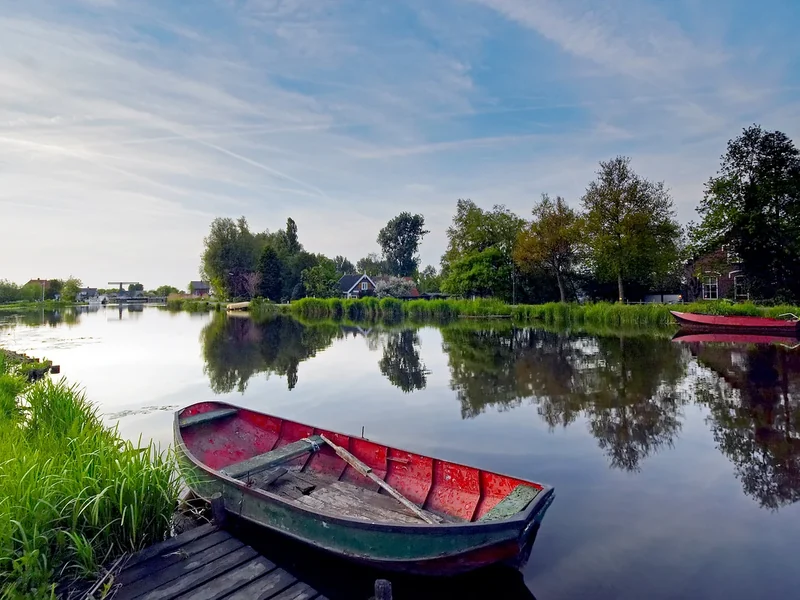
Learn how white balance works and how to set it for better color. Tips for daylight, artificial light, Kelvin, and custom white balance.
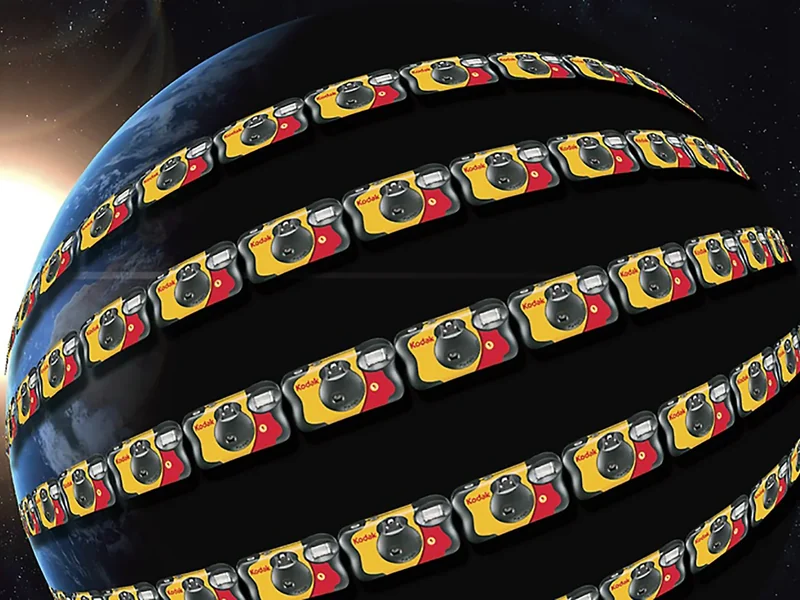
Kodak has recycled disposable cameras for 19 years and has now reused 1.5 billion of them. Here is how its unique single-use camera recycling process works.
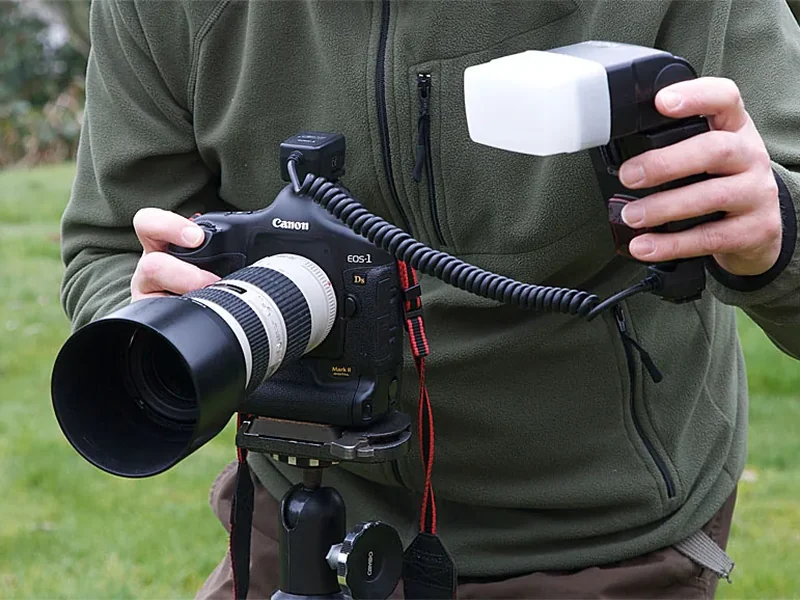
How do you use flash in nature photography? Practical tips for birds, macro, and close-up photography, including the Better Beamer and diffusers.
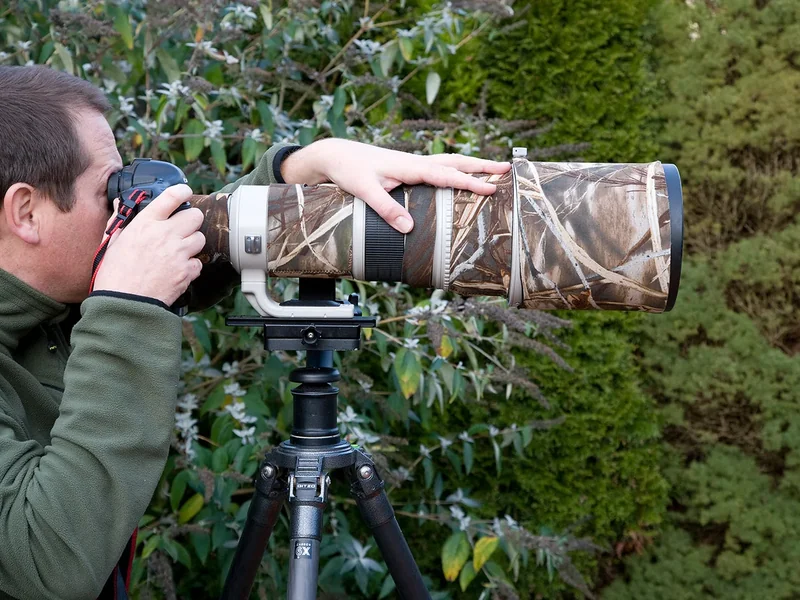
How do you use super-telephoto lenses? Practical tips on wide maximum apertures, stabilization and teleconverters.

Want to photograph birds in your own garden? Read practical tips on feeding stations, backgrounds, lenses and camera settings.

Learn what a histogram shows and how to use it to determine the right exposure in this practical guide.

Learn how to choose aperture and shutter speed in M mode for creative exposure, and when it offers an advantage over automatic modes.

Most SLR cameras offer spot metering. How can you use it to take better photos?
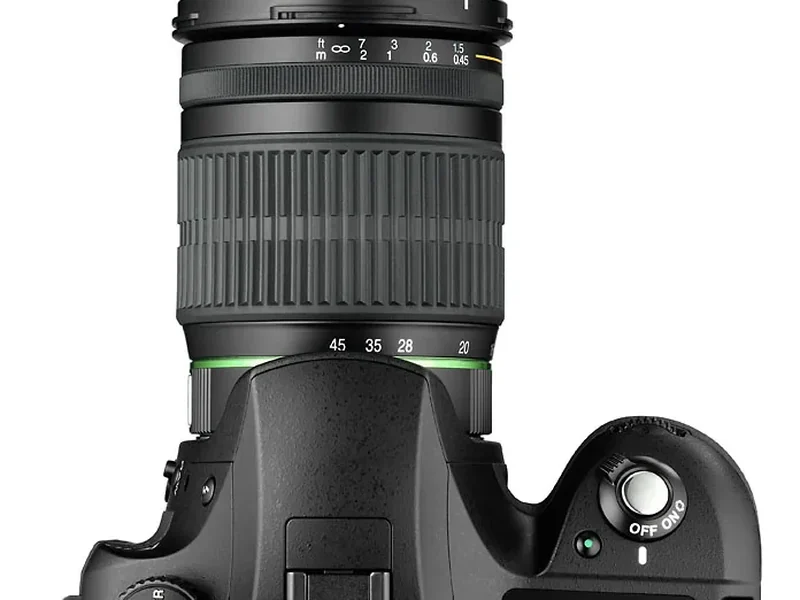
Modern DSLR cameras can deliver excellent image quality. Which lens will help you get the most out of them?

Photoshop has become commonplace. Half the Netherlands says without hesitation, ‘We’ll just Photoshop that in.’ It sounds pretty cool—a piece of cake.
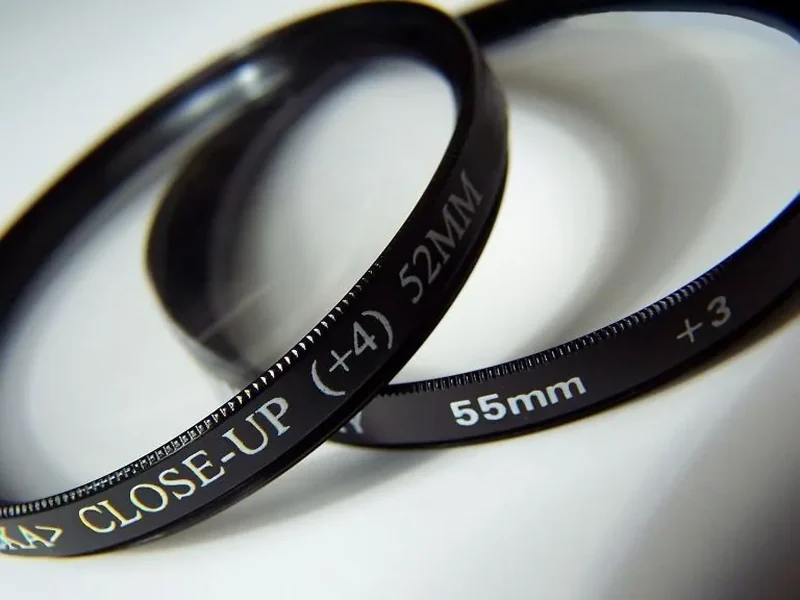
An overview of macro accessories such as extension tubes, close-up lenses, and bellows. What do you need to photograph subjects at extremely close range?

Still-life specialist Feddo van Gogh explains how digital photography and image editing radically changed his creative process and workflow.
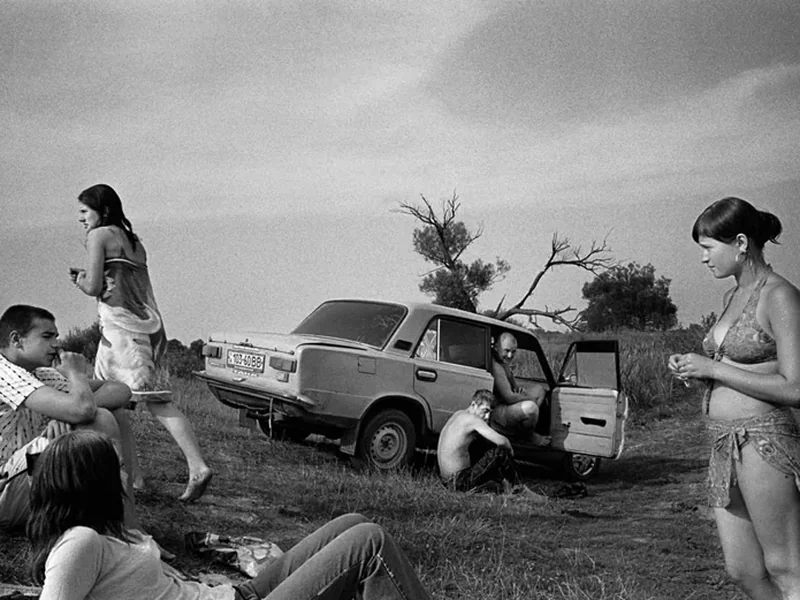
Which photograph had stayed with documentary photographer Robert Knoth when this interview was published? Discover why this particular image resonated with him.

Join us in the field for practical bird photography. Learn about observation, camouflage, composition, patience, and photographing birds in the wild.
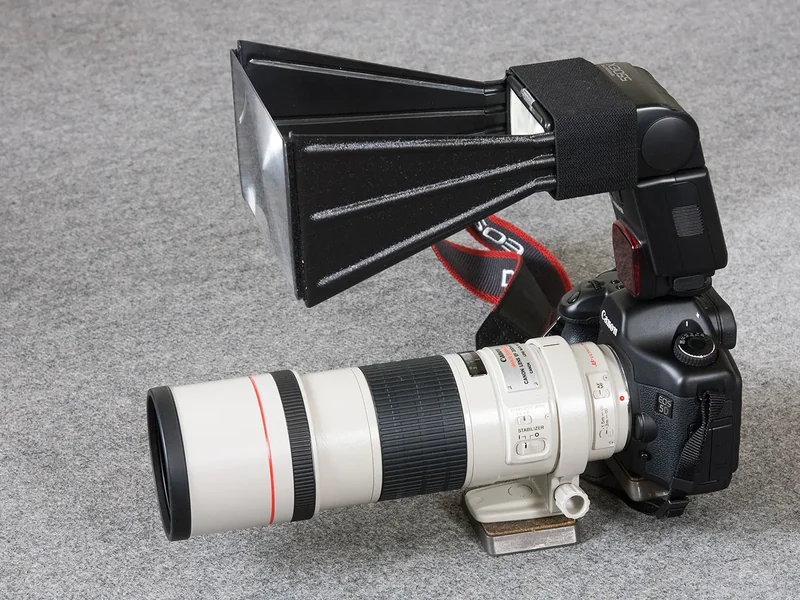
Which camera and lens should you use for bird photography? Explore practical tips on autofocus, telephoto lenses, exposure, tripods, and teleconverters.

Creating shadows in Photoshop: You can, of course, easily create a standard shadow in Photoshop.

Lars Polder explains how an external flash provides more light and control, with softer bounced light and more flexible lighting than a built-in flash.
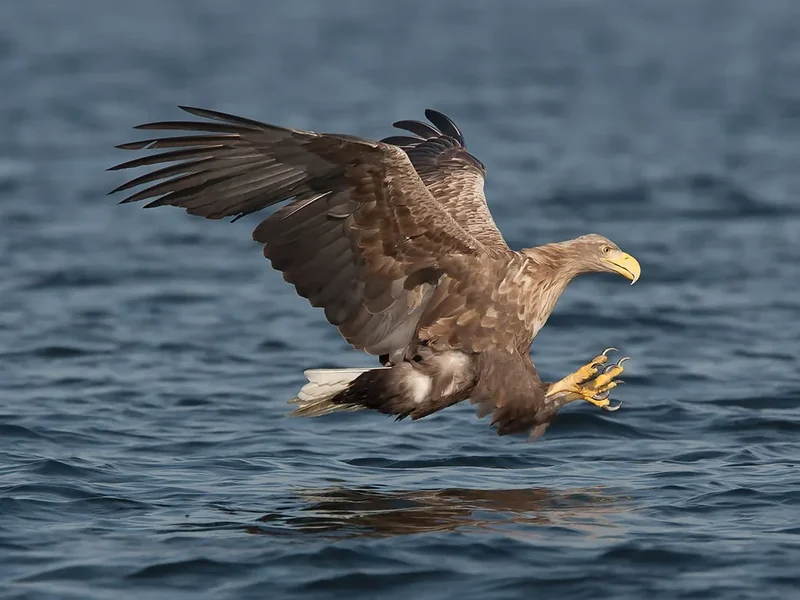
Want to take better bird photographs? Discover practical tips on composition, behavior, observation, viewpoints, and equipment.
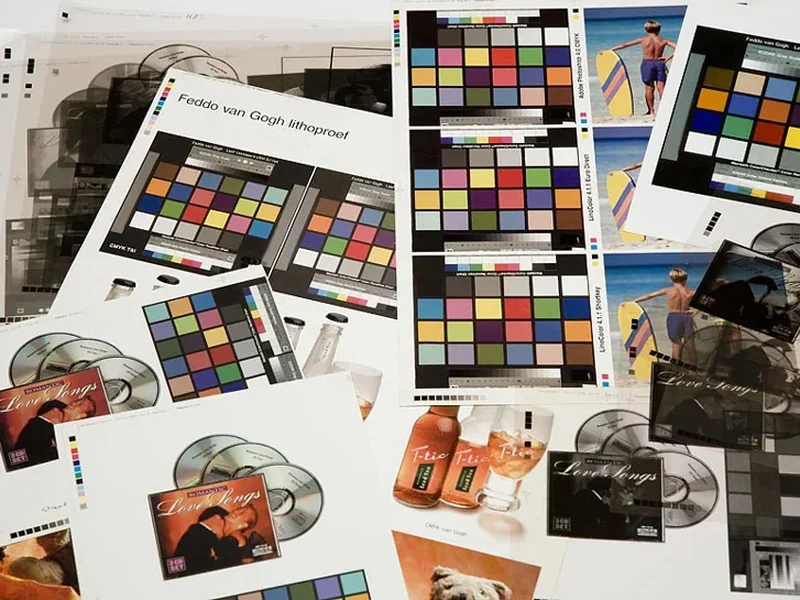
What does color management really offer photographers? This article cuts through the jargon and explains when it is useful—and when it is not.
Digital SLR cameras offer several AF options. What are they, and when should you use them?
Fotografie.nl is made possible by


