Do you ever take selfies? We may be a selfie-obsessed culture, but that is not necessarily a bad thing. Self-portraits have a long history as part of an artist’s journey of self-discovery. They also give us a way to try new techniques, fail in private, learn, grow, and adapt as photographers. You can also use them to document how we change physically over time. Below are several considerations and tips for creating a good self-portrait.
The Right Equipment
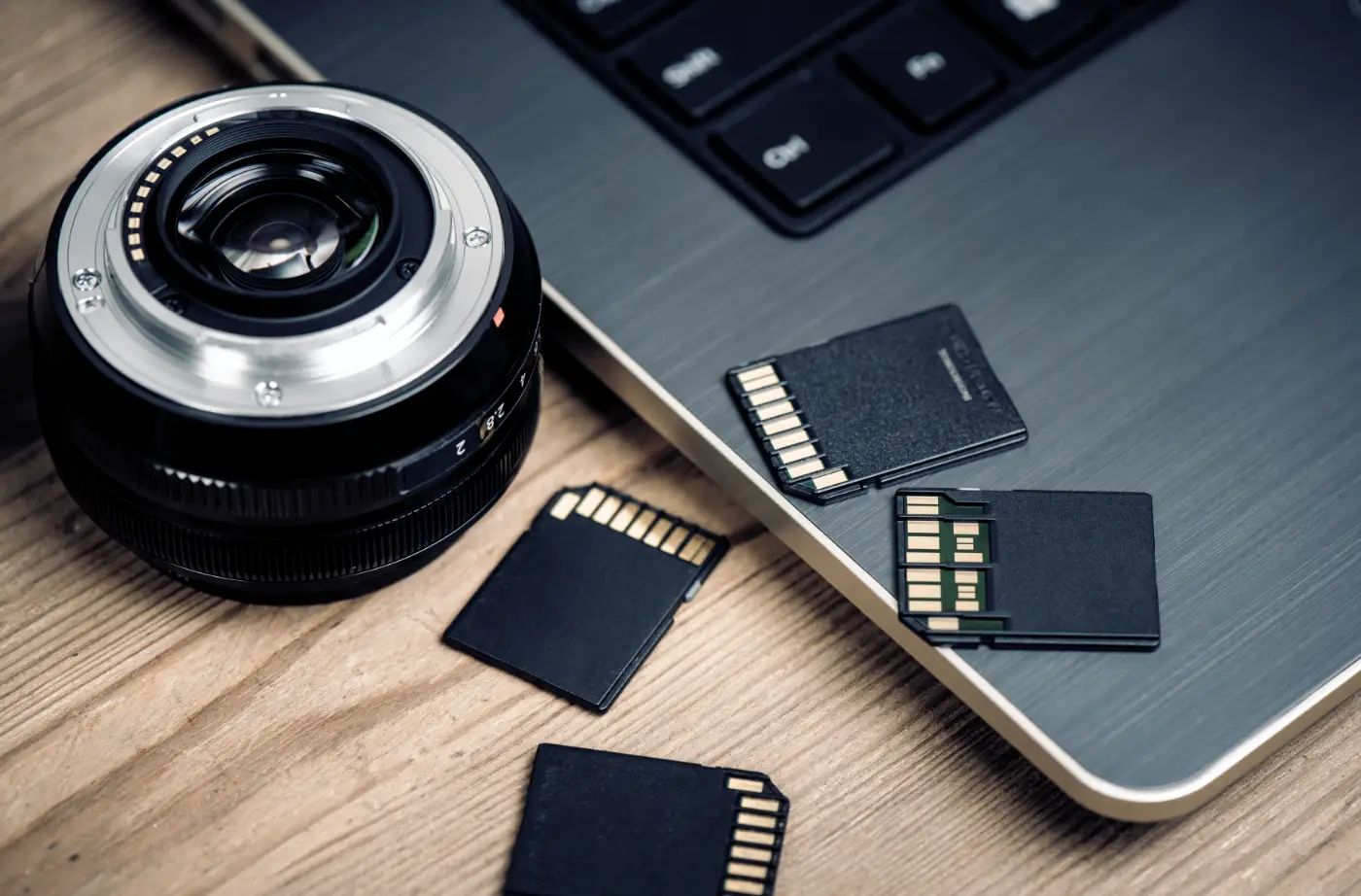
Almost any camera will work when you are getting started with self-portraits. If you plan to shoot them regularly, however, consider buying a DSLR or mirrorless camera. These offer more versatility and customization than a point-and-shoot camera because you can change lenses. That gives you a range of focal lengths and control over every aspect of your photograph, including shutter speed, aperture, and file format.

It is a good idea to buy a camera that can be mounted on a tripod. A tripod lets you position the camera and step away without having to reset the settings or focus. You can also place yourself in the frame without resting the camera on furniture or holding it. This expands your compositional options, allowing you to photograph your self-portrait almost anywhere. A tripod also lets you shoot in low light without the unattractive blur caused by hand movement during long exposures.
Finally, use a remote camera trigger. This small remote control lets you release the shutter from a distance. Instead of setting a ten-second timer, rushing into place, and hoping you are in position in time, you can calmly settle into the right pose and then press the shutter. Remotes are often small enough to conceal in the palm of your hand and are usually inexpensive—sometimes less than €10.
If your camera does not support a remote control, you will have to rely on the self-timer and your agility. Alternatively, you can set up the shot with the tripod, prepare everything carefully, and ask a friend to press the shutter button.
Determine Your Goal
It is important to know what you are truly trying to communicate. Self-portraits are about the pieces of ourselves that come together to form an image of our physical presence. Ask yourself why self-portraiture interests you. Is it a way to learn new techniques? Make sure you understand your motivation before deciding to photograph yourself rather than hire a professional photographer.
Your intention should shape your portrait more than your skills or equipment. Your answers will guide the crop, pose, and post-processing. When you are trying an unfamiliar technique, the setting matters less, as long as it meets the requirements needed to repeat the process. If you are creating a self-portrait as a work of art, carefully select the settings, pose, and props.
Choose Your Composition
Once you know why you want to make a self-portrait—or perhaps a series of them—think carefully about the composition. Because you are both photographer and subject, you can take as much time as you need to plan the shot.

Use cropping to emphasize the essence of the image. If you want to focus on your face, frame a tight shot that leaves little space above, below, or at the sides. If you want to show your body moving through an environment, step far back and shoot a wide view.
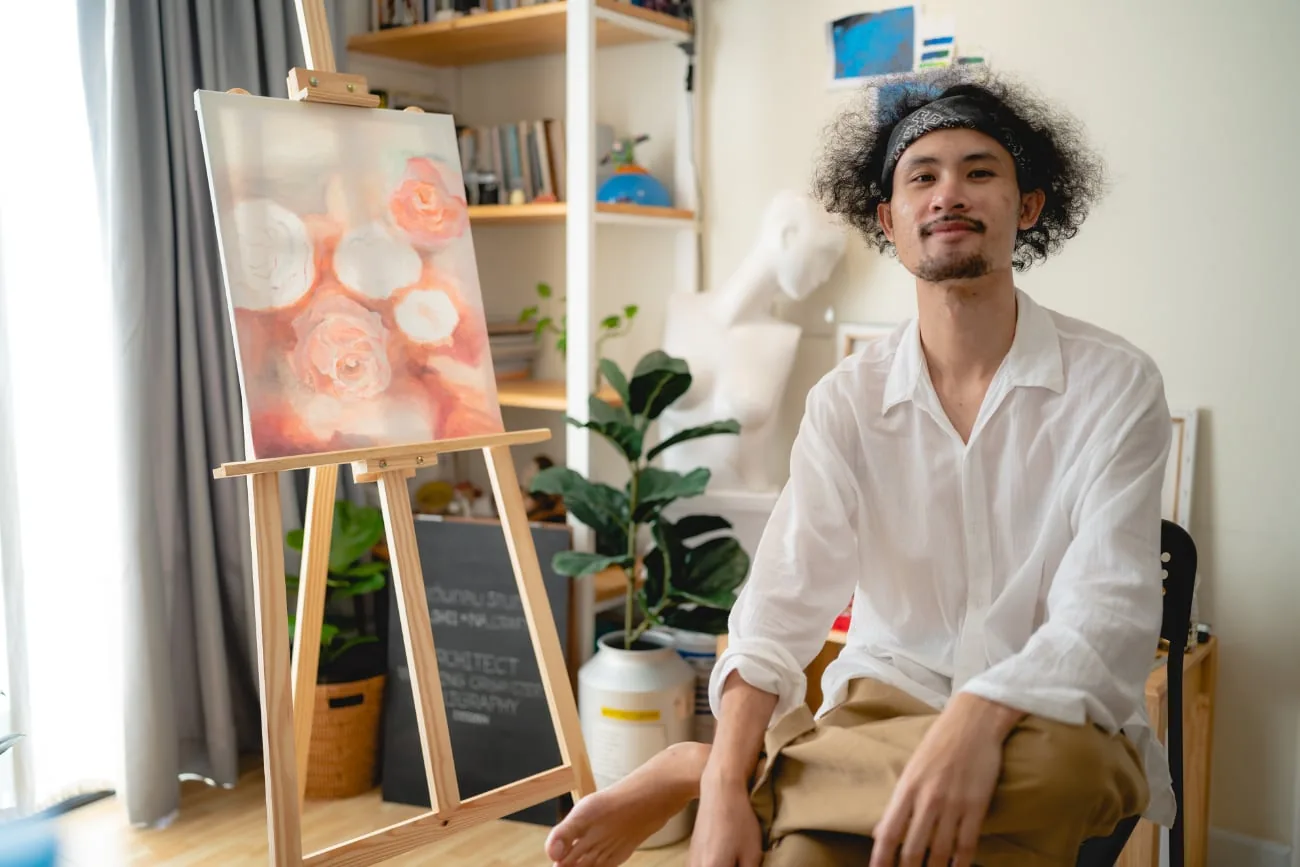
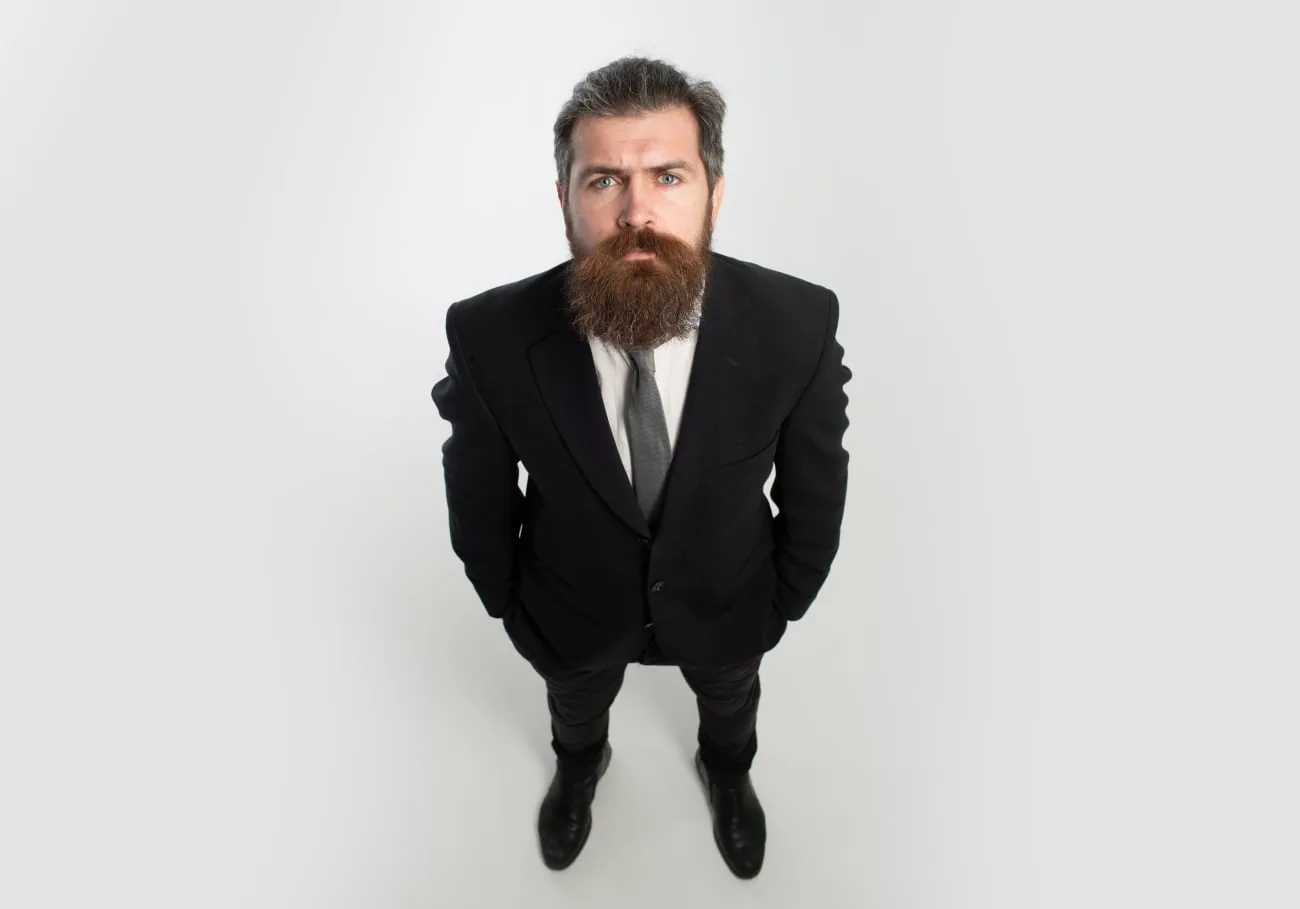
Weigh the advantages and disadvantages of one setting or background against another. The right choice depends on your goal: for a simple professional headshot, you will probably use a plain, neutral background. Think about what the background adds to the story you are telling. Consider the mental associations created by different tones and colors. Red, for example, suggests passion and intensity, while blue conveys calm and serenity. What mood do you want to evoke? Gather the right props and outfits, and explore a few suitable locations.
Match the Lighting to Your Intent
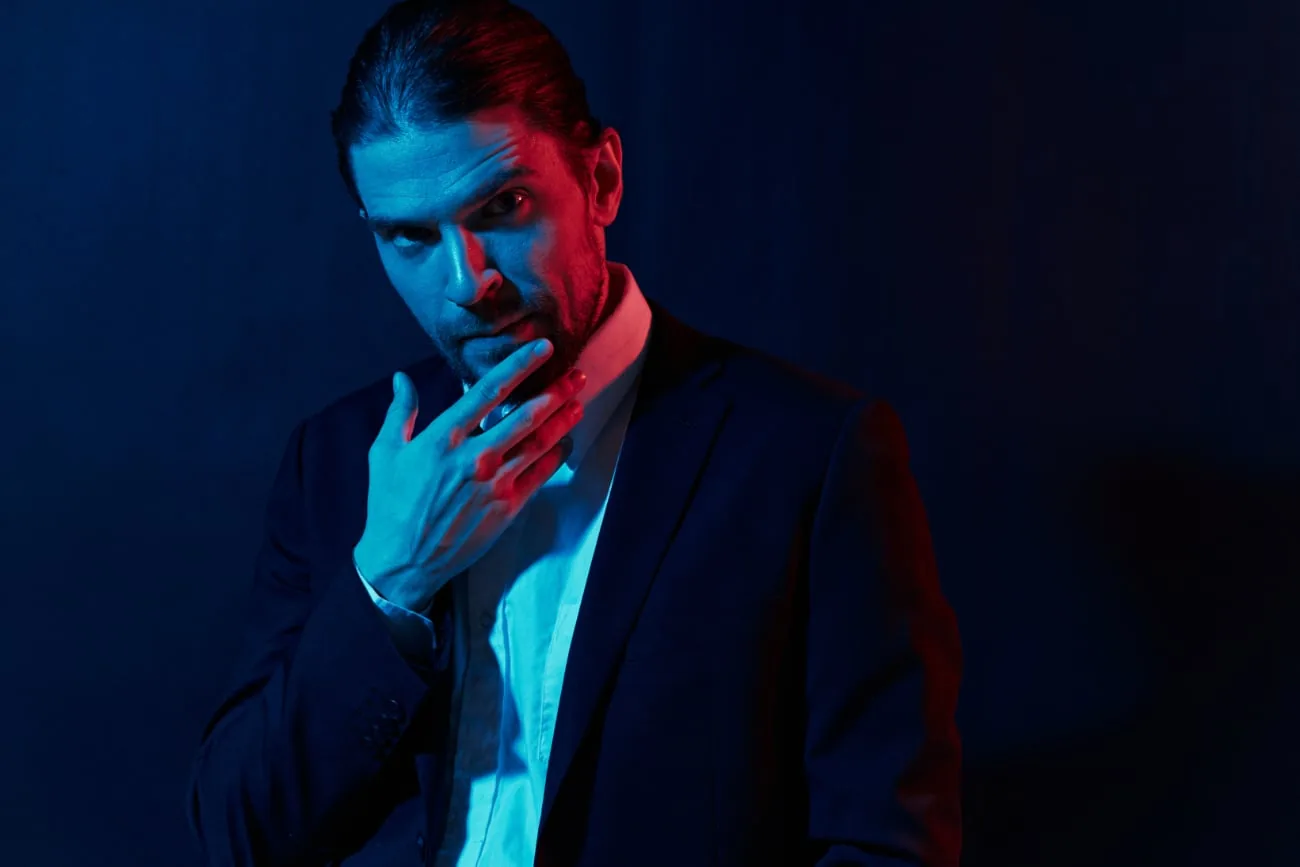
Different kinds of light suggest different meanings. Match the lighting to the emotions you want to convey. Hard, bright light can create shadows that add drama and intensity. Shadows can emphasize or conceal parts of your portrait, drawing more visual attention to important areas while playing down elements that are unimportant or distracting.
Soft, diffused light illuminates the entire portrait evenly and brings out fine details. It often gives portraits a balanced, even appearance.
Take Extra Photos
Take a few more photographs than you think you need. There is nothing worse than spending time creating the perfect self-portrait only to discover that the result is poor. Stray hairs and unexpected blinks are common. Even when you think you have the shot, take a few extras just in case.
Be Patient
Self-portraits are inherently challenging and often require several attempts to achieve the photograph you envisioned. You are doing everything yourself, including posing as the model. As photographers, we often feel more comfortable behind the lens than in front of it. Pay attention to what you do and do not like in each frame; learn to retain the elements you love and remove those that do not serve your goal.

Respect the process and be patient. It is an ongoing exploration of how to streamline and adapt your approach. In essence, you discover what to do by learning what not to do.
Try Something Different
A self-portrait can include any part of your body, but you do not have to show all of it. It does not even have to show your face. We may have a general idea of what belongs in a portrait, but the details are just as much a part of us as our faces are.
By focusing on our clothing, scars, or particular parts of our bodies, we can emphasize what matters to us and what makes us unique as artists and as people.
Choose the Right Depth of Field
Think about the different depth-of-field settings available for a portrait. If the environment is an important part of your portrait and contributes to the story, keep it in focus. Using a small aperture (represented by a high number such as f/16) keeps the background sharp and makes it an equally important part of the photograph’s story.
If the focus is more on your expression and the environment matters less, consider reducing the depth of field so the important elements stand out as the portrait’s obvious focal point. Using a wide aperture (represented by a low number such as f/2.8) creates a blurred background.
Use Hair, Makeup, and Clothing
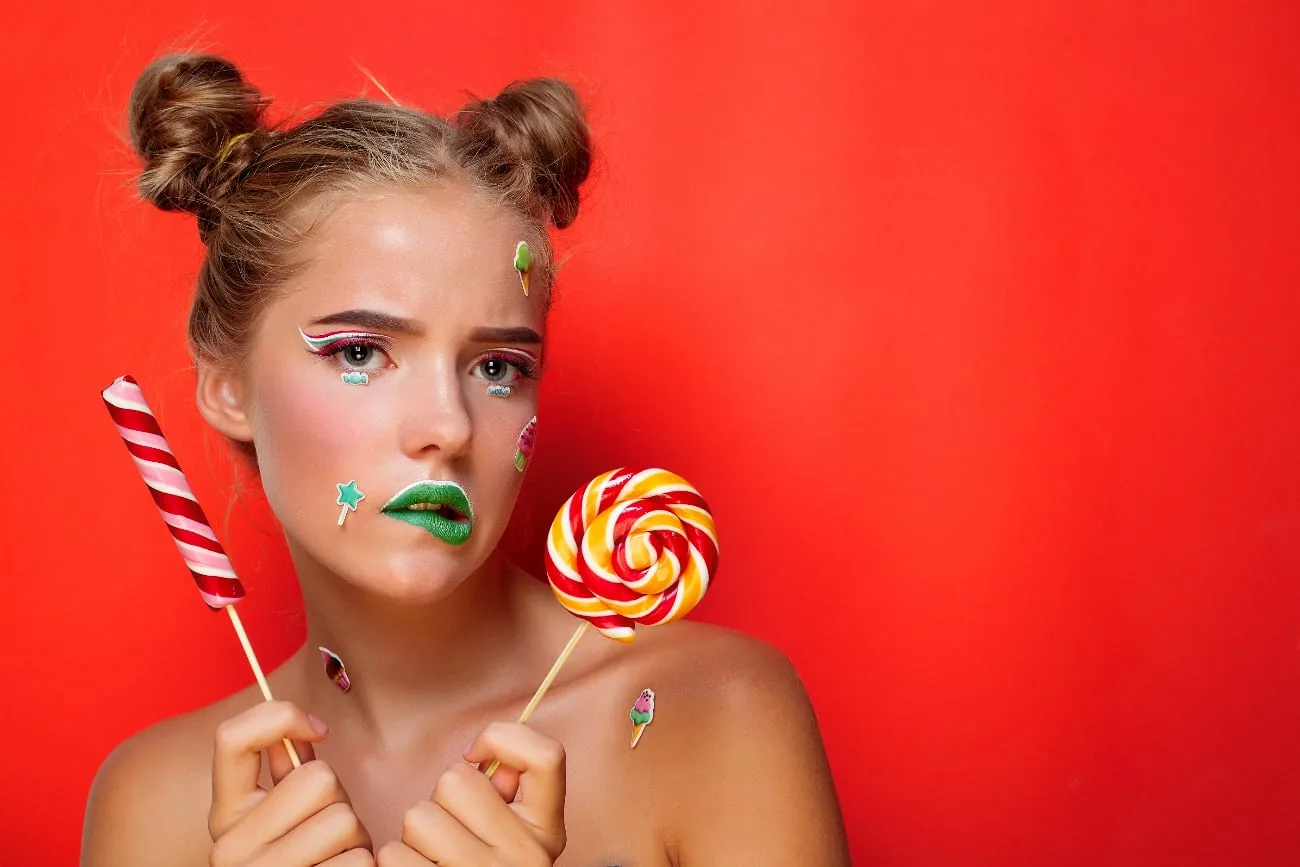
Because a self-portrait tells the story of who you are, think carefully about how you present yourself. This is an opportunity to show yourself at your best, communicate how you want to be seen, or reveal how you have grown and changed. Paying attention to your hair and makeup can emphasize the areas you want to feature and conceal those you would rather not show. Likewise, clothing that is too distracting or makeup that does not suit the portrait’s mood can easily detract from the final image.
Perform
Find a way to use facial expressions and body language to communicate how you feel. Drawing on past memories that you associate with the emotion you want your audience to experience can help you find the right expression. Practice in a mirror before setting everything up so you know exactly how you will look when you press the shutter button.
Use Reflections
Reflective surfaces such as puddles, bodies of water, and mirrors can add visual interest and another layer of depth to a portrait. They can also create problems. Experiment with different shooting approaches so that you appear in the frame but your camera does not. You will often need unconventional angles to make it work.
Use Movement
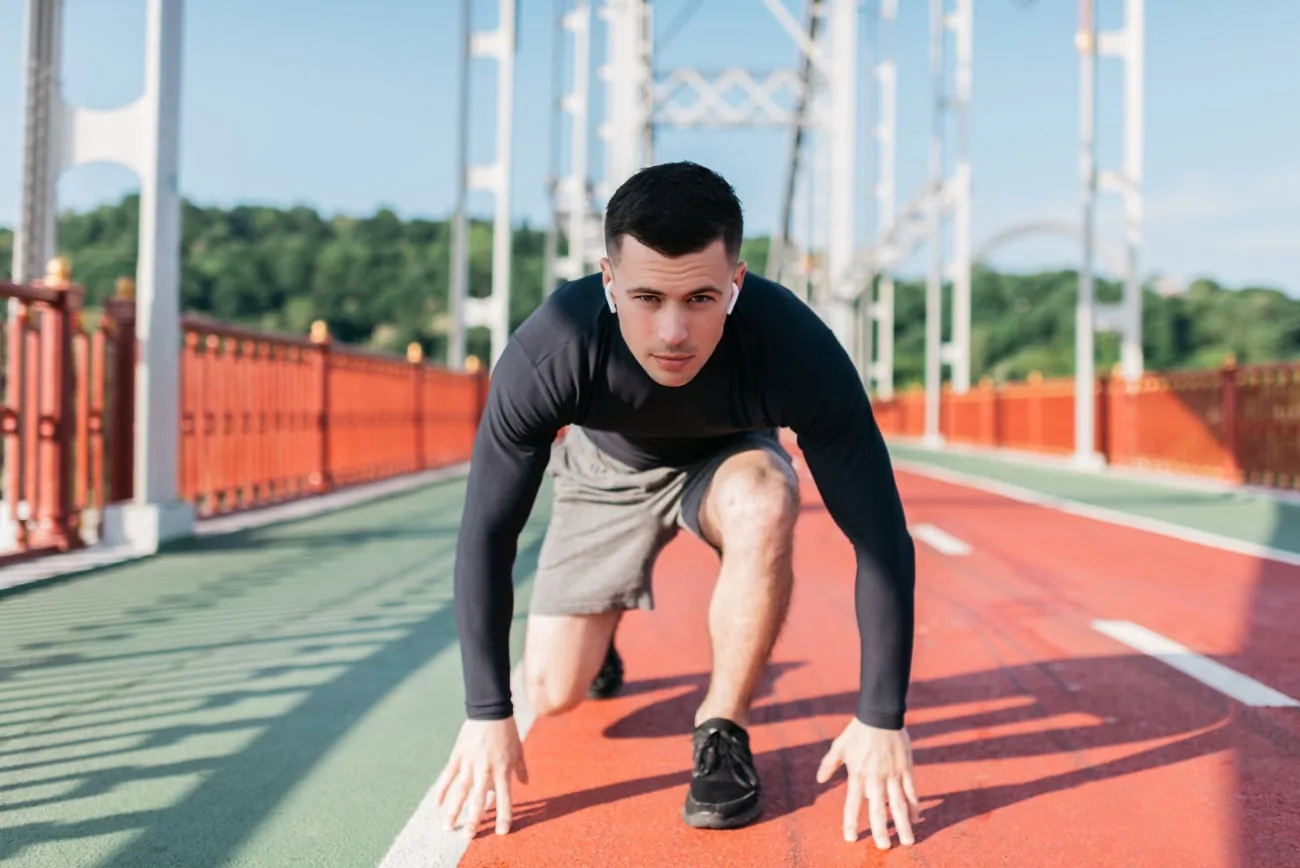
Self-portraits do not always have to be stoic images of a subject looking at the camera with a stern, cheerful, or serene expression. They can be dynamic. Consider an original self-portrait series created by a sports photographer who also ran marathons. Using his iPhone, he photographed his feet as he crossed the finish line. The series combined two things he loved—running and photography—while using movement to tell his own story.
Include Other People
Another important part of the human experience is the relationships we form with others. Consider including in your self-portraits the people who have played an integral role in shaping your life. Children, parents, close friends, and even pets can be meaningful additions to a self-portrait.