Knowledge
Who’s Still Afraid of High ISOs?
Using high ISO has always been a compromise, even with modern technology the topic remains a source of confusion and debate.
Redactie ·
3 mins
Practice & insight
Practical tips, techniques and clear explanations about cameras, light, composition and editing — always with the newest article first.
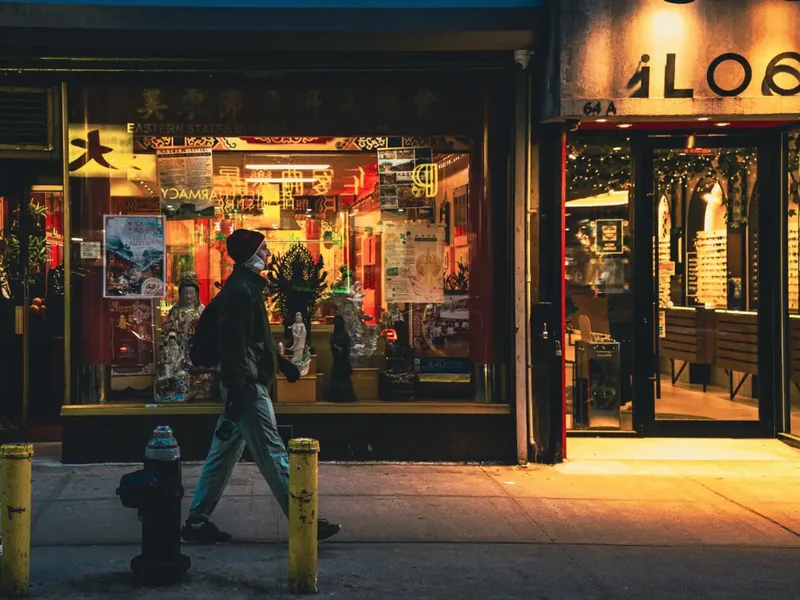
Using high ISO has always been a compromise, even with modern technology the topic remains a source of confusion and debate.
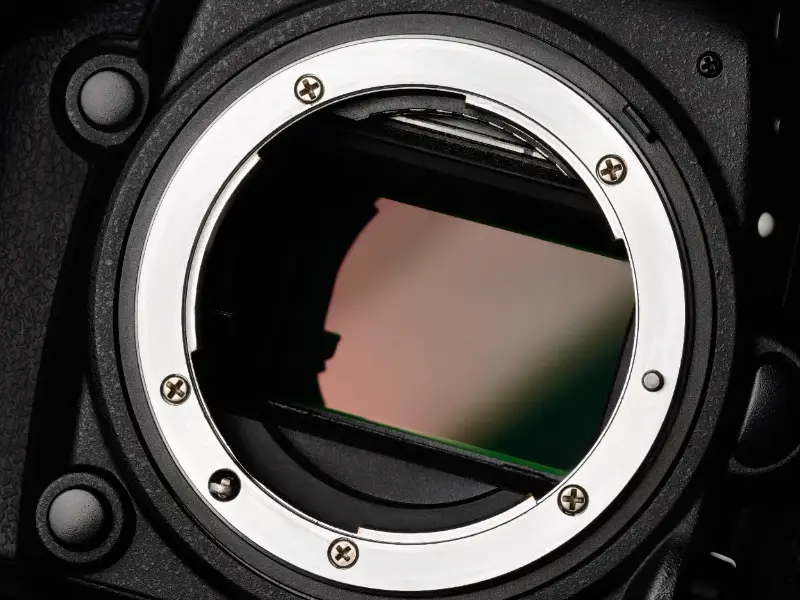
Discover the advantages and disadvantages of stacked sensor technology. What makes a stacked sensor so special? And where are the snags?
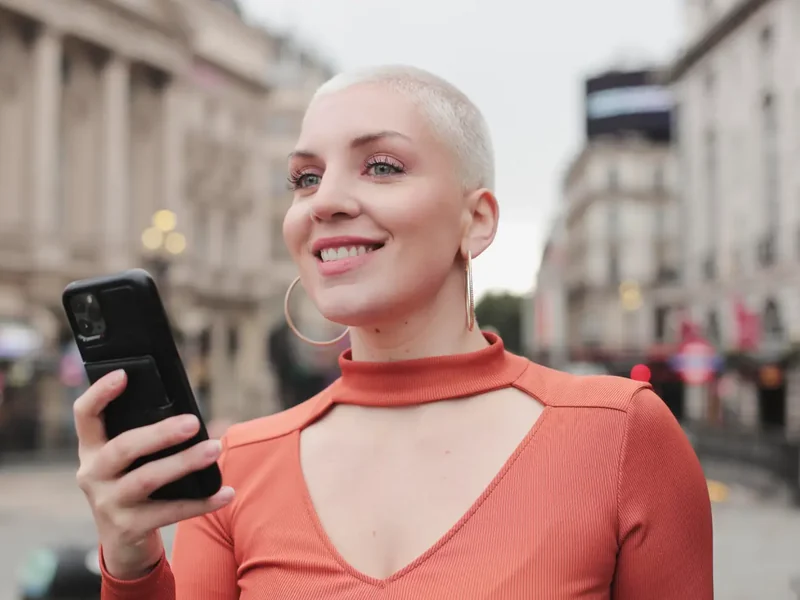
Tips for taking professional photos with your phone. Creativity and knowledge to overcome limitations and achieve impressive results.
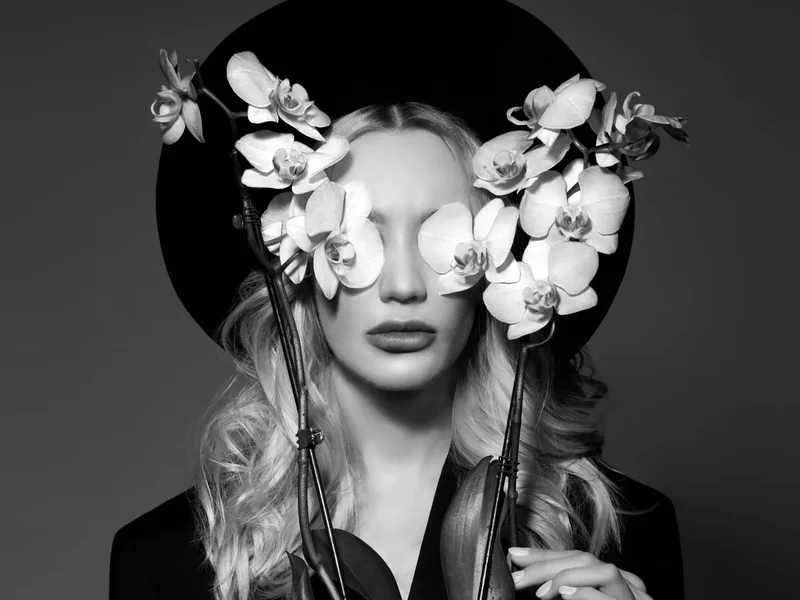
Color images can also be monochrome, especially when they use a single hue in a range of tints, shades, and tones.

Taking Halloween photos, read here the best tips to best capture this spooky atmosphere.
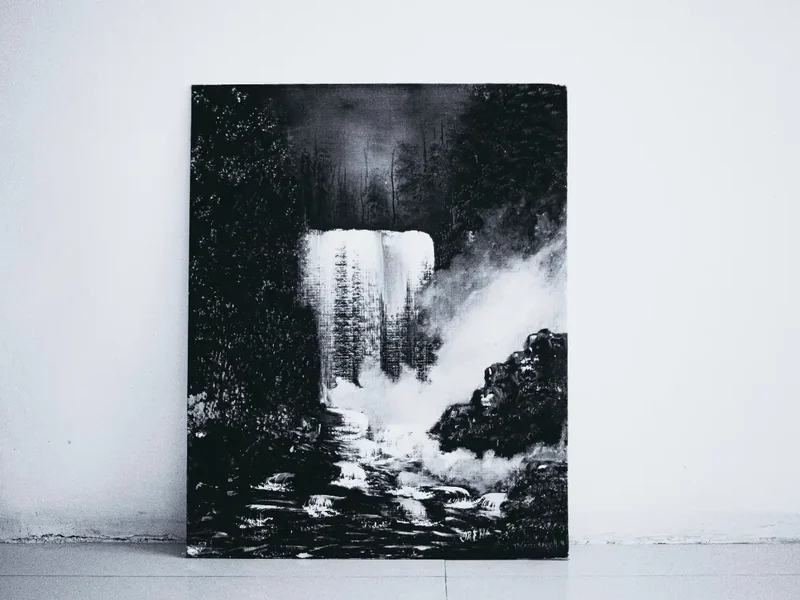
What is Dibond and why choose this material? Discover the variants, finishes, fine art paper and handy hanging systems for a sleek presentation.
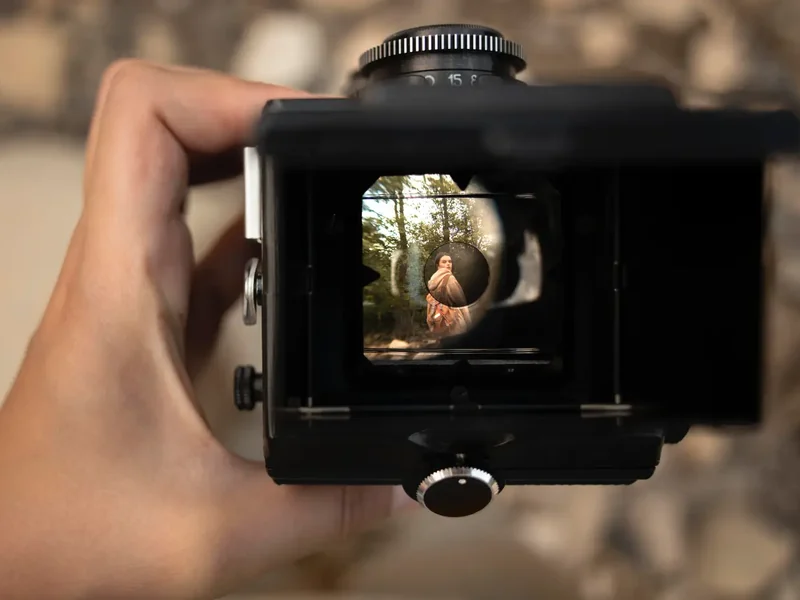
An explanation of autofocus in modern system cameras, from phase and contrast detection to sensors, algorithms and face and eye recognition.
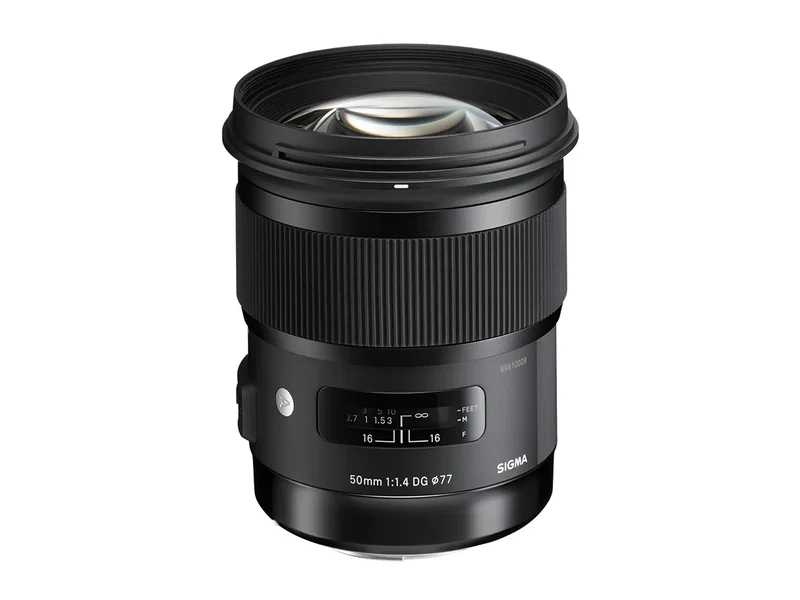
Which lenses do photographers really need? Learn why 50mm, 70-200mm, and 18-35mm lenses are essential for portrait, sports, and landscape photography.
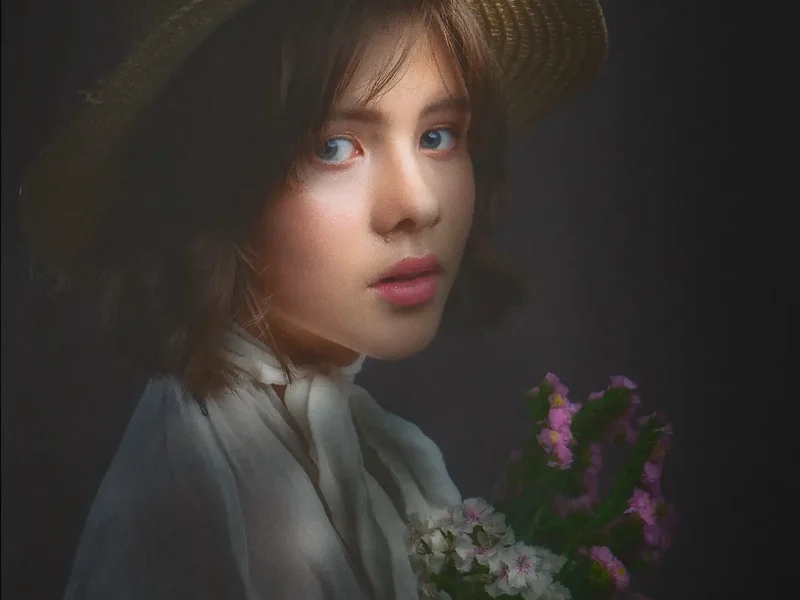
Want to take better photos with your smartphone? Discover practical tips on exposure, focus, HDR, Pro settings and post-processing.
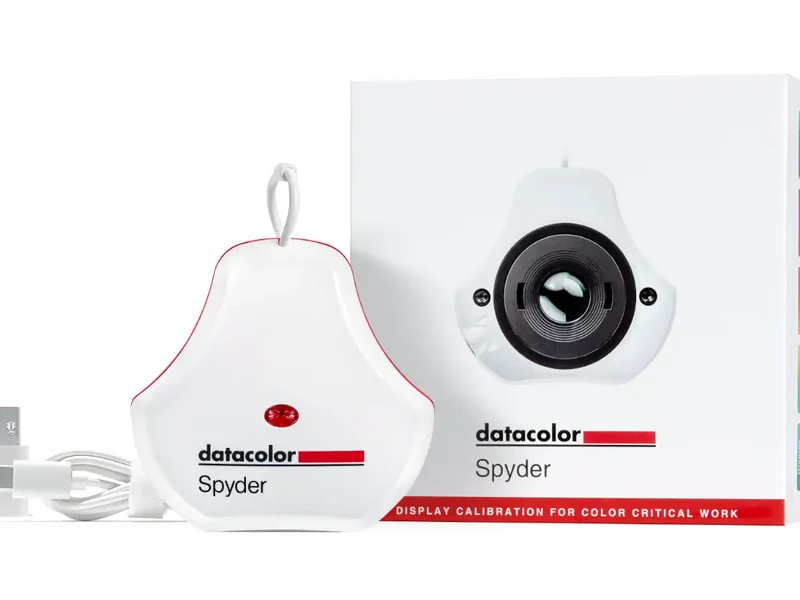
Datacolor presented Spyder and SpyderPro for monitor calibration, plus kits for color management in photography and video.
Discover how to create atmospheric photos on cloudy days, with tips for exposure, white balance, composition, portraits, and landscapes.
Tips for photographing mountains and displaying your breathtaking images as razor-sharp Xpozer prints on the wall.
Learn how to create striking silhouette photos with the right location, timing, composition, and camera settings, plus practical post-processing tips.
Learn how shutter speed, aperture and ISO together determine the exposure of your photo and discover how to use these settings creatively.
If you are going to rent a photo booth for a wedding, for example, having the right tips and camera settings can really make the difference.
A black flag is an important tool for controlling light and contrast in photography. Learn when and how to use one.
Backlighting tips, techniques and camera settings for creating striking photographs.

Bridges are rewarding subjects, but photographing them well is not always as easy as it seems. These tips will help.
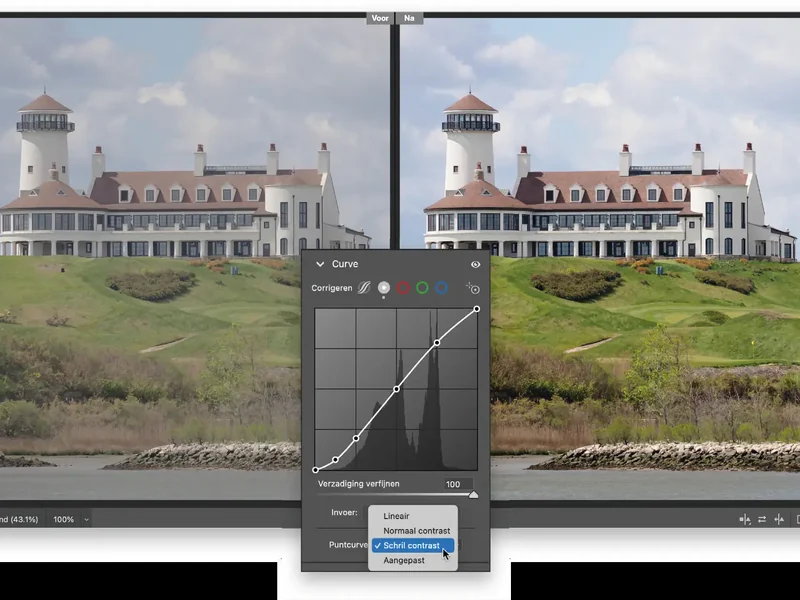
A tip from Chapter 3 of Scott Kelby’s How Do I Do That in Photoshop? on adding contrast with curves.
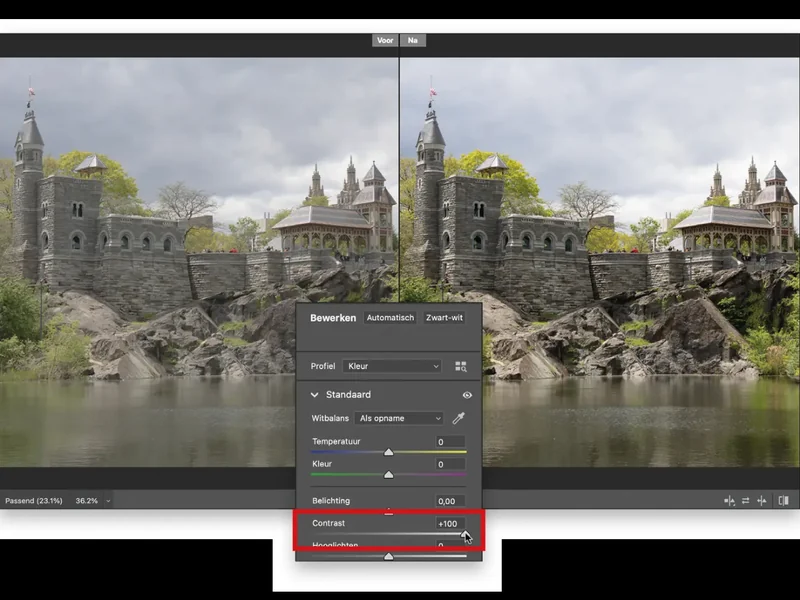
Make dull photos more vibrant in Photoshop by increasing contrast so that dark areas become darker and light areas become lighter.
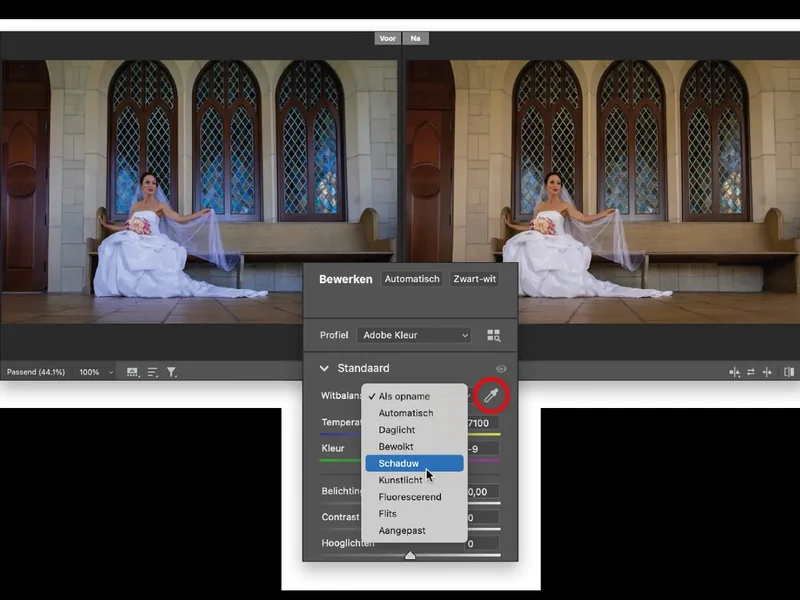
Scott Kelby explains three ways to correct white balance in Camera Raw using presets, sliders, and the White Balance tool.
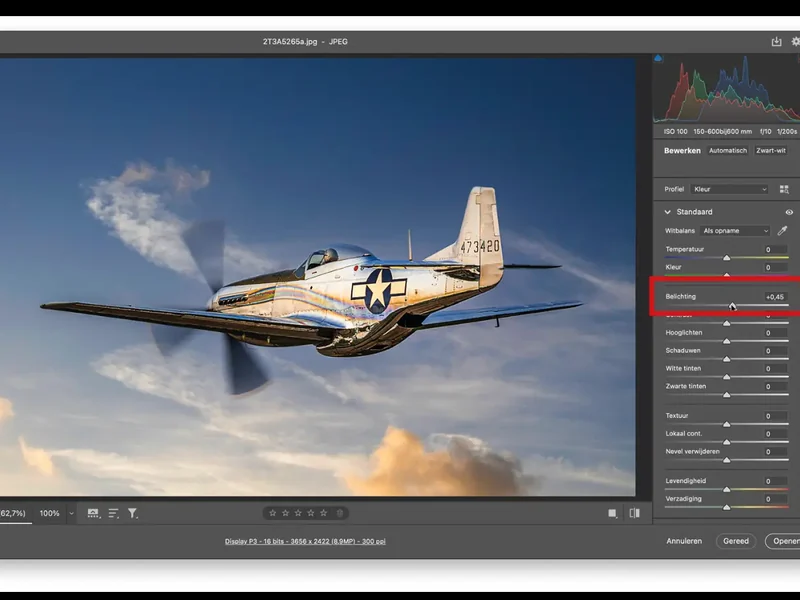
Scott Kelby — How to in Photoshop: Adjust Overall Exposure, a tip from Chapter 3
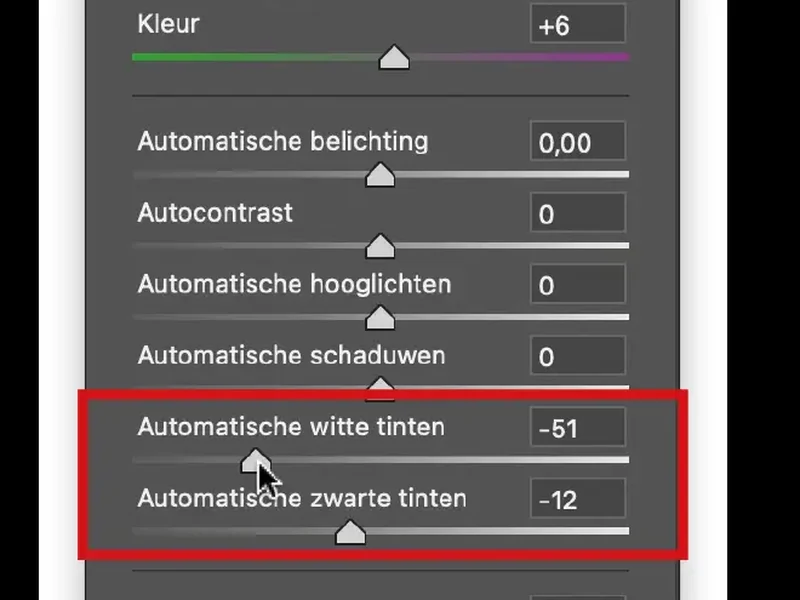
Scott Kelby — How to in Photoshop: Increase the Tonal Range of Your Photo, a tip from Chapter 3
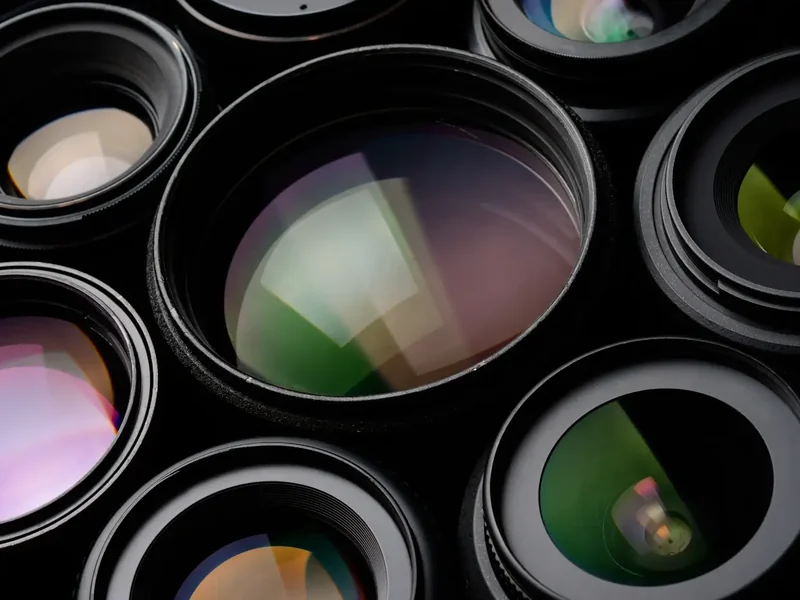
Camera filters explained: choose the right filter for every photo and learn when to use each type.
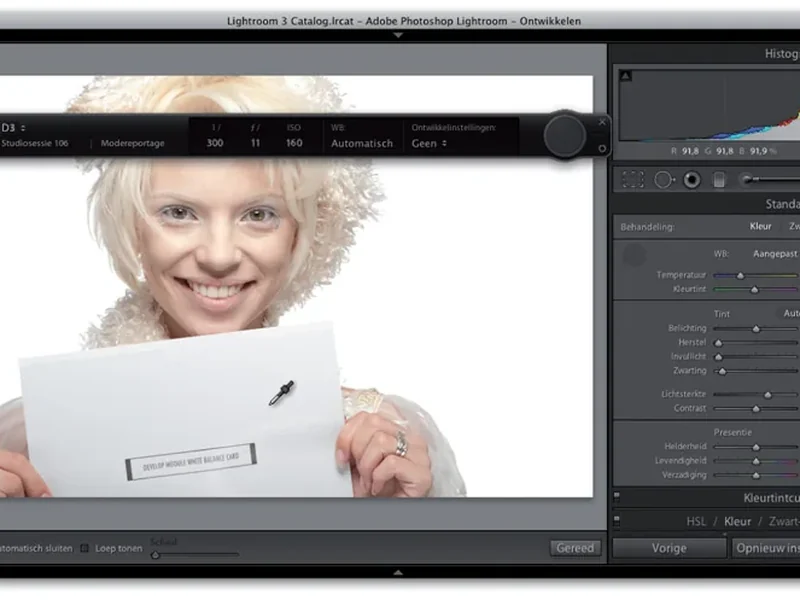
Scott Kelby explains how to set white balance live during tethered shooting in this preview from Chapter 4 of The Lightroom 3 Book.
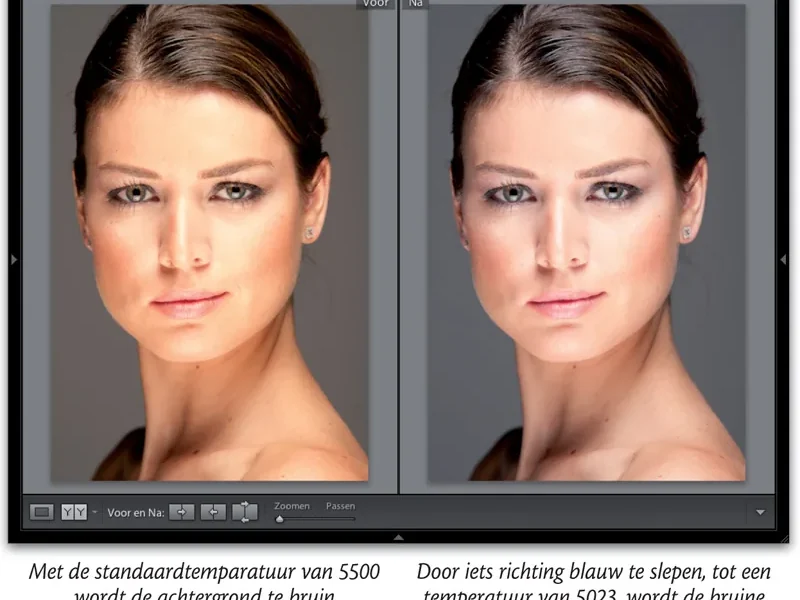
Scott Kelby explains step by step how to check and adjust the white balance of RAW, JPEG, and TIFF photos in Lightroom 3.
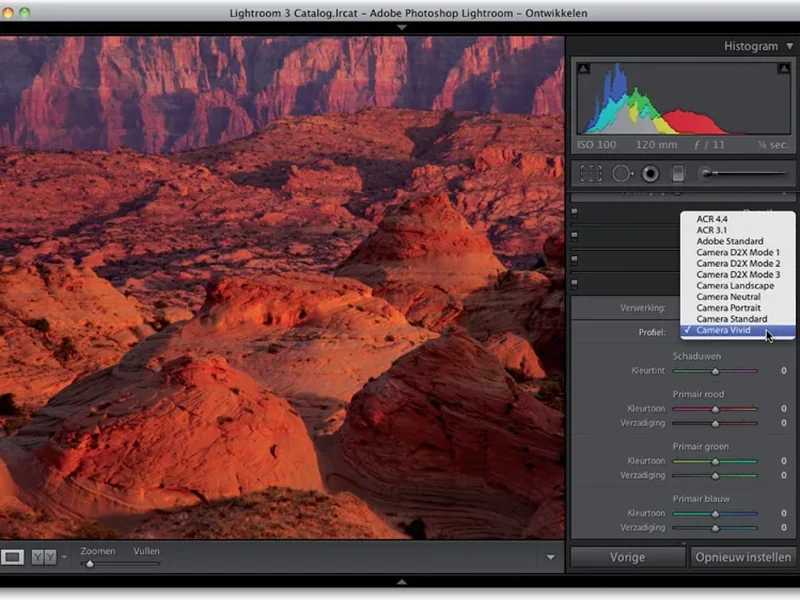
Scott Kelby explains how camera profiles in Lightroom give RAW photos a more contrast-rich, colorful, JPEG-like starting point.
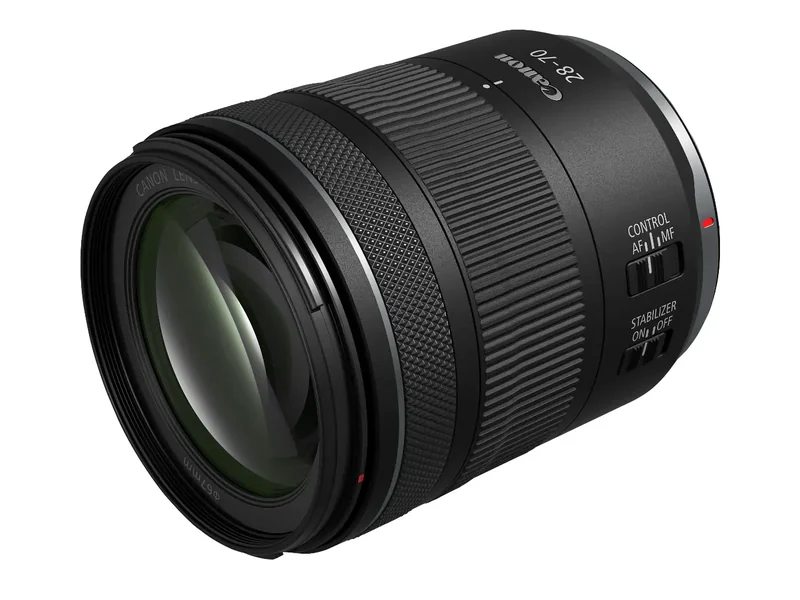
Zoom lens or prime lens? Scott Kelby explains in Chapter 3, The Truth About Lenses, of his Digital Photography book.
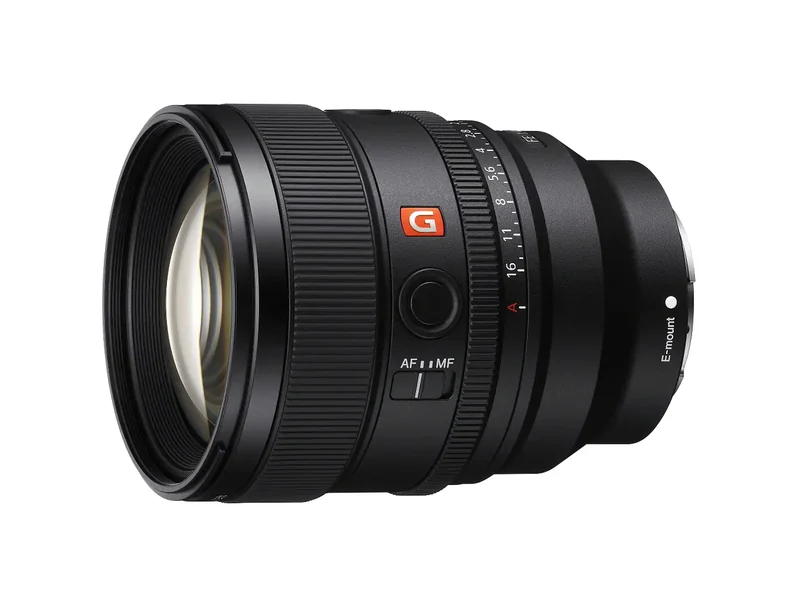
What makes a portrait lens? Modern zooms do an excellent job, and above 100 mm you will be pleased with the results—Scott Kelby.
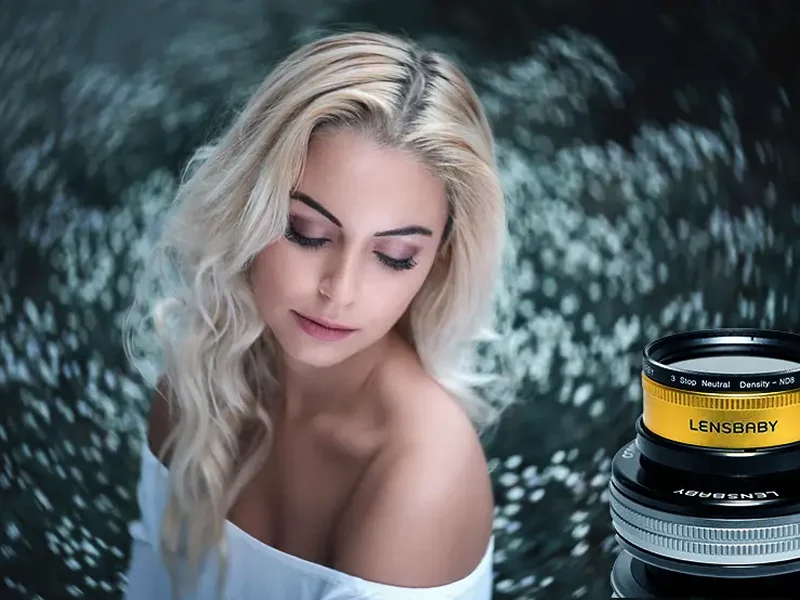
From Chapter 3, The Truth About Lenses, in Scott Kelby's Digital Photography book: when to use a Lensbaby lens.
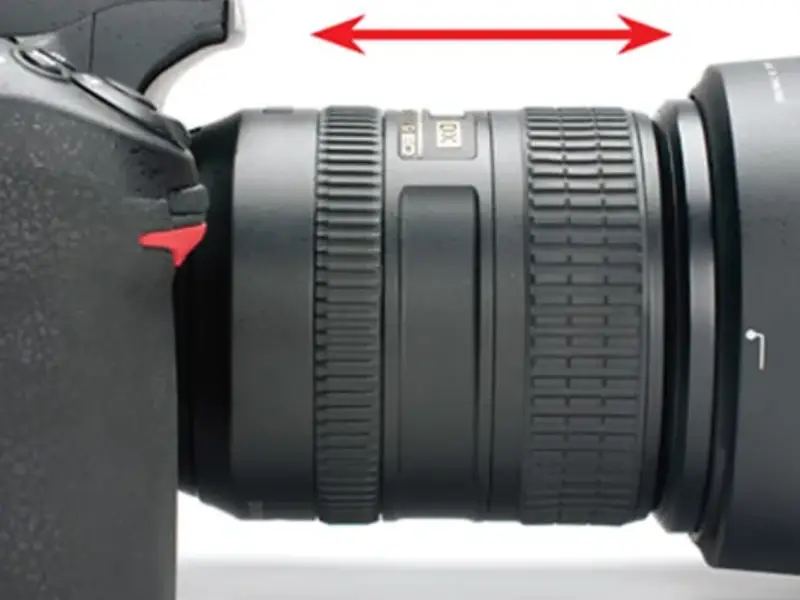
From Chapter 3, The Truth About Lenses, in Scott Kelby's Digital Photography book: when to use an all-in-one zoom lens.
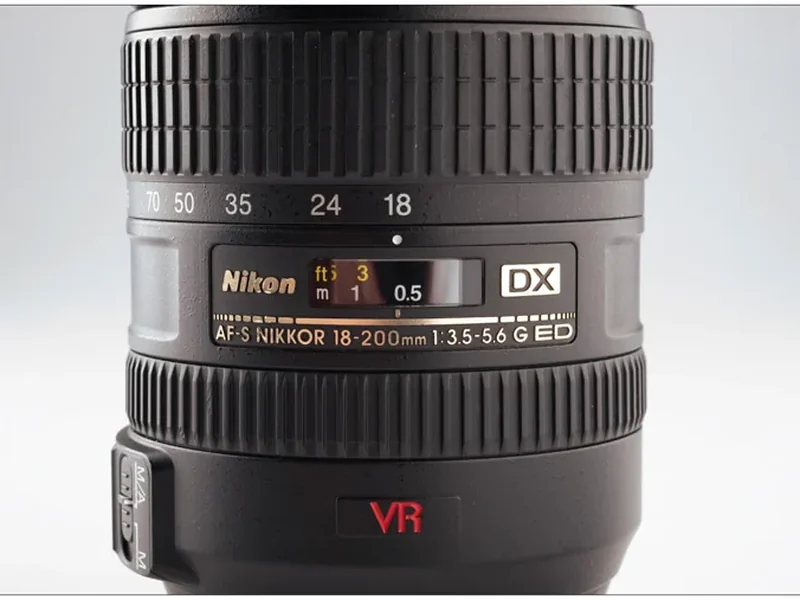
Some lenses have two apertures. Zoomed out at 18 mm, you can shoot in much less light than when zoomed to 200 mm.
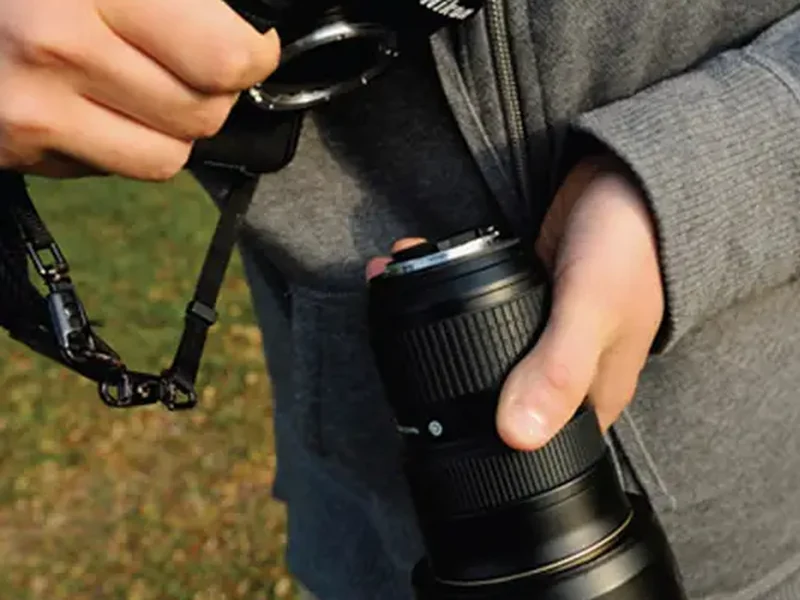
Tips for changing lenses, from Chapter 3, The Truth About Lenses, in Scott Kelby's Digital Photography book.
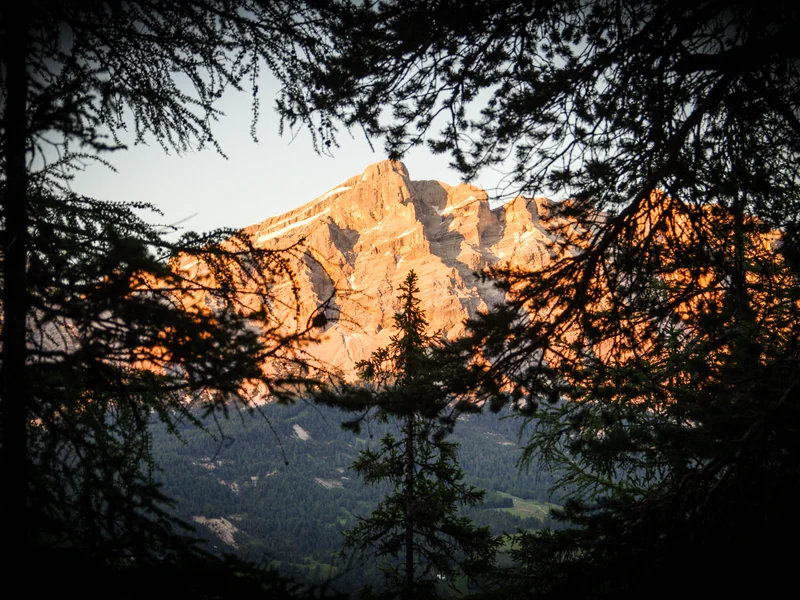
Dark corners in your photo? Scott Kelby explains vignetting and how to correct it quickly with lens corrections in Camera Raw and Lightroom.
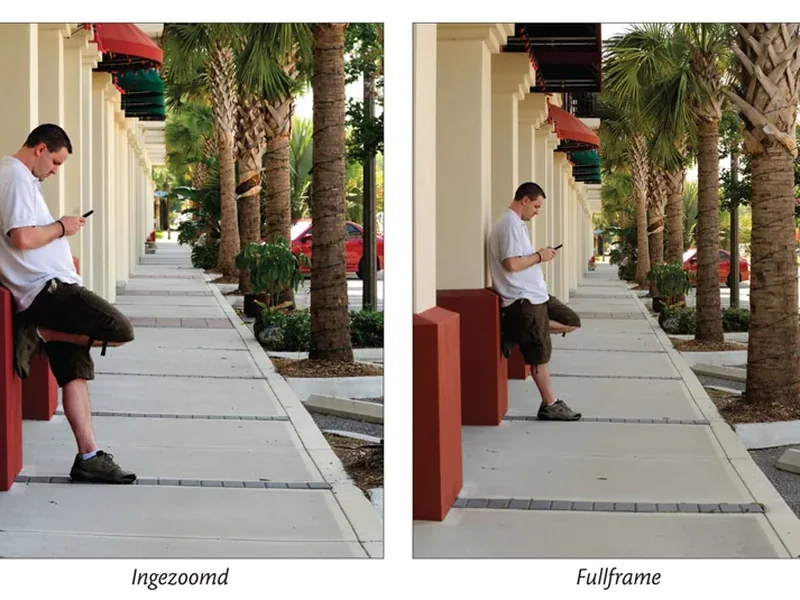
Zoom lenses and full-frame lenses, from Chapter 3, The Truth About Lenses, in Scott Kelby's Digital Photography book.
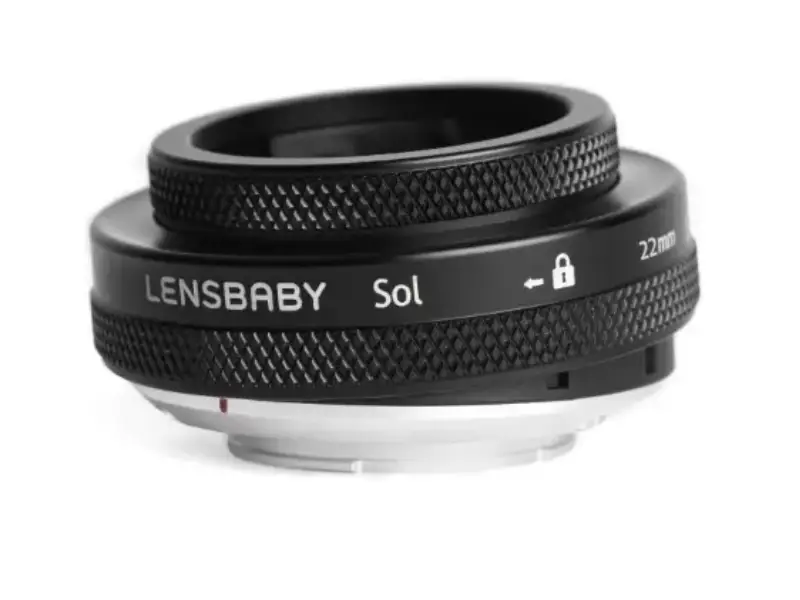
An excerpt from Scott Kelby's Digital Photography book, Chapter 3, The Truth About Lenses: when to use a tilt-shift lens.

An excerpt from Scott Kelby's Digital Photography book, Chapter 3, The Truth About Lenses: cleaning lenses.
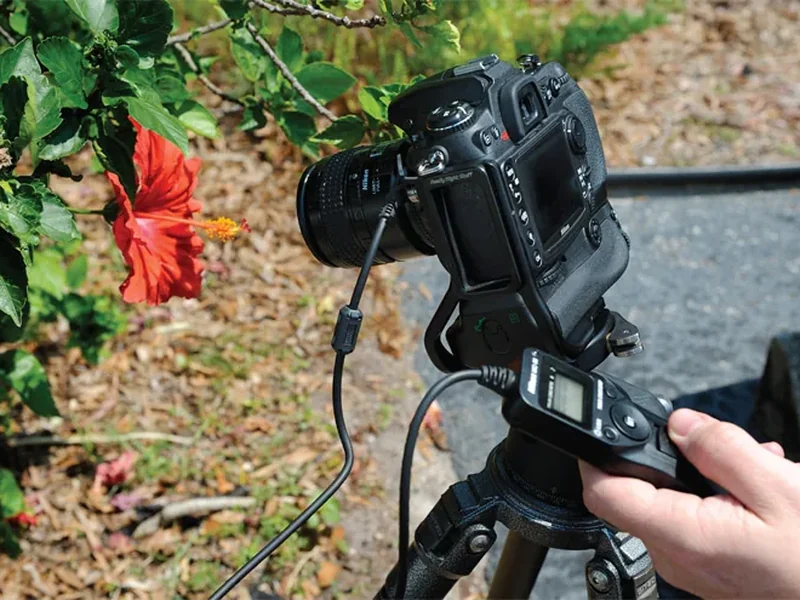
An excerpt from Scott Kelby's Digital Photography book, Chapter 3, The Truth About Lenses: when to use a macro lens.
Scott Kelby on lenses: There are literally hundreds of different filters available for your lens.

Teleconverters are a convenient, relatively inexpensive way to get even closer to the action.
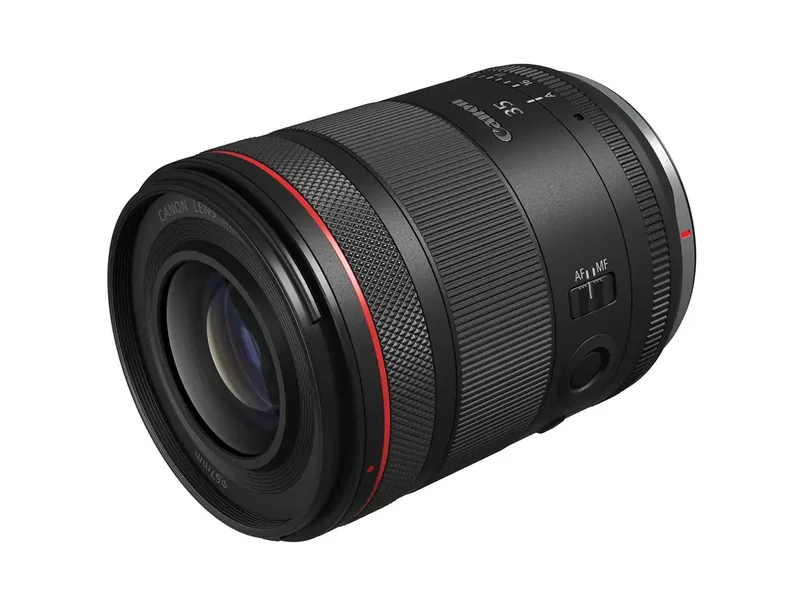
When should you use fast lenses? An excerpt from Scott Kelby's Digital Photography book, Chapter 3, The Truth About Lenses.
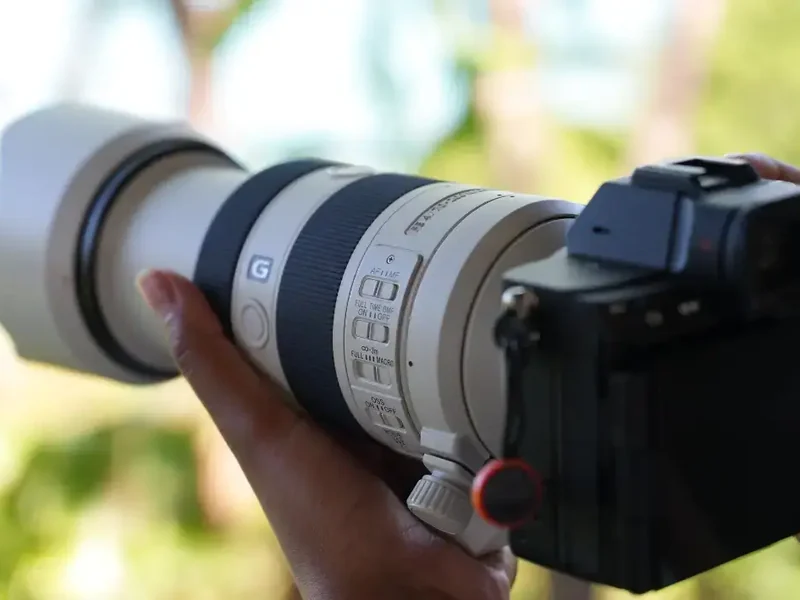
Scott Kelby explains when to use a telephoto zoom lens: the ideal choice when you want to get close and zoom in without changing position.
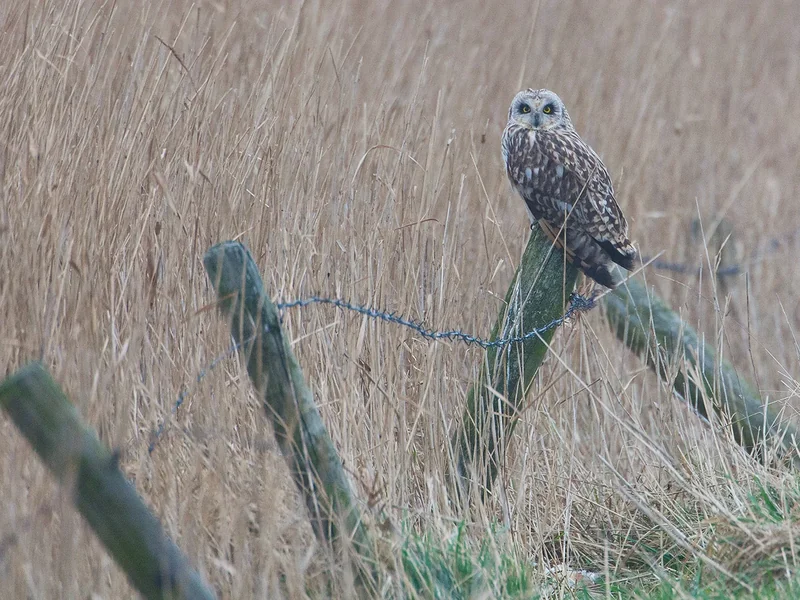
Playing with sharpness in photography can make an image more expressive. Some subjects are better left partly out of focus.
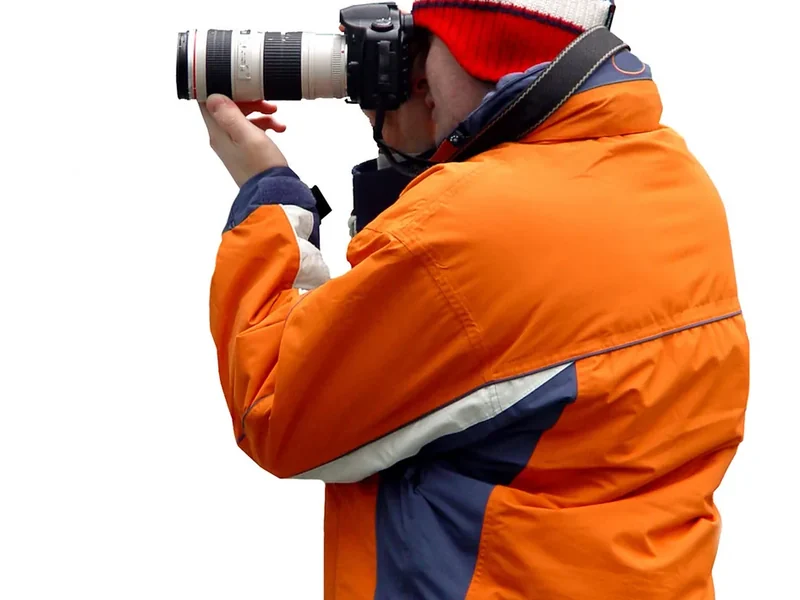
Image stabilization is designed for situations that require slow shutter speeds, when camera shake can cause motion blur.
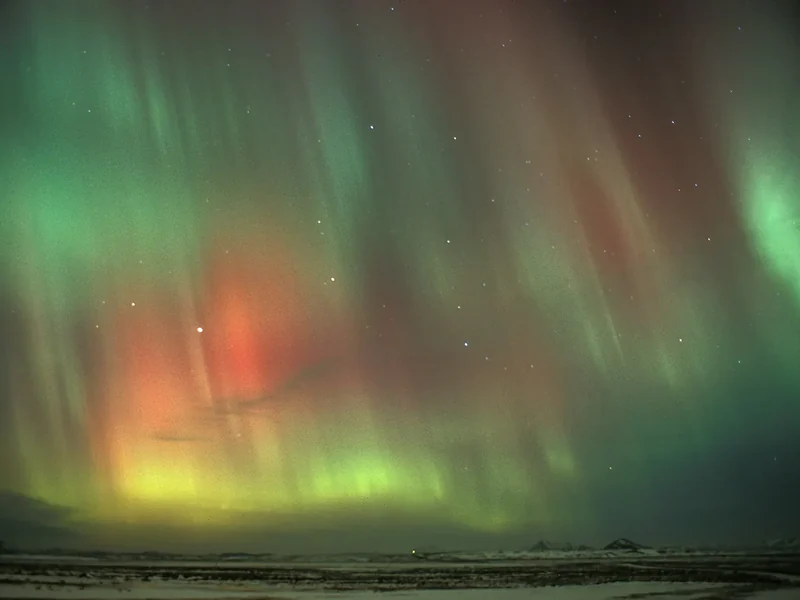
Learn to photograph at dusk and after dark, from proper exposure and bulb mode to long shutter speeds and using a cable release.

Why photographers buying a laptop or MacBook may want to consider an SSD: no moving parts, faster access, and greater shock resistance.
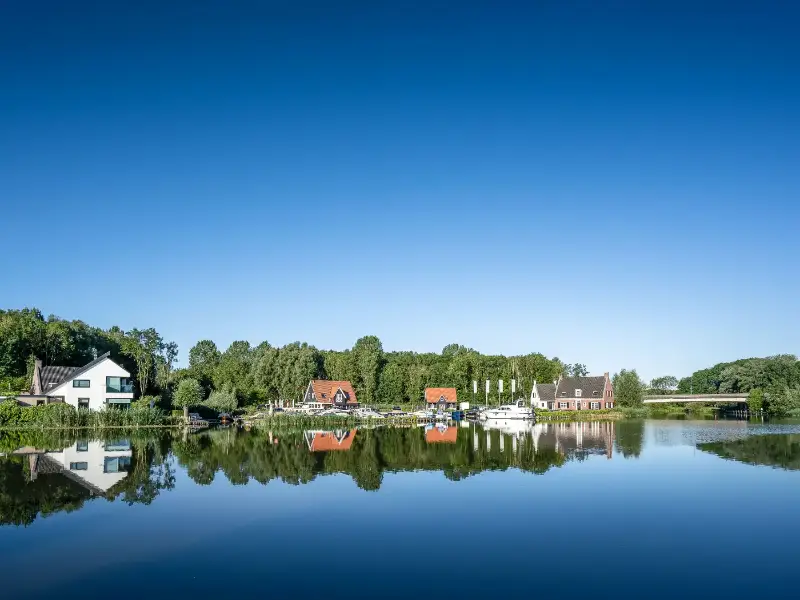
What is the difference between a polarizing filter and a graduated ND filter? Find out which to use for reflections, colours and bright skies.
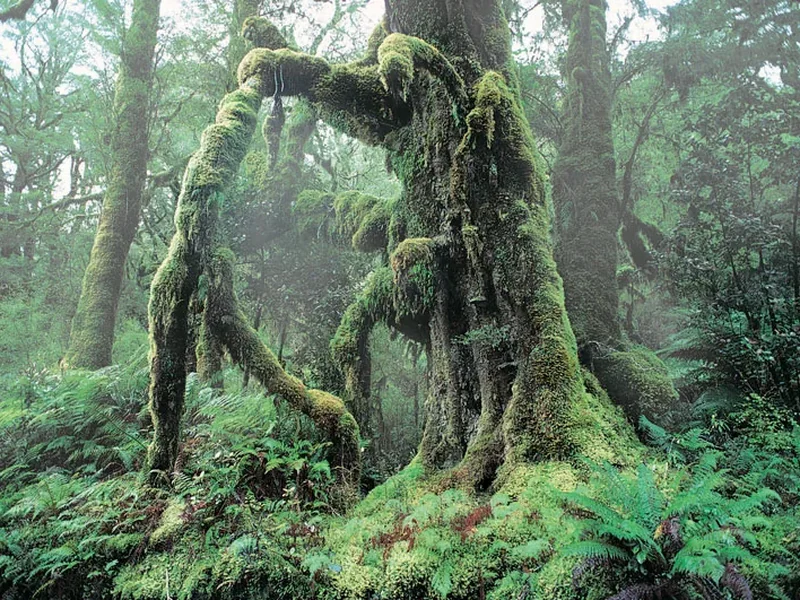
Add digital fog in Photoshop using Quick Mask, a gradient, and a layer mask, then refine its density and transitions.
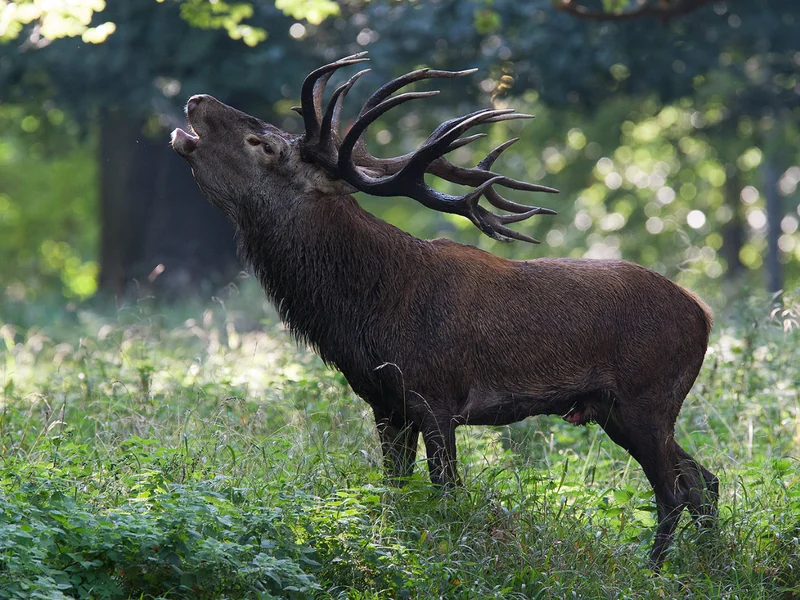
Practical tips for photographing deer, wild boar, badgers, and other large mammals, covering behavior, camouflage, wind direction, and gear.
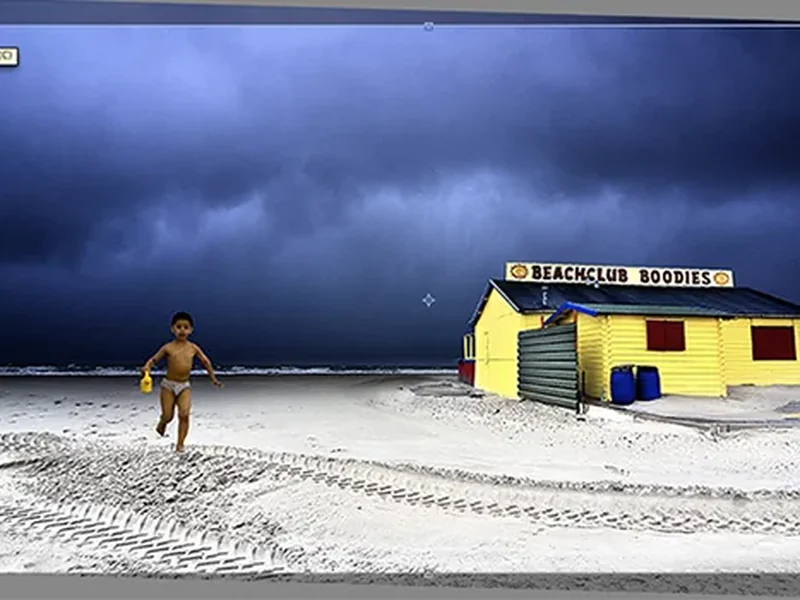
Learn how to use Photoshop's Ruler tool to straighten a crooked horizon or slanted lines quickly and easily.
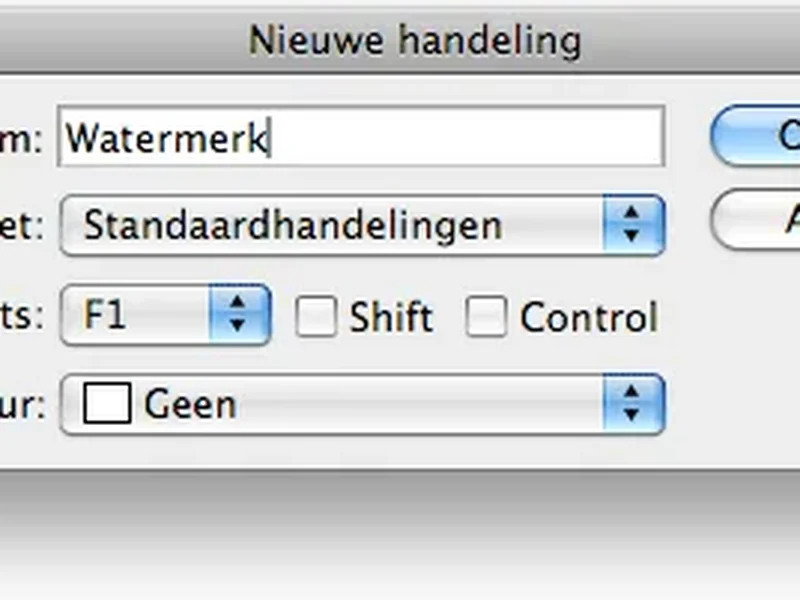
Learn how to add a watermark to photos in Photoshop and automate the process with Actions without distracting from your image.

How Kodak engineer Steve Sasson built the first digital camera in 1975, laying the foundation for modern digital photography.
Learn how white balance works and how to set it for better color. Tips for daylight, artificial light, Kelvin, and custom white balance.
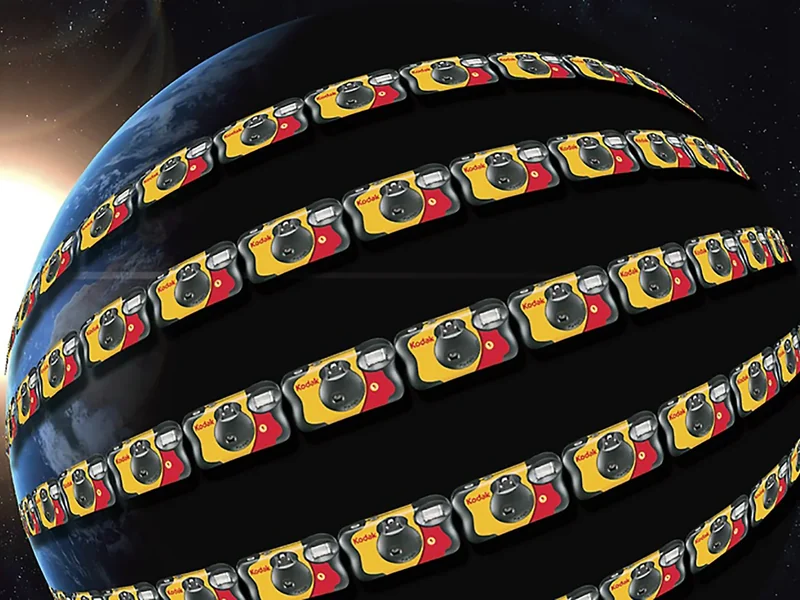
Kodak has recycled disposable cameras for 19 years and has now reused 1.5 billion of them. Here is how its unique single-use camera recycling process works.
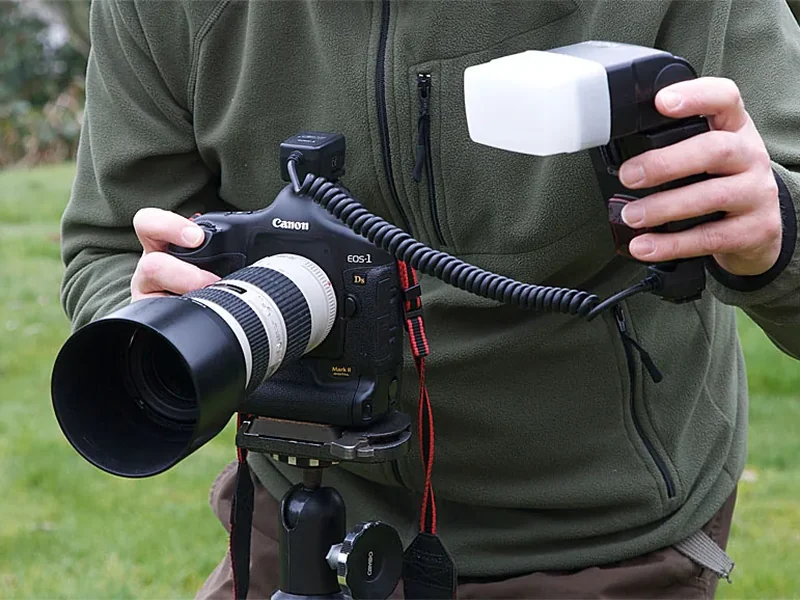
How do you use flash in nature photography? Practical tips for birds, macro, and close-up photography, including the Better Beamer and diffusers.
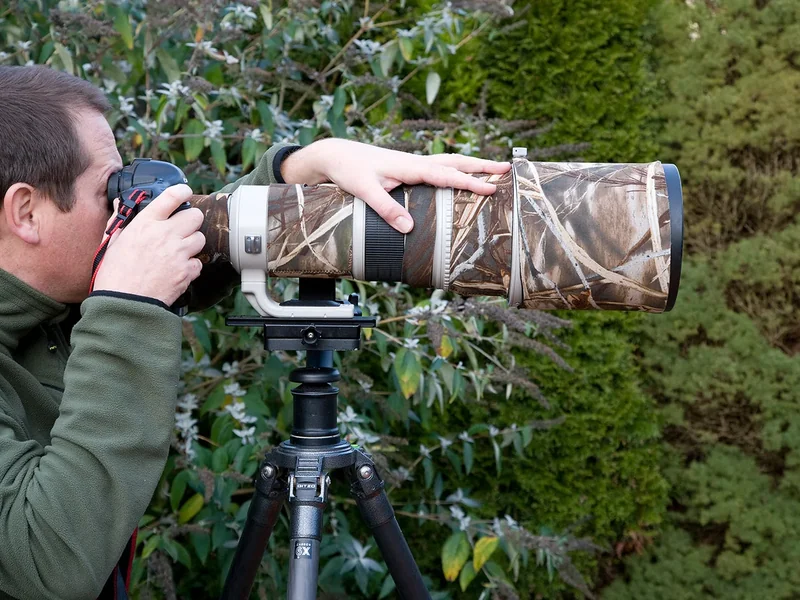
How do you use super-telephoto lenses? Practical tips on wide maximum apertures, stabilization and teleconverters.

Want to photograph birds in your own garden? Read practical tips on feeding stations, backgrounds, lenses and camera settings.

Learn what a histogram shows and how to use it to determine the right exposure in this practical guide.

Learn how to choose aperture and shutter speed in M mode for creative exposure, and when it offers an advantage over automatic modes.

Most SLR cameras offer spot metering. How can you use it to take better photos?
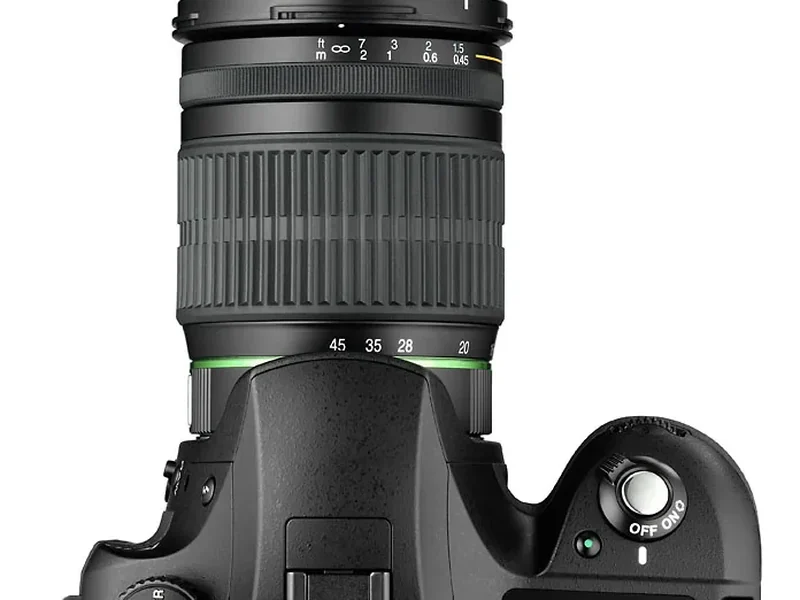
Modern DSLR cameras can deliver excellent image quality. Which lens will help you get the most out of them?
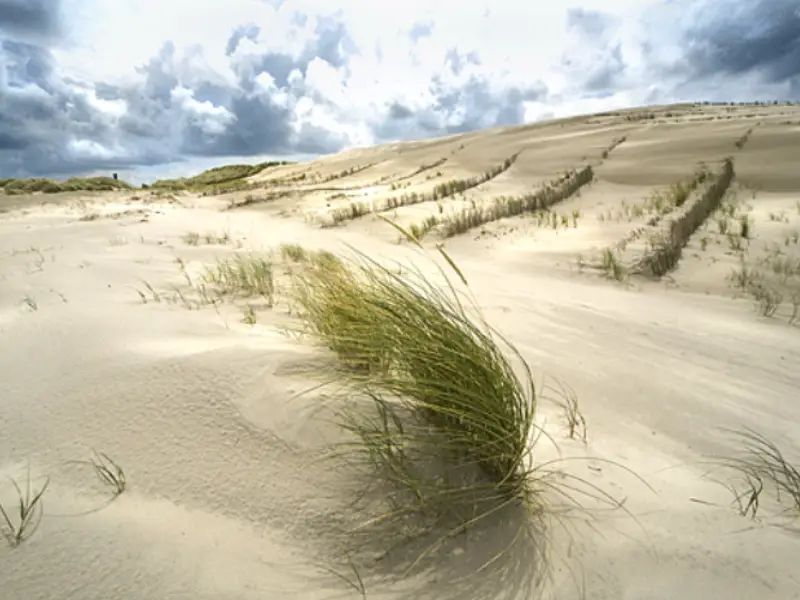
Photoshop has become commonplace. Half the Netherlands says without hesitation, ‘We’ll just Photoshop that in.’ It sounds pretty cool—a piece of cake.
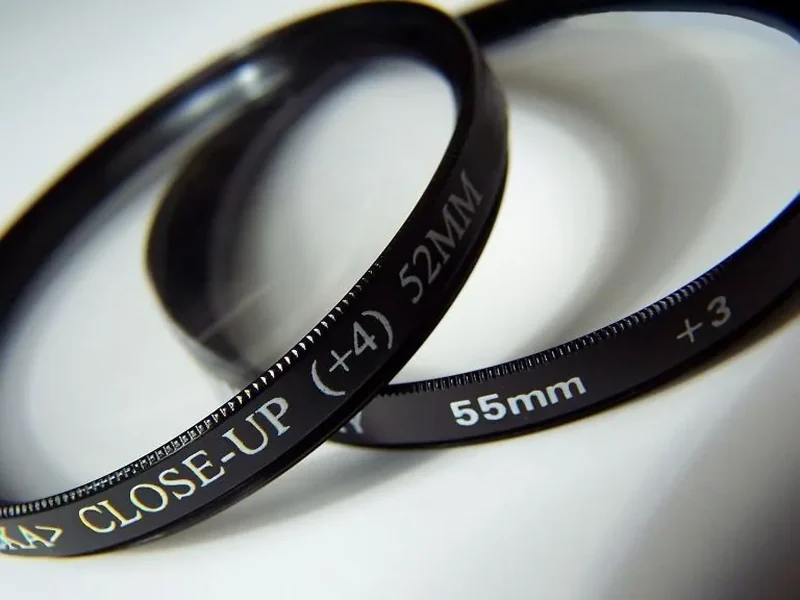
An overview of macro accessories such as extension tubes, close-up lenses, and bellows. What do you need to photograph subjects at extremely close range?

Still-life specialist Feddo van Gogh explains how digital photography and image editing radically changed his creative process and workflow.
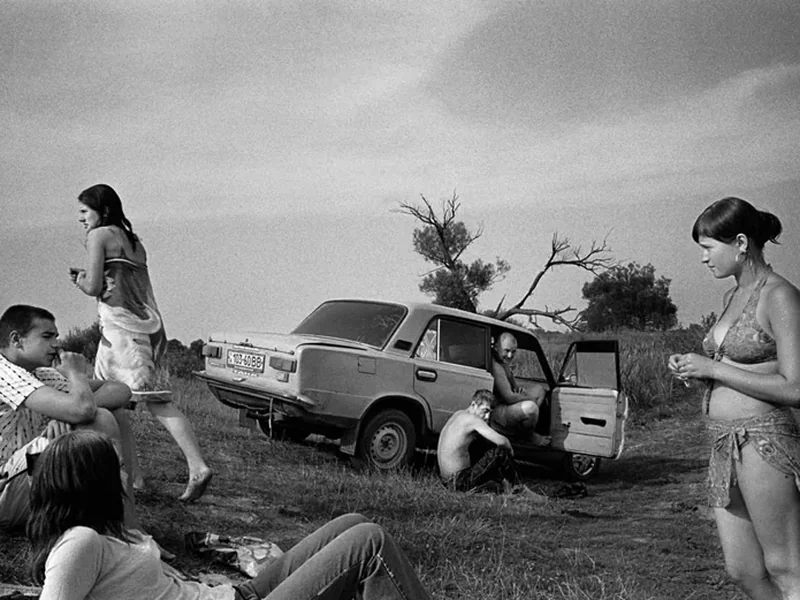
Which photograph had stayed with documentary photographer Robert Knoth when this interview was published? Discover why this particular image resonated with him.

Join us in the field for practical bird photography. Learn about observation, camouflage, composition, patience, and photographing birds in the wild.
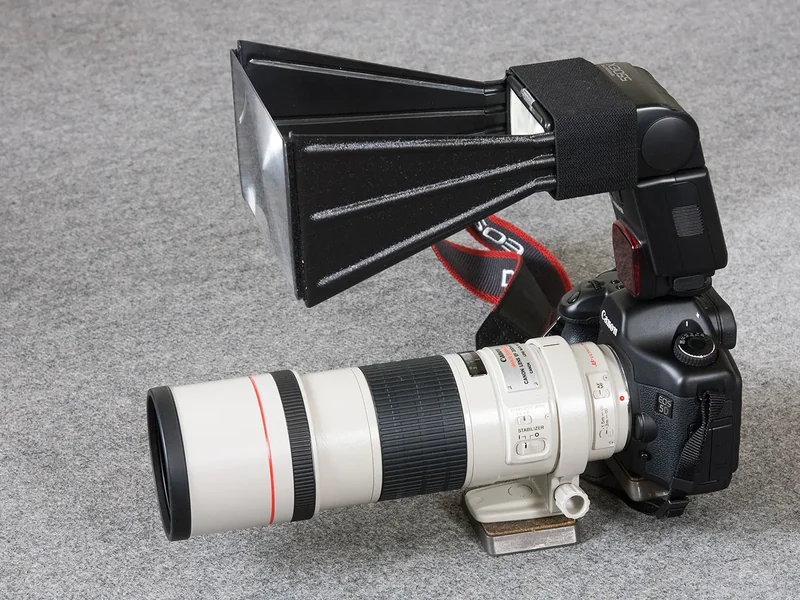
Which camera and lens should you use for bird photography? Explore practical tips on autofocus, telephoto lenses, exposure, tripods, and teleconverters.

Creating shadows in Photoshop: You can, of course, easily create a standard shadow in Photoshop.

Lars Polder explains how an external flash provides more light and control, with softer bounced light and more flexible lighting than a built-in flash.
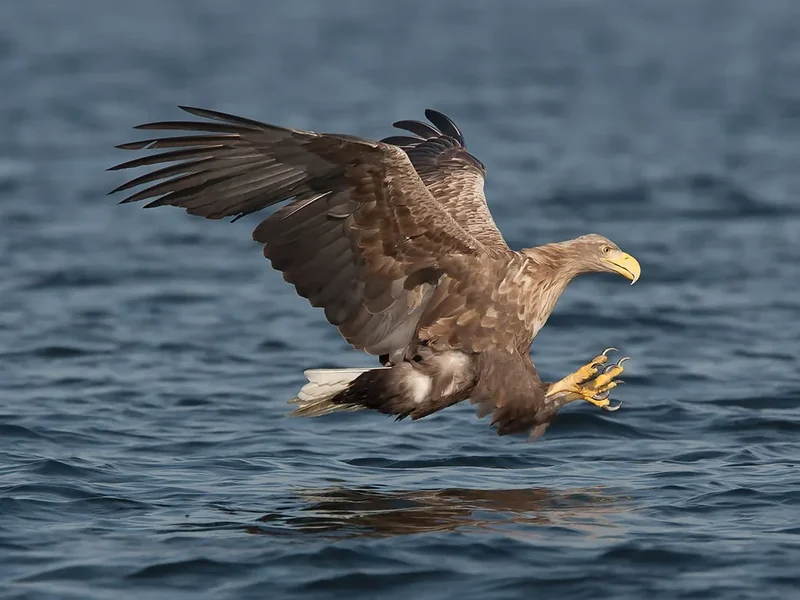
Want to take better bird photographs? Discover practical tips on composition, behavior, observation, viewpoints, and equipment.
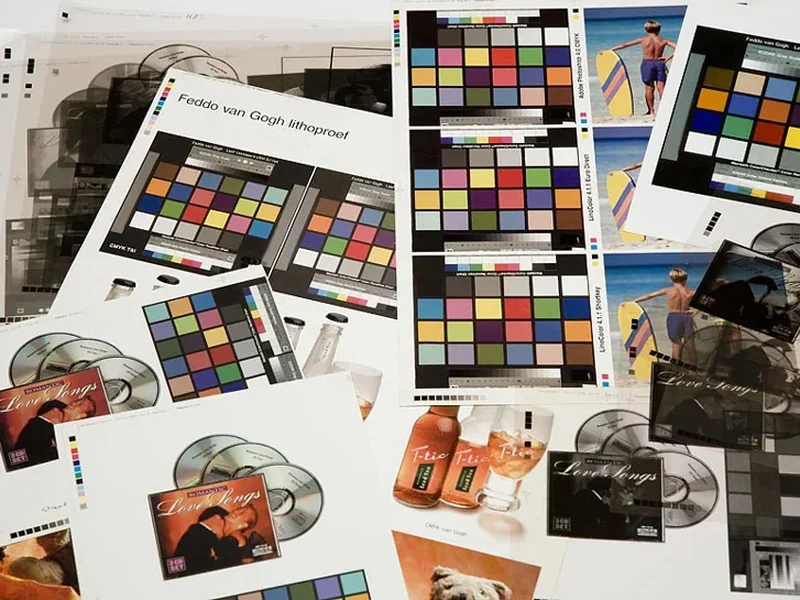
What does color management really offer photographers? This article cuts through the jargon and explains when it is useful—and when it is not.
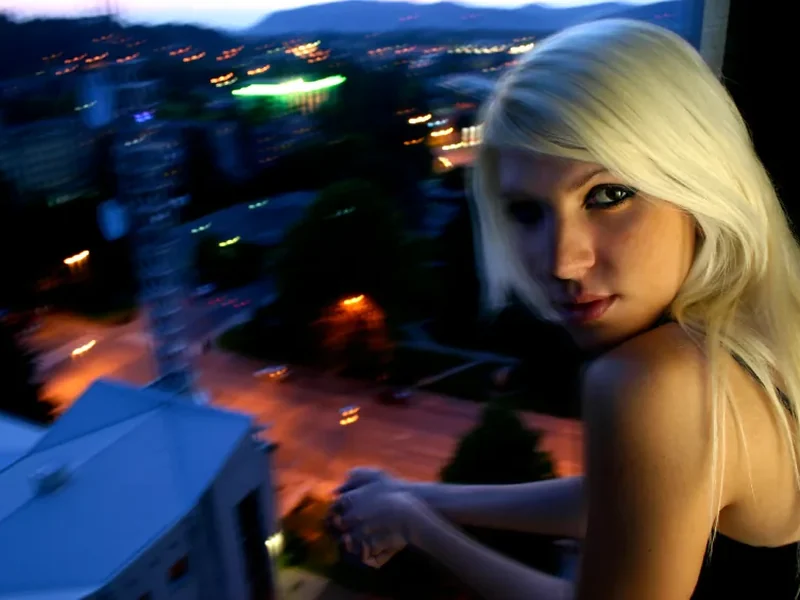
Digital SLR cameras offer several AF options. What are they, and when should you use them?
Fotografie.nl is made possible by


