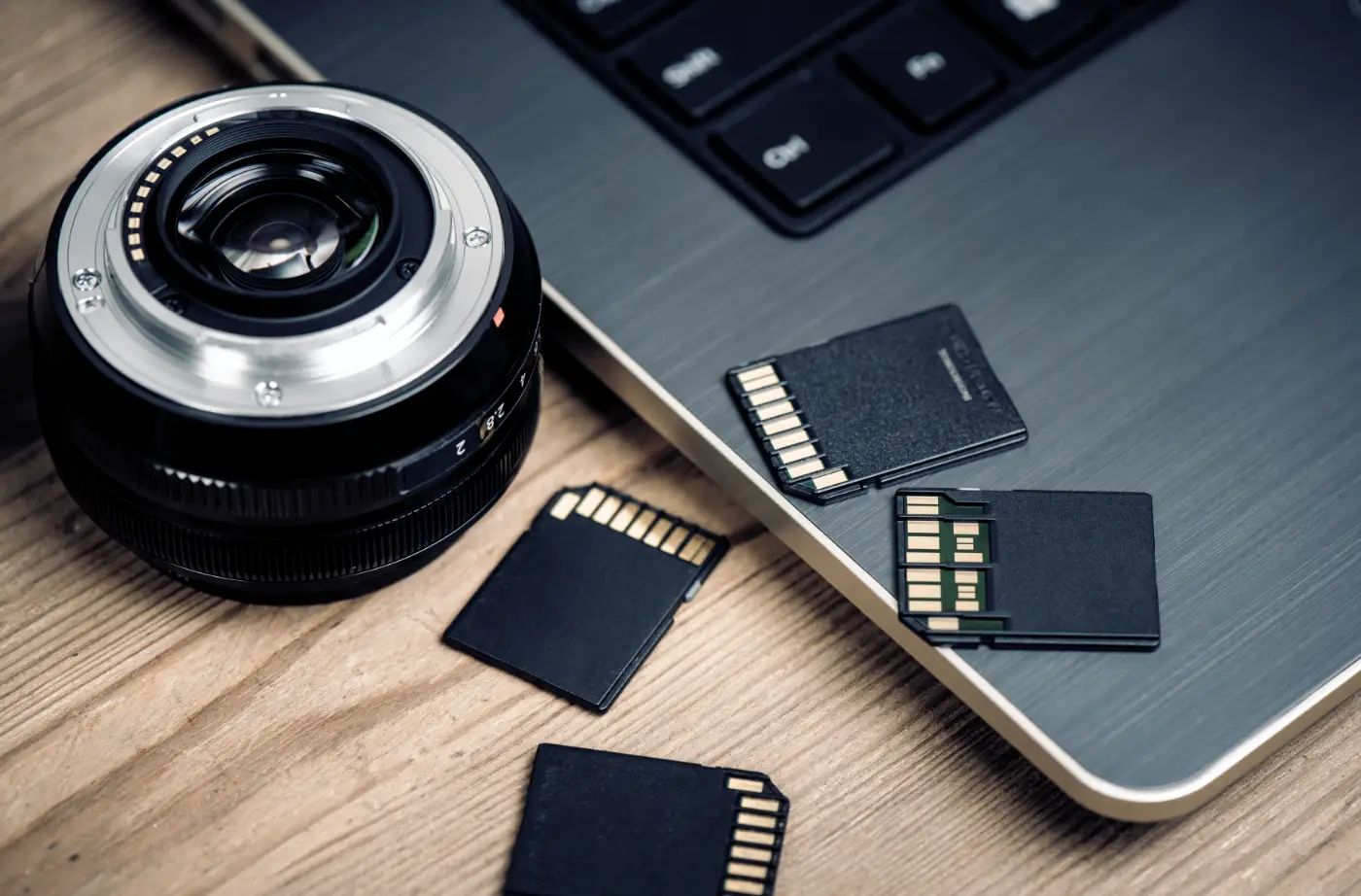
For years, the compact camera seemed to have disappeared. The smartphone had won, or so people thought. Why carry a separate camera when your phone is always in your pocket, makes automatic corrections, shares instantly and takes perfectly good photos in many situations? Yet something remarkable is happening: now that almost everyone takes photos with a phone, there is room for the simple compact camera again.
This development did not come out of nowhere. Smartphone photos are often convenient, bright and technically polished. At the same time, some photographers feel they are becoming increasingly slick, smart and connected to apps, notifications and algorithms.
The simple compact camera offers something different: less perfection, fewer distractions and more of the feeling of photography.

Why the compact camera is back
The compact camera was once the most ordinary camera in the world. Family vacations, school trips, birthdays, festivals, nights out: small digital cameras appeared everywhere. Then they almost completely disappeared from view. Phones took their place.
Now that little camera is returning, not because it technically beats the smartphone, but because it feels different. A compact camera is a separate device. You deliberately take it out, aim, press the shutter and put it away again. That small gesture makes photography feel less fleeting.
...not because it technically beats the smartphone, but because it feels different...
The comeback is also happening on multiple levels: simple point-and-shoots are popular on social media, while more luxurious fixed-lens cameras appeal to photographers who want to work more lightly and deliberately.
New playful compact cameras such as the Yashica Tank and Funtastic Keychain Camera also fit this desire for fewer settings and more spontaneous photography.
Less perfection, more feeling
The appeal is not just about image quality. In fact, part of this trend is specifically about less perfection. Older and simpler compact cameras often have a built-in flash, a limited sensor, somewhat harsher colors and a less refined JPEG look. This gives photos a distinctive atmosphere more quickly.
Where smartphones automatically optimize images, compact cameras are more likely to allow something awkward. A flash that is just a little too harsh. A color that is not entirely neutral. A background that has not been perfectly smoothed out. Those qualities can actually make a photo feel more alive.
This fits with the renewed interest in imperfection in photography. Think analog film, disposable cameras, instant cameras and digital cameras from the era around 2000. Not everything has to be razor-sharp, clean and optimal. Sometimes a photo can feel like a memory rather than a calculated image. The same movement is visible in simple new 35mm cameras such as the Kodak EC35.
For those who want to approximate that look with a modern mirrorless camera, there is now a small workaround: accessories such as the Retropia Retro Flash specifically try to bring back that harsh, direct compact-camera flash.
The design helps too. Retro buttons, small bodies, silver accents and built-in flashes fit well with today's love of analog photography. Not everyone wants to buy rolls of film again or wait for film to be developed, but many photographers do want to recapture part of that experience. A compact camera offers a middle ground: digital convenience with an analog feel.
A camera without distractions
A smartphone is never just a camera. It is also your calendar, mailbox, banking app, news source, navigation system and social network. When you take photos with a phone, you are always one swipe away from distraction.
A compact camera does not have that problem. You turn it on, take a photo and decide what to do with it later. No notifications appear. You are not tempted to share, edit or check how an image looks on social media right away.
Many photographers find that calming. The camera becomes a separate instrument again. You take photos not because your phone happens to be in your hand, but because you decide to make a photograph.
Ease of use also plays a major role. A compact camera asks little of you. No changing lenses, no heavy bag, no complicated setup. For vacations, festivals, street photography, family gatherings and evenings with friends, that is often exactly enough.
Compact cameras that fit this trend
If you are looking at a compact camera today, you will quickly notice how broad the term is. The comeback is happening on two levels: on one side are simple, affordable point-and-shoot cameras with a raw snapshot look; on the other are premium compact cameras for photographers who deliberately want to work more lightly and simply.
The following models clearly show just how broad this renewed interest has become.
Fujifilm X100VI
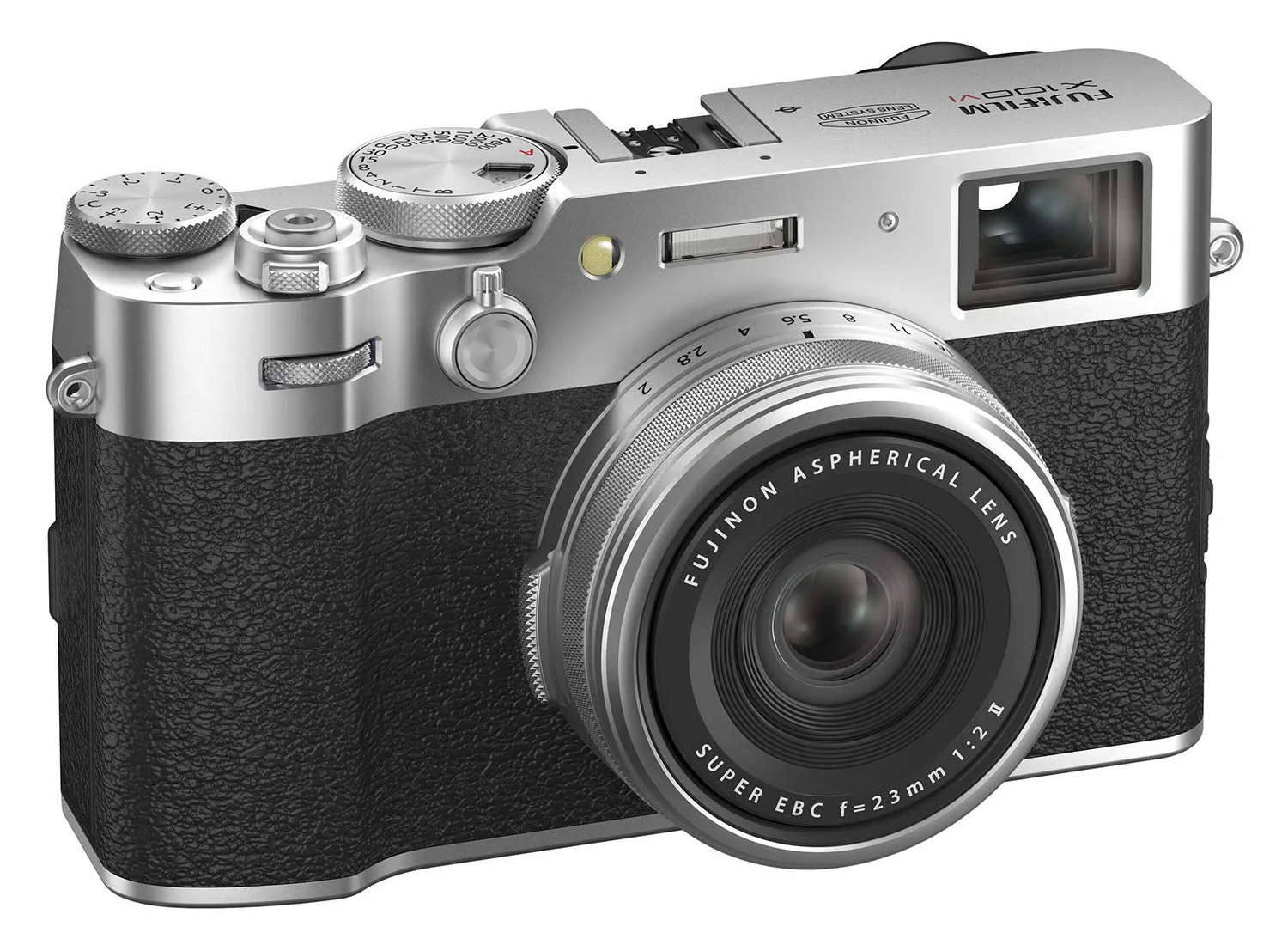
The X100VI may be the symbol of the modern compact-camera craze. It is not cheap and does not fit in every pocket, but it combines classic looks with a 40.2-megapixel sensor and a fixed 23mm f/2 lens. For street photography, travel and everyday use in particular, this is a camera that makes photography tangible again. Availability may vary because of its popularity.
Sony RX1R III
Even higher in the premium segment is the Sony RX1R III: a full-frame compact camera with a fixed 35mm f/2 lens and 61 megapixel. This is not a camera for anyone primarily seeking simplicity or affordability, but it is an extreme example of the same movement: deliberately carrying one small camera instead of a complete bag of lenses.
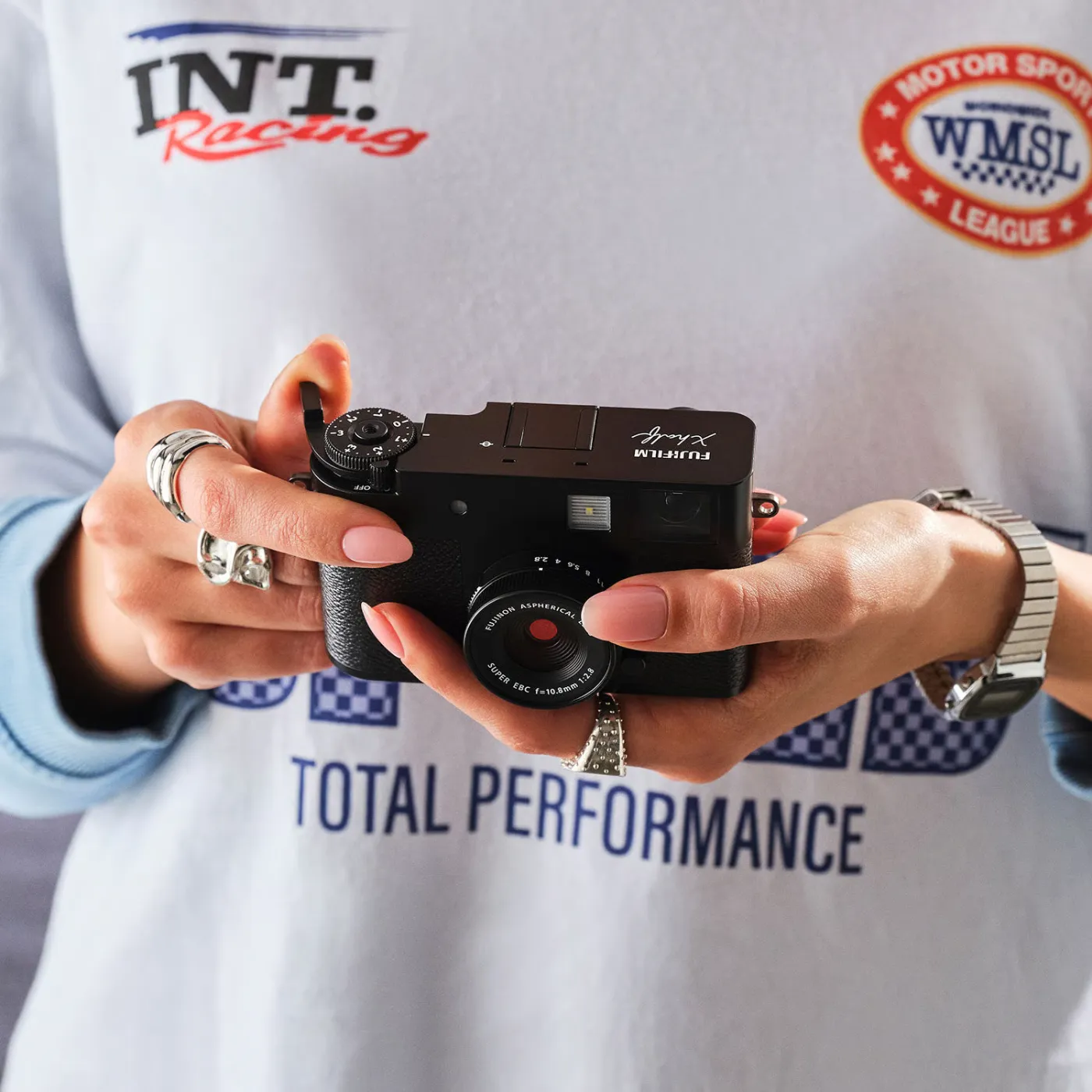
Fujifilm X-half
The Fujifilm X-half is a good example of how new and nostalgic elements can come together. The camera refers to half-frame photography, works with vertical images and has a film-advance lever primarily intended to make photography feel more tangible again. It is not a camera for anyone seeking maximum control, but it is for those who want to shoot with something compact and playful that has an analog feel.
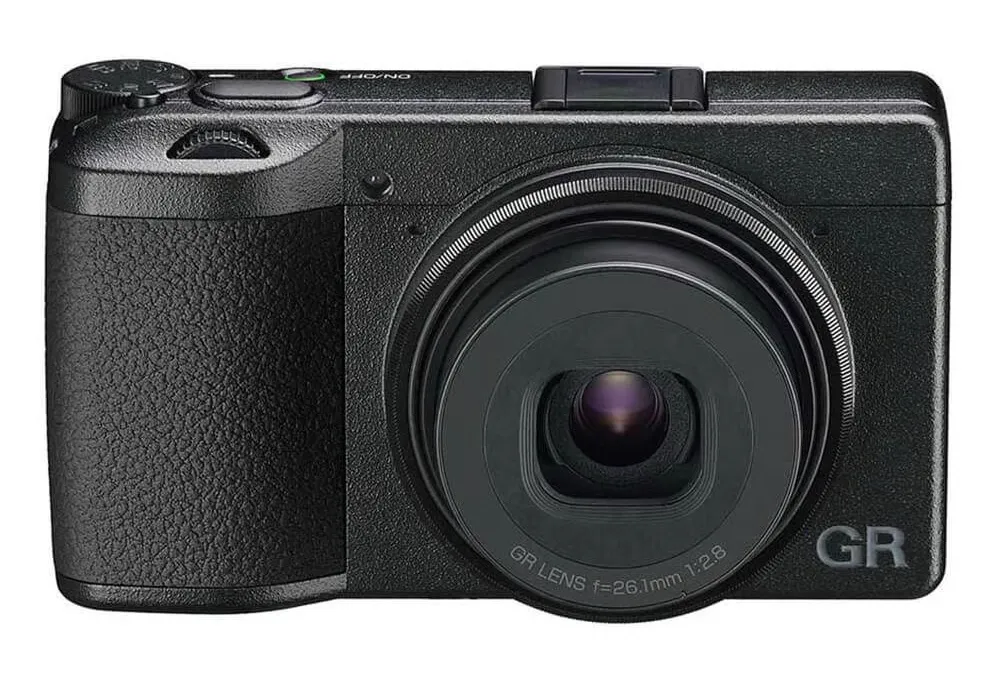
Ricoh GR IIIx
The Ricoh GR series is popular with street photographers because it is truly compact. The GR IIIx has an APS-C sensor and a 40mm-equivalent lens, which gives it a more natural perspective than a typical wide-angle compact. It looks understated, but that is precisely its charm: no frills, just fast and discreet photography.
Canon PowerShot G7 X Mark III
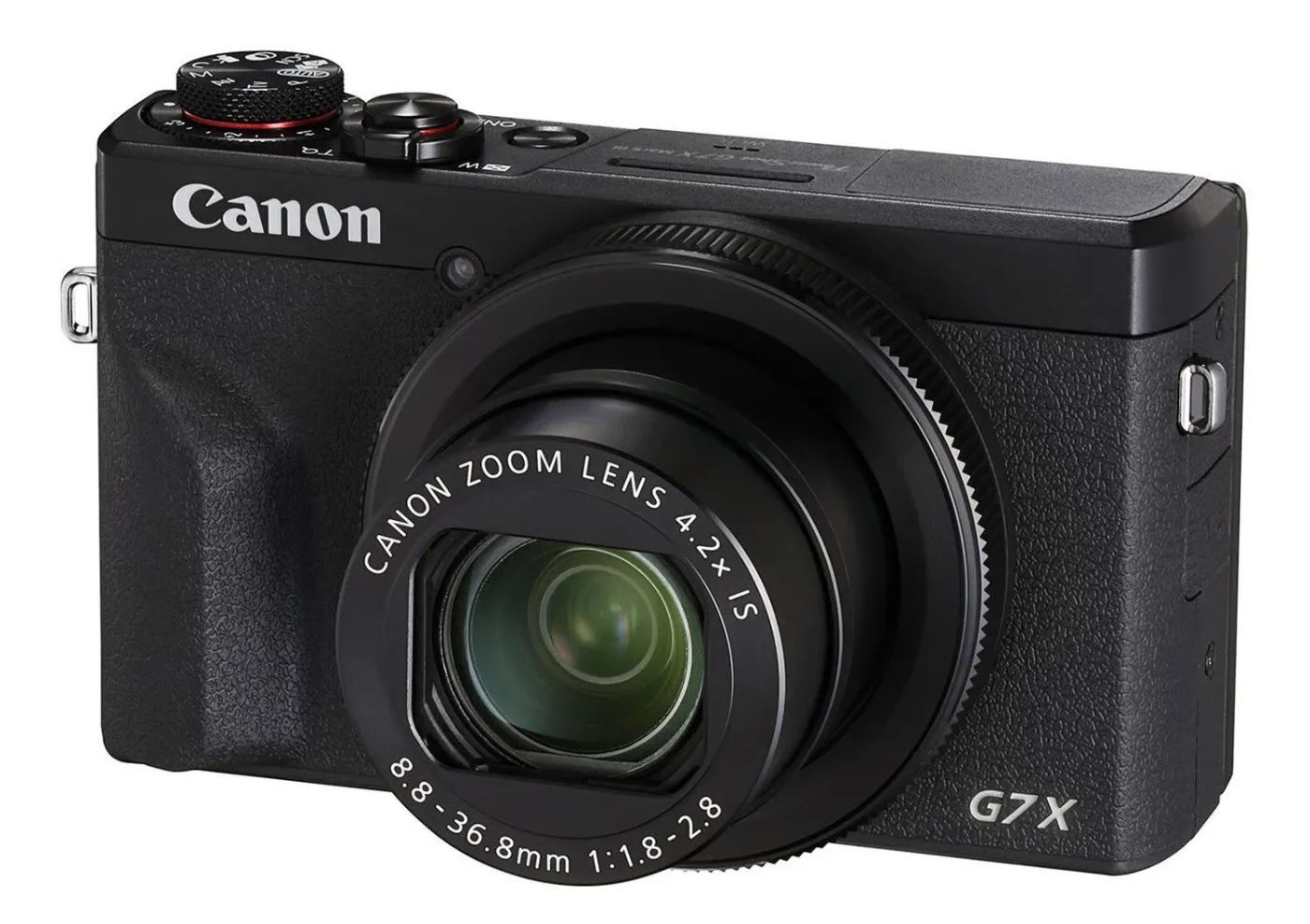
The G7 X Mark III has been on the market for some time, but it remains popular with creators who want to combine photography and video. Canon positions it as a 4K compact camera with a tilting screen and microphone connection. It is precisely this mix of simplicity, pocketable size and social-media convenience that keeps it relevant.
Panasonic Lumix TZ99
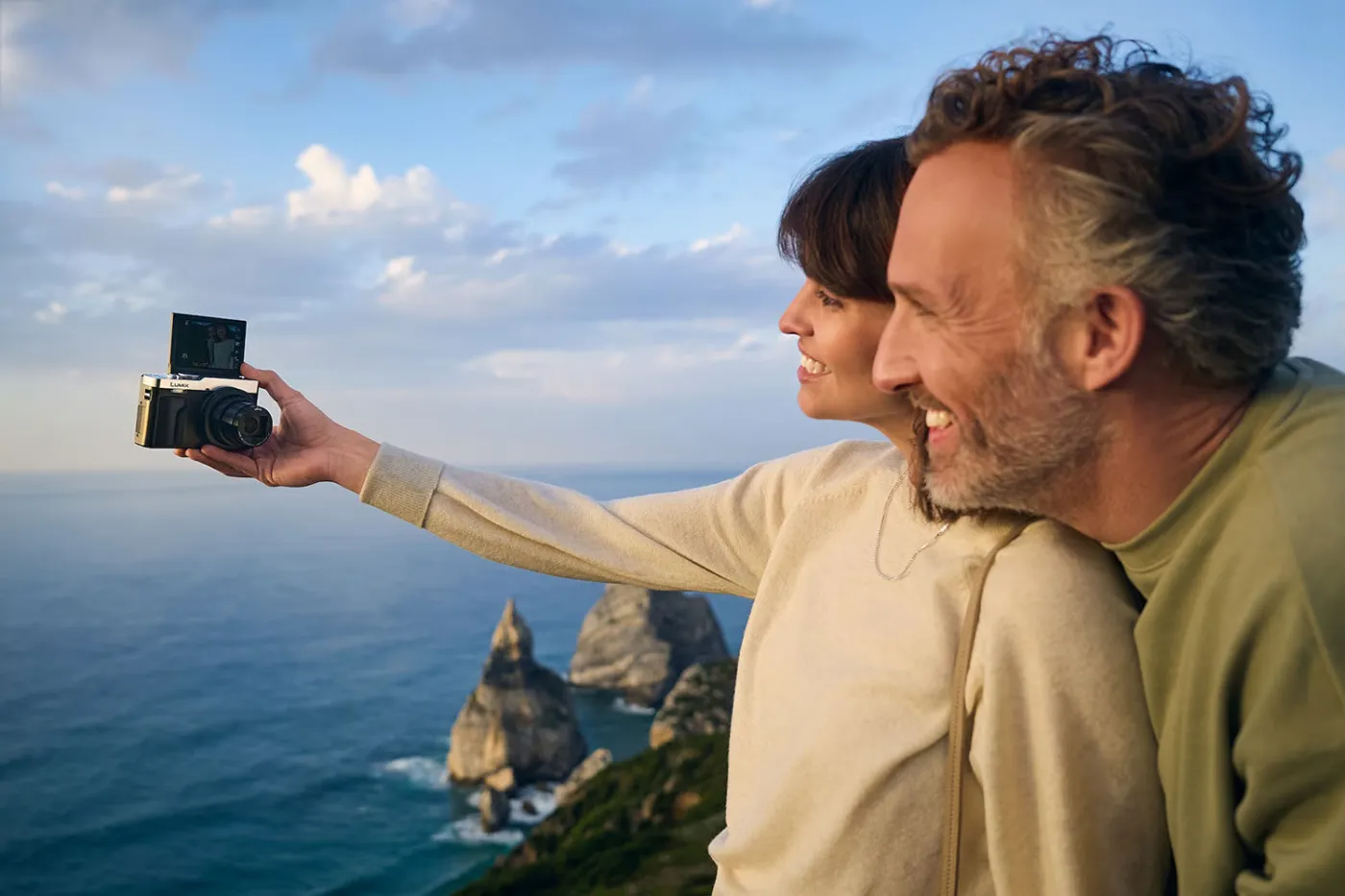
The TZ99 is particularly interesting as a travel compact. Its 30x optical zoom runs from 24 to 720mm in full-frame equivalent, allowing you to photograph many subjects without changing lenses. It is not the most romantic camera on this list, but it is a practical vacation choice.
Kodak Pixpro FZ55 or FZ45
Kodak has a notable presence at the affordable end of the market. The Pixpro FZ55 and FZ45 fit well with the renewed interest in simple point-and-shoot cameras: small, inexpensive, straightforward and with just enough technical limitation to give the photos their own atmosphere. In Japan, the FZ55 was cited in sales overviews as a remarkably popular simple compact camera.
The most important advice is not to look only at specifications. A compact camera should be something you want to carry. If it fits in a jacket pocket, feels responsive and makes you want to take photos, it is doing exactly what has made this type of camera popular again.
At the other end of the compact spectrum is the Sony RX10 V: not a simple point-and-shoot, but still a fixed-lens camera for anyone who wants to carry a single all-in-one superzoom.
Conclusion: simplicity feels modern again
The return of the compact camera shows that photography is not always about maximum sharpness, large sensors or extensive post-processing. Sometimes you just want a camera you can carry without thinking about it. A camera that encourages you to look more, press the shutter sooner and hesitate less.
That does not mean the smartphone is becoming less important. For most people, it remains the camera that is always at hand. But the compact camera offers something a phone has difficulty providing: distance. Distance from apps, automatic image correction and constant connectivity.
That is precisely why taking photos with a simple camera feels fresh again. Less technical, less distracted, less perfect. That is exactly why the simple compact camera suddenly feels surprisingly modern again.