Sony A7R II versus A7S II: which is the better used-camera choice?
The Sony A7R II and A7S II both appeared in 2015, but they were developed for very different photographers and filmmakers. The A7R II is all about resolution and detail, while the A7S II excels primarily in low light and video. Today, both full-frame mirrorless cameras are mainly of interest on the used market. But can they still keep up, and which one suits you best?
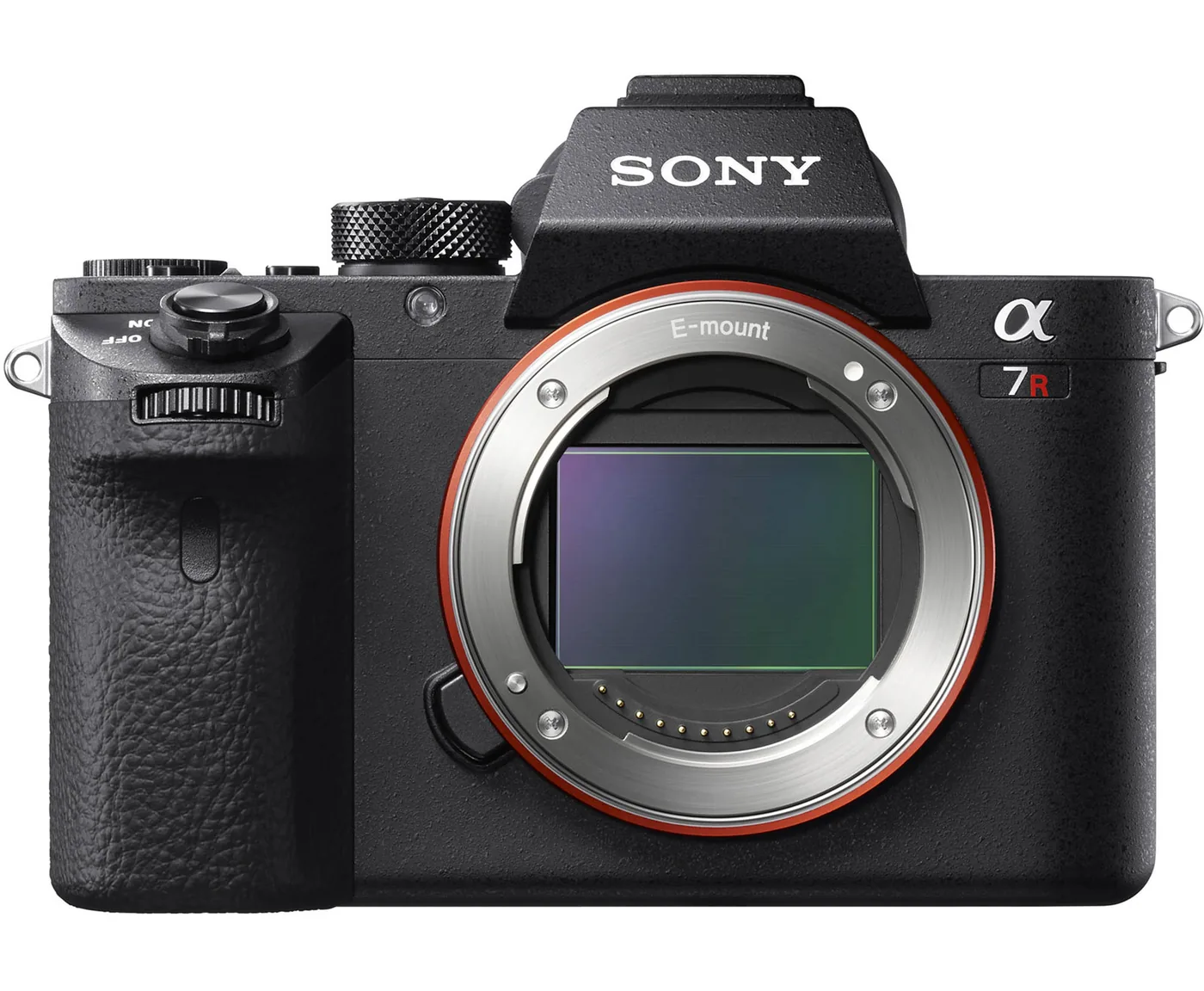
Although the bodies look very similar, there is a major difference behind the lens mount. The Sony A7R II has a 42.4-megapixel full-frame sensor. The A7S II makes do with 12.2 megapixels, but this gives it exceptionally high light sensitivity.
An older model can still be a sensible purchase, but check the camera’s condition and history carefully beforehand. Also read why a used camera can be an attractive option.
Sony A7R II: plenty of detail for photography
The Sony A7R II was a remarkable camera when it was introduced. Its 42.4-megapixel sensor offered high resolution in a relatively compact mirrorless body. Even today, that is more than enough for large prints, landscapes, architecture, product photography and studio work.
The high resolution also gives you considerable scope for cropping. That can be useful in nature and macro photography, provided the lens is sharp enough and the shot is technically well executed. The downside is that the RAW files are large and any motion blur or focusing errors become more visible.
The autofocus system uses 399 phase-detection points and 25 contrast-detection points. It remains usable for a camera from 2015, but do not expect the subject detection and reliable eye autofocus found in recent Sony cameras. This need not be a major problem for landscapes, portraits, architecture and slow-moving subjects. Newer models are clearly stronger for fast sports, birds in flight and unpredictable action.
To see how far the R series has developed since then, compare the A7R II with the much more modern Sony A7R V.
Sony A7S II: made for low light and video
The A7S II takes a very different approach. Its full-frame sensor has just 12.2 megapixels. That sounds modest in 2026, but the relatively large pixels help the camera in low light. The standard sensitivity range runs from ISO 100 to 102,400 and can be expanded to ISO 409,600.
That does not mean every image taken at the highest ISO setting will look clean and noise-free. The A7S II does, however, remain usable at high sensitivities for longer than many other cameras from the same period. This makes it appealing for concerts, events, night-time reportage and video recorded in available light.
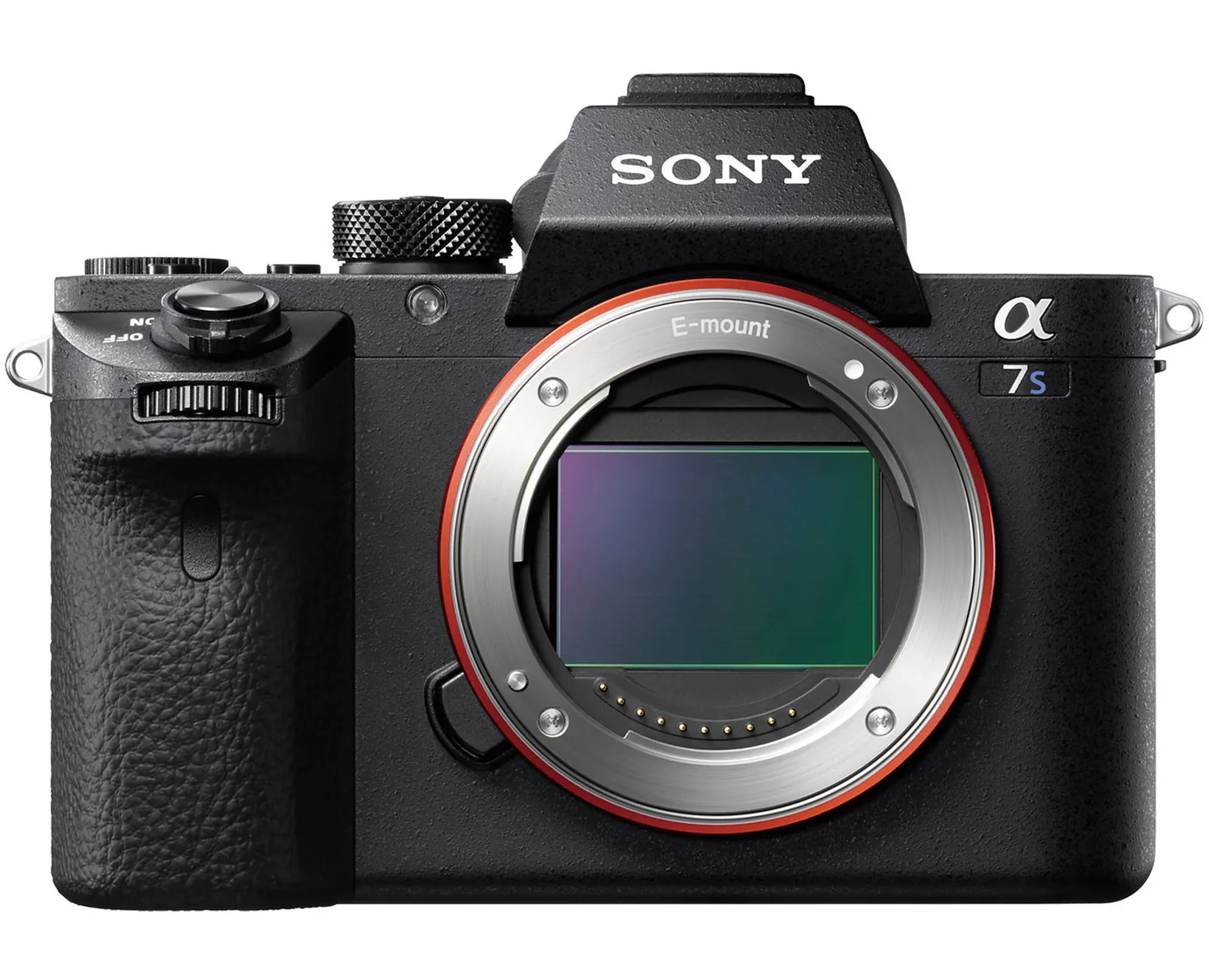
For photography, 12.2 megapixels is sufficient for online use, publications and modestly sized prints. However, anyone who often makes large prints or wants to crop heavily afterwards will run into the limited resolution sooner.
Which camera is better for video?
Both cameras can record 4K video internally, but the A7S II is clearly more video-focused. Its features include S-Log2, S-Log3, several Picture Profiles, a headphone socket and a microphone input. In Full HD, it can record at up to 100 frames per second in PAL or 120 frames per second in NTSC.
The A7R II can also produce good 4K footage. Its Super 35 mode is particularly interesting, using a smaller area of the sensor. For photographers who occasionally shoot video, the A7R II therefore offers an attractive combination of high still-image resolution and respectable video quality.
Neither camera is now an obvious choice for lengthy or demanding professional productions. Newer models have surpassed them in operation, battery life, heat management, codecs and autofocus. The A7S II remains most appealing as an affordable entry into full-frame video or as an additional camera on productions where focusing is done manually.
Image stabilisation and handling
Both the A7R II and A7S II have five-axis in-body image stabilisation. This helps when shooting handheld and when using lenses without their own stabilisation. It is an important advantage over the first generation of Sony A7 cameras.
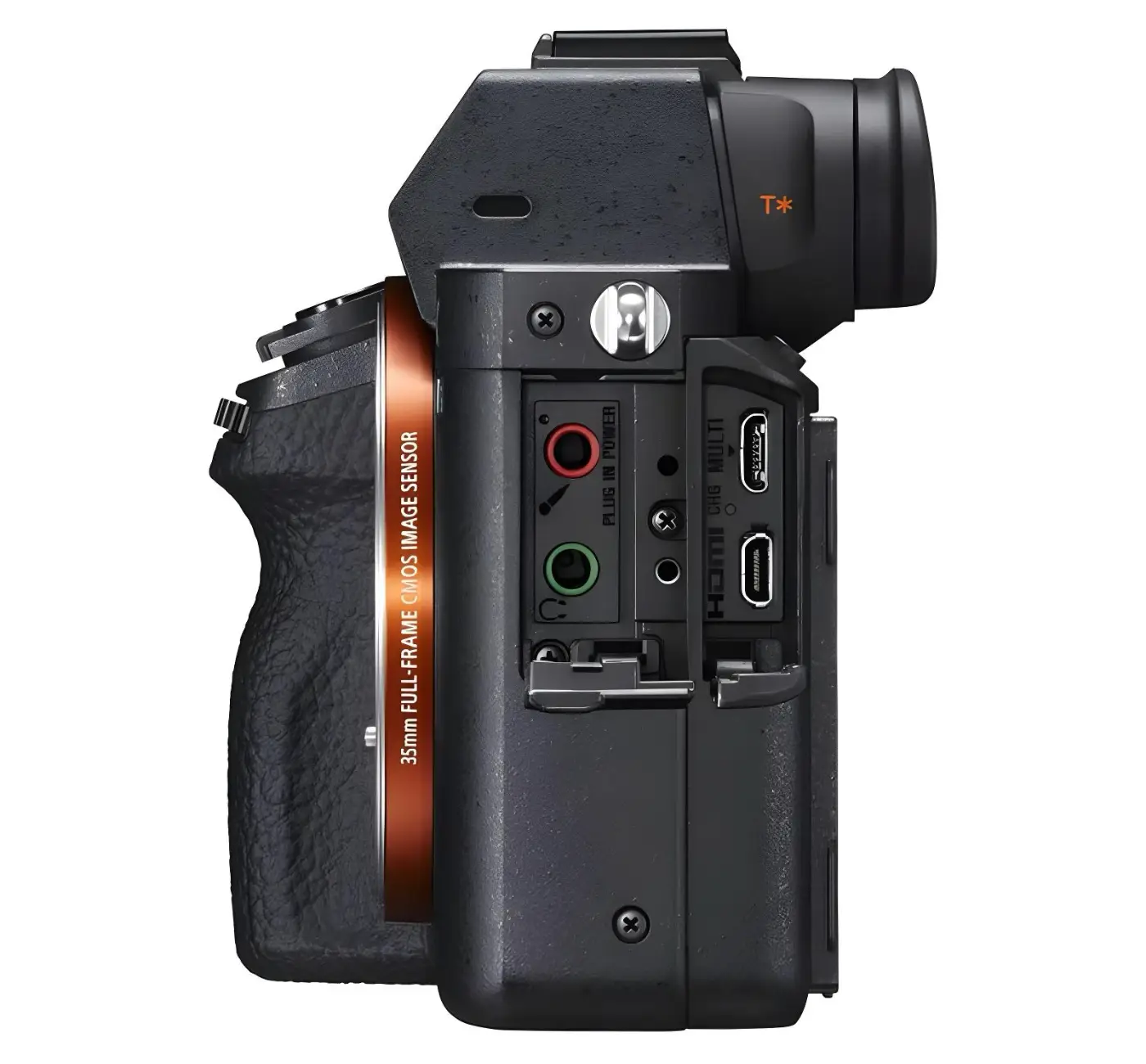
The bodies feel solid and are almost identical. Both cameras have an electronic viewfinder and a tilting screen, but not a fully articulating touchscreen. The menus and button layout feel less intuitive than those of recent Sony cameras.
Another consideration is the NP-FW50 battery. It is compact but has limited capacity. Anyone buying one of these cameras would be wise to carry several good batteries. With used examples, also check whether older batteries still retain enough capacity.
Can you use Sony A-mount lenses?
Both cameras accept Sony E-mount and FE lenses. In addition, the A7R II and A7S II can use many older Sony A-mount lenses with a suitable Sony LA-EA adapter.
The exact operation of autofocus and other functions depends on the lens and adapter being used. Not every combination works equally quickly or offers full functionality. Anyone wishing to continue using older A-mount lenses should therefore check compatibility for the specific lens and adapter beforehand.
The earlier claim that A-mount lenses can be used on the A7R II but not on the A7S II is therefore incorrect.
What should you check when buying used?
These cameras are now more than ten years old. The condition of the individual camera is therefore at least as important as the differences between the two models.
When buying, check:
- the sensor for scratches, stubborn dirt and conspicuous defective pixels;
- the operation of the mechanical shutter and the shutter count;
- the image stabilisation by taking shots at slower shutter speeds;
- the buttons, control dials, ports and the screen’s tilting mechanism;
- the rubber covering and any signs of moisture or impact damage;
- the operation of the memory card reader;
- the HDMI, microphone, headphone and USB connections if you intend to shoot video;
- the capacity and age of the supplied batteries;
- whether the latest firmware is installed.
Ideally, take several RAW images at different ISO settings and inspect them on a larger screen. With the A7R II, pay particular attention to motion blur and accurate focusing. With the A7S II, check dark images for distracting hot pixels and conspicuous colour noise.
Is the Sony A7R II still worth buying in 2026?
For photographers who mainly shoot landscapes, architecture, products, artworks or portraits, the A7R II can still be an attractive used camera. Its sensor captures plenty of detail, and the built-in stabilisation makes the camera versatile.
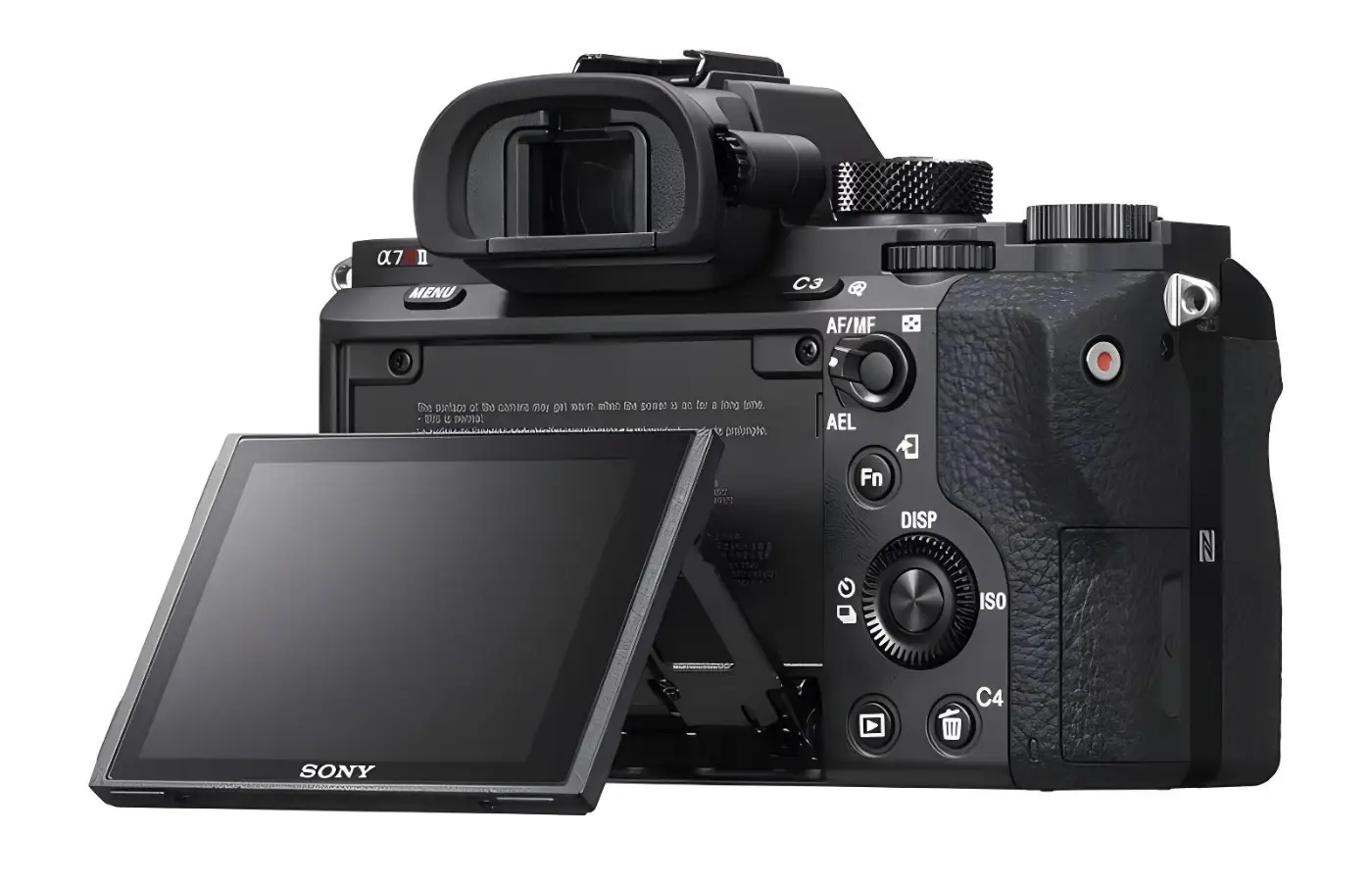
You do need to accept the older controls, limited battery life, single memory card slot and autofocus that cannot match recent Sony models. The high resolution also demands good lenses and careful shooting technique.
Is the Sony A7S II still worth buying in 2026?
The A7S II is most appealing for video, concerts and low-light photography. Its combination of a sensitive full-frame sensor, five-axis stabilisation and extensive video features remains useful.
For general photography, 12.2 megapixels is less generous by today’s standards. Anyone who wants to shoot both stills and video will often find a better balance in newer all-round models. The A7S II is therefore primarily a specialist choice, rather than automatically being the best affordable full-frame camera.
Sony A7R II or A7S II: which should you choose?
Choose the Sony A7R II if photography is your priority and you value fine detail, large prints or room to crop. Of the two older models, it is the more versatile stills camera. If you want the current high-resolution successor, consider the Sony A7R VI.
Choose the Sony A7S II if you mainly shoot video or often work in very low light. The lower resolution is then not a disadvantage, but part of a camera designed specifically for light sensitivity and video. If you prefer a newer successor with much more modern video features and autofocus, consider the Sony A7S III.
For most photographers, the A7R II is the more logical used-camera choice. The A7S II remains appealing to those who know exactly why 12.2 megapixels, high ISO settings and video features matter more than resolution and modern autofocus.
This article was originally published in 2017 and was fully revised and updated on 26 August 2026.
If you are looking for more of an all-round model that sits between high resolution and light sensitivity, the Sony A7 III is also worth considering. It offers 24.2 megapixels, faster autofocus and significantly better battery life.