Knowledge
How to: Choose a Profile for Your RAW Photos
Scott Kelby — How to in Photoshop: Choose a Profile for Your RAW Photos, a tip from Chapter 3
Redactie ·
5 min
Practice & insight
Practical tips, techniques and clear explanations about cameras, light, composition and editing — always with the newest article first.
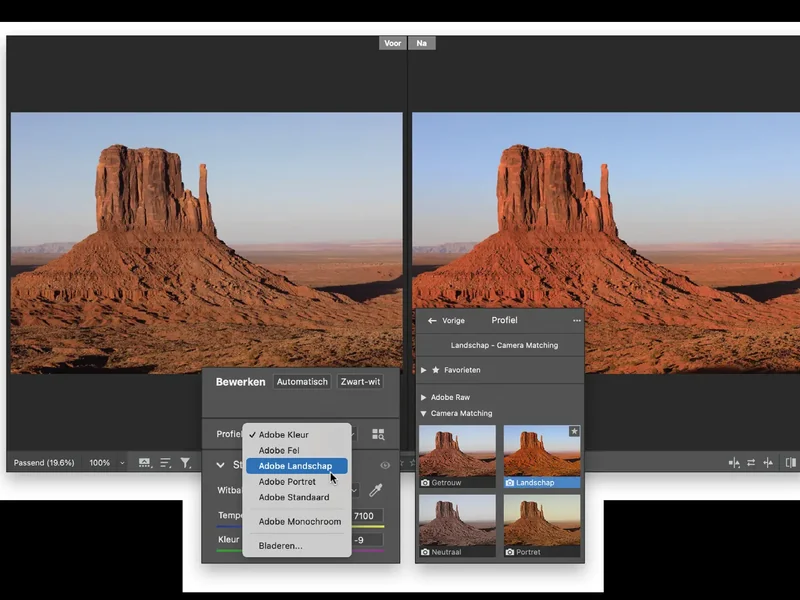
Scott Kelby — How to in Photoshop: Choose a Profile for Your RAW Photos, a tip from Chapter 3

Effective strategies for photographers to stand out at a trade show and present their work in an attractive booth.

How do you test the quality of an SD card? A detailed test of the 128 GB and 512 GB Samsung SDXC PRO Ultimate cards.

Create a still life studio at home: learn how to work with artificial light and what matters when composing a photographic still life.
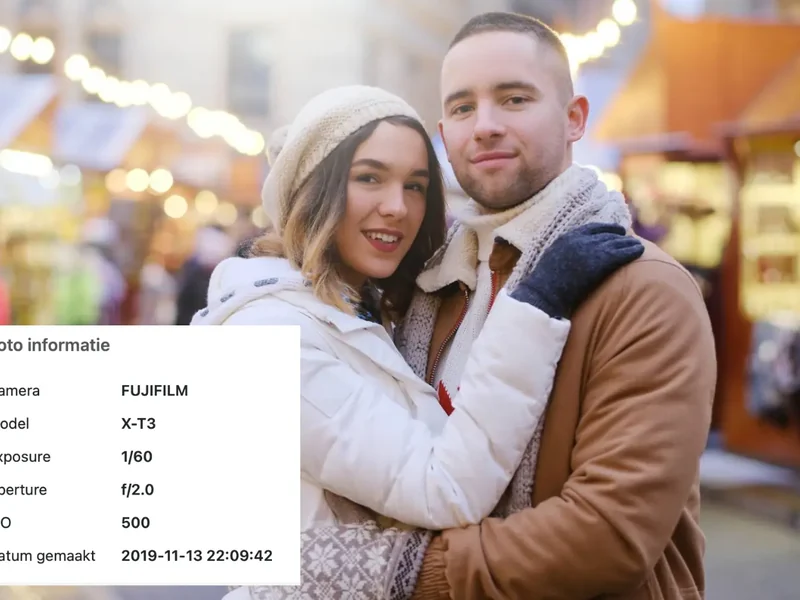
There are several situations that can cause EXIF (Exchangeable Image File Format) data to disappear from your photo. EXIF is a set of metadata

Compare online and offline photo storage in terms of accessibility, sharing, organization, capacity, internet dependence, and risks such as data breaches.

Mastering composition in smartphone photography: simple tips to help you get more from your phone camera.

Why would you still print photos in a digital age? Discover 7 reasons why a physical photo print provides more value, attention and experience.

Why choose a used camera? Learn about cost savings, lower depreciation, sustainability, and the benefits of buying secondhand.

Scott Kelby shows you step by step how to improve an evening photo in Lightroom, from lens correction and color to masks, vignetting, and sharpening.
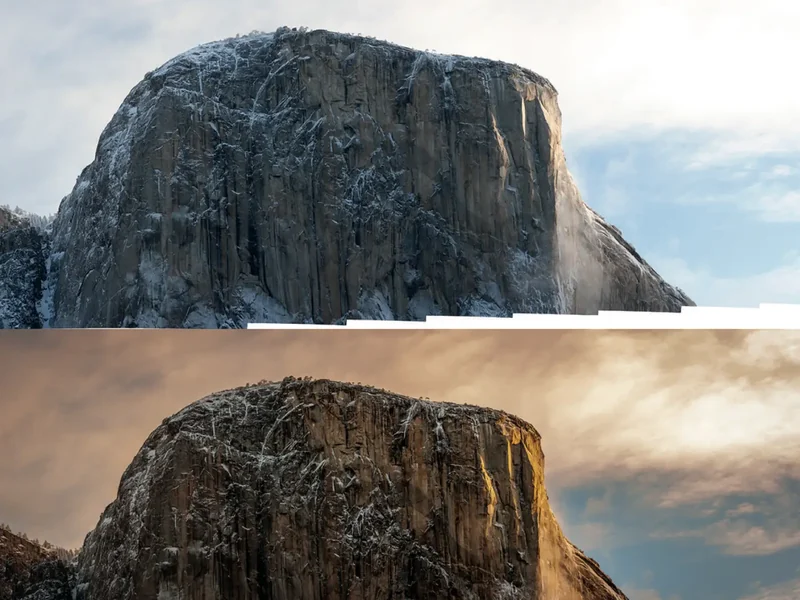
Learn how Scott Kelby merges and edits a panorama in Lightroom using his seven-point system, from white balance to sharpening.
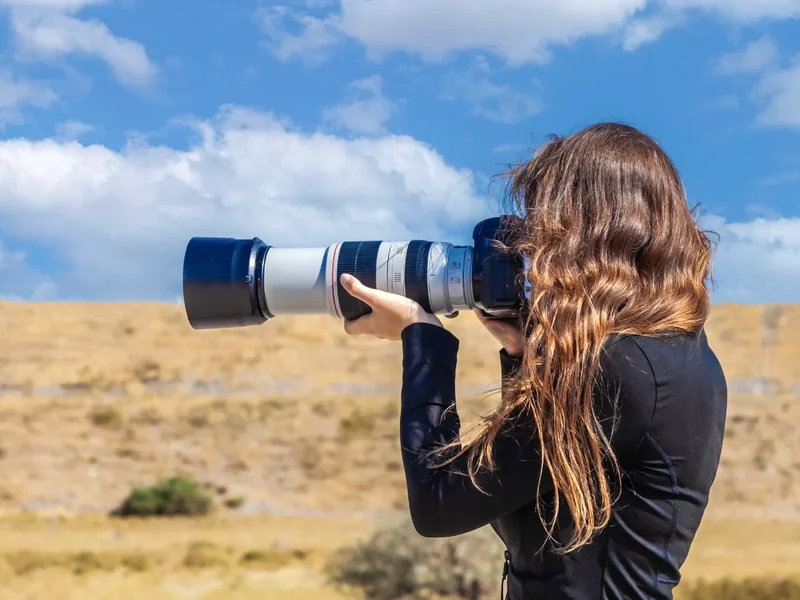
A telephoto lens brings distant subjects closer—ideal for sports, wildlife, portraits, and faraway details. Here’s how to choose the right focal length.
Take better landscape photos with these 10 practical tips on composition, light, depth of field, filters, HDR, RAW, and using a tripod.
A preview of Chapter 15, Image Montage, from Pieter Dhaeze’s Photography Handbook, 11th Edition.
Discover the nine basic compositional forms from Composition in landscape photography by Nando Harmsen and learn how they help with stronger landscape photos.

Learn how to photograph shiny and reflective objects without harsh reflections. Practical tips about light, settings and post-processing.

Want more photography clients? Build your reach beyond the internet through networking, business cards, local visibility, and other offline marketing.
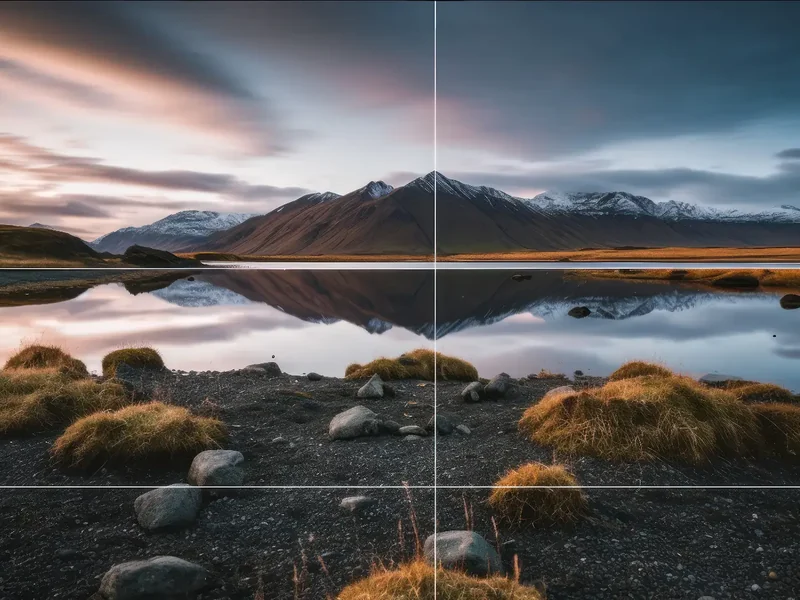
Why does the rule of thirds work in photography by David Peterson on Fotografie.nl

Midjourney is image creation through the use of artificial intelligence and is seen as a new type of photography

Good food photography is all about light, styling, detail and timing. These tips will help you make food look truly appetizing.

AI improves smartphone focus, portrait and night modes, image stabilization and editing, helping your phone take better photos automatically.
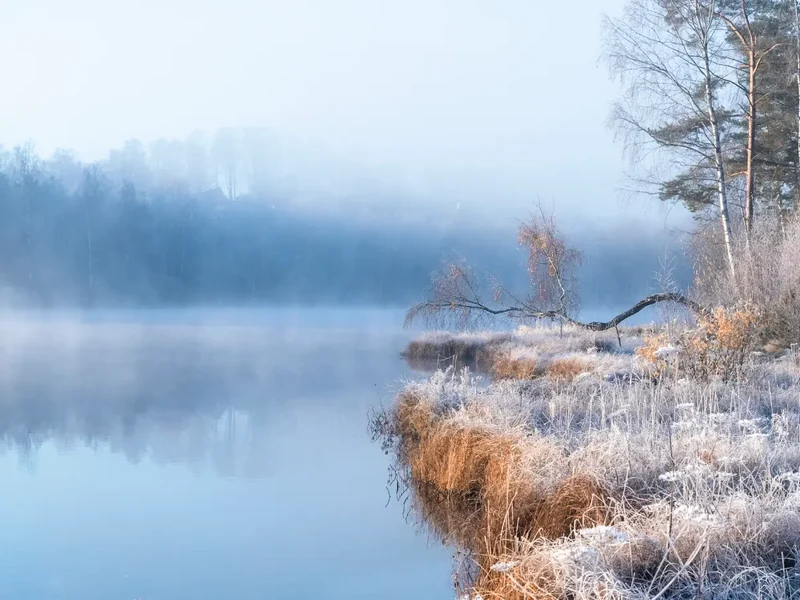
Tips for photographing beautiful winter landscapes: Winter landscapes are interesting and that mainly has to do with colors.
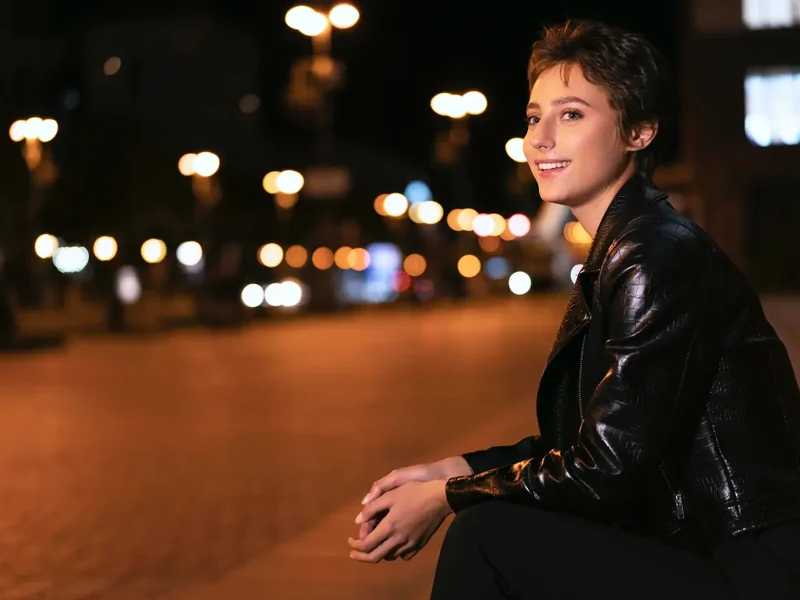
Flash Photos: Take pleasant-looking flash photos. With current camera and flash technology, flash can be used very subtly.

Discover the difference between optical and digital zoom, why optical zoom usually delivers better image quality, and when digital zoom can still be useful.
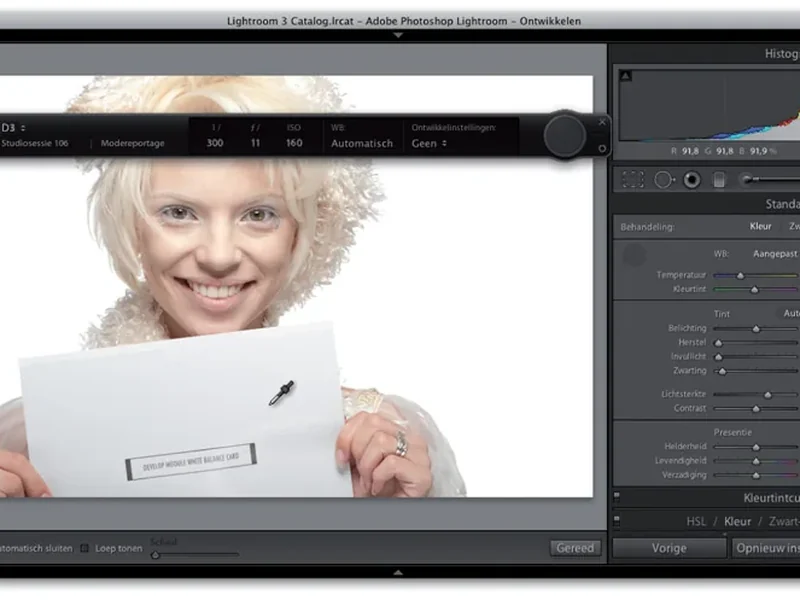
Scott Kelby explains how to set white balance live during tethered shooting in this preview from Chapter 4 of The Lightroom 3 Book.
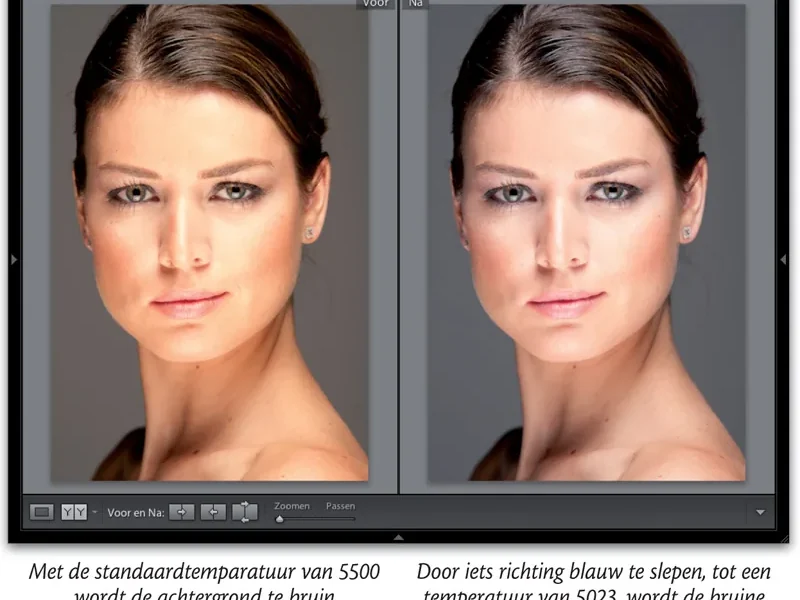
Scott Kelby explains step by step how to check and adjust the white balance of RAW, JPEG, and TIFF photos in Lightroom 3.
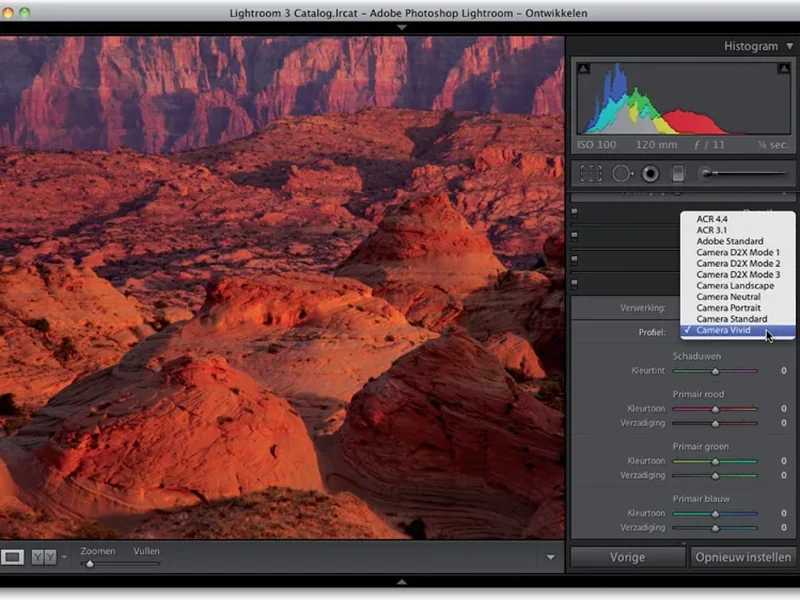
Scott Kelby explains how camera profiles in Lightroom give RAW photos a more contrast-rich, colorful, JPEG-like starting point.
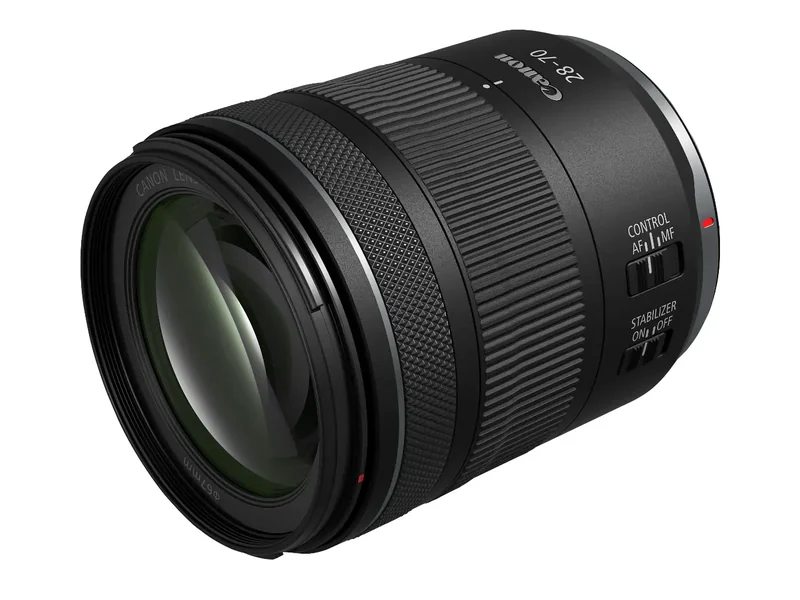
Zoom lens or prime lens? Scott Kelby explains in Chapter 3, The Truth About Lenses, of his Digital Photography book.
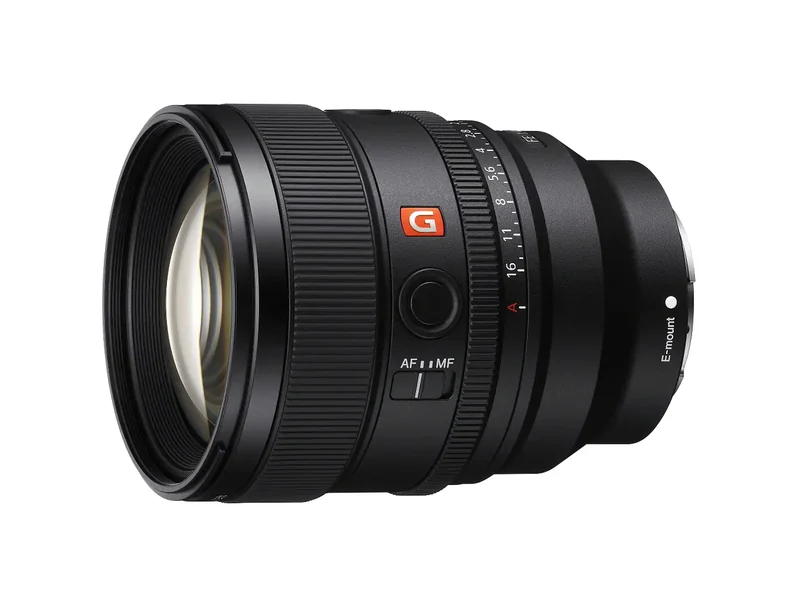
What makes a portrait lens? Modern zooms do an excellent job, and above 100 mm you will be pleased with the results—Scott Kelby.
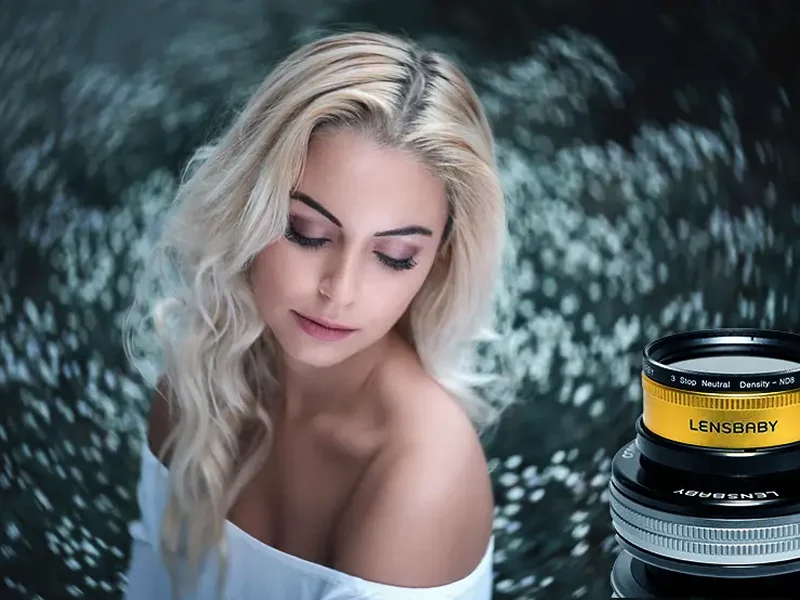
From Chapter 3, The Truth About Lenses, in Scott Kelby's Digital Photography book: when to use a Lensbaby lens.
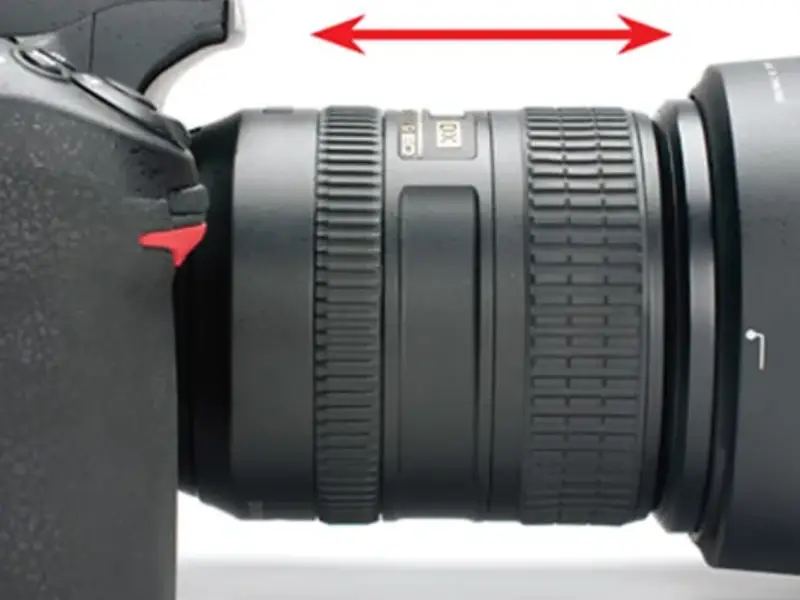
From Chapter 3, The Truth About Lenses, in Scott Kelby's Digital Photography book: when to use an all-in-one zoom lens.
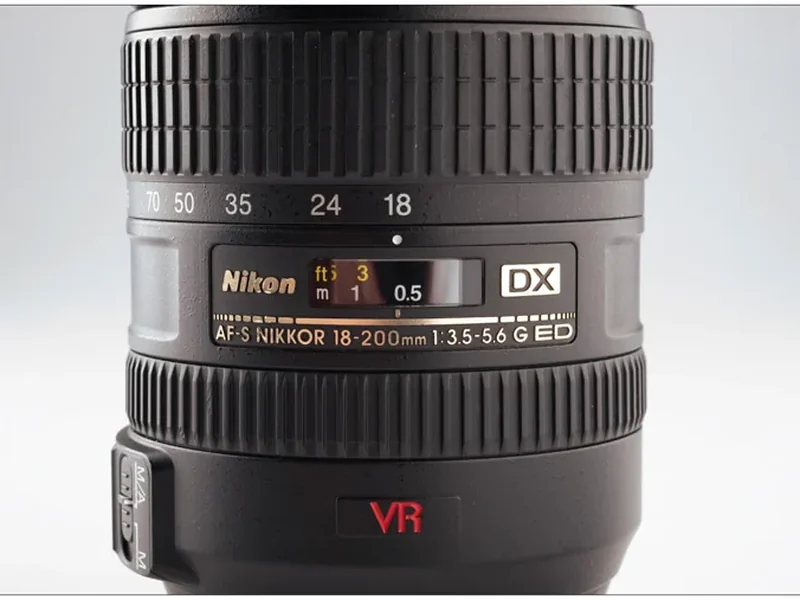
Some lenses have two apertures. Zoomed out at 18 mm, you can shoot in much less light than when zoomed to 200 mm.
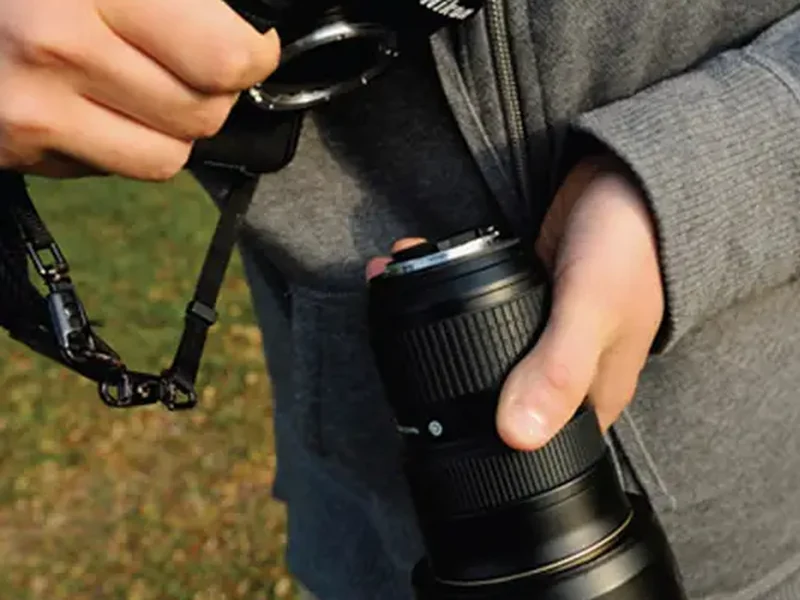
Tips for changing lenses, from Chapter 3, The Truth About Lenses, in Scott Kelby's Digital Photography book.
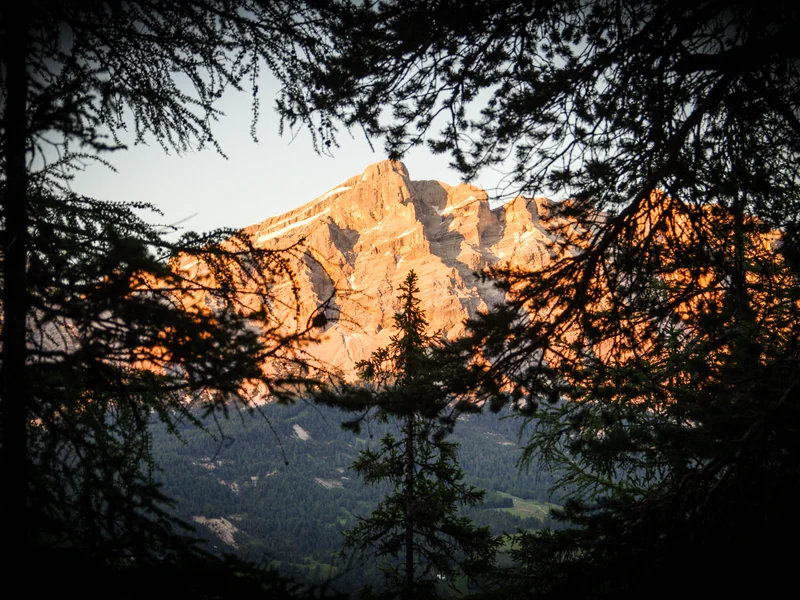
Dark corners in your photo? Scott Kelby explains vignetting and how to correct it quickly with lens corrections in Camera Raw and Lightroom.
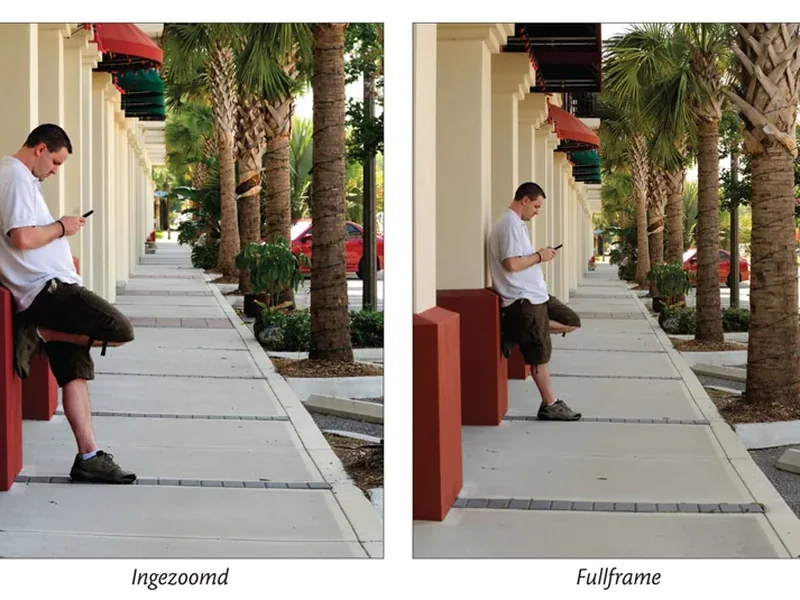
Zoom lenses and full-frame lenses, from Chapter 3, The Truth About Lenses, in Scott Kelby's Digital Photography book.

An excerpt from Scott Kelby's Digital Photography book, Chapter 3, The Truth About Lenses: when to use a tilt-shift lens.

An excerpt from Scott Kelby's Digital Photography book, Chapter 3, The Truth About Lenses: cleaning lenses.
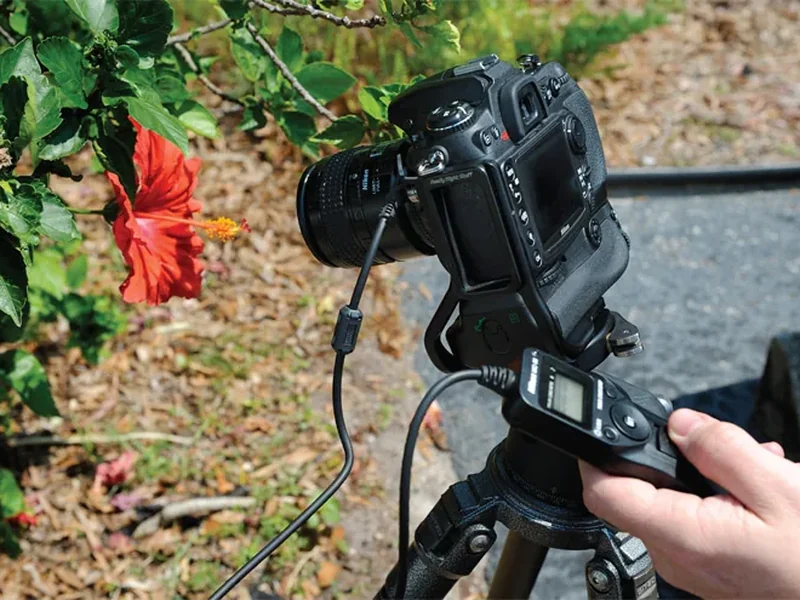
An excerpt from Scott Kelby's Digital Photography book, Chapter 3, The Truth About Lenses: when to use a macro lens.
Scott Kelby on lenses: There are literally hundreds of different filters available for your lens.

Teleconverters are a convenient, relatively inexpensive way to get even closer to the action.
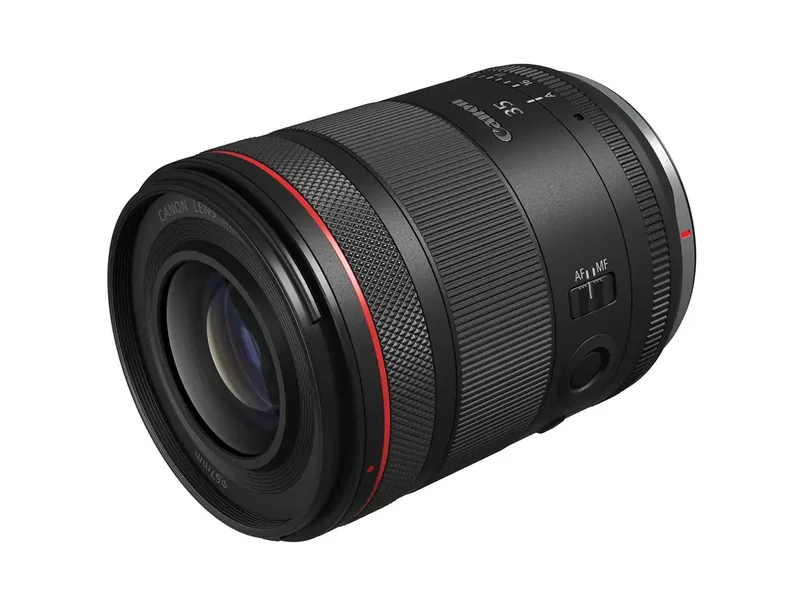
When should you use fast lenses? An excerpt from Scott Kelby's Digital Photography book, Chapter 3, The Truth About Lenses.
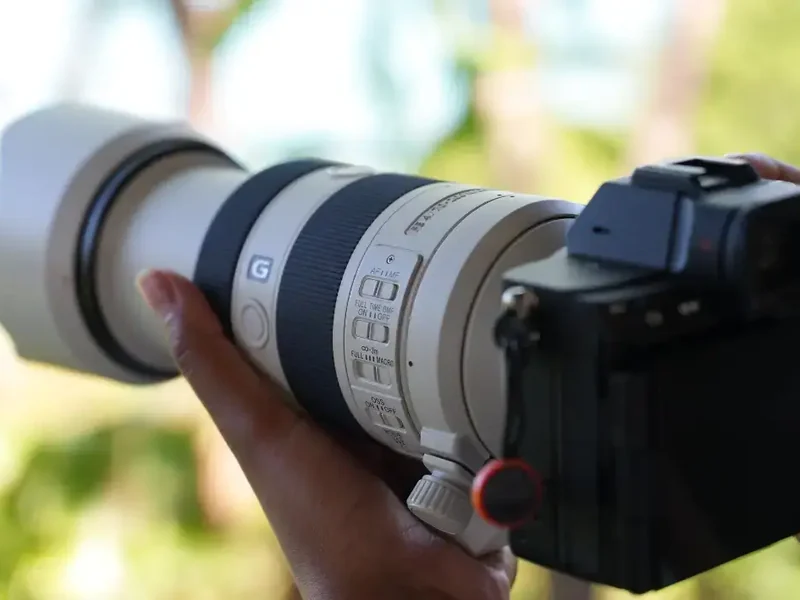
Scott Kelby explains when to use a telephoto zoom lens: the ideal choice when you want to get close and zoom in without changing position.
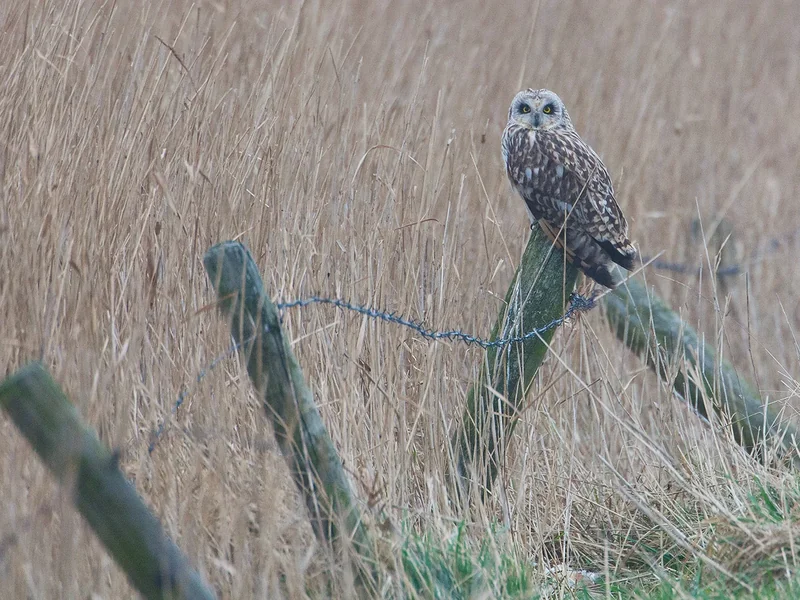
Playing with sharpness in photography can make an image more expressive. Some subjects are better left partly out of focus.
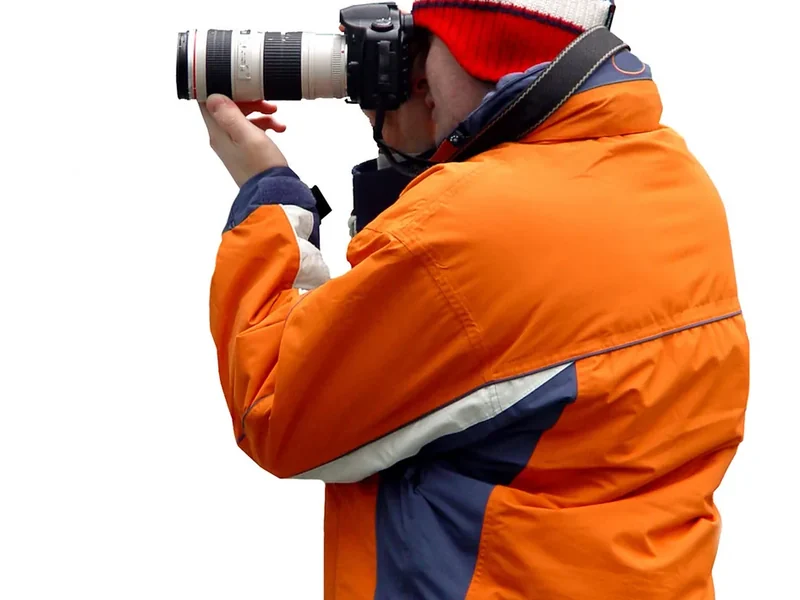
Image stabilization is designed for situations that require slow shutter speeds, when camera shake can cause motion blur.
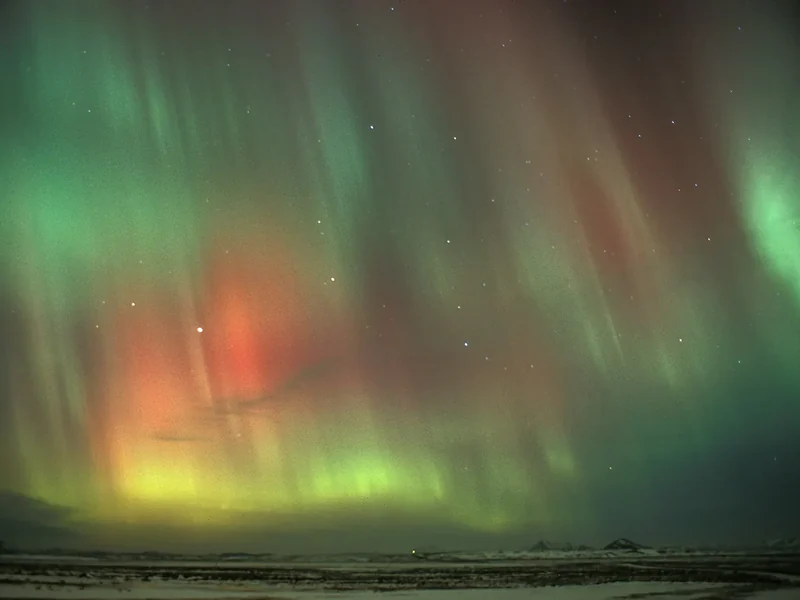
Learn to photograph at dusk and after dark, from proper exposure and bulb mode to long shutter speeds and using a cable release.
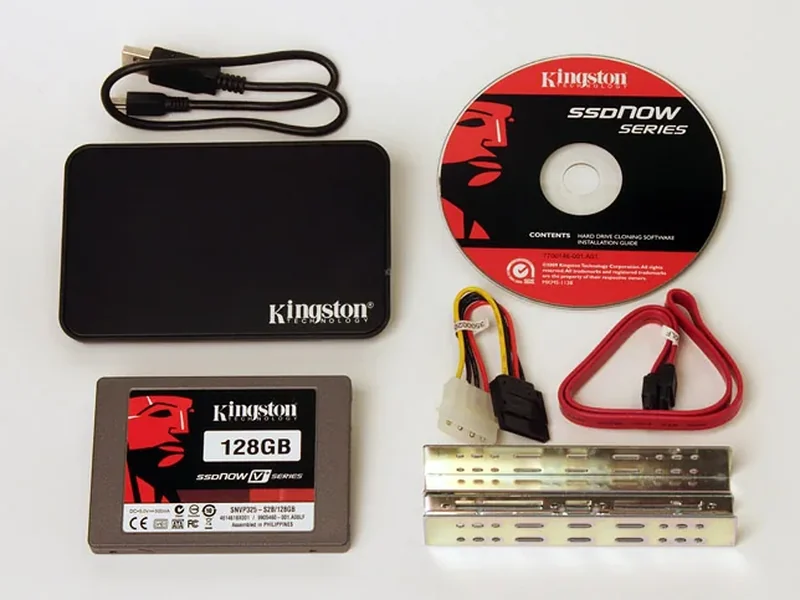
Why photographers buying a laptop or MacBook may want to consider an SSD: no moving parts, faster access, and greater shock resistance.
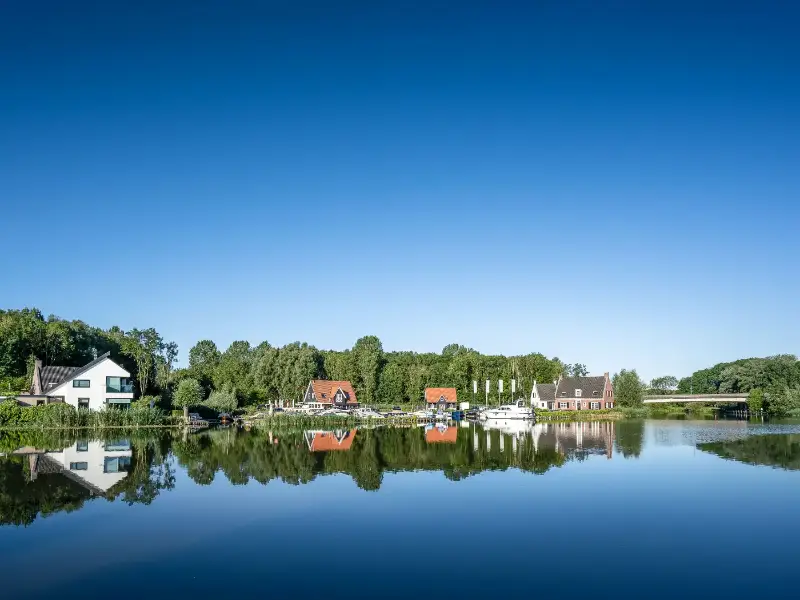
What is the difference between a polarizing filter and a graduated ND filter? Find out which to use for reflections, colours and bright skies.
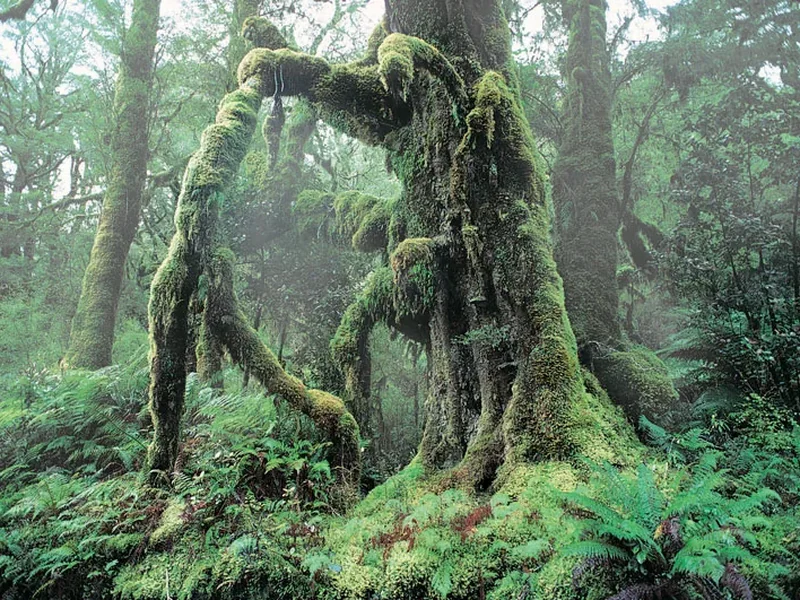
Add digital fog in Photoshop using Quick Mask, a gradient, and a layer mask, then refine its density and transitions.
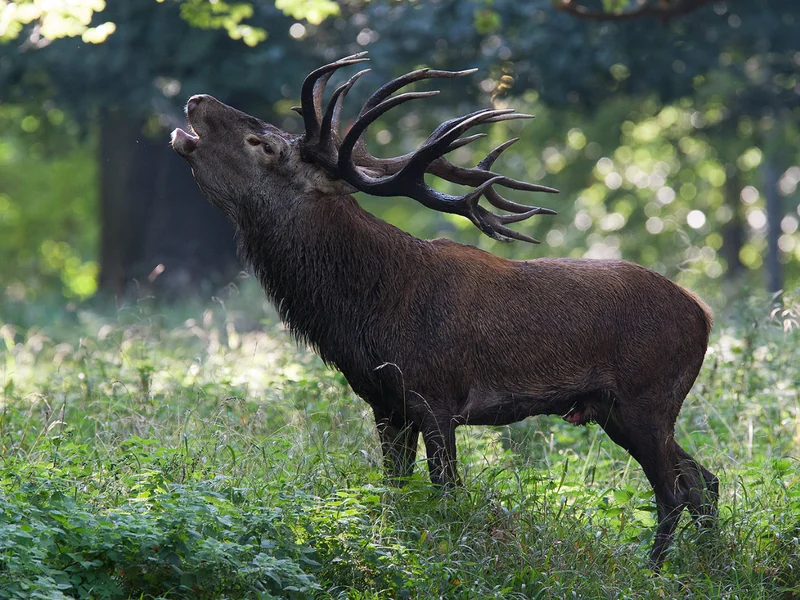
Practical tips for photographing deer, wild boar, badgers, and other large mammals, covering behavior, camouflage, wind direction, and gear.
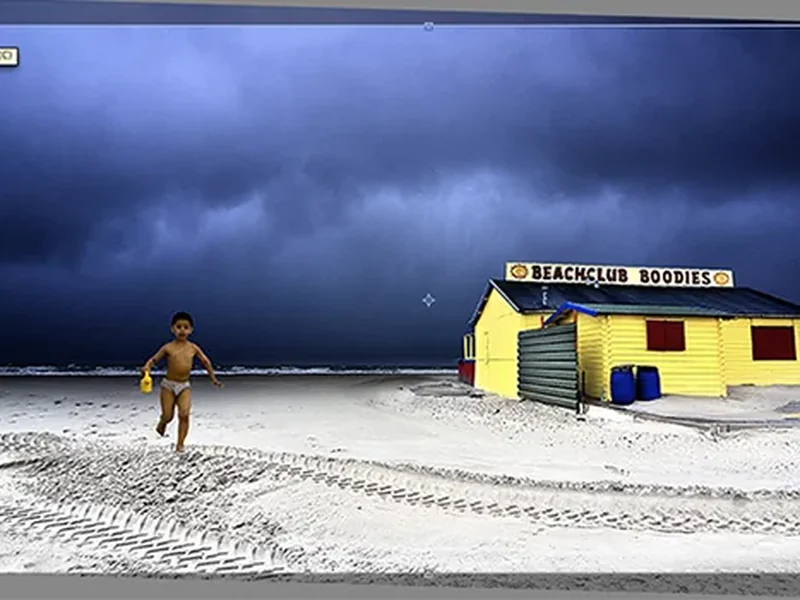
Learn how to use Photoshop's Ruler tool to straighten a crooked horizon or slanted lines quickly and easily.
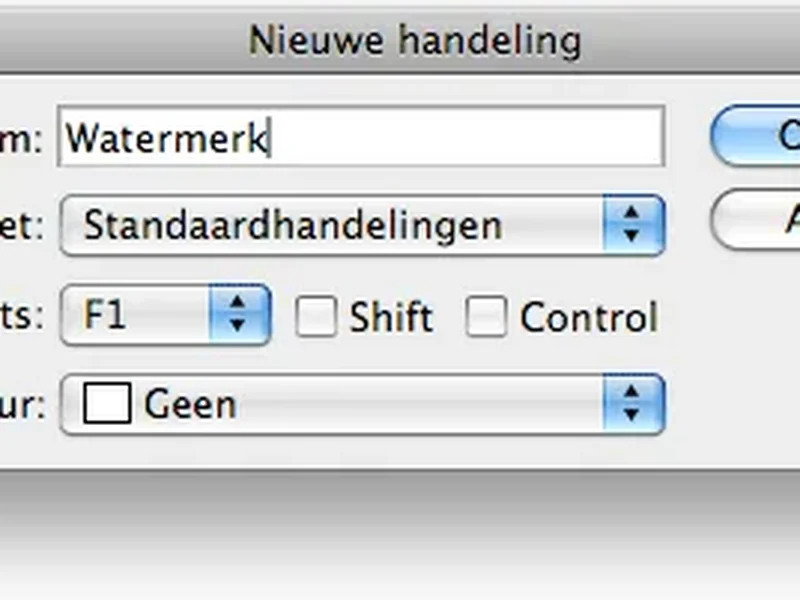
Learn how to add a watermark to photos in Photoshop and automate the process with Actions without distracting from your image.

How Kodak engineer Steve Sasson built the first digital camera in 1975, laying the foundation for modern digital photography.
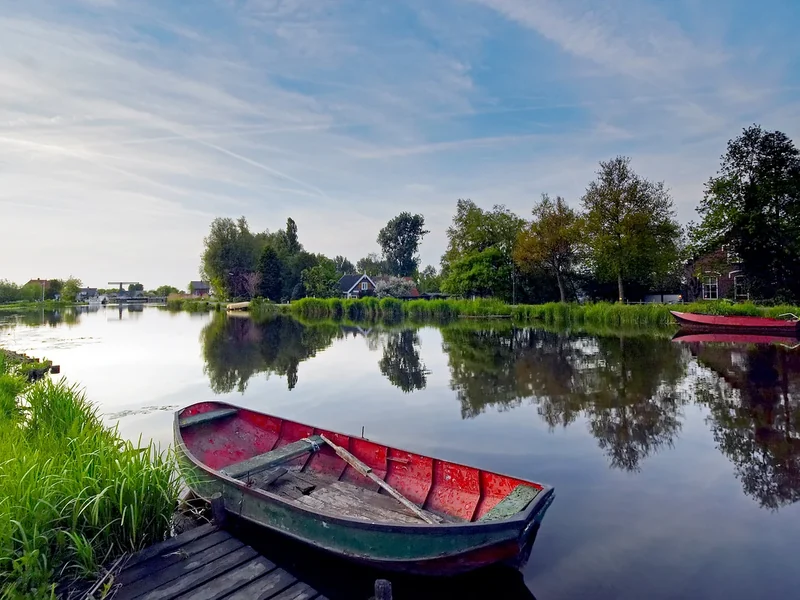
Learn how white balance works and how to set it for better color. Tips for daylight, artificial light, Kelvin, and custom white balance.
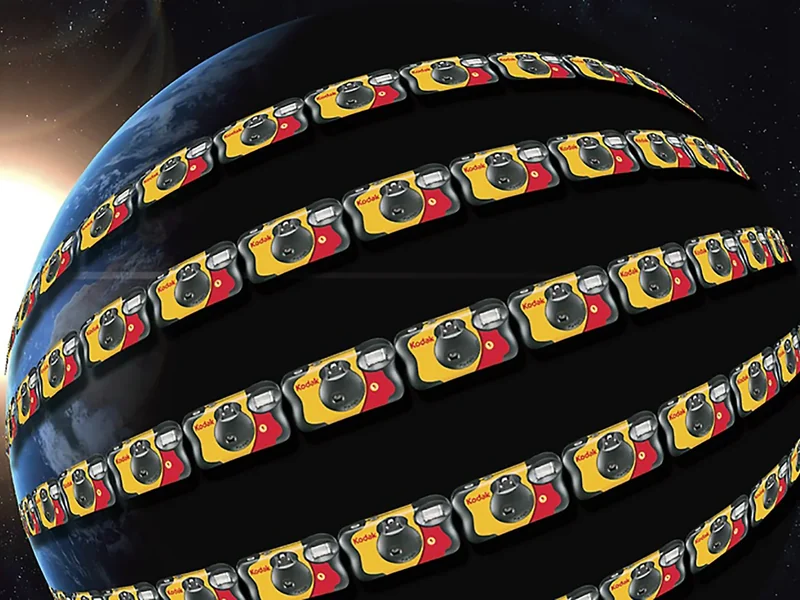
Kodak has recycled disposable cameras for 19 years and has now reused 1.5 billion of them. Here is how its unique single-use camera recycling process works.
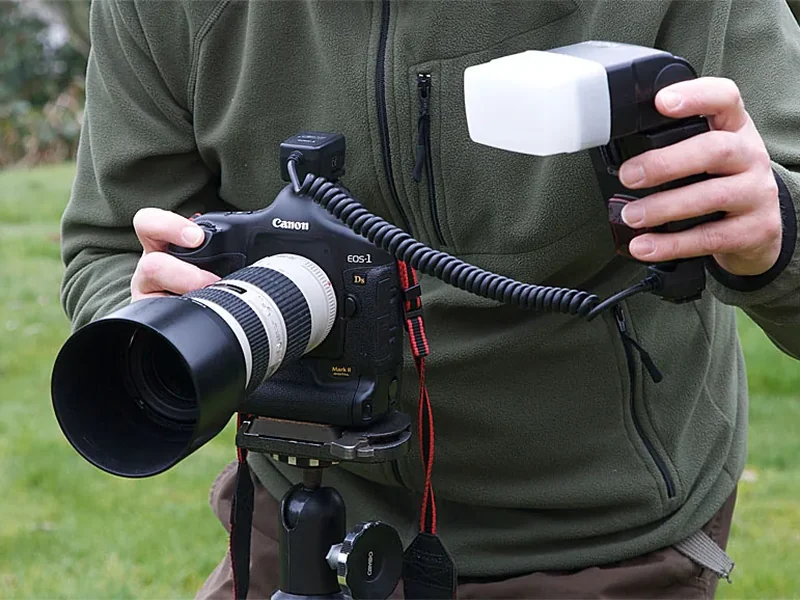
How do you use flash in nature photography? Practical tips for birds, macro, and close-up photography, including the Better Beamer and diffusers.
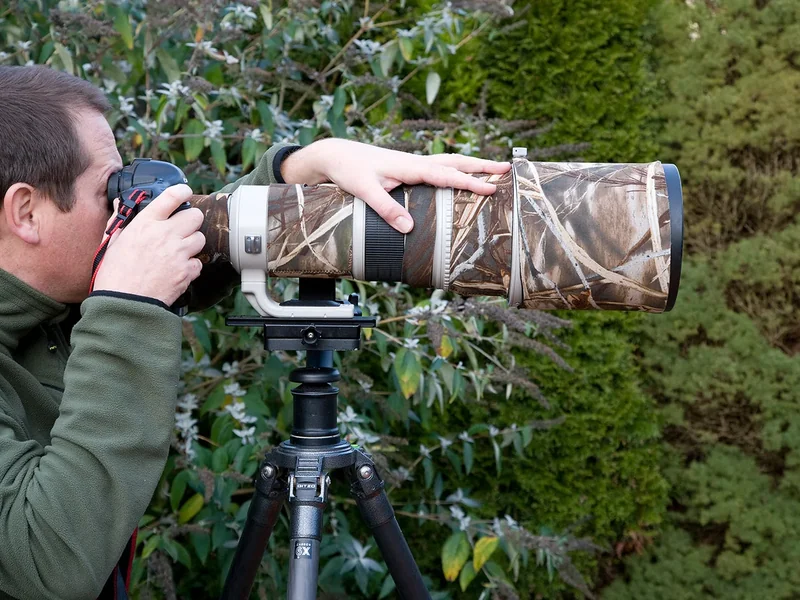
How do you use super-telephoto lenses? Practical tips on wide maximum apertures, stabilization and teleconverters.

Want to photograph birds in your own garden? Read practical tips on feeding stations, backgrounds, lenses and camera settings.

Learn what a histogram shows and how to use it to determine the right exposure in this practical guide.

Learn how to choose aperture and shutter speed in M mode for creative exposure, and when it offers an advantage over automatic modes.

Most SLR cameras offer spot metering. How can you use it to take better photos?
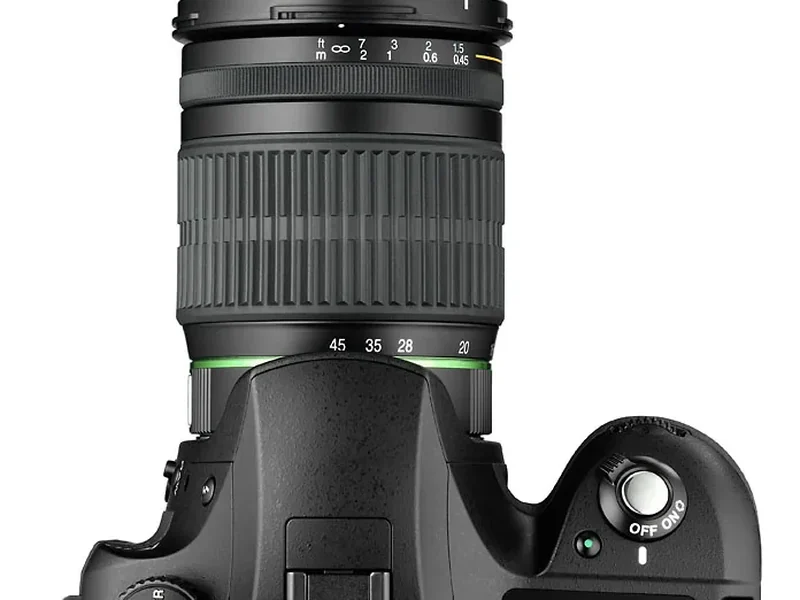
Modern DSLR cameras can deliver excellent image quality. Which lens will help you get the most out of them?
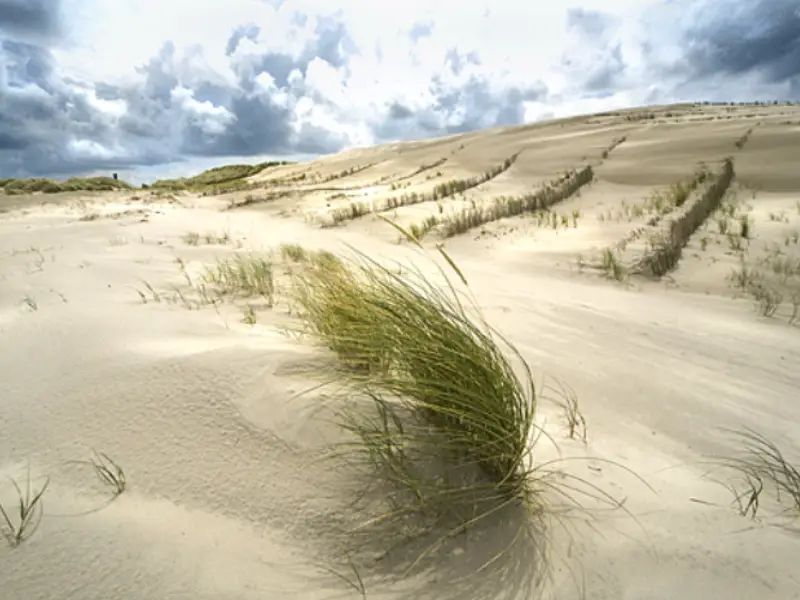
Photoshop has become commonplace. Half the Netherlands says without hesitation, ‘We’ll just Photoshop that in.’ It sounds pretty cool—a piece of cake.
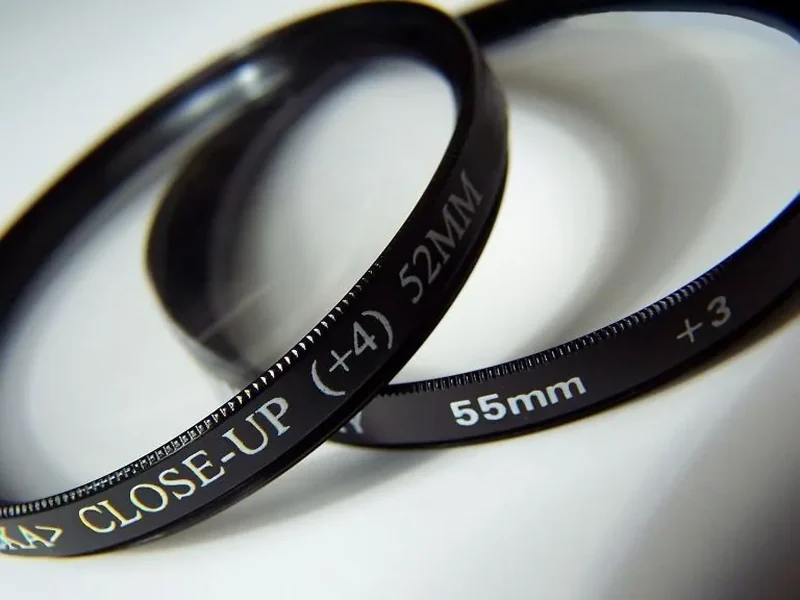
An overview of macro accessories such as extension tubes, close-up lenses, and bellows. What do you need to photograph subjects at extremely close range?

Still-life specialist Feddo van Gogh explains how digital photography and image editing radically changed his creative process and workflow.
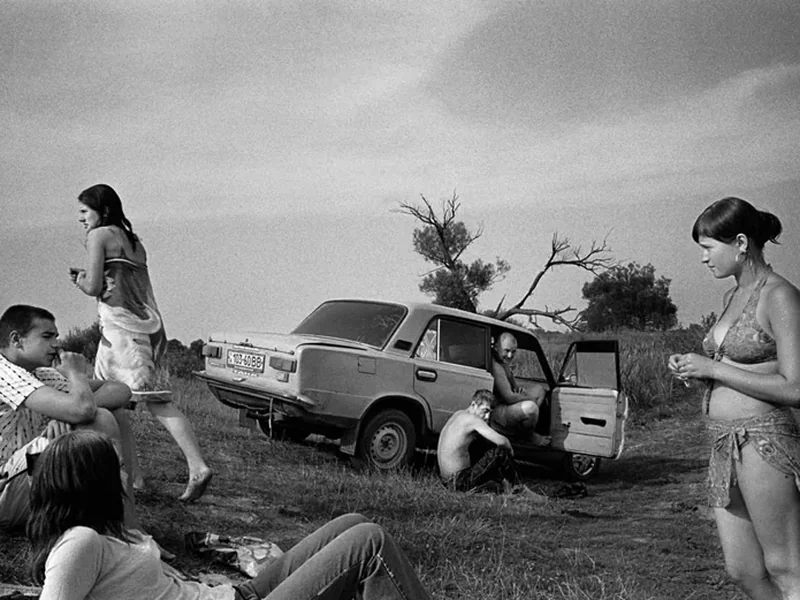
Which photograph had stayed with documentary photographer Robert Knoth when this interview was published? Discover why this particular image resonated with him.

Join us in the field for practical bird photography. Learn about observation, camouflage, composition, patience, and photographing birds in the wild.
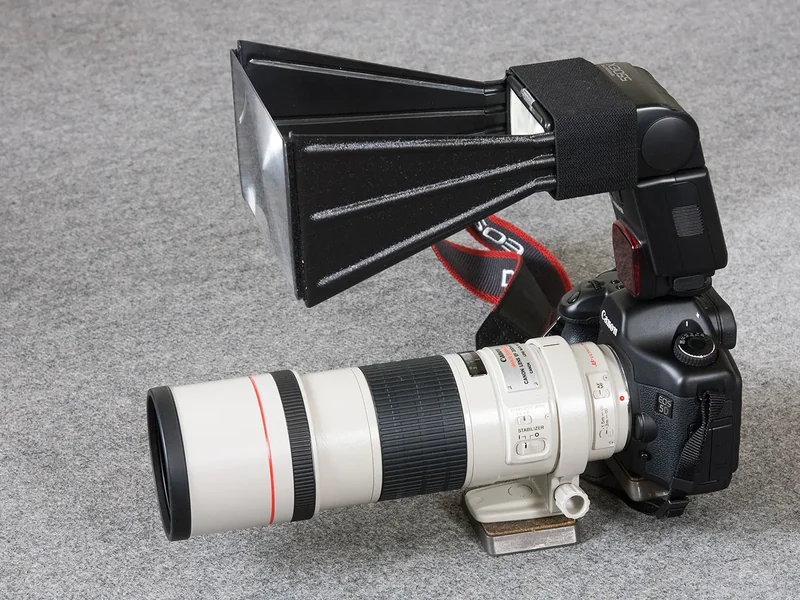
Which camera and lens should you use for bird photography? Explore practical tips on autofocus, telephoto lenses, exposure, tripods, and teleconverters.

Creating shadows in Photoshop: You can, of course, easily create a standard shadow in Photoshop.

Lars Polder explains how an external flash provides more light and control, with softer bounced light and more flexible lighting than a built-in flash.
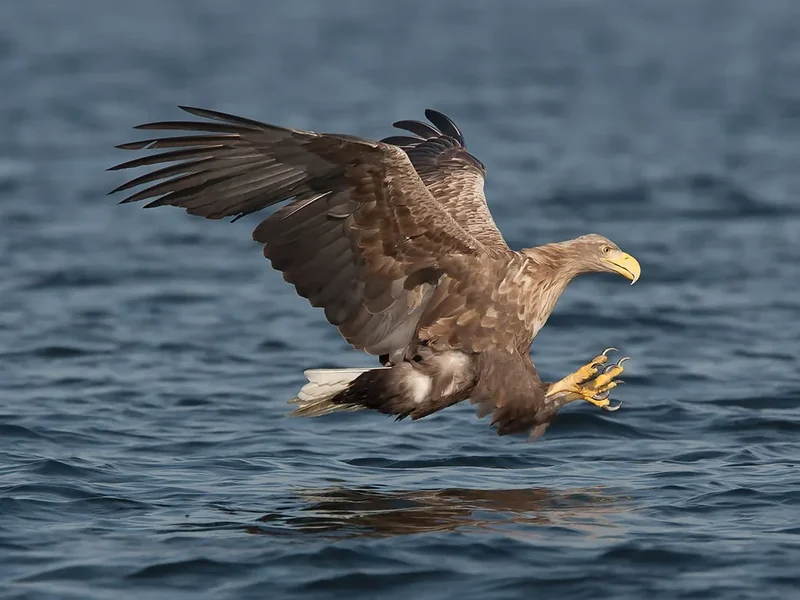
Want to take better bird photographs? Discover practical tips on composition, behavior, observation, viewpoints, and equipment.
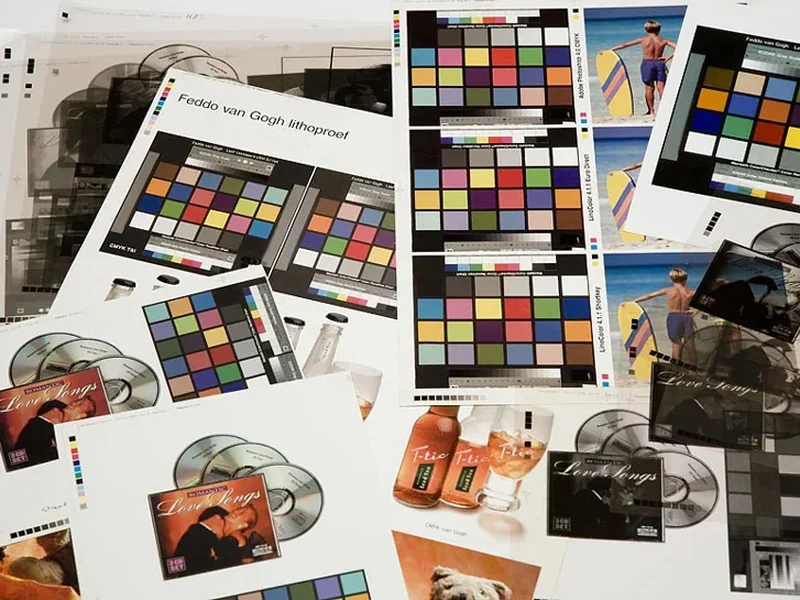
What does color management really offer photographers? This article cuts through the jargon and explains when it is useful—and when it is not.
Digital SLR cameras offer several AF options. What are they, and when should you use them?
Fotografie.nl is made possible by


