Rules are made to provide guidance. They were created to keep peace in the valley. And some say they are made to be broken.
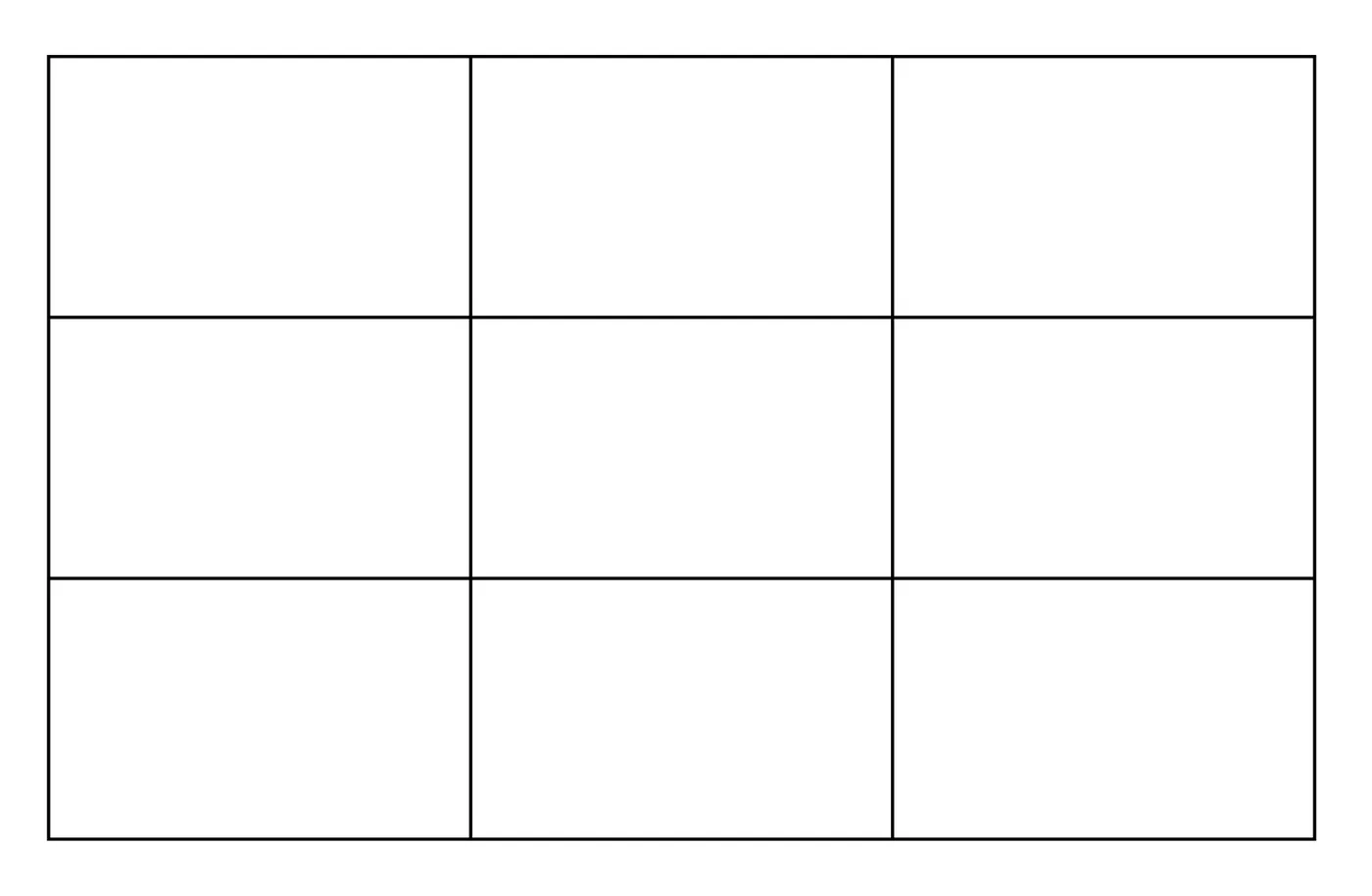
If there is one place where rules should be broken, it is in a creative pursuit. But before you break the rules, you first need to know them. The rule of thirds in photography is a perfect example. Many beginners break it simply because they do not know it exists. An experienced photographer, by contrast, understands both how to apply it and when to bend or break it.
The question is, why does the rule of thirds work? People tend to like things in threes...whether it's ABC, 123, The Three Musketeers, and so on. But the rule of thirds is more of a visual concept.
A piece of history
The rule of thirds was not developed by photographers. In fact, it was invented by painters in the Renaissance. Their purpose of this style of composition was to give some background information in their paintings so that it could tell a story. It was the Renaissance painters who discovered that the eye does not rest on the center of a painting. Instead, the eye wants to wander with the subject.
How does it work?
With this bit of history in mind, here are some more in-depth reasons why the rule works and how it applies to contemporary photography.

You probably already know that your camera can display a grid. On the screen, that grid divides the frame into nine equal sections, creating three horizontal and three vertical bands. The idea is to position the subject in the upper, lower, left, or right third rather than in the center, and to divide the frame in a ratio of 1 to 2—one third and two thirds—instead of in half.
Why does it work
Photographers and artists alike use the rule of thirds when creating works of art because this timeless theory has been proven. One way to explain why it works is to think of it this way: if your subject is in the center of the frame, it is considered static. Your eye is drawn to it and has nowhere to go because the object is equidistant from all sides.

Placing the subject closer to one edge encourages the eye to follow it through the frame. The viewer therefore spends longer exploring the image. This creates a more engaging photograph, almost like a conversation between the viewer and the picture.
Would you like to learn more about correct composition via your phone? Choose one photography course Rotterdam and improve your qualities.
You can take the above photo of the rowing boat as an example for a non-static photo. This fills a third of the image at the bottom left of the center and as a viewer you follow the water, almost as if you were standing on the sand yourself. If the boat were placed in the center of the image, your eye would have nowhere to go. It would "bump" against the edges and give a flat feeling when you look at it. In this position there is room for eye movements.
Counterpoint
Counterpoint is important because by placing the primary focal point of the image in the third position, a secondary focal point can be placed in the opposite third position. When you look at the grid above, imagine it on an image and see the intersections of the lines. These are the focal points. In the image of the boat, the sand and water follow to the counterpoint at the top right, the sailboat.
When to break the rule
To express balance, central placement of your subject may be the right choice. You have to learn a rule before you can effectively break it, especially if your viewers know you broke it, but understand and appreciate why. Rules broken for a good reason can make for the best works of art. It shows that the creator has taken the time to understand their craft to the point where they can bend the rule. If you can create a better image by bending the rules, capture it in any way you can.

An example of when to break the rule might be a portrait where the person is close and in the center of the shot. In this example of the two friends, the depth of field compensates for the center placement of the subjects. Why? Because the eye is drawn to the shallow depth of field, which makes the image interesting. If the background had been in focus, there would be less power in the image. (Another good argument for shallow depth of field in portraits.) So even though they are in the center of the shot, the viewer remains interested in the depth of field.
Another reason the image works is that it tells a story. In other words, it is not boring. We see two friends in beautiful clothes and an attractive setting. The photograph contains plenty of emotion and creativity.
One final point: the girls are not looking at the camera. They look to the side, making you wonder what they see. In a way you can follow their eyes to see if you can see what the camera isn't showing.
This image is a good example of bending the rules. It has attractive depth of field, tells a story, and shows the two girls looking away from the camera in an engaging way. Together, these elements keep the viewer involved: a strong example of breaking the rules successfully.
If you're a rule breaker by nature, try it! If you want to expand your creativity, experiment with the rules of thirds and see what you come up with.
To create beautiful compositions with just your phone, you don't need expensive equipment or professional software, a smartphone photography course can help you with that.