photo: © Richard Barnabe
Newcomers to photography can have a tough time; sometimes they have to explore a new and unfamiliar world. Virtues and Vices in Photography reveals, in collaboration with Canon photographers, the lessons, pitfalls, highs and lows of the industry. These professional photographers offer valuable advice specific to their field.
In this installment: Ten top tips from Richard Bernabe, a travel photographer.
1.
The three essential qualities a travel photographer should have are:
- curiosity
- an open, unbiased mind
- the ability to stay in the moment without being distracted by events at home or a to-do list for when you return. You need to immerse yourself fully in the location and the moment.
2.
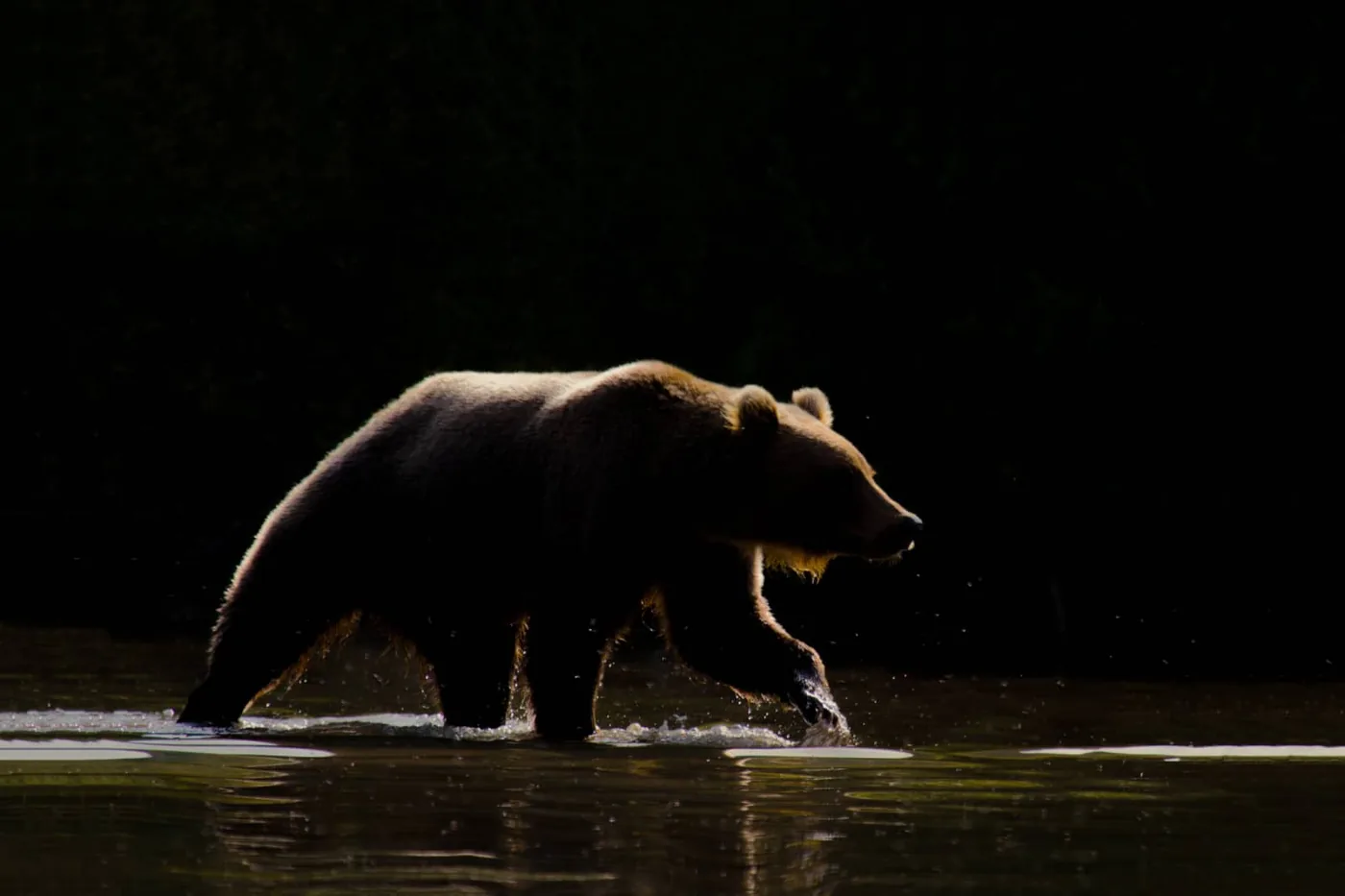
Whenever possible, I try to include a little mystery in my photos. By concealing part of the story, you compel your audience to look actively rather than passively.
3.
A tripod is usually a must for me. But if you choose to shoot handheld, use a high ISO (2500) to achieve a fast enough shutter speed (1/800 second) to ensure the image is sharp.
4.
When photographing a group of animals or birds and you cannot keep the entire group in focus, it is always best to make sure the nearest animal is the sharpest.
5.
Use a faster shutter speed to show more texture when photographing moving water. A shutter speed of 1 to 2 seconds suggests movement while preserving detail in the foreground, resulting in a more interesting photo.

6.
Most photographers' natural impulse is to zoom in closely on the subjects they are trying to capture. But sometimes a wider composition is stronger.
7.
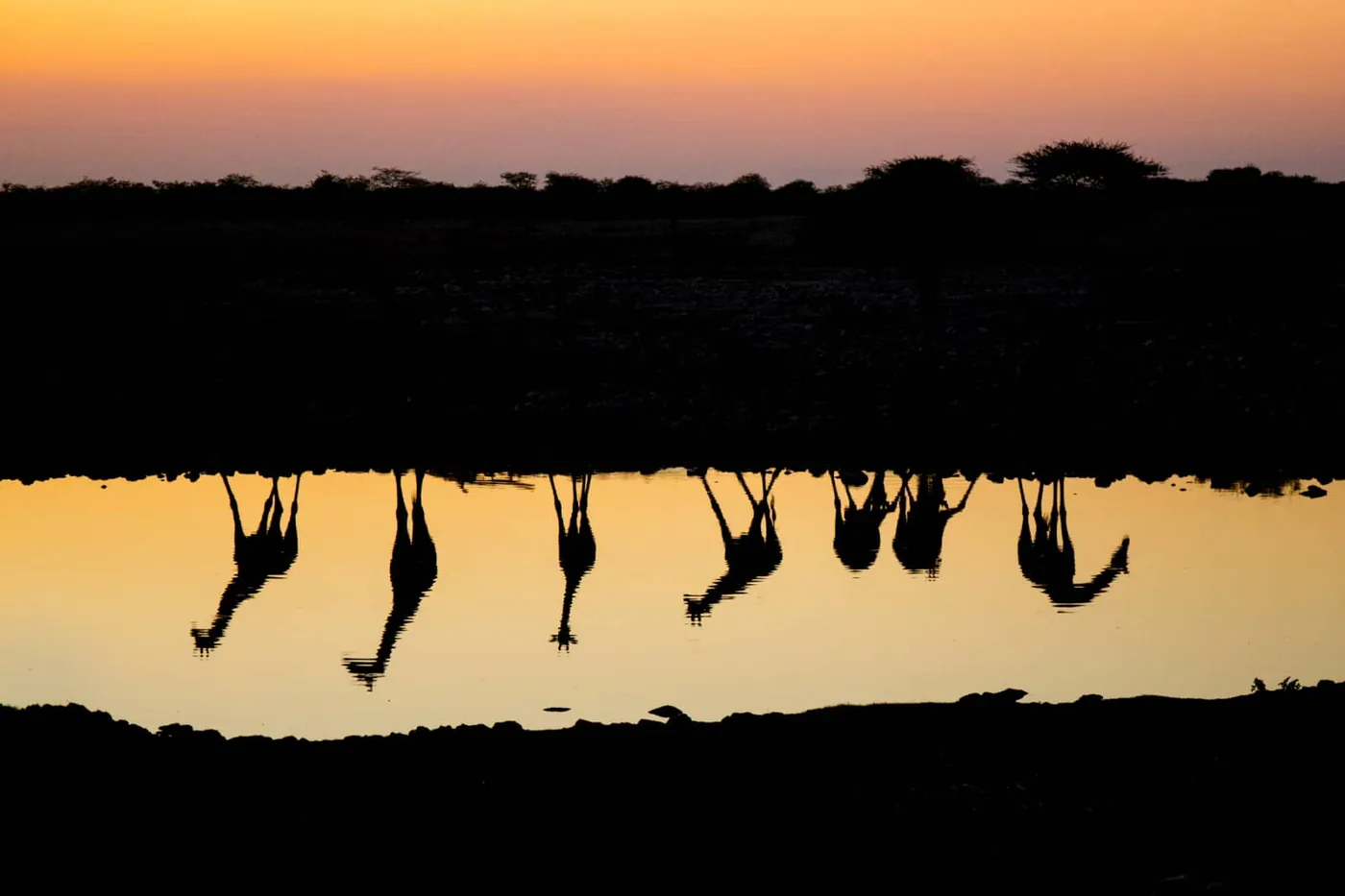
The biggest mistake a photographer can make when working with silhouettes, especially several silhouettes in the same frame, is allowing them to merge. It is crucial to leave enough space between them to preserve the integrity of the individual shapes.
8.
If you have limited time while traveling, I suggest getting up very early—before sunrise—so you can explore without the crowds, traffic or tourists. The morning light is magical, and you will probably have the best locations to yourself.
9.
A misconception about the type of photography I do (wildlife, nature, travel) is that I am always traveling to take photos. That is not the case. I spend the vast majority of my time writing, planning, promoting and marketing. It is truly a business.
10.
Composition involves many decisions that shape an image's design: proportions, underlying shapes, patterns and lines, space, how the eye moves through the photo, and how all of this relates to the frame. I try not to overthink composition when I am in the field. Sometimes I realize that I have broken a rule of photography that most photographers follow, but breaking it only makes the image more unique and gives me immense joy and pleasure.
With thanks to Virtues and Vices in Photography.
See also:
Ten top tips for food photography
Ten top tips for family photography
Ten top tips for fashion photography