A standard zoom usually starts at 24mm. Sigma shifts that starting point to 20mm and gives up some reach at the other end. The new Sigma 20-60mm F2.8-4 DG Contemporary is compact, lightweight and especially interesting for photographers who more often run out of space than telephoto reach.
Four millimetres may not sound like a dramatic difference. At the wide end of a zoom lens, however, it matters more than you might expect. At 20mm, noticeably more of a landscape, room or building fits into the frame than at 24mm.
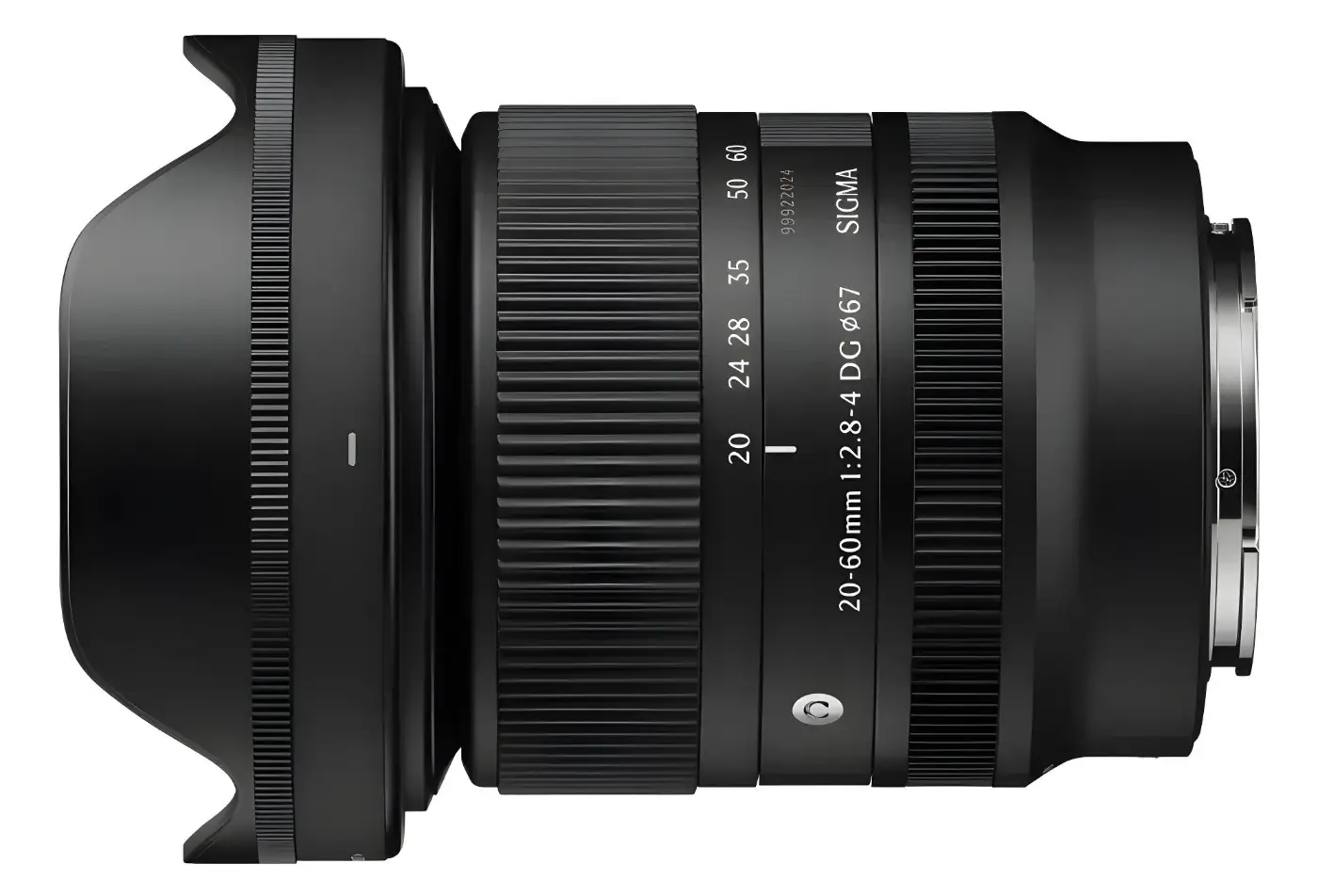
That is what this Sigma is all about. It is not a conventional standard zoom with an unusual number printed on the mount. The lens makes a deliberate choice for a wider angle of view, giving up the familiar reach to 70mm in return.
Why 20mm can be much more practical
On a city break, you cannot always take another three steps backwards. There may be a wall behind you, a tram passing by or simply a canal in the way. Space also runs out eventually in a small hotel room, restaurant or home. In those situations, 20mm can make the difference between a cramped crop and a photograph that allows the surroundings to play a part.
For landscapes, the extra width creates room for a strong foreground and an expansive sky. Architecture and interiors fit more easily into the frame as well, although such a wide angle demands care. Tilt the camera and vertical lines will fly in every direction. Place someone near the edge and they may suddenly end up with an arm that would make a basketball player jealous.
The range is also useful for travel and reportage. At 20mm, you capture the wider setting; at 35, 50 or 60mm, you can bring a detail or person closer. That is sufficient for many everyday subjects. Which zoom range suits you best depends mainly on what you photograph.
Up to 60mm
The extra width comes at the cost of some telephoto reach. While a classic standard zoom usually extends to 70mm, this Sigma stops at 60mm. For Sony users, the Sony FE 20-70mm F4 G is an obvious alternative: it also starts at 20mm, but reaches farther and maintains F4 throughout the zoom range.
The difference is not enormous, but 70mm can be slightly more flattering for portraits. It gives you a little more distance from your subject and slightly stronger compression. Photographers who frequently shoot portraits, events or distant details may miss that longer end.
For travel, interiors and video, however, 20mm will probably prove more useful than those final 10mm. That is precisely the trade-off Sigma makes: less reach at the long end, but considerably more room at the wide end.
F2.8 mainly at 20mm
The F2.8-4 designation deserves some explanation. The maximum aperture is F2.8 at 20mm, but it narrows quickly as you zoom. At around 23mm the lens is already at approximately F3.2, at 29mm it reaches F3.5, and from roughly 47mm onwards it is F4.
This makes the Sigma a clear example of a zoom lens whose maximum aperture becomes smaller as you zoom in.
Do not see it as an affordable alternative to a constant F2.8 zoom. In practice, this is more like a compact F4 standard zoom with a little extra speed at its widest setting.
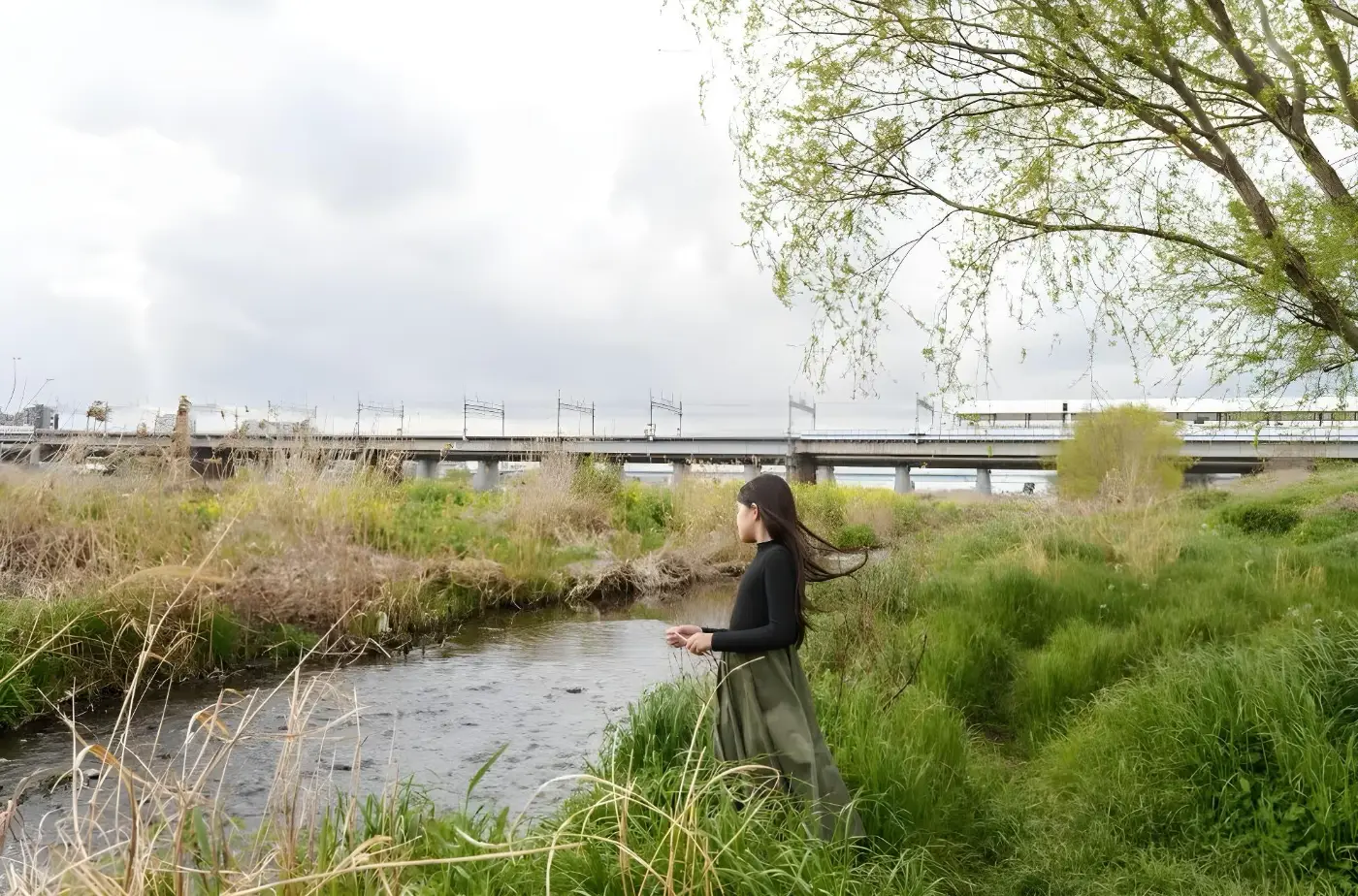
That does not have to be a problem. For landscapes, architecture and interiors, you will often use a smaller aperture to gain more sharpness throughout the frame. For video, you can also set the aperture to F4 so that the exposure does not change while zooming.
Anyone considering this lens specifically for its F2.8 aperture in low light or for shallow depth of field should realise that this value is available almost exclusively at 20mm.
Compact thanks to digital corrections
The Sigma weighs approximately 385 grams and measures around 88 millimetres in its shortest position. That is modest for a full-frame zoom starting at 20mm. It accepts 67mm filters, so a polarising or ND filter does not immediately become oversized either.
The lens does extend while zooming. On a gimbal, this can shift the centre of gravity slightly, although the weight remains low enough for a good stabiliser to handle it.
Sigma also keeps the lens compact by making digital lens corrections part of the design. At 20mm in particular, a considerable amount of barrel distortion needs to be corrected. The camera or RAW software straightens the image digitally.
This has become common with compact mirrorless lenses. It saves glass, weight and space, but it does mean the correction profiles need to be applied properly. With L-Mount, that generally happens automatically. Sony users would be wise to check in-camera lens compensation and use a suitable profile for RAW files.
Surprisingly close to your subject
The 20-60mm is not a macro lens, but it can focus remarkably close. At 28mm, the minimum focusing distance is 15.8 centimetres. At around 35mm, it achieves a maximum magnification of 1:2.3.
This lets you photograph flowers, food, small products and other details at a surprisingly large scale. The short shooting distance also creates opportunities to place a subject prominently in the foreground while retaining plenty of its surroundings.
When travelling, that may often let you leave a separate macro lens in your bag. Filling the frame with a coin, dish or flower is easier than you might expect from a standard zoom.
Still photography and video
The quiet HLA autofocus, limited focus breathing and wide 20mm setting make the lens suitable for video and use on a gimbal. The controls remain simple, with only a zoom ring and a focusing ring.
Not your average standard zoom
The Sigma 20-60mm F2.8-4 DG Contemporary is not trying to be yet another 24-70mm. It trades some reach at the long end for a wide-angle setting that can make an immediate difference for travel, architecture, interiors and video.
There are clear compromises. The maximum aperture narrows quickly, digital distortion correction is important, and 60mm is less generous for portraits than 70mm. In return, however, you get a compact zoom that can stay on the camera more often when space is limited.
Those who mainly shoot portraits or need a constant F2.8 would be better off looking elsewhere. Anyone who regularly finds themselves backed against a wall at 24mm will probably understand immediately why Sigma starts at 20.
The Sigma 20-60mm F2.8-4 DG Contemporary will be available for Sony E-mount and L-Mount from 6 October 2026. The recommended retail price is €849.