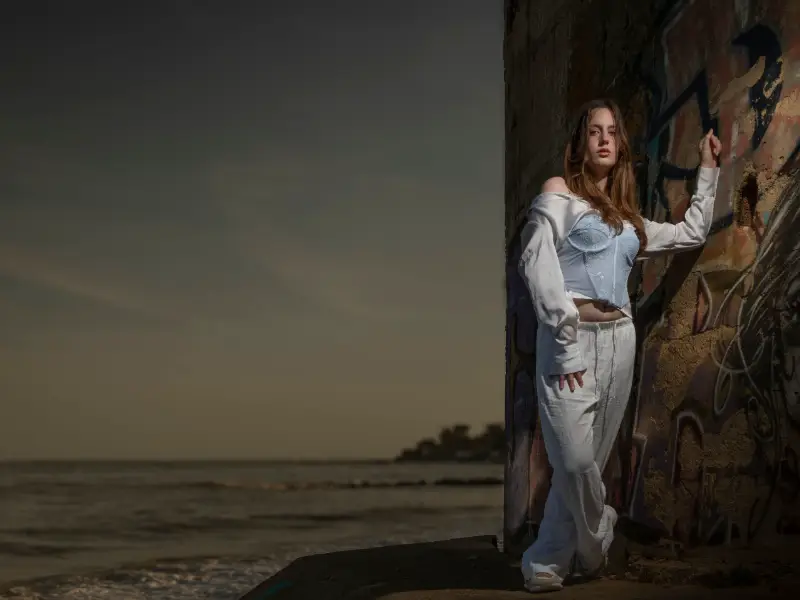
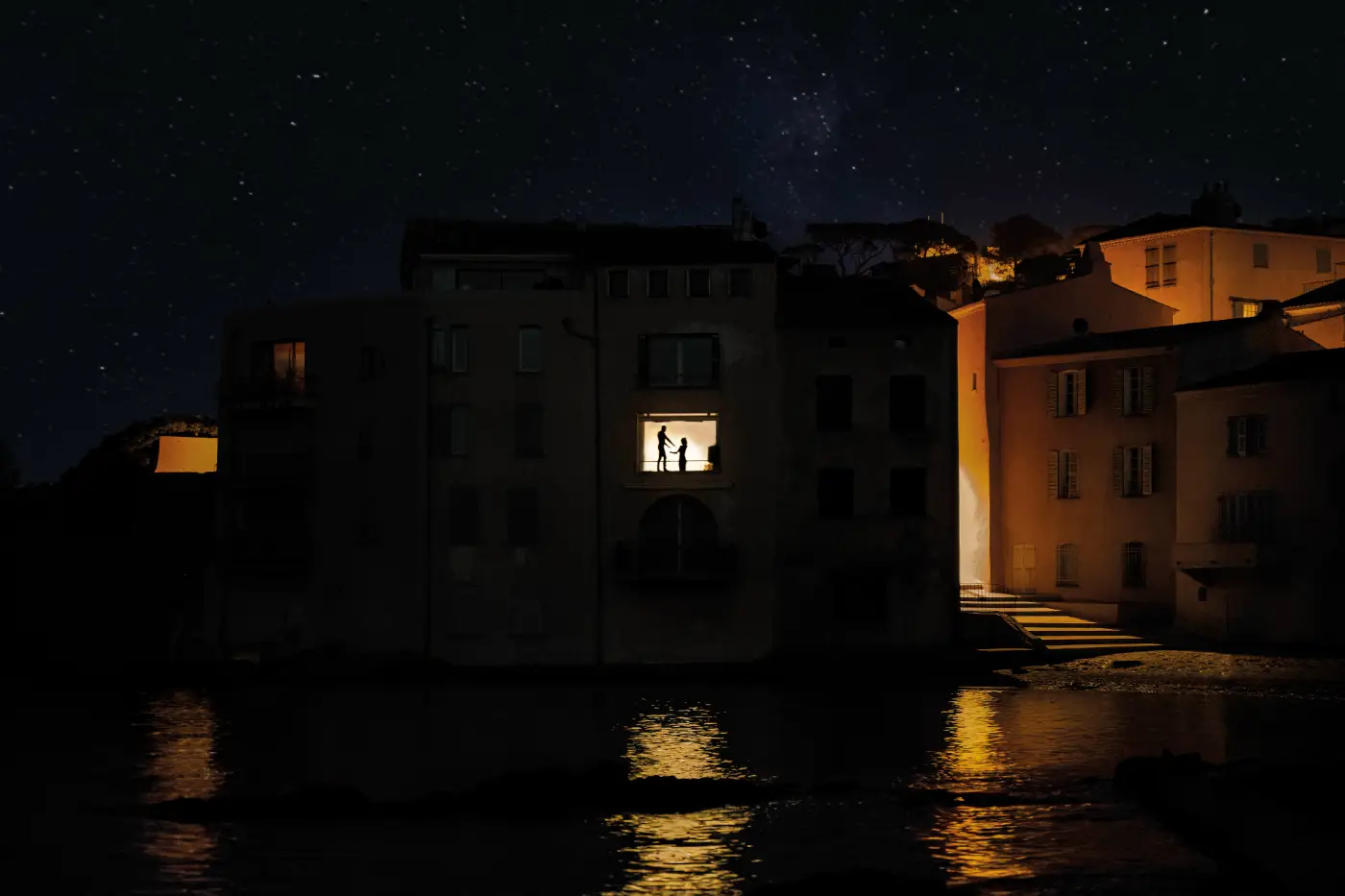
Some photographs capture a moment. Others feel like a still from a film whose beginning and ending we never get to see. In Elsebound: Photographs from the Quiet Hours, French photographer Nicolas Rachline brings together images that evoke precisely that feeling. Deserted streets, solitary figures, reflections, and deep shadows form an enigmatic world in which something always seems about to happen.
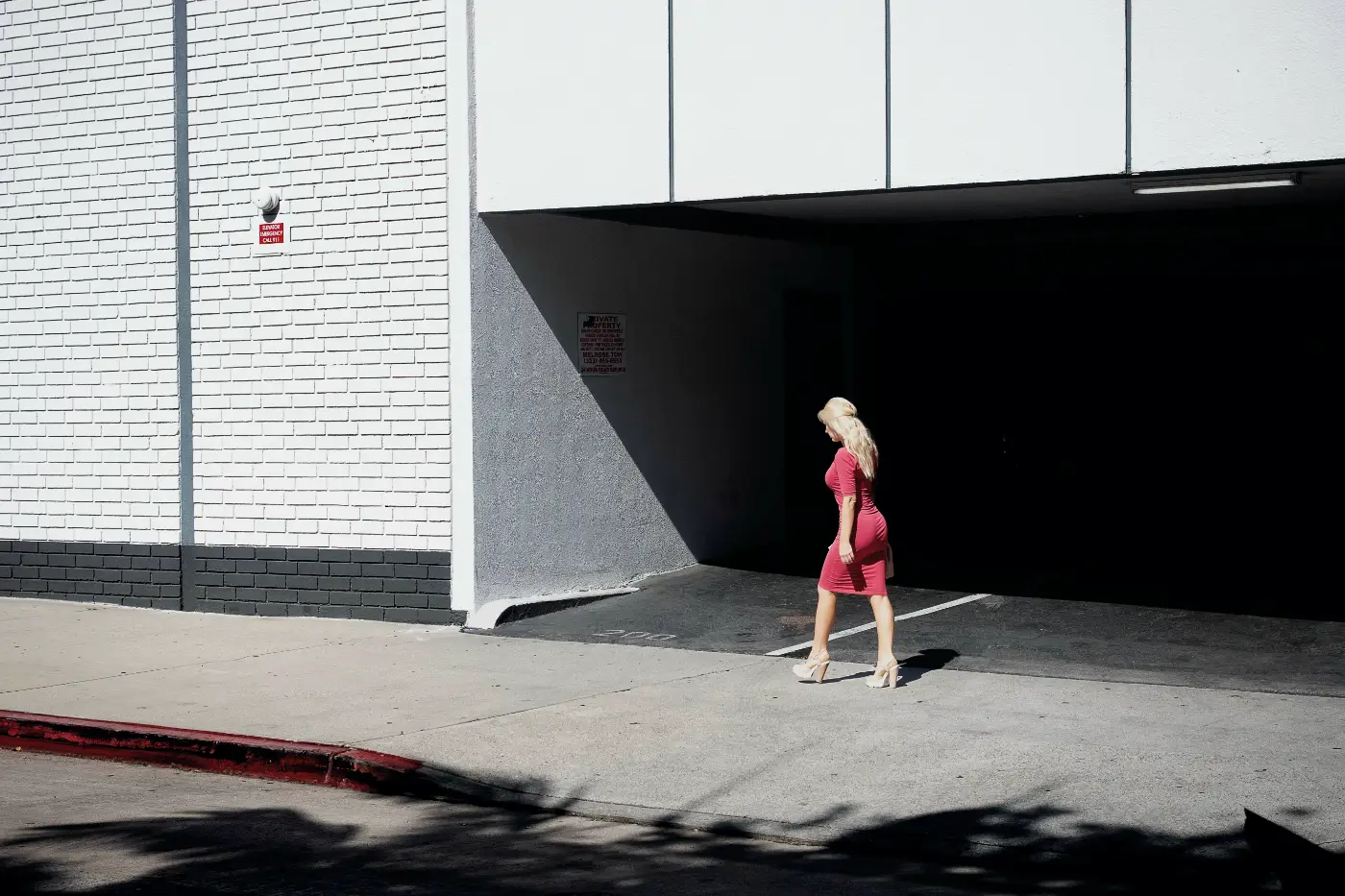
The photographs take us through cities such as Paris and New York, but Rachline does not use these locations to create recognizable city portraits. In his work, streets and buildings become sets. A pale patch of light can draw a person out of the darkness, while a shop window or pane of glass creates distance. Reality remains visible yet simultaneously becomes elusive.
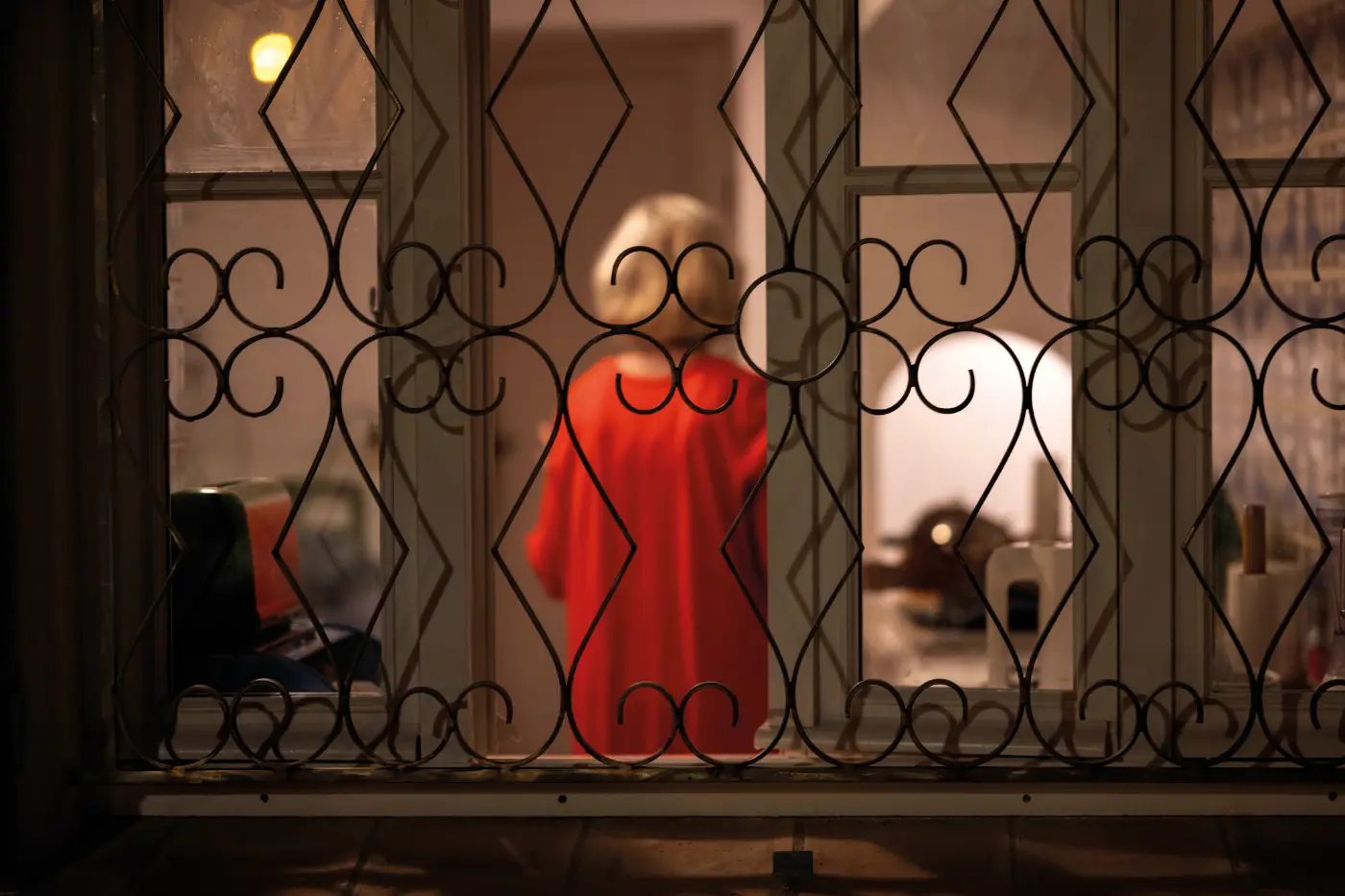
His photography thus echoes the atmosphere of classic film noir. Rachline cites films by directors such as Fritz Lang, Billy Wilder, and John Huston as major sources of inspiration. Above all, Sunset Boulevard, with its stark lighting, damaged characters, and ominous silences, shaped the way he sees.
Photographers such as Brassaï, Eugène Atget, Saul Leiter, and Philip-Lorca diCorcia can also be recognized as influences on his work. He shares their fascination with the city once its ordinary rhythms have faded. From Edward Hopper, he seems to have taken above all a sense of quiet tension: people are physically close, yet each appears confined to a world of their own.
Belgian Surrealist painter Paul Delvaux is another source of inspiration. Like Delvaux, Rachline places his figures in worlds that look familiar but retain something mysterious and unreal.
Each photograph feels like a fragment of a story that continues just beyond the frame. We also see this fusion of photography and film in the work of Gregory Crewdson, although Crewdson constructs his scenes far more deliberately.
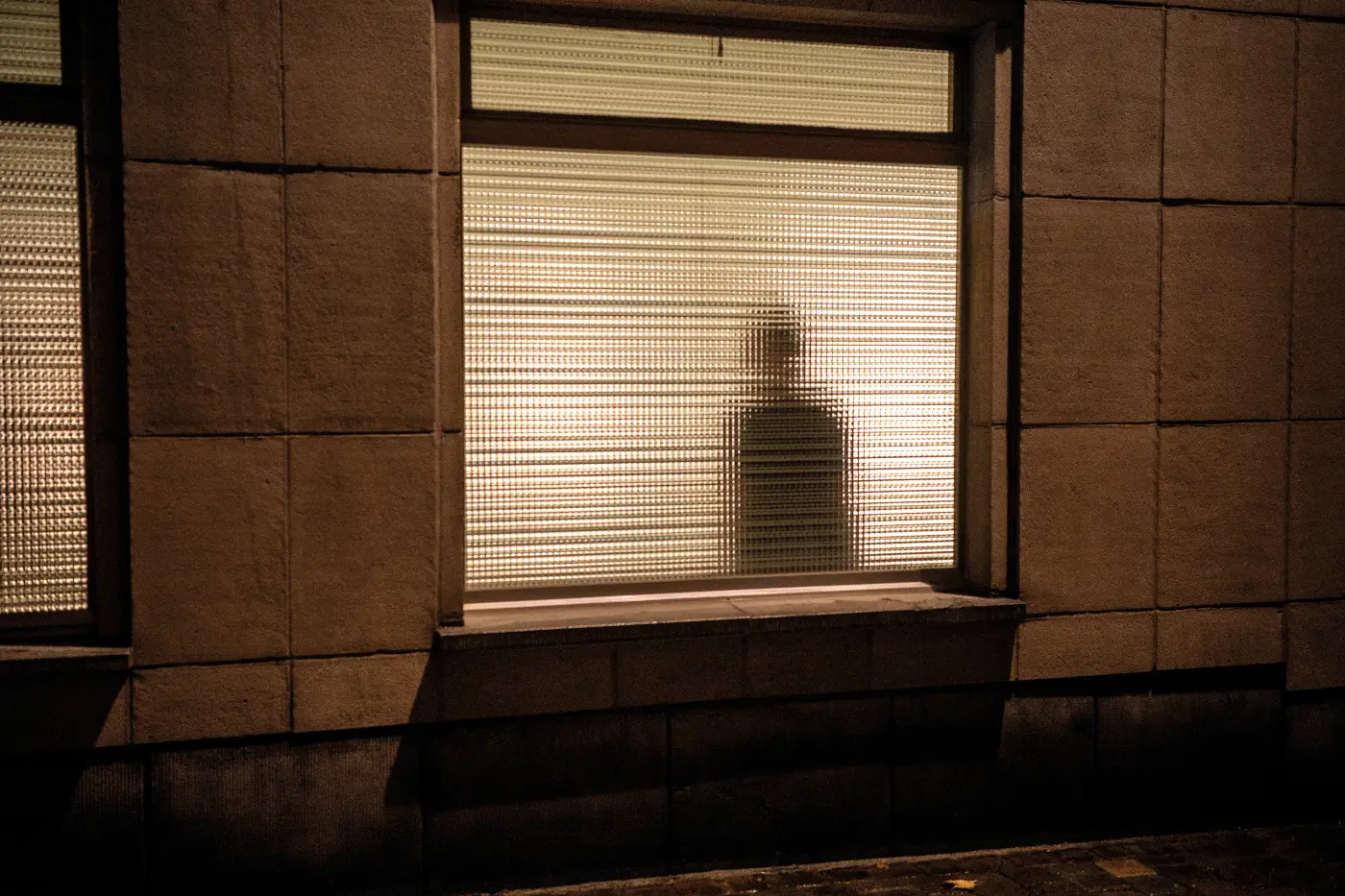
Yet Elsebound is no exercise in nostalgic style. The photographs are emphatically about contemporary life. Rachline depicts a society in which people are in transit, waiting, or briefly seem to disappear from their surroundings. His figures are often anonymous and sometimes little more than silhouettes. That is precisely what allows them to carry so many different stories.
A woman crosses a street and evokes a memory. A solitary sailboat nearly vanishes into the mist. A seaplane floats above the Manhattan skyline. Elsewhere, someone stands at an intersection, caught between light and shadow. Rachline offers no explanation and imposes no clear sequence. Viewers must find their own connections between these disparate scenes.
A Personal Quest
Beneath the cinematic surface lies a deeply autobiographical story. Rachline lost his mother in a car accident when he was eight years old. In the accompanying text, he explains how the event left him with a lasting sense of uncertainty. While photographing, he seems to search for traces of her—in a crowd, a café, a street corner, or a landscape that feels both familiar and strange.
That personal loss explains why many images hover between presence and absence. Rachline photographs not only what is in front of his camera, but also what is no longer there. His photographs are suffused with melancholy, but never become entirely bleak. Even in the darkness, there is almost always an opening toward light, beauty, or hope.
Graydon Carter and Nathan King, who wrote the foreword, describe him as especially sensitive to atmosphere. That is probably the most apt description of his work. Its power lies not only in the people and places shown, but above all in the air surrounding them: silence, anticipation, and the sense that time has temporarily come to a standstill.
From Media to Photography
Rachline was born in France and now lives in Belgium. Before devoting himself fully to photography, he worked in film, television, advertising, and publishing. Among other things, he produced music videos and in 1986 co-founded one of France's first commercial music television channels, modeled on MTV.
In 2008, he took over the fashion magazine Above and transformed it into a high-end publication on the environment and sustainability. After the magazine ceased publication in 2013, photography increasingly became his primary focus. Elsebound is the first monograph devoted entirely to his photographic work.
The generous 23.6 × 33-centimeter format gives the dark, layered images ample room. Across 224 pages, the book presents not a traditional narrative but a journey through memories, cities, and imagined landscapes. It is a book for admirers of cinematic street photography, urban solitude, and images that do not immediately reveal all their secrets.
Rachline is the grandson of Marcel Bleustein-Blanchet, founder of the French advertising group Publicis. He, too, spent much of his career in advertising, media, and entertainment.
Around the book's publication, Rachline's work will also be featured in a solo exhibition at Oana Ivan Gallery in Paris, opening in November 2026.
Elsebound: Photographs from the Quiet Hours - Nicolas Rachline, foreword by Graydon Carter and Nathan King
Pages: 224
Price: €55.99
Publisher: Rizzoli New York
Publication date: September 22, 2026
Language: English