The new Insta360 X6 is more than a 360° video camera. With two larger sensors, 8K video, and photos up to 120 megapixels, it is also more compelling for photographers—especially because with a 360° recording, you can wait until afterward to decide where you actually wanted to look.
With a conventional camera, you choose your framing first and then press the shutter. With a 360° camera, it can work exactly the other way around. The Insta360 X6 captures everything around the camera, allowing you to select an image from the recording later. That can be very useful for action, travel, and situations in which things are happening everywhere at once.
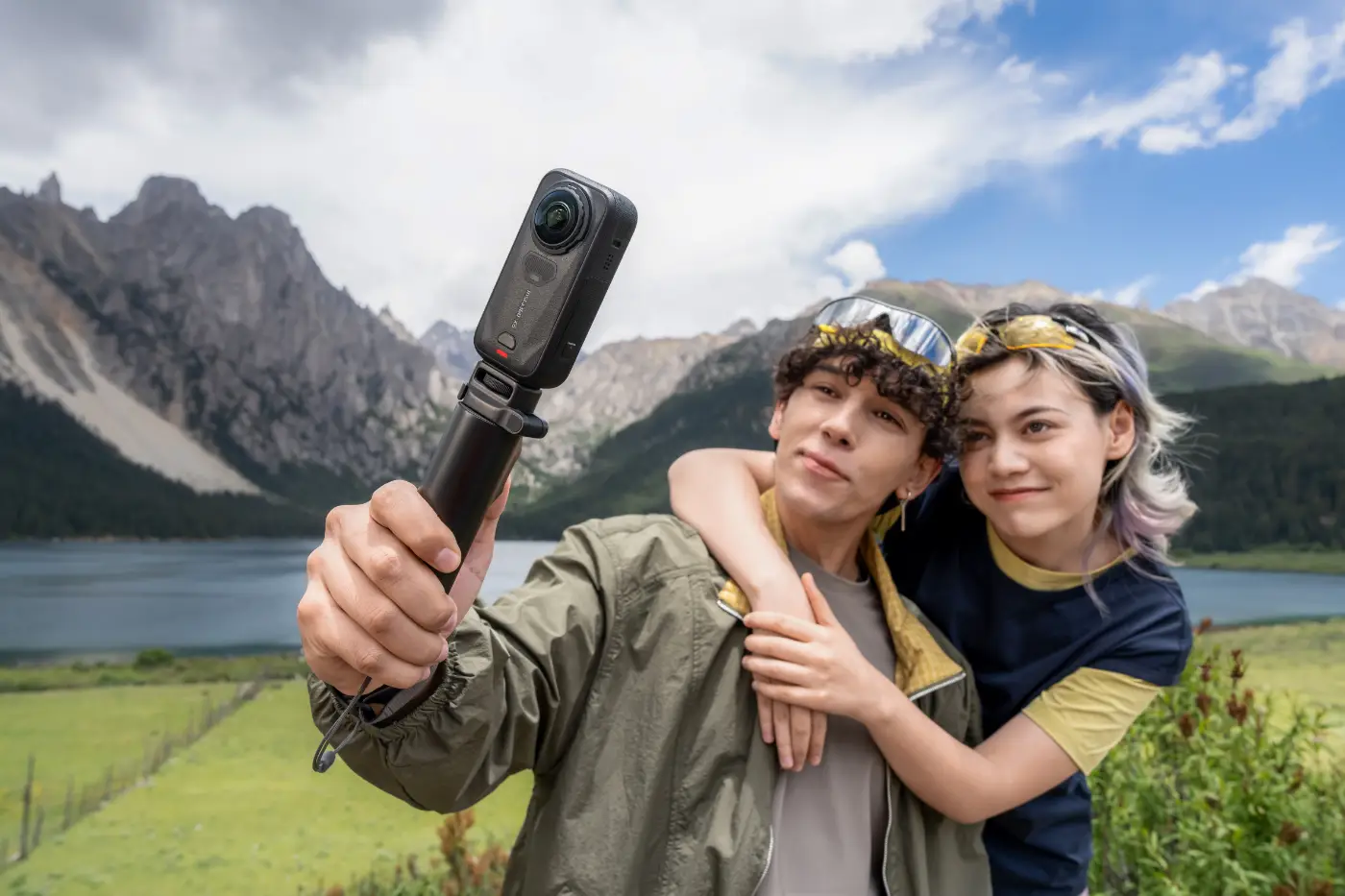
The X6 is Insta360’s latest 360° camera and succeeds the X5. The biggest upgrade is inside: two 1/1.1-inch sensors combined with a new Triple AI Chip system. The camera can also record 360° video at up to 8K and 50 frames per second.
Record First, Choose Your Viewpoint Later
The defining feature of a 360° camera is that you do not have to worry nearly as much about precise framing while recording. Together, the two lenses capture almost the entire environment.
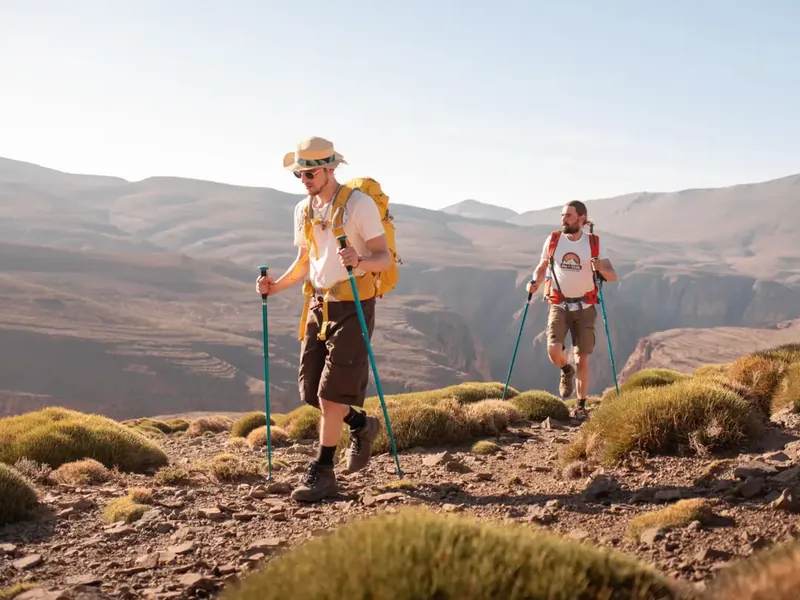
During editing, you decide whether to look forward, backward, or to the side, for example. You can therefore create different camera movements and crops from the same recording. This is especially useful for action. Mount the camera on a bicycle, ski helmet, or hiking pole, and you do not have to keep checking whether your subject is still properly framed.
If you do not need all of that, you can also use the X6 as a conventional action camera. In Flat Mode, it records with one lens at up to 5K 60 fps. In that case, you choose the framing in advance and get a standard video immediately.
With InstaFrame 2.0, Insta360 takes an approach somewhere in between: the camera can create a flat video that is ready to use right away while simultaneously saving the full 360° recording. If you later discover that something far more interesting happened beside you, you can still turn the view toward it.
Can You Use It for Serious Photography, Too?
Absolutely. That aspect is precisely what makes the X6 more interesting for photographers than you might initially expect. In 360° mode, the camera takes photos of up to 120 megapixels, with a resolution of 15,520 × 7,760 pixels. That sounds enormous, but remember that those pixels are distributed across the entire panorama. A standard crop from a 360° photo therefore contains considerably fewer pixels.
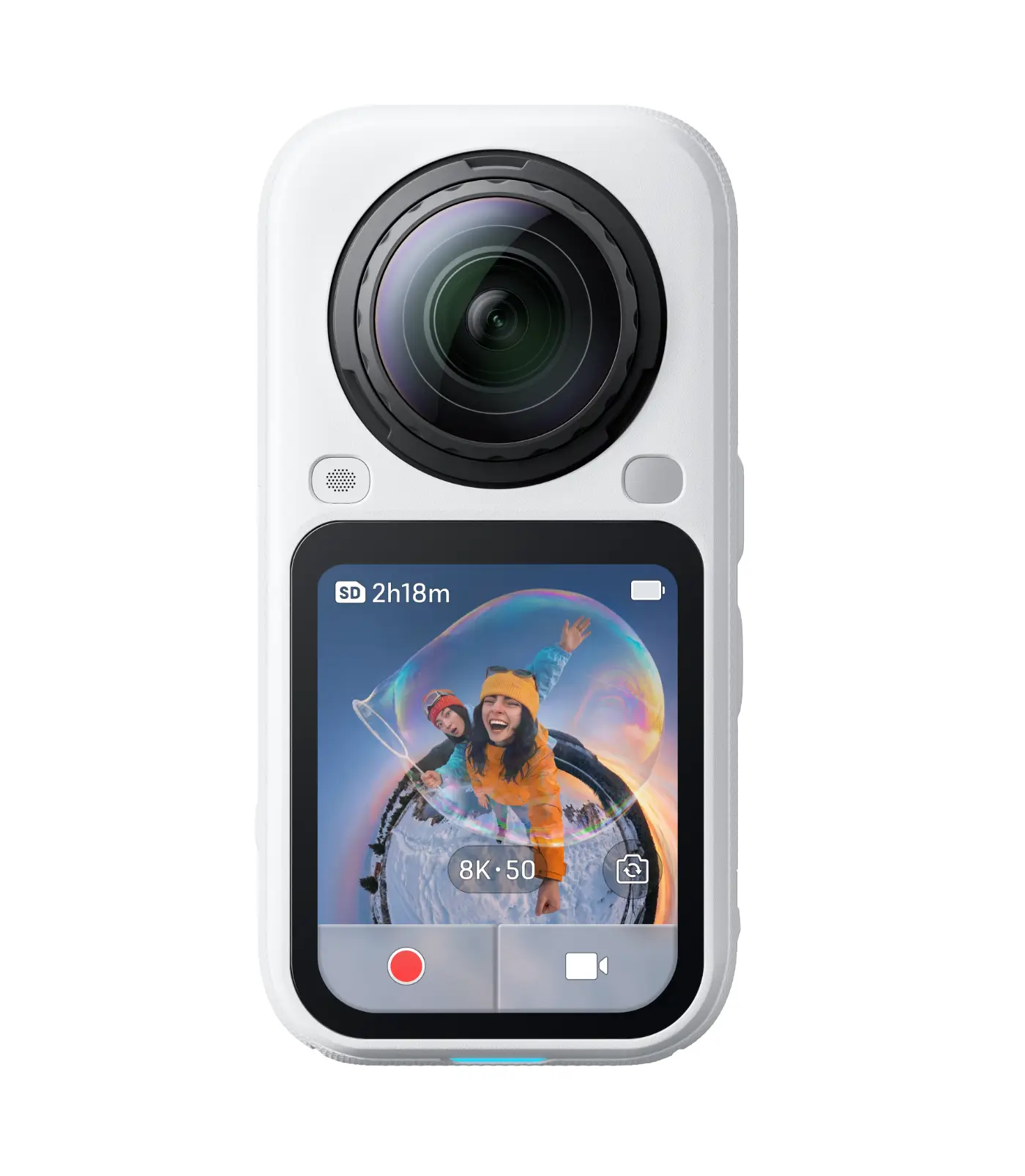
Even so, it offers interesting possibilities. During a walk, event, or trip, for example, you can photograph an entire environment and decide only later which composition to extract. You can also create interactive panoramas and so-called tiny-planet images.
When using one lens, photos of up to 42 megapixels are possible. This also lets you use the X6 as a compact wide-angle camera. Do not expect the same image quality, depth-of-field control, or lens selection as a mirrorless camera. Its strengths are the enormous field of view, compact size, and ability to create images that would be difficult or impossible with a conventional camera.
Larger Sensors
The two 1/1.1-inch sensors are larger than those in the previous model. This should help primarily in less favorable lighting conditions.
A larger sensor can collect more light under comparable conditions. Insta360 also combines the sensors with its PureVideo technology, which uses noise reduction and image processing for low-light footage.
This does not suddenly turn a 360° camera into a night camera, but it is a meaningful improvement. Small action cameras have traditionally struggled once daylight fades.
8K Sounds Enormous, but It Is Genuinely Useful Here
With conventional video, you might wonder how many people actually need 8K. A 360° camera is different because that 8K resolution is spread across the entire view around the camera. As soon as you extract a standard 16:9 crop, you are using only some of the available pixels. A high source resolution is therefore much more important for 360° video than for a conventional camera.
The X6 records at up to 8K 50 fps. For higher frame rates, you can lower the resolution. In 360° mode, available options include 4K 100 fps, while one lens supports 4K 120 fps. Bullet Time supports up to 4K 240 fps.
Compact, Waterproof, and Equipped with Internal Storage
Despite the larger sensors, the X6 remains compact. The camera is about 10 centimeters tall and 5 centimeters wide and weighs around 195 grams.
Built-in storage is new for the X series. The camera has 64 GB, about 47 GB of which is available for recordings. You can also use a microSD card for longer recording sessions.
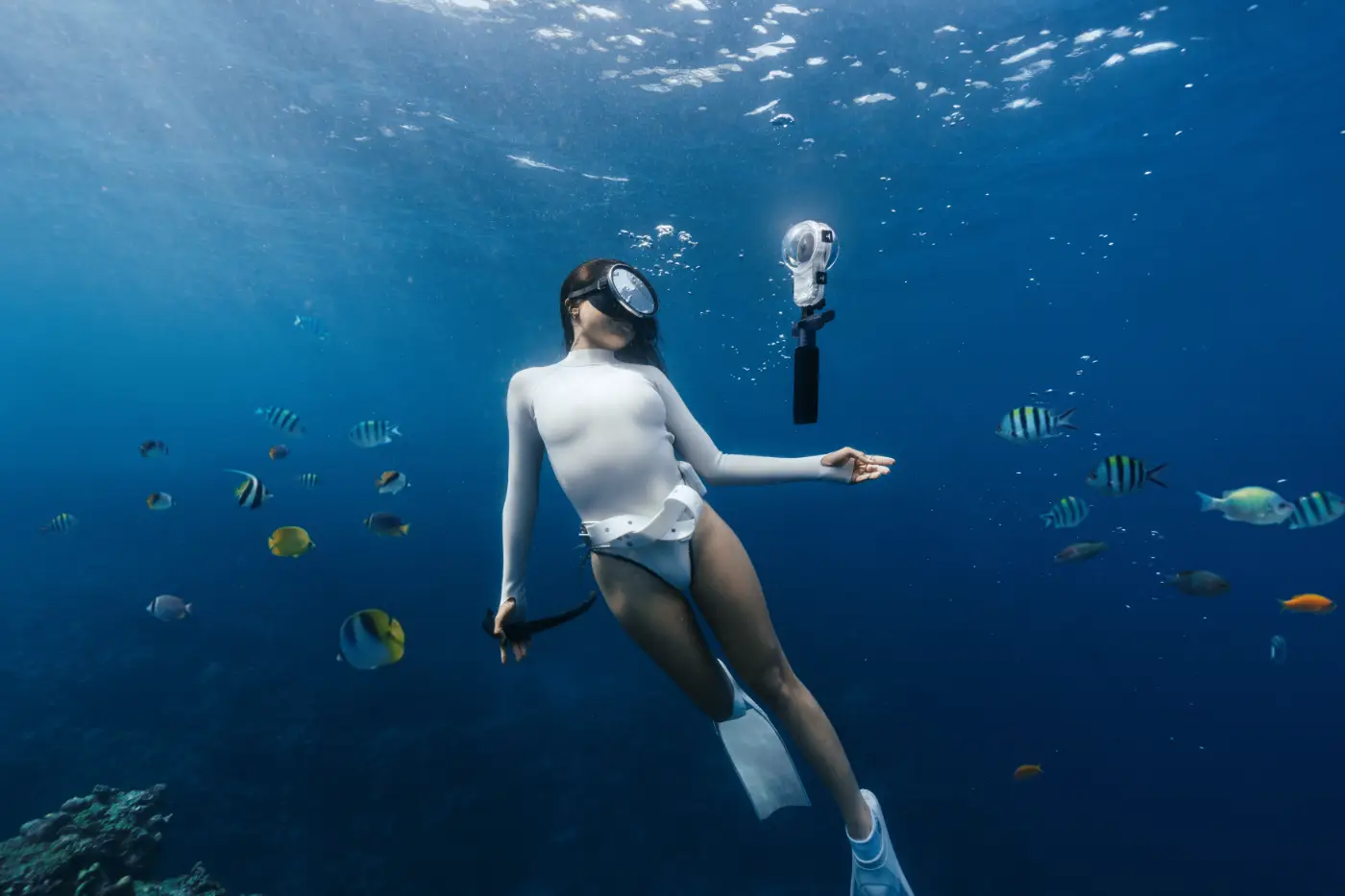
Also useful for action and travel photography: the camera is waterproof to 20 meters without an additional housing. The protruding fisheye lenses remain vulnerable components, of course, but they are user-replaceable.
Who Is the Insta360 X6 For?
The X6 is primarily a camera for people who want to do something that is difficult with a conventional camera. Think mountain biking, winter sports, motorcycling, hiking, travel, water sports, or simply placing a camera somewhere you cannot remain behind the viewfinder.
A mirrorless camera is far more versatile for traditional photography. But a 360° camera can be surprisingly fun as a complement. The idea of capturing the entire environment first and choosing your composition later calls for a completely different approach to photography.
And perhaps that is ultimately the most interesting thing about cameras like this—not the 120 megapixels or 8K by themselves, but the fact that the decisive moment no longer necessarily coincides with the moment you choose the frame.
Price and Availability
The Insta360 X6 is available in black and white. The Standard Bundle has a suggested retail price of €699. It includes the camera, a USB-C cable, a protective case, and a lens cloth.
The Essentials Bundle costs €799 and adds an extra battery and Invisible Selfie Stick, among other items. An €849 Motorcycle Bundle with accessories for use on a motorcycle will also be available.