In Birmingham, the streetscape can change within just a few hundred metres. Old factory buildings give way to modern squares, and a quiet quayside lies behind a shopping street. For photographers, that variety is precisely the attraction: brick beside glass, clean-lined facades above moving water, and people going about their daily lives.
Exploring Birmingham with a camera
If you are planning a short city break with flights to Birmingham with KLM, you can build a few walks around different photographic subjects. Set aside a morning for facades and details, for example, and save the canals for the evening light. Leave room along the way to linger when the light falls just right.
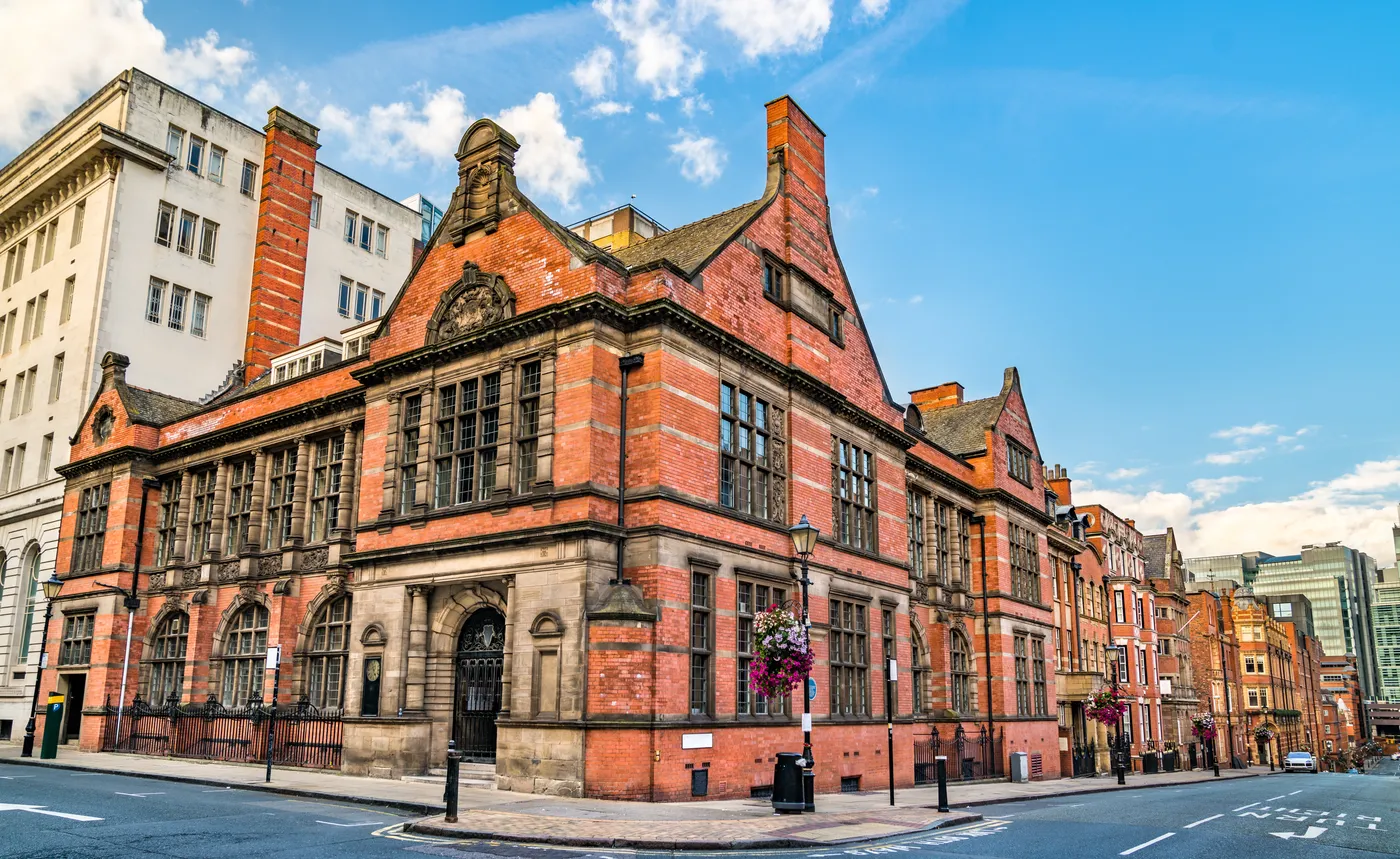
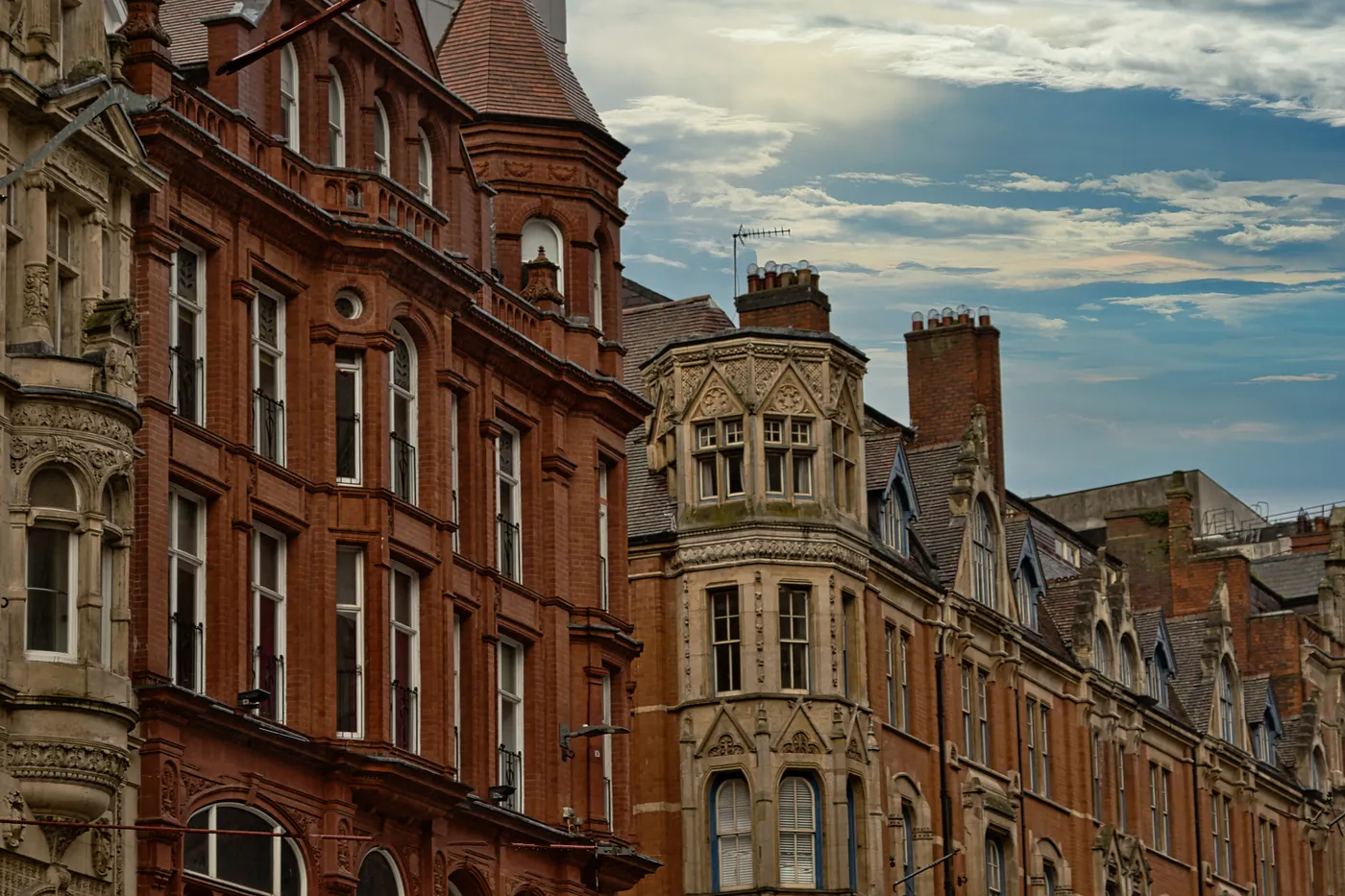
In the Jewellery Quarter, northwest of the city centre, workshops and old commercial buildings tell the story of the jewellery industry. That history also lives in smaller things: weathered lettering on a facade, a door with peeling paint, or tools behind a window.
Alternate wider views with these details. A street scene shows where you are; a close-up gives your series character. Side lighting brings out the texture of brickwork and raised lettering on a facade. On an overcast day, you can concentrate on colour and shape without harsh shadows.
The light changes along the water
Around Gas Street Basin, narrowboats line the quayside and former warehouses stand beside the water. Newer buildings appear between and behind them. From a bridge, you can bring these different layers together, while a lower position on the quayside brings you closer to the boats and their reflections.
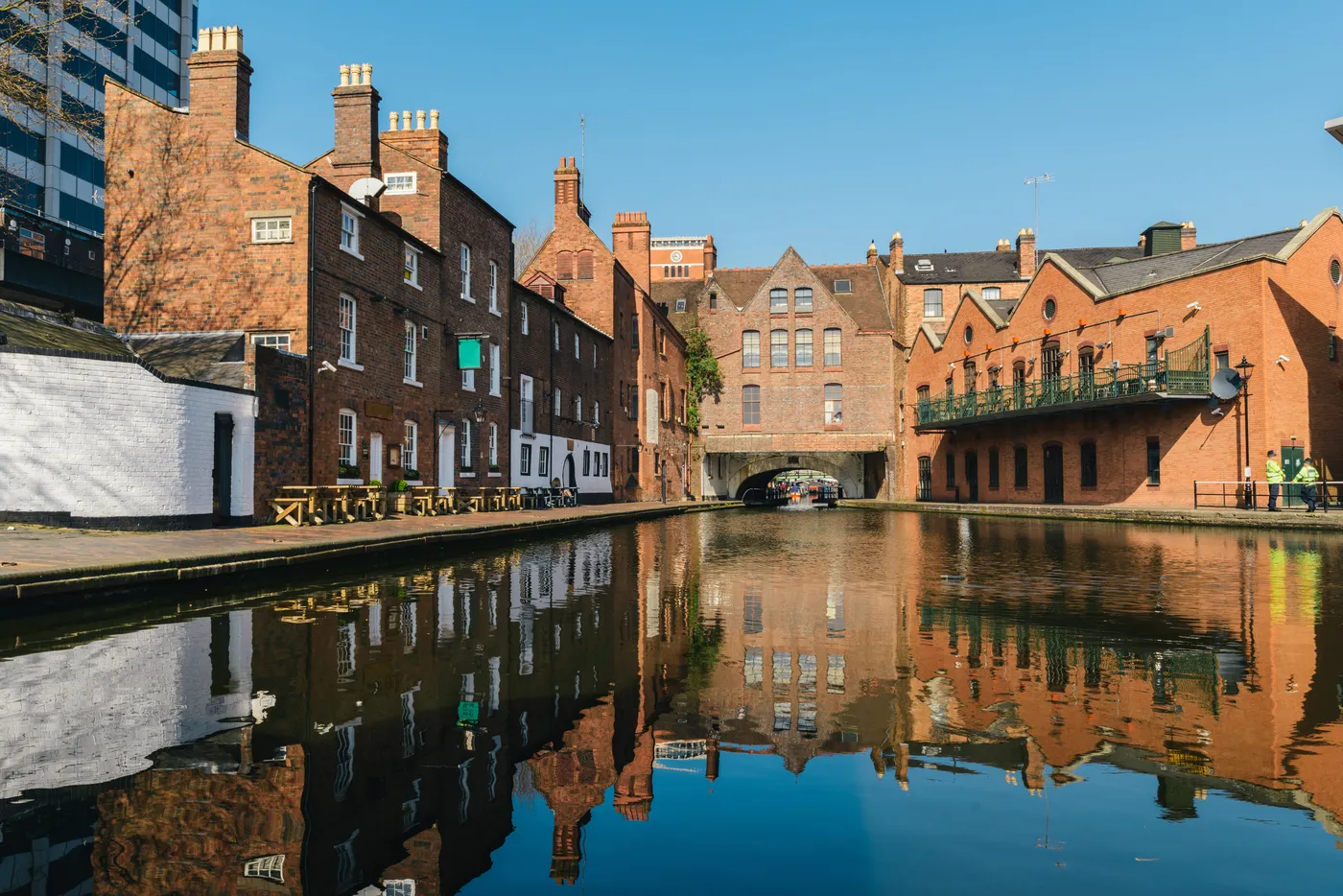
Do not immediately choose the widest angle of view. A slightly tighter composition can connect a bow, a facade and their reflections. Watch the edges of your frame too: half a boat or a conspicuous sign can unintentionally draw attention away.
When there is little wind, reflections can become almost as clear as the buildings themselves. A passing boat breaks that image into rippling lines. Both can be interesting, but they call for different timing. Stay for a moment before moving on.
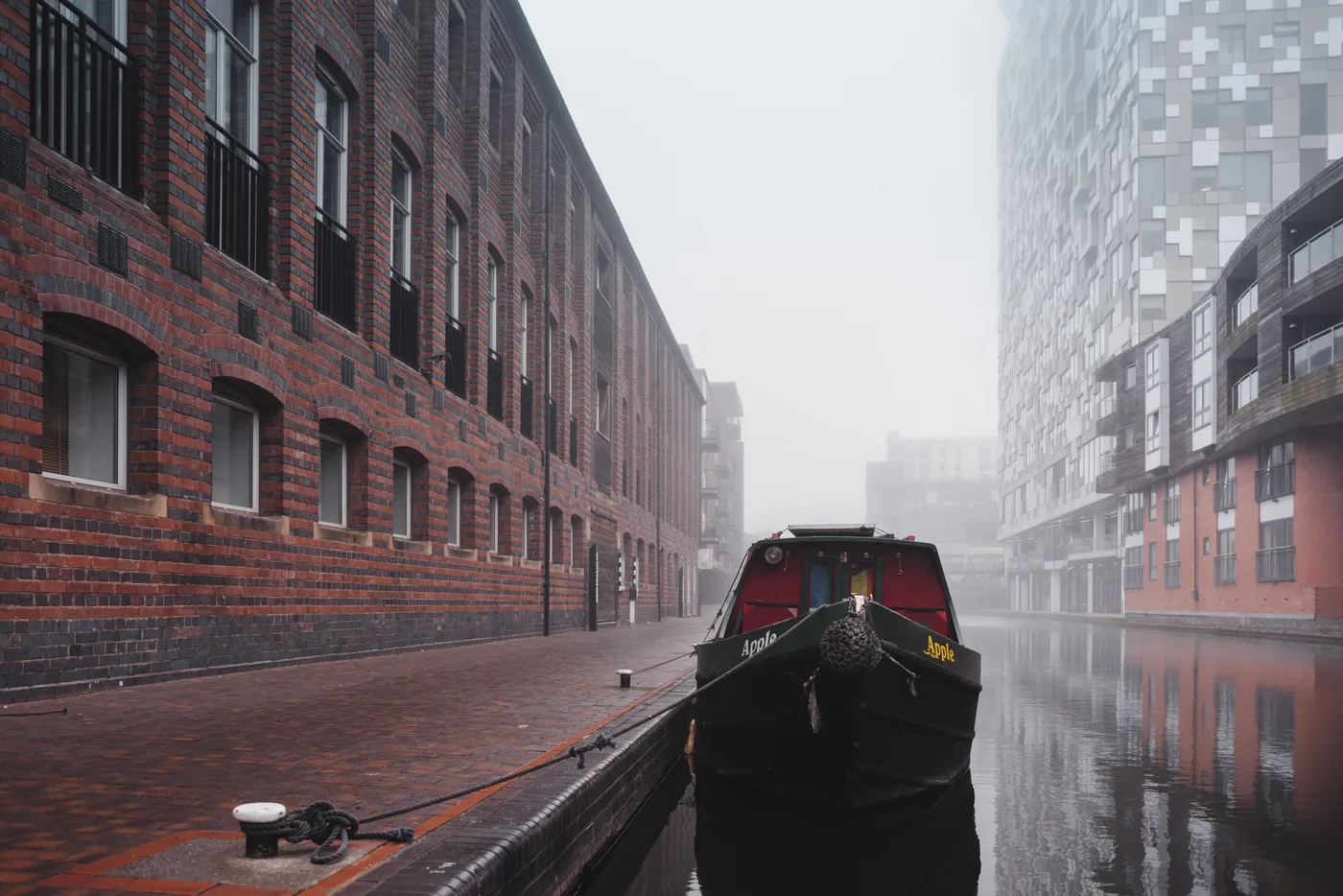
After rain, the quaysides take on a dark sheen. At dusk, windows and streetlights add small points of light. For stationary buildings, you can use a slower shutter speed; to keep passers-by sharp, you will need a faster shutter speed and possibly a higher ISO setting.
Architecture: the whole and the detail
With its circular facade elements, the Library of Birmingham on Centenary Square offers plenty of opportunities for graphic photographs. Up close, the patterns dominate the frame. Move further away and you can include the square and its people, giving a sense of the building’s scale.
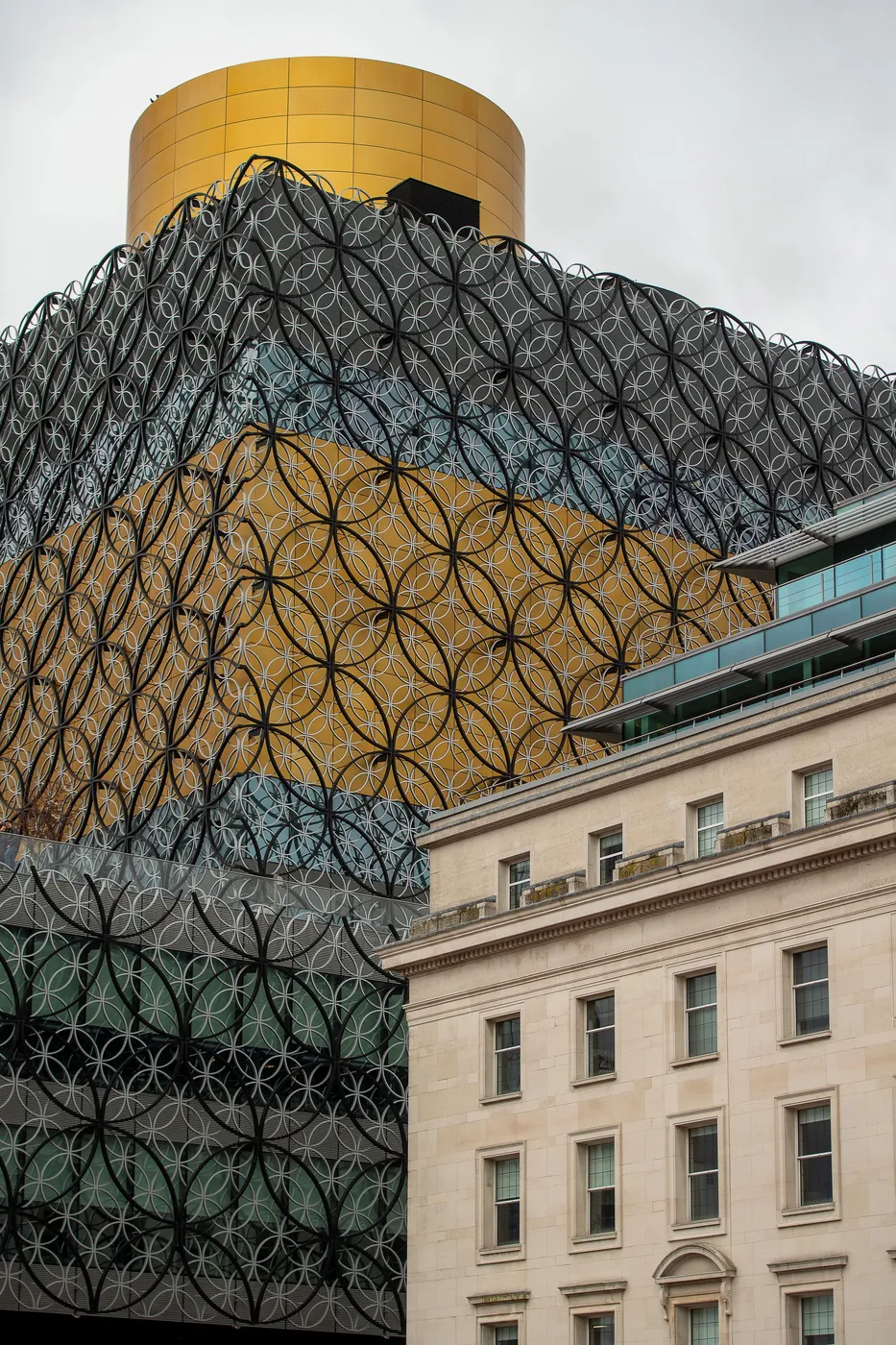
Tilt the camera upwards and vertical lines will appear to converge. This can emphasise height. If you want to straighten the facade later, leave some extra space around it when shooting: perspective correction usually costs you part of the image around the edges.
You do not always need to include an entire building. Repeated windows, the shadow of a section of facade, or the transition from brick to glass can form a composition in their own right. In minimalist colour photography, these shapes and blocks of colour have room to breathe. Walk a few metres to the side and look again. Reflections in glass, in particular, change considerably with your viewpoint.

Let the city move too
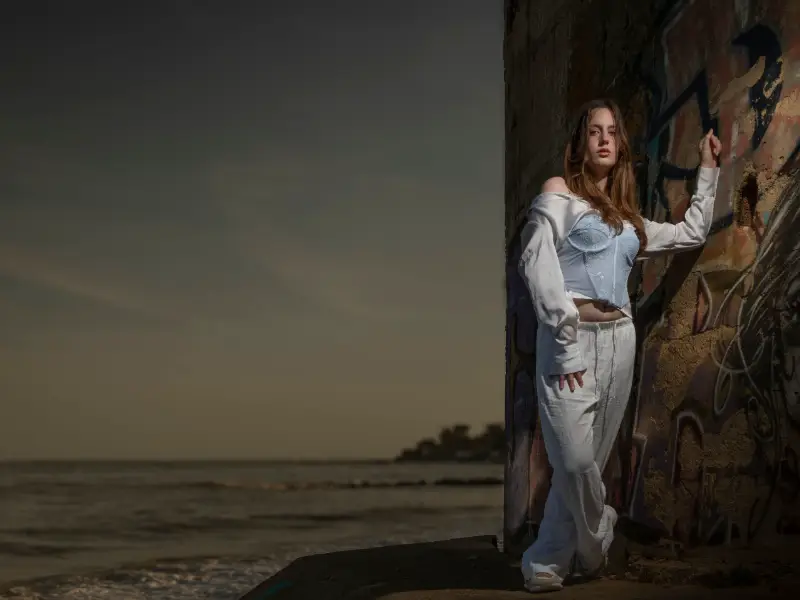
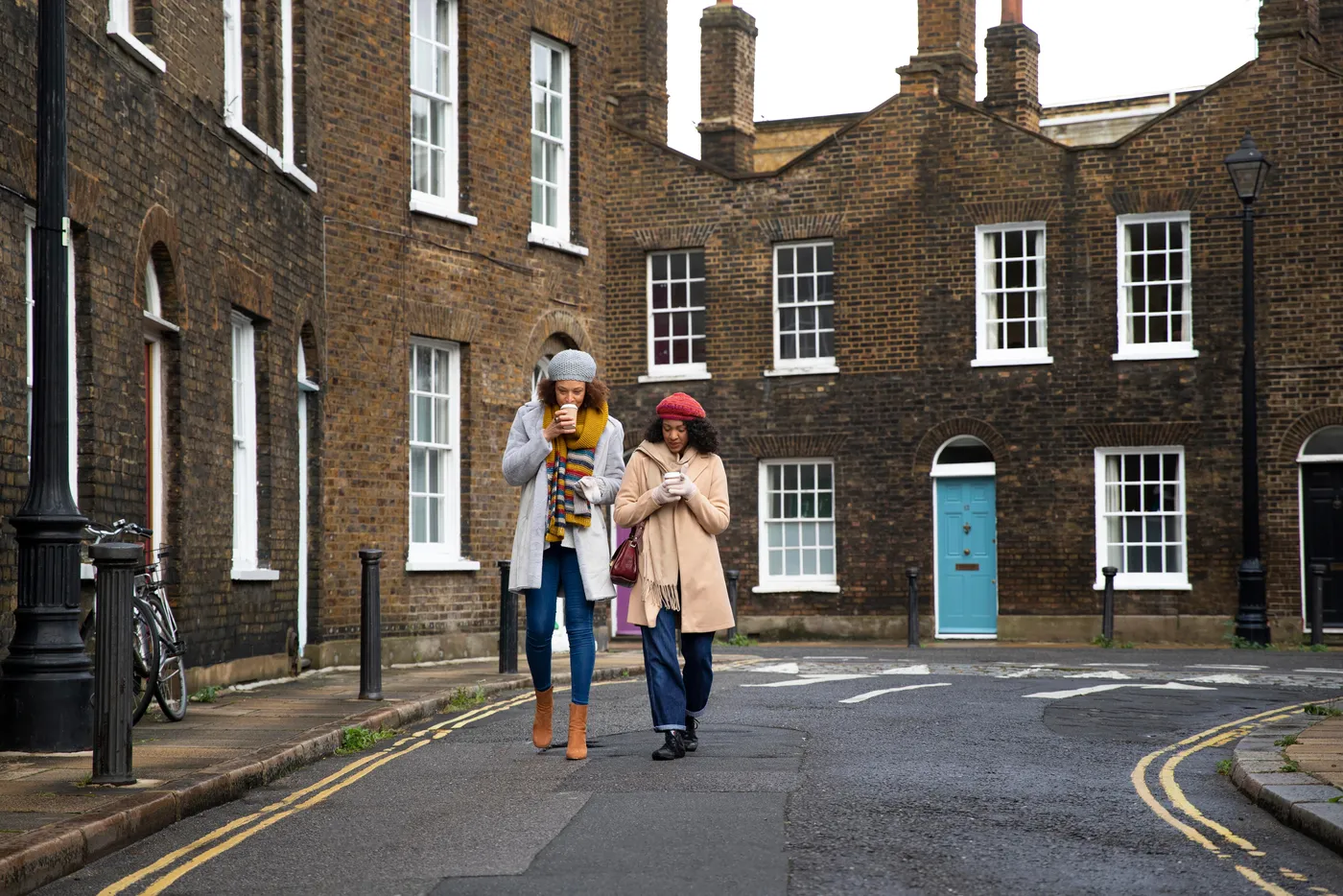
People play an important role among all these buildings. A cyclist passing an old facade or someone stepping into a strip of sunlight can bring a street scene together.
It helps to choose a background first and then wait. You can watch for the moment when someone separates visually from a door frame, a shadow or another passer-by. You do not have to keep chasing a situation; sometimes the photograph comes about precisely because you stay in one place.
Carry less, look a little longer
A camera body with a compact standard zoom or a prime lens is a practical starting point for this kind of walk. A zoom lets you switch quickly between a street scene and a detail on a facade. A prime lens encourages you to choose your viewpoint more deliberately.
Birmingham does not have to become a checklist of photography spots. Walking a short route at two different times can offer more variety than spending the whole day moving on. The buildings stay put, but light, reflections and passers-by make a different photograph each time.