When shooting on a clear day, the sun can be both your best friend and your worst enemy. The enormous amount of light can be beneficial if it comes from the right direction, but it can also cause unevenly lit or sometimes completely dark photos.
What should you keep in mind when taking photos on a perfectly sunny day? If you do it right, the sun will always be your friend.
1. Beware of overexposure
You put on sunscreen because you know your bare skin will burn in the midday sun. The situation with a camera is similar. During the summer months the sun can be very bright, especially around noon. Therefore, pay close attention to overexposure. If possible, choose a low ISO value and then adjust the shutter speed and aperture to suit the photo you want to create. On a very bright day, shutter speeds of 1/1000 s or faster are not unusual at all.
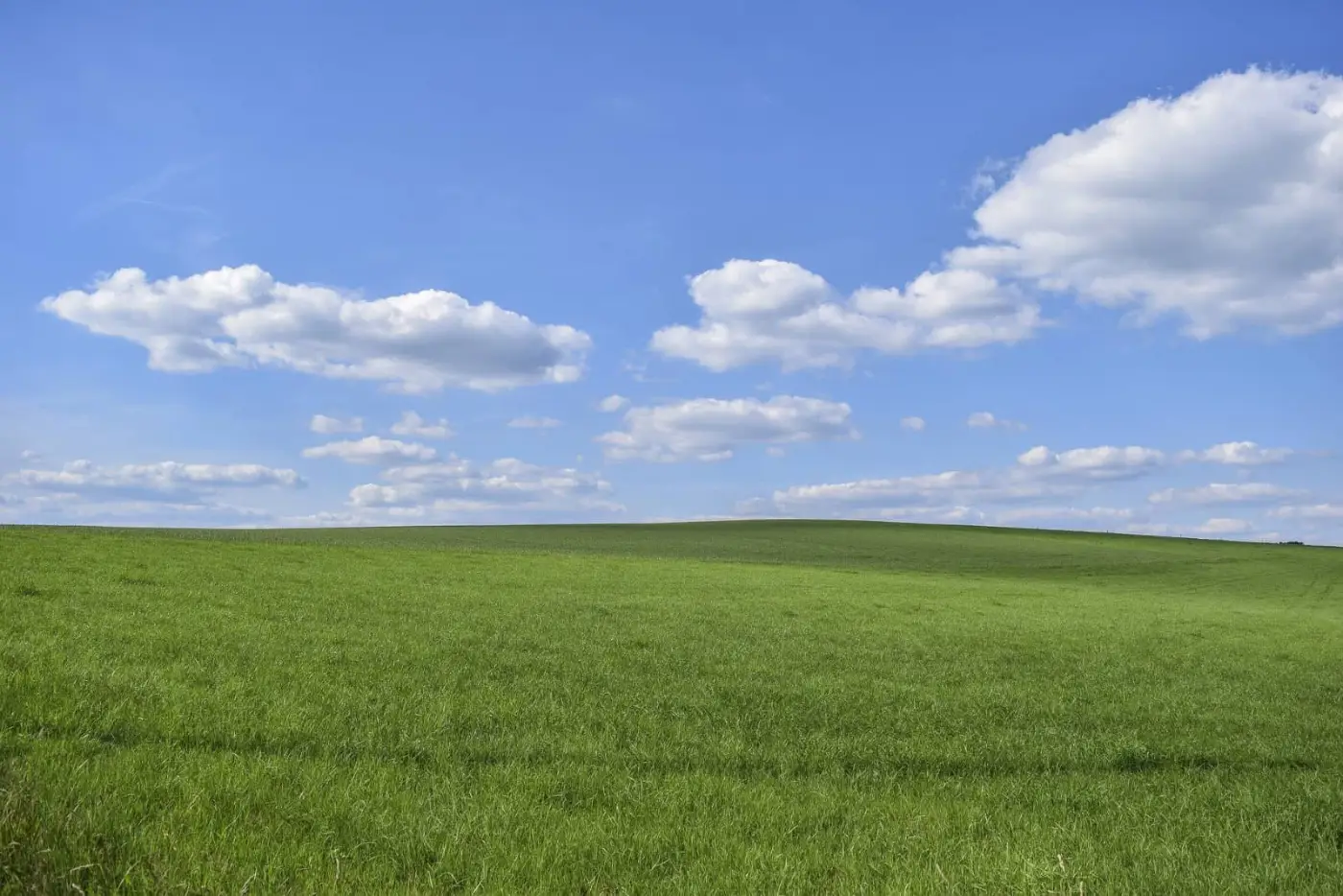
Don't be surprised if the shutter speed needs to be increased to 1/1000s or even 1/1500s. This is perfectly normal in the middle of a very bright day.
2. Try to avoid midday
For many subjects, light from a lower sun position is more attractive than the harsh light around the middle of the day. In portraits especially, a high sun can cast deep shadows under the eyes, nose and chin. In the morning and later in the afternoon the sunlight falls at a more oblique angle and you often get a softer and more spacious light effect. If you can't wait, look for shade or consciously use the harsh sunlight in your composition.
This is of course not always possible. If you're already out and about, don't let the bright sunlight stop you from taking photos. With the following tip you can still achieve good results in less ideal lighting conditions.

3. Use fill flash
The afternoon sun is harsh. Not only does it illuminate subjects very strongly, it can also create some very dark shadows. If your subject is wearing a hat or has turned their face away from the sun, use fill flash to lighten some of the dark spots. In most cases the built-in flash is sufficient. Only the settings need to be changed in flash mode so that not too much flash is used when only a small amount is needed.
Using a flash in the middle of the day may seem very strange and counterintuitive. After all, there's a lot of light, so why would you need a flash?
This has to do with the presence of uneven lighting. Because the sun is so bright, the camera adjusts the shutter speed so that no image becomes too bright. This means that the shaded areas appear even less illuminated than the illuminated areas. To compensate for the darkness, you need to add some light to the dark areas to make them match the rest of the photo. One may think this is strange, but it is absolutely necessary.

How you set up fill flash varies by camera and flash unit. Start with a modest flash level: the goal is usually not to outshine the sun, but only to subtly brighten dark shadows.
4. Soften the sunlight with a diffuser
Bright sunlight can cause harsh shadows and strong contrasts in portraits. With a diffuser you can soften the light before it hits your subject. Place the diffuser between the sun and the person you are photographing so that the direct sunlight is diffused and the shadows become less harsh.
A foldable diffuser or a reflector with a diffusion panel is one way to do this practical solution. If you don't have one at hand, you can also place the subject in open shade, for example on the edge of a building or under a roof. This way, sufficient light remains present, but it becomes much more even.
5. Take advantage of the abundant light
Bright sunlight is not ideal for every landscape, but it does offer many possibilities. The large amount of light allows you to use low ISO values and fast shutter speeds. For landscapes, an aperture around f/8 or f/11 can be a good starting point if you want a lot of depth of field, although the best setting depends on the subject and the lens used.
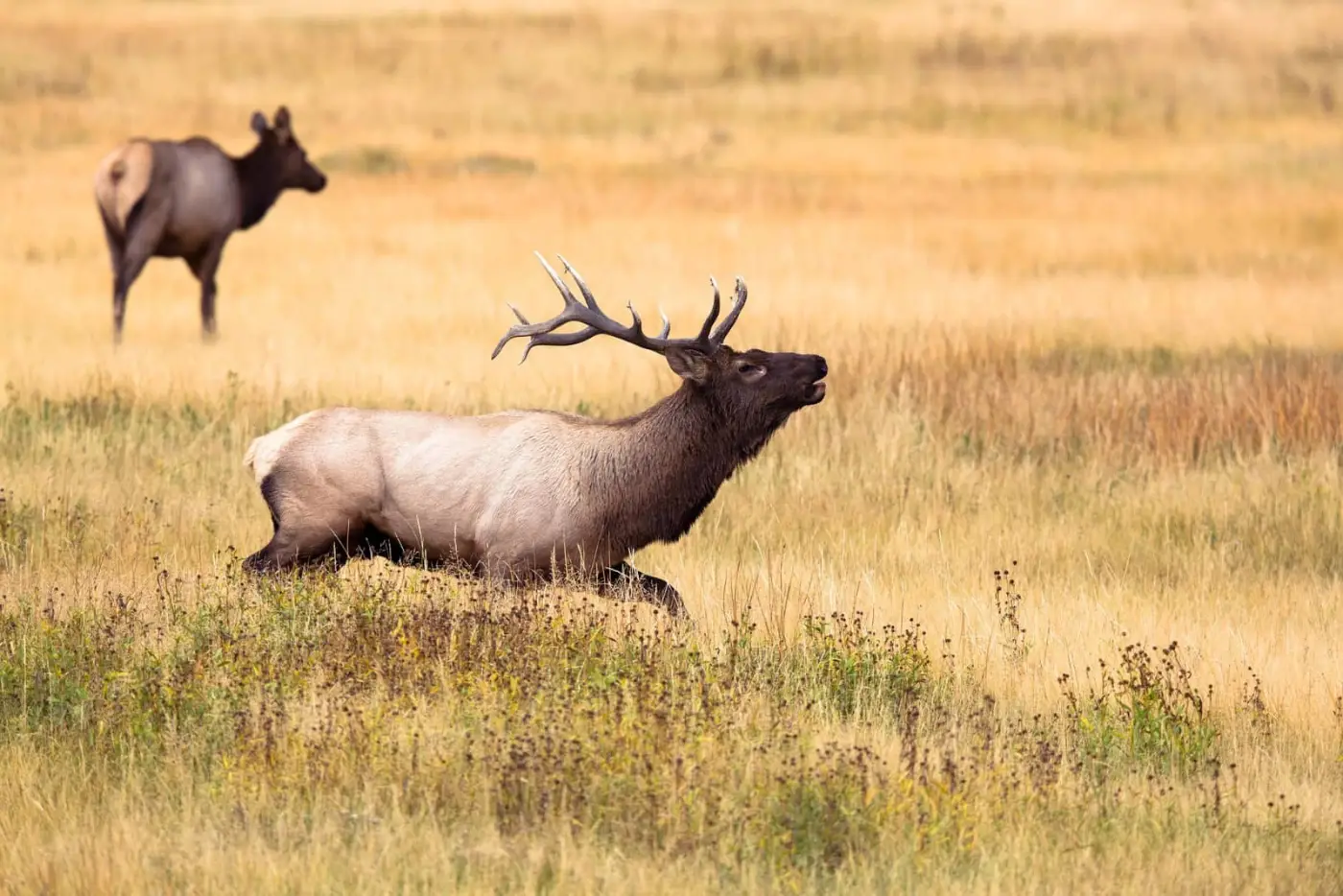
For wildlife and other moving subjects, the abundance of light is an advantage because you can use fast shutter speeds to freeze movement. Shutter speeds of 1/1000 s or faster can be useful for fast-moving animals.
These five tips should make it easier for you to make the most of a perfectly sunny day. Remember to be extra careful with overexposure and use fill flash when there are shadows on the subject. The rest is as easy as a walk in the park.