This article was originally published in 2008 and updated by the editorial team in 2025. The text is based on the original article by Lars Polder. Examples of macro lenses and accessories have been updated to reflect the current market, making the information relevant once again.
You can get started with macro photography without buying a macro lens right away. Other, less expensive accessories can help you make small subjects appear large in the frame. But a macro lens has advantages of its own. Here is an overview of the main options.
What is macro photography? It is the practice of making small subjects appear large in the frame. To do that, you need to get closer than a conventional lens allows. Several accessories can help you achieve this.
What Are Macro Accessories?
A macro lens has a longer focusing range than a conventional lens. Most macro lenses achieve a 1:1 reproduction ratio. This means the subject is the same size as its image inside the camera. When you display that image, on a computer monitor for example, it appears many times larger than it is in real life.
The first key feature of a macro lens is that it can focus closer than other lenses. In addition, its optical design is specifically optimized for rendering subjects close to the lens. A conventional lens is designed to render subjects at greater distances. Use one at very close range and image quality declines. A macro lens, by contrast, performs at its best up close.
You will notice the difference in sharpness and contrast, as well as in the ability to render flat subjects such as books and drawings sharply. Conventional lenses are not specifically designed for that either.
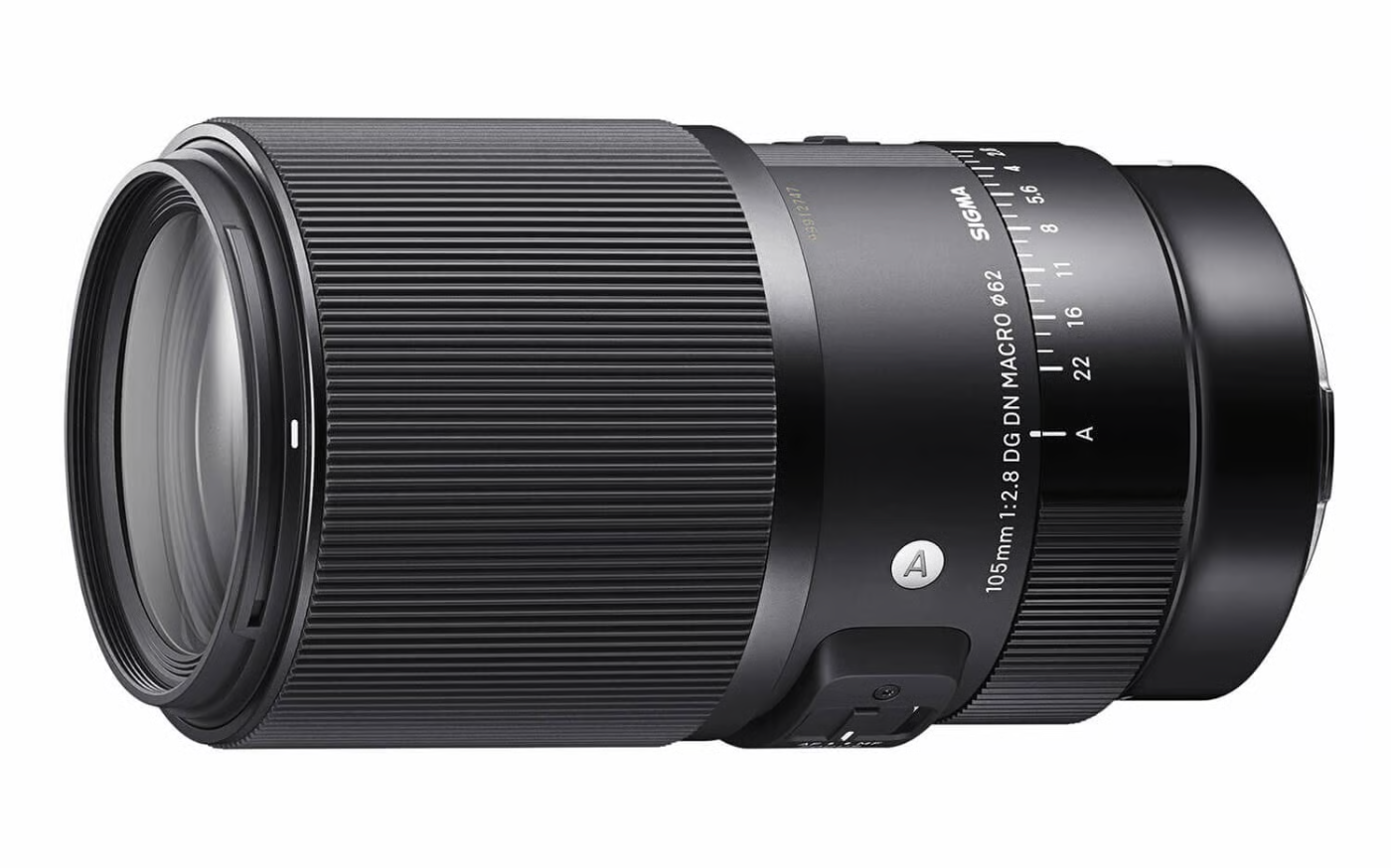
A modern, versatile macro lens is the Sigma 105 mm f/2.8 DG DN Macro Art. Like the classic model, it offers 1:1 magnification, but adds modern optics, fast and quiet autofocus, and excellent image quality. This makes it suitable not only for macro shots, but also for portrait and landscape photography at wide apertures.
A macro lens therefore has special qualities. Better yet, it also works well for general photography. A 100 mm macro lens, for example, can double as an excellent portrait lens. Despite being optimized for close-range subjects, it delivers surprisingly good image quality for landscapes as well. A macro lens can therefore be an extremely valuable addition to your kit, with more uses than many people expect.
A modern example is the Nikon Z MC 105mm f/2.8 VR S lens. This lens also uses internal focusing, so its physical length does not change. That enables fast, quiet focusing and contributes to consistent image quality throughout the focusing range.
Which Focal Length Should You Choose for Macro Photography?
Macro lenses are available in various focal lengths. The longer the focal length, the more the lens behaves like a telephoto lens. A longer focal length also produces a narrower angle of view, and a narrower angle of view includes less of the background.
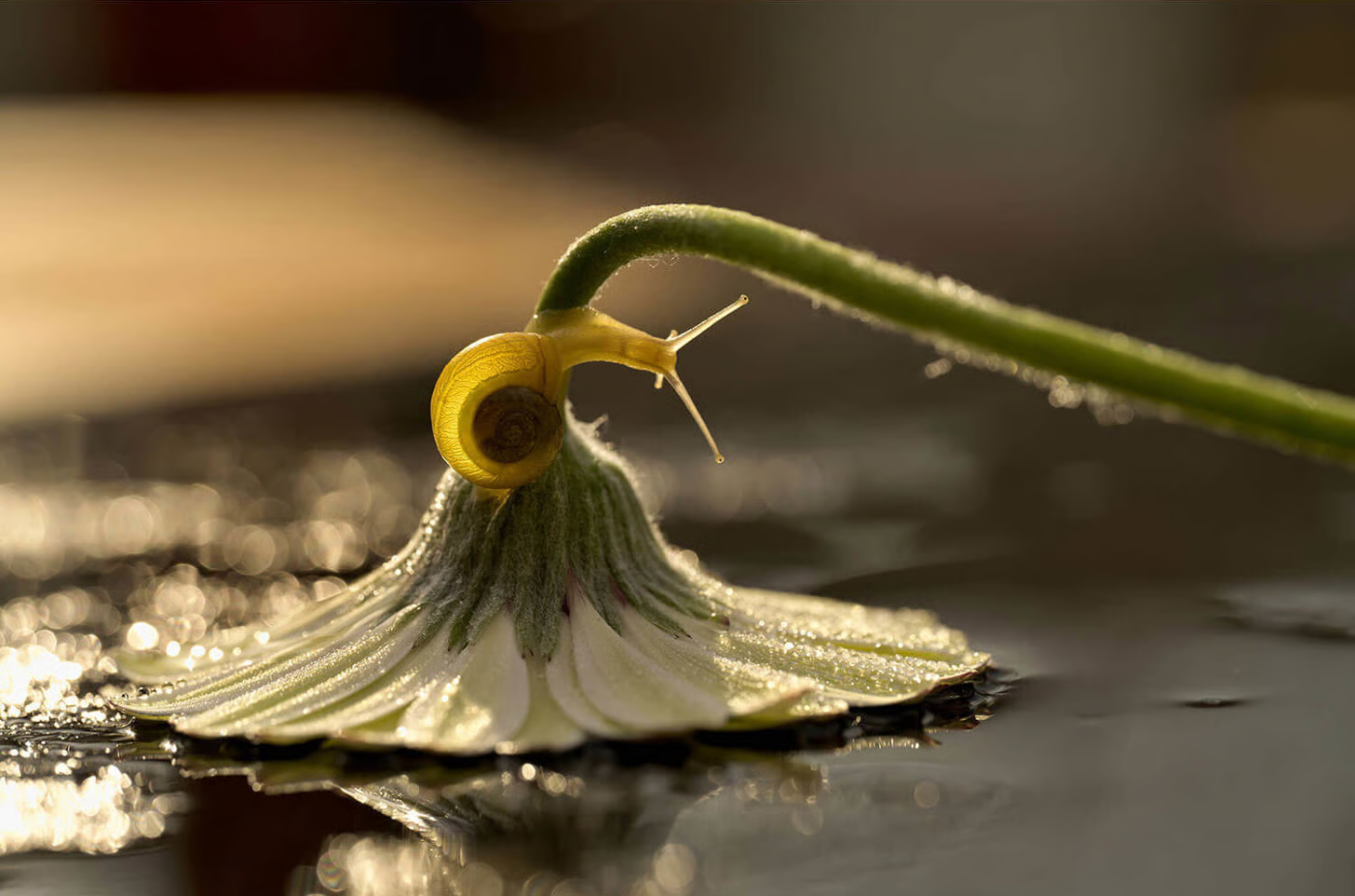
A longer focal length also lets you stay farther away from your subject. The drawback is that longer-focal-length lenses are larger and heavier.
Tip: A 50 mm macro lens is light, compact, and easy to carry, but you must get quite close to your subject to make it fill the frame. Sometimes you need to be careful not to photograph it in your own shadow. A longer focal length is better for insects because you can keep your distance, making them less likely to flee.
The shorter the focal length, the wider the angle of view and the more of the background remains visible. Using a small aperture for the shot keeps a relatively large amount of recognizable detail in the background.
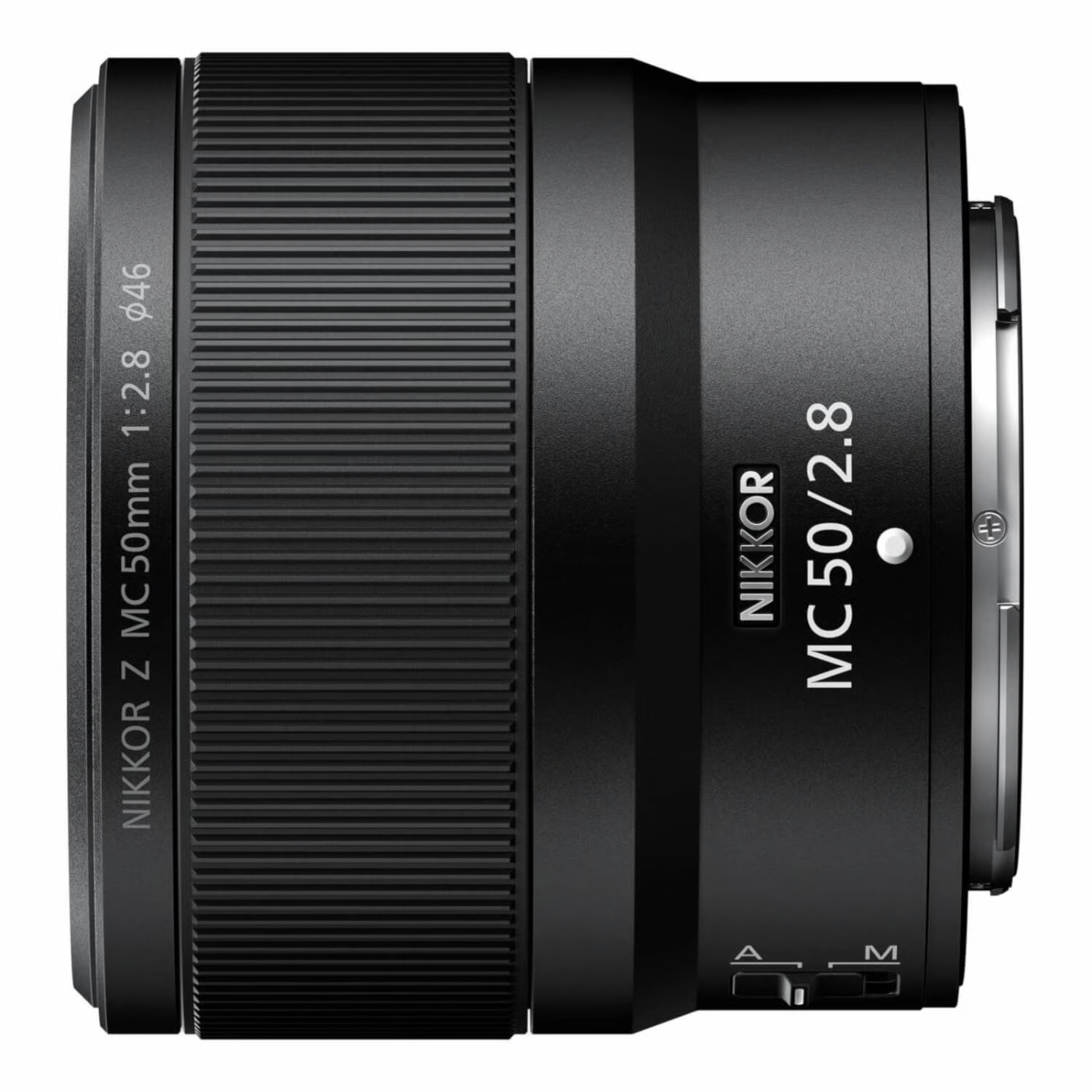
A modern example is the Nikon Z MC 50mm f/2.8 lens. It is light and compact, making it easy to carry, but you do need to get close to your subject for macro shots. That makes it less suitable for skittish insects, but very useful for still lifes, flowers, and everyday close-ups.
Close-Up Lenses
Close-up lenses are the least expensive way to get started with macro photography. First, a quick clarification: some add-on lenses for compact cameras provide a wider angle or greater telephoto reach. Those are not the kind discussed here. A macro close-up lens is essentially a magnifying glass in a threaded mount. Screw it onto the front of your lens and you can immediately focus closer to your subject. How much closer depends on the power of the close-up lens.
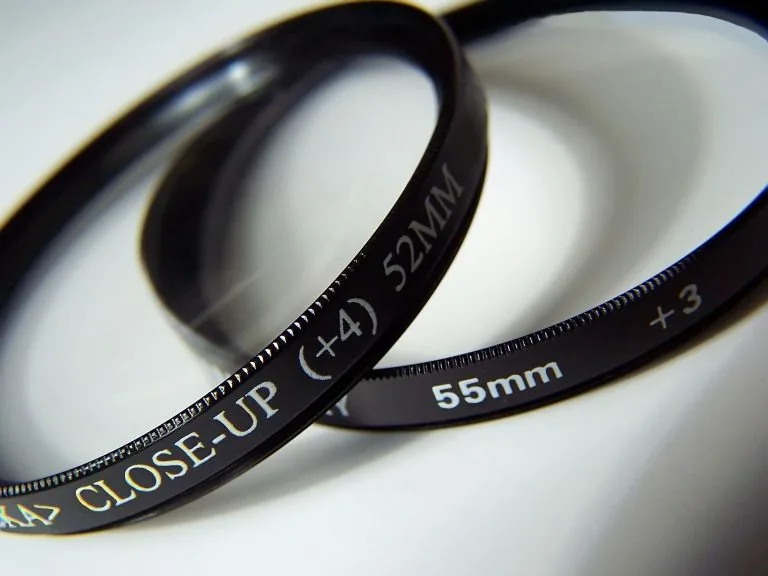
Sets of three close-up lenses are still available, usually in powers of +1, +2, and +4 diopters (a diopter is the unit used to measure optical power). The +3 lens is missing because you automatically get that power by combining +1 and +2. Stacking multiple lenses can produce greater magnification, but it also increases the risk of losing image quality, especially with basic close-up lenses.
...but then the risk of losing image quality increases significantly. That is something you already need to watch out for when using close-up lenses
They reduce the optical quality of your lens, most noticeably along the edges and in the corners of the frame. That is not much of a problem for flower close-ups. But for technical photographs in which everything must be rendered accurately and sharply, only a true macro lens will do. Still, close-up lenses are useful accessories on the go and an affordable addition to a beginner's kit.
A set costs around 50 to 80 euros, depending in part on the diameter. If your kit contains lenses with different diameters, buy close-up lenses for the largest lens diameter and, if necessary, a step-down ring so you can also use them on the lens with the smaller diameter.
For those seeking better quality, achromatic close-up lenses are also available today and produce noticeably less distortion and chromatic aberration.
Extension Tubes
With conventional lenses, the entire lens moves forward when focusing at close distances. This increases the extension, or the distance between the image sensor and the lens. Extension tubes fit between the camera body and the lens, greatly increasing this extension. You can buy individual extension tubes or sets of three with different lengths, allowing you to create various combinations.
.webp)
Most extension tubes maintain autofocus and the other electronic connections between the lens and camera. If the product information does not make it clear whether those connections will work properly, always take your camera and lens to the store to test them.
Some lenses are more suitable for use with extension tubes than others because of their optical design. A 1.8/50 mm or 1.4/50 mm lens works well, as do longer focal lengths.
With zoom lenses, it is largely a matter of testing; there is no universal rule. Telephoto zooms generally work best, followed by standard zooms. With both close-up lenses and extension tubes, stopping the aperture down by at least three stops helps minimize the loss of image quality.
Teleconverter
Extension tubes and teleconverters are sometimes confused. Understandably so, since both fit between the camera and lens. An extension tube, however, is an empty tube that increases the extension—the distance between the camera and lens—so you can focus closer to the subject.
A teleconverter contains a system of optical elements that extends the focal length by a factor of 1.4x, 1.7x, 2.0x, or 3.0x. This gives you greater telephoto reach and magnification while leaving the lens's minimum focusing distance exactly the same. A teleconverter is primarily intended to make distant subjects appear larger in the frame, but it also provides additional magnification at close range.
Modern Zoom Lenses
Modern zoom lenses also often carry the designation “Macro.” Manufacturers use the term for marketing purposes to indicate that the lens can focus relatively close to the subject. They cannot match the image quality of a true macro lens, but in practice they often work surprisingly well.
Bellows
A bellows unit does the same thing as a set of extension tubes, but offers greater extension and continuously adjustable magnification. Special couplings are needed to maintain communication between the camera and lens. These are not fully available for every system, though they are not always necessary for macro photography.
A bellows unit is continuously adjustable and can be used for extremely high magnifications. Its focusing rail lets you move the bellows forward and backward for exceptionally precise focusing.
Other Tools for Macro Photography
“Conventional” macro lenses focus from infinity to 1:1. However, some macro lenses are designed exclusively for close-range work. In effect, they do the same job as a bellows unit fitted with a macro lens.
From 1:1 to five times life-size is possible with this highly magnifying 2.8/65 mm Canon macro lens. There is no need to use extension tubes or a bellows unit with this lens; it is ready for high-magnification work as is.
These specialized lenses are more compact and user-friendly because they can maintain full communication with the camera system. One example is Canon's 2.8/65 mm lens, which offers continuously adjustable magnification from 1:1 to 5:1. It can therefore achieve extremely high magnifications while maintaining excellent image quality because its optics are fully optimized for this application. This lens eliminates the need for a bellows unit or extension tubes.
Update: Modern Macro Accessories (2025/2026)
Editorial addition by Fotografie.nl (Lars Polder's text remains unchanged).
Macro photography has advanced significantly in recent years. In addition to classic accessories such as extension tubes, close-up lenses, and bellows, new tools now make close-up work easier and more precise. Below is an overview of popular macro accessories commonly used today:
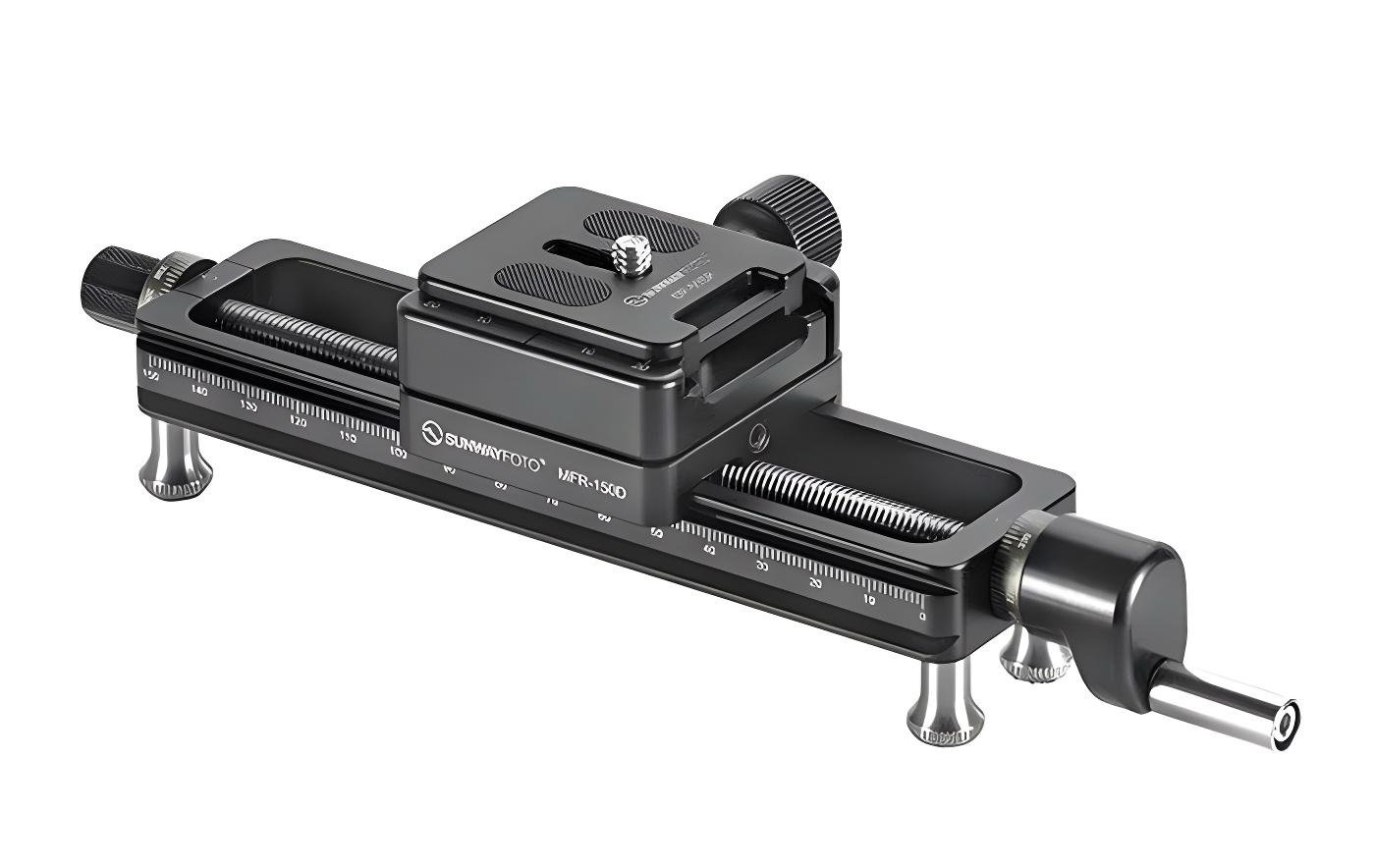
Focusing Rail
A focusing rail lets you move the camera forward and backward with great precision. This is especially useful at high magnifications or when focus stacking. It allows you to focus more accurately than you could with the lens's focusing ring alone.
Macro Tripods and Mini Tripods
Small, low-profile tripods provide excellent stability when you are working close to your subject. They are useful for photography in the garden or out in the field. Many macro tripods have flexible legs or a reversible center column, making it easy to position the camera close to your subject.
Ring Flashes and Macro LED Lights
In macro photography, very little light often reaches the subject, and the camera or lens can easily cast a shadow. A ring flash or dedicated macro LED light provides soft, even illumination at close range. This lets you work at lower ISO settings and faster shutter speeds, helping to prevent motion blur. Modern macro lights are compact, lightweight, and easy to attach to the front of a lens.
Diffusers and Small Reflectors
A diffuser softens harsh sunlight, making shadows less distinct while preserving attractive detail. A small reflector can direct extra light onto the shadow side. This produces a more evenly lit image without making the subject look unnatural.
Focus-Stacking Software and Camera Features
Depth of field is often extremely shallow in macro photography, even when the aperture is stopped down considerably. With focus stacking, you take multiple photographs of the same subject, focusing at a slightly different point for each shot. The images are later combined into a single photograph with much greater depth of field.
More and more cameras offer a dedicated focus-bracketing feature for this purpose, but you can also use third-party software. This preserves detail from foreground to background without sacrificing image quality.
Specialized Macro Lenses
Beyond standard macro lenses (1:1), specialized lenses are available that go further than the standard 1:1 reproduction ratio and can capture much smaller details. One extreme example is the Laowa Aksen series, whose two lenses together cover a magnification range from 1x to 10x. At such high magnifications, a stable setup, precise focusing, and often focus stacking become virtually indispensable. Other lenses offer higher magnifications or tilt-and-shift capabilities for creative control over focus.