There are many things to consider when making a portrait. Camera settings and composition are important, of course, but lighting matters just as much. The lighting and the subject's position relative to it can dramatically change the look and quality of a photograph.
You may have artistic reasons to use hard light for a portrait because of the dramatic shadows it creates. For a standard portrait made with a good portrait lens, however, soft light is key. Read on for tips and techniques for using soft light both indoors and outdoors.
Hard or Soft Light
What is the difference between hard and soft light? It all comes down to the apparent size of the light source. Imagine shining a flashlight in a dark room. You see the beam surrounded by dark shadows, but also a transitional area, or 'gray zone,' between them. The wider that gray zone between light and dark, the softer the light.
Harsh midday light is not recommended for outdoor portraits. Although the sun produces an enormous amount of light, it is still a small light source relative to the entire sky. With the sun directly overhead, shadows appear beneath people's noses and chins, which is unflattering.
The photo below also shows the effects of hard midday light. Notice the shadows around the fisherman's eyes. That does not matter for this kind of photograph, but clients would not be happy with the result if this were a wedding portrait or family photo shoot. Hard light is extremely unforgiving: in addition to shadows, it reveals texture such as blemishes and wrinkles. That is not a great look for a portrait photograph.

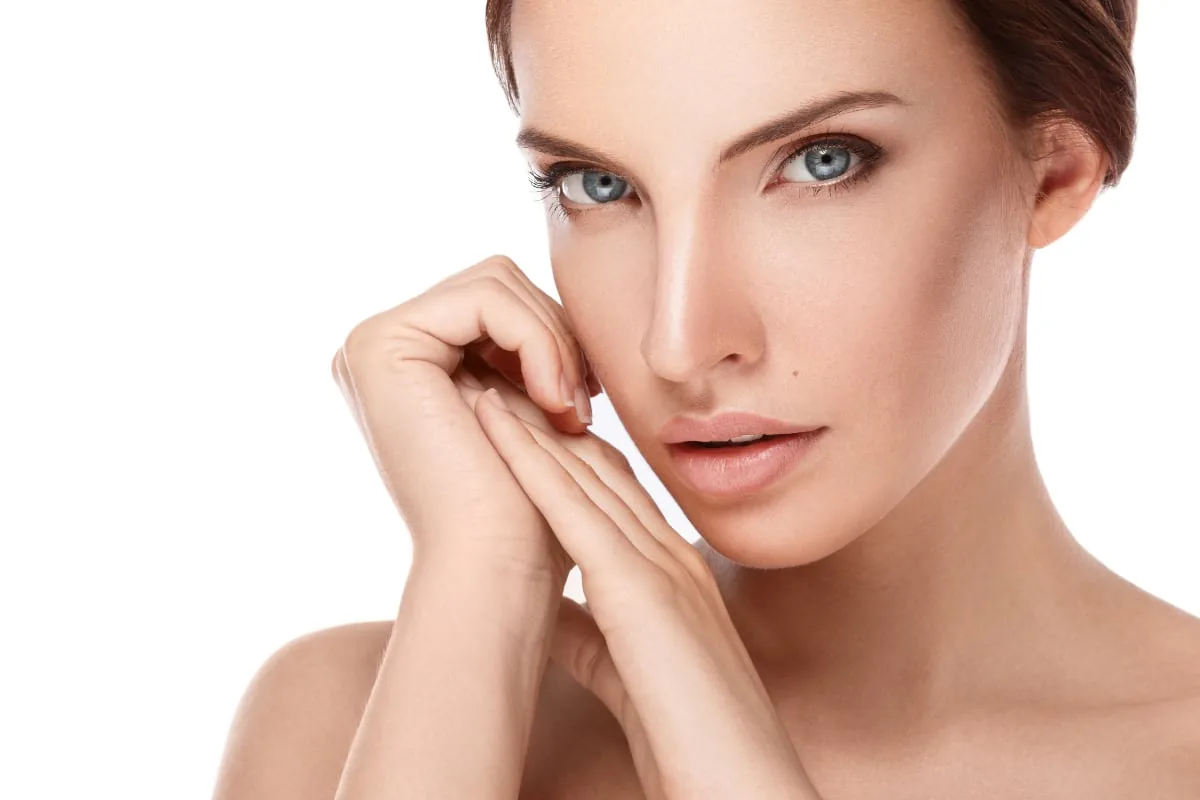
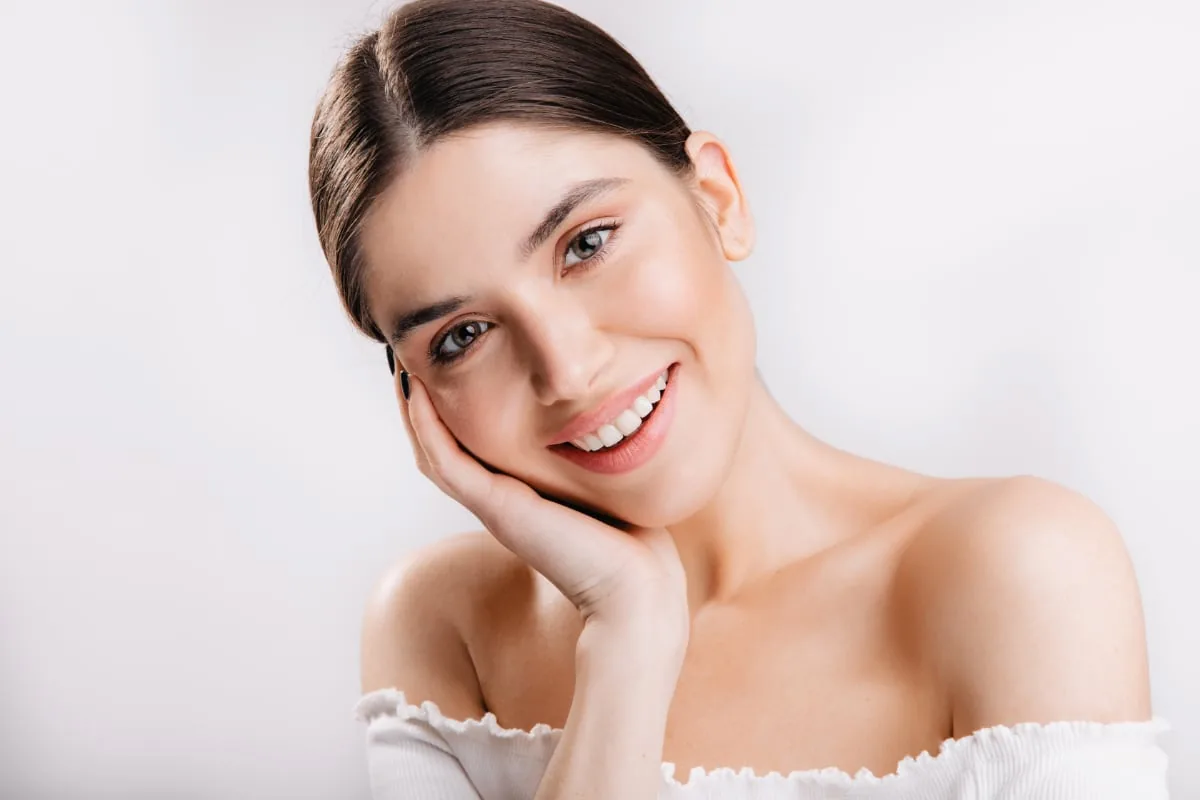
Soft light is diffused, which means that shadows are absent or indistinct. It can make a subject look younger and soften skin imperfections. It also looks flatter than hard light. The result is more flattering, with no harsh shadows and less emphasis on texture. Soft light makes variations in skin texture less noticeable.
Drama and Hard Light
On the more creative side of photography, harder side lighting can be ideal for emphasizing texture, defining depth, and bringing out patterns in a portrait. Lighting a subject from the side makes texture stand out.
Side lighting is more effective in portraits when the emotion and depth of the face need to be emphasized more dramatically, as in this image of a man and woman looking to the side. Converting the image to black and white strengthens its emotional impact even further.
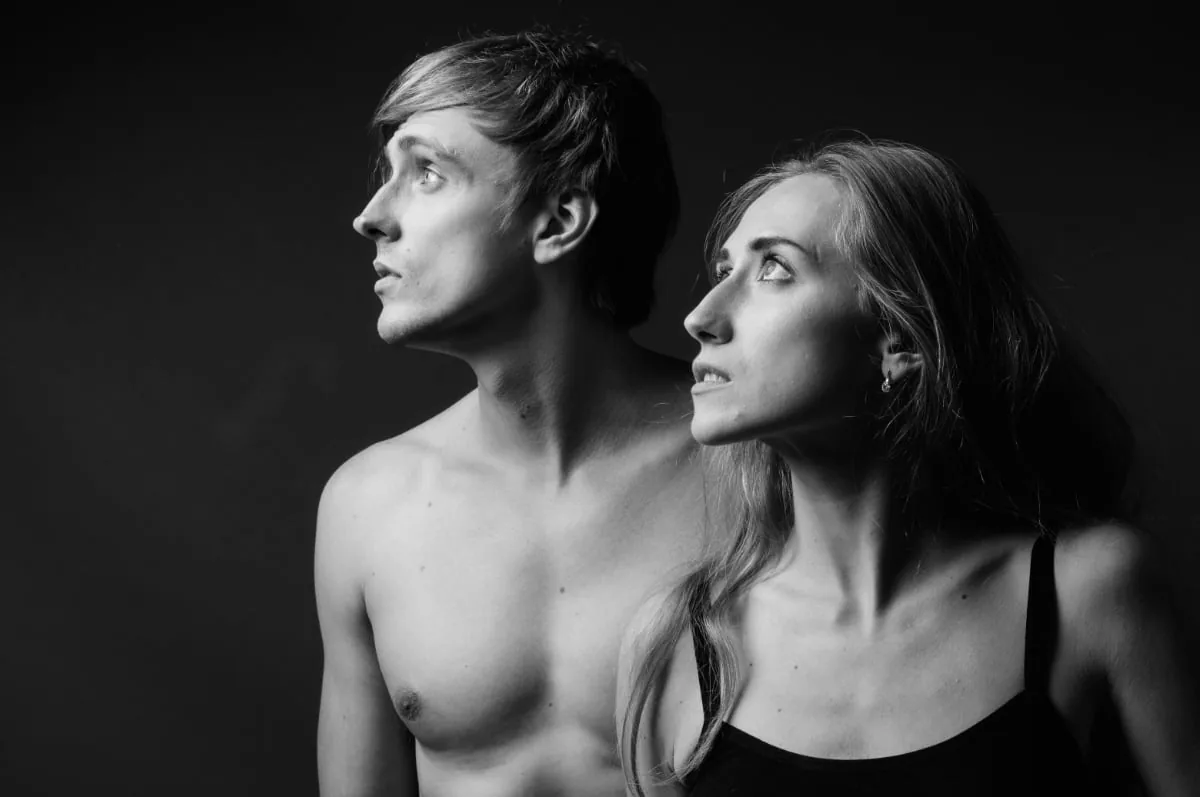
Their cheekbones suddenly become more defined. Their heads gain depth, and their eyes have more character and intensity than they would in a flat, front-lit portrait. This creates a more interesting photograph.
Soft Light Outdoors
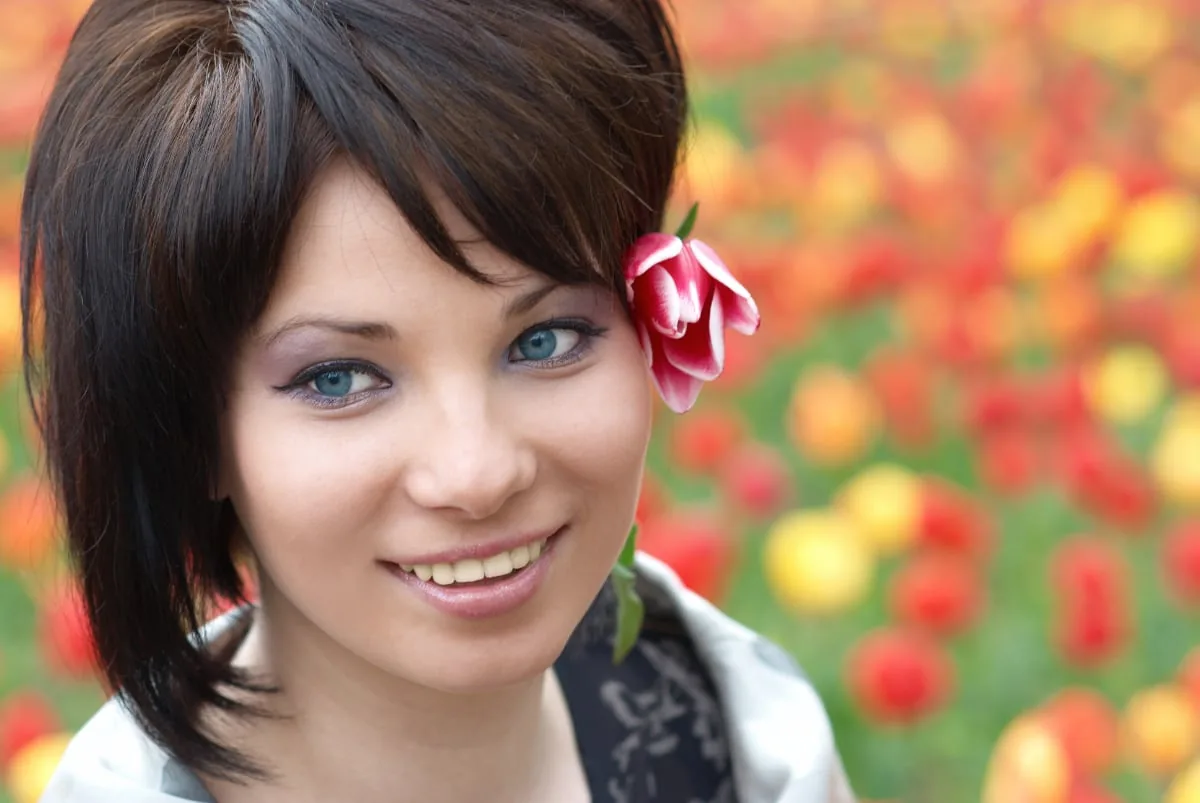
For beautiful, soft outdoor light, schedule the photo shoot for the morning or late afternoon to avoid the harsh midday sun. An overcast day also works well because the clouds act as a natural diffuser, spreading the light so the source appears larger and softer.
If lighting conditions are still difficult when you need to shoot, consider using a reflector to add fill light from below. You can buy one fairly inexpensively or use a large piece of white poster board as a do-it-yourself solution.
Place the reflector beneath the model's face but outside the frame—an assistant is needed—to bounce light back onto the face. This does not actually make the source softer, but it does fill in dark shadows and improve the photograph's appearance.
Soft light is the key to a successful standard portrait.
To diffuse the light falling on your subject, you can use a proper diffuser or try mounting a piece of neutral, translucent fabric on a frame to achieve the same effect. Hold the material between the subject and the sun to spread the light. This widens the gray transition zone and creates the soft, attractive light you want, even when the natural conditions are harsh.

Using a reflector and diffuser together can help overcome harsh outdoor light. For a reasonable price, you can invest in a kit containing reflectors in different colors and a diffuser. At a professional level, both that kit and an assistant can be worthwhile investments.
Soft Light Indoors
Professional photographers go to great lengths to soften light for indoor portraits. Think back to your school photographs or perhaps a family portrait and remember the large umbrella. The photographer fired the flash into the reflective umbrella to spread its light over a larger area, making it softer. Even without sophisticated lighting equipment, you can use a few techniques to soften indoor light.
If you are using a natural light source such as a window, try something simple: lower translucent curtains or hang a white sheet to diffuse the light. With a shoe-mount flash, moving it closer to the face makes the apparent source larger and therefore softer. You can also bounce the flash off nearby walls to soften it. For a smaller object, a softbox is useful for creating soft light.
By carefully choosing the time and location and using simple equipment, you can create beautiful, soft light for a portrait shoot. When photographing people of any age, soft light can bring out a model's natural beauty. Creating soft light for portraits is more likely to please the model and can save you a great deal of editing afterward.
With thanks to David Peterson.