If you do not own a GoPro, you have probably seen one. GoPros are often attached to helmets or bicycle handlebars, and they are extremely popular among active people and extreme-sports enthusiasts. But GoPros are also useful for many other purposes: you do not have to jump off a cliff or out of an airplane to put one to good use. If you have never considered buying a GoPro, here are some other things you can do with one.
Almost every professional photographer owns several cameras, each with a different purpose. If you want to take your photography to the next level, you might consider buying a GoPro 13. This model is currently available at an additional temporary discount.
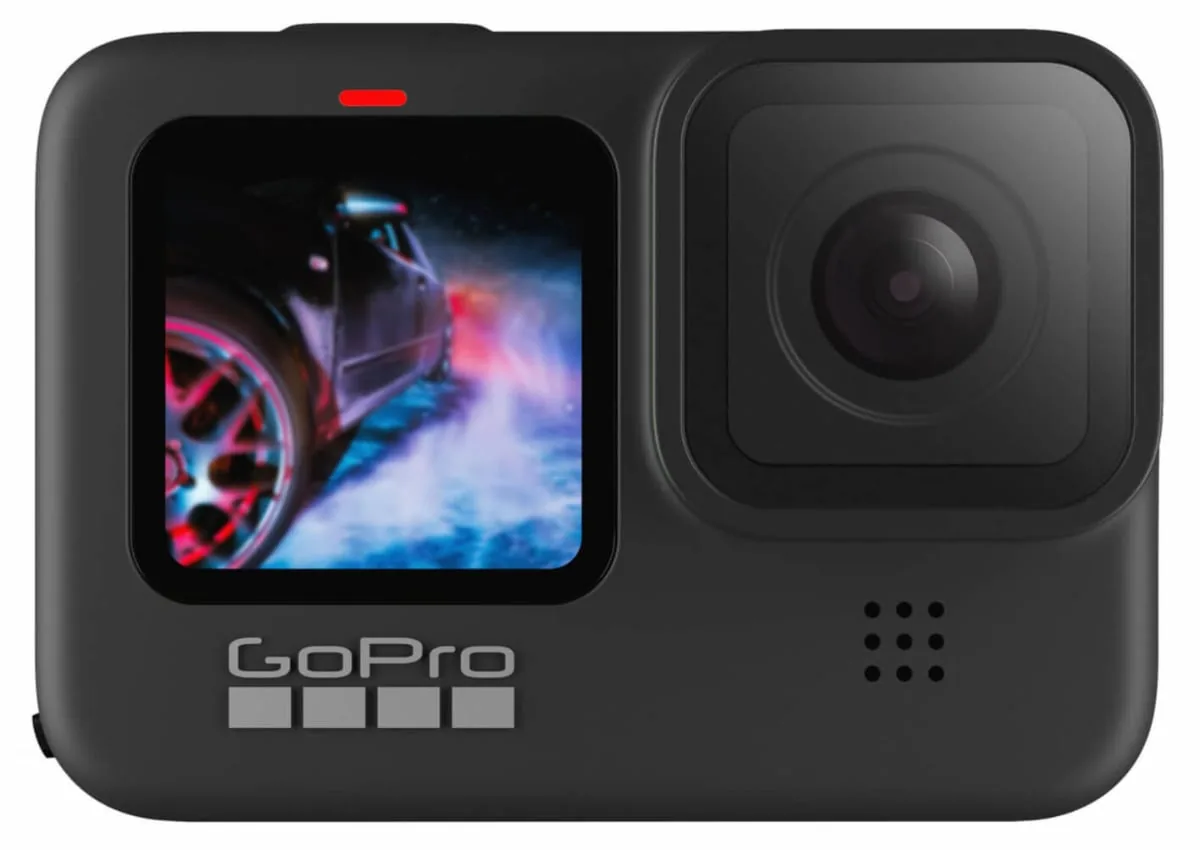
A GoPro can record not only video but also still photos. The GoPro 9 is also well suited to livestreaming. Owning one can therefore let you offer video services as well.
Sport
The most obvious use for a GoPro is photographing extreme sports and other physically demanding activities. Many motorcyclists mount a GoPro on their helmet. Some helmets are even designed specifically to accommodate a GoPro, allowing riders to capture footage of their journeys.
Other riders attach the GoPro to their chest with an elastic harness. With this type of mount, the straps should be as tight as possible to reduce vibration in video footage. A chest mount can also be turned around and worn on your back, for example to film the other riders behind you.
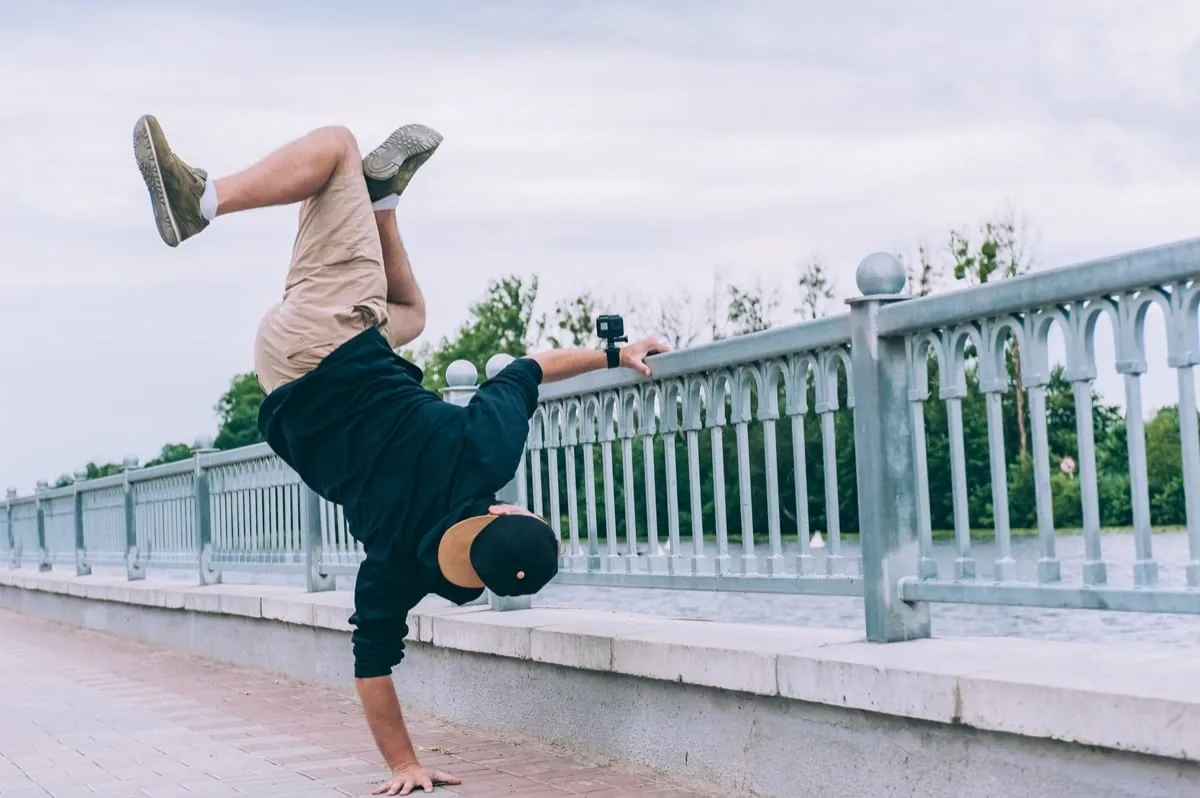
Footage recorded from the handlebars is usually more prone to vibration and can be bumpy and difficult to watch. If you are taking still photos rather than recording video, however, the handlebar position may be ideal.
Mounts are available for almost every type of sports equipment, making it easy to take fun photos of yourself in action.
Another particularly useful feature of the GoPro is that you can use it as a training tool. If you are trying to improve at a sport or activity and do not want to hire a personal trainer, the GoPro can fill that role by giving you feedback on your form, performance, and other areas for improvement.
For travel to the place where you plan to photograph with a GoPro, a high-quality camera bag is recommended. The extra-thick walls help protect your equipment from outside forces, while most camera bags also have room for the accessories you bring. Keeping everything in one bag makes it less likely that you will forget something.
What else can you do with the GoPro
Some GoPro models have burst and timelapse modes. In burst mode you can capture up to 30 frames per second, which gives you a pretty good chance of capturing something nice during that burst.Time-lapse is another fun mode: capture a series of images over a period of time and combine them into a fast-moving animation. You can shoot during the day or use night-lapse mode after dark.
You can also change the speed at which those timelapse images sync together. For example, it might be fun to place the GoPro in the backyard and capture just the changing light from sunrise to sunset, or mount it on the car dashboard or take a timelapse video of a cross-country ski trip.
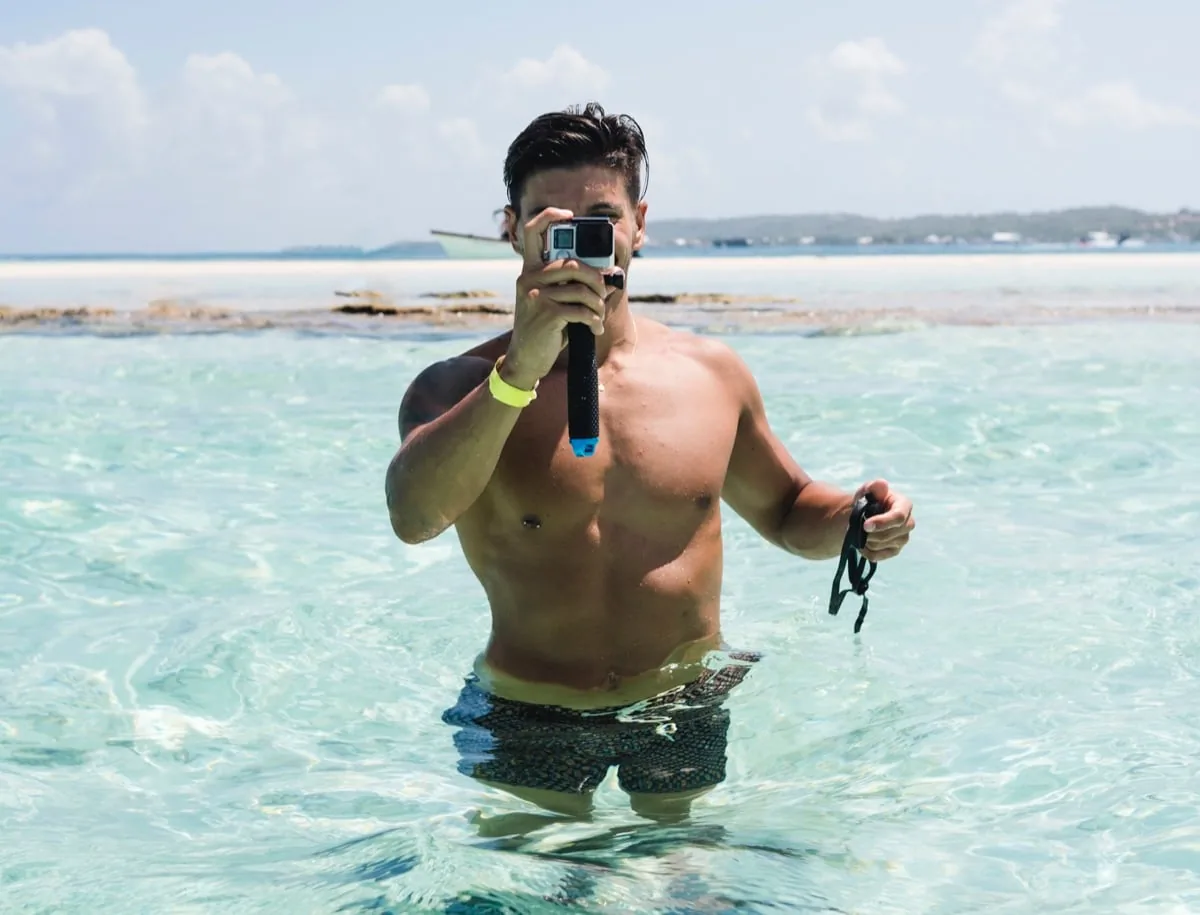
The nice thing about the GoPro is that it is not just a video camera. You can set this to take a photo every 60 seconds, every 10 seconds or even every second. That means you can concentrate on riding, running, paddling (or whatever); the GoPro will do all the photography for you.
Of course, this is a little like shooting blind because you do not know exactly what the GoPro will photograph from one moment to the next. But if it captures enough frames during the activity, a few of them are almost certain to be remarkable.
Aerial photography
If you have ever wanted to take photographs from the air, consider using a GoPro. GoPros work well with drones. Certain drone models support a rotating mount that lets the camera shoot in different directions and move with the aircraft. This setup can produce professional-quality photographs, and even including the cost of the drone, the investment is much lower than using traditional aerial photography methods.
Please note that drone photography is prohibited in some places, so make sure you are aware of the regulations in a particular region.
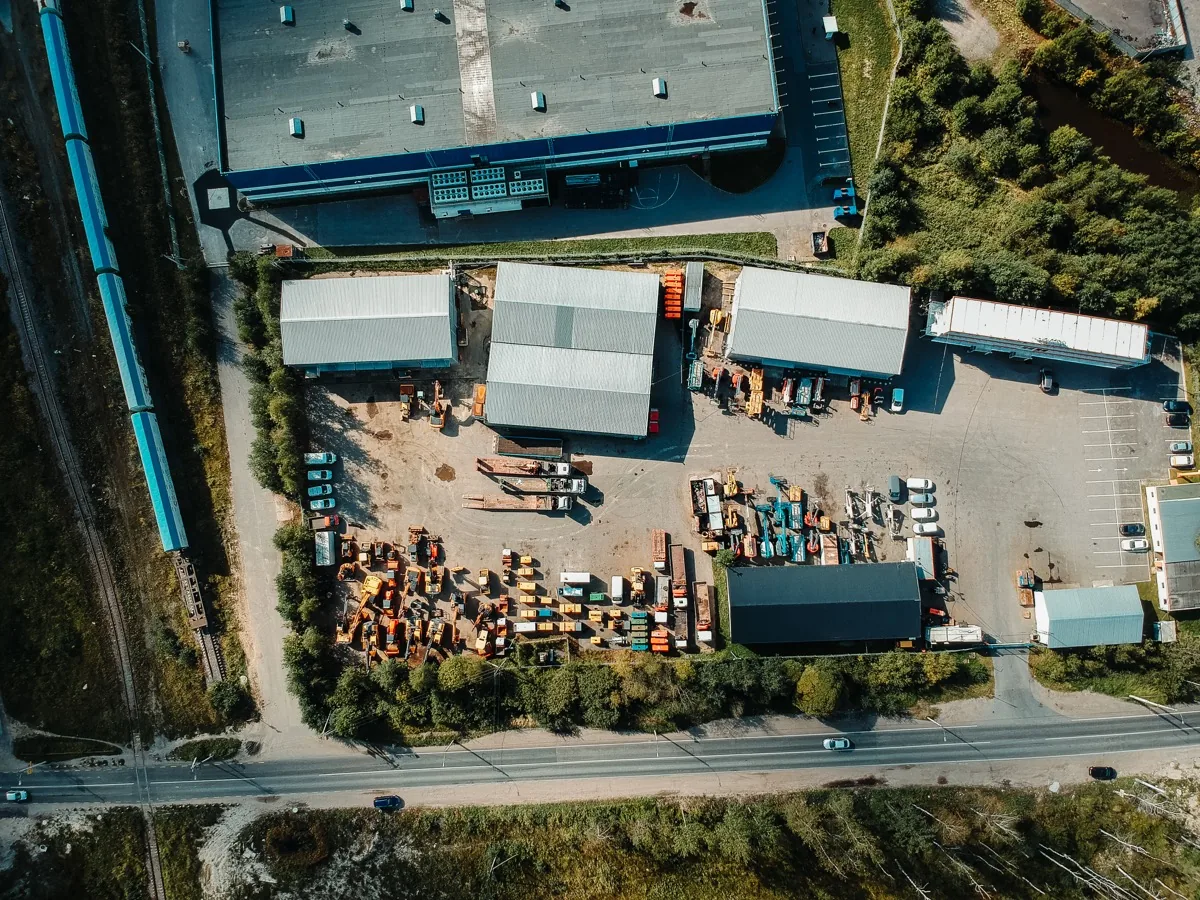
If you are not eager to buy a drone, or if drones are prohibited in your area, you can still take aerial photographs in a surprising way. The GoPro is designed to withstand the falls that can occur during extreme sports. Its rugged construction also makes it suitable for camera tossing.
This is a technique that is also popular with people who do not have a GoPro, but the disadvantage is of course that with a regular point-and-shoot camera you really have to be sure that you will catch the camera again afterwards.
To take a camera tossing image with a GoPro, put it in burst mode and throw it in the air. It usually takes a series of photos while in the air, giving you a very special series of photos.
Pet photography
You probably have plenty of photos of your dog, but do you have any from a dog's-eye view? Try securely attaching your GoPro to your dog's collar and letting the dog roam for a few hours. Set the camera to take one photo every minute, every half hour, or every hour, then review the images to see what the dog has been doing. This can be fun if your pet regularly explores the backyard and you are not always there to watch.
It works well for dogs, but is not recommended for cats, as cats tend to grab their collars, causing you to lose both the collar and the GoPro.
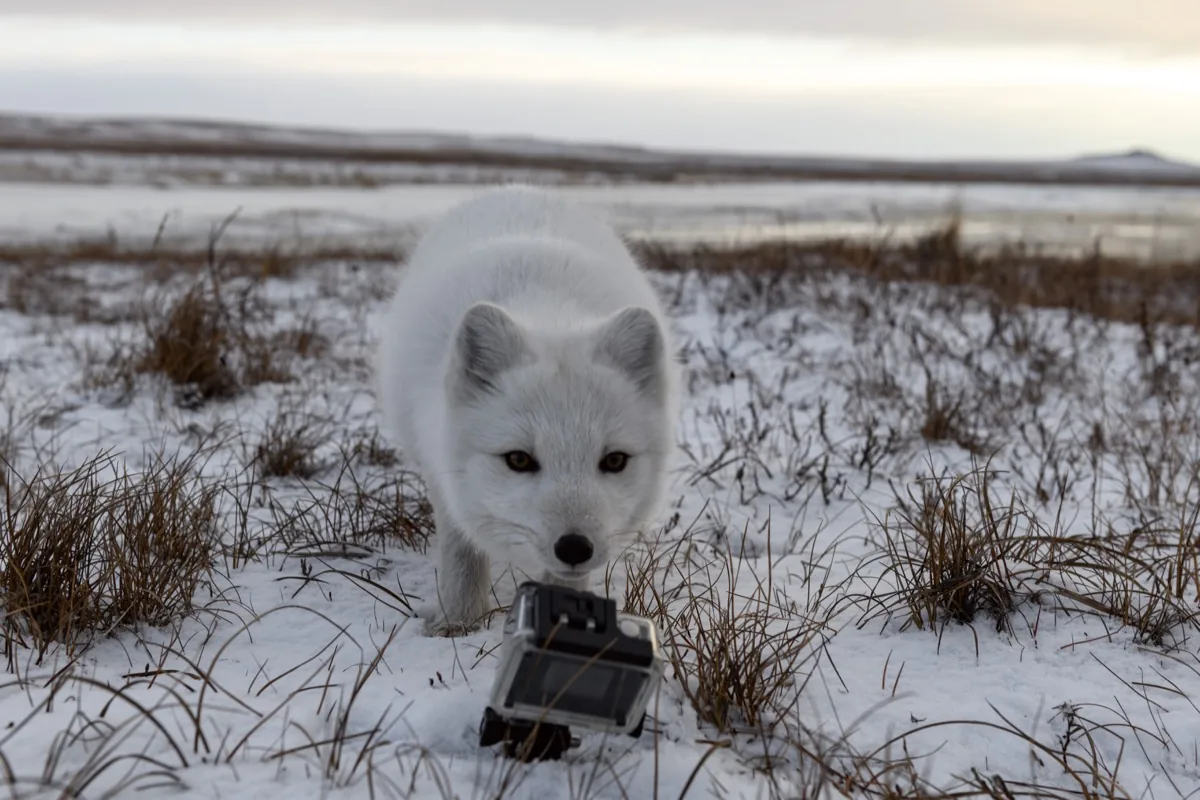
You can also use a GoPro for close-up wildlife photos while remaining at a safe distance yourself.
You can also try the same with your toddler, but only with a secure attachment of the camera (definitely do not hang it around your toddler's neck). You might get beautiful and perhaps hilarious images from the perspective of a toddler running around the house.