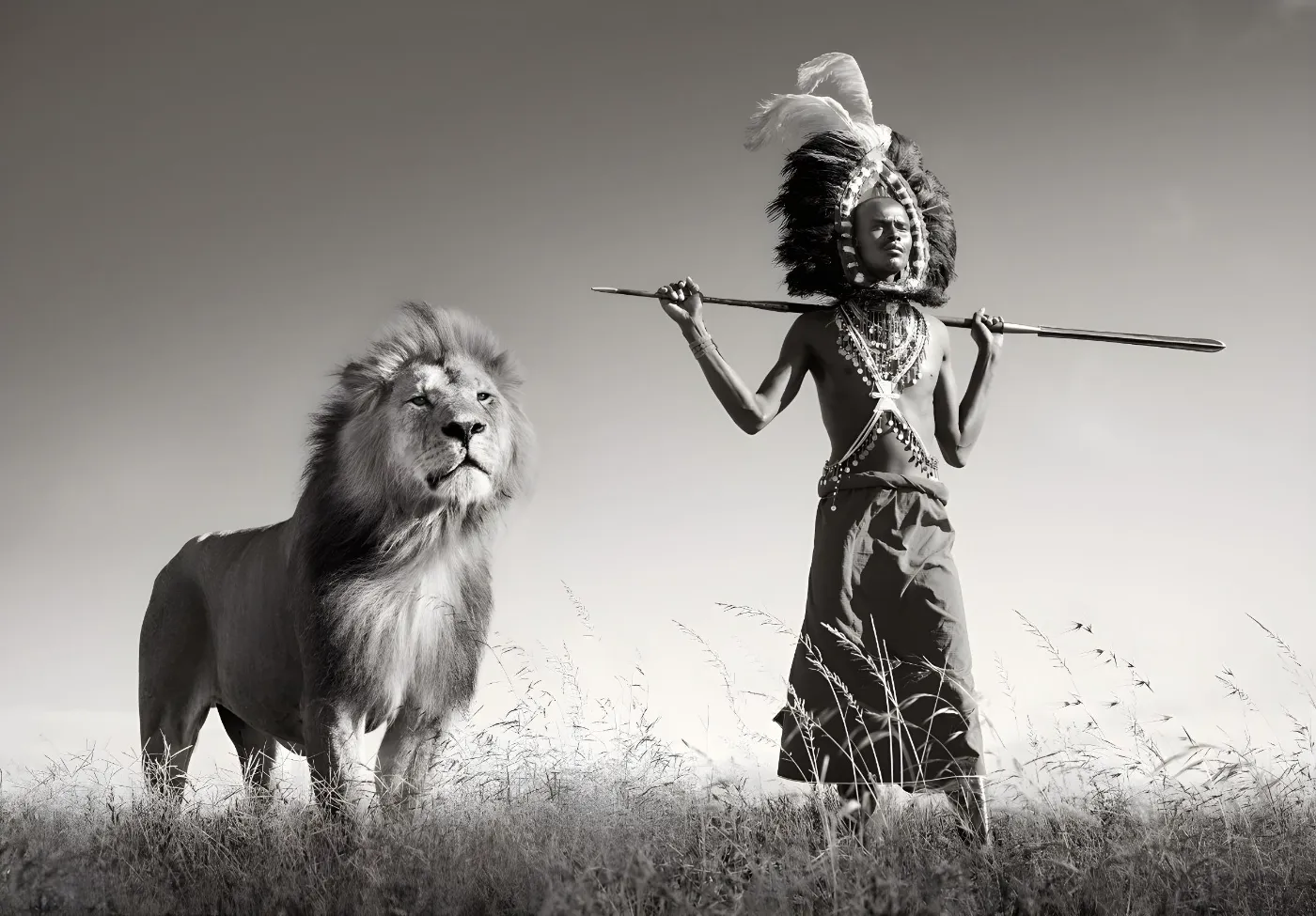
© James Lewin (United Kingdom) - The Land That Made Us One, MonoVisions Awards 2026
The winners of the 2026 MonoVisions Photography Awards have been announced. The international photography competition is devoted entirely to black-and-white photography, with awards for individual images and series in categories including architecture, documentary photography, fine art, nude, landscape, portrait, and street photography.
The overall winner in the series competition is British photographer James Lewin with The Land That Made Us One. In this series, he brings Maasai portraits and African wildlife together in carefully composed black-and-white images. The series is not only about beauty or conservation, but also about how traditional ways of life and wild landscapes are interconnected.
James Lewin: The Land That Made Us One
Lewin works extensively in East Africa and uses his photography to draw attention to vulnerable ecosystems. In The Land That Made Us One, he places people and animals not in opposition, but side by side. Each image is composed of two photographs taken in the same location and under similar lighting and weather conditions: a wild animal in its natural habitat and a Maasai person whose life is intertwined with that landscape.
The result is monumental without feeling remote. The images have the quality of timeless portraits in which people, animals, and landscape seem to share a common history. According to Lewin, it is not only wildlife that is under threat, but also the traditional ways of life of communities that have depended on nature for generations.
Dutch award winner
The award-winning photographers also include a Dutch name. Juliette Bongers of the Netherlands took second place in the Fine Art Series category with ODE Stories. Her black-and-white series explores identity as something fluid and grounded in experience, using layered portraits, fragments, and quiet moments that suggest more than they explain.
For more recent international awards with Dutch representation, read about the Hasselblad Masters 2026, where two Dutch photographers were among the winners.
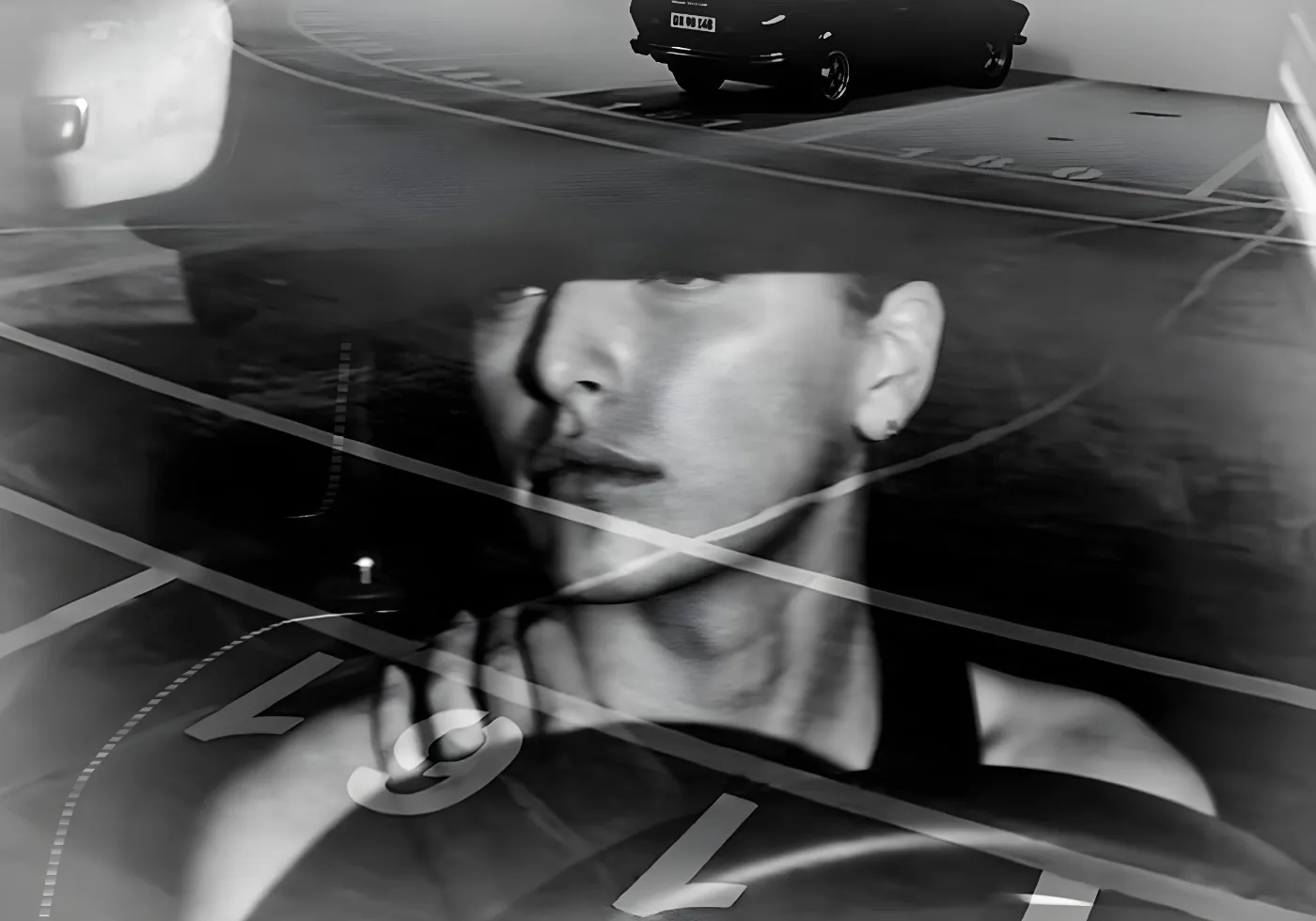
The series was created in Amsterdam, Ibiza, and Paris in 2025. Bongers, who trained at the Royal Academy of Art in The Hague, works with subtle editing, double exposures, and stillness.
In this way, ODE Stories reflects the broader strength of the MonoVisions Awards: black and white not as a nostalgic effect, but as a means of concentrating form, atmosphere, and meaning.
Architecture: Brutalism in Transit
First prize in the Architecture Series category went to Mark Stevens of Australia for Brutalism in Transit. His series was photographed at Uji Station near Kyoto, a station designed by architect Hiroyuki Wakabayashi and completed in 1995.
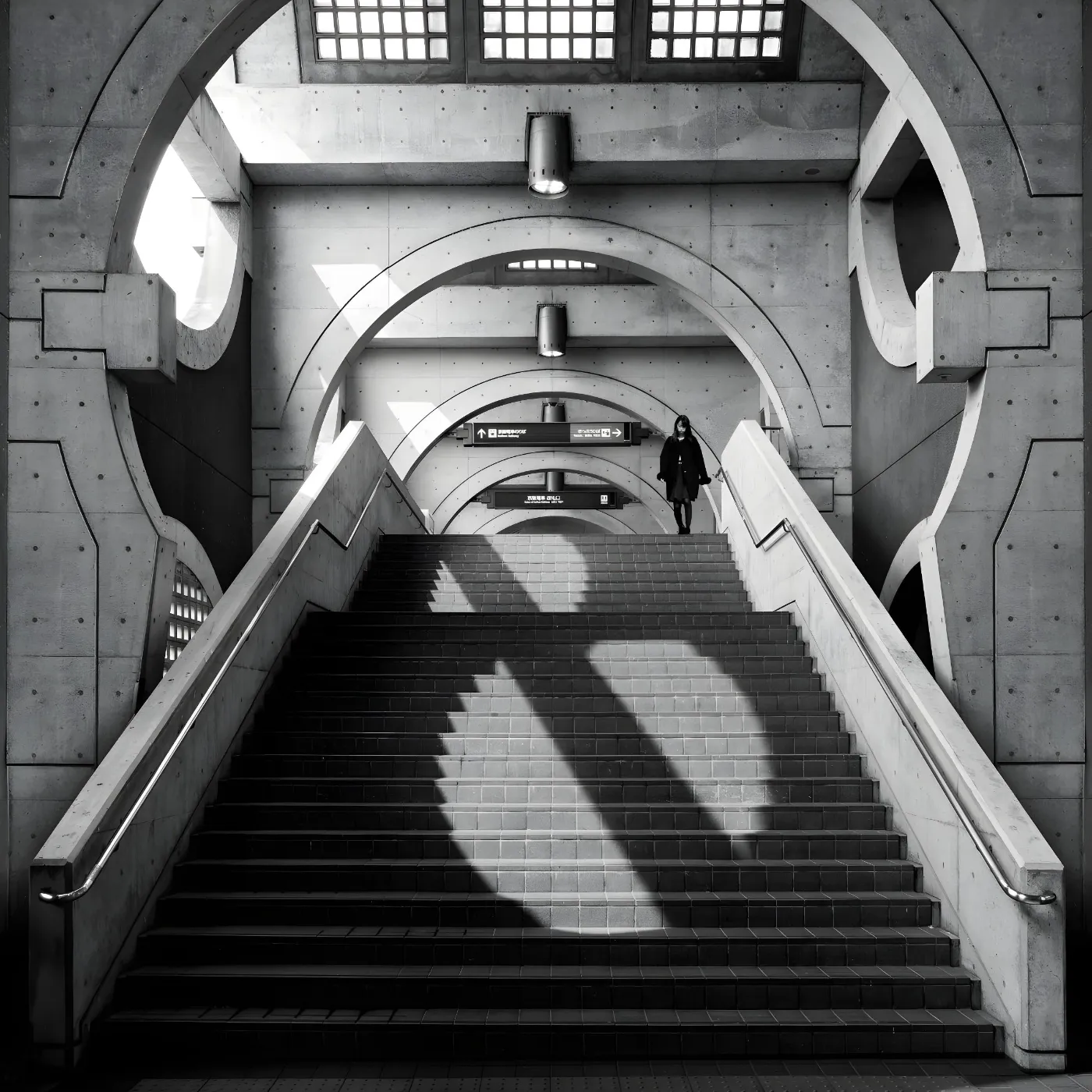
Stevens focuses on the visual power of brutalist architectural photography: concrete, rhythm, light, and repetition. Rounded openings, curved forms, and rough concrete surfaces transform a functional station into an almost sculptural environment. The precise black-and-white treatment brings form, texture, and the play of light to the fore.
A documentary view of Afghanistan
First prize in the Photojournalism Series category went to Rodrigo Miguel Abd of Argentina for Afghanistan in a new light.
Abd had already spent considerable time working in Afghanistan after the 2001 US invasion, and there he learned to photograph with a traditional Afghan camera, a handmade device that also functions as a darkroom.
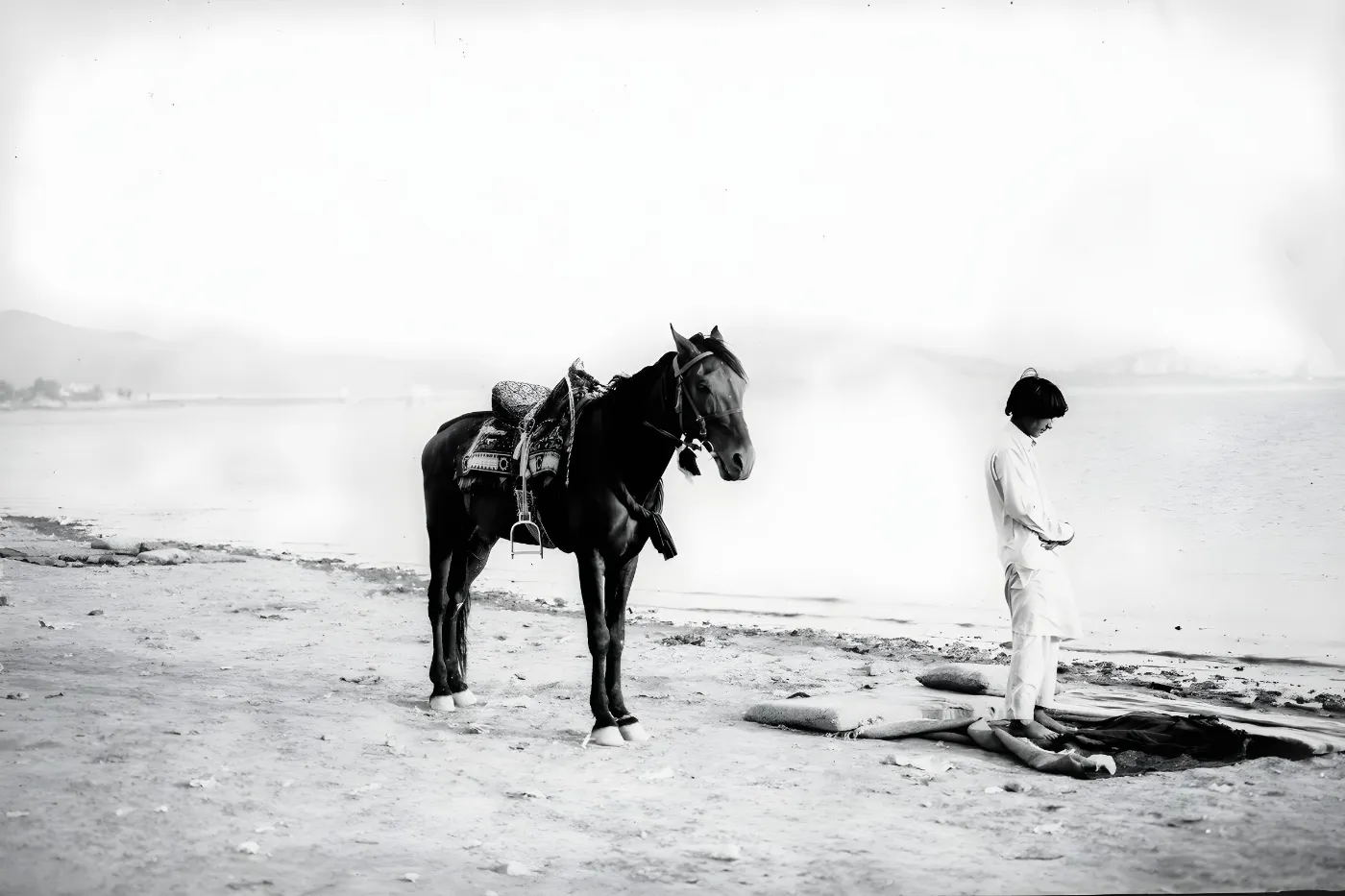
In 2023, he returned with this nearly vanished photographic process. His series examines how everyday life in Afghanistan has changed since the withdrawal of US troops and the Taliban's return. The slow, analog process gives the series a different tone from fast-moving news imagery: direct, yet focused and quiet.
Nude: My home tastes like almonds
Alessandro Manzotti, who was born in Italy and works in France, Belgium, and Italy, won the Nude Series category with My home tastes like almonds.
The series takes the concept of solastalgia as its point of departure: the homesickness a person can feel while still at home because a beloved place is being transformed beyond recognition by climate change or environmental damage.
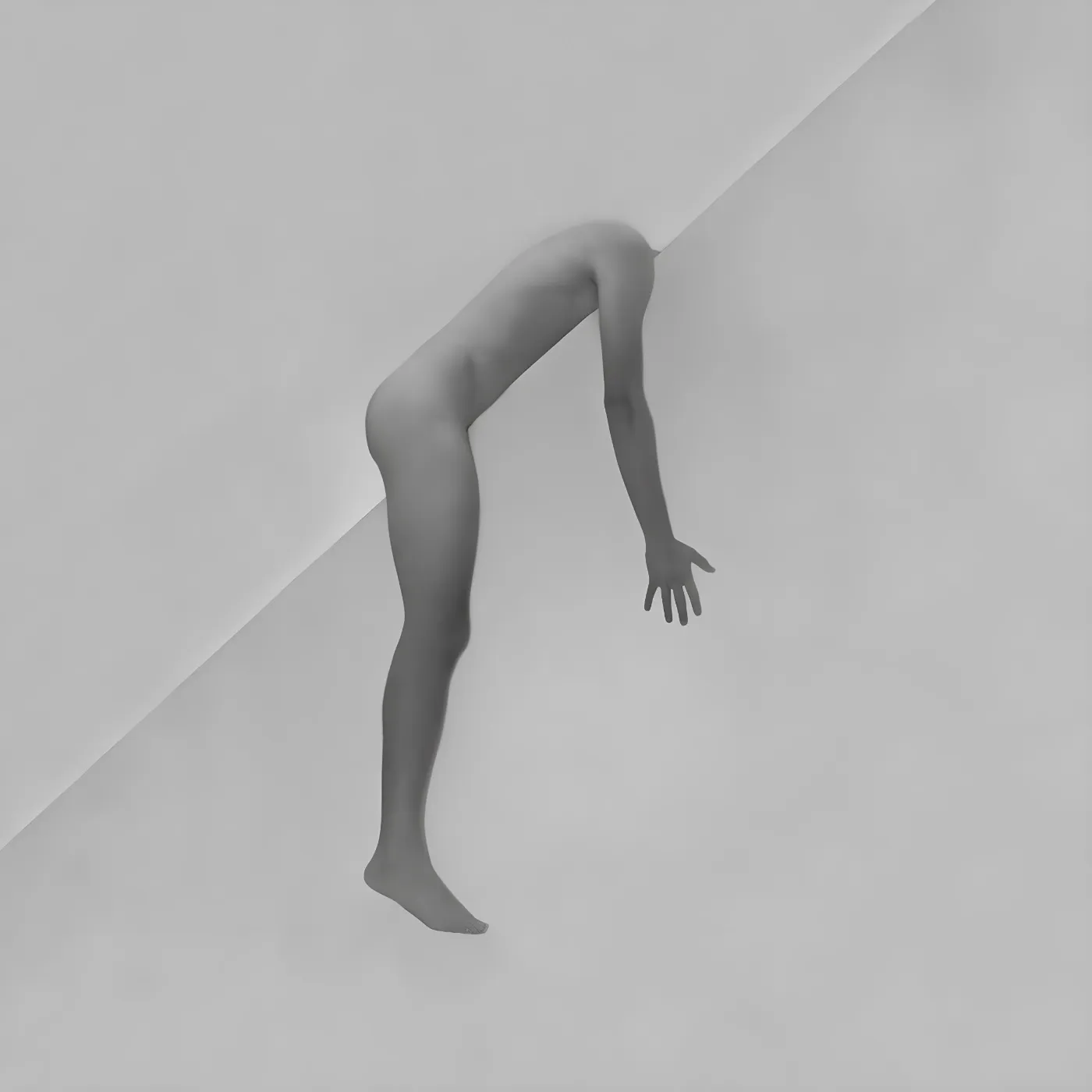
Manzotti uses the nude, self-portraiture, and nonprofessional models not as decorative subjects, but as vehicles for vulnerability and connection to place. The images are personal and poetic, with a distinct undercurrent of ecological anxiety.
Belgian award winner: Aerial Bodies
Belgium is also represented among the award winners. Belgian fine art photographer Ruben Bellanger took second place in the Nude Series category with Aerial Bodies.
Photographing from the air, he presents the human body as a small, vulnerable form in a vast landscape, surrounded by temporary shapes made from lines, spirals, branches, and other elements.
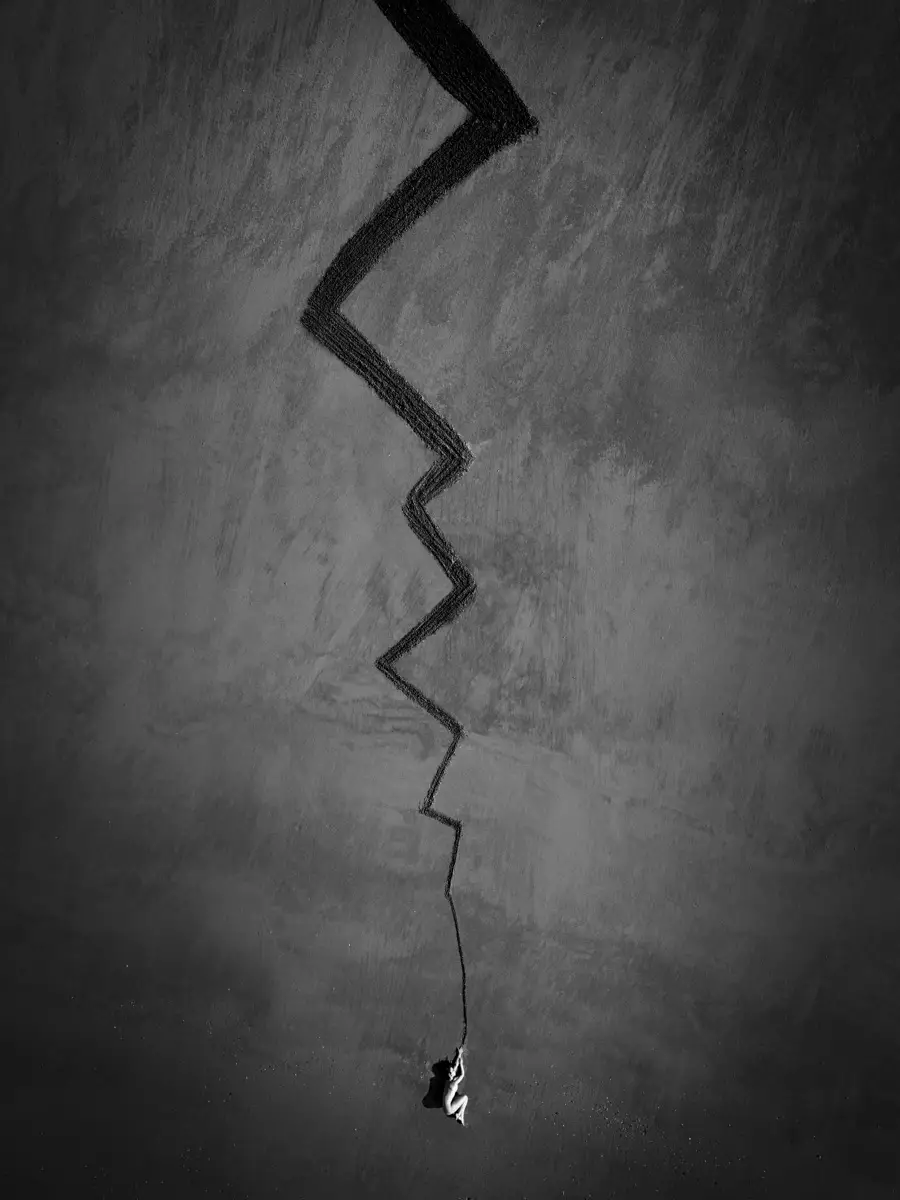
The series is about stillness, presence, and the search for something to hold on to in a world filled with stimuli and speed.
Bellanger works without digital manipulation, ensuring that the connection between the body and the natural environment remains central.
Single images
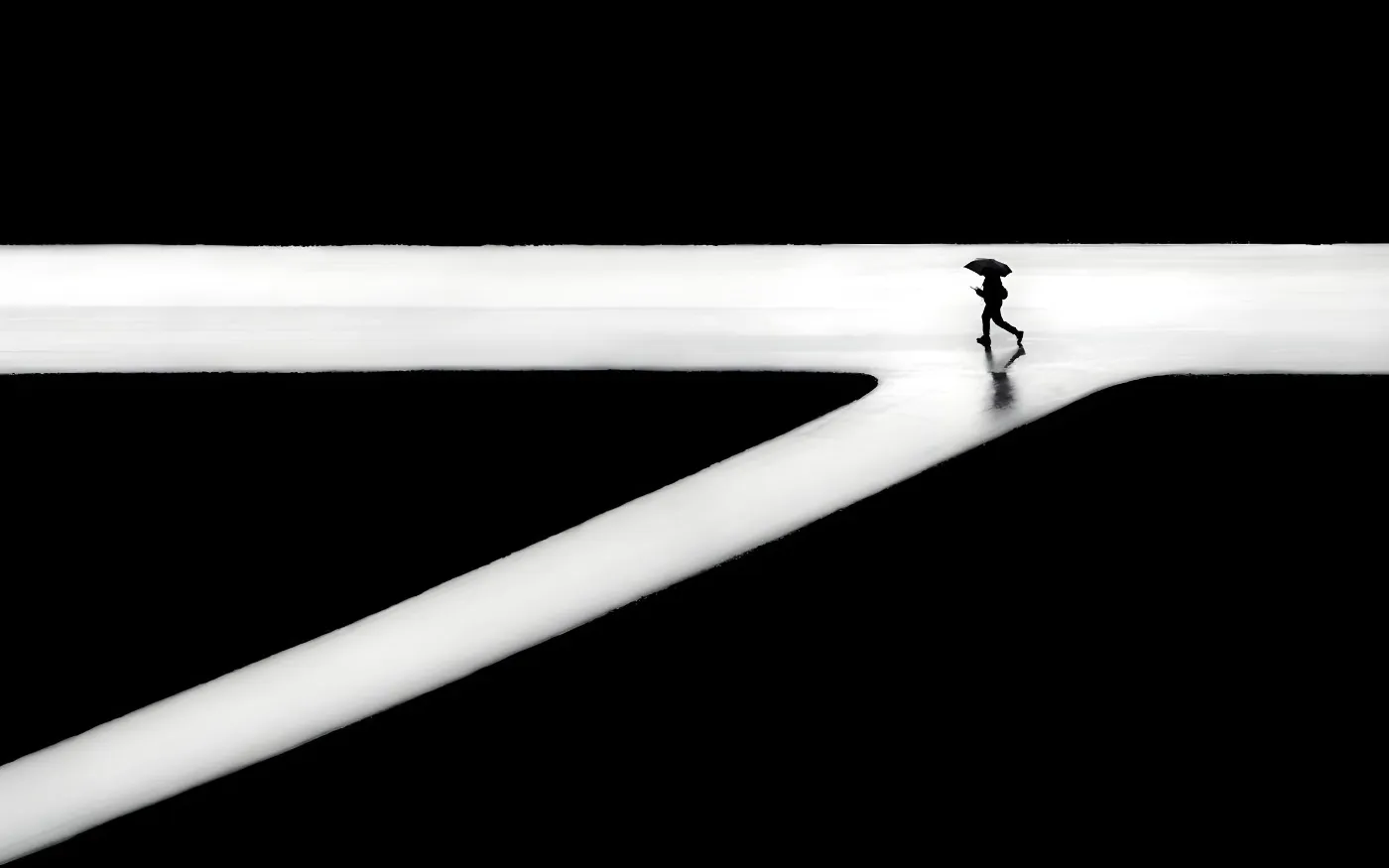
Two images also stand out in the Fine Art singles category. Martin Kocjan of Serbia won first place and the title Black & White Fine Art Photo of the Year 2026 with At the Crossing. A lone figure carrying an umbrella moves through a stark black-and-white intersection, where form, direction, and choice become almost graphic.
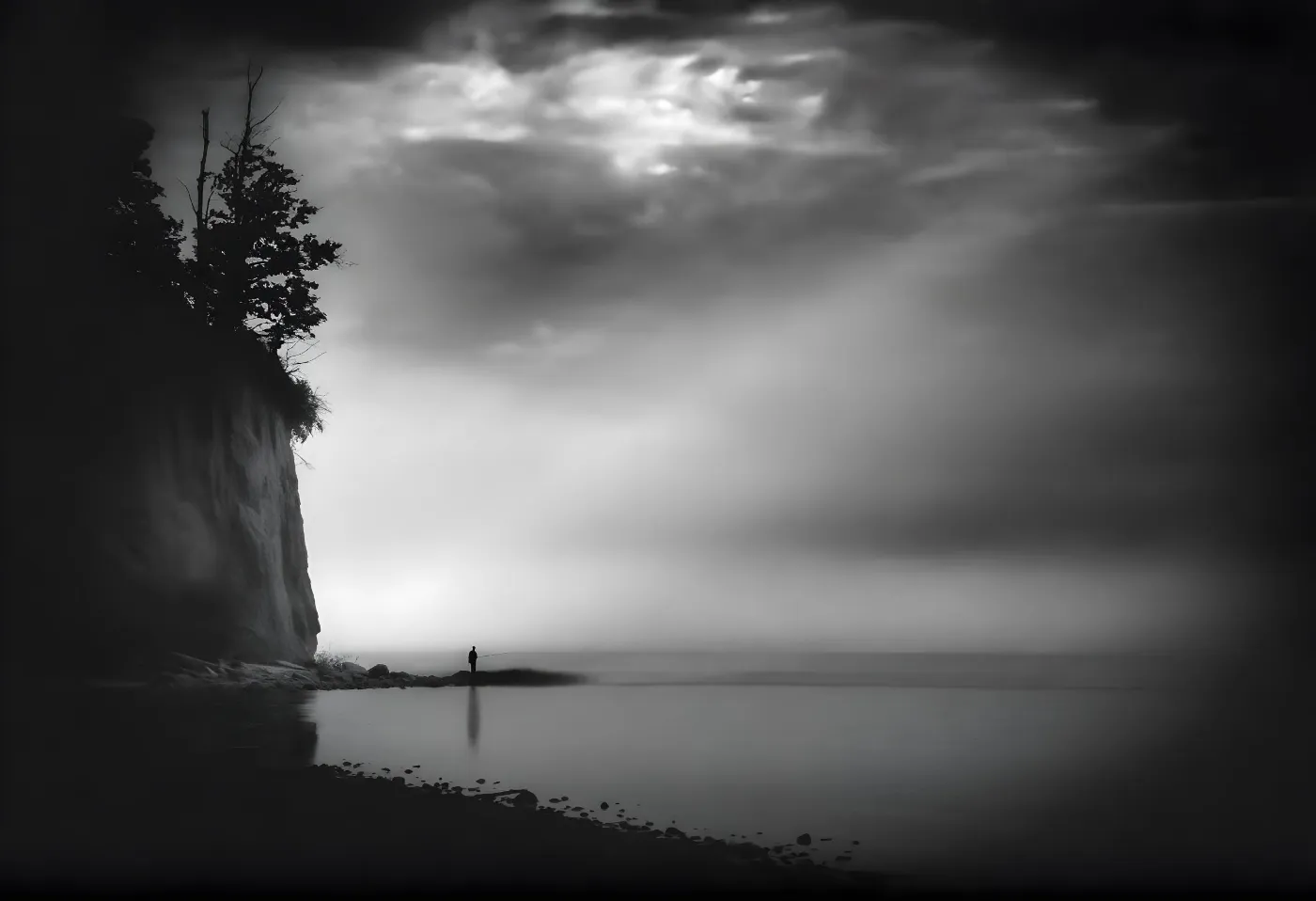
Monika Zemojtel of Poland took third place in the same category with Edge (see the image above), which shows a solitary figure at the edge of the water and beneath a rock face, small against a dark sky.
The complete winners' gallery is available on the MonoVisions Photography Awards website.