photo: © Jaap Lotstra
In short, the purpose of architectural photography can be clearly described. The point is that you can show a building in the most beautiful way possible, captured in a single shot. In practice, there is much more to the ideal picture of an impressive building. You are actually making a portrait of a building and, as with any portrait, the right circumstances play a major role.
Taking good architectural photos
If you want to take the best possible architectural photos, this requires the necessary preparation. There are a number of things you will have to pay close attention to. A good perspective and the right lighting are examples of this. This will help ensure that your photos look the best they can. The necessary research in combination with the right knowledge and material is important for this.
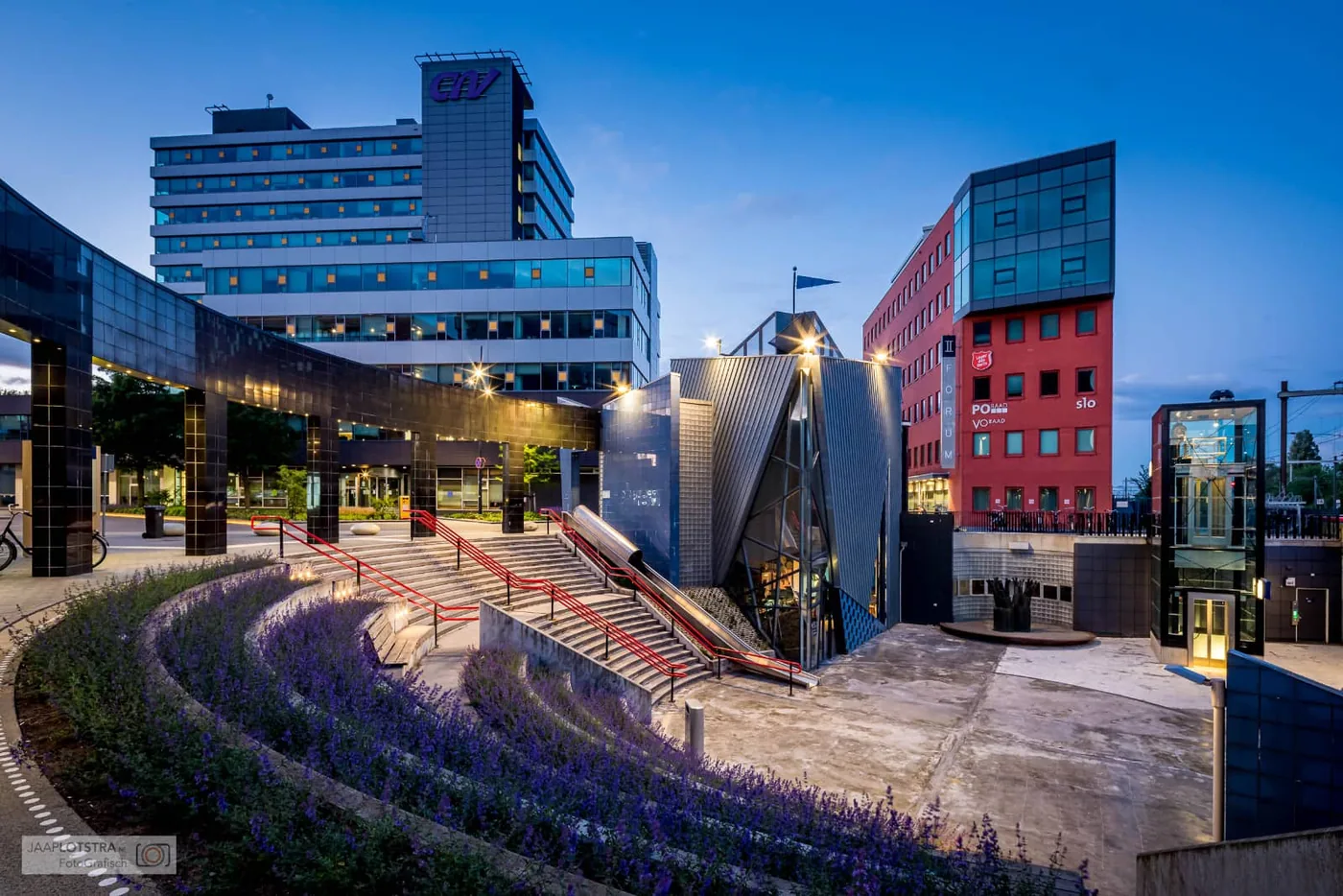
By determining in advance which buildings you want to capture, you can start preparing. The best moments to capture a structure are often at the beginning and end of the day. At these moments the light is soft. This provides a smaller contrast than is the case in the middle of the day, so that the shadows stand out better. Because the colors are warmer, you can give even the sleekest building a warm contrast, while this is much more difficult in the middle of the day.
The right equipment
Whether you are a professional architectural photographer or an amateur, good equipment is essential. A solid camera is a must, as are the right settings. By opting for maximum photo quality, you can capture as much as possible in a single shot. If it contains parts that are unnecessary, the photo can always be cropped later. But what other types of equipment can be useful when taking a perfect architectural photo?
A tripod gives you many options. Position it carefully to improve your composition and create sharper images while leaving more room for creative choices.
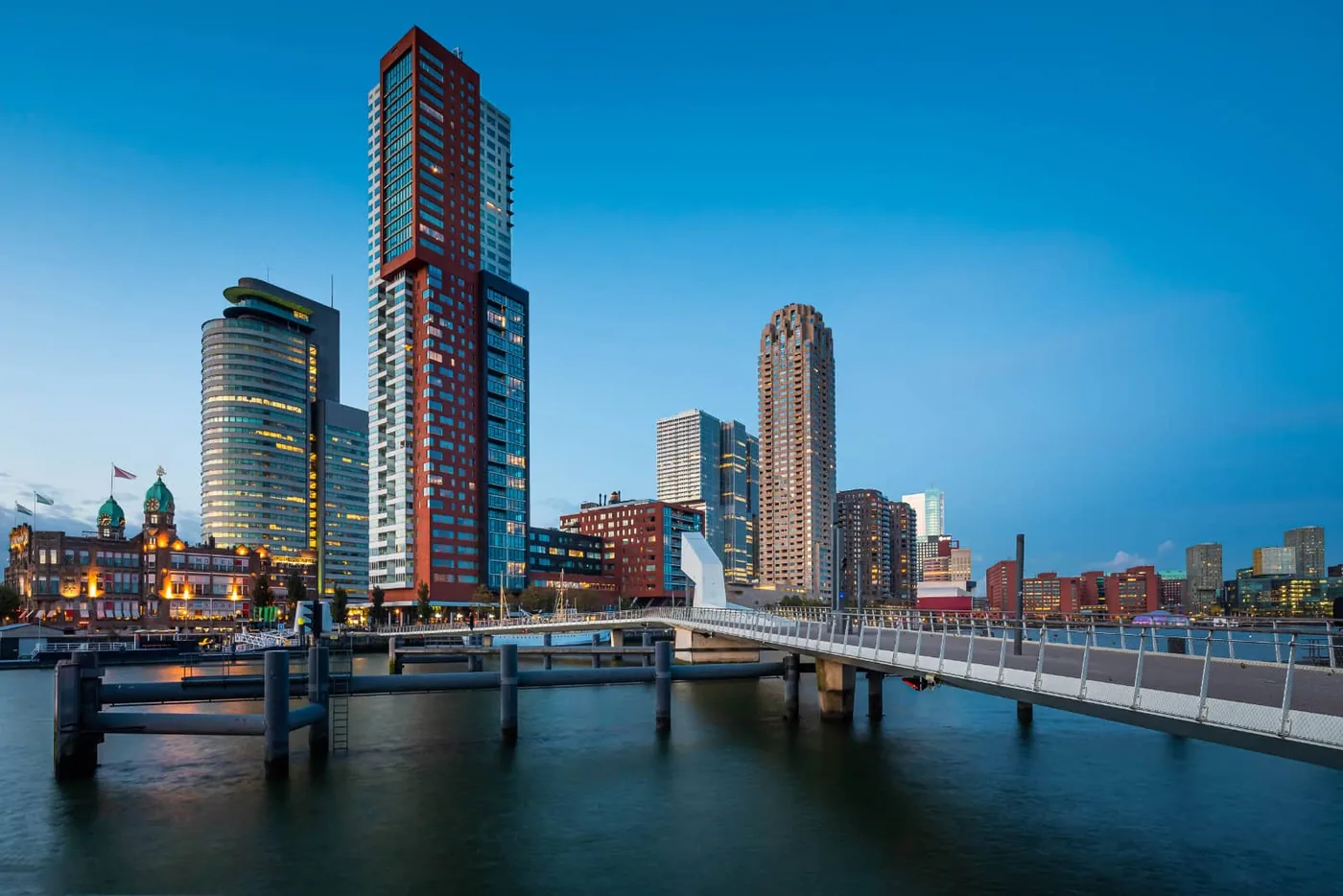
A wide-angle lens should actually be part of your equipment. This makes it easier to capture buildings in their entirety, even if they are very high. So it ensures that you can capture much more in one shot. Finally, a telephoto lens can do almost the opposite: it lets you photograph specific details and make them stand out.
Perspective and settings
The perspective came along just as quickly and for good reason. This is one of the facets of a good architectural photo. By photographing from the right perspective you can add more depth to your shot. When you photograph from different perspectives, you can show a building in a different way each time and thus find the point from which it best emerges.
When you work with a small aperture you will be able to sharply capture these details both up close and further away.
The right settings on your camera will help you capture as much detail as possible. When you work with a small aperture you will be able to sharply capture these details both up close and further away. As little noise as possible in your photos is also important.
You can minimize it by setting your ISO value as low as possible. Especially when you photograph at night or at dusk, this will be necessary for a photo without noise. You are helped by the fact that buildings do not move, which gives you plenty of time to set everything up so that it is perfect.
Tips for good architecture photos
Finally, a number of useful tips for architectural photography should not be missed. We have listed them here for you:
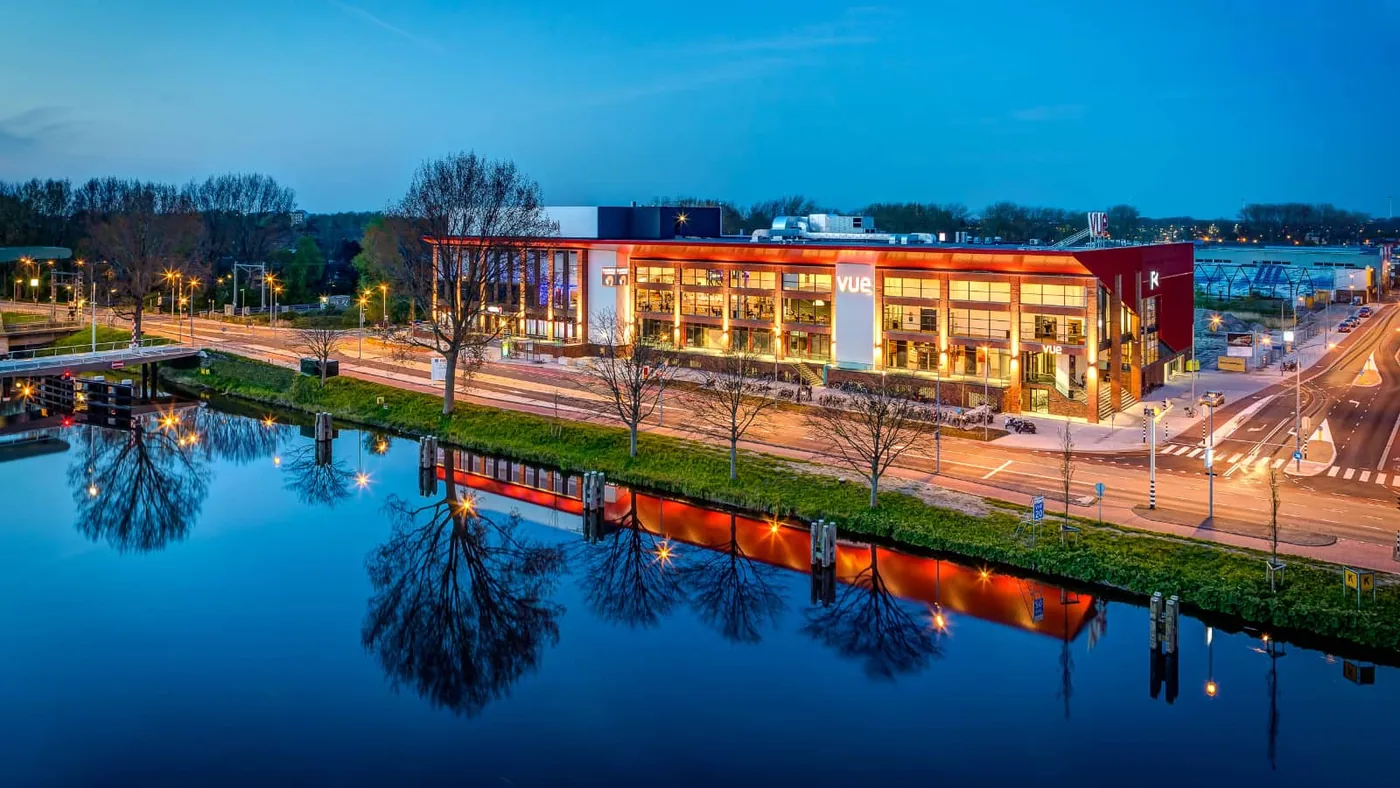
Use reflections
This way you can take special photos. Look carefully to see if you see the reflection of a building somewhere. If you manage to capture the building in this way, you almost guarantee very special images.
Keep looking closely
Sometimes it takes a lot of time to capture the ideal picture. That's why you have to learn to look carefully, stay calm and be creative. Prepare by, for example, visiting your location in advance.
Symmetrical images
If you want a symmetrical photo, it is useful to photograph with a tripod. It must be completely correct so that the photo is also completely symmetrical. However, when this is successful, it produces wonderful results.
Work with diagonal lines
Certain lines can sometimes be really in the way. By being creative with this you can capture it digitally. If this is done properly, everyone will see that this was done consciously and it often results in a great architectural photo.
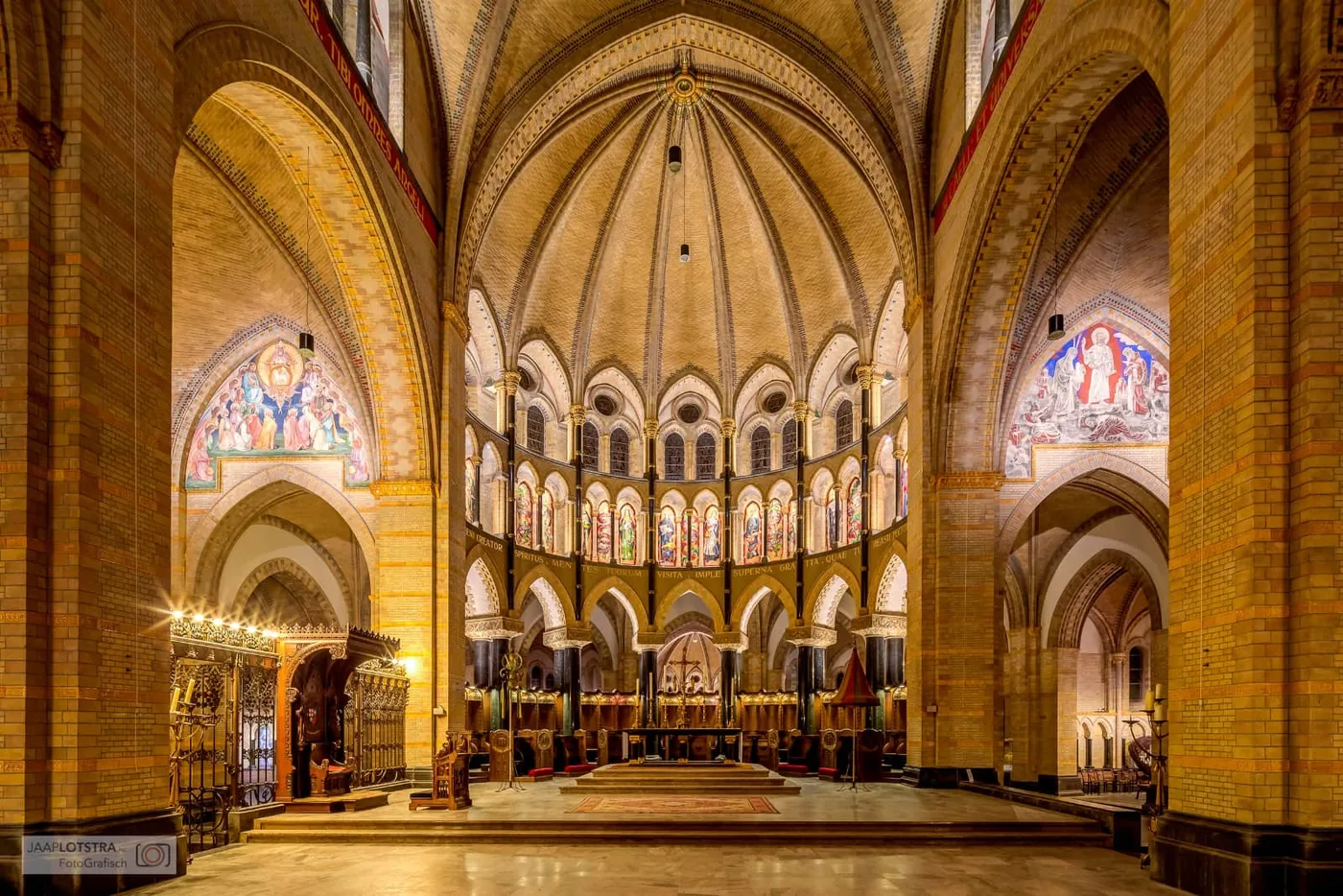
This article was created with the help of Jaap Lotstra, photographer Alkmaar, operating (inter)nationally from this location as an architecture and lighting company interior photographer for architects, interior designers, real estate developers, construction companies but also SMEs.
If, despite all the tips and advice in this article, you are not successful, or you do not have the time or inclination or you simply do not have the equipment as discussed, please know that you can hire Jaap. There is an introductory rate especially for readers of Fotografie.nl. Inquire about this free of charge and without obligation via the JaapLotstra.nl website. You can also see examples of his successful architectural photography on the website, showing what is possible when knowledge, skills and equipment come together. Whatever you do, it is definitely worthwhile to immerse yourself in this special branch of photography.