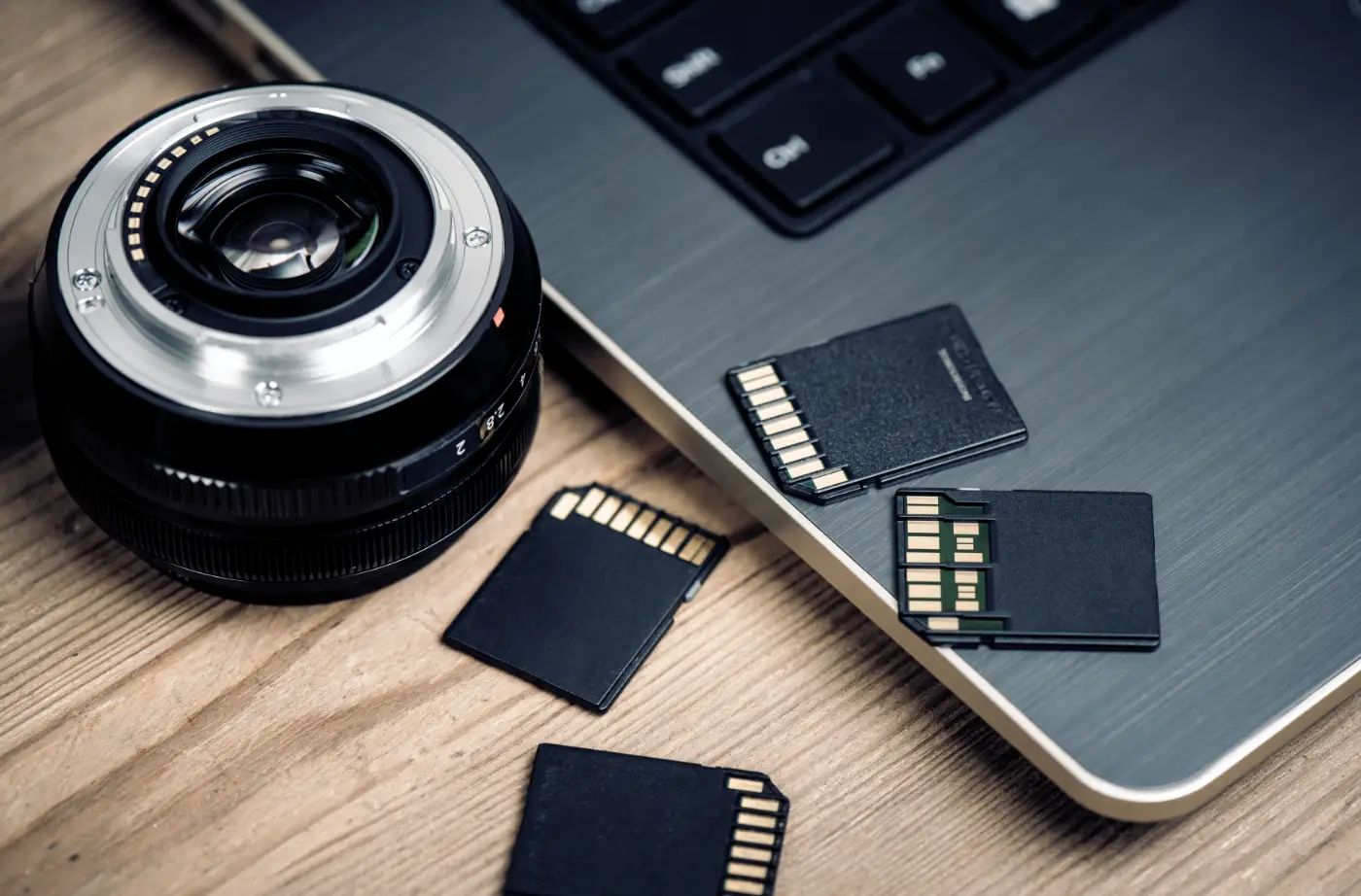
Are you ready to move beyond taking pictures with your smartphone or compact camera and take your photography to the next level? There is a world of possibilities, which can make choosing a camera difficult. Start by deciding which type of photography interests you most, then use that to guide your choice of a new camera.
ISO and megapixels
Will you often shoot in low-light conditions? If you take many photos indoors or in the dark, you need a camera that performs well at high ISO settings. That often goes hand in hand with a larger sensor. Although APS-C and other smaller sensors continue to improve at taking photos in low light, cameras with larger sensors generally deliver the best results.
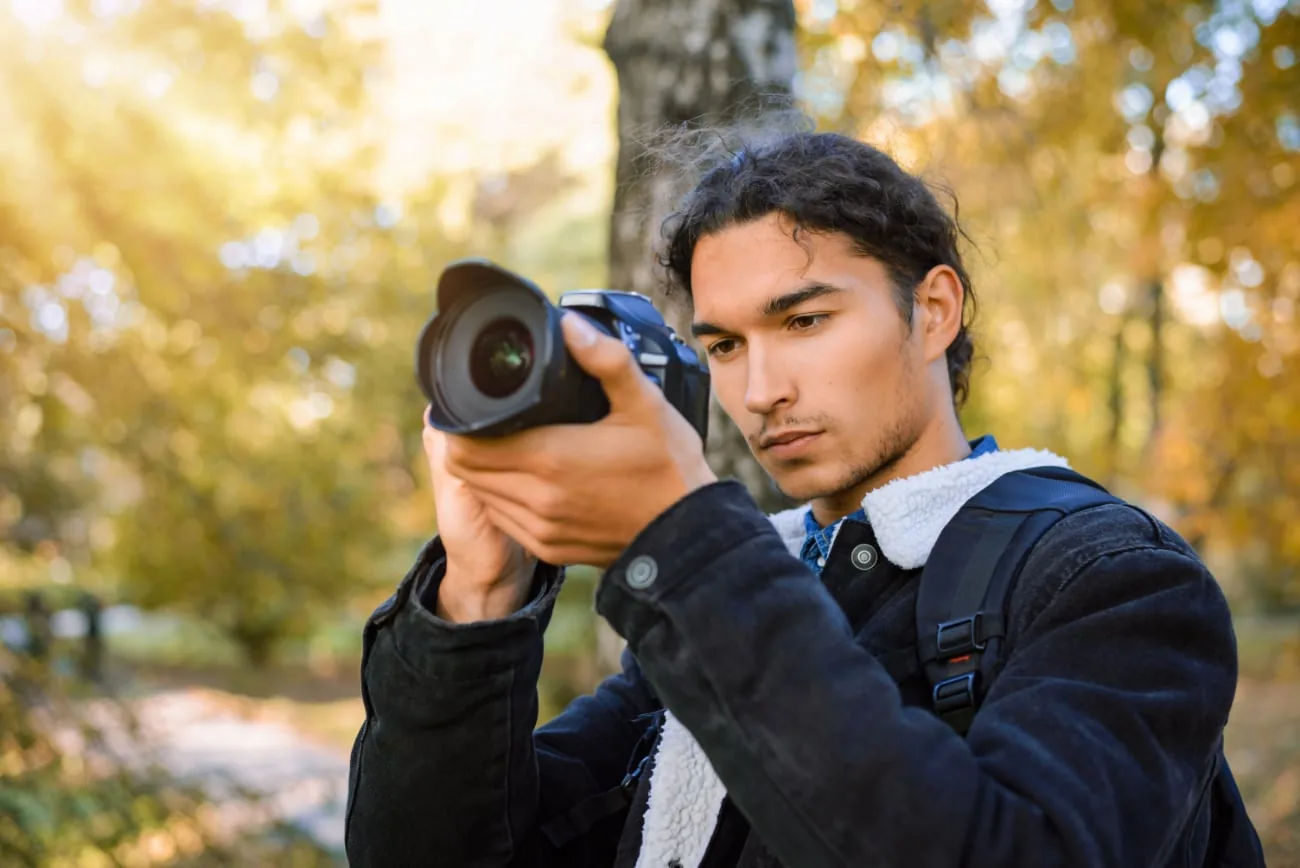
Most cameras now offer enough megapixels that resolution should no longer be a major factor in your purchase. Long-distance photography is an exception. If you photograph wildlife, for example, and want to get much closer to your subjects than a 400 mm lens allows, extra megapixels let you crop tightly in post-processing while retaining useful detail.
If that is your goal, be sure to ask the salesperson about megapixels. Keep in mind, however, that most cameras already include so many megapixels as standard that the issue may not even need to come up.
Mirrorless or DSLR
Should you choose a traditional DSLR, or would a mirrorless camera be more convenient and enjoyable to use? DSLRs have gradually moved into the background, and in many cases a mirrorless camera offers all the quality and features you need. Mirrorless cameras have gained ground in the camera world for good reason. They are lighter and can match DSLRs in image quality, although they are generally somewhat more expensive. A mirrorless camera also uses more battery power because all of its systems are electronic.
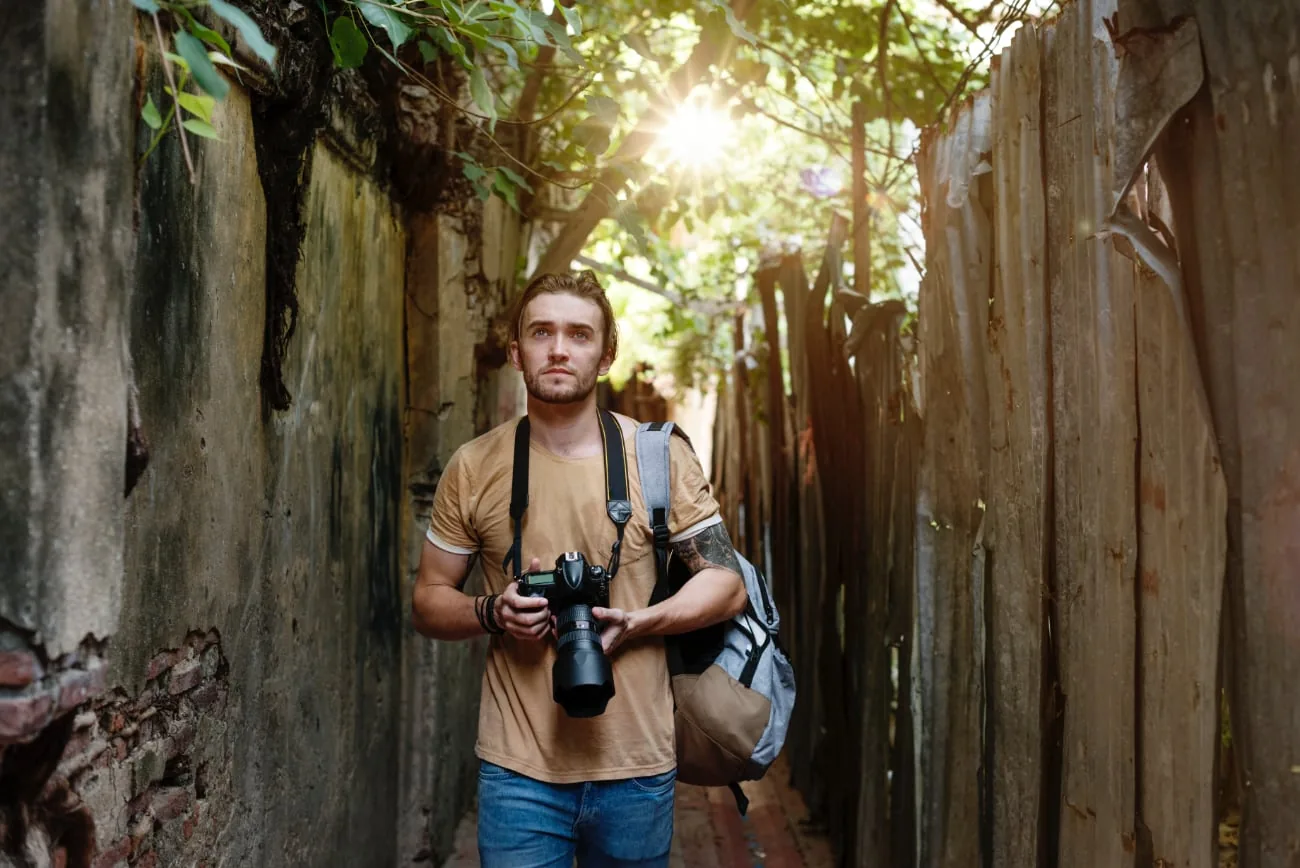
There are still reasons to choose a DSLR. It has an optical viewfinder rather than an electronic one: the camera’s mirror and pentaprism let you look directly through the lens at your subject. That can have advantages, and eyeglass wearers in particular sometimes find it a more comfortable viewing experience.
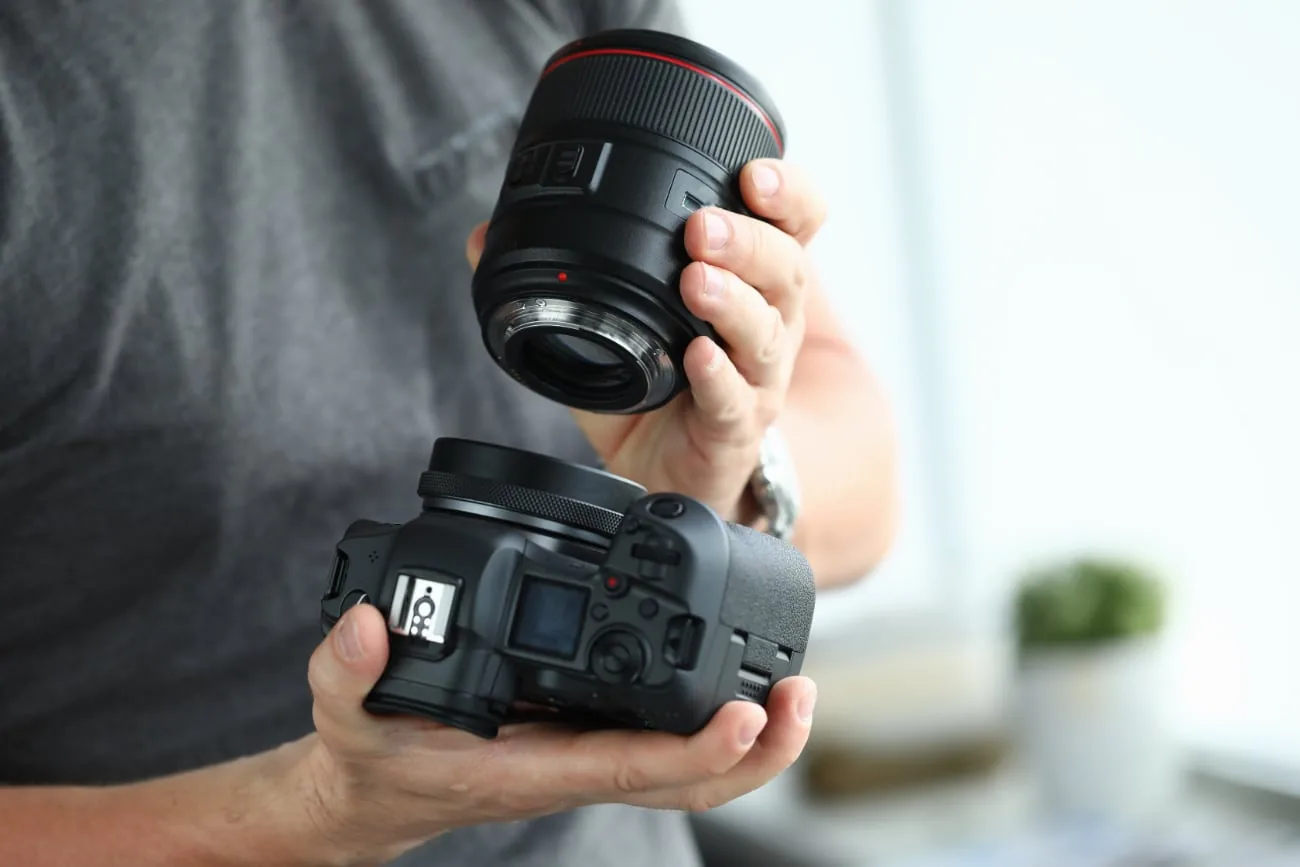
Both camera systems accept interchangeable lenses. Again, think in advance about the type of photography you plan to do most and whether the camera you choose supports the right lenses. Most types of lenses are available for many systems, but some camera systems offer a broader selection than others.
Sharing photos online
If you are used to using smartphone photography to post your photos online immediately and want to keep doing so, review the camera’s connectivity options. Many new cameras include sharing features, but it is worth checking exactly how they work and whether they are easy to use.
First, check whether the camera has a feature for sharing photos online. More and more cameras offer one, but it is not yet universal. You can also choose a camera with Bluetooth. When connected to your smartphone, the photos you take can be transferred directly to the phone.
Conclusion
The bottom line is that a salesperson cannot know everything about your specific situation or requirements. You need to decide how and for what purpose you will primarily use the camera, then match those needs to the requirements for your new camera.
Ask the salesperson about the factors that matter for your intended use. If they do not know, that is okay—you have already done the research you need to do, or at least you should have. Once you make a well-informed purchasing decision, you may not need a salesperson’s input at all.