F/1.2 sounds like a number that automatically makes backgrounds disappear and gives every portrait something special. The new Sigma 85mm F1.2 DG Art can indeed render very little in focus. That is both its greatest strength and its most challenging characteristic.
Sigma will release the 85mm F1.2 DG Art on 30 September 2026 for Sony E-mount and L-Mount. It is the fastest 85mm lens the company has ever made and, following the 35mm and 50mm, the third lens in Sigma's F1.2 Art series.
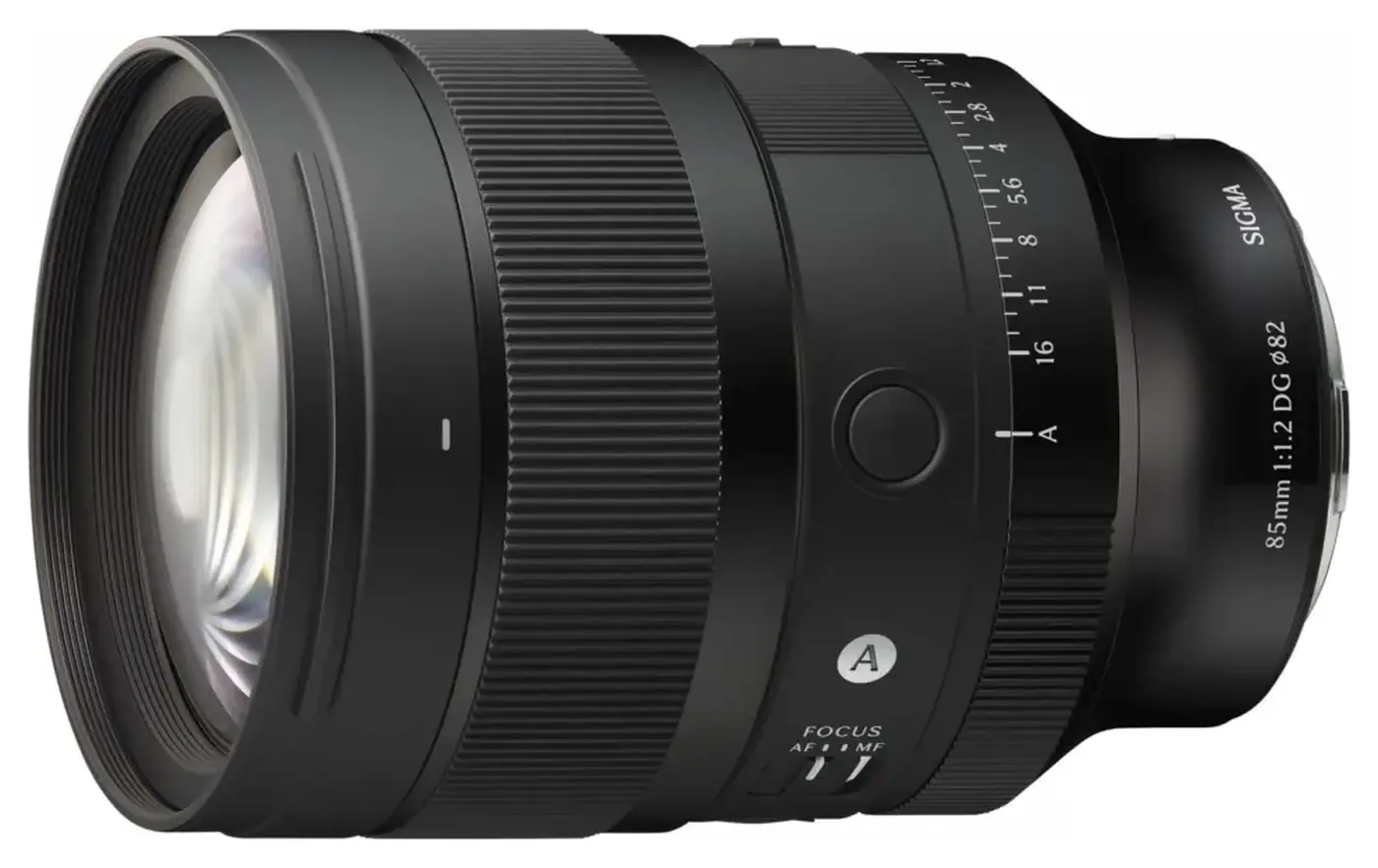
The lens is clearly intended for portraits, weddings, fashion and video. But how much difference does f/1.2 make in practice, especially compared with an 85mm f/1.4 or the much more affordable f/1.8?
85mm already does part of the work
An 85mm lens is popular for portraits because it lets you keep some distance from your subject while still filling the frame with a face or upper body. This greater shooting distance generally produces natural facial proportions. Noses appear less prominent than in a portrait taken at close range with a wide-angle lens.
Even without f/1.2, an 85mm lens can create good separation between subject and background, particularly when the subject keeps some distance from that background. A shrub directly behind someone's head will still look like a shrub. Place that same shrub ten metres farther away and it becomes a calm arrangement of colours and shapes.
Focal length, shooting distance and background therefore work together. The aperture adds another layer to the effect.
One eye sharp, the other perhaps not
At f/1.2, depth of field becomes extremely shallow. If you photograph with a full-frame camera from around 1.2 metres, the area in focus is roughly only one and a half centimetres deep. The precise value depends on the shooting distance and how the photograph is ultimately viewed, but it is never generous.
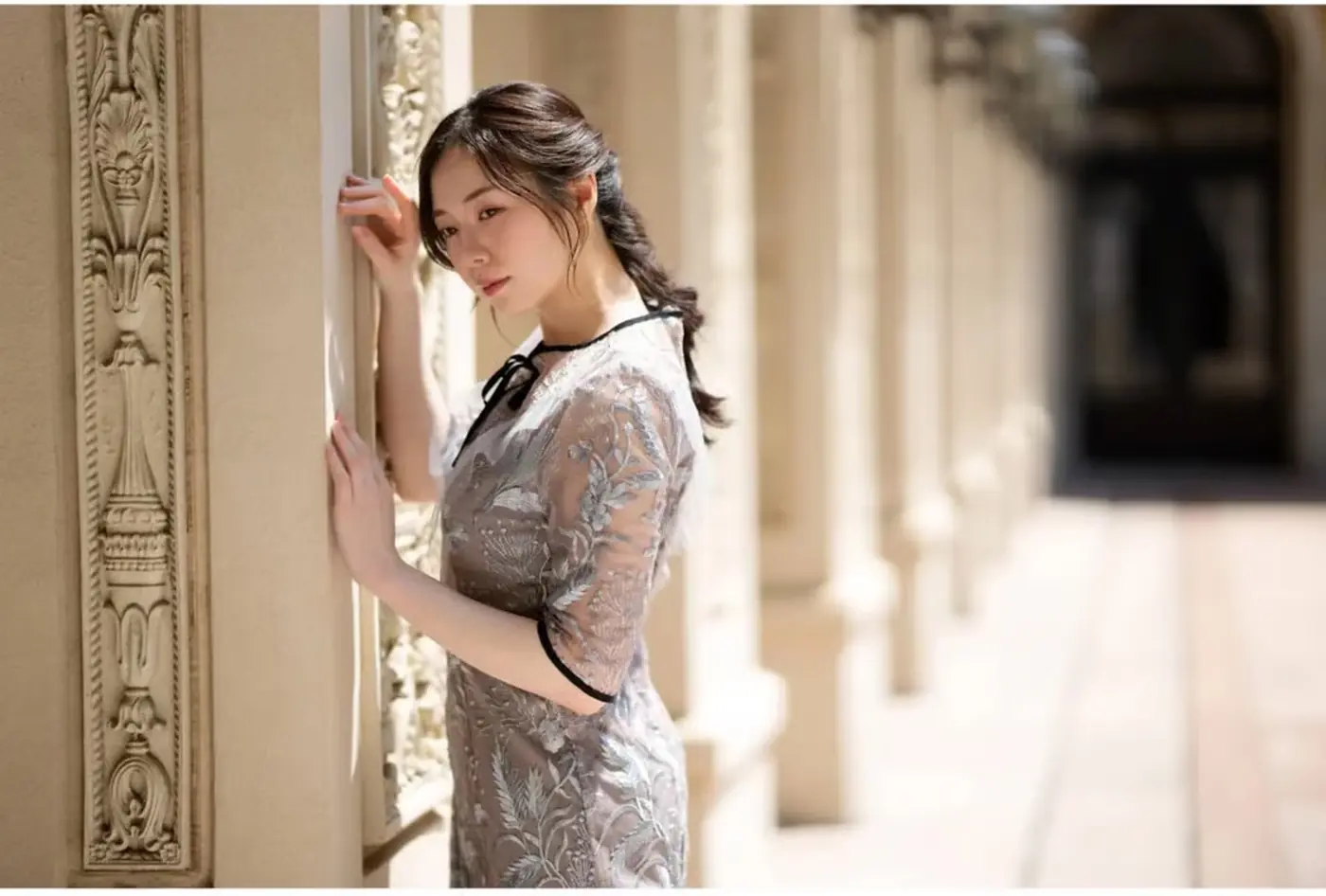
If the camera focuses on the eyelashes, the iris may already be slightly softer. When the face is angled, it is quite possible that only one eye will be sharp. With two people standing side by side, one person only needs to lean back slightly for the other to have all the sharpness to themselves.
This can be beautiful when used deliberately. The viewer's eye is led directly to one eye, a mouth or a small detail. But shallow depth of field leaves little room for error. Your subject only has to move slightly for the plane of focus to end up in the wrong place.
F/1.2 therefore demands more than good autofocus. It also requires attention to posture, distance and the moment you press the shutter.
How much extra light do you really gain?
The difference between f/1.2 and f/1.4 is smaller than the numbers might suggest. F/1.2 lets in roughly a third more light, just under half a stop. That may be just enough to use a faster shutter speed or lower the ISO slightly, but it is not a night-and-day difference.
Compared with f/1.8, the difference is clearer. F/1.2 captures more than twice as much light, a little over one stop. Where f/1.8 might require ISO 3200, under the same conditions f/1.2 could theoretically bring that down to around ISO 1400.
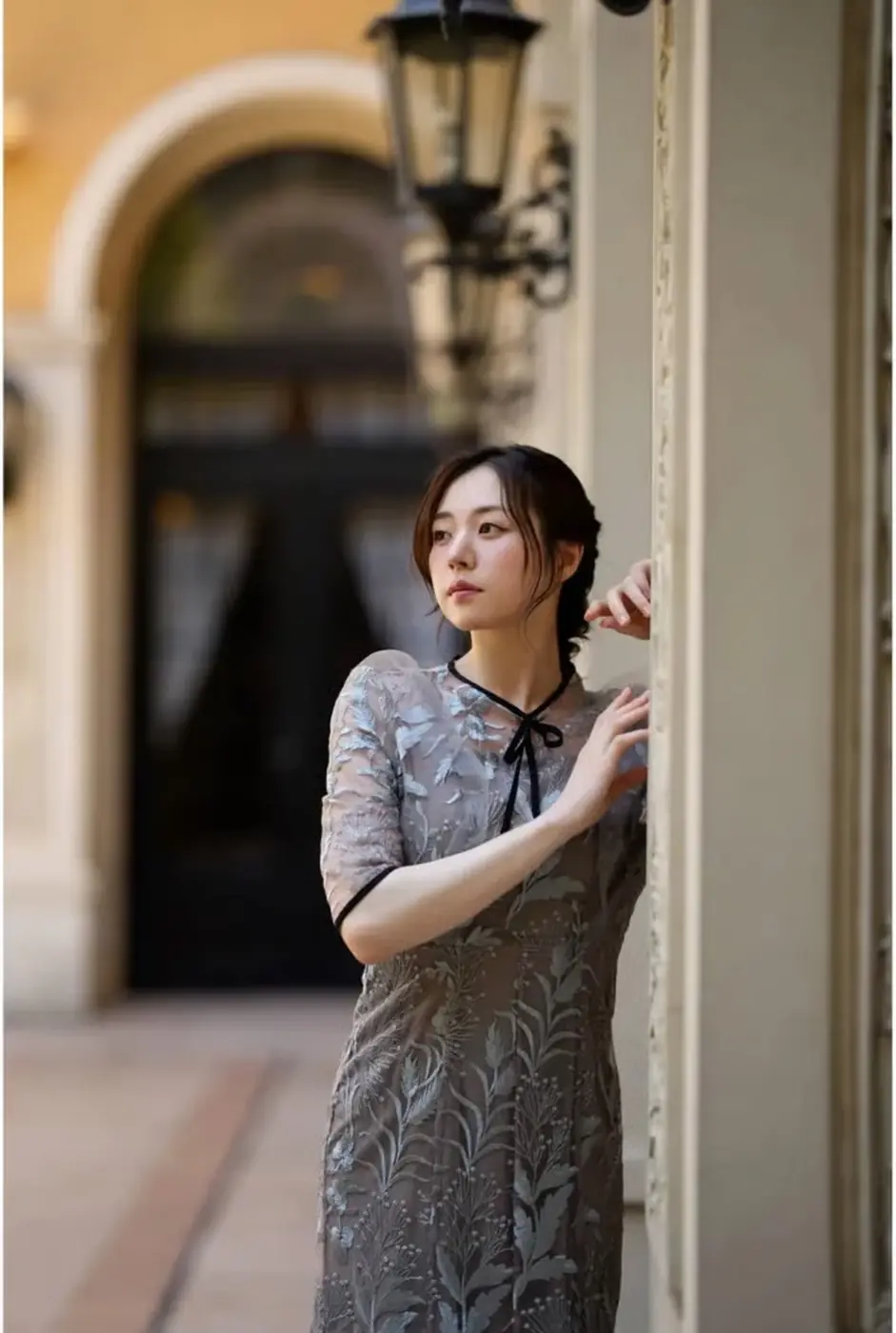
In low light, you are always looking for the best balance between aperture, shutter speed and ISO. F/1.2 gives you a little extra freedom, allowing you to keep the shutter speed faster without raising the ISO further. This is particularly useful at a wedding or concert, or when photographing a moving subject. Image stabilisation can compensate for your own movement, but it cannot freeze someone who is laughing or dancing.
F/1.2 is not an automatic beautifier
A wide aperture makes out-of-focus areas more blurred. Whether that blur is also attractive depends on more than the f-number. Points of light, branches, patterns and strong contrasts can remain distracting even at f/1.2.
Sigma uses thirteen rounded aperture blades. These should keep circles of light round even at slightly smaller apertures. The optical design is also intended to reduce coloured edges and double lines in out-of-focus areas. A practical test will have to show how well it performs in demanding situations.
The distance to the background remains at least as important. Moving your subject just a few steps can sometimes make more difference than switching from f/1.4 to f/1.2.
Autofocus determines the hit rate
Sigma uses two HLA linear motors to drive the focusing system. This should make autofocus fast and quiet, with enough precision to keep a moving eye within the narrow area of focus.
That sounds reassuring, but f/1.2 remains f/1.2. Eye detection can identify the correct eye and move the lens quickly. It cannot prevent someone from moving a centimetre forward after focus has been acquired.

During a calm portrait session, you can anticipate this and check the results as you work. At a wedding or event, the pace is higher. In that situation, f/1.4, f/1.8 or even f/2 may ultimately produce more successful photographs. A slightly busier background is not always worse than a face that is just out of focus.
You do not have to use an f/1.2 lens at f/1.2 all the time simply because you paid for it. Fortunately, the aperture ring also turns the other way.
A fast lens is not the same as good light
F/1.2 helps when very little light is available. It does not determine where that light comes from, how soft it is or what it does to a face. A window, reflector or off-camera flash can do more for a portrait than another half-stop of aperture.
The main advantage of f/1.2 is therefore freedom of choice. You can use it when there is little ambient light or when you deliberately want an extremely shallow plane of focus. That does not mean it is the best setting for every portrait.
Lightweight, with a small caveat
Sigma calls the 85mm F1.2 the smallest and lightest autofocus lens in its class. The lens weighs approximately 905 grams. That is impressive for a full-frame 85mm f/1.2, but it is still almost a kilogram of glass on the front of your camera.
The lens is about twelve centimetres long and accepts 82mm filters. Its minimum focusing distance is 84 centimetres. Here, compact means compact compared with other f/1.2 lenses, not barely noticeable.
The controls are in keeping with the Art series. There is an aperture ring with a locking switch and click stops that can be disabled. The lens also has two programmable AFL buttons. Its construction is dust and splash resistant, while the front element has a water and oil-repellent coating.

For video, Sigma limits the change in angle of view while focusing. Together with quiet autofocus and a clickless aperture ring, this also makes the lens suitable for filmed portraits and interviews.
Who will benefit from f/1.2?
The Sigma 85mm F1.2 DG Art is particularly interesting for photographers who regularly work in low light and know exactly why they want extremely shallow depth of field. This includes wedding photography, fashion, concerts and portraits in which the face needs strong separation from the surroundings.
For many other photographers, an 85mm f/1.4 or f/1.8 remains the more practical choice. These lenses are generally lighter and less expensive, while the difference in the final image may be smaller than the difference printed on the box suggests.
L-Mount photographers who prefer flexible framing to opening up to f/1.2 could also consider the Samyang AF 60-180mm F2.8 L. It does not offer the same shallow depth of field, but it does provide greater focal-length flexibility for portraits and events.
F/1.2 therefore makes a visible difference. The background can become softer, more light reaches the sensor and the plane of focus becomes razor-thin. But it does not automatically make a portrait better. Above all, it gives you more possibilities and less room for error.
Price and availability
The Sigma 85mm f/1.2 DG Art will be available at the end of September 2026 for €1,499 in Sony E-mount and L-Mount.