You cannot avoid them in the Netherlands: trees. Even the name Holland refers to them. The Netherlands no longer has any true primeval forests. The last remnant, the Beekbergerwoud, was felled in 1868. Yet there are many areas where trees and forests predominate and where beautiful photographs can be made. Nature photographer Aaldrik Pot explains where to go, how else to look at trees, and what to take in your camera bag.
The name Holland is thought to derive from an area around Leiden formerly called Holtland or Holdland. Of course, this says nothing about the rest of the Netherlands, but unintentionally it does justice to the country’s hinterland as well. Trees and forests occur naturally almost everywhere in our low-lying country. In most nature reserves, forest will eventually develop if there is no intervention. A heathland, for example, will turn into a birch forest within a few years if the shepherd does not take the flock out to graze every day.
Various studies have shown that many people see forests as the most attractive form of nature. For about fifty years, the Dutch Forestry Act has ensured that trees and forests in the Netherlands cannot simply be felled at will. Unfortunately, that law came too late to preserve any true primeval forests. The concept of a primeval forest is confusing, incidentally, but even without attaching all kinds of scientific definitions to it, almost everyone has an image of one in mind.
Many people see forests as the most attractive form of nature
Individual trees and tree species have also been discussed and debated for centuries. Trees have held—and still hold—great significance in a wide range of cultures. The Celts, for example, attributed healing properties to the oak, while court sessions, meetings, and celebrations were held around a linden tree planted specifically for that purpose in the village square. Trees also command respect because of the great age they can reach. Some species can live for hundreds of years. Well-known examples include the ‘thousand-year-old’ linden in Sambeek and the Dikke Boom on the Verwolde estate near Lochem.
Photographing trees and forests can keep you entertained endlessly, but it is not always easy. The risk of producing a ‘boring picture’ is very real. A few simple points can make your photographs of trees and forests more compelling. In any case, try to convey in the photograph what appeals to you about the tree or forest.
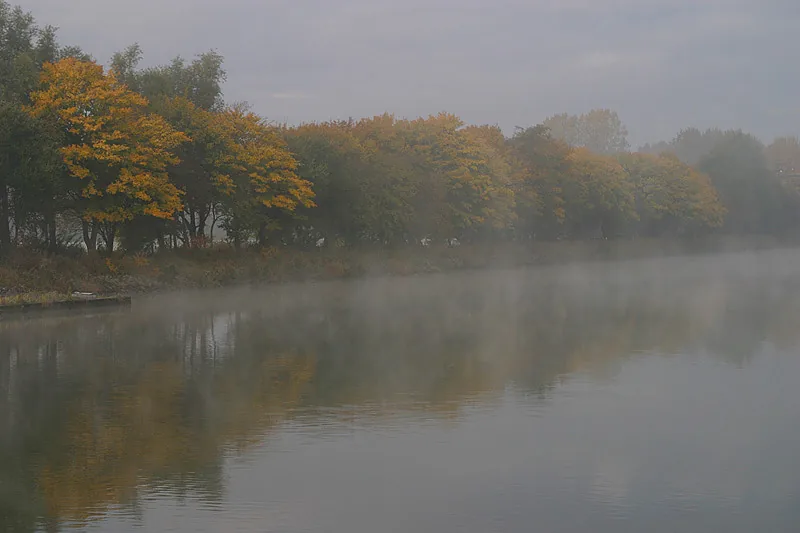
Photo 1: A row of trees along a canal. The reflection creates a receding line. The autumn colors and mist give the scene a mystical quality.
Use Trees to Emphasize the Landscape
A solitary tree can emphasize the vastness of an empty polder landscape, for example. The seasons naturally play a role too. A bare tree in a wintry field can create a much stronger image than the same tree disappearing against a wall of corn several meters high. Sometimes choosing a higher viewpoint can add even more ‘drama.’ That is why I always keep a stepladder in the car.
Follow the Seasons
Many photographers have done it before, but it remains beautiful. Once you have found a magnificent tree, photograph it from a fixed viewpoint in different seasons. This can produce a wonderful four-panel series, for example. You can expand this approach by photographing the tree at different times of day: at sunrise, in soft morning light, in harsh daylight, and in warm evening light. Different types of weather within the same season can also provide an interesting starting point.
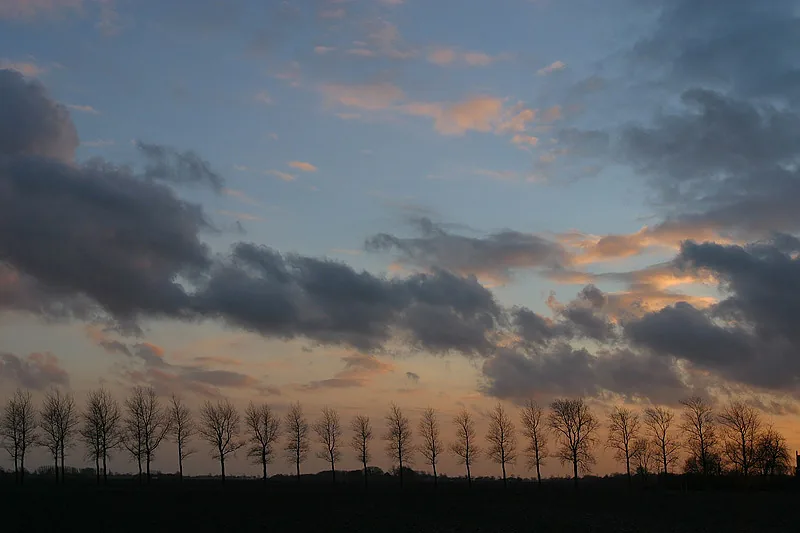
Photo 2: A row of trees makes a photograph of an evening sky just a little more compelling. By metering for the sky, the trees stand out beautifully as silhouettes. Because there is more ‘cold’ in the air in winter, the colors around sunset are often much redder than during other seasons.
Look for Patterns
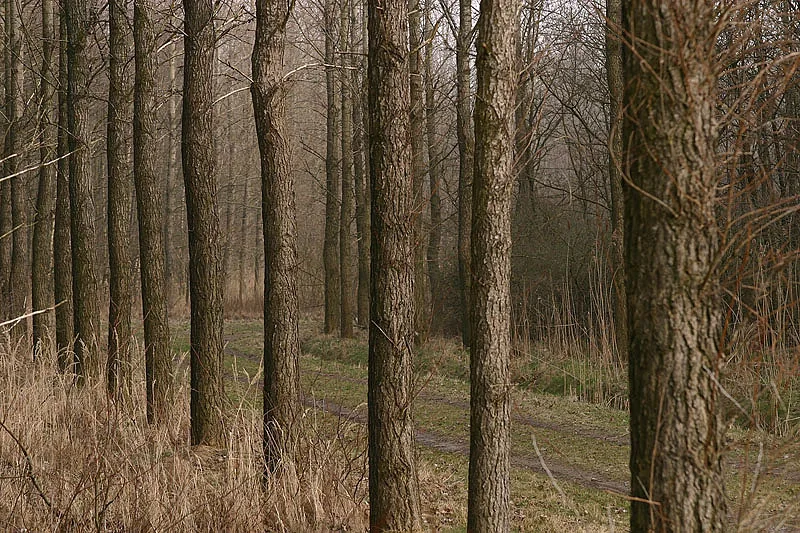
Trees are ideally suited to experimenting with patterns. Because trees in the Netherlands are often planted mechanically, the resulting forests are generally monotonous: the trees are placed in rows at fixed intervals. By experimenting with the framing, you can use this monotony or regularity to create a powerful image.
Photo 3: Production forests are often very monotonous, but repetition and regularity can also produce a surprisingly effective photograph.
Abstract Paintings
Tree stumps and bark are rewarding subjects for highly abstract photographs. The bark of birch trees can sometimes reveal the most enchanting shapes. Some stumps and roots have been shaped or exposed by the elements in ways that bring all kinds of figures to the fore. Curious patterns can also appear on the cut surfaces of felled trees. It then becomes a matter of framing the subject to make the image as strong as possible. Searching for subjects in this genre offers photographic enjoyment throughout the year.
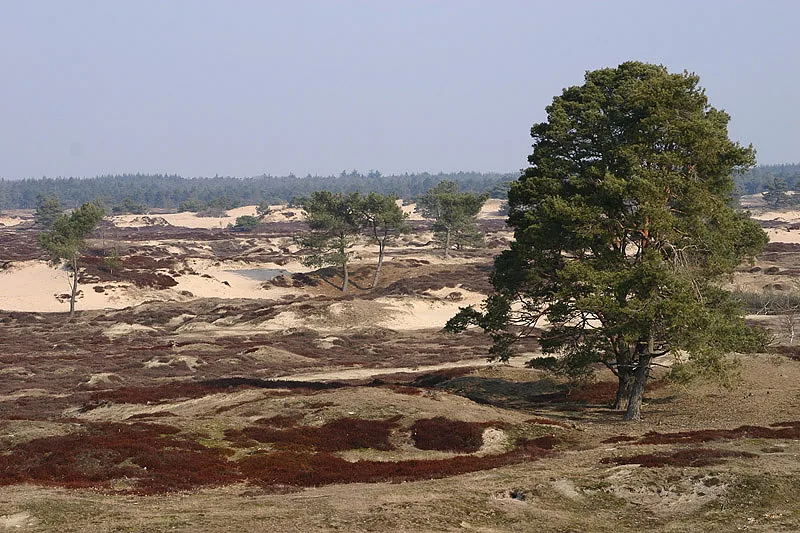
Photo 4: By getting above the landscape, as here in the Kale Duinen near Appelscha, the photograph gains more depth. A tree can then emphasize the vastness or expanse of an empty landscape.
Use the Shadow

The irregular character of some trees comes across even better when you capture not the tree itself, but its shadow. Weathered church walls, for example, make attractive backgrounds. The reflection of trees in water or snow also makes a beautiful subject.
Photo 5: By metering for the setting sun, only the silhouette of the leaves remains visible.
Nature’s Whims
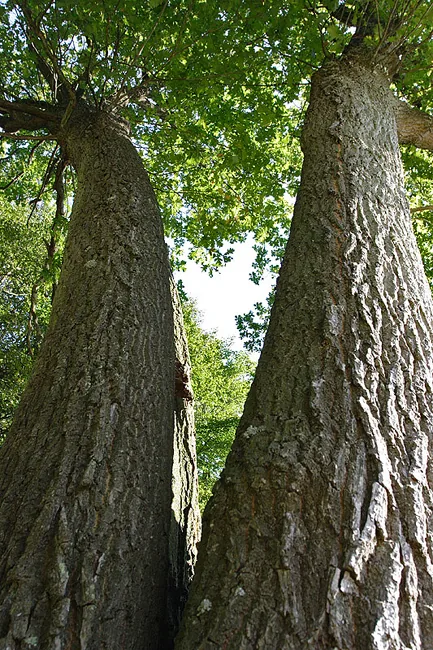
Lightning and other natural phenomena can leave an entire story written across a tree. Sometimes trees are split almost to the ground, yet both halves simply continue to grow. Some parasites cause remarkable growths, of which the so-called witch’s broom in birch trees is perhaps the best known.
Two separate trees joined together by a branch are also interesting to photograph. When making these images, always consider exactly what you want to show or what story you want to tell.
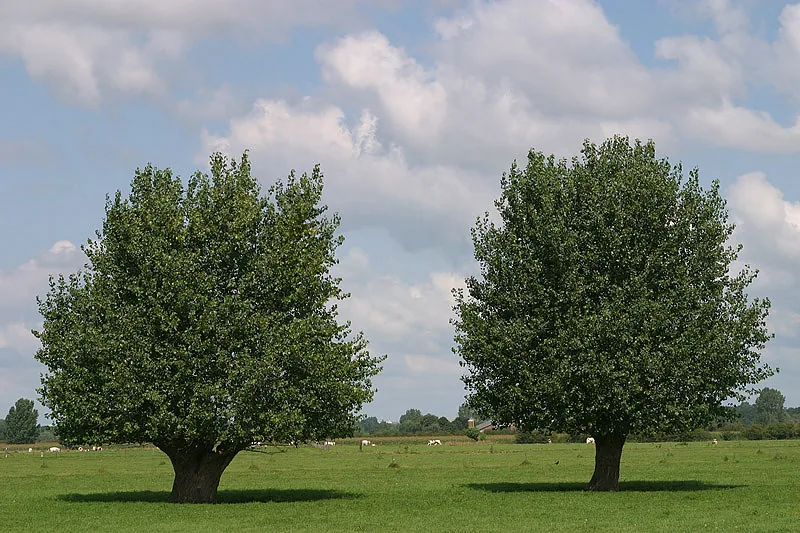
Photo 6: Two solitary poplars in a vast, deserted agricultural landscape.
Color on Color
In spring and autumn, the colors in the forest change dramatically. The emerging green foliage of beech trees is especially beautiful. It is a matter of returning frequently to a carefully chosen location so you are there at the right moment. The same applies to photographing autumn colors. Different tree species vary considerably in when their leaves change color. The leaves of the northern red oak are known for producing a spectacular display.
Closer to the ground, the snowy mespil is a beautiful ‘autumn shrub.’ By mid-October, it can be bright red. Spring also brings a succession of colors. This begins in early spring (February) with flowering hazel and alder. Most willows flower in early April, while fruit trees are in full blossom from mid-April. Elder trees provide the finale, attracting attention with large clusters of white flowers in mid-June.
Photo 7: Twins along the IJssel.
Animals and Plants
Besides being photographic subjects themselves, trees and forests provide habitat for all kinds of distinctive plants and animals. The flora in very early spring, before the trees have leaves, is magnificent. This is when wood anemones flower. They are often accompanied by lily of the valley, wild garlic, and hollowroot. In forests with running water, it is worth looking out for primroses.
In some forests you may also have an unexpected encounter with various mammals. These encounters rarely result in good photographs, if you even manage to take a picture before the animal flees. Photographing mammals requires thorough preparation. Even without spending days in a hide, however, it is entirely possible to make a beautiful photograph of a squirrel or red deer. It is also a matter of getting to know an area well and knowing where and when the animals appear.
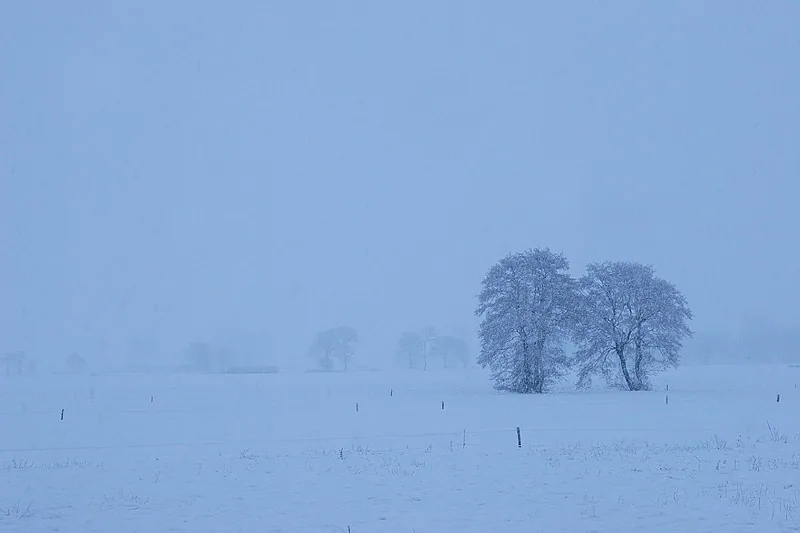
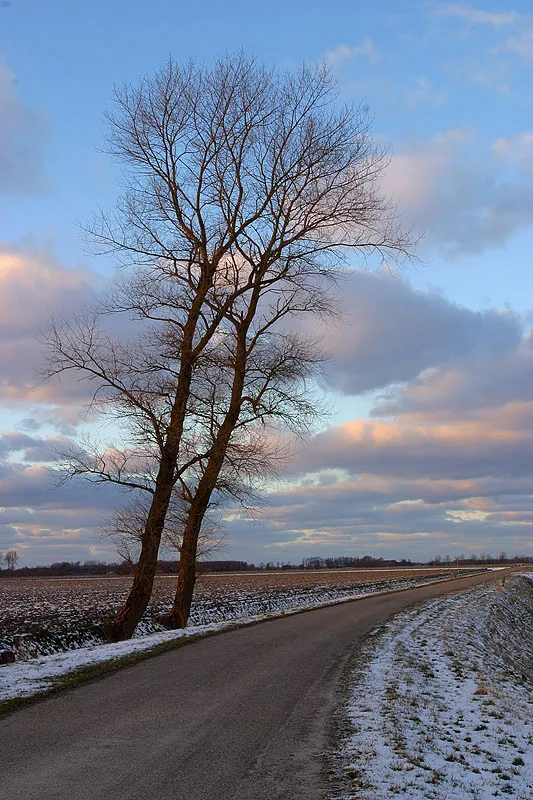
Photo 8: Trees always look good in a snowy landscape.
Also read About Trees and Forests (Part 2)