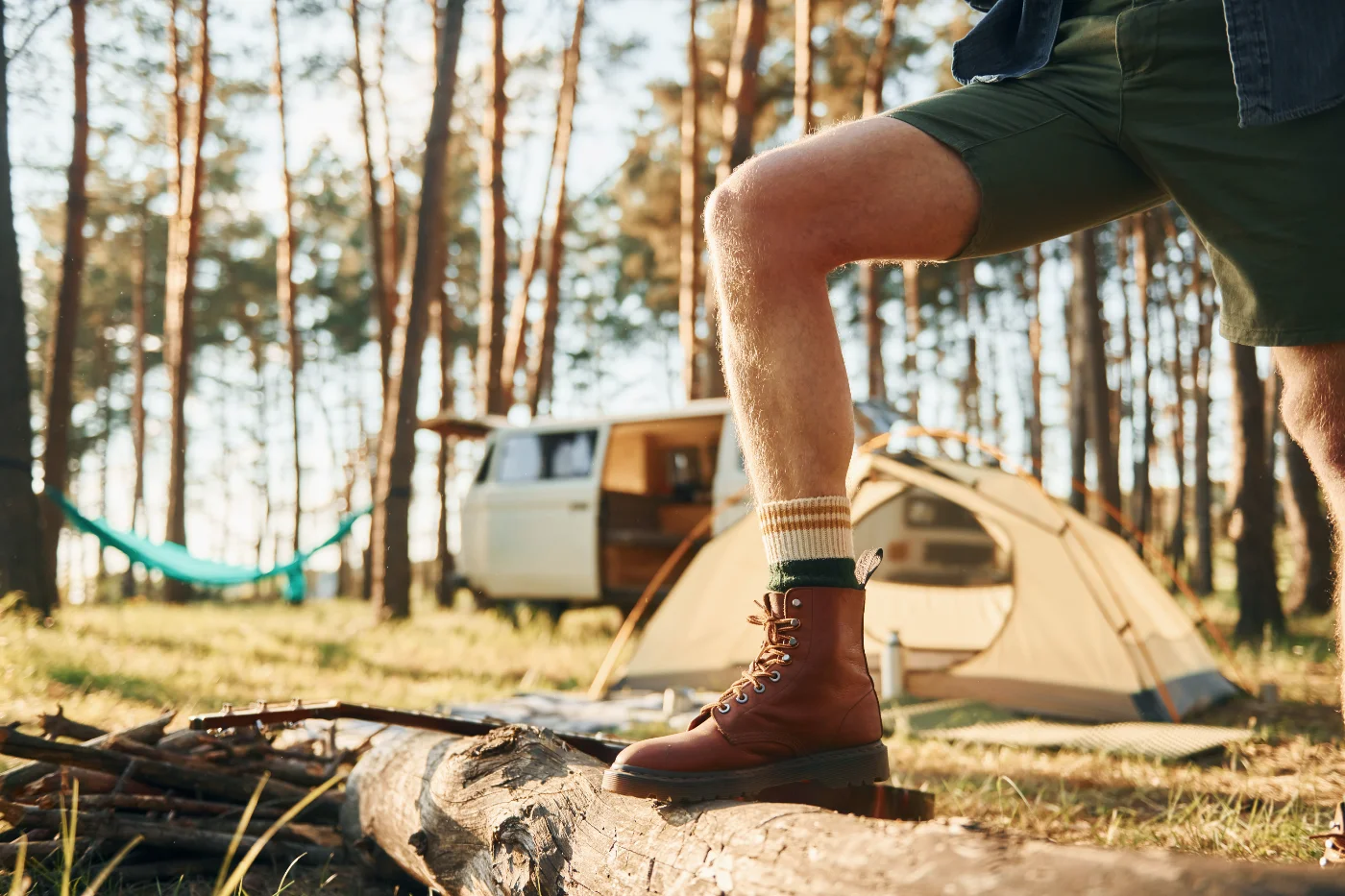
Camping and photography are a perfect match. You wake to the soft light of morning mist, sit by a campfire beneath a starry sky and often find yourself immersed in nature, far from the crowds. These are ideal ingredients for images that are not only beautiful, but also convey a sense of freedom and simplicity. Here are tips, tricks and creative photo ideas for heading out with both a camera and a tent.
1. Choose Your Gear Deliberately
Camping usually means limited space and a strict weight allowance. Instead of bringing your entire photography kit, choose a compact setup that is versatile enough for the trip. A lightweight mirrorless camera or even an advanced smartphone can go a long way.
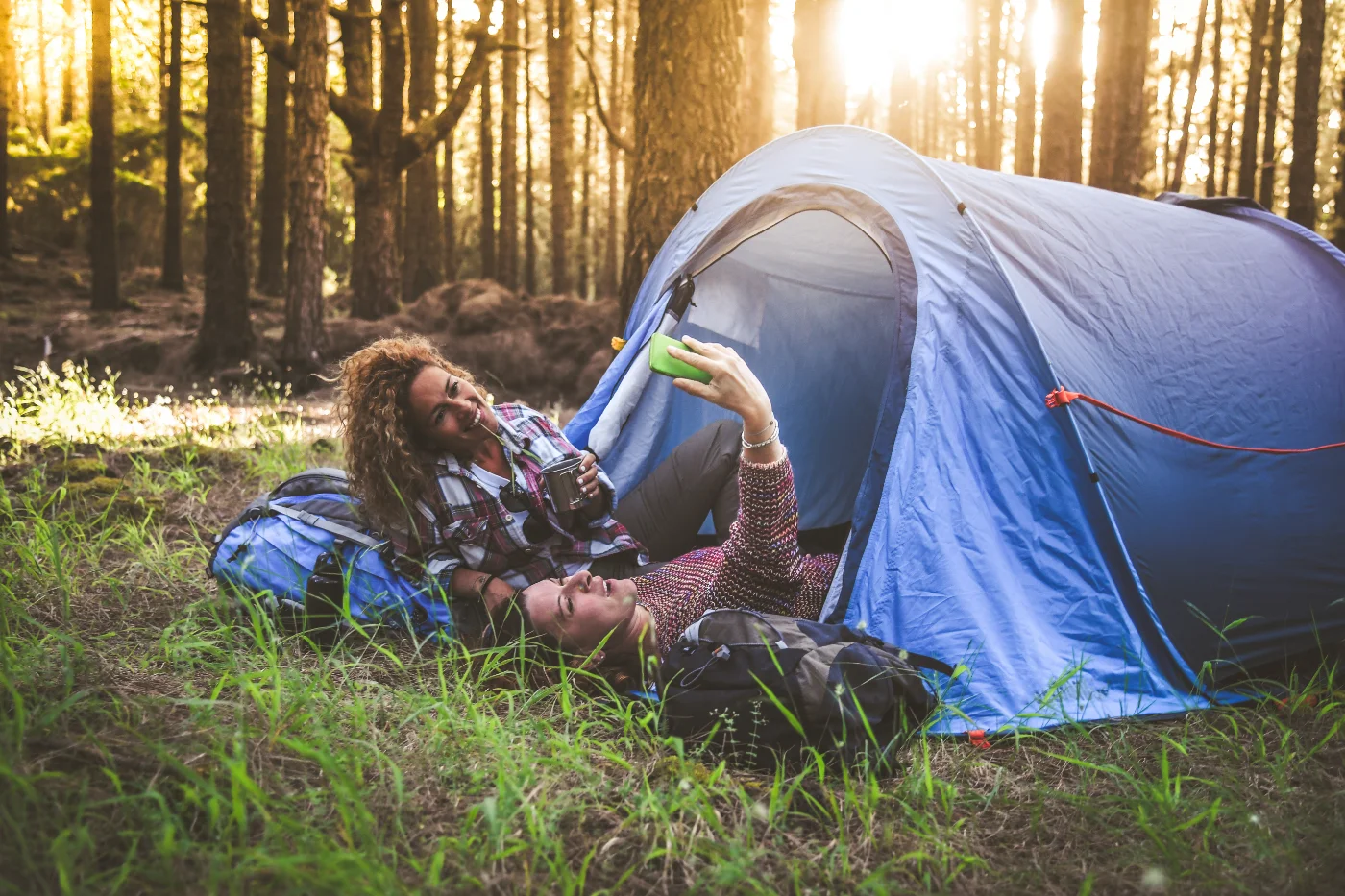
A standard zoom lens (e.g. 24–70mm) or a lightweight prime lens (35mm or 50mm) offers plenty of flexibility. Do not forget a tripod: a compact tabletop model or carbon-fiber travel tripod is ideal for campfire, evening and landscape photos.
Photo ideas:
• A flat lay composition of minimal camera equipment on a wooden table or tarp.
• Or: close-up of a camera bag with only a camera, one lens, a power bank and a field notebook.
Visual Style: calm, soft light, photographed from above.
2. Make Golden Hour Camping Hour
One of the joys of camping is being right in the landscape, without first having to drive somewhere. Take advantage by getting up early. Wisps of mist over a lake, golden sunlight filtering through a pine forest and dew on the tent fabric are all perfect subjects for atmospheric photography.
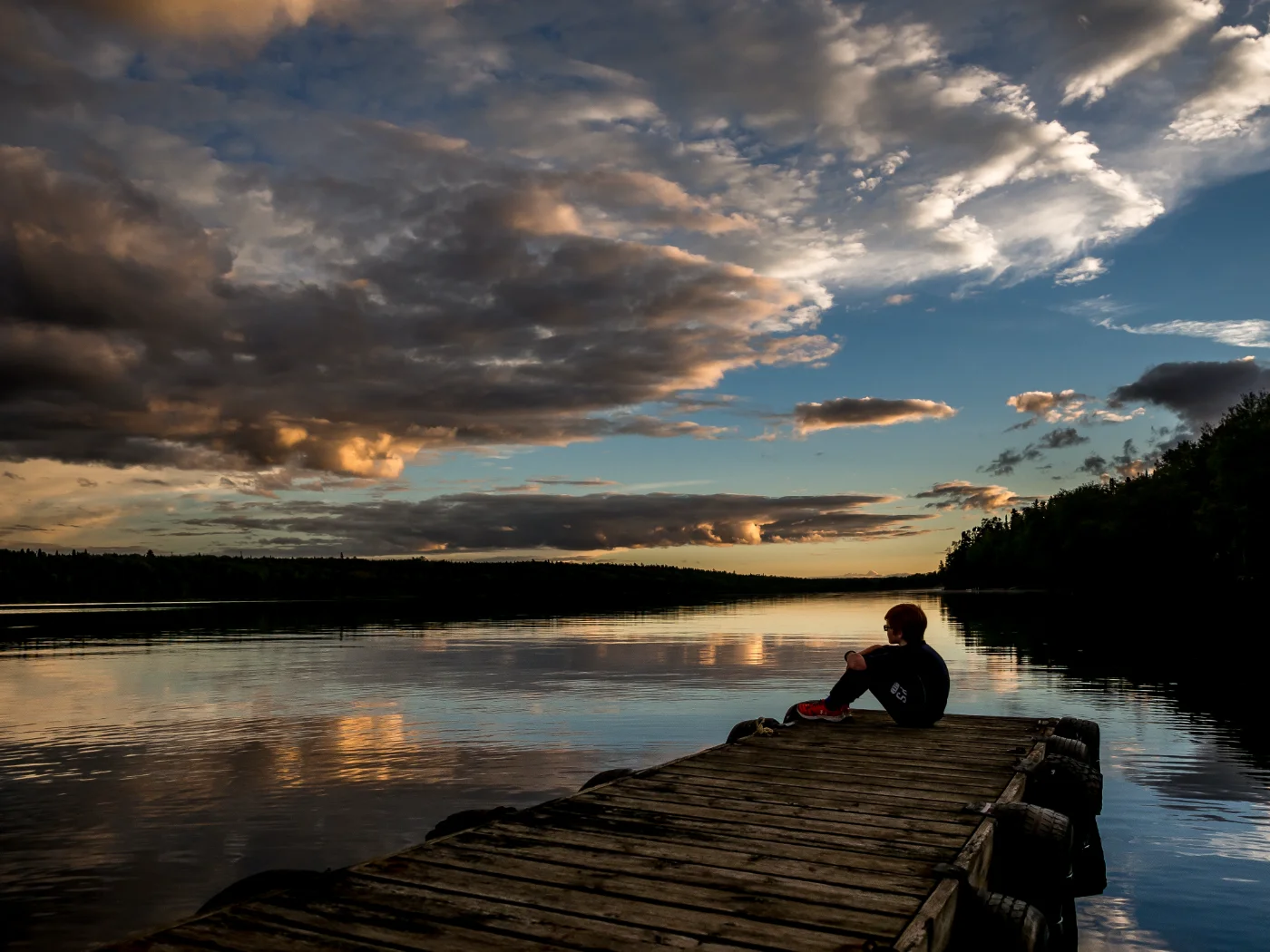
The same applies at dusk: create silhouettes, experiment with backlighting, or pitch your tent in a photogenic spot and illuminate it from within for a magical effect.
Photo ideas:
• Tent in the morning light with sunbeams through the forest.
• Your companion drinking coffee outside the tent, with a camera beside them.
• A wide landscape image with a tent on a hill at sunrise or sunset.
Visual Style: warm golden-hour light and wisps of mist.
3. Do Not Forget the Details
Camping photography is not just about sweeping landscapes. Small, intimate moments make a series unique: a gently simmering camp stove, a rolled-up sleeping bag, muddy hiking boots at the tent entrance or an IvoQ cutting board with freshly chopped ingredients beside the cooking pot.
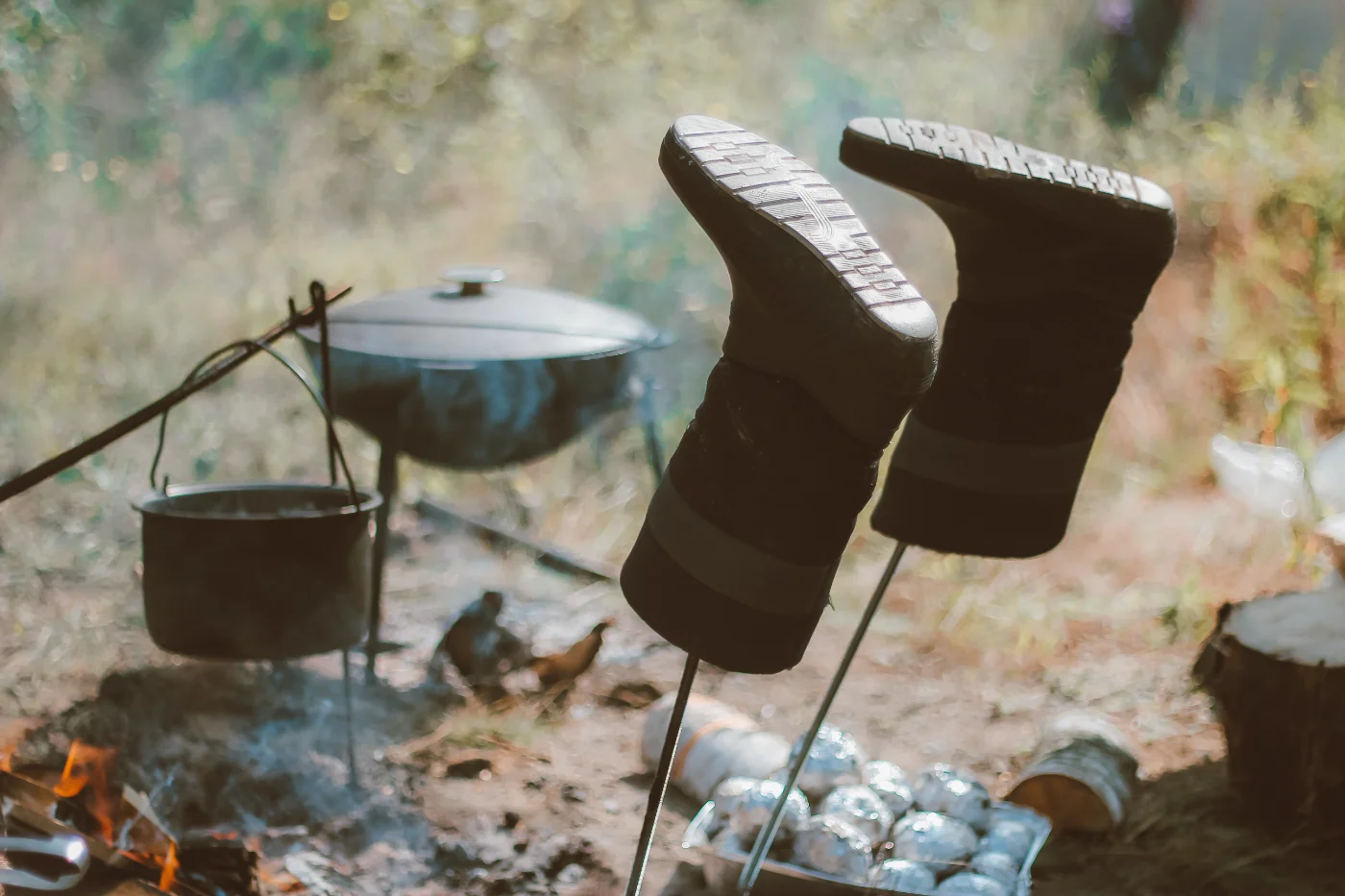
These visual details create atmosphere and tell the real story of your trip. Alternate wide views with close-ups and think like a storyteller.
Photo ideas:
• Close-up of muddy shoes in front of the tent opening, overlooking a lake.
• A close-up of a campfire with a metal coffee mug held in the frame.
• A sleeping bag and camera side by side in the first light of day.
Visual Style: deep depth of field, rich detail and visual storytelling.
4. Try Creative Night Photography by the Tent
Once darkness falls, the real fun begins. Camping offers ideal opportunities for night photography. Pitch your tent against an interesting backdrop, such as mountains, a forest or an open field. Light it from within with a warm lantern or flashlight to create an inviting glow.
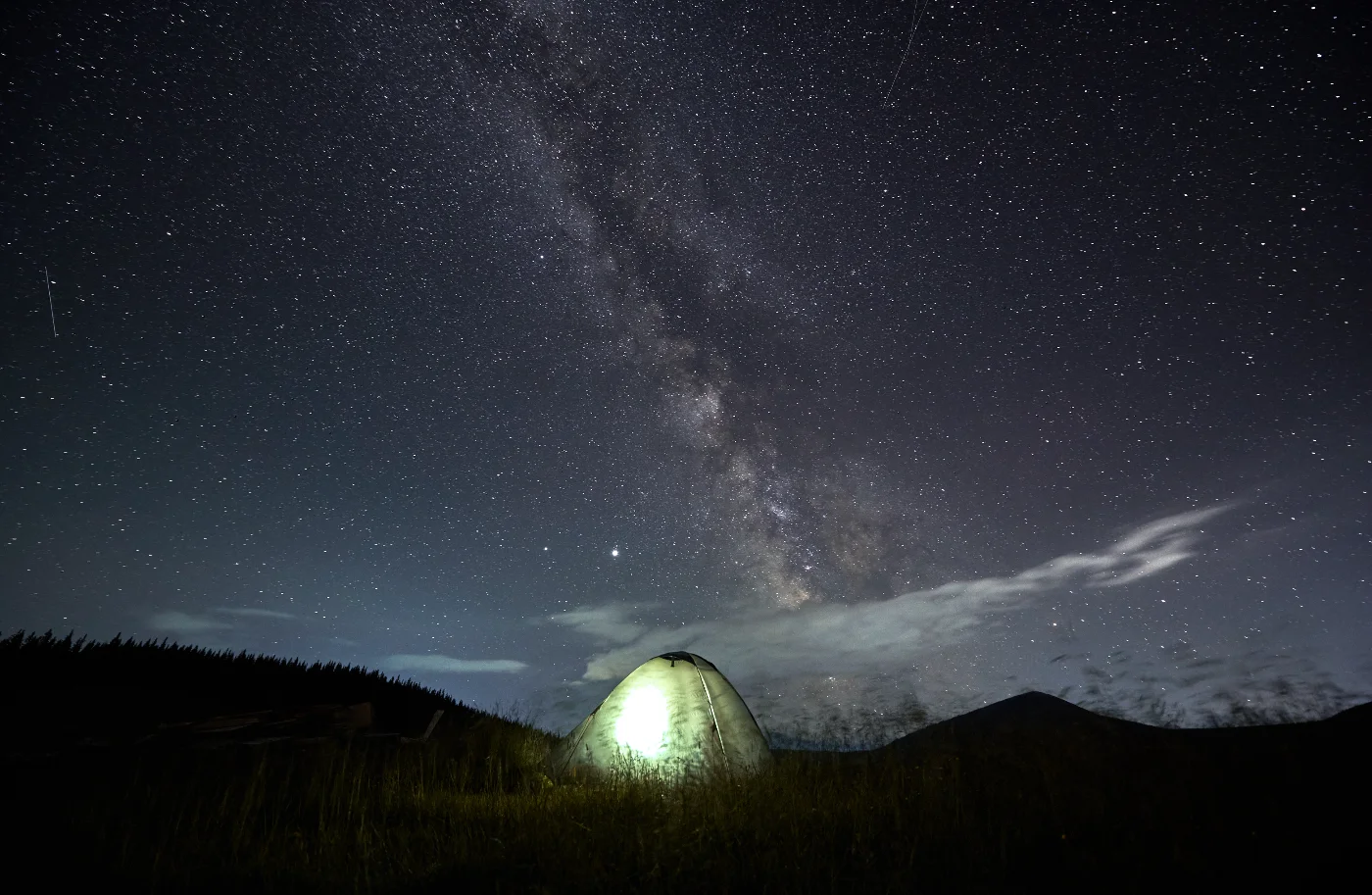
Experiment with long shutter speeds for starry skies, or shoot light paintingimages with flashlights, glow sticks or sparks from a campfire.
Tip: use a shutter speed of 10–25 seconds, a wide aperture (f/2.8 or wider) and an ISO setting between 800 and 3200, depending on the conditions.
Photo ideas:
• Illuminated tent in the dark under a starry sky.
• Light painting: a person who paints with a flashlight “draws” around the tent.
• A long exposure showing the stars moving above a campsite.
Visual Style: long exposure, with darkness accented by the warm light of a tent or campfire.
5. Respect Nature and the Peace Around You
Camping also comes with responsibilities. Leave no trace, protect plants and wildlife and respect the quiet of the location, especially when dispersed camping or staying at a nature campground.
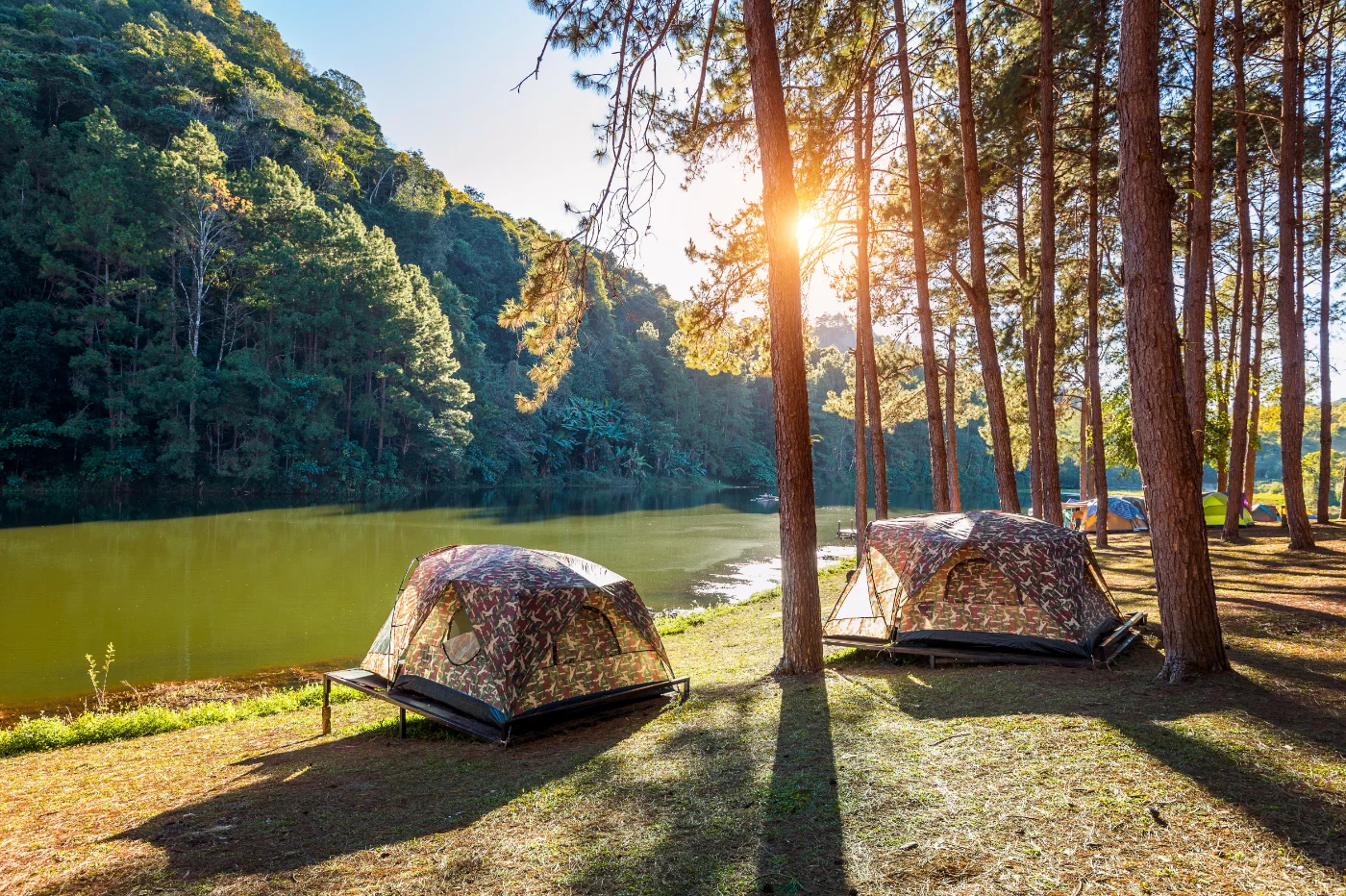
Photography is rewarding, but the location should remain even more beautiful than you found it.
Photo ideas:
• A tent well away from other campers, overlooking a natural area.
• A camper packing out trash or washing dishes with biodegradable soap well away from streams and other bodies of water.
• A close-up of an animal track in the mud beside a guyline.
Visual Style: natural colors, minimalism and harmony with the surroundings.
6. Create a Mini-Series of Your Camping Adventure
Camping photography lends itself to a narrative photo series. Consider a sequence that summarizes your day, from waking up and eating breakfast outdoors to hiking, relaxing and sleeping beneath the stars.
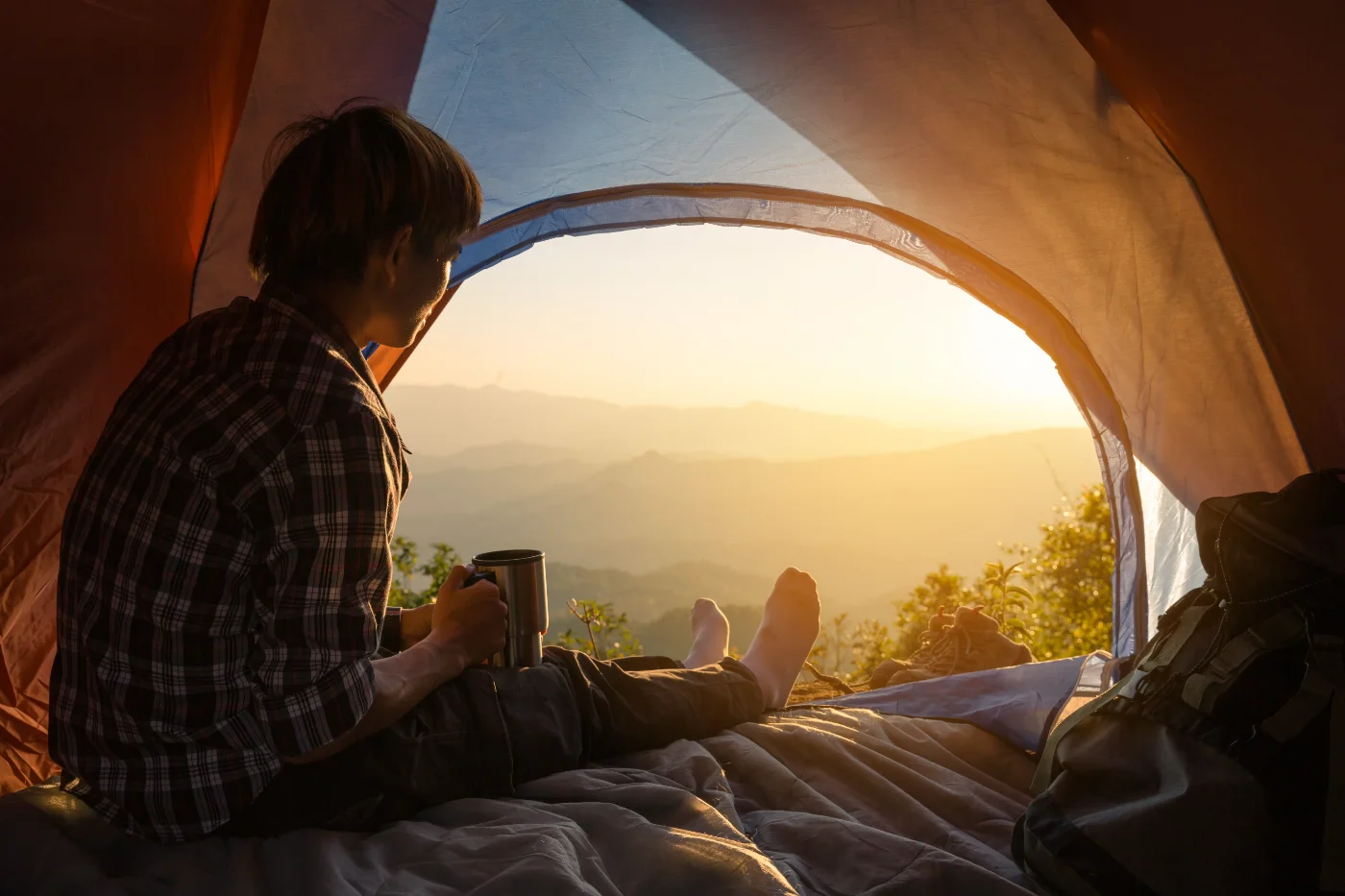
Such a series works well for a blog post, an Instagram carousel or even a small print collection. Add a short caption or location description for extra context if you like.
Suggested Images for a Carousel:
1. Morning light over a tent.
2. A photographer hiking with a backpack.
3. Lunch break with a view.
4. A campfire at dusk.
5. A nighttime image of a tent beneath the stars.
Visual Style: narrative, with alternating perspectives from details to wide views.
Whether you pitch a tent in the Ardennes or travel through Scandinavia in a camper van, taking photographs while camping invites you to see differently: more slowly, more deliberately and with closer attention to detail.
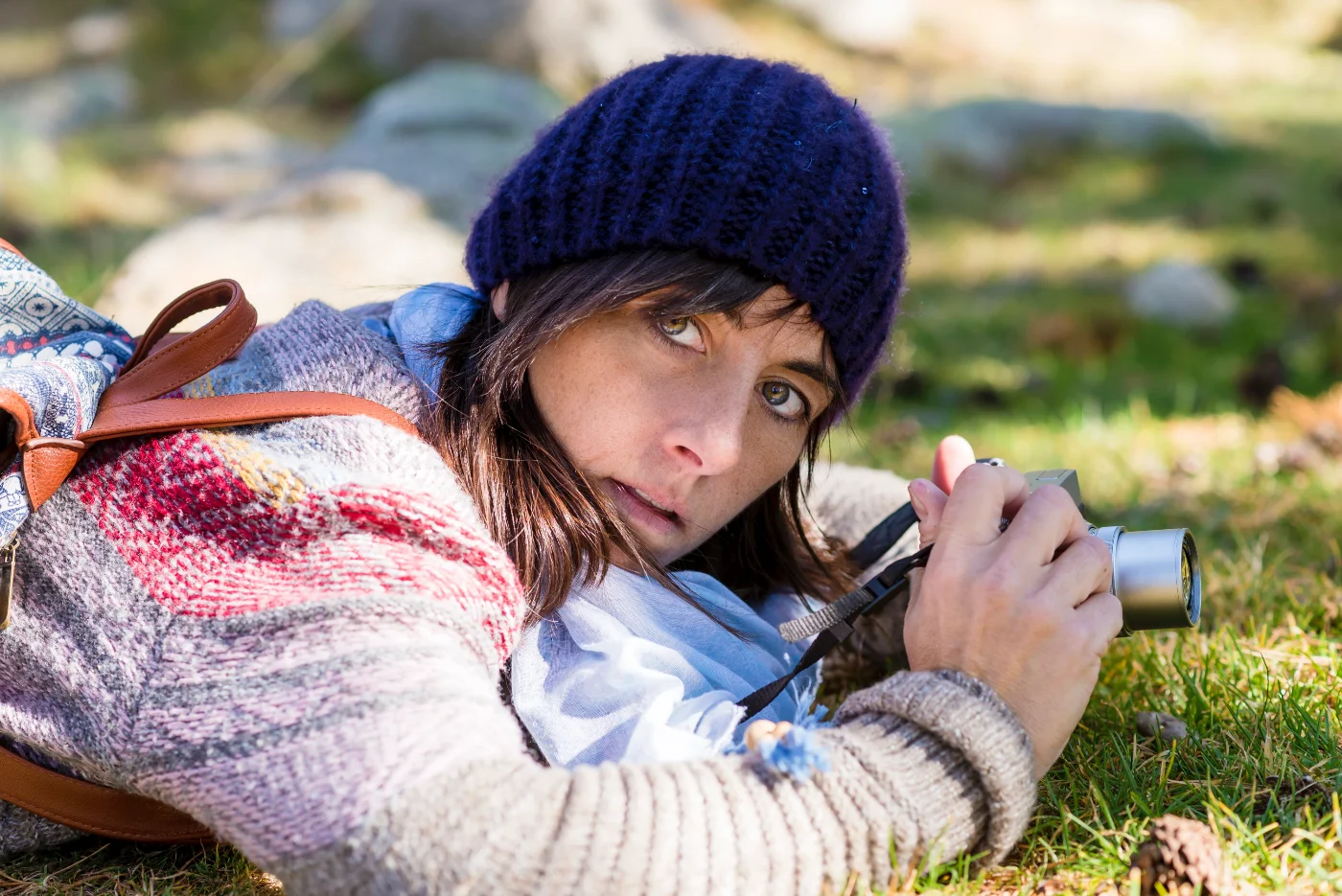
That is the essence of photography. Pack your backpack, charge your batteries and let your camera accompany you through those beautiful moments of simplicity.