The first museum retrospective following his sudden death: Erwin Olaf – Freedom. A tribute to the versatile and layered artist he was, with attention to his entire creative process. Alongside iconic artworks and series by Erwin Olaf, lesser-known work is also on view, including videos and sculptures, his advertising work, and personal archival material. His final work, an unfinished video piece, forms the exhibition’s conclusion.
Erwin Olaf Springveld (1959-2023) is internationally recognized as one of the Netherlands’ leading photographic artists, celebrated for his distinctive staging, unique lighting, perfectionism, and provocative subjects.
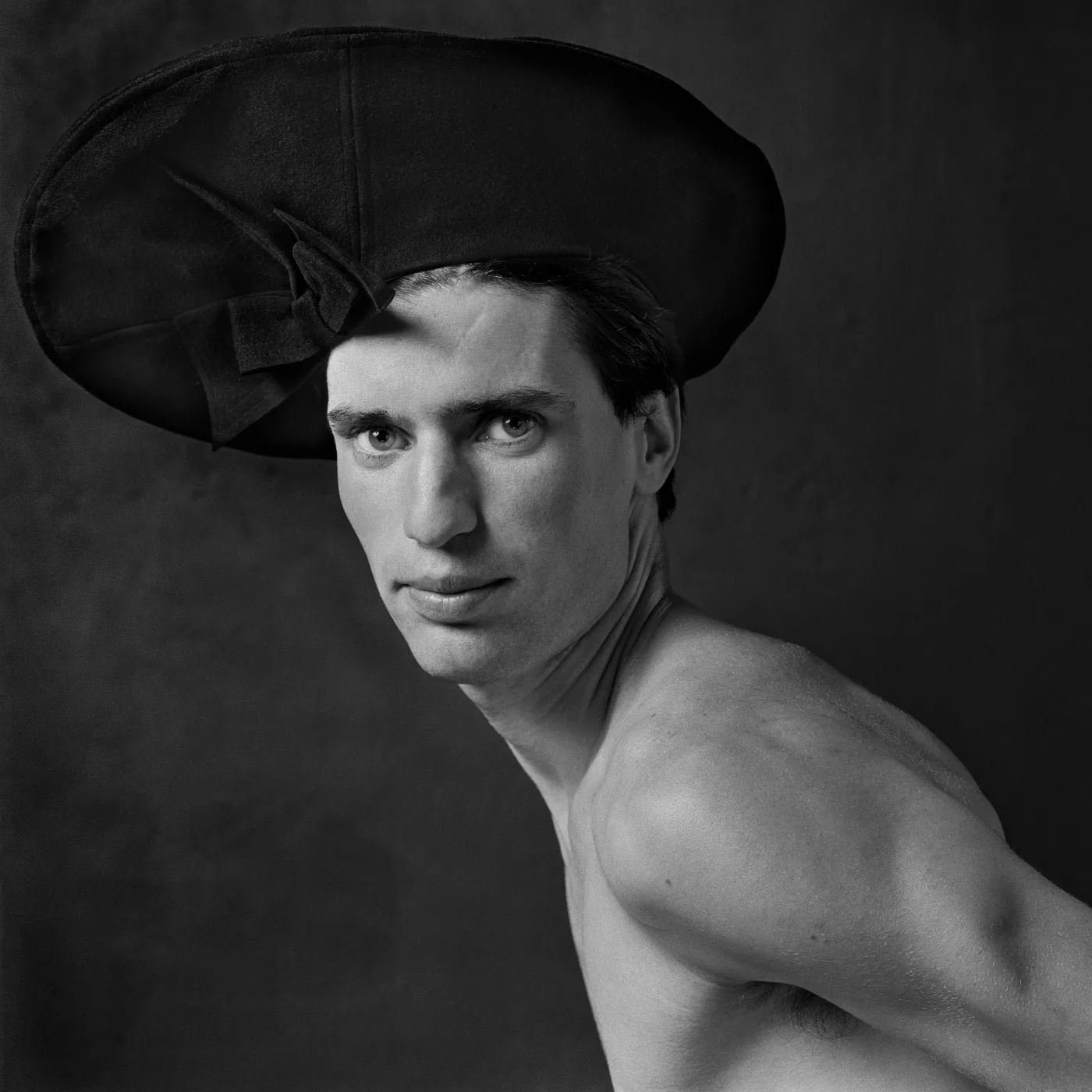
He was a free thinker, and the pursuit of personal freedom was the foundation of everything he did—whether it concerned identity, sexuality and gender, the human body in all its forms, nightlife, or equal rights for all. His activist outlook on life is the common thread running through the exhibition, which is thematic in structure while also following a loose chronology.
The exhibition is a journey through the rich body of work of Erwin Olaf, beginning with his journalistic, handheld black-and-white reportage from the early ’80s. These images already reveal his social engagement, addressing subjects such as demonstrations for gay rights.
His love of light and composition is clearly evident; his desire for greater control led him to his next step: staged studio photography. The exhibition presents both iconic and lesser-known examples, from series including Ladies Hats(1985-2022), Chessmen (1987-88), Royal Blood(2000), Grief (2007), Fashion Victims (2000), Berlin(2012), and Skin Deep (2015), as well as commissioned work such as SM in Holland (1989) and photography for Nederlands Dans Theater and Het Nationale Ballet.
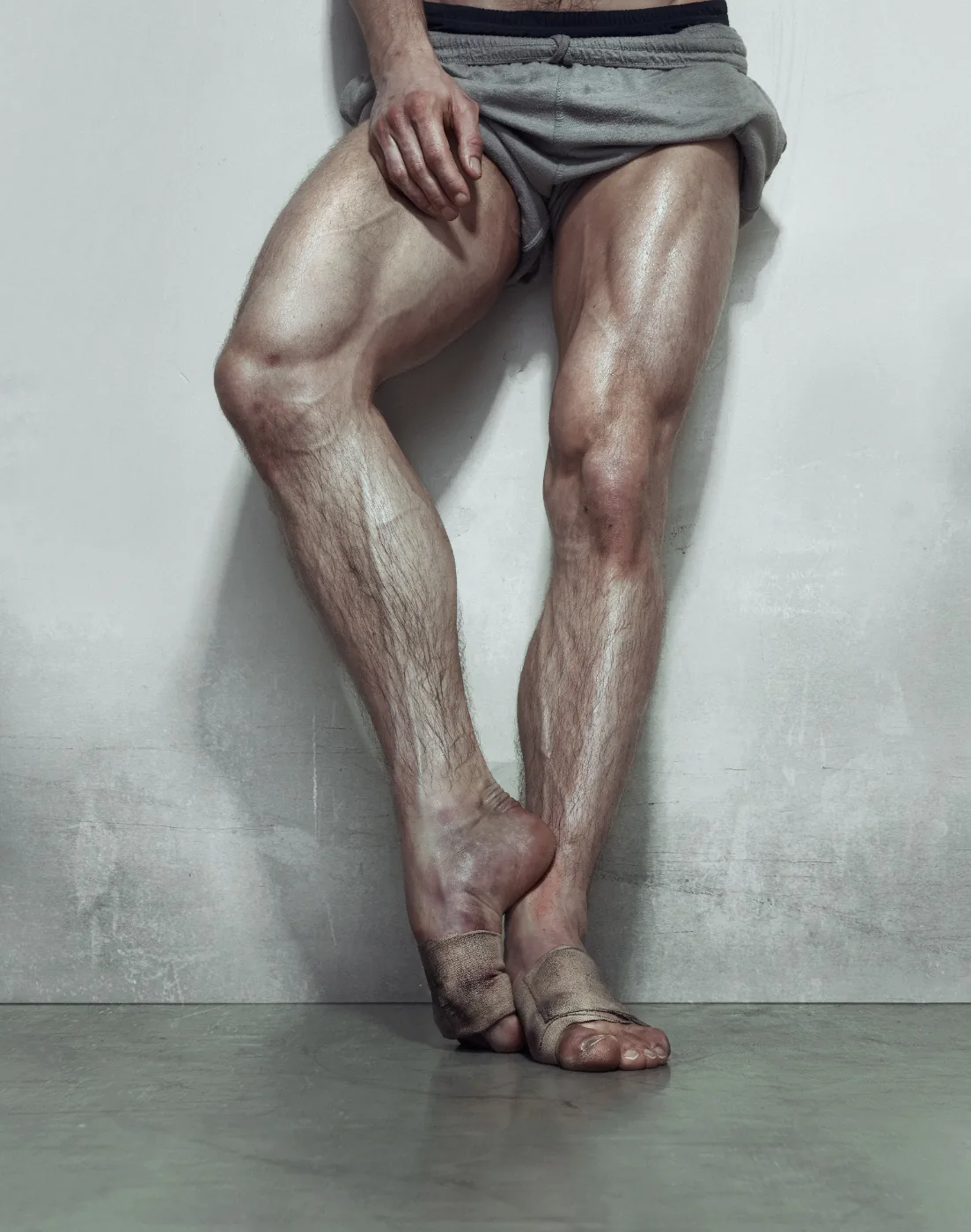
Across all his series, the theme of championing diversity and the freedom to be yourself is present. The theme of “celebration” in his work, for example, expresses resistance to intolerance. He also depicts the darker side of the festive mood: in Paradise (2001), the men are often sinister and the women repeatedly come off worst. Olaf also created several influential campaigns for Aidsfonds and COC in the ’80s.
In the final section of the exhibition, all his experience, mastery, and vision come together. The compositionally and technically flawless execution of these recent series does not prevent him from addressing current social issues here as well, such as our relationship with nature in Im Wald (2020) and human isolation and insignificance in April Fool (made in 2020 during the pandemic).
Neither series has previously been shown in a museum. He gave form to the fading of the “American Dream” in Palm Springs (2018), and to the role of women in different cultures in Shanghai (2017). The series Muzen (2023), about human transience and accepting his own mortality, was shown publicly for the first time.
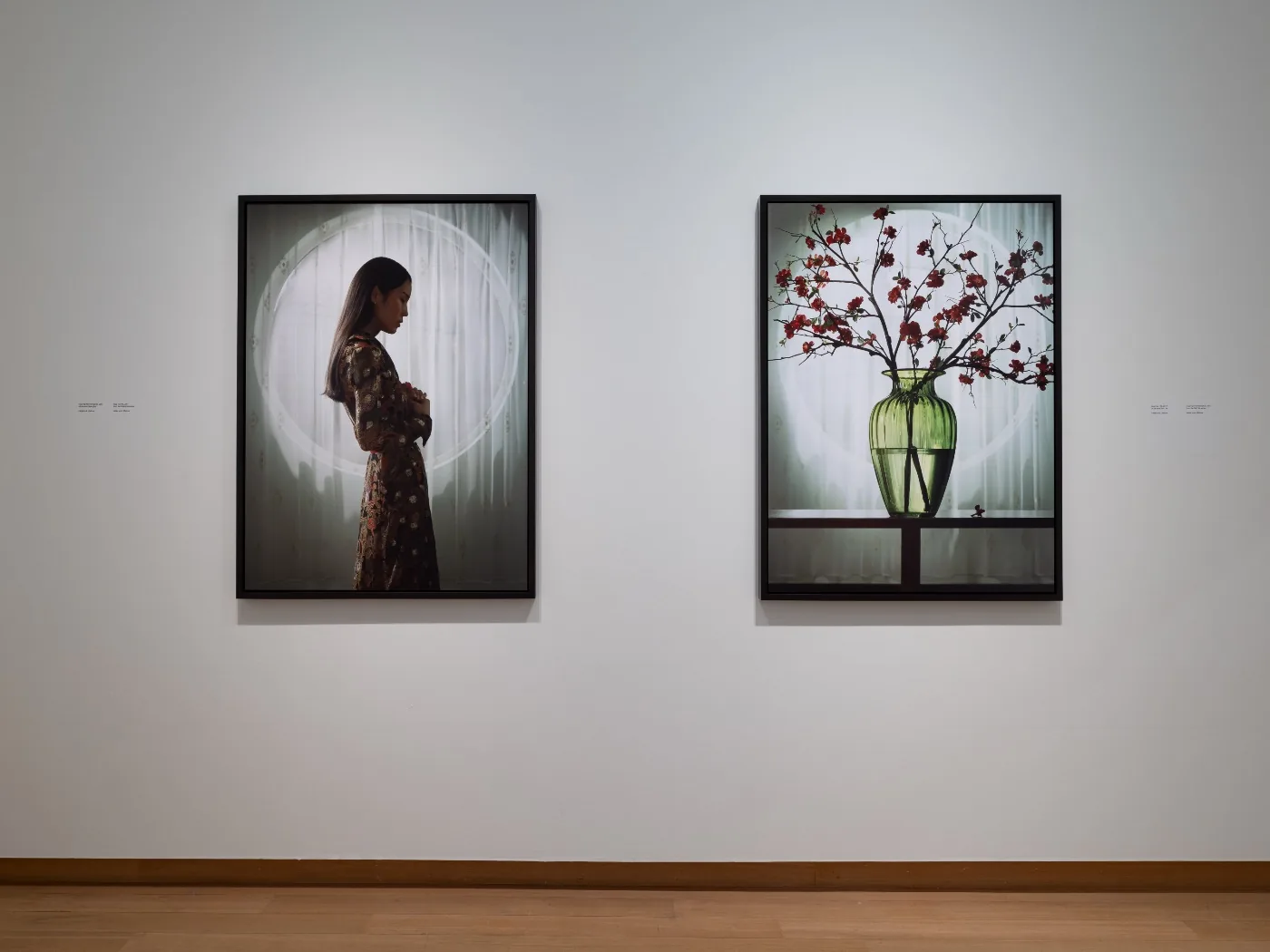
Vases of flowers appear remarkably often in Erwin Olaf’s work. He turned to this subject whenever his mind became too crowded during a shoot, helping him regain his focus. In art history, a vase of flowers in various stages of bloom and decay is a familiar symbol of life’s transience.
In the final year of his life, Erwin Olaf created a series on this theme for his mother. Shortly after his lung transplant, he was working on a sequel for himself. He died unexpectedly during this process. This unfinished video work, posthumously titled For Life , forms the conclusion of the exhibition.
Erwin Olaf - Freedom
Was on view through March 1, 2026, at Stedelijk Museum Amsterdam.