In 2025, World Press Photo celebrated its 70th anniversary. This milestone offered an opportunity not only to reflect on the organization's remarkable history, but also to examine how the images World Press Photo honored and brought to a global audience over those seven decades have shaped our view of the world.
Update: this exhibition was on display in 2025 in the Niemeyer Factory in Groningen. This article remains a reflection on the 70th anniversary of World Press Photo and the questions the exhibition posed about photojournalism, visual language and representation.
To mark this anniversary, and as part of a series of special events in 2025, a major exhibition was organized at various locations: What Have We Done? Unpacking Seven Decades of World Press Photo, curated by artist and photographer Cristina de Middel.
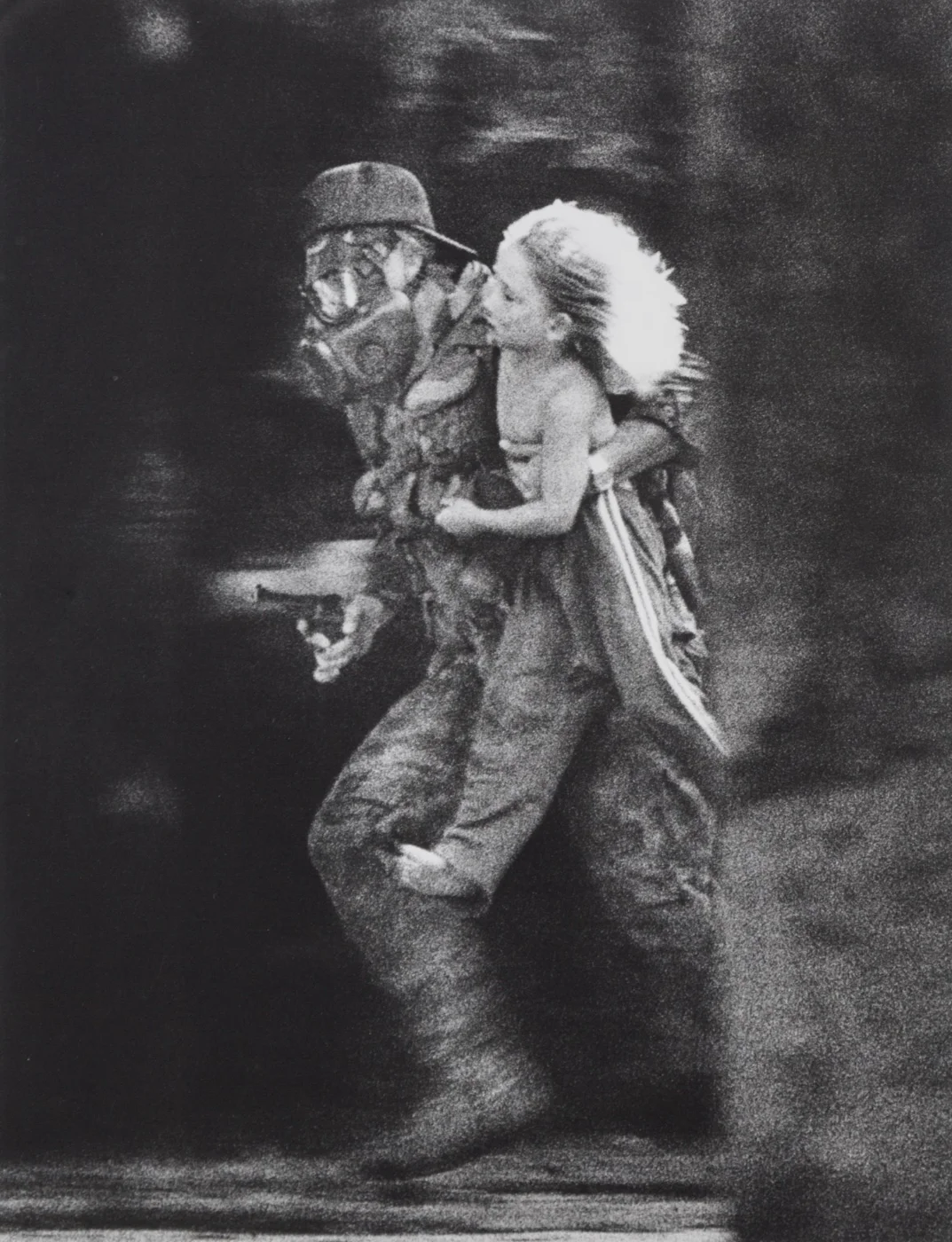
The world premiere took place on September 19, 2025 at the Niemeyer Factory in Groningen and was hosted by Noorderlicht. The exhibition was then also shown in Johannesburg, South Africa, at The Market Photo Workshop.
Reflecting on the 70th anniversary, World Press Photo revisited its extensive archive, covering seven decades of stories that have been powerful catalysts for change. They have helped raise awareness of critical global issues and highlight little-known but important stories.
However, by delving deeper into the archive, World Press Photo has also had to confront the unintended consequences of their choices, whether they be assumptions made, stereotypes perpetuated, or underrepresented voices.
"World, Press, and Photo don't mean the same in 1955 as they do today. This exhibition acknowledges that shift while asking where we go from here." ~ Cristina de Middel
The exhibition invited visitors to reflect on recurring visual patterns across different eras and to engage in dialogue.
The exhibition featured more than a hundred photographs of people who have worked in the press over the past seventy years – from Horst Faas, Don McCullin, David Chancellor, Eddie Adams and Steve McCurry to Johanna Maria Fritz and Sara Naomi Lewkowicz, and invites us to reconsider not only how visual language has evolved, but also how we, as viewers and citizens, must learn to read images with a sharper and more critical eye.
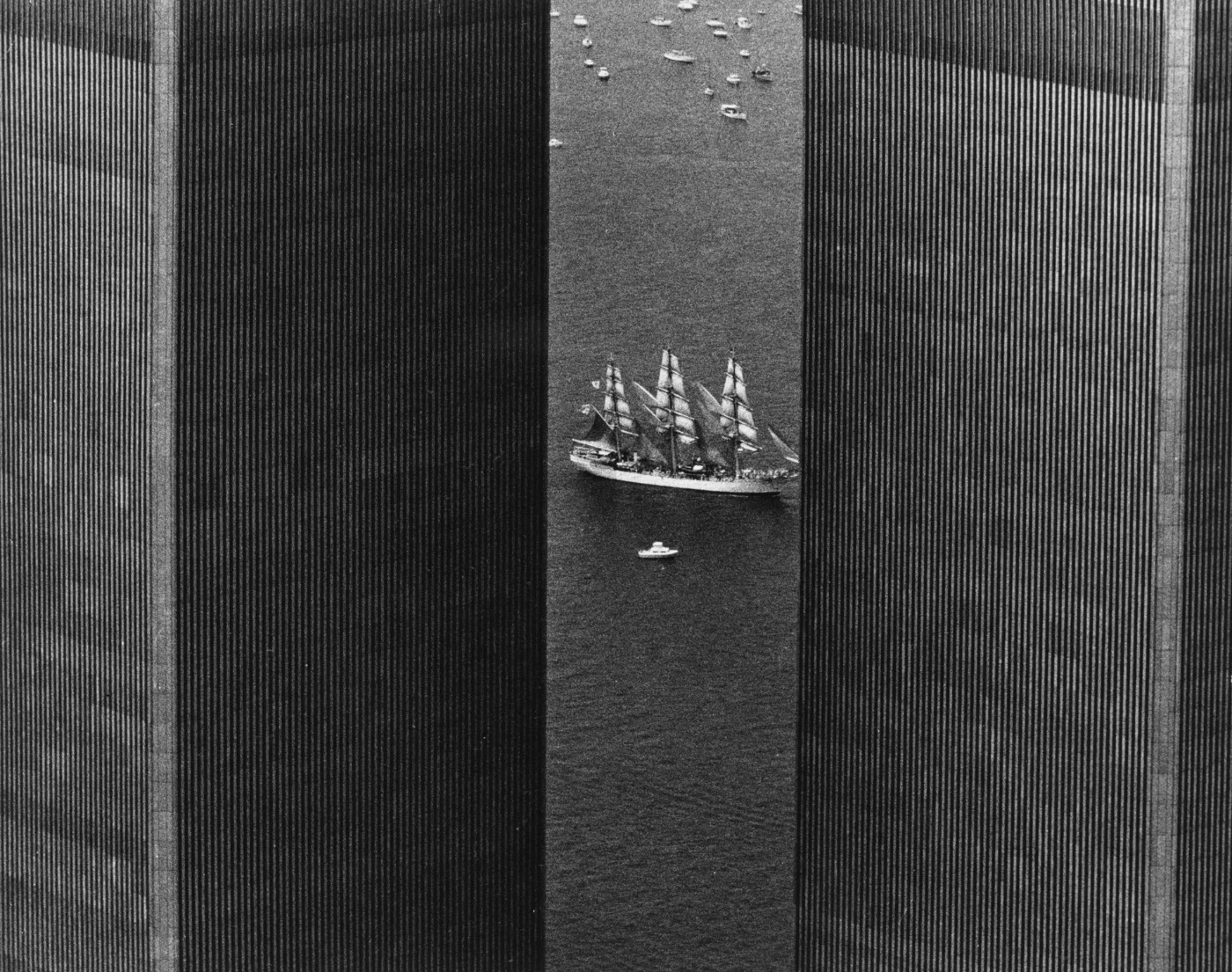
This tension between new tools and old habits raises crucial questions: if the ways we capture and share images have changed, why do we continue to tell the same stories in the same ways? What do these recurring images say about what we choose to see – and what we ignore?
Six recurring image patterns
The exhibition was built around six recurring visual patterns in World Press Photo's extensive archive:
1. Women weeping and men saving
The stories in the archive often follow a pattern: women cry, men save. These repeated images are not random – they reinforce traditional ideas about who is vulnerable and who is strong.
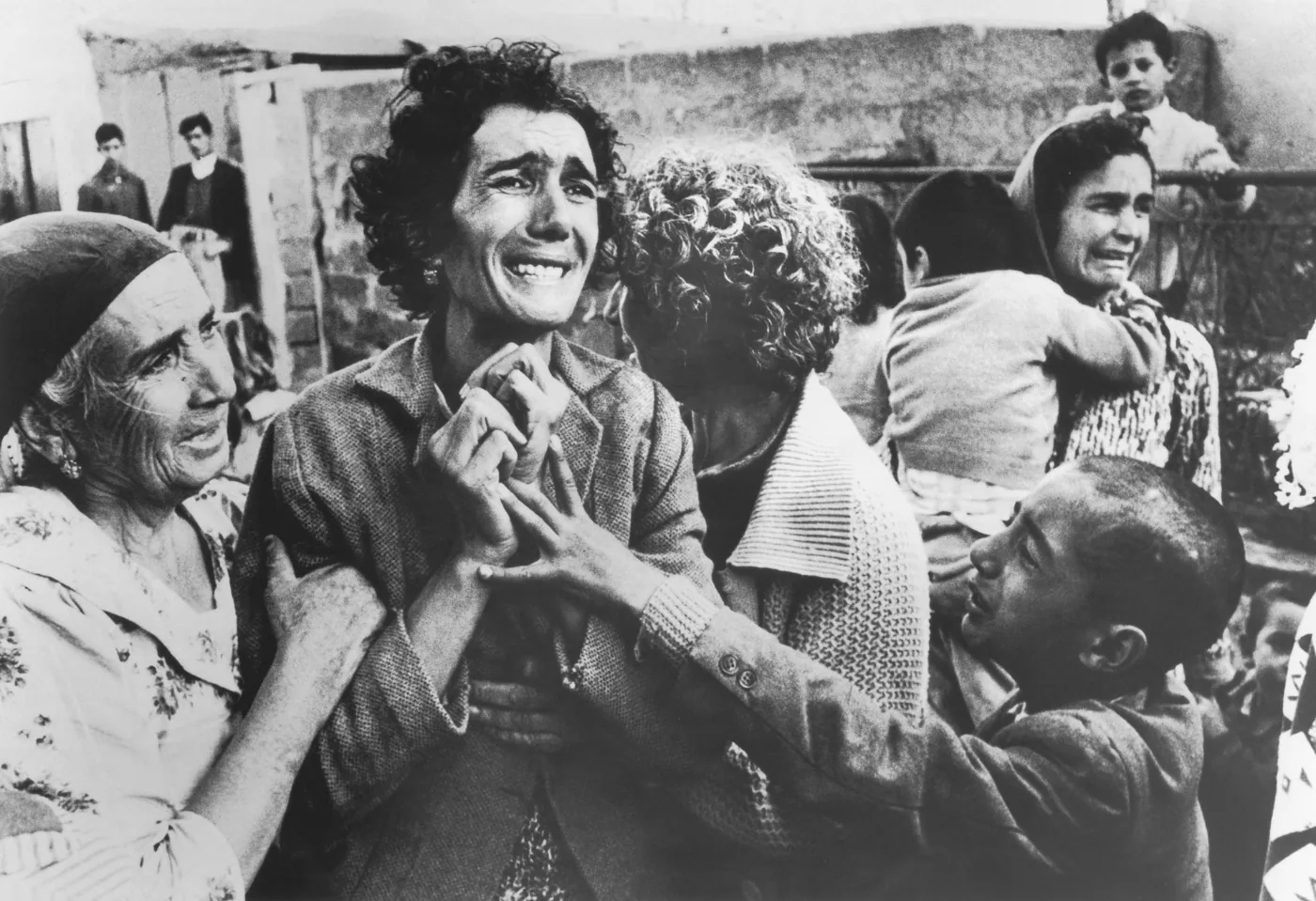
We see tear-stained women's faces, frozen in grief, while men are captured in the middle of the action, carrying the wounded, giving orders and rescuing others from danger. Without saying a word, these images shape how we think about gender roles during disasters, conflicts and tragedies.
2. Emotional soldiers and rubble
Press coverage of war often follows a familiar script, which influences perception rather than revealing the full reality.
White soldiers appear in the archive mainly in moments of exhaustion or contemplation – images that humanize them, while their actions on the battlefield remain invisible.
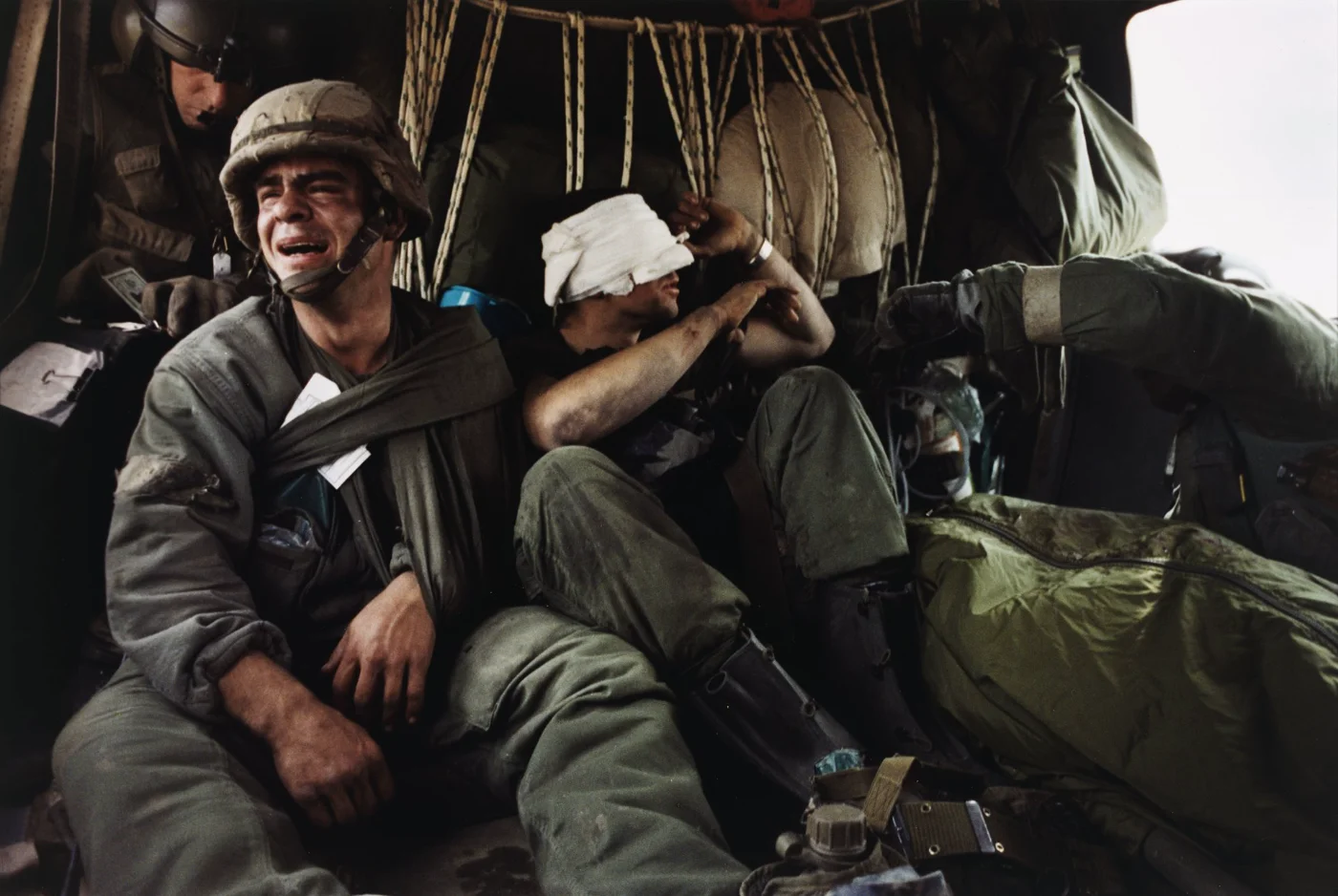
Darker-skinned soldiers are more often shown in combat, reinforcing narratives of aggression and dehumanization. These choices create an imbalance in the documentation, which affects who appears as a victim and who is portrayed as a threat.
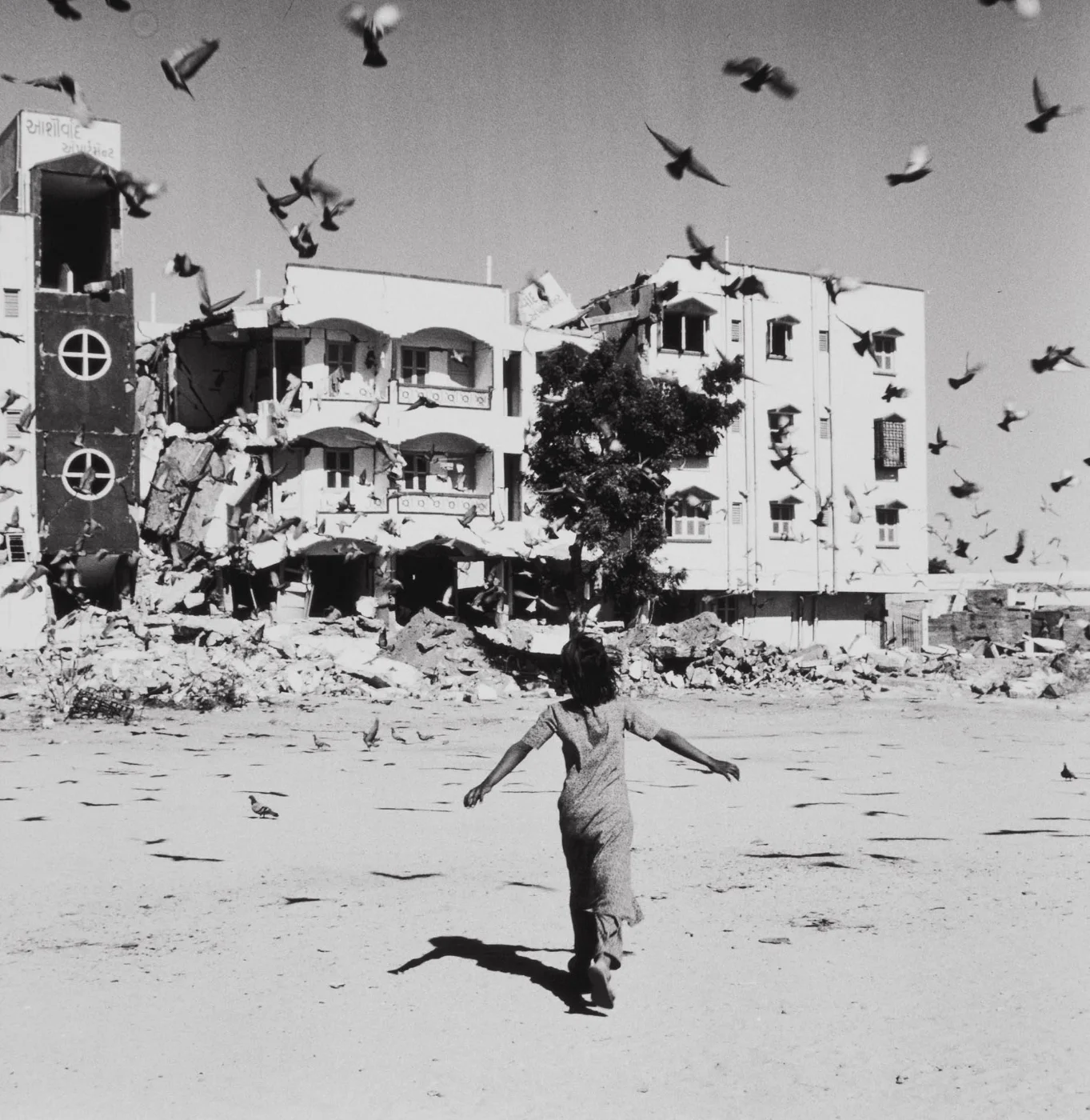
At the same time, destruction is often aestheticized. War debris transforms into striking compositions, distancing viewers from the human toll of violence. This visual approach reflects the cinematic language of Hollywood, where conflicts are dramatized and romanticized, making them easier to digest.
By highlighting the emotional burdens of soldiers and abstracting the consequences of their actions, these images create a narrative that simplifies war, making it familiar rather than disturbing.
3. Being a man and being a woman
Media representations create different visual worlds for men and women. Men consistently appear as figures of action and authority – triumphant athletes, determined leaders, protective forces during crises. These images celebrate physical strength, decisive movements and professional achievements.
Women, on the other hand, fulfill more limited visual roles. They appear as decorative elements, emotional counselors, caregivers or objects of desire. Even when portraying professional women, visual framing often emphasizes appearance over competence. In tragedies, women become symbols of suffering rather than agents of change.
These visual patterns reflect deep-rooted storytelling traditions. Repeated across decades of news imagery, they normalize specific gender expectations – and they reinforce who acts and who reacts, who shapes events and who experiences them.
These contrasting visual languages not only reflect society, but also actively influence our understanding of who belongs to which space and role.
4. Black skin and the dark continent
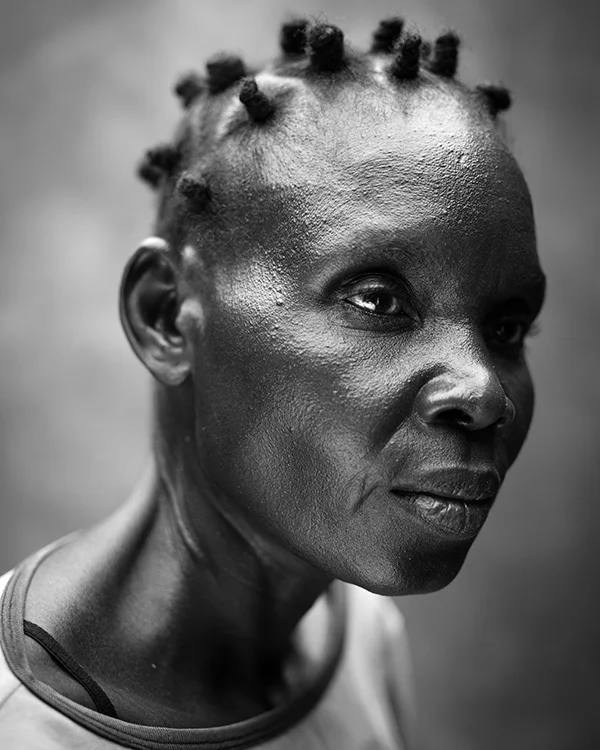
Western media and culture have long portrayed Africa as an exotic and inscrutable place – a dark continent rather than a black continent. This perspective is reinforced by recurring images: leaders depicted in ways that undermine their authority, an overwhelming focus on war, famine and suffering, and a scarcity of stories that build respect, nuance or trust in a continent that is far more complex than these stories suggest.
Just as persistently the World Press Photo archive is the fascination with black skin itself. Close-ups linger on the texture as if observing something unknown, reminiscent of colonial-era representations that treated African bodies as specimens rather than individuals.
"We need to rethink how we tell stories. If history repeats itself – and it does – then the way we narrate it has to evolve." ~ Cristina de Middel
This aesthetic curiosity, combined with a limited and repetitive visual language, continues to shape the way Africa and its people are perceived, reducing a vast and diverse reality to a narrow and distorted frame.
5. Silhouettes and Shadows - The 'Wow' Moment
Photographers are trained to see what others miss: a fleeting silhouette, a fleeting shadow, a perfect collision of form and light. Whether capturing the ecstasy of a goal or the chaos of a war zone, their skill lies in freezing time at its most expressive moment.
This search for the decisive moment – that impossibly balanced moment – gives photography its power and its pleasure. But the same tools that elevate one kind of story can complicate another.
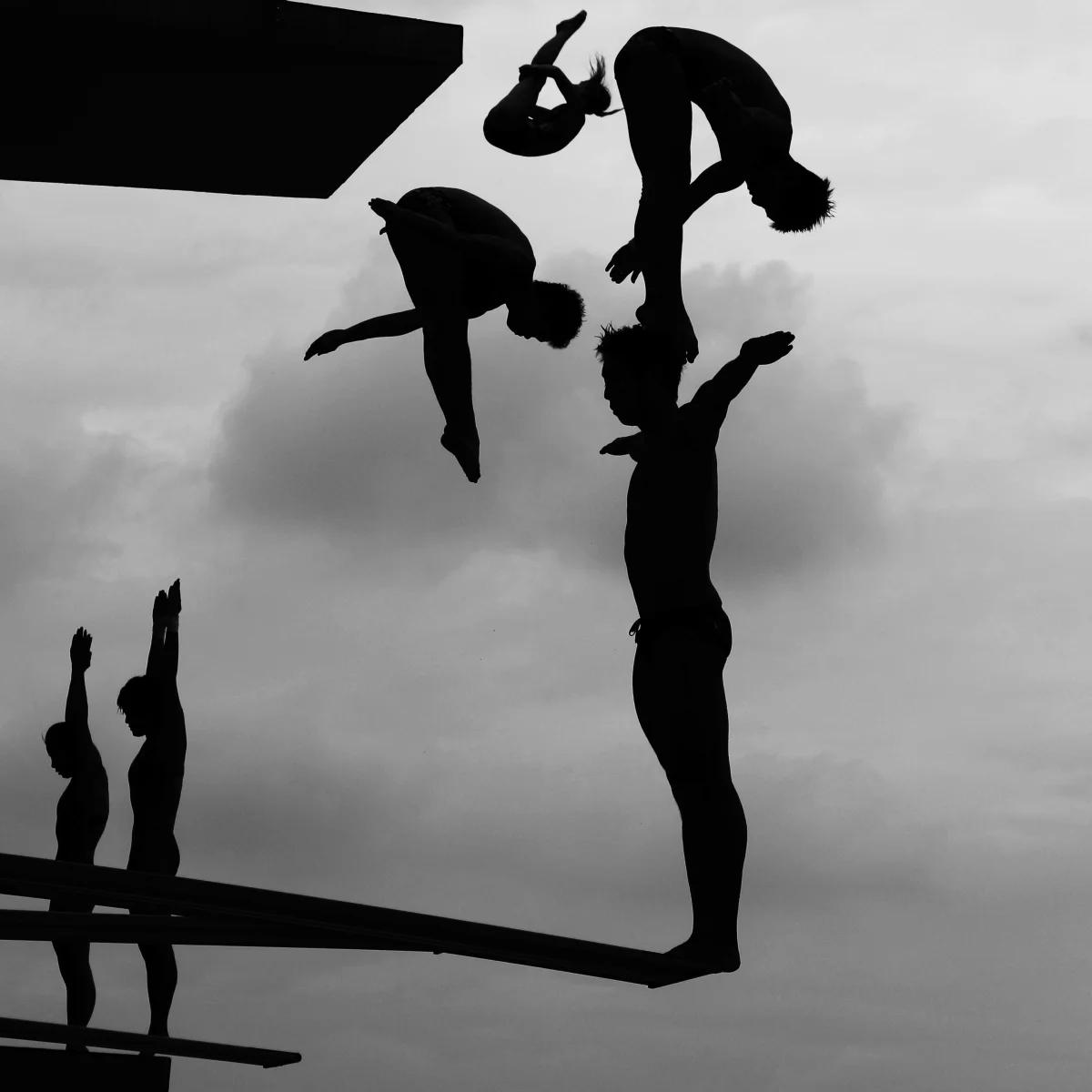
The use of beauty – of carefully composed frames, cast shadows, dramatic contrasts and aesthetic precision – in images of conflict or suffering raises difficult questions. When does visual impact deepen our understanding, and when does it risk turning pain into spectacle?
In these contexts, beauty can create distance, making horror strangely palatable and even poetic. It can help make sense of chaos – or obscure its truth.
6. Fire and smoke
Fire and smoke have long been symbols of chaos and transformation – whether in ancient myths, Biblical visions of hell or the burning cities of history. In photojournalism, they serve as unmistakable markers of crisis, transforming moments of conflict and disaster into powerful, almost elemental images. A cloud of smoke on the horizon heralds destruction before we even know the details.
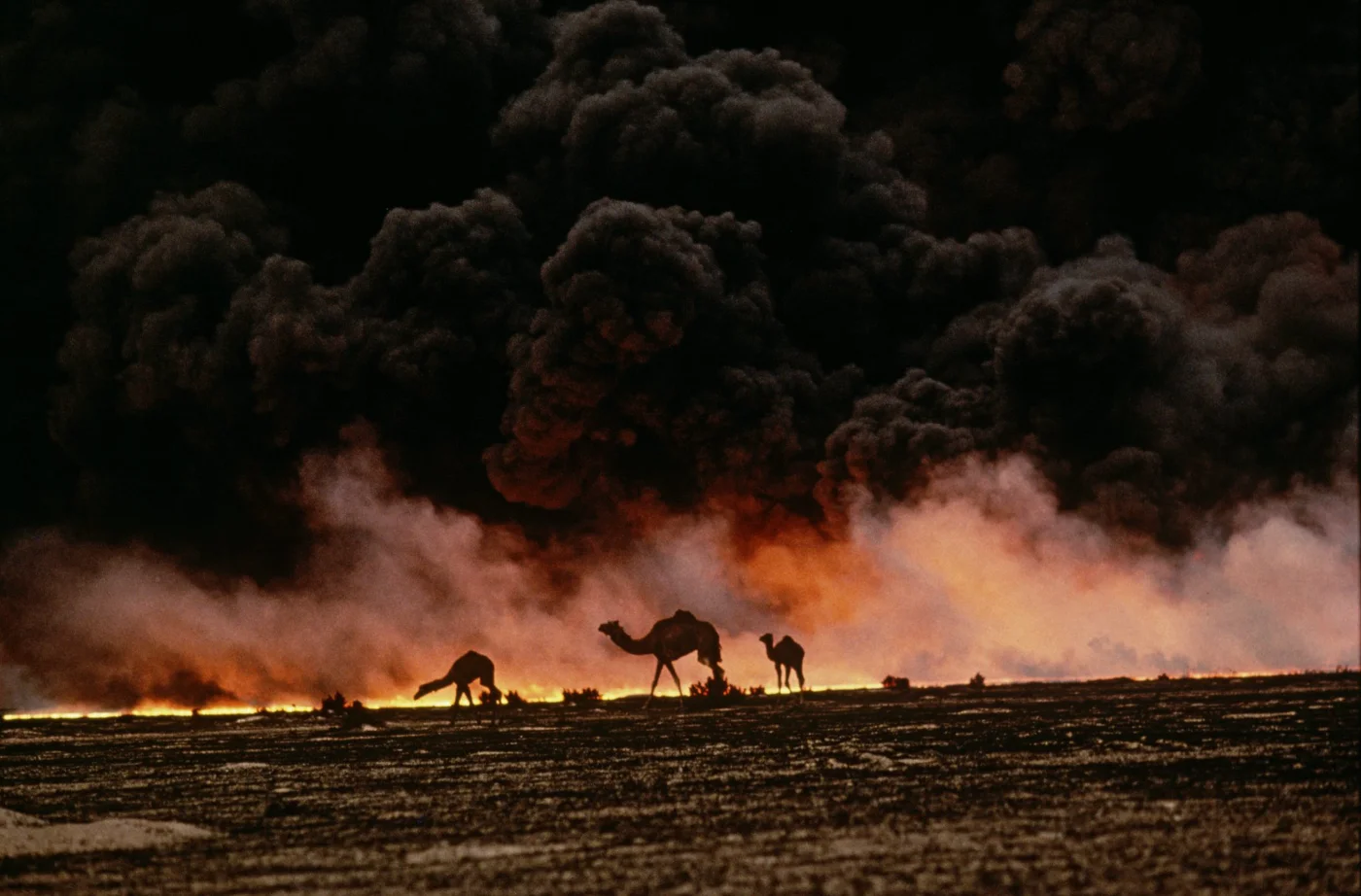
But fire doesn't just document events – it also shapes the way we remember them. Its presence in an image adds weight, a sense of urgency and sometimes even a kind of tragic beauty.
As these images repeat over time, they become part of an established dramatic language and reinforce the way we imagine upheaval and loss.
Alongside What Have We Done? , each location hosted pop-up festivals that brought together critical thinkers, photographers and speakers for a dynamic program of talks, presentations, workshops, tours and educational activities, all aimed at deepening engagement with the exhibition's themes and sparking meaningful dialogue.
What Have We Done? Unpacking Seven Decades of World Press Photo
September 20 to October 26, 2025
Niemeyer Factory in Groningen
World Press Photo
Also read: World Press Photo 2026 - Yearbook