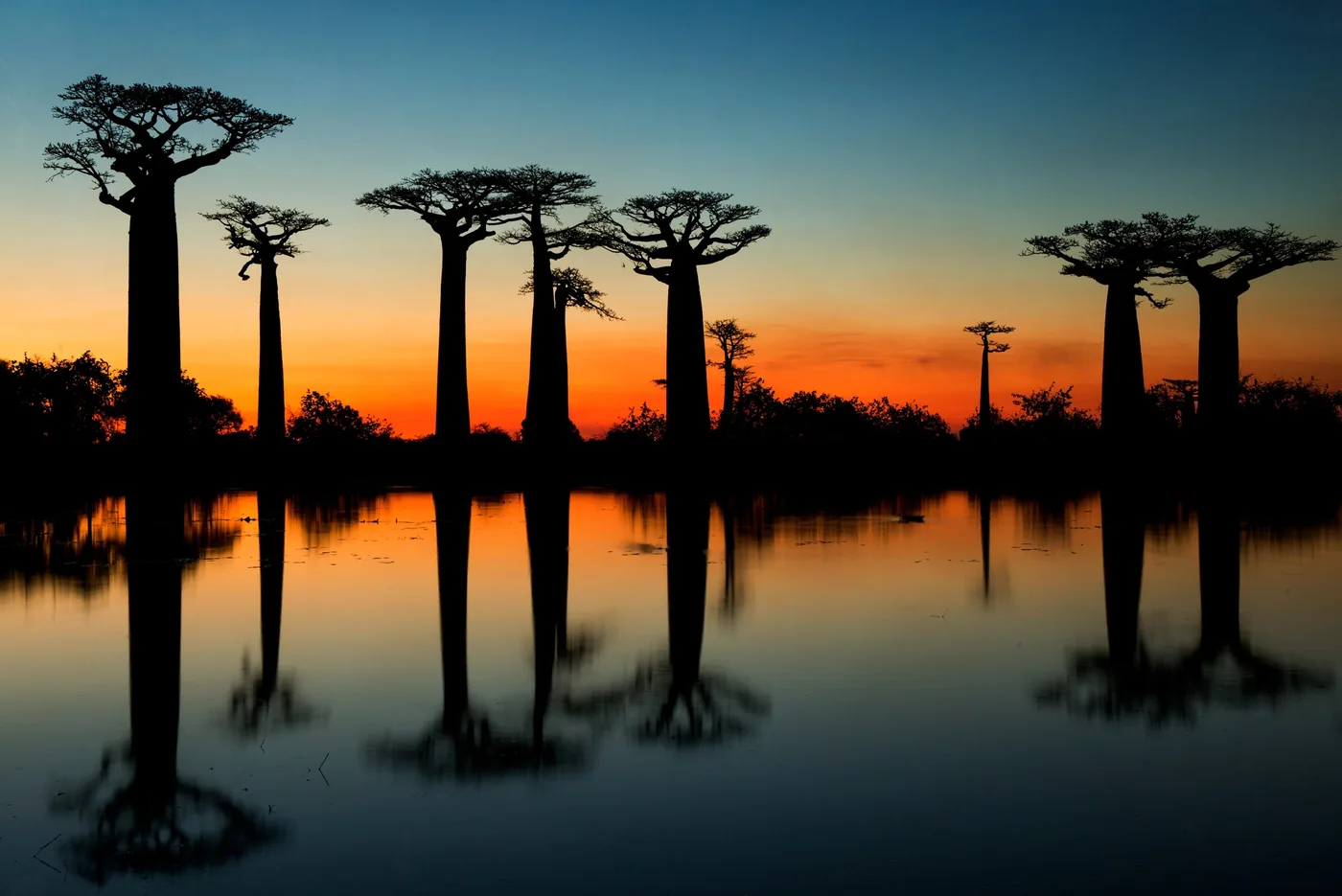
Traveling to remote areas brings fresh inspiration to your photography. Unfamiliar locations pose an extra challenge, but truly 'off-the-grid' locations, where your phone can no longer connect to the internet, offer opportunities to create unique photos in unspoiled landscapes.
On the Carphone Warehouse website, you can find an overview of the top 10 most photogenic locations. This can help you choose from the countless off-the-grid destinations. Below is a selection of appealing examples from the list, together with useful camera tips specifically for these areas.
Islands on the UNESCO World Heritage List
Ecuador’s Galápagos Islands not only rank first, but are also part of the UNESCO World Heritage List and are truly a sight to behold. The islands are famous for their giant tortoises, unusual plants and wildlife, not to mention beautiful beaches.
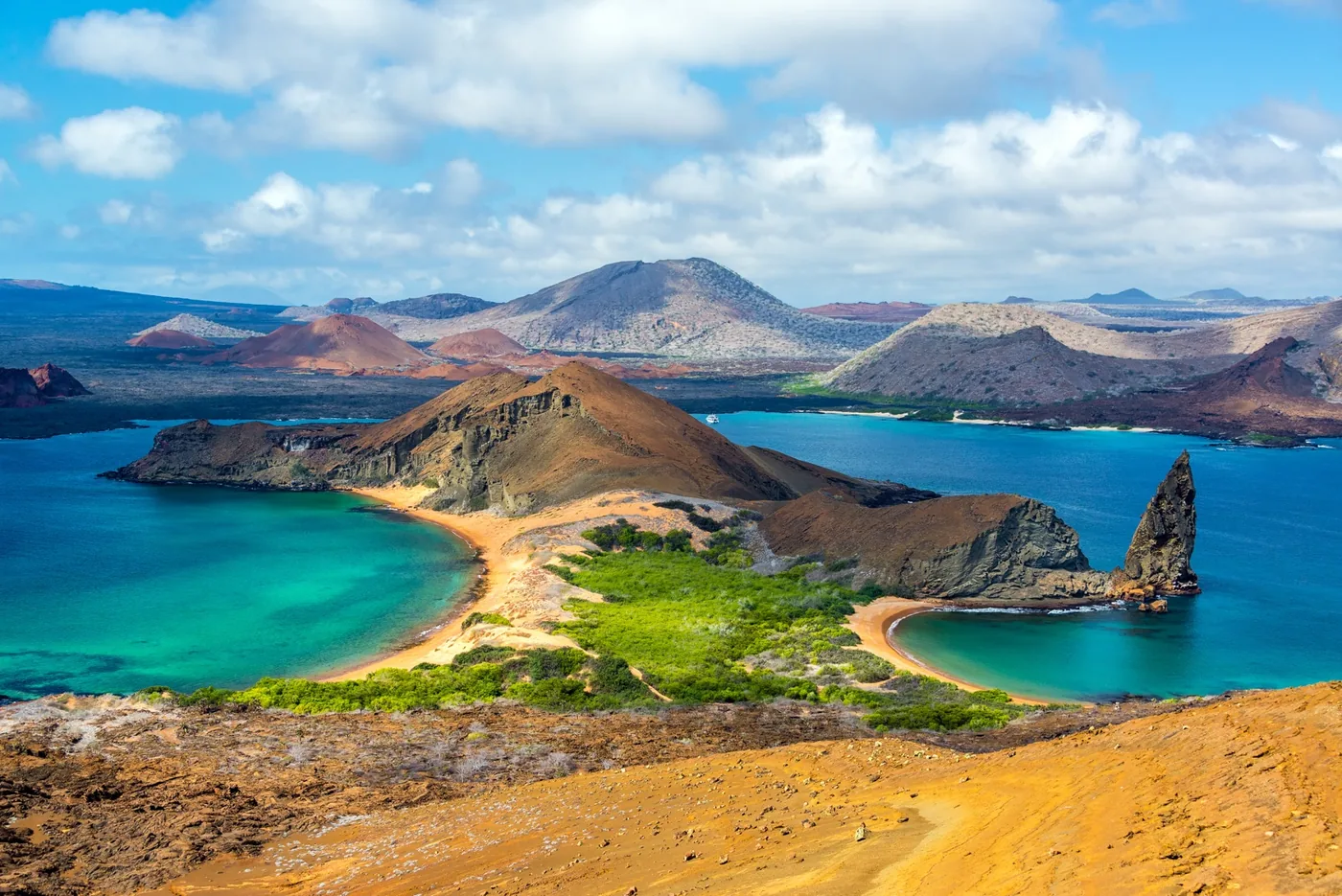
Photography tip for the Galápagos Islands: point your camera at the giant tortoises—their slow movement makes them easier to photograph. Use the rule of thirds in your composition to keep the focus on their finely wrinkled faces. Place their face in the lower third of the frame for the best result, so you can show more of the terrain behind and around them (use a low f-number to achieve just the right amount of background blur).
If tortoises are not your thing, marine iguanas are also striking subjects, for example for black-and-white wildlife photography.
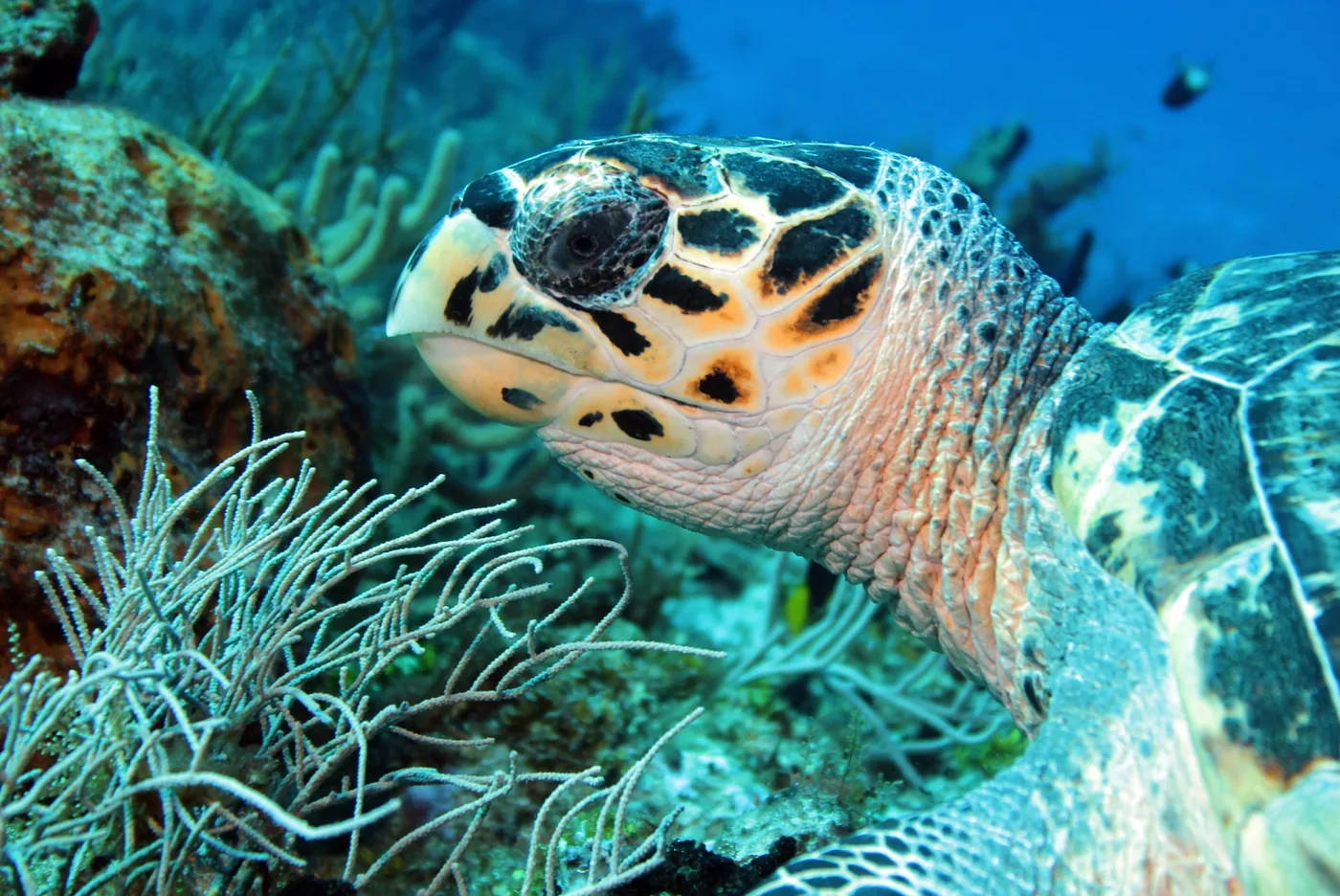
Another World Heritage island group (ranked eighth on the list of most photogenic locations) is Palau’s Rock Islands, also known as the Chelbacheb Islands. These beautiful islands are a popular diving destination, with many jellyfish and dolphins.
Tranquil lagoons
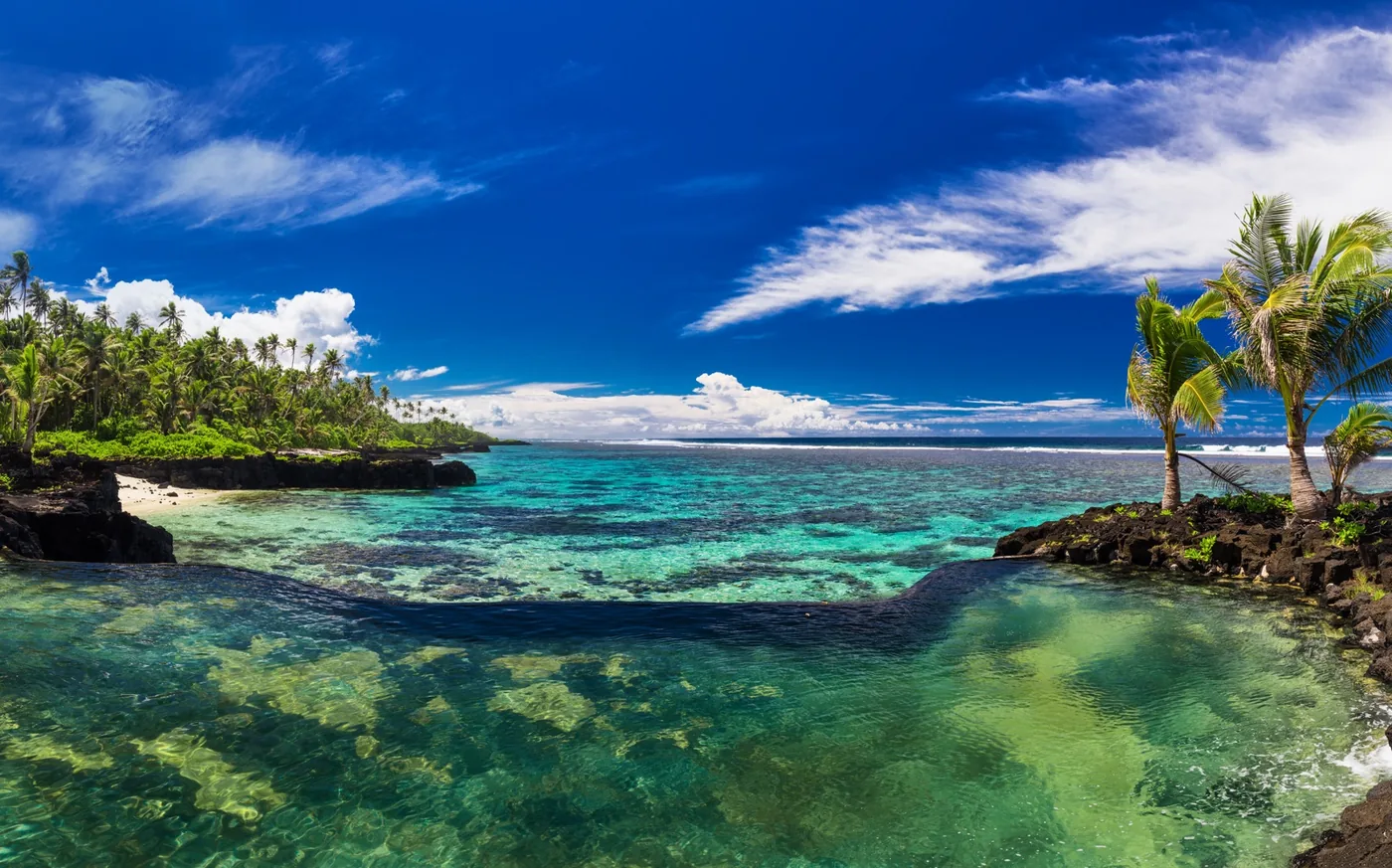
The Marovo Lagoon in the Solomon Islands ranks second, and for good reason. The crystal-clear Pacific lagoon has a double barrier reef—a rare phenomenon found in only a handful of places worldwide.
At home, you can combine two photos for a stunning result...
To capture the best photos of Marovo Lagoon, set out by boat or kayak on a calm day. Use a waterproof camera or underwater housing and take some attractive half-underwater shots in the shallows. Use aperture-priority mode and adjust exposure compensation as desired (+0.3 generally works well). Once you have placed your camera in the water, a useful tip is to gently rock it back and forth. This creates a small wave that adds another dimension to the images.
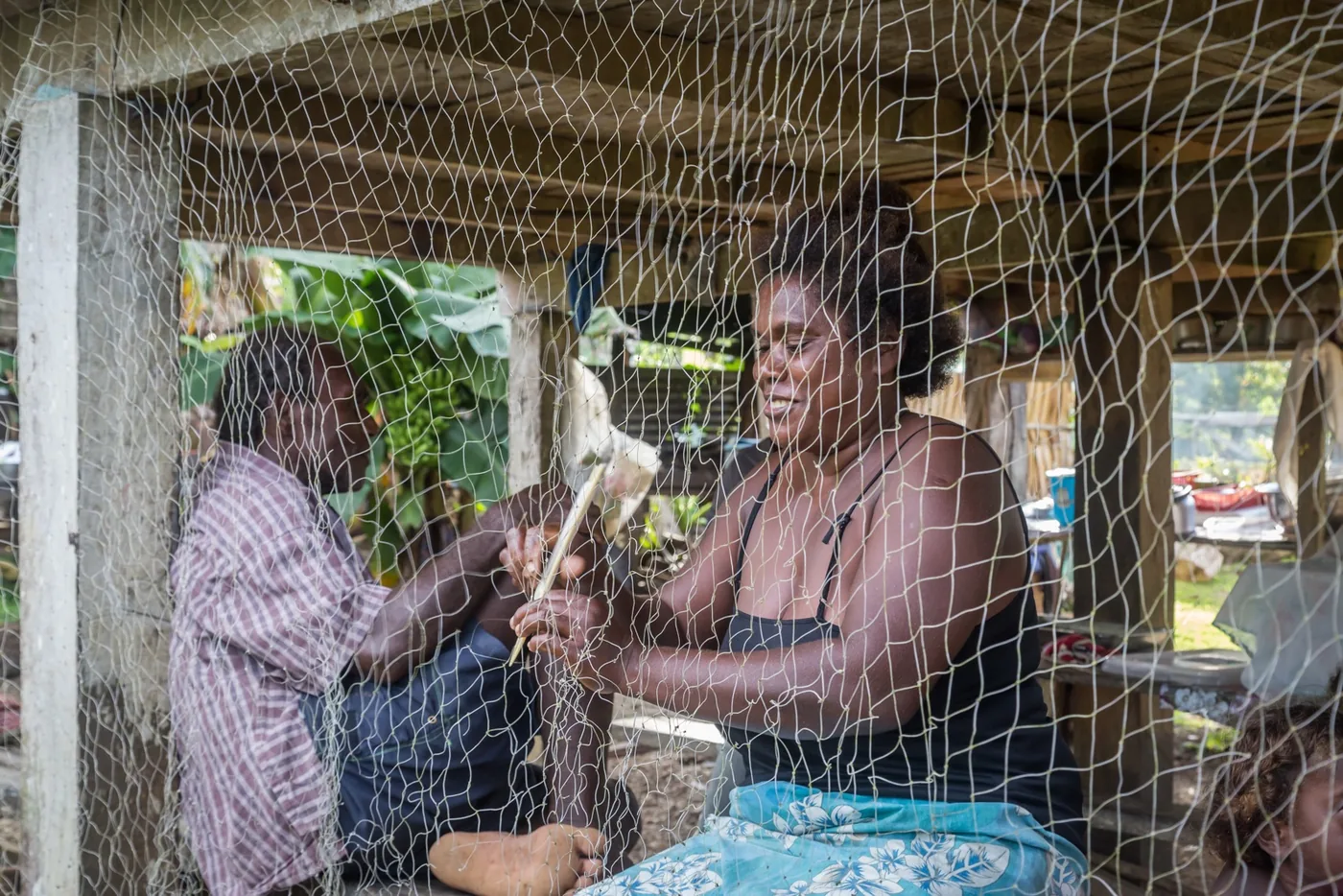
Make the images even richer by politely asking local people whether they would like to pose.
Arno Atoll in the Marshall Islands comprises no fewer than three separate lagoons, each surrounded by white sand and tropical greenery.
Moving water
When you see photos of Kalandula Falls in Angola, it is easy to understand why they rank third in the top ten. The spectacular 105-meter-high, horseshoe-shaped falls form an impressive backdrop to the lush rainforest around them.
Although there is a viewing platform at the top of the falls, you can get a better view by paying a local guide to take you to the river and the foot of the waterfall to guide you. To photograph the magnificent Kalandula Falls, use a tripod, wide-angle zoom lens and a polarizing filter to balance the light.
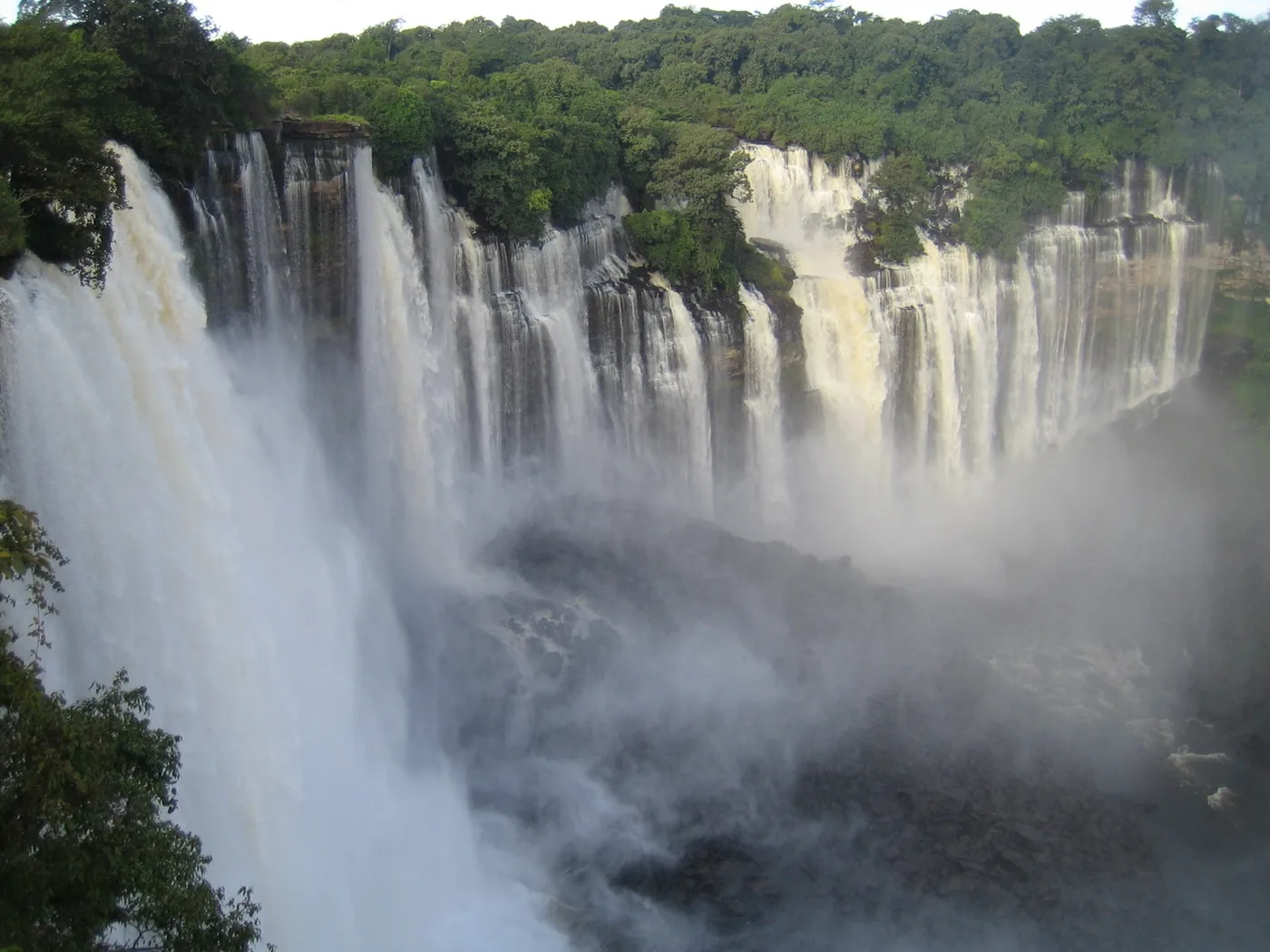
Zoom in to capture specific sections of the waterfall and try approaching it from the side rather than straight on. Use a small aperture (start at f/16) and the lowest possible ISO. Before moving on to the next shot, switch to a faster shutter speed so the background is captured without blur. At home, you can combine the two photos for a stunning result.
Wonotobo Falls in Suriname (seventh in the top ten) are also mentioned. Here, the water flows majestically from four continuously running outlets—an enchanting spectacle.
Island culture
The Kiribati Islands share third place on the list, with a beautifully clear blue sea and colorful underwater life. Spread across a vast area of the Pacific Ocean, the Kiribati Islands are rich in culture and steeped in history.
try to include an object in the foreground to make the image more interesting
Find a coastal viewpoint to capture sunrise or sunset in the Kiribati Islands. Use a telephoto lens and experiment with different zoom levels to find a good position that balances color and contrast while reducing unnecessary noise. Slightly underexpose your photo for richer, more defined colors, and try to include an object in the foreground to make it more interesting. Experiment with different focus points and vary the amount of sky or sea in the frame.
Take plenty of photos—until the sun disappears or has fully risen—to capture the changing moods of the sky.
Another island paradise ranked tenth is Tuvalu (formerly known as the Ellice Islands) in Oceania: a quietly secluded Polynesian island nation with beautiful empty beaches and a strong traditional local culture.
Natural phenomenon
The Great Blue Hole in Belize is a natural phenomenon formed over thousands of years. The large underwater sinkhole is a favorite among divers and provides a home to countless marine species as well as beautiful coral formations.
You need to be an experienced diver to explore Belize’s Great Blue Hole. Once there, you have a few brief minutes to photograph the stalactites that form it. Compensate for the low light with a high ISO of 400–800, or slow the shutter speed to 1/40.

If you are not an experienced diver, you can still take excellent underwater photos by snorkeling on the nearby reef. The calm water near the Great Blue Hole makes it ideal for photographing portraits of moving fish. Use a 60 mm macro lens for larger fish and a 100–105 mm macro for smaller ones.
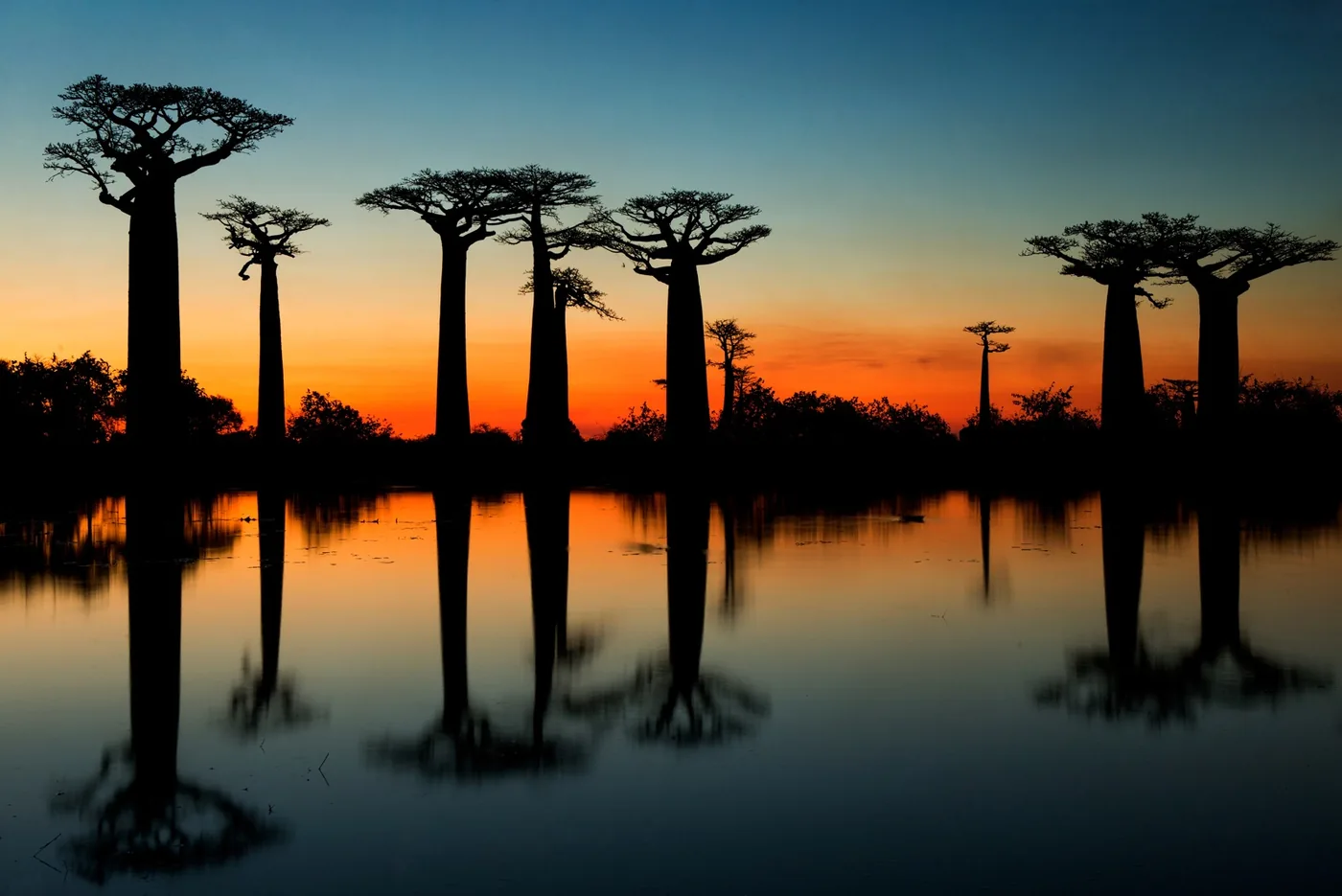
One final location from the list is Morondava in Madagascar. Ranked ninth, the iconic Allée des Baobabs offers stunning silhouettes against a warm Madagascan sunset.
The list above is, of course, only a tiny selection of the photographic potential the entire world has to offer. To explore more inspiring countries with offline locations, as well as attractive urban destinations, follow the link in the introduction.
Text: Hannah Waters