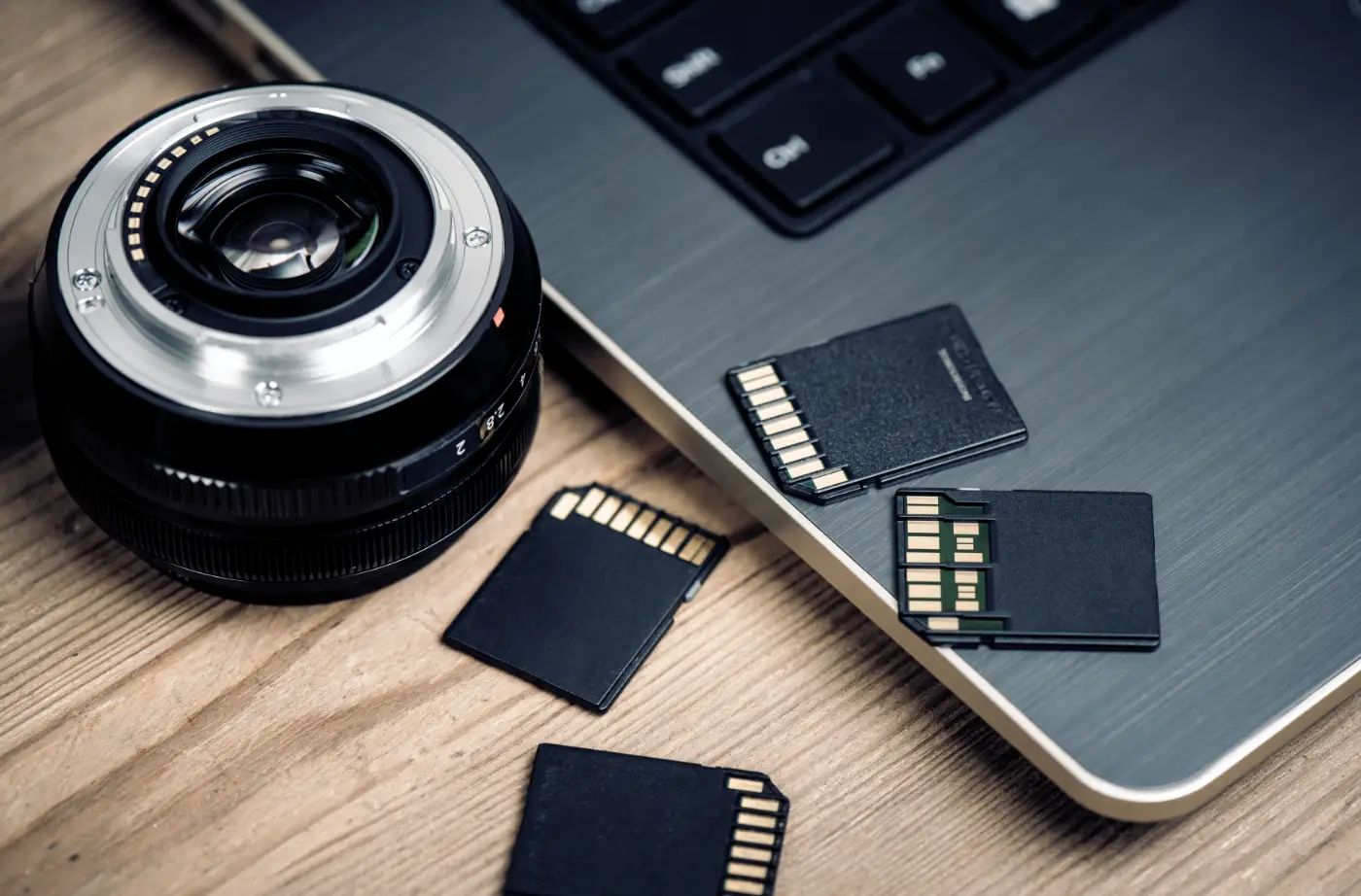
Time-lapse photography sits right at the intersection of video and still photography. You take photos to ultimately create a video. That opens up an entirely new world—and a new market.
Time-lapse photography is probably best known for beautiful moving starry skies or sunset panoramas that unfold in just a few seconds. On the Discovery Channel, you may also see the construction of an airplane or skyscraper flash by at high speed.
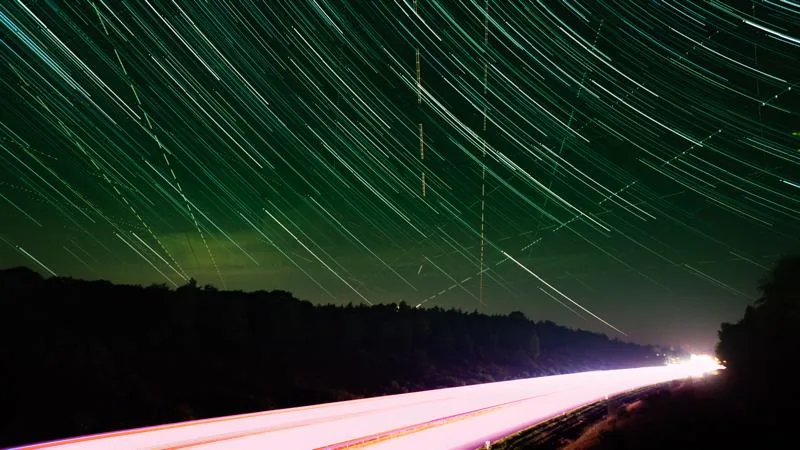
What happens is that the interval between 2 video frames is stretched dramatically. Normal film footage consists of 25 frames per second. With time-lapse photography, you choose how much time passes between 2 frames. Set the interval to 1 minute between 2 photos, and you can compress 25 minutes of real time into 1 second of video.
Speeded-Up Video or Time-Lapse Photography
It is understandable that you cannot leave a video camera running for three days to follow the setup of an event: it simply uses too much data. A still camera is therefore the logical choice for long-term time-lapse projects. But a still camera also offers advantages over a video camera for sequences that last only a few minutes.
Because every frame can be controlled completely with an SLR camera, time-lapse photography is well suited to unusual images that a video camera cannot capture. With the right filters, for example, you can work in daylight at a shutter speed of one second.
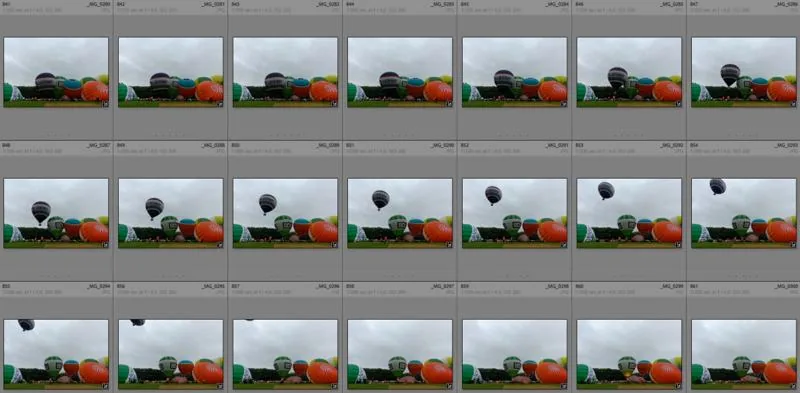
In a shopping street, everyone who moves becomes blurred—sometimes heavily blurred—while everything else remains as still as concrete. The result is an exceptionally smooth video whose acceleration looks far less jerky than speeded-up video footage.
The same applies to a moving starry sky. A still camera can easily use shutter speeds longer than 15 seconds and reveal the Milky Way.
Shoot in 4K Cinema or Animate in Full HD
The advantage of a still camera is that you may be shooting at 18 MP, or more than 5,000 pixels wide. A Full HD frame is only 1,920 pixels wide, so in post-production you can create appealing zooms and pans that make the footage much more dynamic.
Special dolly rigs and other systems can also move the camera during a time-lapse sequence, of course, but that puts you at a much more advanced level—and costs several hundred to a thousand euros more.
What do you need?
An entry-level SLR camera that supports a remote release is enough to get started. Connect a so-called intervalometer, widely available for about 60 euros, use a sturdy tripod, and choose post-production software that can process image sequences.
The tripod is essential because the camera must remain completely still. Nothing looks worse than a final video that jerks.
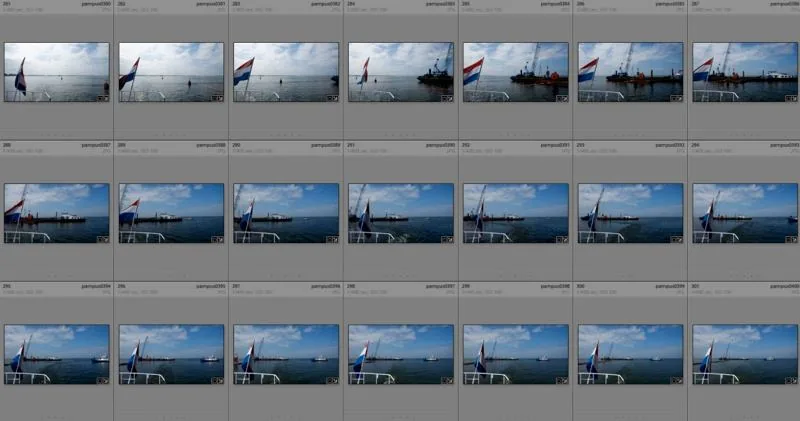
With an intervalometer, you can set the camera to take a photo automatically at regular intervals. Choose the number of seconds between frames and then be patient. Very patient.
After the shoot, process the photos and use an application such as QuickTime to turn the sequence into a video.
The Holy Grail of Time-Lapse Photography
The challenge in time-lapse photography is that the settings and exposure of each frame must match the previous one as closely as possible to produce a smooth video—not one that could trigger an epileptic seizure.
The first step is to set your camera to manual exposure. Only then can you prevent it from metering the light slightly differently each time and ruining a frame, or forcing you to resort to all kinds of fixes in post-production.
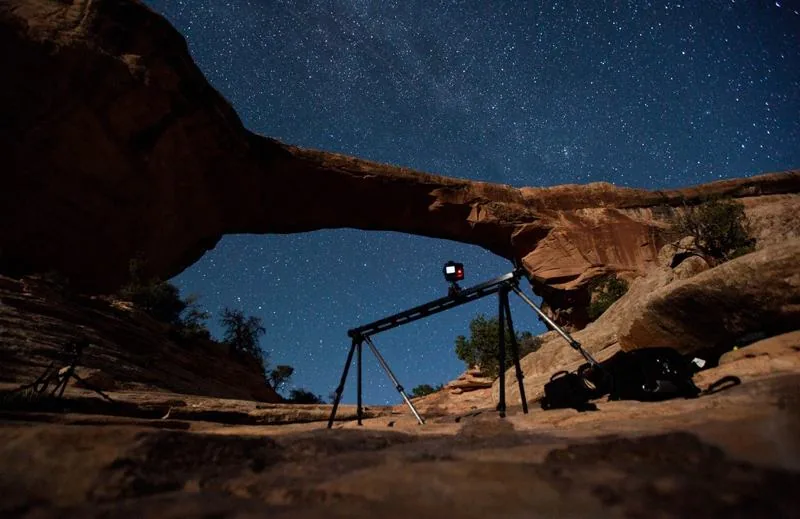
But that immediately raises a second problem: what if the light changes rapidly, as it does at sunset? You then have to change the exposure settings, and those changes are immediately visible in the final video. This is known as the 'holy grail' of time-lapse photography. Creating a perfect transition from day to night without visible flicker takes a great deal of time, practice, and patience.
What can you do with it?
One enjoyable side effect is that after you explain time-lapse photography to people, they suddenly start recognizing it everywhere on television. I enjoyed BBC nature documentaries, for example, including one about plant life in which an ivy plant literally appears to crawl upward like an insect. It is a unique sight that offers an entirely new perspective on the world.
Tip: visit Timothy Allen's website for a time-lapse tutorial, or watch the Time-Lapse channel on Vimeo.
At the time, the author expected demand to continue to grow for the distinctive footage that only time-lapse photography could provide. He believed there were even more opportunities in long-term time-lapse projects. Being able to condense a construction process spanning years into a few minutes was remarkable. It could serve later television programs, marketing, and communications while also preserving an important piece of history for future generations.
By then, digital photography had made time-lapse photography not only much easier but also much less expensive. That was creating new opportunities and a new market. Time-lapse photography was becoming another way to preserve history. First came the photograph, then the moving image, and then the ability to play history back at high speed.
About the Author
Bas Stoffelsen is the owner of The Timewriters and specializes in time-lapse photography.