William Henry Fox Talbot (February 11, 1800–September 17, 1877) is regarded as the inventor of the negative process in photography, which made it possible to produce multiple prints from an image’s negative. Until then, every photograph was unique.
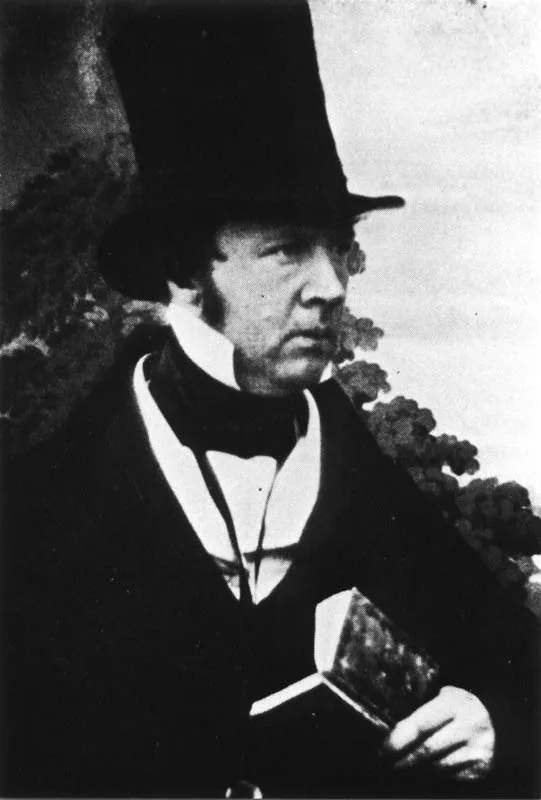
Talbot, who first attended secondary school in Harrow, London, and then graduated from Cambridge University in 1826, used sturdy writing paper for his negative process.
He first immersed the paper in a solution of table salt and then coated it with silver nitrate. This simple chemical reaction produces silver chloride, a light-sensitive substance.
Until then, every photograph was unique
The exposed paper was developed with a solution of potassium iodide and fixed with the same substance that Louis Jacques Mandé Daguerre used. The resulting negative was placed on a second sheet of light-sensitive paper and exposed again. The result was a positive.
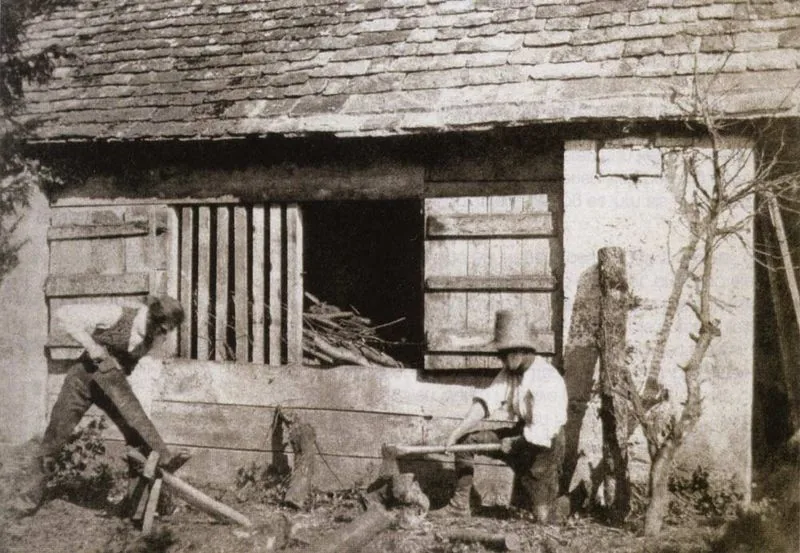
Talbot called his first images photogenic drawings. Talbot’s technique is also known as the talbotype or calotype. The earliest calotypes were lower in quality than the first daguerreotypes because of the fibers in the paper. Talbot’s method, however, could produce an unlimited number of positive prints. The principles of the calotype technique thus form the basis of modern photography.