If you follow camera news, you could almost forget that cameras with mirrors still exist. New lenses, smarter subject detection and more video features than anyone could possibly need: all the attention goes to mirrorless. Away from the press releases, however, that transition is far less abrupt.
On 6 August 2026, Nikon released new firmware for the D6 and D780. Canon produced around 580,000 DSLRs in 2025. The industry may have moved on to mirrorless, but the DSLR is still very much in use.
Half a million
According to research firm Techno System Research, quoted in Toyo Keizai’s Japanese Company Shikiho Industry Map 2027, Canon produced around 580,000 DSLR cameras in 2025. These were existing DSLR models. The figure is a production estimate, not the number sold to consumers.
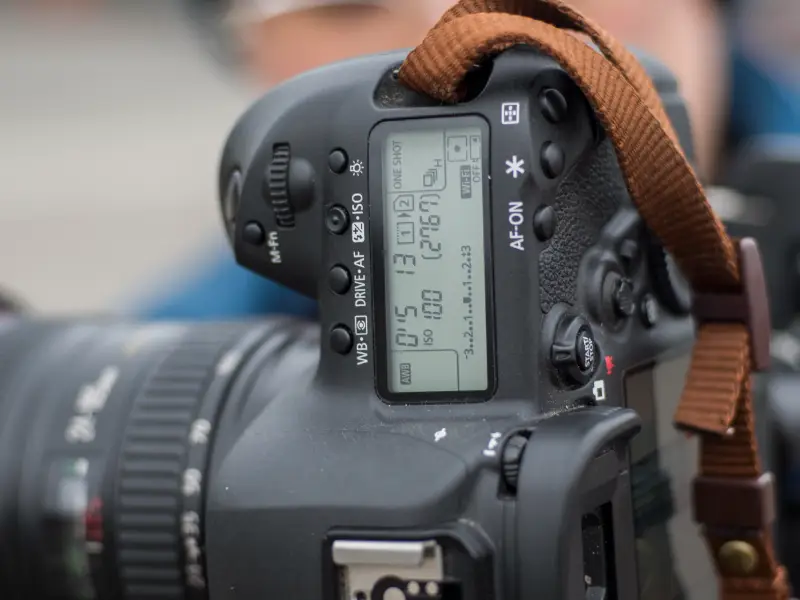
Even so, well over half a million is a substantial number for a type of camera whose demise has been announced for years. Canon is not alone. The same source puts Nikon at around 60,000 units and Pentax at roughly 10,000.
This is not a comeback. It is simply ongoing production—which is hardly surprising when you consider how many of these cameras are still sitting in photographers’ bags.
A good camera remains a good camera
Photographers who enjoy using a DSLR do not immediately rush to the shops. The camera feels familiar in the hand. The optical viewfinder is comfortable to use. There is often already a fine collection of lenses at home. As long as that combination continues to produce good photographs, there is little reason to replace everything.
After all, a new model does not make your current camera any less capable. A landscape remains just as impressive. A strong portrait still depends on light, timing and contact with your subject. An electronic viewfinder or smarter autofocus does little to change that.
New technology can make photography easier. Anyone who regularly misses a decisive moment because the autofocus reacts too slowly will notice the difference immediately. But if your DSLR still does exactly what you ask of it, it can simply remain in your bag for the time being. So be it.
Nikon is still making improvements
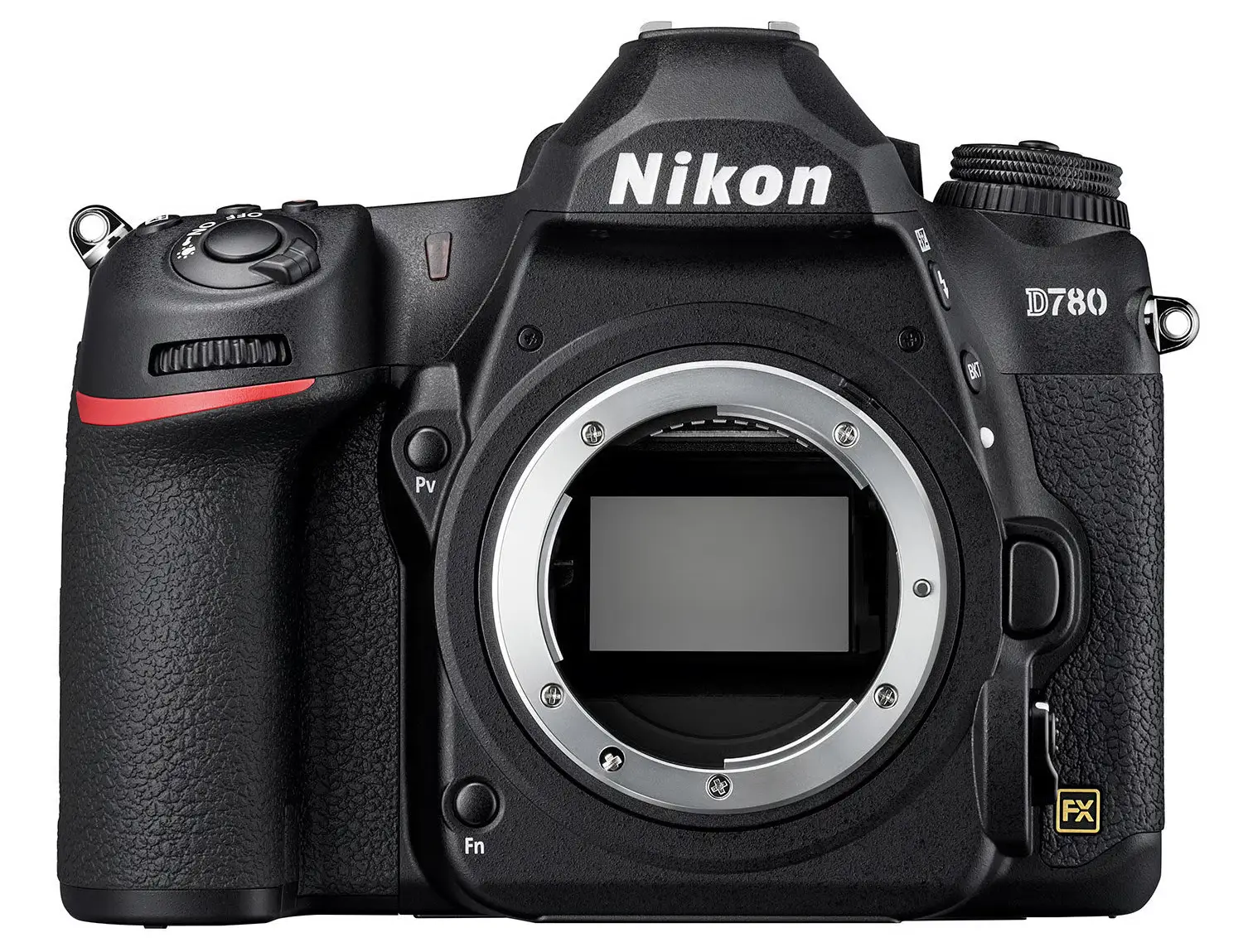
Long-term use also requires maintenance. Last month, Nikon released new firmware for the D6 and D780, two DSLRs introduced in 2020. Six years after their launch, bugs are still being fixed.
For the D780, version 1.21 corrects underexposure that could occur when changing the zoom position during a high-speed burst. A small issue on paper, but relevant when tracking a subject while zooming in or out.
The D6 receives two corrections with version 1.71: occasional underexposure when using a D-type lens, and a bug that sometimes limited the shutter speed to 1/250 second when recalling shooting functions, even though Auto FP High-Speed Sync was meant to allow a faster setting.
No new shooting features—just targeted repairs. That is precisely what makes them interesting: even with a camera that has been around for years, a software fix can still improve everyday use. That is no bad thing.
Less new, still useful
The DSLR has not yet been consigned to a display cabinet. Canon still produces hundreds of thousands every year. Nikon and Pentax do the same on a smaller scale, while Nikon continues to refine the software of familiar models.
None of this promises a new generation of DSLRs. It does show that existing cameras still count, which is reassuring if you take one out every week.
For owners of a D6 or D780, the next step is simple: check the installed version under Firmware version in the setup menu, then follow the instructions on Nikon’s download page.
For other DSLR users, one question matters most: what does your camera currently lack? If the answer is “not much, really”, there is every reason to keep taking it with you. That memory card still has room for plenty of new photographs. One thing is certain: a good camera remains a good camera, even when the brochure is already celebrating something else.