Since its introduction in 2008, the mirrorless camera had remained more popular than either the DSLR or the compact camera. The Sony Alpha 6000 was already a classic in this category: a brief new look at the powerhouse that arrived in 2014 and was listed on some websites at the time as a Best Buy for demanding enthusiast photographers.
To clarify, the defining feature of a mirrorless camera is the absence of the mirror found in a DSLR. That has several benefits: the body can be small and compact, and the camera itself lightweight. There is a technical advantage as well, because a camera without a mirror can focus more quickly.
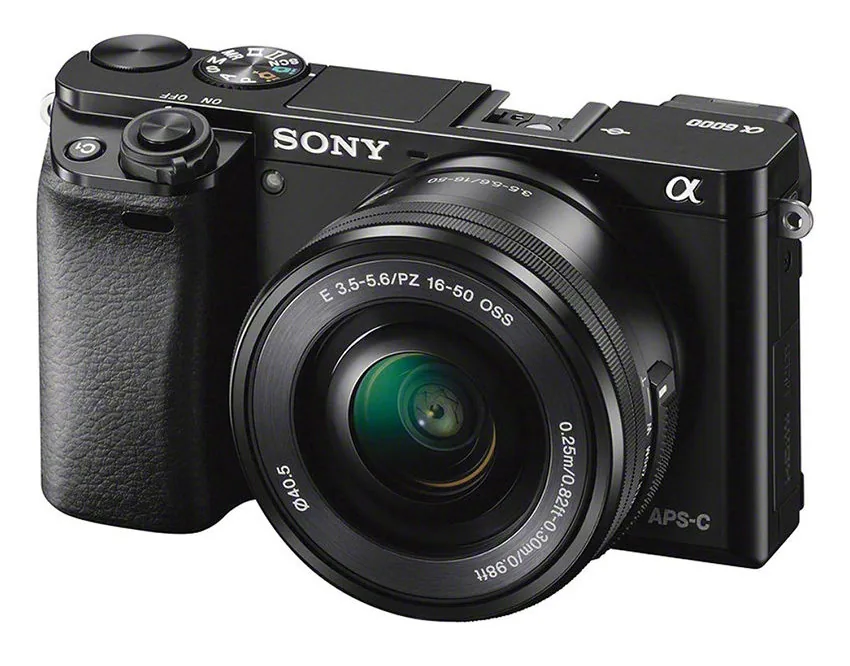
The Sony A6000 weighed just 468 grams, including its battery and kit lens, and was indeed small—but its performance was anything but. One of its most striking features, alongside a 24.3-megapixel APS-C CMOS sensor, was the range of manual controls; seven buttons could also be assigned custom functions. Perhaps even more impressive was the number of autofocus points: no fewer than 179. This allowed moving subjects to be tracked across the entire frame. The fast BIONZ X image processor handled all of that power, including 11 frames per second and autofocus.
Smooth
Other appealing features included the 3-inch rear screen, which could tilt through a limited range, and the electronic OLED Tru-Finder, which switched smoothly on and off as your eye approached or moved away from it. The Alpha 6000 also had built-in Wi-Fi and convenient NFC connectivity. The implication was clear: remote camera operation had never been easier, while sharing to Facebook and Instagram was more accessible than ever.
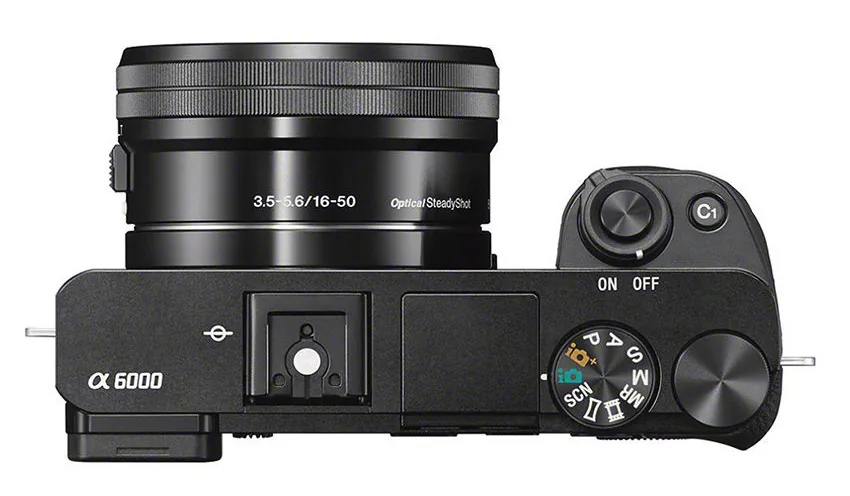
Our Conclusion
It was not inexpensive, but it offered plenty in return: a manageable yet fast, rugged and capable camera—rather like a Shetland pony. It was hardworking, intelligently designed and invited experimentation. Most importantly, it produced photographs with excellent image quality. The rest was up to the photographer.
(Editor’s note: no longer available; see the Sony A6700 here.)