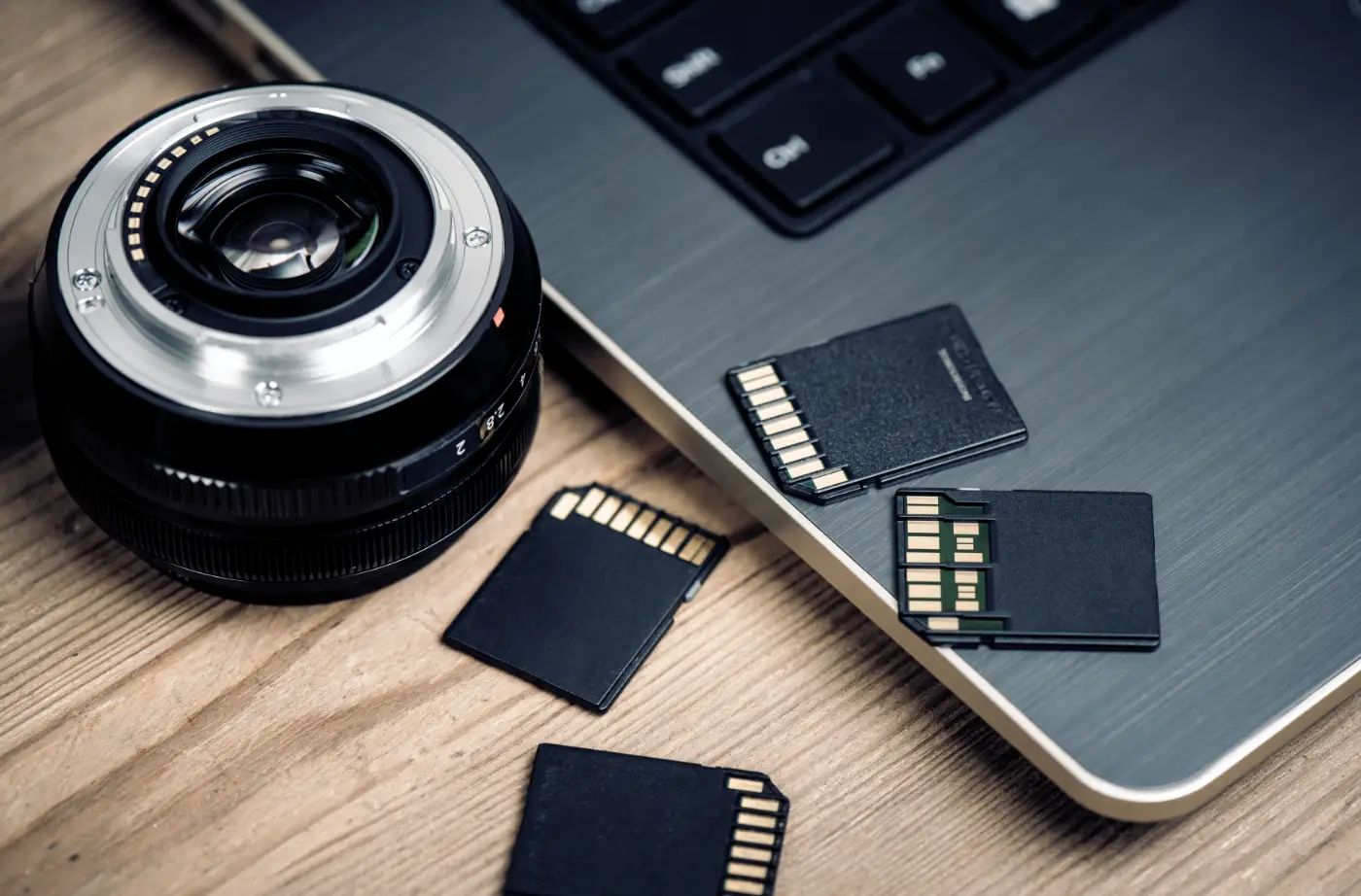
When smartphones first appeared on the scene, their built-in cameras were little more than novelties. They were simply a gimmick conceived by marketing teams to distinguish their particular brands, but recent technological advances have greatly refined the camera, and it is now an essential part of every smartphone. But can they match a “real” camera?
Professional photographers would never claim that their smartphone is as good as their purpose-built DSLR, especially when it comes to studio photography, but sometimes a smartphone is all you need. Here's why...
Advantages of a smartphone camera
Availability and convenience
The obvious advantage of a smartphone for photography is that it is always in your hand or pocket and takes only a few seconds to be ready to capture photos or videos. With a compact digital camera or DSLR, you have to remember to bring it, charge the batteries, and check that the memory card has enough space for the day's shots.

Savvy photographers who use a large, heavy DSLR also pack several different lenses so they can take wide-angle, standard, and telephoto shots. That means an extra backpack of camera gear and probably an aching back at the end of the day. Compared with the small size and shape of the smartphone you carry anyway, it is no wonder that many people leave their “real” camera at home when they go on vacation.
Wide view
A smartphone lens offers just the right field of view for photos of groups of friends. You can get close and still see everyone, or simply take a few steps back to fit more people in the frame. And with its fast autofocus, you are virtually guaranteed sharp, vibrant memories of the people you are with.
Selfies are easy
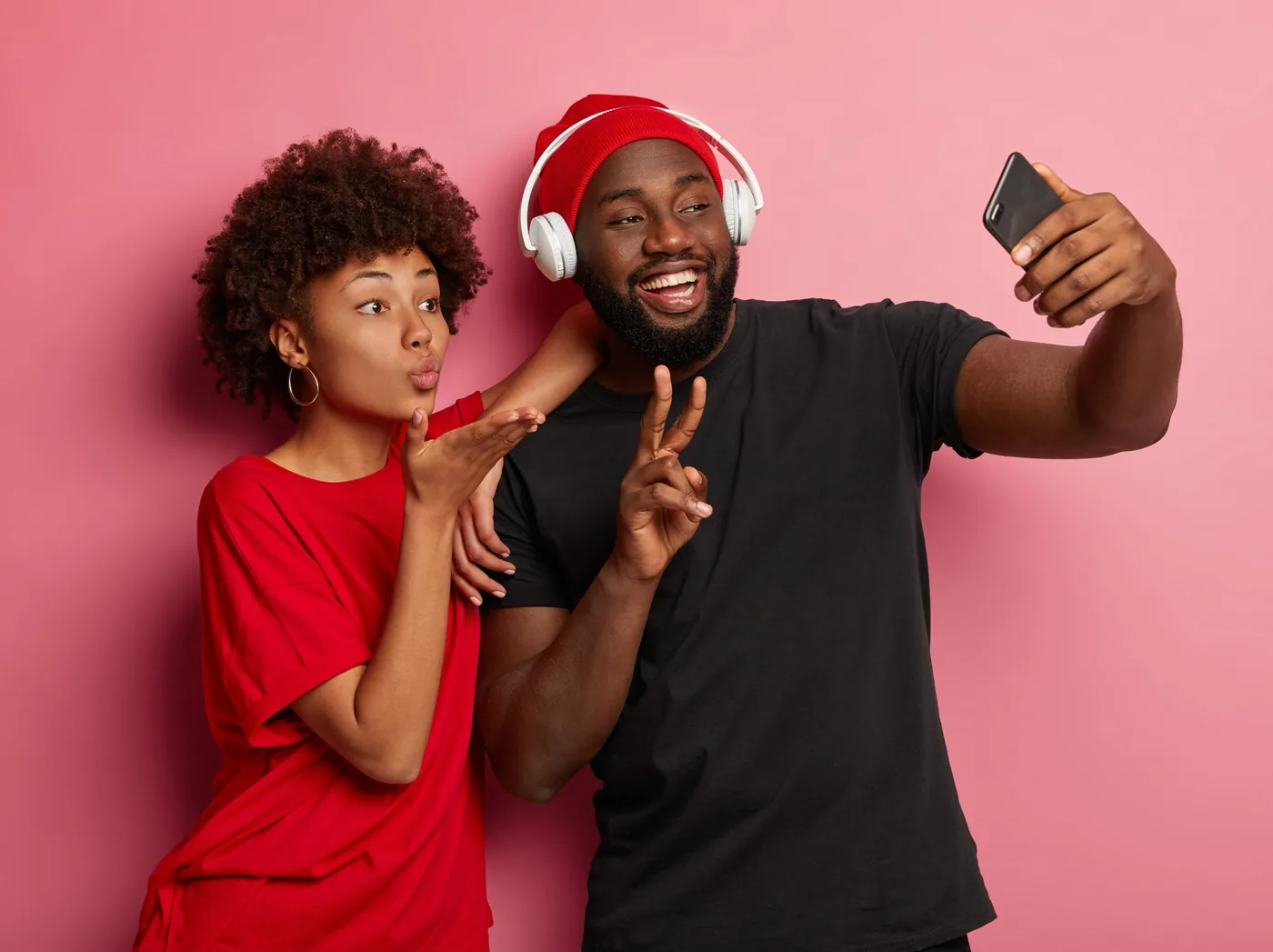
Have you ever tried taking a selfie with a DSLR? It is impossible to do handheld. You have to set up a tripod and then work your way through the menu system to find the timer. Smartphone selfies of individuals, couples, and groups, however, are incredibly easy. Regardless of the lighting or how many silly faces people pull, you will probably get a fun photo on the first try.
Built-in filters
Do you like the photo you took of that landscape, but think it could be better? The built-in filter options make creating a more dramatic image fun and easy. Increase the color saturation, convert it to black and white, or add wild effects with a single swipe.
Always ready for macro shots
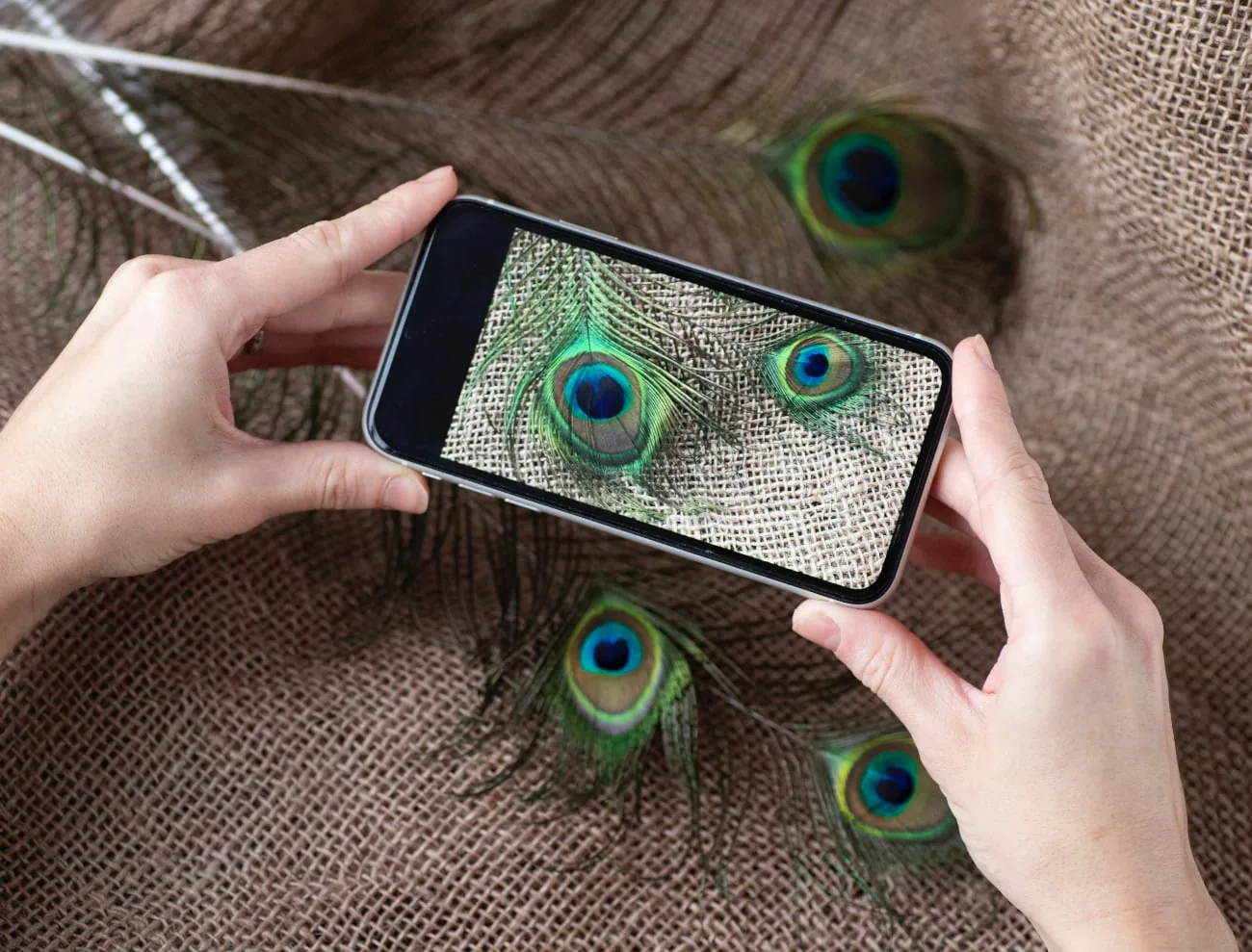
You cannot switch lenses to take macro shots with your smartphone, but you do not need to. Move it closer to the flower or object you want to photograph, and the device adjusts its settings to produce sharp macro shots that reveal small details more clearly.
Easy sharing
The ease with which you can share your photos on Instagram, for example, as soon as you take them may be the greatest advantage of using a smartphone. This is especially true compared with taking photos on most compact digital cameras or DSLRs, which require you to transfer images to a computer before you can share them.
The disadvantages of smartphone photography
Easy to damage
What photos are on your phone right now? You probably have photos of birthday parties, family vacations, a memorable meal at that fancy restaurant, and perhaps even one or two wonderful videos of your children. Now imagine dropping your phone, shattering the screen, and being unable to restart it.
A good phone case could prevent such a digital disaster. It fits snugly over your phone and has the right openings for the speakers, camera lens, and charging port, so you can charge your phone without removing the case. A lightweight phone case, for example, slips quickly over your device and protects it against bumps, drops, and scratches while remaining compact enough for your pocket or purse.
Lack of creative options
Shutter priority is a standard feature on compact digital cameras and DSLRs, but taking long-exposure shots on a smartphone requires purchasing third-party apps. Although this is a relatively inexpensive option, almost no one does it except truly enthusiastic smartphone photographers, so stylish long-exposure shots are rarely taken with a smartphone.
The same applies to ISO settings. The built-in options do not allow you to change the ISO. The ISO setting is adjusted automatically according to the amount of light in the shot. This is usually useful because the camera selects a high ISO in low light to capture more detail in the scene, but unfortunately, this results in grainy photos.
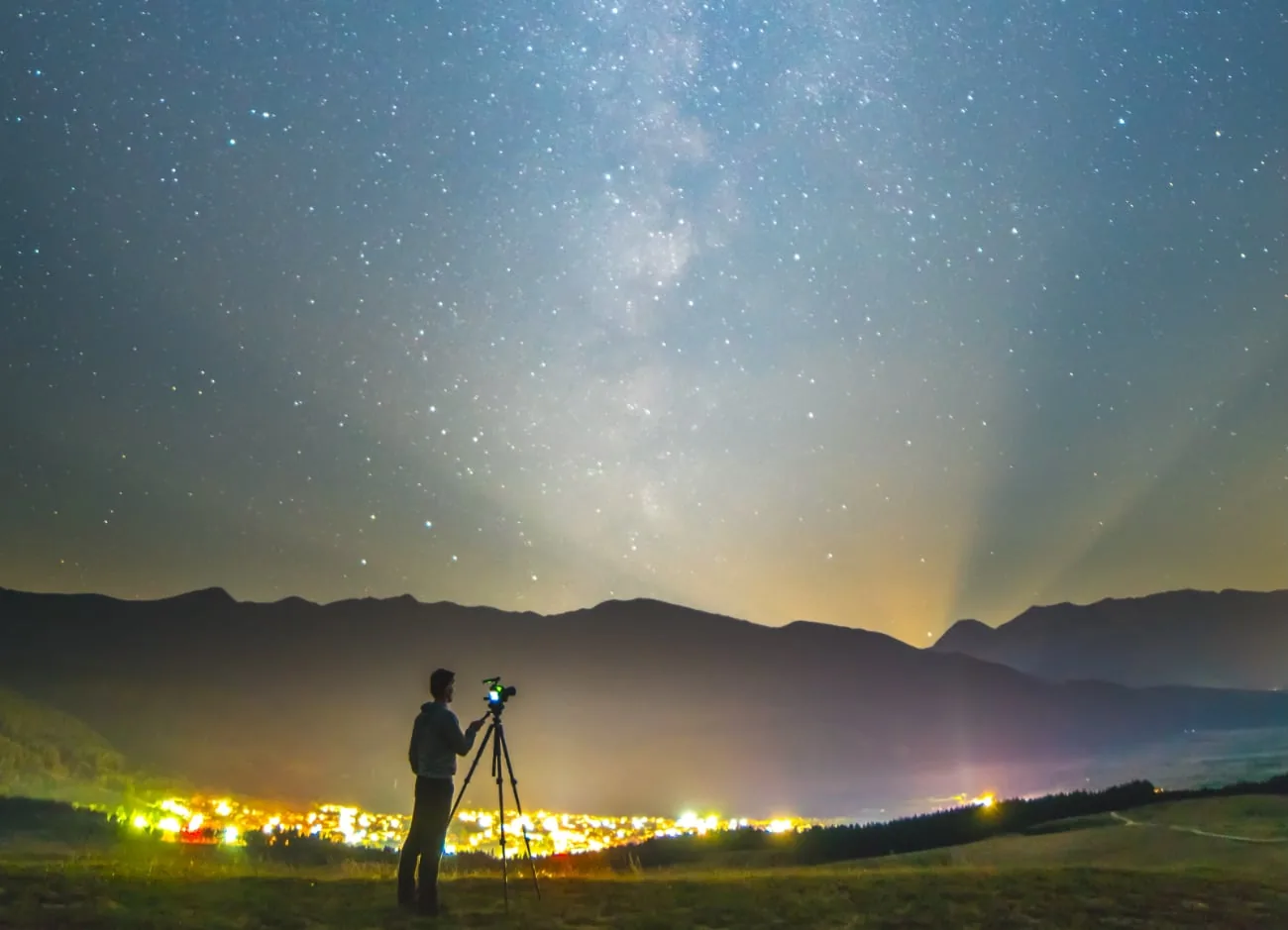
On a DSLR, you can lower the ISO and use a tripod to shoot at night, producing sharp details and beautiful tones. On a smartphone, you can change the ISO only by purchasing an app that takes control of those settings.
Limited zoom
The digital zoom lenses on most smartphones merely enlarge the pixels; the zoom does not work like a “real” camera, in which elements inside the lens move to provide optical zoom. This means you can easily pixelate your photo if you zoom in too far. A DSLR, however, can use a zoom lens to range from wide-angle to telephoto, all without compromising image integrity.
In macro photography, moving your smartphone closer can also easily scare an insect or bird away from its resting place because of the movement involved.
Small sensor and small lens
If you took a smartphone apart and looked at the size of its camera sensor, you would be shocked to discover that it is about one-quarter the size of the sensor a DSLR uses to create an image. This means smartphone sensors capture less light and far less detail than a standard digital camera. Combine that with the small size of a smartphone lens compared with the enormous piece of glass on a DSLR, and you can understand why a dedicated digital camera produces higher-quality images.
Which is best?
Is image quality more important than portability and ease of use? If you are the kind of person who likes to switch a smartphone to camera mode and snap away, stick with that device. But if you want the best possible image in a given situation and enjoy adjusting the ISO, aperture, and shutter speed, you need a compact camera or DSLR for your photos.
In addition, if you want to take photos you can enlarge to poster size and hang on the wall, choose a “real” camera. But if you simply want to capture the fun parts of your life so you can share them with the world, a smartphone is perfectly suitable.
The choice between using a smartphone and a standard digital camera largely depends on you and how much effort you want to put into your photography. In general, you will get good results with either device, so it really comes down to how seriously you take your photography and how much you value convenience relative to the kinds of photos you most enjoy taking.