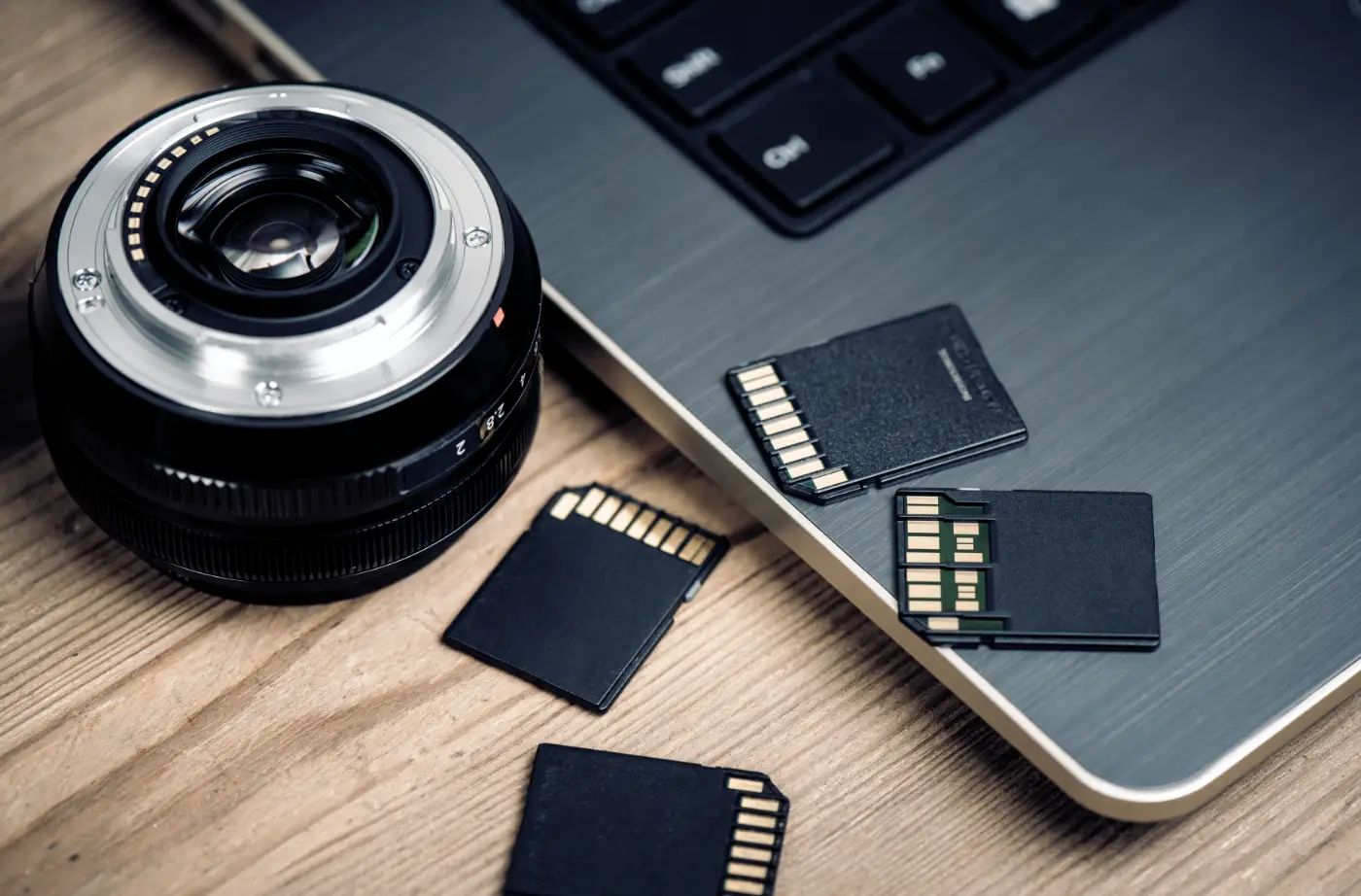
Photographer Tom van der Leij travels the world, encountering all kinds of subjects through his lens. In May 2008, his journey took him to the African country of Niger.
There are countries where photographers cannot work freely. This may be due to war, culture or religion, for example. In eastern Niger, a combination of factors makes photography more difficult than elsewhere.
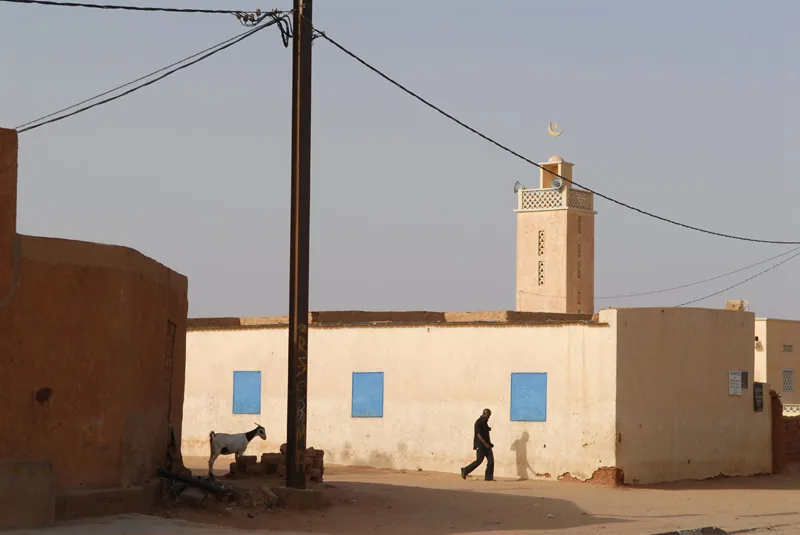
A large part of Niger, one of the poorest countries in the world, lies in the Sahel, the transitional region between savanna and the Sahara. As this predominantly Muslim country attracts little tourism, I had all the more reason to go there.
The country is no less than thirty times the size of the Netherlands and is dominated by the Hausa, an African ethnic group whose members distinguish themselves with small facial scars. Other peoples living there include the Djerma, Fulani and Tuareg.
Every time I was stopped, showing the signature allowed me to continue photographing
The latter two were originally nomadic peoples who inhabit parts of the Maghreb. Among the Tuareg, the men veil their faces, sometimes with brightly colored cloths. Add the vast and remarkable surroundings, and you find yourself in a photographer’s paradise.
The Tuareg allow themselves to be photographed from every angle, often for payment. They live in Algeria, Mali, Libya, Burkina Faso and Niger. In Niger, they are concentrated in the north and east of the country, around the city of Agadez.

In Agadez, Niger’s Timbuktu, a ‘mise en garde’ was in force—a kind of state of emergency caused by rebels rising up against the government. They were fighting for equal rights and a fair share of uranium revenues. Photography was therefore prohibited. Soldiers continually stopped me whenever I raised my Nikon to take a picture.
Sometimes they were too shy or wary of the black object I held in my hand and pointed at them
A shopkeeper told me it would be best to report to the local police commissioner. There, I received a stamp in my passport. I told him I was a tourist and that tourists wanted to take photographs. The commissioner advised me to obtain another stamp from the governor. After waiting half a day, I received it, complete with a signature. It proved to be a pass permitting me to take photographs. Every time I was stopped, showing the signature allowed me to continue photographing.
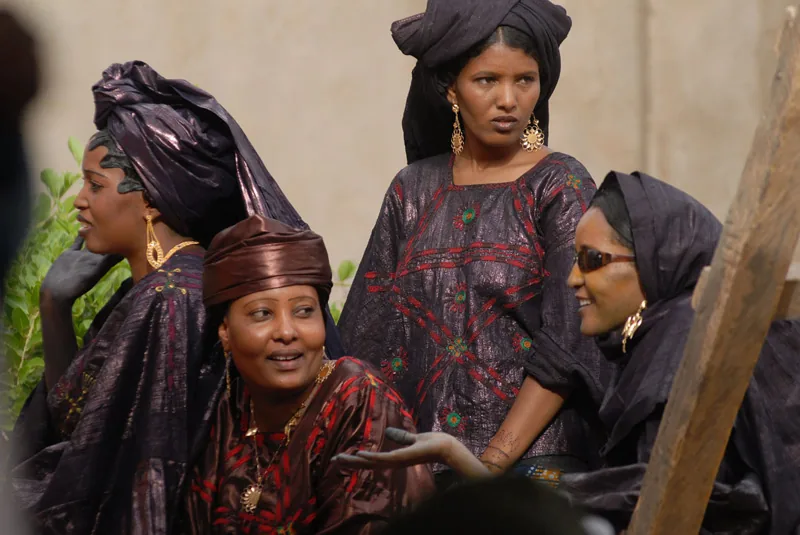
Because I also needed photographs of soldiers—and this is not permitted in any of the countries concerned—I faced another obstacle. I tried photographing the heavily armed soldiers driving around while holding the camera at stomach level. The resulting photographs were not really usable. Some population groups were also difficult to photograph, partly because they feared that the photograph would steal their soul.
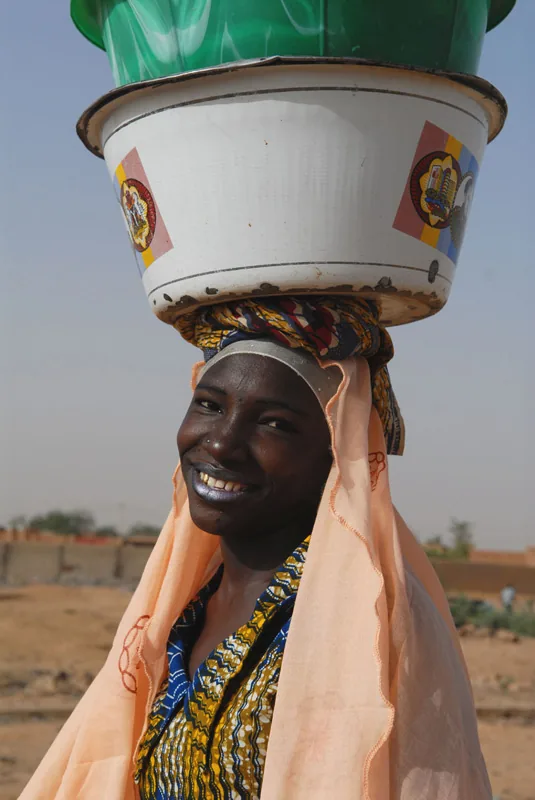
Sometimes they were too shy or wary of the black object I held in my hand and pointed at them. Often they were also too proud, or they were forbidden to pose. Many women were not allowed by their husbands to be photographed, something I encountered more often in Islamic countries.
And when I photographed someone, they naturally wanted money in return. ‘Donnez-moi un cadeau!’ was often shouted at me. At the time, I had developed ways of not responding—for example, by pretending not to understand and continuing to photograph, or by taking one photograph and immediately shifting my attention to other people so that the subject changed.
I also often let people walk into the frame and kept shooting after they had left it, giving them the impression that I was photographing something else. Finally, I used a telephoto lens and sat in the shade, which was less conspicuous. But if I really wanted a photograph, I would of course simply take it.
Paying was not an option for me because I believed it changed the attitude of the people being photographed and caused them to associate photographers with money.
In the past, I did hand out pens or other supposedly ‘useful’ gifts. Someone challenged me about this, saying that it created a culture of begging. Showing the result on the camera screen was often enough, and sometimes, if the person photographed had a postal address, I sent them the photograph later.
Want to learn more about this author and photographer? Visit the page about Tom van der Leij.