
By controlling which parts of an image are sharp, you can greatly strengthen a photograph's composition and impact. This article offers several examples of how to do that.
When taking a photo, we usually focus on keeping the main subject in sharp focus. But with sharpness, or rather, blur, we can do more than just this.
By carefully choosing what to keep sharp and what to leave out of focus, we can create a more expressive photograph.
Using selective focus involves a combination of focal length, shutter speed, and aperture
Some subjects are especially well suited to being shown partly out of focus, such as water flowing through a rocky stream.
Blur as Part of the Composition
The photograph of the short-eared owl deliberately uses an out-of-focus foreground. The owl was just a little too far away to fill the frame. Placing the bird in the upper right and filling the lower-left foreground with the posts creates a leading line that naturally draws the viewer's eye toward the bird.
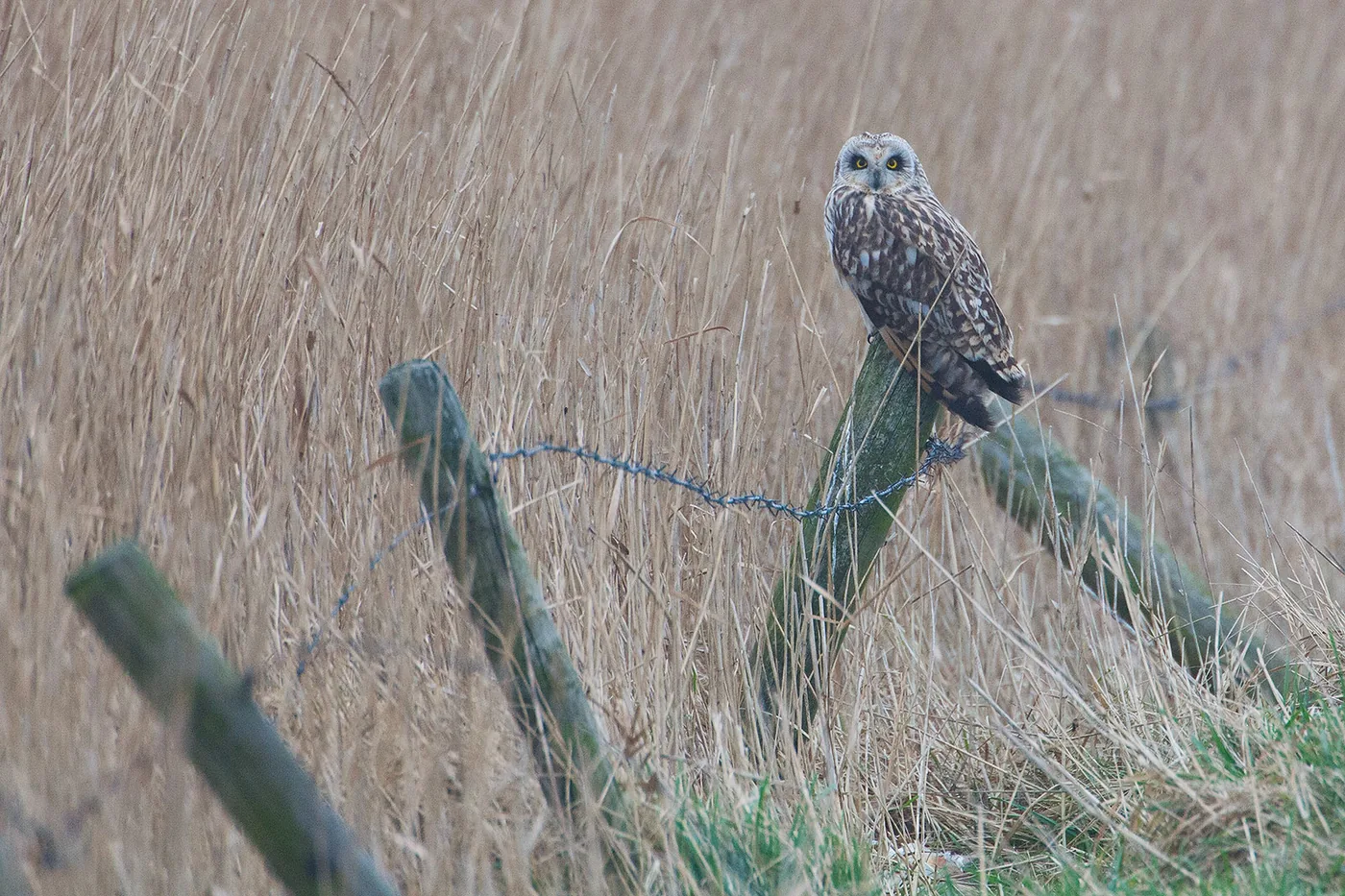
It is essential that these posts remain out of focus. If they were sharp, they would distract from the main subject and become disruptive elements in the image. The short-eared owl was photographed at F9. Greater depth of field would have rendered the posts sharp, which would be undesirable in this composition.
Photographing Motion
We often photograph moving subjects at a fast shutter speed, freezing both the subject and its surroundings. Instead, we can use a slower shutter speed and pan the camera with the subject's movement, as shown in the photograph below.
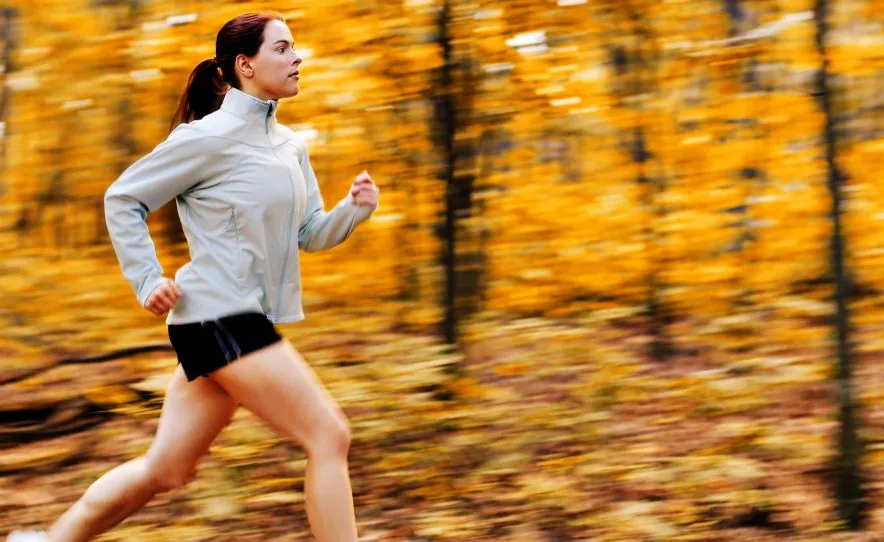
Pan smoothly and match the subject's movement as closely as possible. The main subject will then appear relatively sharp while everything else becomes strongly blurred.
Technique
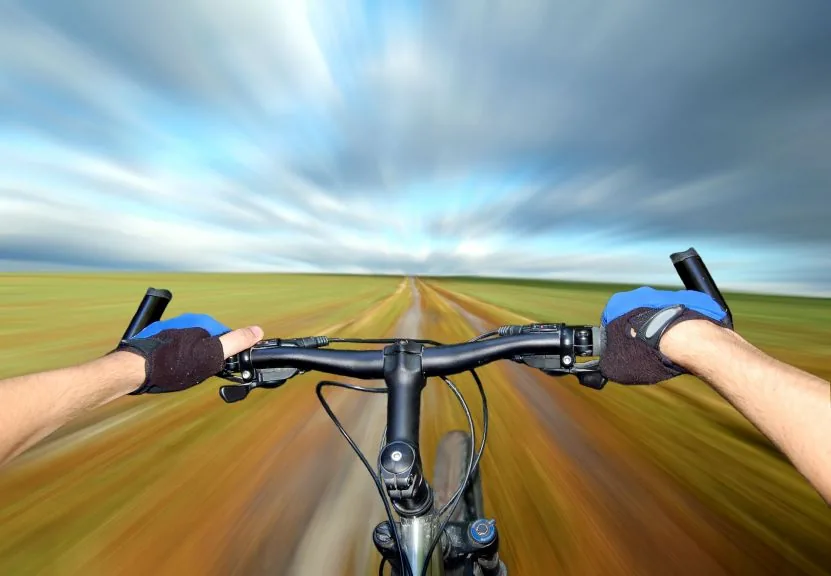
To emphasize movement, choose a slower shutter speed between 1/2 and 1/25 second. In the bicycle photograph, the slow shutter speed was chosen so that the road blurs as the bicycle moves forward while the bicycle remains relatively sharp. The appropriate shutter speed also depends on how fast the bicycle is moving. The slower your subject moves, the slower the shutter speed you need.
Focal Length
The focal length of the lens also has a major influence on the depth of field. The longer the focal length, the shorter the depth of field at the same aperture. Example: if you photograph an object at a distance of 50 meters with a 100 mm telephoto lens with an aperture F8, everything will be sharp from about 23 meters.
However, if you do this with a 500 mm telephoto lens, as in the case of the short-eared owl, then your depth of field is between 48 and 53 meters, so the total is only 5 meters.
Tip: Many SLR cameras have a depth-of-field preview button. Pressing it while looking through the viewfinder stops the aperture down to the selected setting. Although the view becomes much darker, it is still a useful way to assess depth of field visually.
Selective focus involves a combination of focal length, shutter speed, and aperture. It often takes more than one attempt to get the right shot. Make several exposures of the same scene using different shutter-speed and aperture combinations. This greatly increases the chance that one of them will be right.