Martha Cooper, the grand dame of graffiti and hip-hop. But the exhibition Martha Cooper 1958–2008: A Fifty-Year Retrospective, which opened at Amsterdam’s Studio Apart and ran through May 8, also aimed to show another side of this acclaimed American street photographer’s rich body of work.
She is a major figure. The lively turnout at the opening of Martha Cooper’s retrospective made that abundantly clear.
What stood out was the diversity of the crowd moving along the walls of the art studio and gallery Studio Apart on this sunny Thursday afternoon in April: young and old, Black and white, beautiful and plain, tall and short, rich and poor, entrepreneurs and unemployed people, Dutch and international visitors.
That must have pleased Cooper, because if there is one thing she wants to achieve with her work, it is mutual understanding and interest in one another.
One admirer was Dave van Beek, who worked for Magseven and co-organized the exhibition. “What appeals to me about her work is her free approach to photography. She manages to release the shutter at exactly the right moment, making an apparently ordinary event special. When I see one of her photographs, I see a story. Her images give the viewer’s imagination free rein.”
Van Beek said Cooper’s stature arose from her significance to the graffiti scene, which she studied and documented extensively. She was the first photographer to take an interest in the phenomenon and did not hesitate to join graffiti artists on illegal nighttime walks among trains and tracks in 1970s and 1980s New York, documenting their fleeting lives. Cooper’s photographs helped bring this underground movement above ground.
Van Beek: “I am not a graffiti artist myself, but friends of mine are, and every one of them was inspired by her. Her photographs sparked their curiosity about spray paint.”
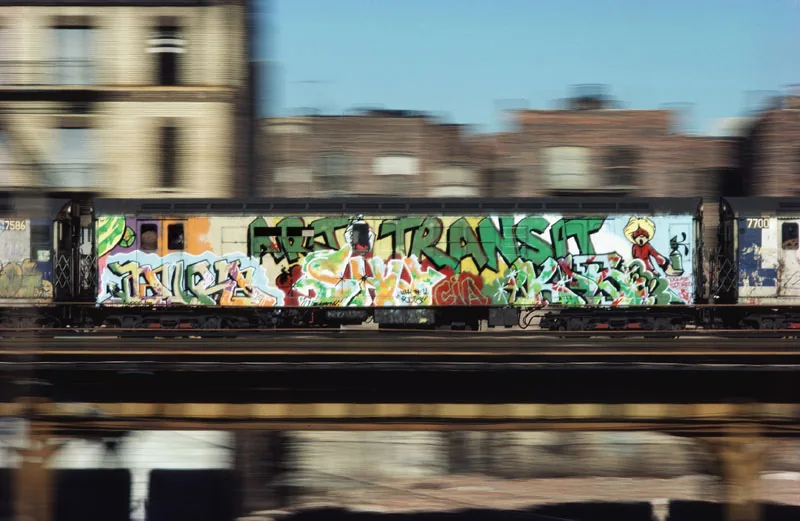
When asked about her motivations, Cooper once said: “My photographs are full of examples of painted mailboxes, yard decorations, murals, unusual hairstyles, homemade clothing, and, of course, many different forms of graffiti and street art. In this world of mass production, it gives me pure pleasure to discover art in the most unexpected places.”
Cooper played a similar role in popularizing hip-hop culture. Here too, her photographs helped make hip-hop known in Europe, for example. Van Beek warmly recommended that anyone who missed it all browse Cooper’s books Subway Art—the bible for graffiti artists—and Hip Hop Files.
If you start a nighttime walk there, you cannot be sure you will make it home alive.
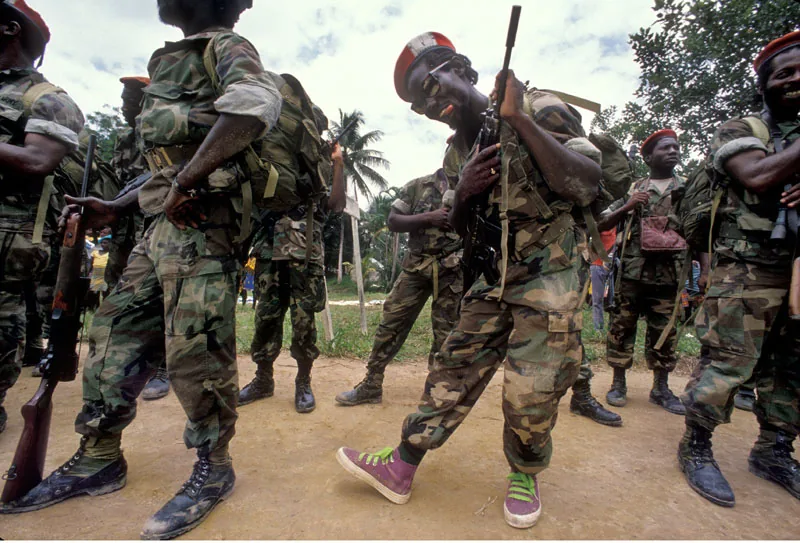
But according to Van Beek, there was also another, less familiar Cooper. “The aim of this exhibition is to provide an overview of her work. That is why, alongside twelve hip-hop- and graffiti-related photographs, we chose to show twenty of her travel photographs.”
What many photography enthusiasts do not know is that, in the 1960s, Cooper, like Robert Mapplethorpe, produced numerous travel features for National Geographic and also worked as a news photographer for The New York Post.
Then the grand dame herself appeared, drawing many admiring looks. Small in stature, she wore a black Adidas tracksuit and red Puma shoes. Martha Cooper is photography personified. She wore earrings shaped like cameras, and even during a television interview a small camera hung around her neck.
Van Beek smiled and observed that Cooper’s camera was indeed never switched off. It typified her enthusiasm and passion for photography: you never know when something worth photographing might happen.

That same drive could be seen in her then-newest project in Sowebo, a Baltimore neighborhood with the dubious distinction of being one of the most violent neighborhoods in the United States.
Van Beek: “She moved there specifically to document its dangerous reality and record how it developed over five years—for better or worse. If you start a nighttime walk there, you cannot be sure you will make it home alive. How dedicated can you be?”
Martha Cooper 1958–2008: A Fifty-Year Retrospective ran at Studio Apart through May 8. Her latest book was also due to launch around that time, titled Tag Town, documenting a worldwide search for graffiti artists’ sacred signatures.