Alongside the new Leica SL3-P, Leica is expanding the SL system with two new autofocus lenses: the Leica Summilux-SL 50 f/1.4 ASPH. and the Leica APO-Macro-Elmarit-SL 100 f/2.8. The lenses cover two classic focal lengths in the full-frame system: a fast 50mm for everyday use, reportage, and portraits, and a 100mm macro lens for close-ups, product photography, and portraits.
Both lenses are designed for L-Mount and match the rugged build quality of the SL series. They have an all-metal body, an E67 filter size, and an AquaDura coating that protects the front element against moisture and dirt. Both lenses are also IP54 certified, making them resistant to dust and splashes.
Leica Summilux-SL 50 f/1.4 ASPH.
According to Leica, the new Leica Summilux-SL 50 f/1.4 ASPH. is the world's most compact autofocus lens with this focal length and maximum aperture. At 75,5 mm long and 74 mm in diameter, with a weight of 584 grams, the lens is remarkably manageable for a full-frame 50mm f/1.4.
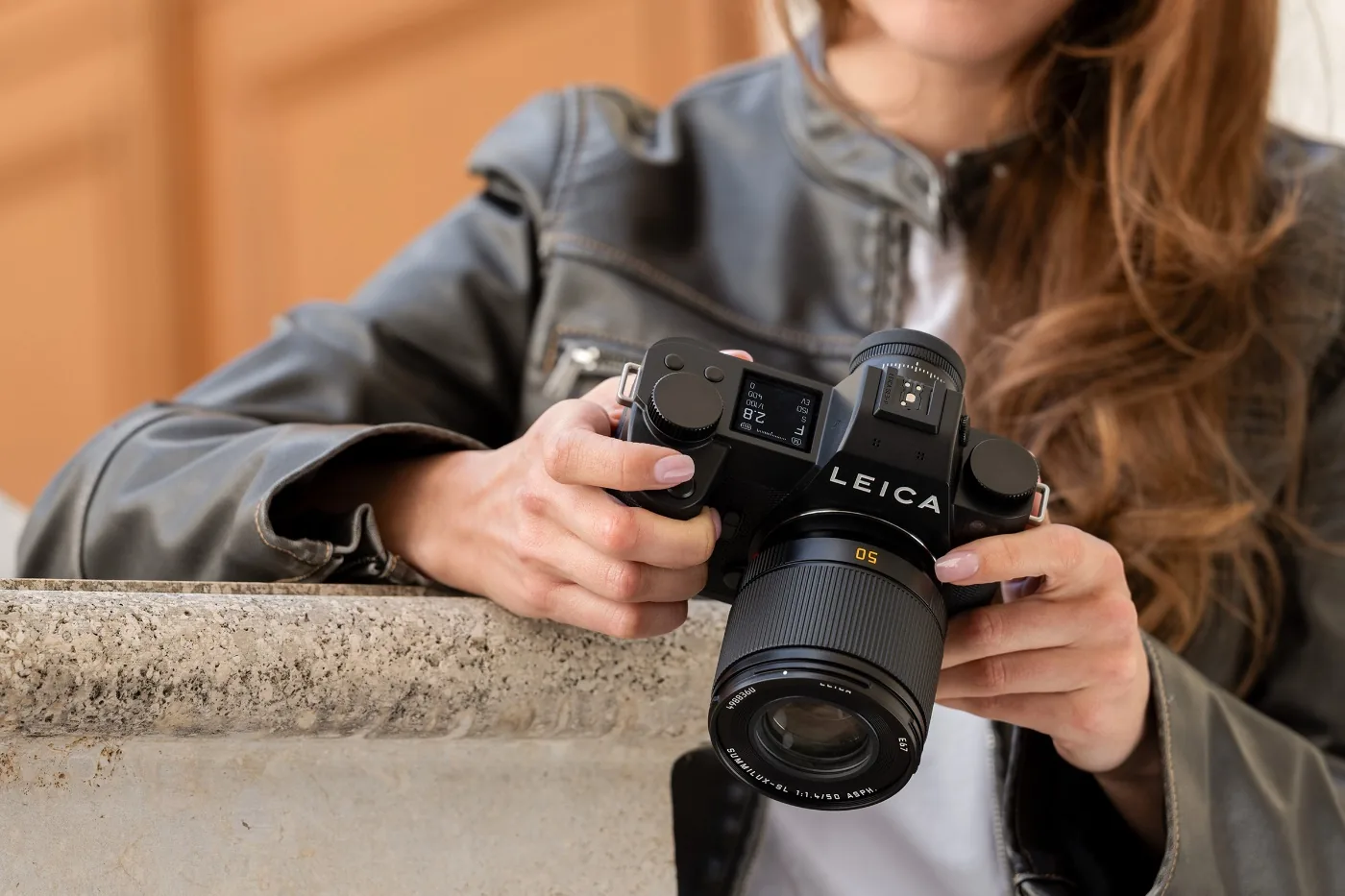
The wide maximum aperture of f/1.4 makes the lens suitable for low-light photography and images with clear subject isolation. This includes portraits, street photography, reportage, and atmospheric details where a calm background is important. The combination of eleven aperture blades, two aspherical lens elements, and high-quality glass types is intended to produce Leica's characteristic rendering with soft, natural bokeh.
The short 50 cm minimum focusing distance also makes the lens more versatile. As a result, the Summilux-SL 50 f/1.4 is not just a classic standard lens, but also useful for intimate details, tabletop shots, and everyday subjects when you want to work closer to your subject.
Leica APO-Macro-Elmarit-SL 100 f/2.8
The second new lens is the Leica APO-Macro-Elmarit-SL 100 f/2.8. It is a modern reference to the APO-Macro-Elmarit-R 100 f/2.8 from 1987, a lens known among many Leica users for its optical precision. The new SL version brings that concept to the current L-Mount system, with autofocus, modern coatings, and a weather-resistant construction.
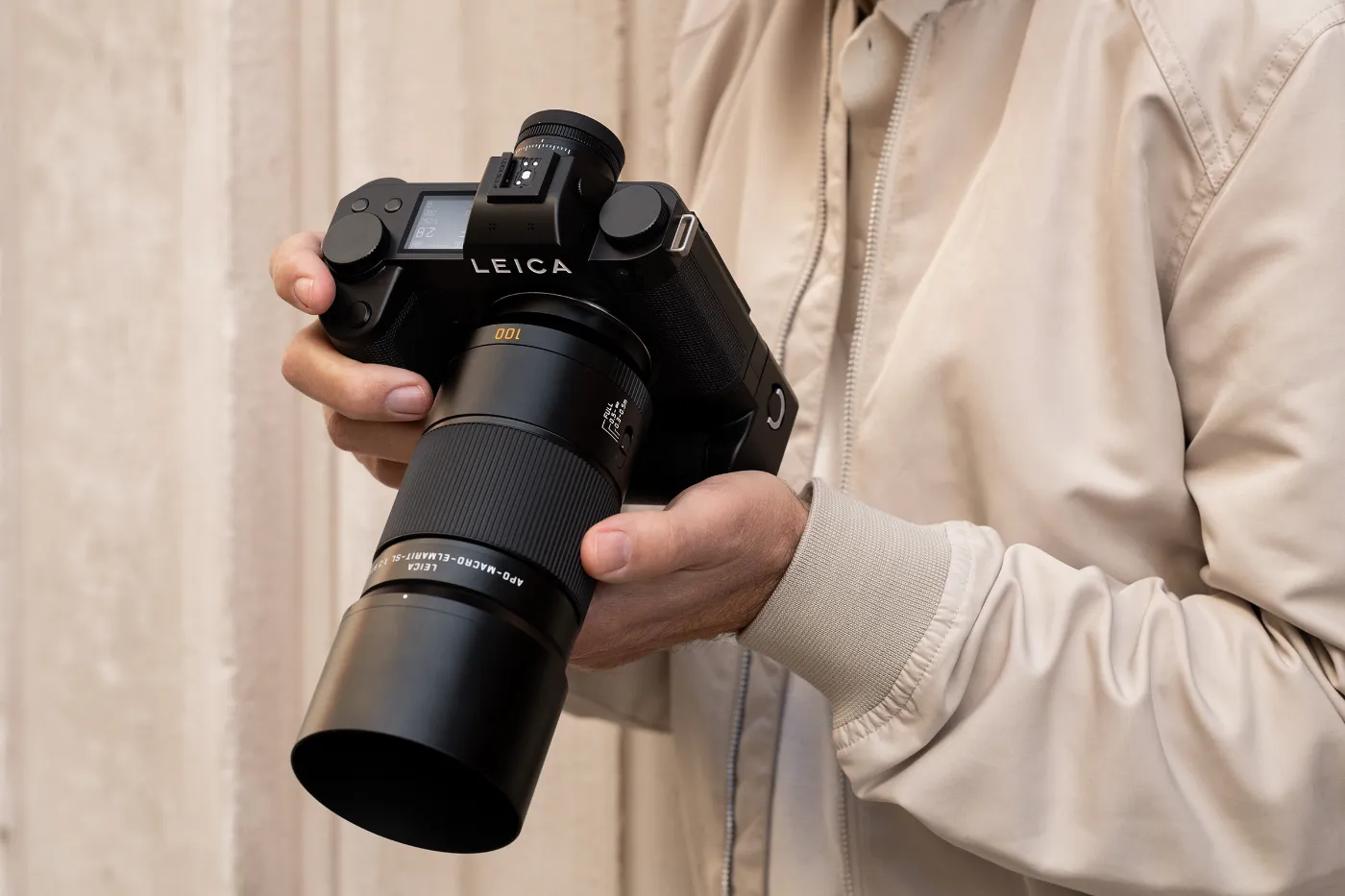
The lens uses apochromatic correction to minimize chromatic aberrations as much as possible. This is especially important in macro photography, where fine details, hard contrasts, and shiny surfaces can quickly reveal color fringing. The 100mm has a minimum focusing distance of 30 cm and offers a maximum reproduction ratio of 1:1. It is a true macro lens that captures small subjects life-size on the sensor.
In addition to macro work, the APO-Macro-Elmarit-SL 100 f/2.8 is also suitable for portrait photography. The 100mm focal length provides a flattering perspective, while the f/2.8 aperture offers enough control to separate the subject from the background. The nine-blade aperture and optical APO design are intended to produce soft, smooth out-of-focus rendering.
The metal body is 137,6 mm long and weighs 862 grams including the lens hood. It is not a small lens, but it remains manageable for a 100mm macro with 1:1 reproduction and professional SL build quality.
Two different classics for the SL system
With these two lenses, Leica fills two important gaps in the SL system. The Summilux-SL 50 f/1.4 ASPH. is primarily aimed at photographers looking for a fast standard lens with a compact build and extensive control over depth of field. The APO-Macro-Elmarit-SL 100 f/2.8 focuses on maximum detail, macro photography, and portraits with a longer focal length.
Combined with cameras such as the Leica SL3, SL3-S, and the new SL3-P, they create a broader system for photographers and filmmakers who want to work with prime lenses. The 50mm is the logical choice for everyday use and available light, while the 100mm macro is more focused on precision, product work, and close-ups.
Price and availability
The Leica Summilux-SL 50 f/1.4 ASPH. and Leica APO-Macro-Elmarit-SL 100 f/2.8 are expected in late 2026. Their recommended retail prices are € 4.500,- and € 2.450,- respectively, including VAT.