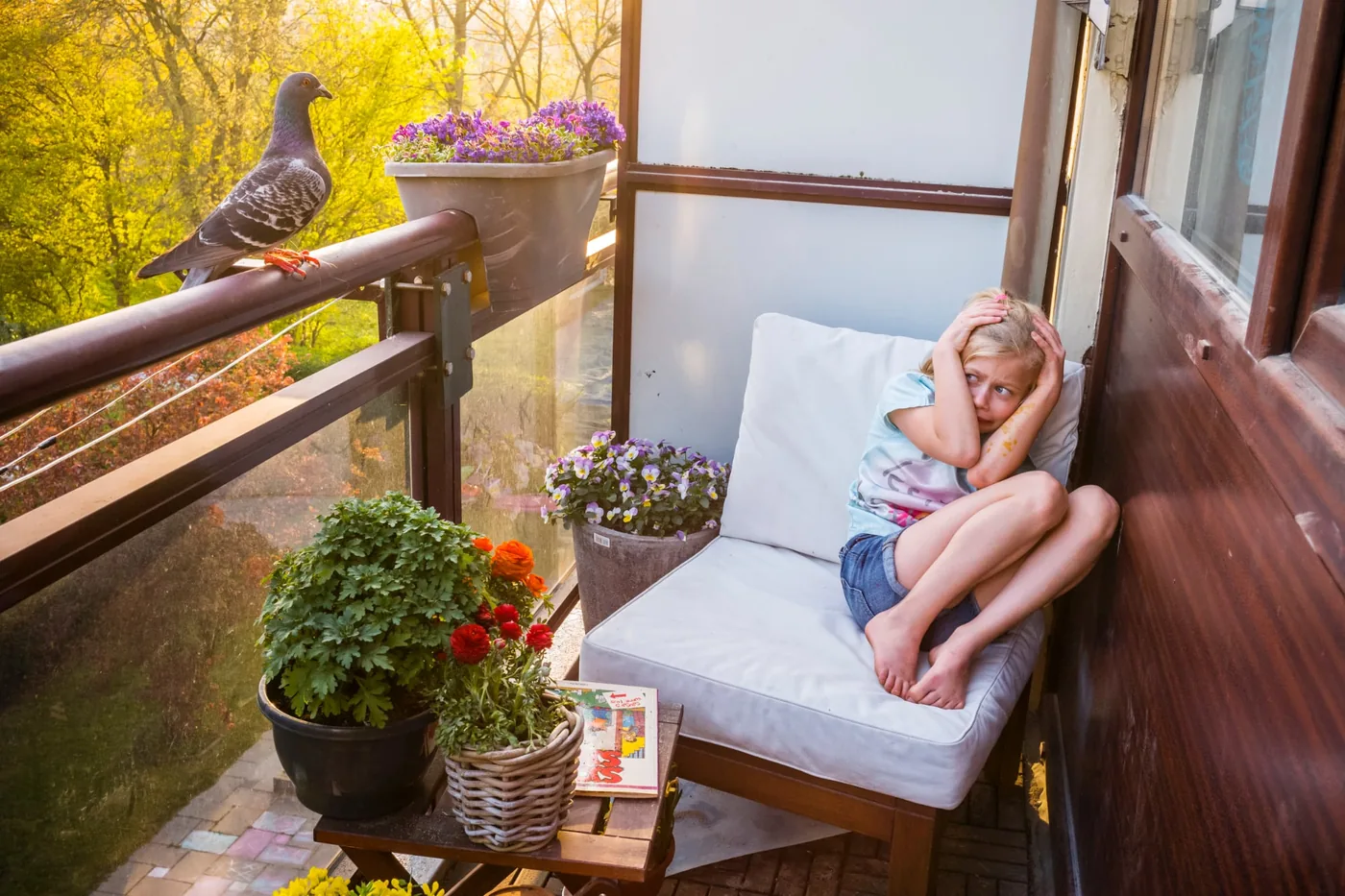
photo: © Jasper Doest – Pandemic Pigeons – A Love Story – World Press Photo 2021, Nature Stories
The nominees for the 2021 World Press Photo Contest were announced in March 2021. Dutch photographer Jasper Doest once again earned a place among the nominees in the Nature Stories category.
The World Press Photo Foundation announced six nominees for the 64th World Press Photo of the Year and, for the third time, three nominees for the World Press Photo Story of the Year grand prize.
The winners of World Press Photo of the Year, World Press Photo Story of the Year, World Press Photo Interactive of the Year and World Press Photo Online Video of the Year, along with the winners in all categories of the 2021 Photo Contest and Digital Storytelling Contest, were announced during the online awards ceremony at the World Press Photo Festival 2021 on April 15, 2021.
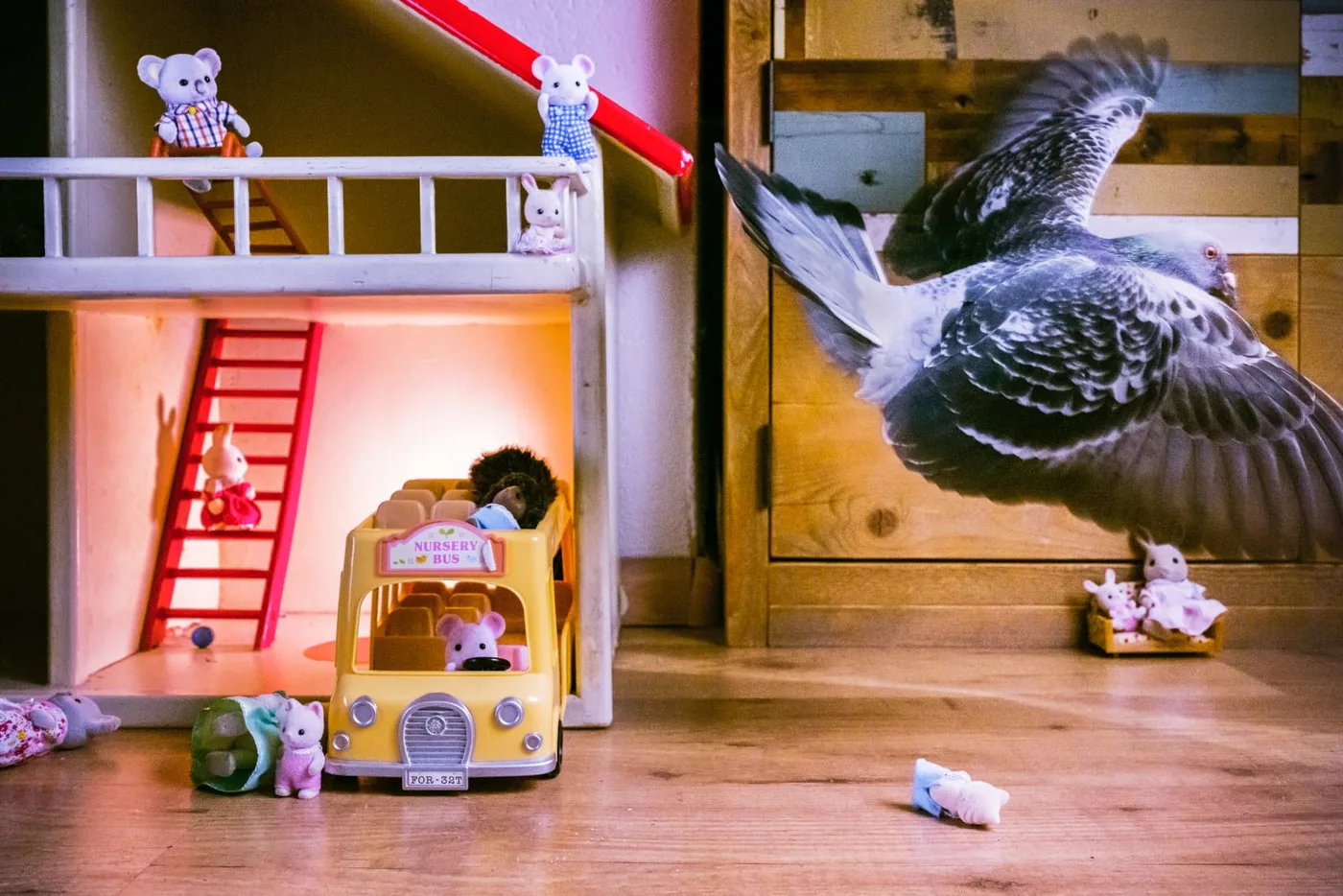
Story from the series Jasper Doest:
A pair of feral pigeons befriended the photographer’s family while they were isolated in their apartment in Vlaardingen, the Netherlands, during the COVID-19 pandemic. Ollie and Dollie, as the family called them, became regular visitors to the home. Their daily visits remind us that people are not alone on this planet, even when isolated in urban areas. Feral pigeons (Columba livia domestica) are descended from rock doves, which naturally live on sea cliffs and in mountains. They use building ledges as substitutes for sea cliffs and have adapted to urban life and environments. They now live in cities on every continent except Antarctica, with a global population numbering in the hundreds of millions.
Rock doves were the first birds to be domesticated in Mesopotamia, between five and six thousand years ago. They were bred for food and later trained to carry messages. Birds that escaped or were released from domestic settings became the first feral, or city, pigeons. Although they are sometimes thought to be disease vectors, evidence indicates otherwise. City pigeons rarely transmit disease to people; while they can carry infections such as salmonella and bird mites, transmission to mammals is uncommon.
Photo from the series Paradise Lost by Valery Melnikov:
Abovyan Hasmik, 69, cries outside her home in the village of Nerkin Sus, Nagorno-Karabakh, on November 30.
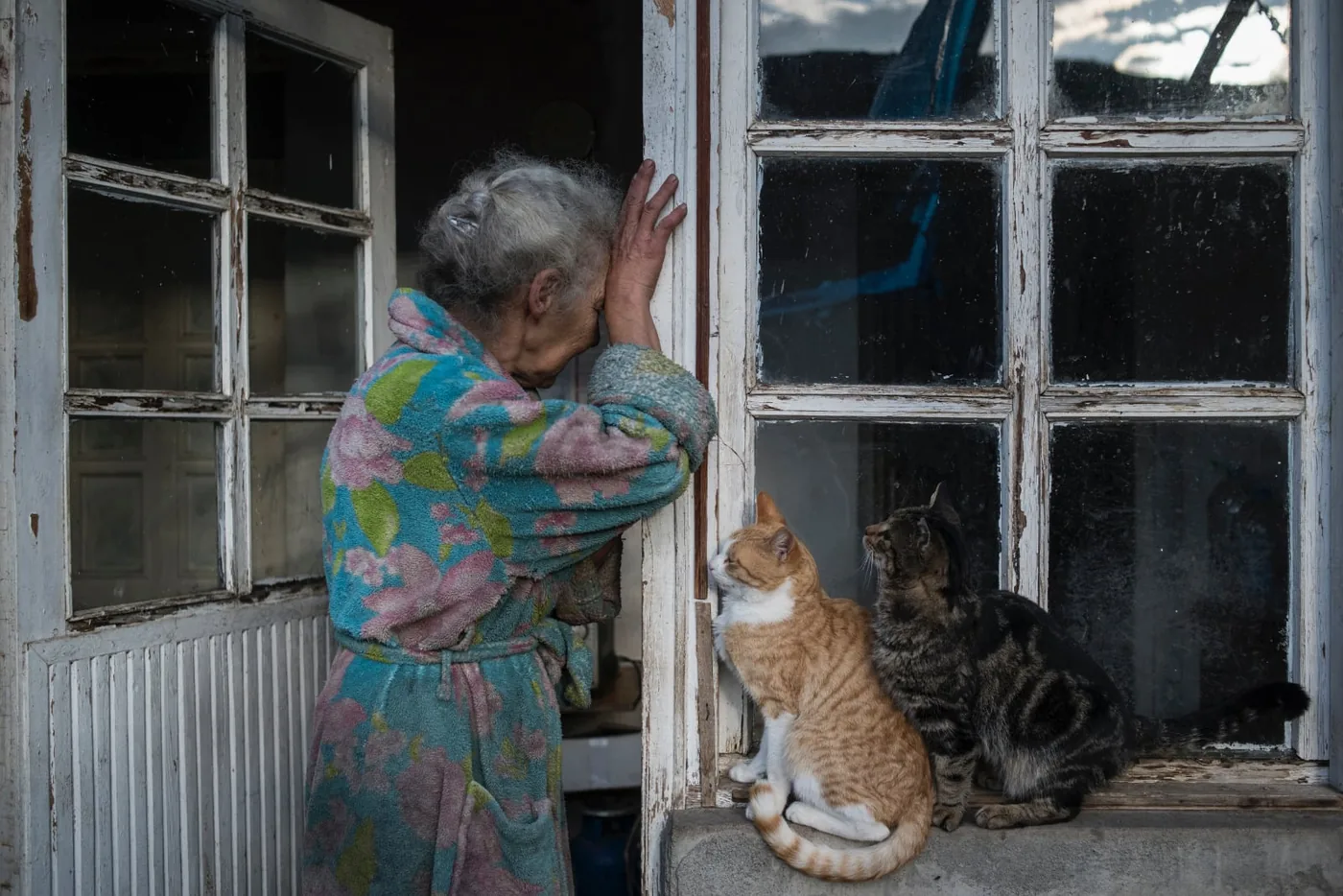
Story Paradise Lost:
The conflict between Azerbaijan and Armenia over the disputed region of Nagorno-Karabakh resumed in September 2020 after a 30-year pause. As the Soviet Union began to crumble in the late 1980s, ethnic Armenians in Nagorno-Karabakh, then part of Azerbaijan, took advantage of the power vacuum and voted to join Armenia. Fighting intensified after the Soviet Union was dissolved in 1991 and continued until a ceasefire in 1994. More than 20,000 people died and one million were forced from their homes. The victorious Armenians declared an independent state, displacing about 800,000 Azerbaijanis. Little was done over the next three decades to resolve Nagorno-Karabakh’s status, and periodic military clashes occurred between the two sides.
A border clash in July 2020 sparked mass protests in Baku, Azerbaijan’s capital, where thousands of demonstrators called on the country to go to war with Armenia. Renewed hostilities—each side blamed the other—began on September 27 in what became known as the Second Nagorno-Karabakh War. The conflict lasted until November 9 and saw the worst fighting since the 1990s. In a Russian-brokered settlement, Azerbaijan regained territory it had lost in the 1990s, while the regional capital, Stepanakert, remained under Armenian control. Although the fighting ended, reconciliation was expected to be difficult both for Armenians who felt they had lost their homeland and for Azerbaijanis returning to a war-torn region.
More information at www.worldpressphoto.org.