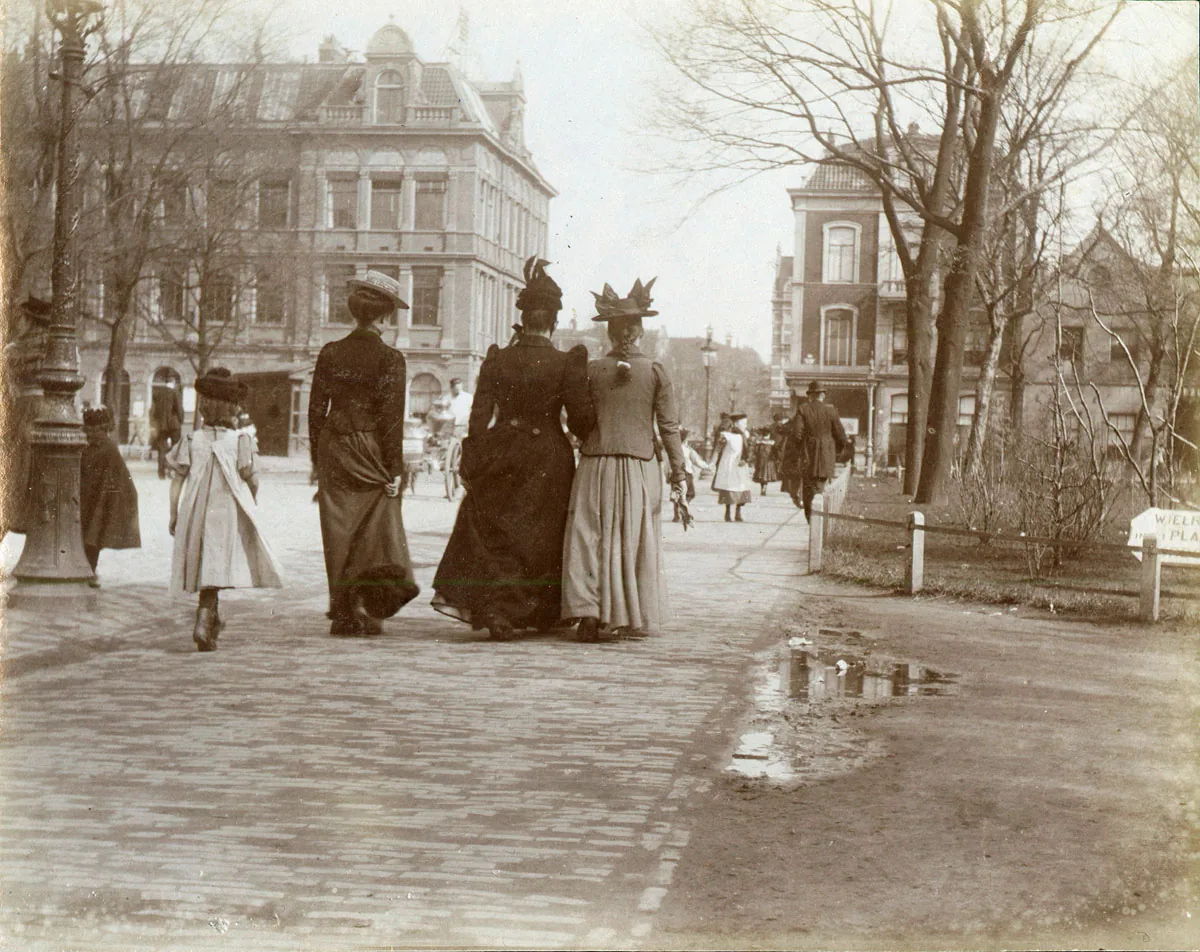
photo: Jacob Olie, April 1902, Amsterdam City Archives Collection | Tweede Weteringplantsoen
Starting October 14, the Amsterdam City Archives will present a special exhibition: Amsterdam 1900—Photographs by Olie, Breitner, Eilers, and Their Contemporaries.
Around 1900 , Amsterdam became a dynamic city. Photography was developing into a modern medium at the same time. In Amsterdam 1900 , these two developments come together. Landmark buildings such as Central Station and the Beurs van Berlage rose in the city center, while the old city was simultaneously falling into disrepair and poverty was widespread. For the first time, all of this could be captured in photographs. The arrival of portable cameras with ready-made, increasingly light-sensitive negatives sparked a revolution. Read more on the Amsterdam City Archives website.
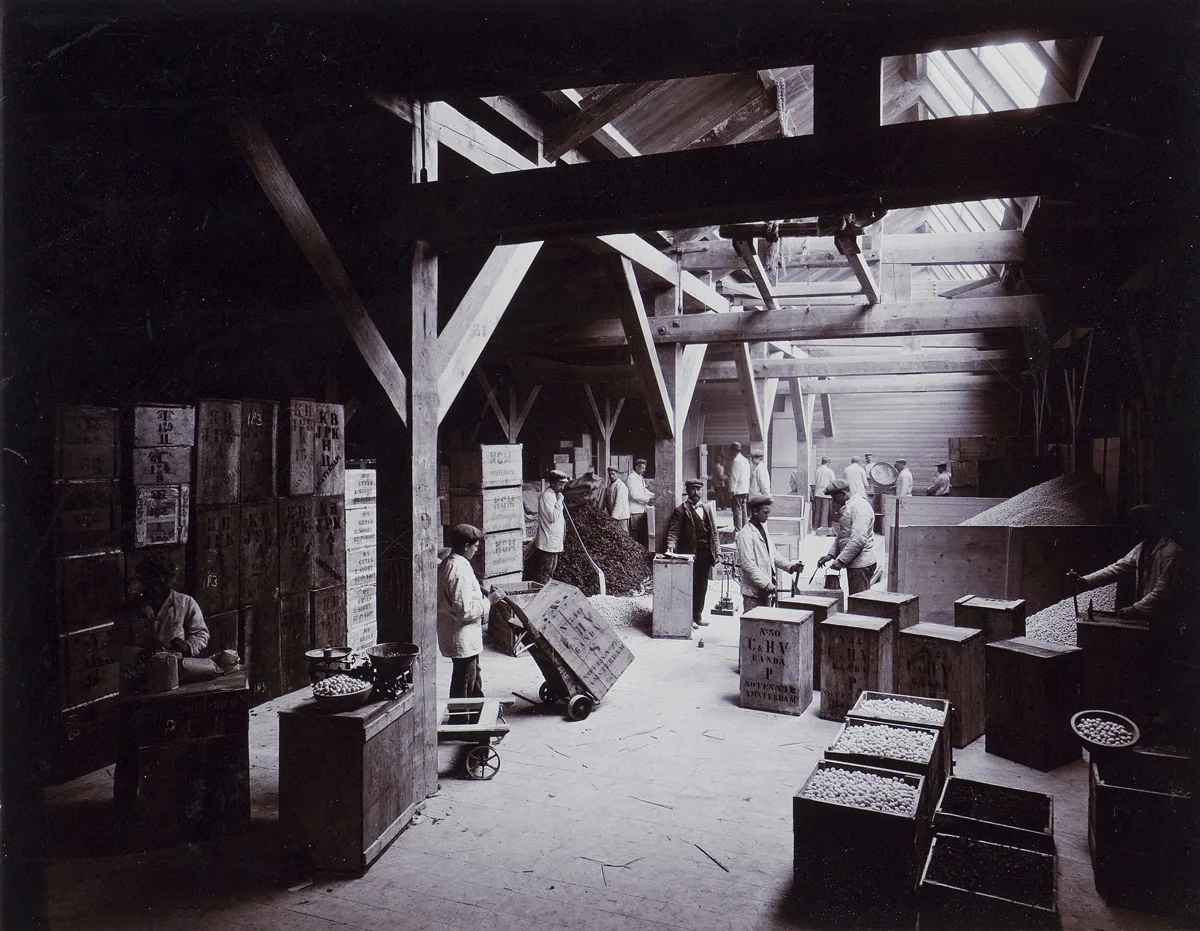
Research in museum and archive photography collections has uncovered a wealth of previously unknown images. Alongside photographs by well-known photographers such as George Hendrik Breitner, Jacob Olie, and Bernard Eilers, Amsterdam 1900 presents surprising images by unknown or forgotten photographers. The exhibition marks a turning point in the history of photography.
Hidden worlds became visible
Previously, city photographers had been limited to the architecture along streets and canals. Once the camera became portable, photographers could expand their repertoire to include the city in motion. Suddenly, even horses at full gallop could be photographed. Armed with handheld cameras, amateur photographers took to Amsterdam’s streets in pursuit of images.
The exhibition marks a turning point in the history of photography
Photography became part of modern life for a middle class with more money and leisure time. Family photographs offer unexpected glimpses into domestic life. Professional photographers, too, increasingly entered the realm of everyday life. The camera opened up worlds that had previously remained hidden: from lavish interiors to slums, and from factories to hospitals.
The magic of photography
Prints by George Hendrik Breitner and Bernard Eilers that had never before been exhibited or published were discovered in private collections. Research also revealed that Breitner worked closely with other amateur photographers. Images previously attributed to the painter turned out to have been made by amateurs in his circle. The exhibition includes beautiful vintage prints, both loose and in albums, demonstrating the wide variety of techniques, styles, and formats in photography around 1900.
Images previously attributed to the painter turned out to have been made by amateurs in his circle
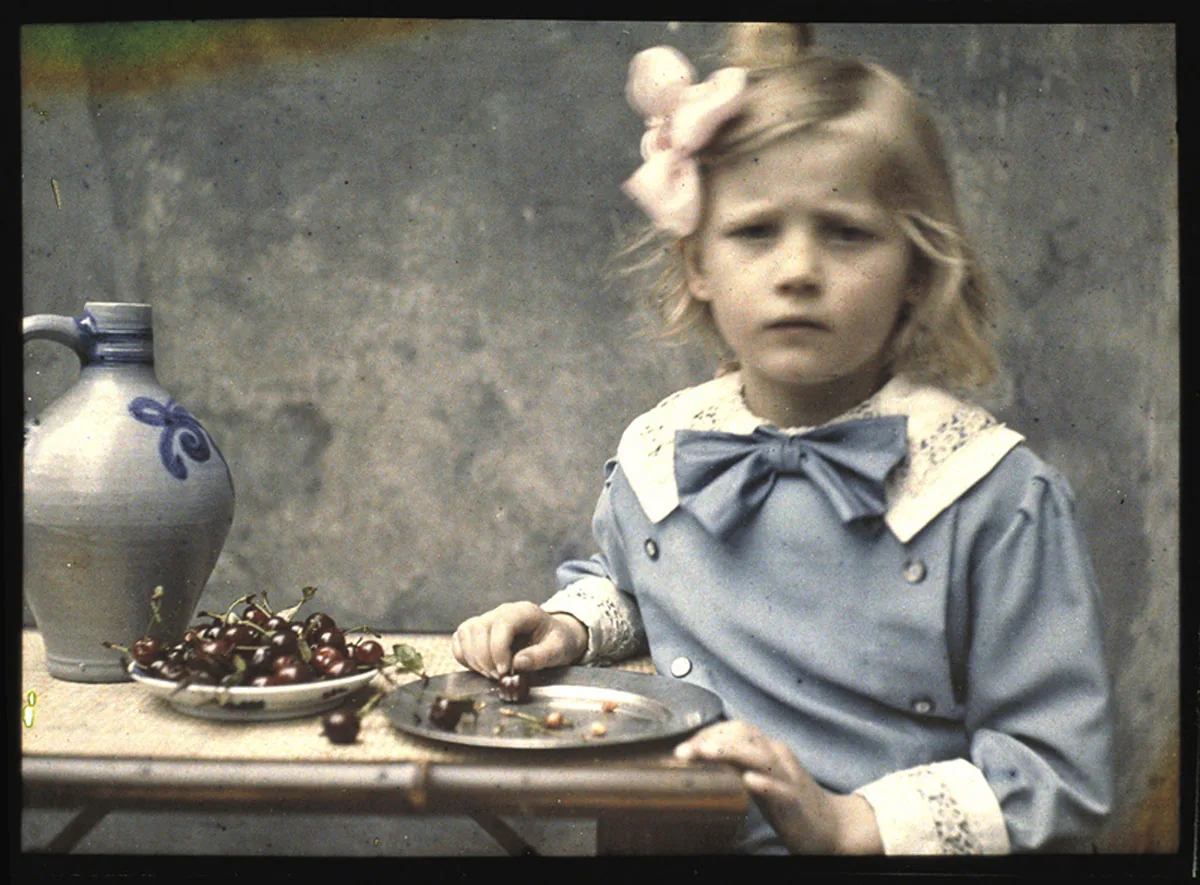
Color photography was an unattainable ideal in the nineteenth century. The Lumière brothers changed that in 1907 when they introduced the autochrome, a color photograph on glass. The City Archives holds a special collection of autochromes. They are extremely fragile and are rarely exhibited. Amsterdam 1900 gives visitors a unique opportunity to see three of these earliest color photographs in person.
In the free audio tour, eleven photographers—including Sacha de Boer, Hans Aarsman, and Ilvy Njiokiktjien—respond to photographs from Amsterdam 1900. Charlotte Dumas says of a horse portrait by Breitner: ‘That eye looks at Breitner and, through eternity, at us. That is the magic of photography.’
Unique: three original autochromes
In 1907, the Lumière brothers astonished the world with the first color photographs: autochromes. They are exceptionally fragile and are rarely exhibited. Amsterdam 1900 offers three unique opportunities to view original autochromes: October 18–23, 2016; January 3–8, 2017; and January 24–29, 2017.
A book was also published to accompany the exhibition.
Amsterdam 1900
October 14–February 5, 2017
More information at www.amsterdam.nl.