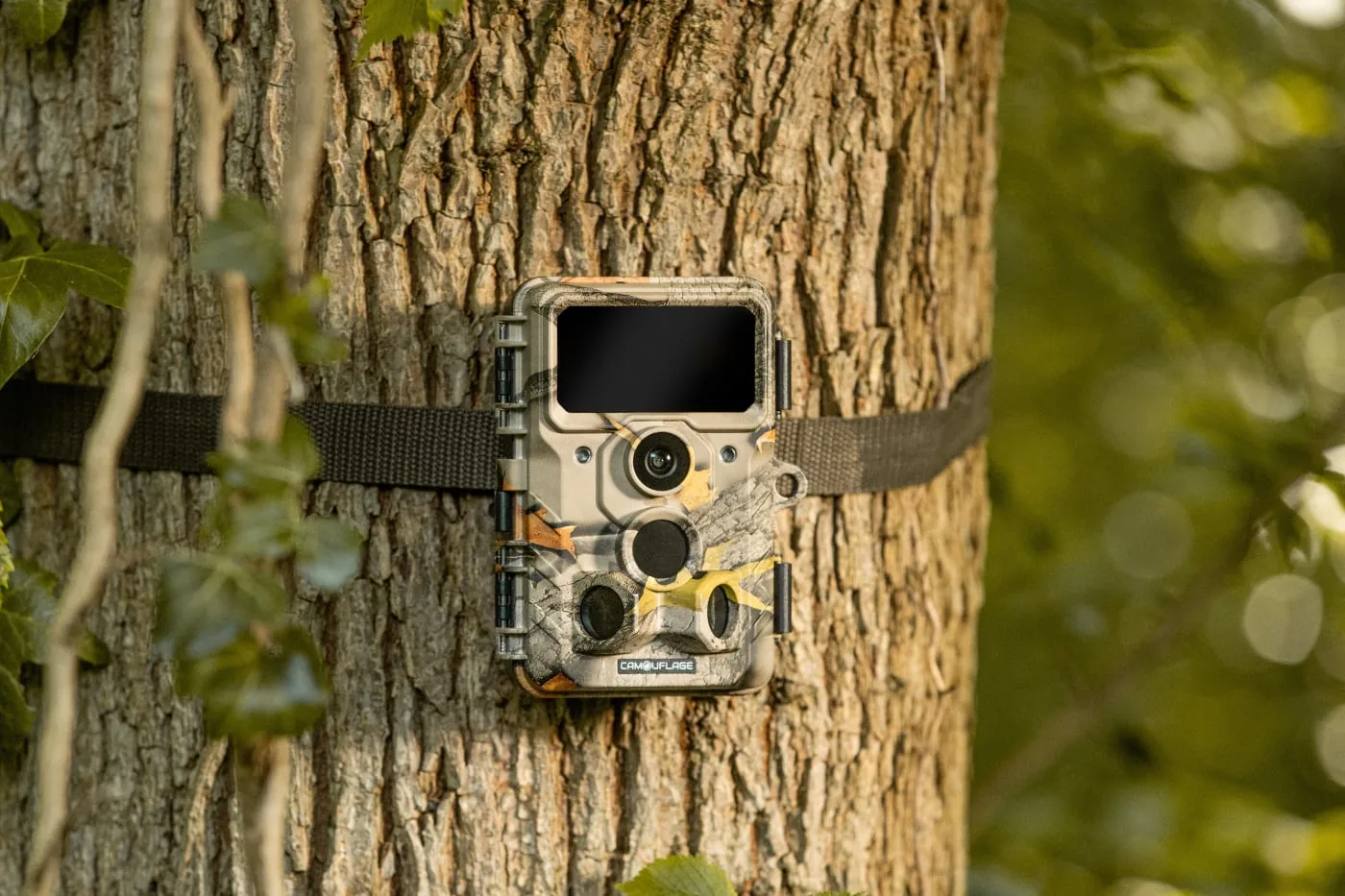
With a trail camera, also known as a camera trap or wildlife camera, you can photograph wild animals automatically without alerting them. A wildlife camera is often hung on a tree with the included mounting strap.
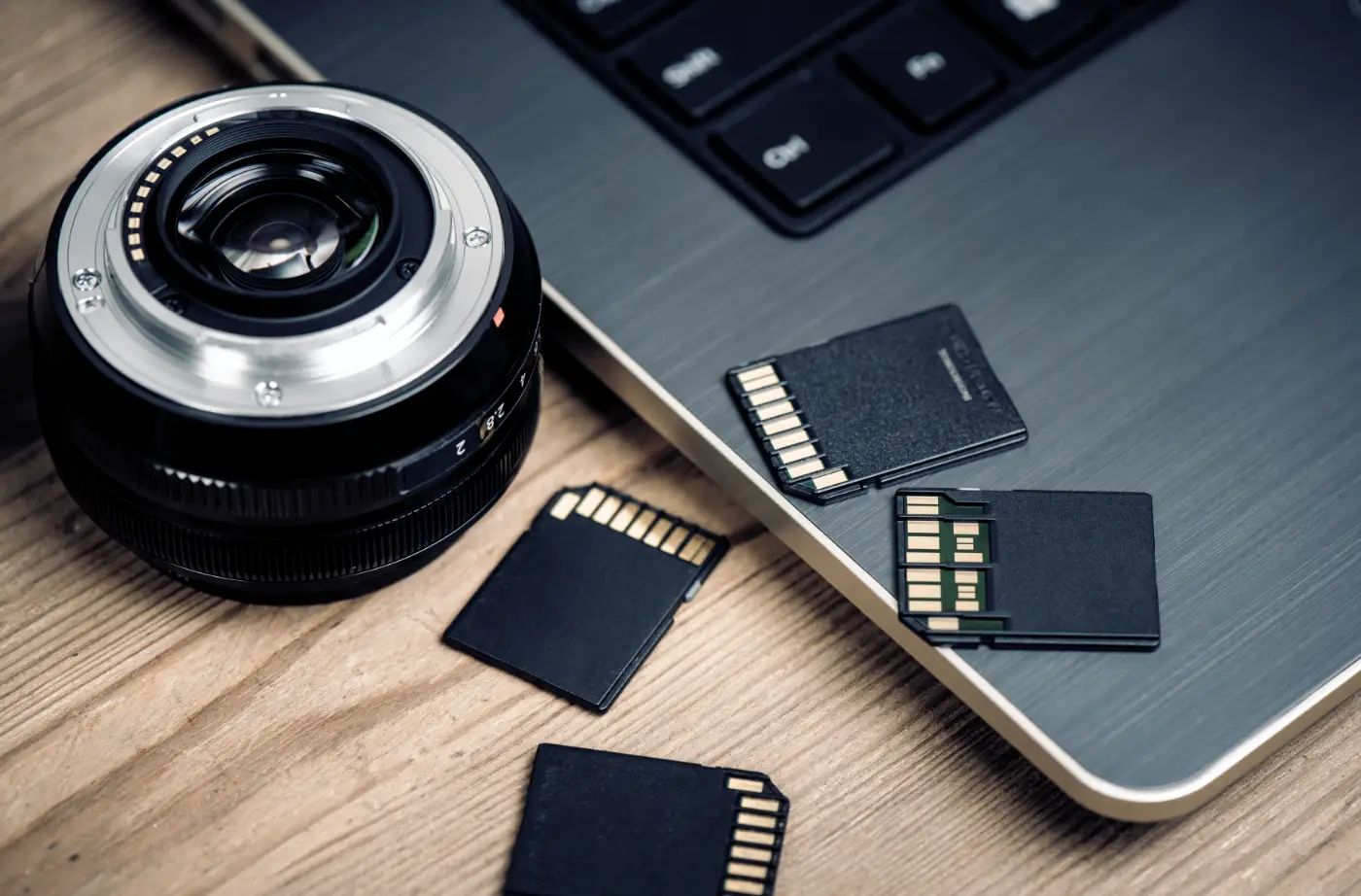
Trail cameras work both during the day and at night and only record when a passing animal is detected. The photos and/or videos are stored on the SD card. In this article I would like to introduce you to the basics of trail cameras.
There are different types of wildlife cameras for different purposes. In addition to photographing (wild) animals, a wildlife camera, also called a trail camera, can be used for, among other things:
- Supporting and observing hunting activities
- Monitoring nests and breeding grounds
- Observing animals (from a distance without disturbing nature)
- Conducting biological studies
- Monitoring the growth of plants/animals/structures (because of the timelapse function)
- Exploring your passion for nature in a new way
How does a wildlife camera work?
Positioning the trail camera
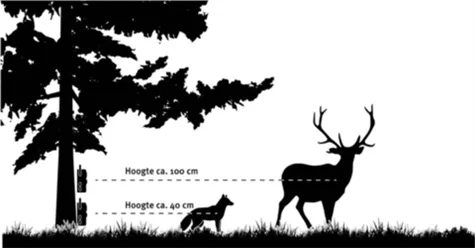
The first step is to position the trail camera, preferably near a location where animals are expected to pass. A wildlife camera often includes a mounting bracket with screws and wall plugs. This also allows the wildlife camera to be screwed to flat surfaces such as a wooden plate. Normally, camera users prefer to hang the camera on the tree with the mounting strap.
Detection of movement or heat
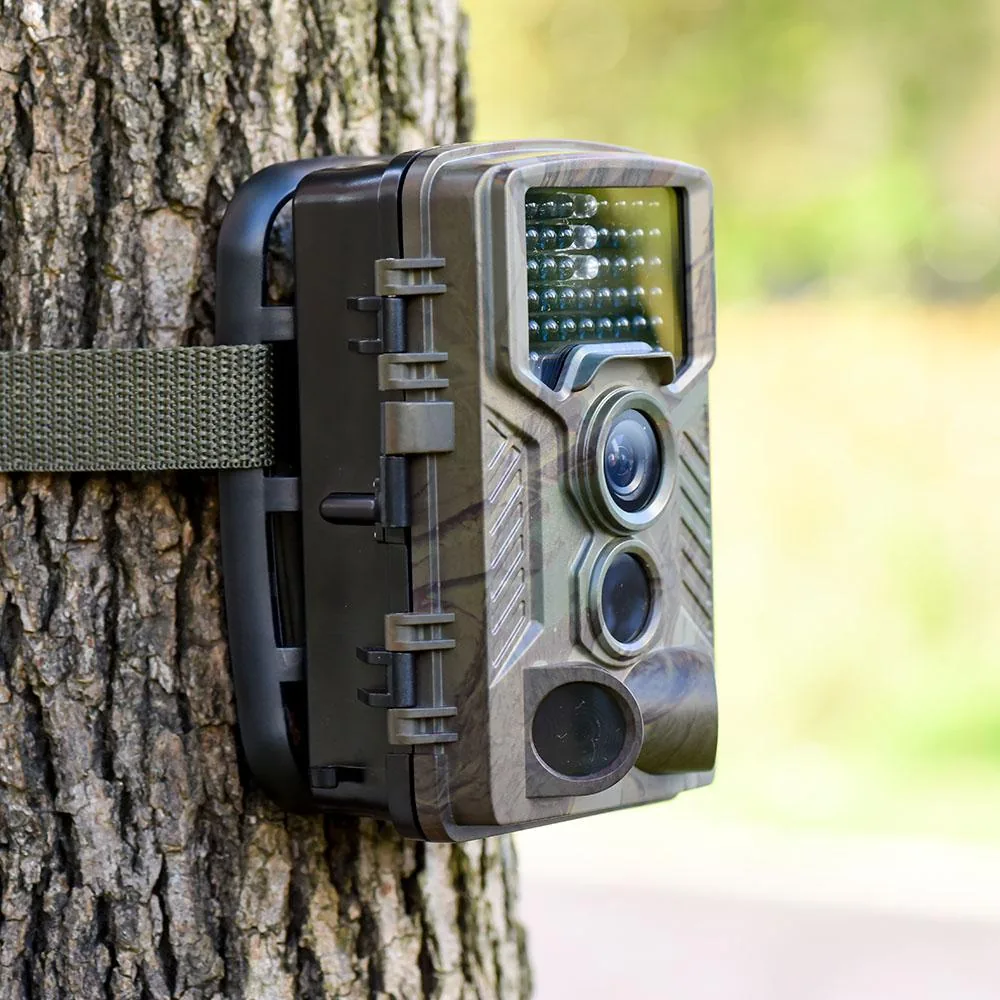
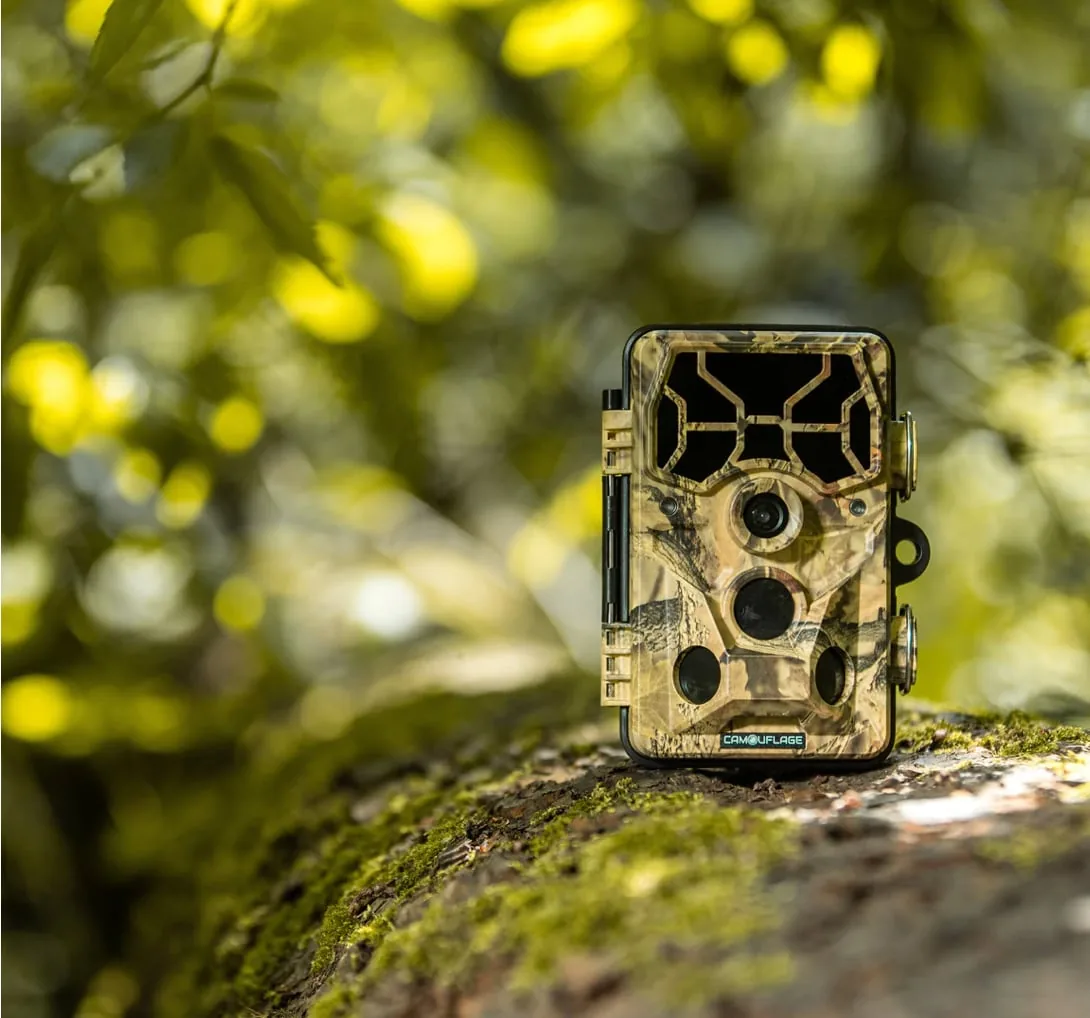
With the PIR (passive infrared) sensors, a wildlife camera can also detect animals at night. The infrared LEDs provide lighting (often invisible) and the PIR sensors measure a change in heat. All this within the range of the camera, about which more later in this article.
The standard sensors (often three) of the wildlife camera are used during the day to trigger the camera to take a photo or video. Some cameras are faster than others at detecting, triggering and recording an animal. Pay attention to the specification: 'trigger speed' when purchasing a camera.
Megapixels and Video Quality
Most photographers interested in wildlife photography already understand the difference between megapixel counts and Full HD or 4K video. We won't go too deep into this, because these are among the most straightforward trail-camera specifications.
Do not focus solely on the megapixel count of the camera. A trail camera's value for money should also be assessed by its trigger speed, range and other options such as timelapse function. In short, a higher megapixel count or video resolution can improve image quality, but image quality is not the only consideration.
Detection Range and Distance
The sensors, also called the eyes of the wildlife camera, determine the detection range. The wider the wildlife camera can 'see', the more chance of a good shot due to early recognition of an animal's movement.
In general, most wildlife cameras are able to detect across an angle of at least 120 degrees. The average entry-level wildlife camera (€150 - €300) can detect movement and heat about twenty meters straight ahead. Detection is often slightly sharper during the day.
Other wildlife camera specifications
When you are looking for a wildlife camera, many different terms and names are often used. Below is a simple, brief explanation of what each function actually entails.
No-Glow or Low-Glow
Cameras with a "no-glow" flash are equipped with black LEDs that are completely invisible, not only to wildlife, but also to humans. It should be noted that all nighttime images captured with this option in black and white will be. Are you using the camera as a security camera and do you want it not to be seen? Then a No-Glow camera may be the right choice. In general, wild animals are not bothered by flashes.
Low-Glow wildlife cameras, on the other hand, have a light glow from the infrared sensors. This red glow is slightly visible with the naked eye. The low-glow models are often slightly cheaper to purchase.
The trigger speed
or trigger time is basically the time it takes for a camera to take a photo once a movement, such as that of a deer, is detected. Trigger speed is a very important property and can determine whether a particular movement is captured at all. Trigger speed is one of the most important features of a wildlife camera. The trigger times range from 0.2 seconds to 1.5 seconds.
The three most important advantages of a wildlife camera
You can photograph in multiple locations at the same time
Because the wildlife camera works fully automatically (both during the day and at night), you can in principle take wildlife photos 24 hours a day without being present. Ideal for people who are curious about the animals in the forest or even in their own garden.
Time-Saving
You can imagine that a nature photographer can only take photos in a limited time. Some fanatics spend days on the road looking for that one perfect shot. Of course, this often happens with a particularly high-quality camera. Now the use of one or more wildlife cameras is useful to, as it were, 'passively' shoot photos or videos of wildlife. Various wildlife cameras are equipped with 4K video quality or can still take fairly sharp photos.
Easily take unique photos
Because the animals are not disturbed at all by a wildlife camera, it is possible to record special encounters, moments or actions without the animal being disturbed or noticing anything. So you will take photos of animals sniffing the camera up close, leisurely eating or other beautiful moments. The range of possible moments is almost limitless.
What types of wildlife cameras are there?
Wildlife camera with WiFi
In addition to the standard wildlife camera, there are also wildlife cameras with WiFi. According to research by WildcameraXL Netherlands, these accounted for approximately 67% of the Dutch market. These wildlife cameras have built-in WiFi that works as a hotspot.
With the free app it is possible to download images directly from the wildlife camera and upload them to your mobile or tablet. This reduces the need to repeatedly mount, remove, and remount the camera.
Trail Camera with a SIM Card
A trail camera with a SIM card entails additional costs, but it can often send live notifications and images to the user wherever they are. This is the most extensive but also the most expensive device.
Would you like to know more about wildlife cameras or try to see if a wildlife camera is something for you?
Then go to www.wildcameraxl.nl and discover which type best suits your needs.