photo: © Tom van der Leij
Photographer Tom van der Leij travels all over the world, capturing everything imaginable with his camera. Over the course of three months, he travels from Lima, Peru, to Mexico City. This time, he spent a week with the Huaorani people of Ecuador.
At the end of the day, I put my camera and lens away in a waterproof bag with half a kilogram of rice. With any luck, the rice would absorb the moisture from the camera. White patches of condensation had appeared on my display that day.
That happened on my third day in the Amazon rainforest in eastern Ecuador. At one point, my camera would no longer even turn on or off. Stress! Panic! I cleaned the contacts inside the camera—where the battery goes—with a cotton swab, and fortunately it started working again.
On day four, my external flash failed—or at least the function I normally use, TTL. When I switch on the flash, everything looks fine and TTL mode appears as usual. But when I mount it on the camera body and turn on the camera, it switches to A mode and then does not fire.
Photographing mammals in the jungle is almost impossible; it takes enormous patience and a great deal of luck
Nothing too serious, I thought. This had happened a few times before, when the flash contacts had oxidized and turned green. A quick cleaning fixed it then. But this time, the trick did not work.
I grabbed a scouring pad and tried lightly sanding the contacts, a drastic remedy that had worked two years earlier, but that did not help either. In the jungle, where the dense canopy filters all the colors into a dull, dark-green haze, a little artificial light can make a big difference.
In any case, a tropical rainforest is not the best place for your equipment. The constant rain, heat, and ever-present humidity, which prevents anything from drying, leave everything soaked with water and sweat. I had noticed before that the tropical rainforest presents photographers with a real challenge.
A harsh struggle for survival, marked by tribal warfare and living as one with your surroundings
Mammals are almost impossible to photograph in the jungle; it takes enormous patience and a great deal of luck. I usually have a tight schedule and a full day's program, which makes it even harder. Most of the animals I saw were along roads or from an unmotorized boat, very early in the morning or around dusk in the late afternoon.
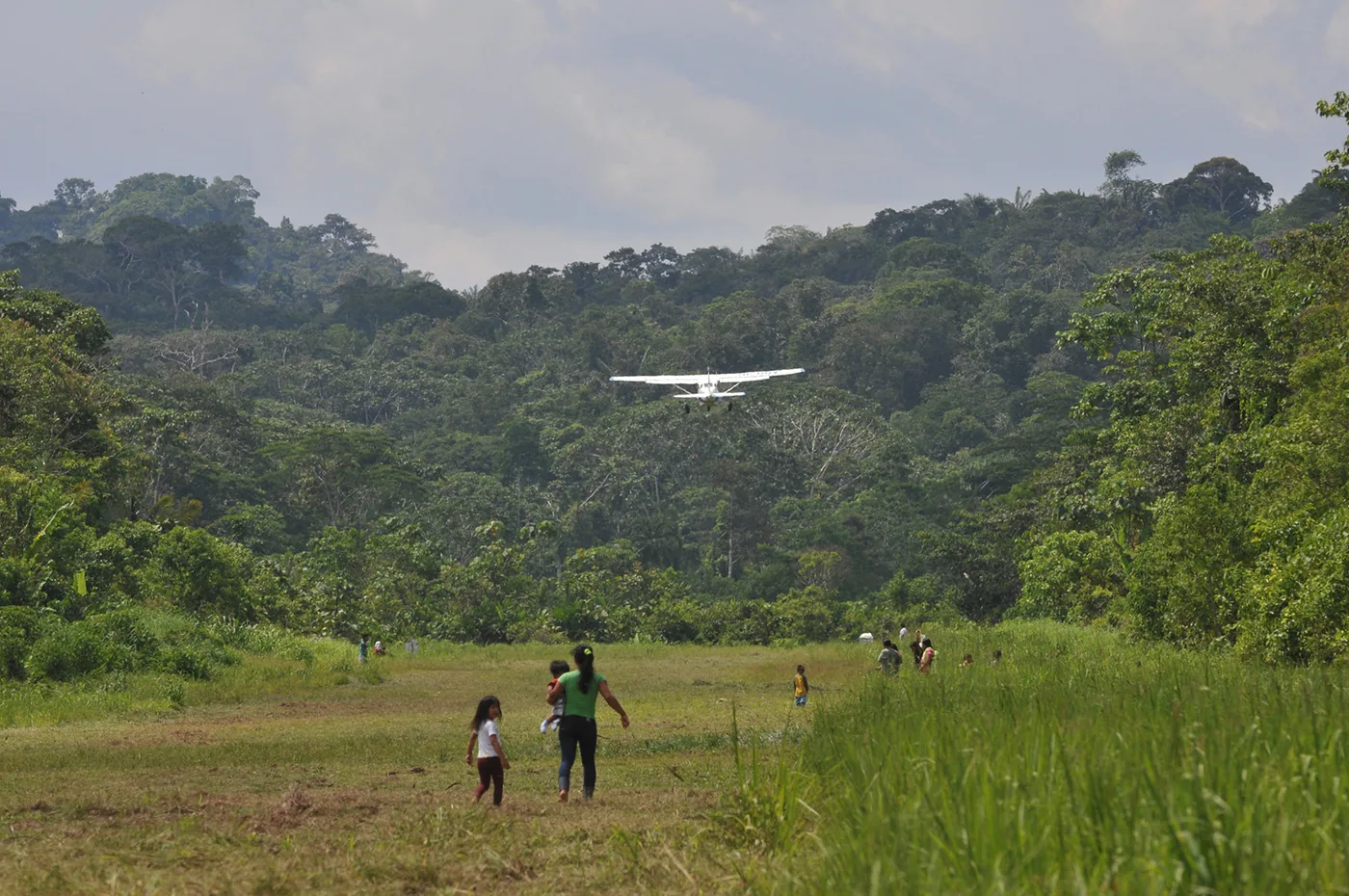
You might harbor the illusion of seeing a tapir or jaguar in the Amazon. It is the small things that matter: plants, a termite nest, a large butterfly, perhaps a bird that is not too shy, a caught piranha, or a sloth dangling backlit in the treetops. Tracks in the mud and alarm calls from monkeys and birds warning one another of an approaching person.
The camera traps installed by the lodge proved invaluable. The lodge has twenty of them spread across a large area. Whenever there is movement, each simple camera takes a photo every few seconds. Every few weeks, the batteries are replaced and the memory cards downloaded. This is how the nightly walks of a mother tapir and her striped calf were captured. A jaguar was actually photographed a day later.
Some of the Huaorani fled into the jungle, never to have contact with the outside world again
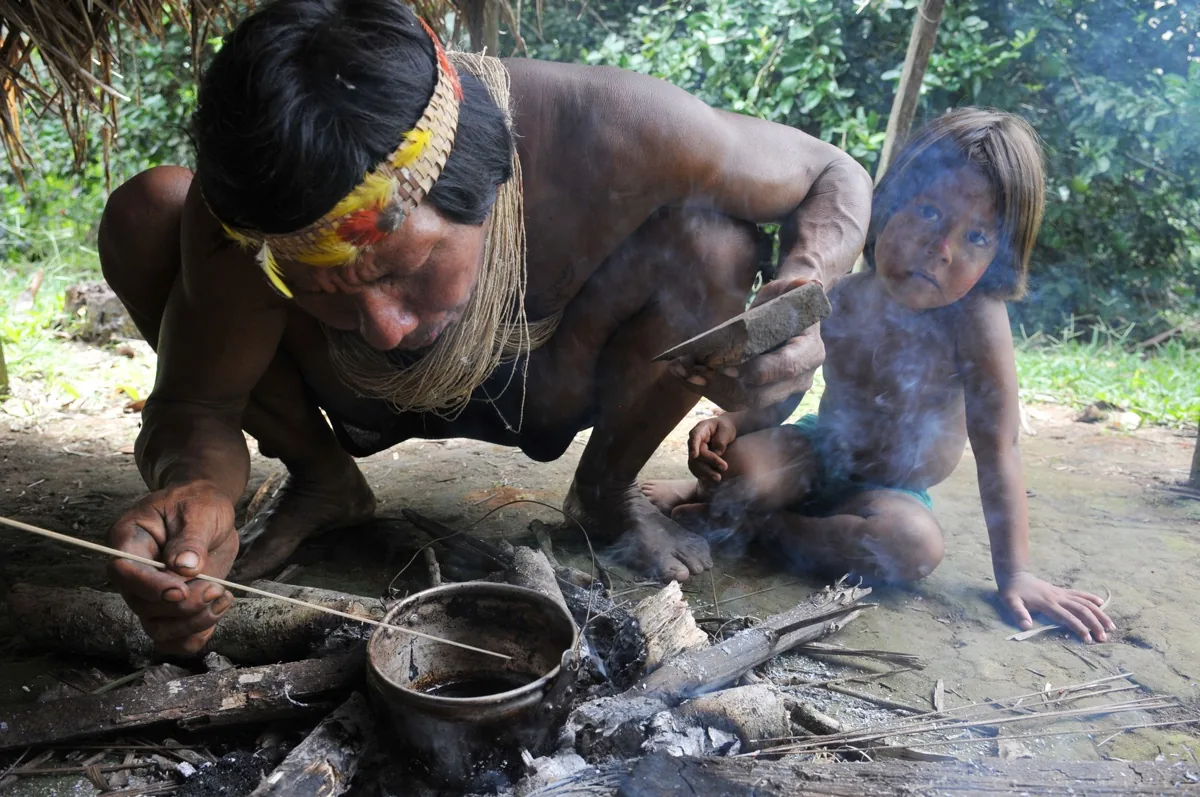
For me, the people of the jungle were what gave this trip to eastern Ecuador its greatest value and made it unique. The Huaorani have lived in harmony with the rainforest for centuries. It is a harsh struggle for survival, marked by tribal warfare and living as one with their surroundings. Here, survival of the fittest takes on its true meaning.
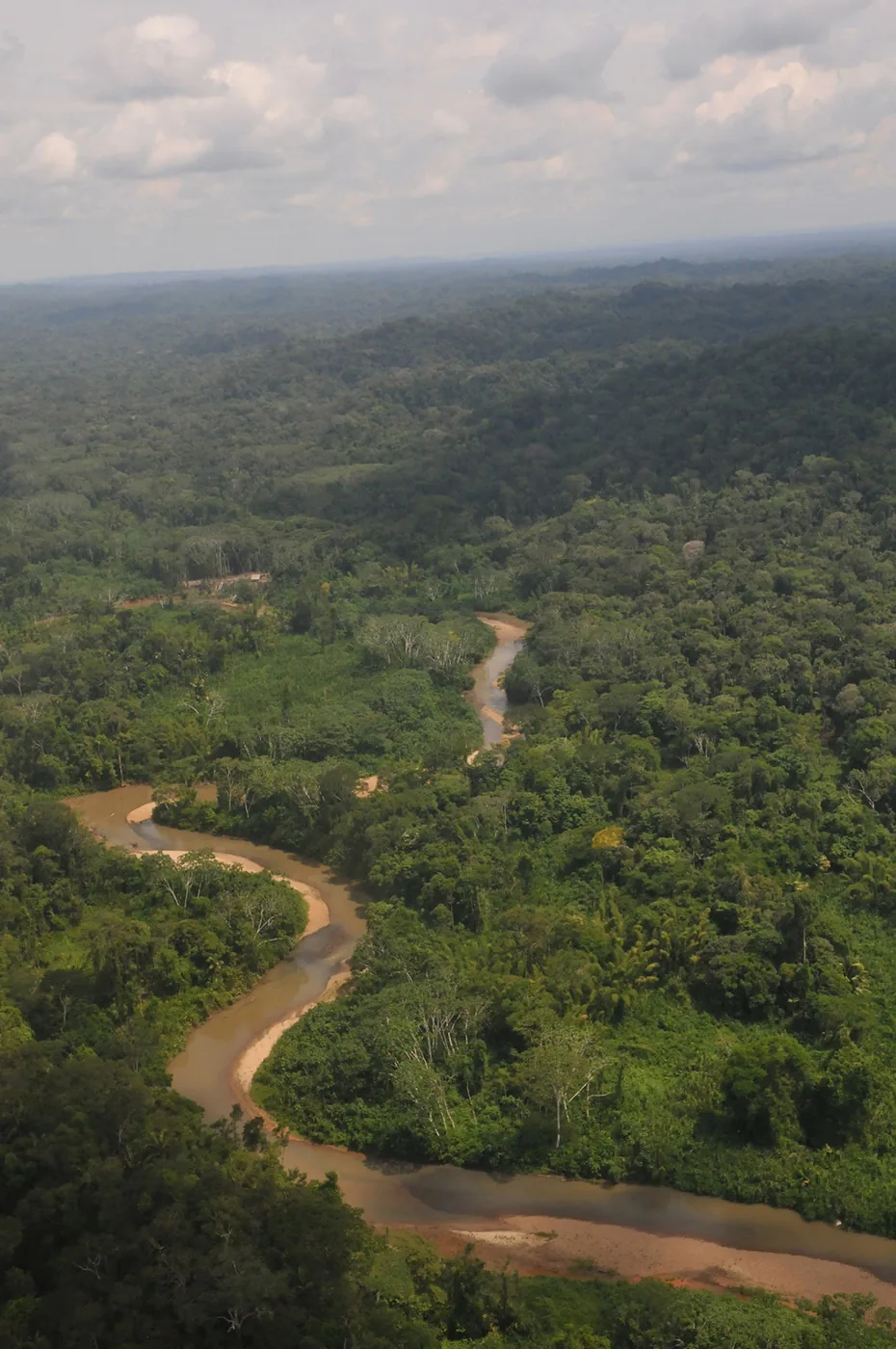
It was not until the late fifties that they came into contact with Western missionaries, who brought polio and oil companies in their wake. Some of the Huaorani fled into the jungle, never to have contact with the outside world again. These two groups are the so-called uncontacted tribes. Another part of the Huaorani community settled down and has since lived in partial contact with the outside world.
The distinctive chief Moi Enomenga is the public face of the Indigenous community. In 2011, he received the National Geographic Society/Buffett Award for Leadership in Conservation. For decades, he has fought fiercely against the major oil companies eager to extract the riches beneath the jungle. Little good came from their drilling just outside the Indigenous reserve, near the village of Coca: severely polluted land, extremely high concentrations of toxins, and many cases of cancer among residents.
Moi wants to prevent this by every means available to him and secure the future of his community. He understands that the world is changing and that media attention can help highlight and protect his territory, so he developed an ecotourism project in partnership with Tropic Ecuador.
The project generates income and allows outsiders to see this unique corner of the world with their own eyes before it is swallowed up by multinational corporations.
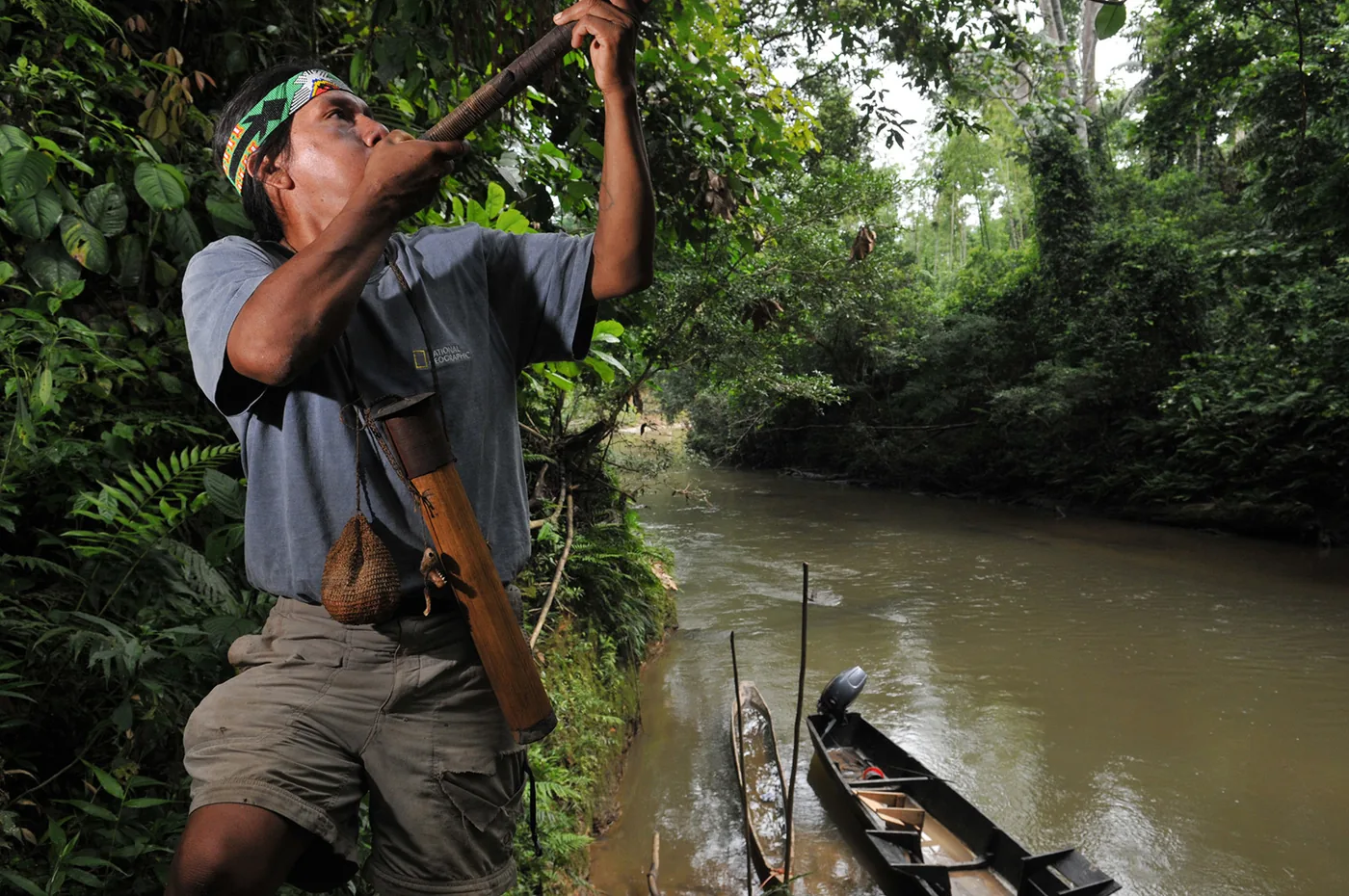
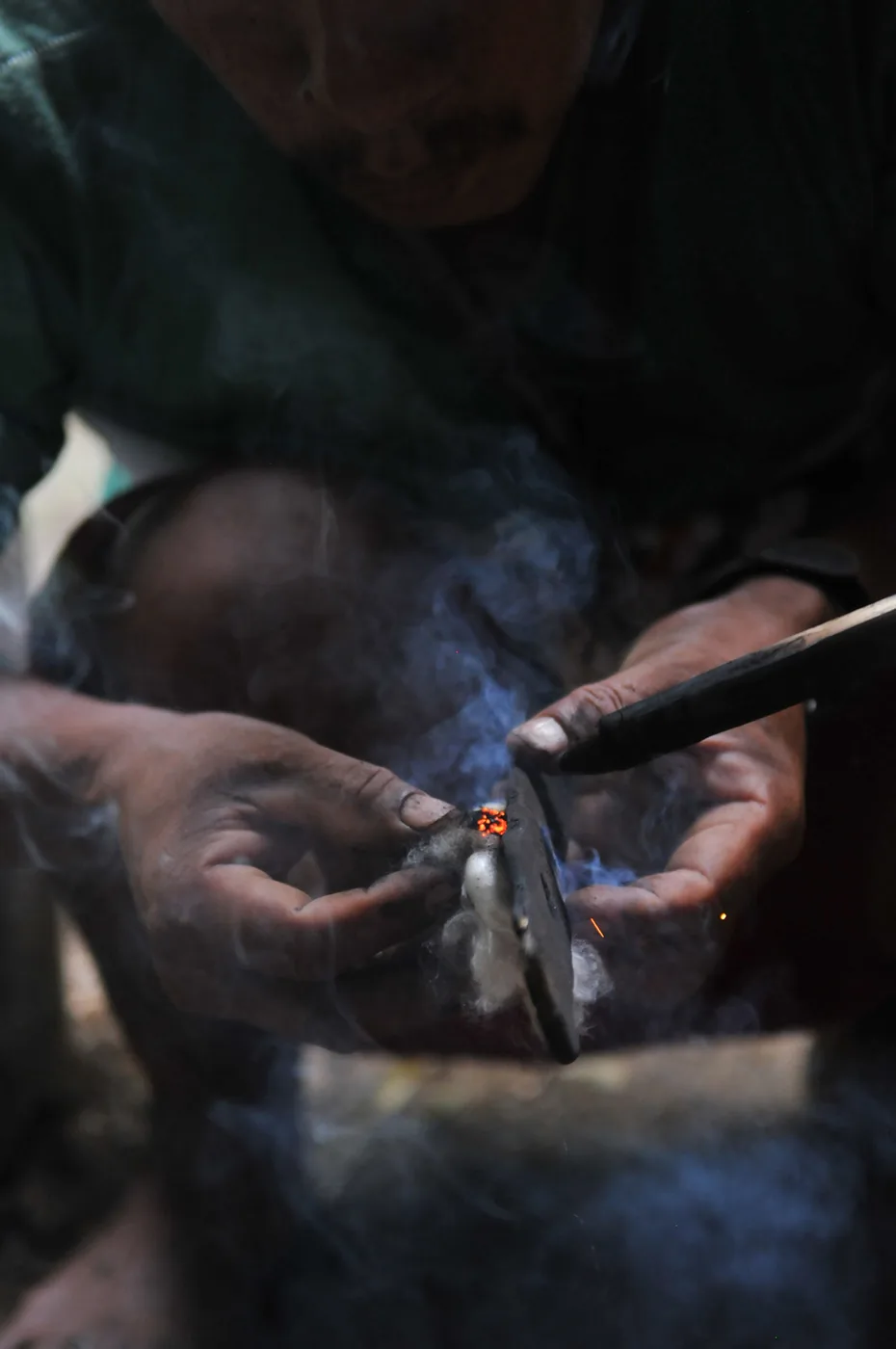
During my stay at the award-winning Huaorani Ecolodge, I gained insight into the Huaorani way of life: how they sleep, hunt, communicate, and live from the rainforest. Another major benefit was that I once again had a favorite subject to photograph. The interaction between the ecotourist—me—and the Huaorani, and between them and the jungle, is a wonderful experience. What a joy it can be to have a camera in a tropical rainforest.
This exclusive trip was available through All for Nature. All for Nature Travel's trips visit threatened animals around the world and offer privileged insight into conservation. Sustainability and contributions to nature conservation are central to its approach.
www.allfornature.nl and www.allfornature.nl/reizen/ecuador-amazone-indianen/.
Recommended reading: Savages by Joe Kane, the story of Moi's community, in which his father plays a leading role.
With thanks to Moi and his community.
Learn to create travel features with a professional travel photographer. Starting May 1, travel editor, travel photographer, and born-and-raised Amsterdammer Tom van der Leij was scheduled to offer photo features and photo tours in Amsterdam. Create your own Amsterdam travel feature with Tom! For more information, email info@tomvanderleij.com.