Film and photography are like siblings: related, yet different. Sometimes they go hand in hand—as in Fur: An Imaginary Portrait of Diane Arbus starring Nicole Kidman (released July 12). Here are ten other films worth seeing for a variety of reasons. The criterion: inspiration.
Ten inspiring films every photographer should see
Yume (1990) Director: Akira Kurosawa
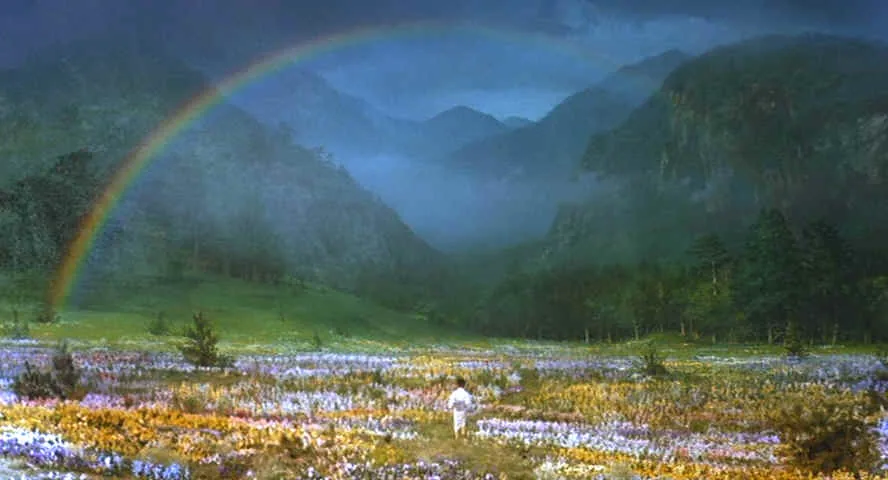
Yume, also known here as Dreams, is Kurosawa’s surreal interpretation of his own dreams. The film consists of eight partly overlapping short stories, with humanity’s relationship with its surroundings as a recurring theme. It may not be Kurosawa’s finest work—it is too sentimental and too moralizing—but rarely has the master created such a visual spectacle or lavished such care on the cinematography.
The story in which a group of art students enters Vincent van Gogh’s paintings is, by itself, a feast for the eyes that will make you long for a camera.
The Bridges of Madison County (1995) Director: Clint Eastwood
Equally inspiring in a different way is the warm, poetic The Bridges of Madison County starring Clint Eastwood as a National Geographic photographer who travels south in 1965 to photograph the region’s famous covered bridges.
The languid atmosphere draped like a warm blanket over the southern fields is infectious, while the red-and-gold evening glow on the porches is alluring. During the four-day assignment, he also experiences a beautiful romance with Meryl Streep. Based on Robert James Waller’s novel of the same name.
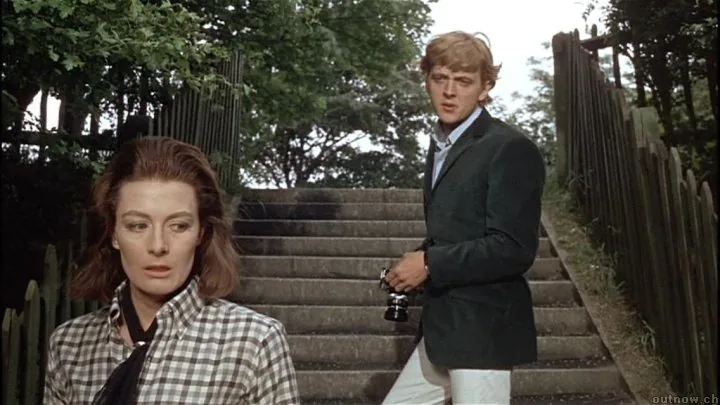
Blow Up (1966) Director: Michelangelo Antonioni
The quintessential photography film, this unsettling story follows a London fashion photographer who takes pictures of a beautiful woman (Vanessa Redgrave) and discovers details in the negatives that suggest a murder.
Whether a murder actually took place is beside the point. Blow Up is an elegant study of the ambiguity of photographic truth—whatever that may be—and therefore of reality itself, asking how much faith we can place in our subjective perceptions and personal interpretations.
La Dolce Vita (1960) Director: Federico Fellini
Fellini’s masterpiece introduces Marcello Mastroianni as a playboy journalist who surrounds himself with paparazzi and celebrities, only to encounter decadence and emptiness. The film explores so many different areas of art, and its rich detail is a delight to the eye—even after nearly fifty years, La Dolce Vita can still move and inspire the discerning viewer. Essential viewing for photographers.
The Third Man (1949) Director: Carol Reed
The enduring appeal of classic black-and-white cinematography is evident in the thriller The Third Man. As a pulp novelist in Vienna tries to discover how his friend died, the cameras adopt striking viewpoints and render apparently everyday elements in unfamiliar ways. The ominous play of shadows, long dark silhouettes, and dramatic lighting also create a powerful sense of suspense.
Its visuals are intensely intriguing, and rightly earned it the Academy Award for Best Cinematography in 1951.
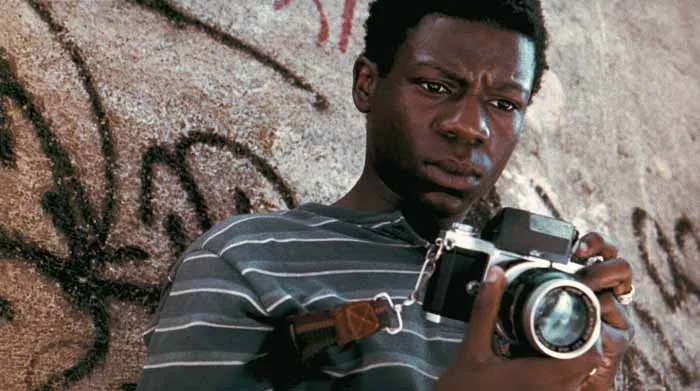
Cidade de Deus (2002) Director: Fernando Meirelles
This acclaimed, dynamically colorful film follows two boys growing up in the world’s most notorious neighborhood: Cidade de Deus in Rio de Janeiro. In trying to escape the favela and its poverty, they take different paths: one becomes a photographer, the other a drug dealer.
Although it is difficult to identify a sympathetic character and the events can be stomach-churning, the film is highly recommended for the strikingly original way its narrator—Buscapé, the photographer—observes the world around him.
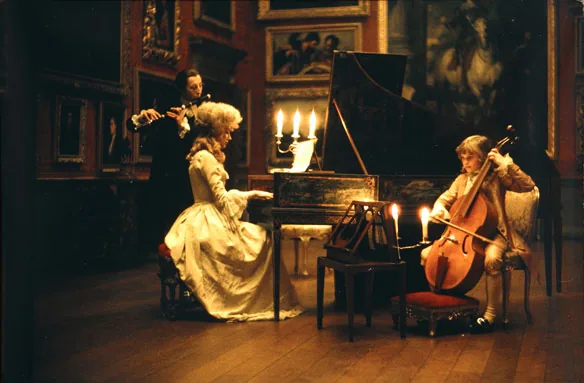
Barry Lyndon (1975) Director: Stanley Kubrick
Kubrick was known for leaving absolutely nothing to chance on set. His extraordinary perfectionism is on full display in the slow but enchanting Barry Lyndon (about a poor Irish boy who rises into the circles of the 18th-century English aristocracy). The director had a special lens developed so that candlelit scenes could be filmed without artificial lights or reflectors, giving many shots the appearance of paintings.
Technically perfect, with a result that is both elusive and deliberately paced.
Raise the Red Lantern (1991) Director: Zhang Yimou
Breathtaking. That is the word Raise the Red Lantern deserves. Lead actress Gong Li—Yimou’s muse at the time—is magnificent, but the shots and images of and inside the snow-covered white castles. Yellow and red in particular take on an entirely new meaning in this film.
A brief outline of the story: in China in the ’20s, Songlian (Li) is forced to marry a wealthy man who already has three wives, triggering a devious rivalry among the four concubines.
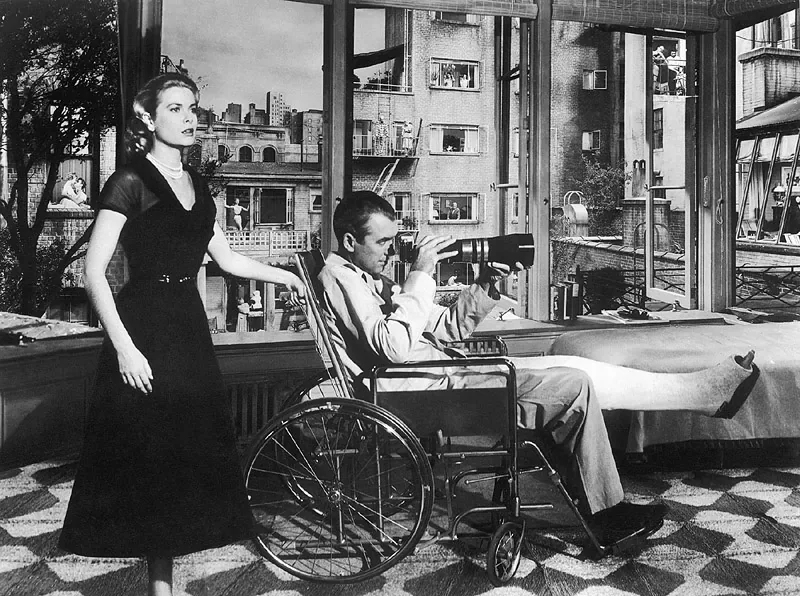
Rear Window (1954) Director: Alfred Hitchcock
No film list is complete without Hitchcock. His Rear Window deserves photographers’ attention, not least because it centers on a photojournalist (James Stewart) who breaks a leg on assignment and is temporarily confined to his home in a wheelchair. Bored, he begins spying on his neighbors through the rear window and photographs a man he suspects of murder.
As so often in Hitchcock’s films, the photography, lighting, and camerawork are impeccable. The development of the film’s theme—voyeurism, something familiar to every photographer—is especially compelling…
Gandhi (1982) Director: Richard Attenborough
An outstanding biopic about Mahatma Gandhi who receives several visits in the film from one of his great admirers, renowned photographer Margaret Bourke-White. She created the classic image of Gandhi at his spinning wheel and photographed him just hours before his assassination. Given the splendor of India displayed in the film, it is easy to imagine what inspired her, among other things.