He is the greatest war photographer of our time: James Nachtwey. Foam brought the acclaimed American (1948, New York) to Amsterdam and spoke with him about his mission, work, and experiences. "Photographs cannot stop warfare. But they can stop a war."
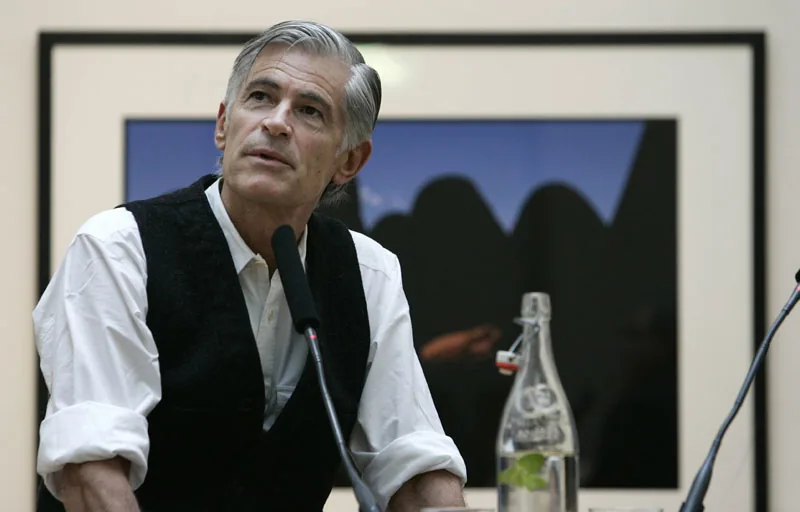
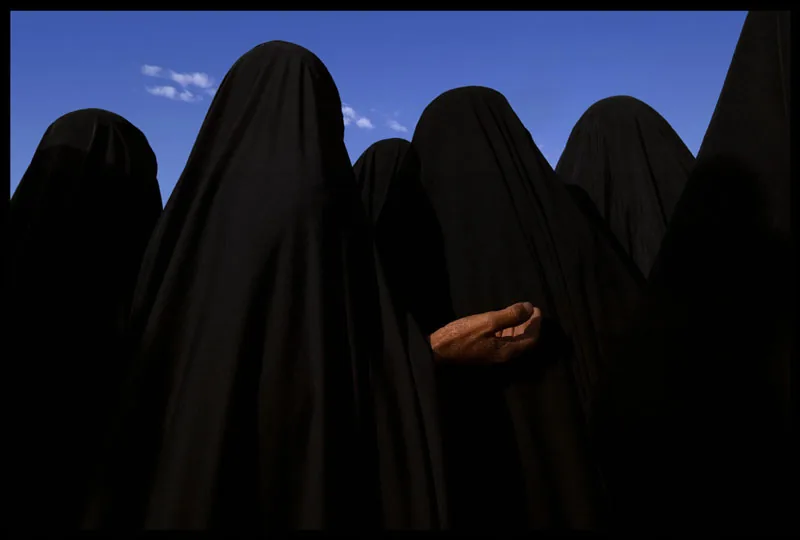
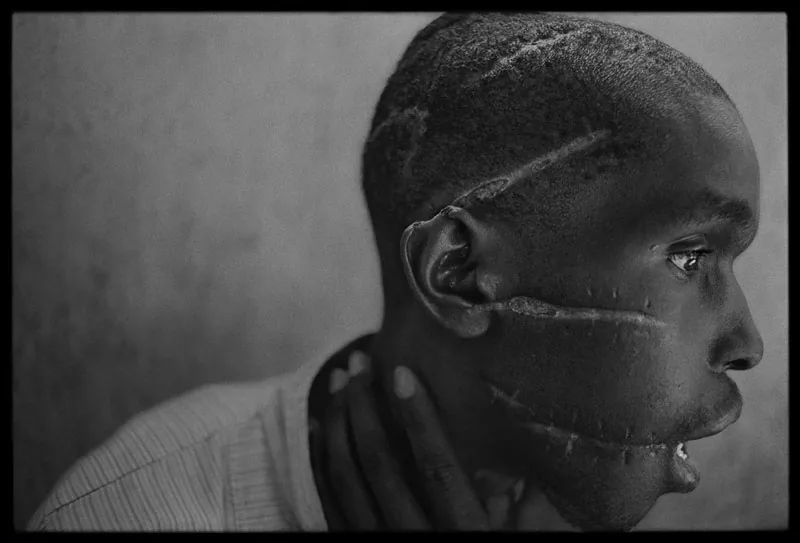
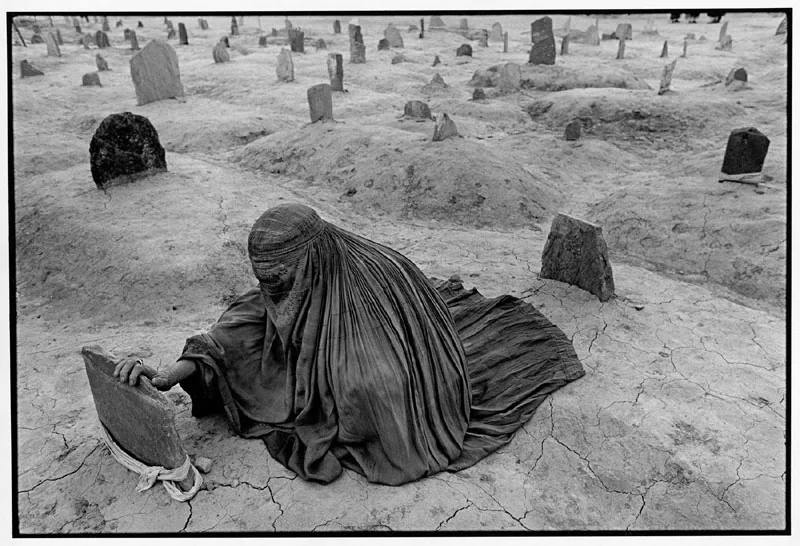
There are no cheerful photographs by James Nachtwey. Wherever you look on Foam's museum walls, there are no uplifting images, only the horrific underside of war. Unvarnished impressions of human suffering, right in your face.
In Nachtwey's world there are no heroes, only victims and losers.
Looking at the powerful, balanced photographs makes you understand why he prefers to call himself an antiwar photographer. Nachtwey: "I have been a witness, and these pictures are my testimony. The events I have recorded should not be forgotten and must not be repeated."
The two-time winner of World Press Photo of the Year knows what he is talking about. For more than twenty years he has visited battlefields around the world, including Rwanda (1990), the Balkans (1993-1999), Chechnya (1995), Indonesia (1998-1999), and Afghanistan (1996).
It is not that he wants his work to convey a particular view on certain subjects; on the contrary, his photographs should speak for themselves. "My intention is not to proclaim my opinion. I want to contribute to the dialogue about events and raise questions." Nachtwey believes the effect of his photographs would actually be undermined if he inserted an opinion into them. "I simply want to exhibit them and let people use their intelligence to form an idea."
Another factor that strengthens the impact of this 'visual storyteller's' photographs is his aversion to telephoto lenses; Nachtwey prefers a 35mm lens and likes to rest his camera on his subjects' shoulders. He has experienced firsthand that this approach is not without danger. In 1994, while reporting on the South African elections, he watched fellow photographer Ken Oosterbroek lose his life and another, Greg Marinovich, suffer serious injuries.
I have often been lucky, but that time I was exceptionally lucky
He was also struck while covering the invasion of Iraq in late 2003: a hand grenade exploded in the Humvee in which he was riding. Even under those circumstances, the urge to photograph remained—before losing consciousness, Nachtwey took a few more photographs of the medic providing aid. "I have often been lucky, but that time I was exceptionally lucky."
Devastating is Sacrifice, an installation of twenty groups of three images that Nachtwey made in the hell of Iraq in 2006. With these black-and-white photographs, Nachtwey—who flew aboard medical evacuation helicopters and visited American field hospitals—shows the entire process of rescuing the wounded. It is a report on despair and misery that is as moving as it is astonishing, sparing no detail. These must have been working days on which Nachtwey witnessed more suffering than we see in our entire lives. Asked whether it ever discourages him, he answers no. "You have to address the problems one by one. Photographs cannot stop warfare. But they can stop a war."
People are willing to care if journalists invite them to
No, he will not become indifferent or cynical. No matter how much hardship he has seen, he remains astonished by all that we can do to one another. "I do not accept that as normal, and I hope people who see my photographs feel the same." That is also why his work is essentially a fight against apathy, as he calls it. "People are willing to care if journalists invite them to. I see that as my mission."
Then, after a long search among his photographs of flashpoints and pools of misery, a cheerful image that Nachtwey made in South Africa appears. It shows children who seem to be enjoying themselves on an unseen trampoline; two children even reveal a few teeth as they smile. The exception to the rule.
At Foam, Amsterdam's photography museum, an exhibition of James Nachtwey's work titled Testimony runs through June 20.