At the time, Canon announced the EOS RP. Following the EOS R, it was the second full-frame mirrorless camera in the new RF-mount camera line. Canon aimed this camera more at hobbyists and amateur photographers looking for an affordable way to shoot full frame. The EOS RP also stood out for its compact size, extensive autofocus capabilities, and Dual Sensing IS.
The Canon EOS RP features a 26.2-megapixel full-frame CMOS sensor and the fast DIGIC 8 processor. Like the EOS R, this camera uses the large, fast RF mount. The mount enables faster data transfer, which in turn provides faster autofocus and image stabilization.
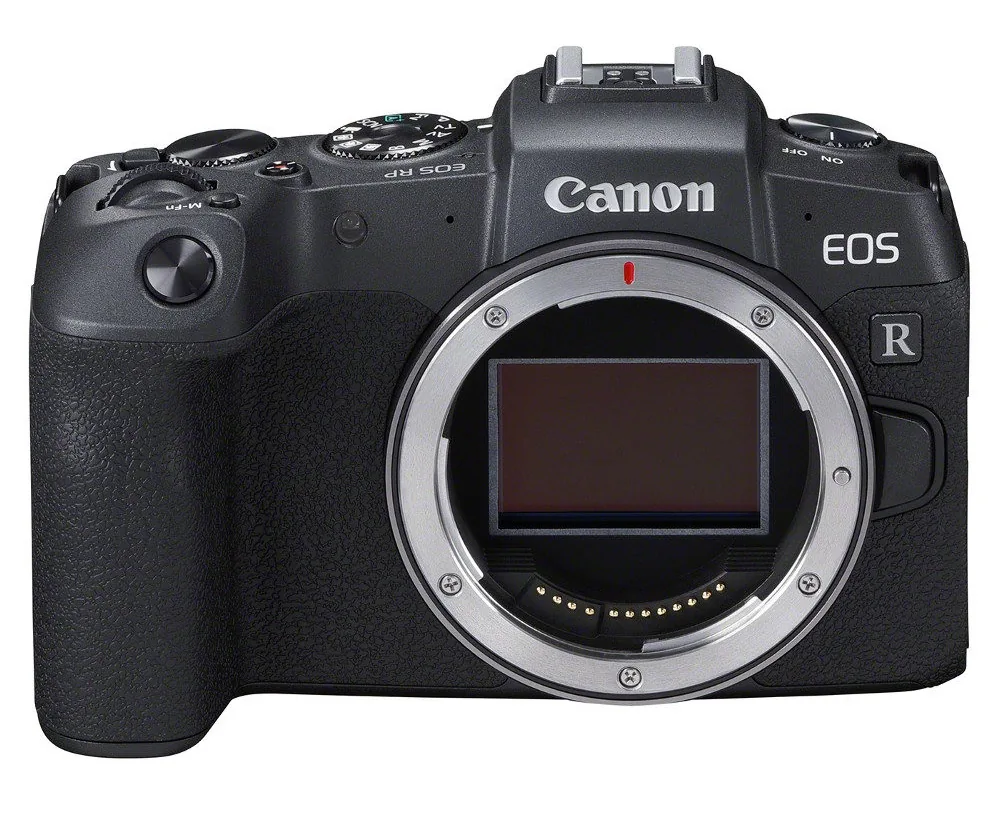
Weighing just 440 grams, the EOS RP was the lightest full-frame mirrorless camera on the market at the time—considerably lighter than its larger sibling, the 580-gram EOS R. The camera is also significantly more compact in height and depth. Photographers with large hands may find it less comfortable to use, but the optional new Canon EG-E1 extension grip can help compensate for this.
New to the EOS RP was Dual Sensing IS. This stabilization system reads the amount of camera shake in the image from the sensor and then corrects it. When recording Full HD or 4K video, 5-axis Movie Digital IS image stabilization is available.
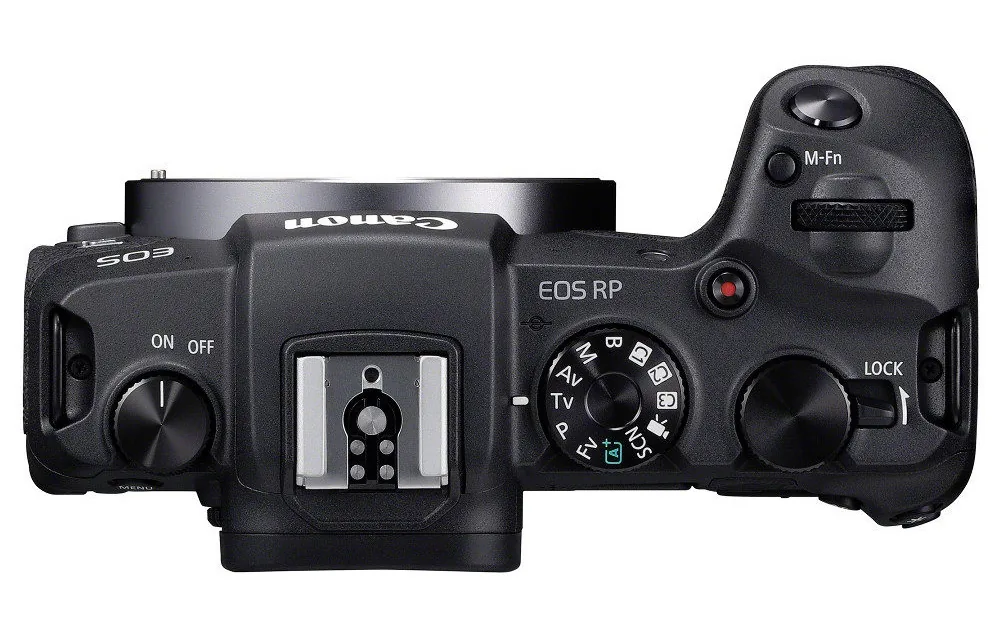
Canon's unique Dual Pixel AF autofocus system was also implemented in the EOS RP. It uses all pixels for focusing, resulting in highly accurate autofocus. With a focusing time of 0.05 seconds, Canon described the camera as the fastest among full-frame mirrorless cameras at launch. You can select up to 4779 AF positions, with the focus area covering 88% of the image horizontally and 100% vertically.
Eye Detection AF, which focuses on the eyes, is also available on the EOS RP in Servo AF mode. This allows continuous focusing on the eyes of moving subjects.
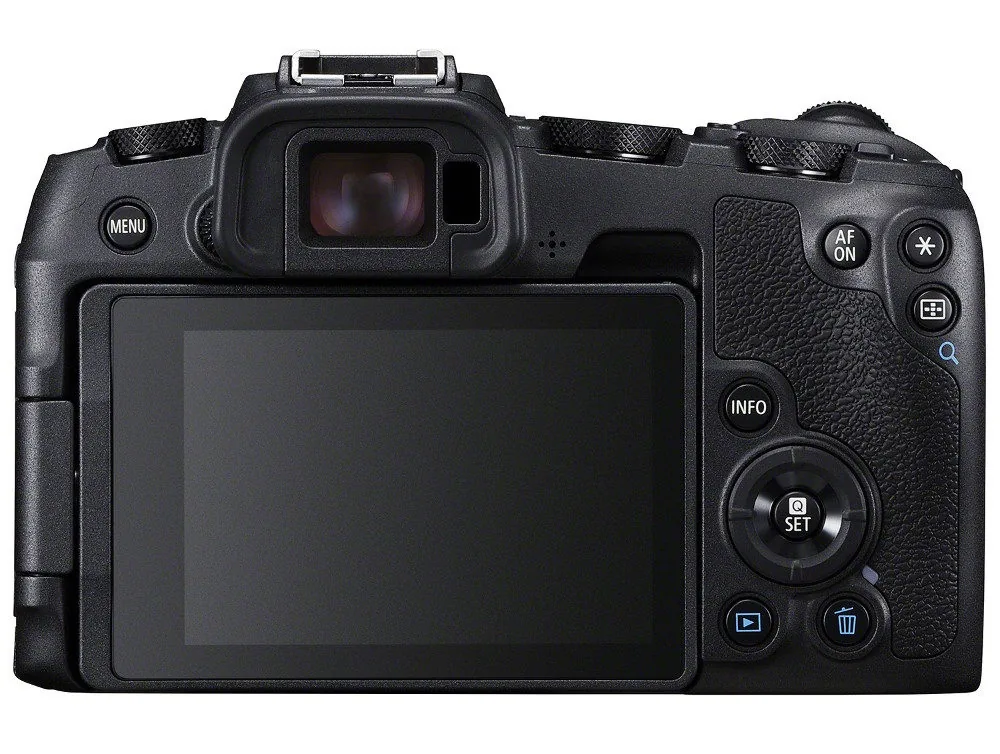
All in all, the Canon EOS RP is a highly suitable full-frame mirrorless camera for a broad audience. The camera is innovative enough and lacks little. Compared with the EOS R, you give up some image and viewfinder resolution as well as continuous shooting speed. The battery also lasts for fewer shots, at 250 exposures. Given the price, however, these were not major drawbacks.