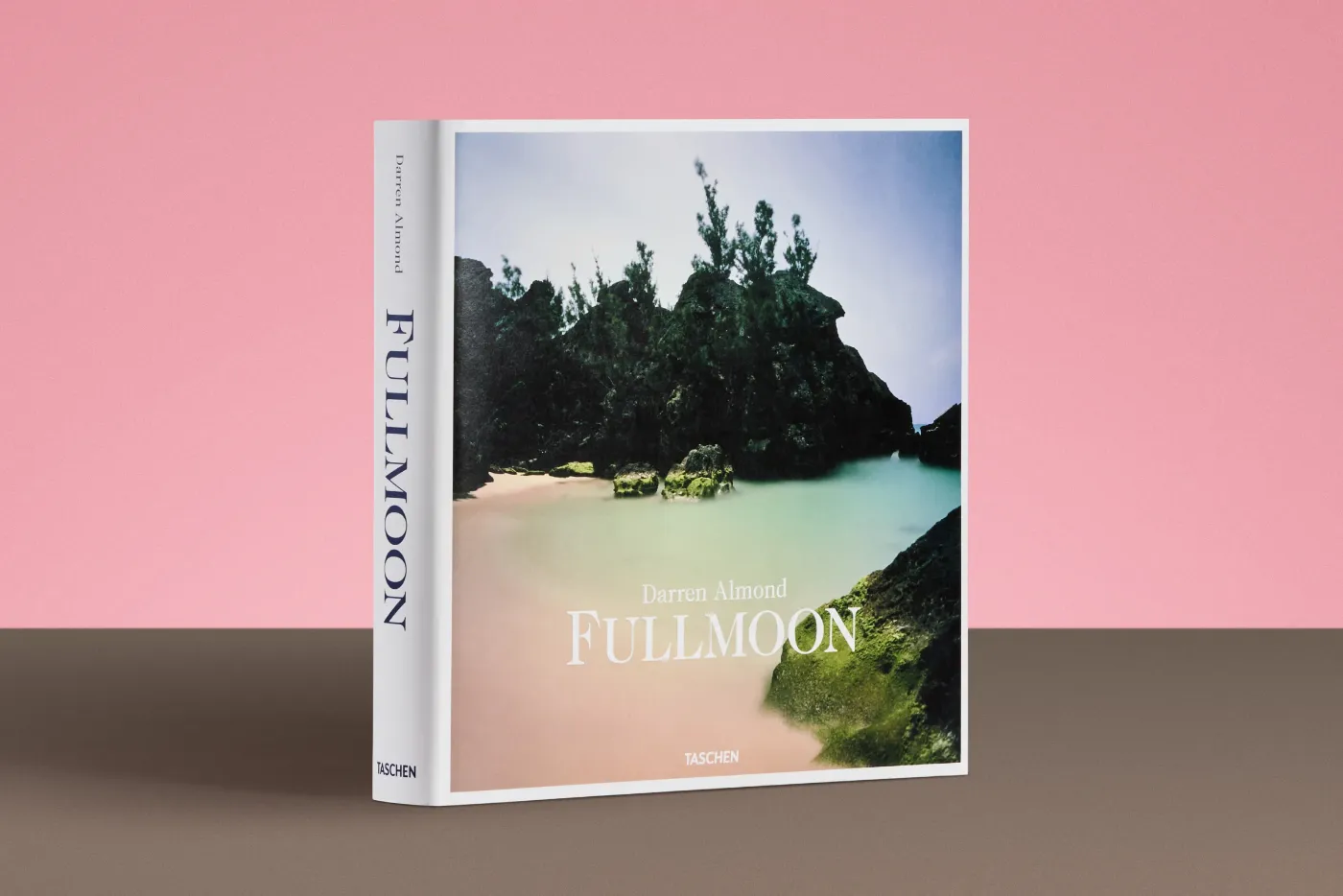
In Fullmoon Darren Almond photographs the world under a full moon. Using extremely long exposures, he makes landscapes glow as though night briefly becomes day, but with an atmosphere that is quieter, stranger, and more timeless.
Landscapes given more time to speak
For his series Fullmoon British artist Darren Almond travels through landscapes around the world. He photographs by the light of the full moon, using shutter speeds of more than fifteen minutes. Rivers, meadows, mountains, and coastlines consequently appear almost as if they were illuminated by the first light of morning. Yet it remains night. Shadows glow softly, stars trace thin lines across the sky, and water sometimes takes on the density of mist or foam.
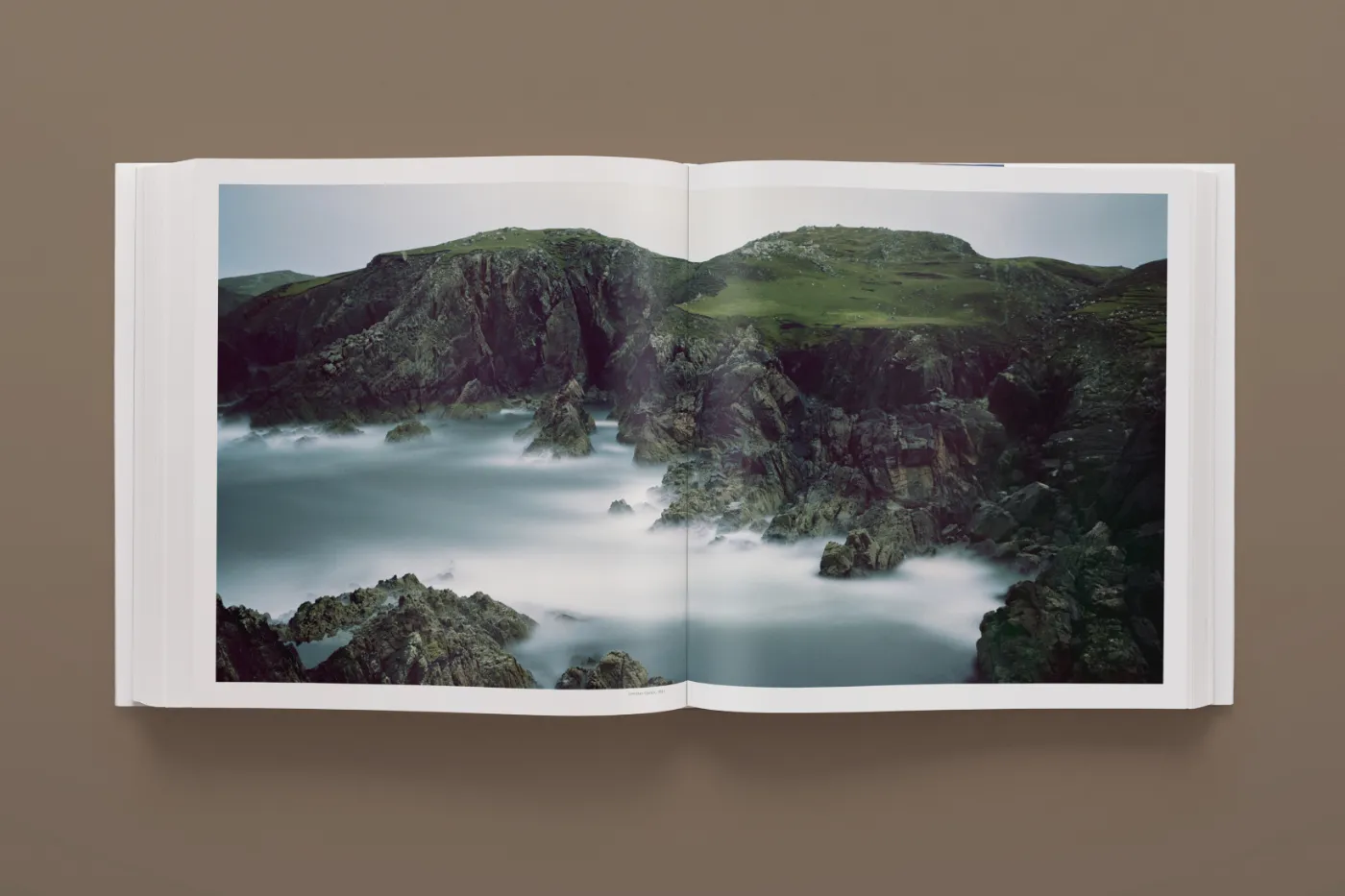
That ambiguity is precisely what makes the work so distinctive. These are not simply night photographs, nor are they conventional daytime landscapes. They exist somewhere between observation and imagination. Almond uses technique not to make reality more spectacular, but to give it more time.
The world under a full moon
This expanded edition of Fullmoon contains more than 370 images. The journey ranges from Yosemite to the Japanese coast, from Patagonia to Bermuda, and from the Alps to English meadows. The same question continually returns: what does a landscape look like when it is revealed not by the sun, but by the moon?
In that sense, the series belongs to a Romantic tradition of landscape art. It includes majestic American mountains, austere Arctic ice fields, seaside rocks, and the more intimate nature of Great Britain. But Almond does not make nostalgic nature photographs. His work is also about time, memory, and history. In his images, a landscape appears not only as a place, but also as a bearer of what came before and what may still come.
Not seeing everything while photographing
A compelling idea behind these images is that, during such long exposures, the photographer can never see exactly what the camera will ultimately record. Almond says: “With long exposures, you can never see what you are shooting, but you are giving the landscape longer to express itself.”
The photographer does not control everything. He chooses a place, a frame, and a moment, but then gives the landscape time. The photograph slowly emerges from moonlight, movement, air, water, and darkness.
Conceptual and poetic
Darren Almond is a conceptual artist, but Fullmoon shows that conceptual work need not be cool or detached. His photographs are meticulously considered yet distinctly poetic. They are about looking, waiting, and realizing that nature never stands entirely still, even when a landscape initially appears motionless.
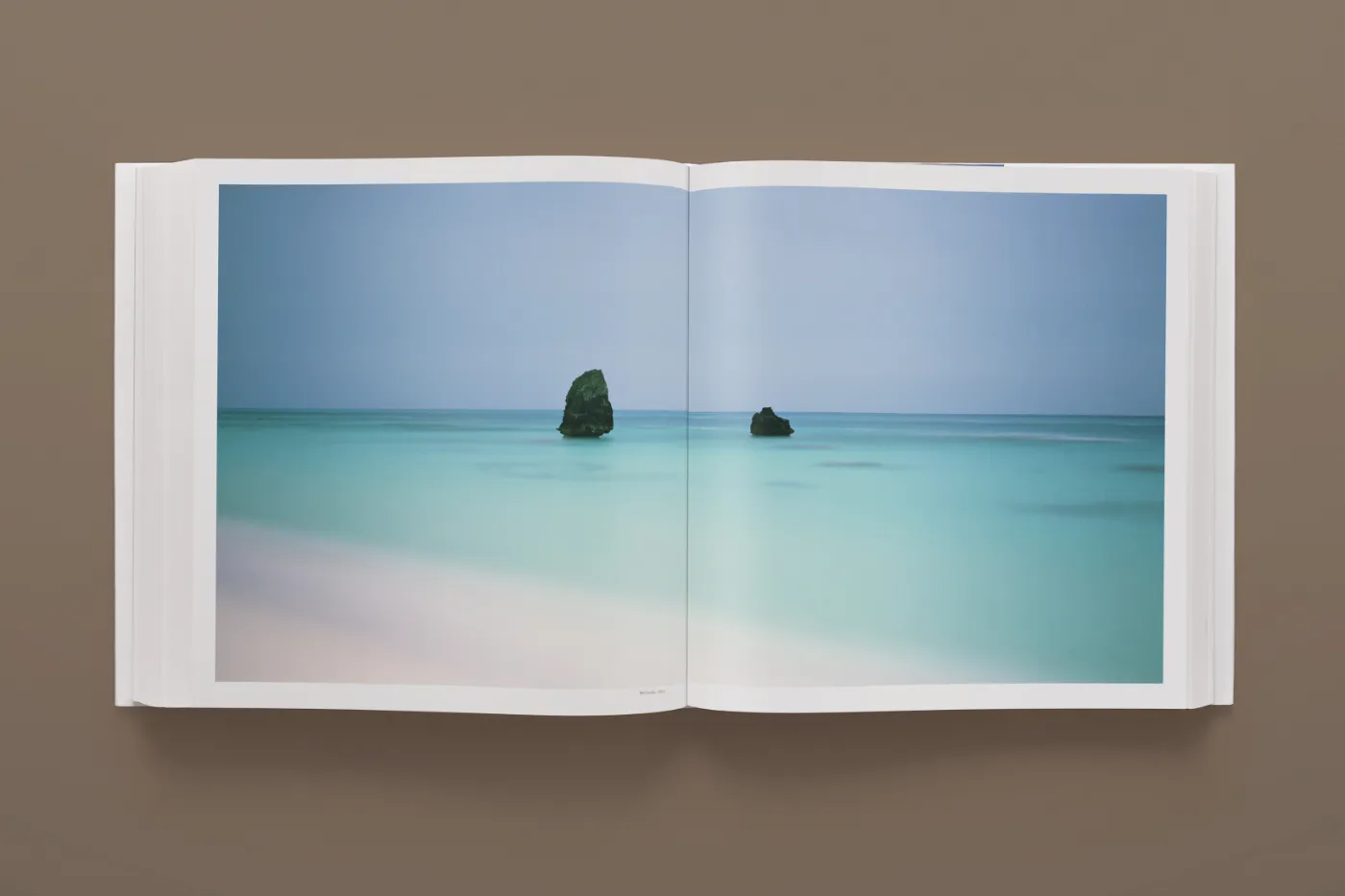
The new edition brings together the different parts of the series, from the beginning of this century to the present. The book includes an introduction by Sheena Wagstaff, head of modern and contemporary art at the Metropolitan Museum of Art in New York, and an extensive essay by writer and critic Brian Dillon.
About the photographer
Darren Almond was born in 1971 in Wigan, England. His work in photography, film, and sculpture often centers on personal memory, cultural history, and time. He has had solo exhibitions at institutions including the ICA and Tate Britain in London, Kunsthalle Zürich, K21 Düsseldorf, Museum Folkwang Essen, SITE Santa Fe, and Art Tower Mito in Japan.
Darren Almond. Fullmoon - Darren Almond, Andreas BaurHardcover
Pages: 564
Price: € 111,42
Publisher: Taschen