Frenchman Louis Jacques Mandé Daguerre is regarded as one of the inventors of photography, thanks to the daguerreotype, the first successful photographic process (January 7, 1839).
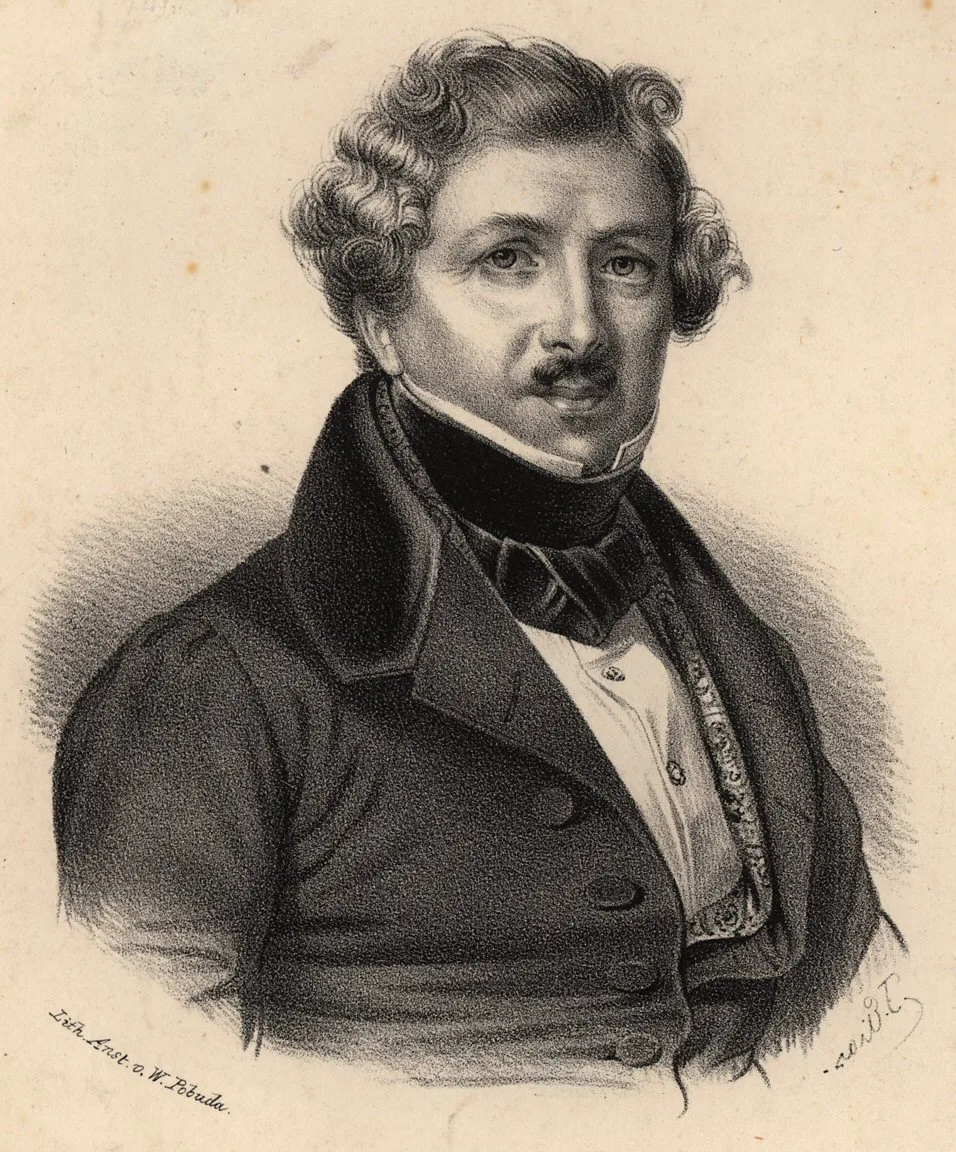
After inventing the diorama, Louis Jacques Mandé Daguerre joined fellow Frenchman Joseph Nicéphore Niépce (who had taken the first successful photograph in 1826) in developing a faster method for making photographs.
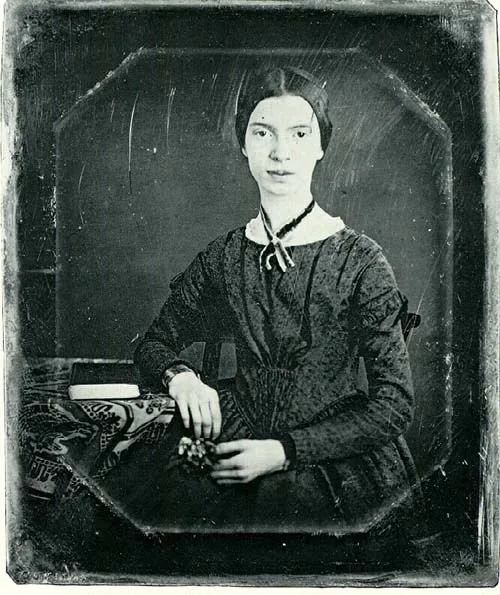
In 1837 (after Niépce’s death), Daguerre invented the daguerreotype, a method that made it possible to produce photographs on a large scale.
The process used a polished silver plate prepared with mercury vapor and produced positive, mirror-reversed images. Although the images were highly detailed, no negative was used—as in modern photography—so it was impossible to make multiple prints. Each daguerreotype photograph is therefore unique.
Louis Daguerre was admitted to the exclusive Order Pour le Mérite.
This text is provided without warranty under the GNU Free Documentation License.
The copyright in the images shown with this article has expired, so they are in the public domain.