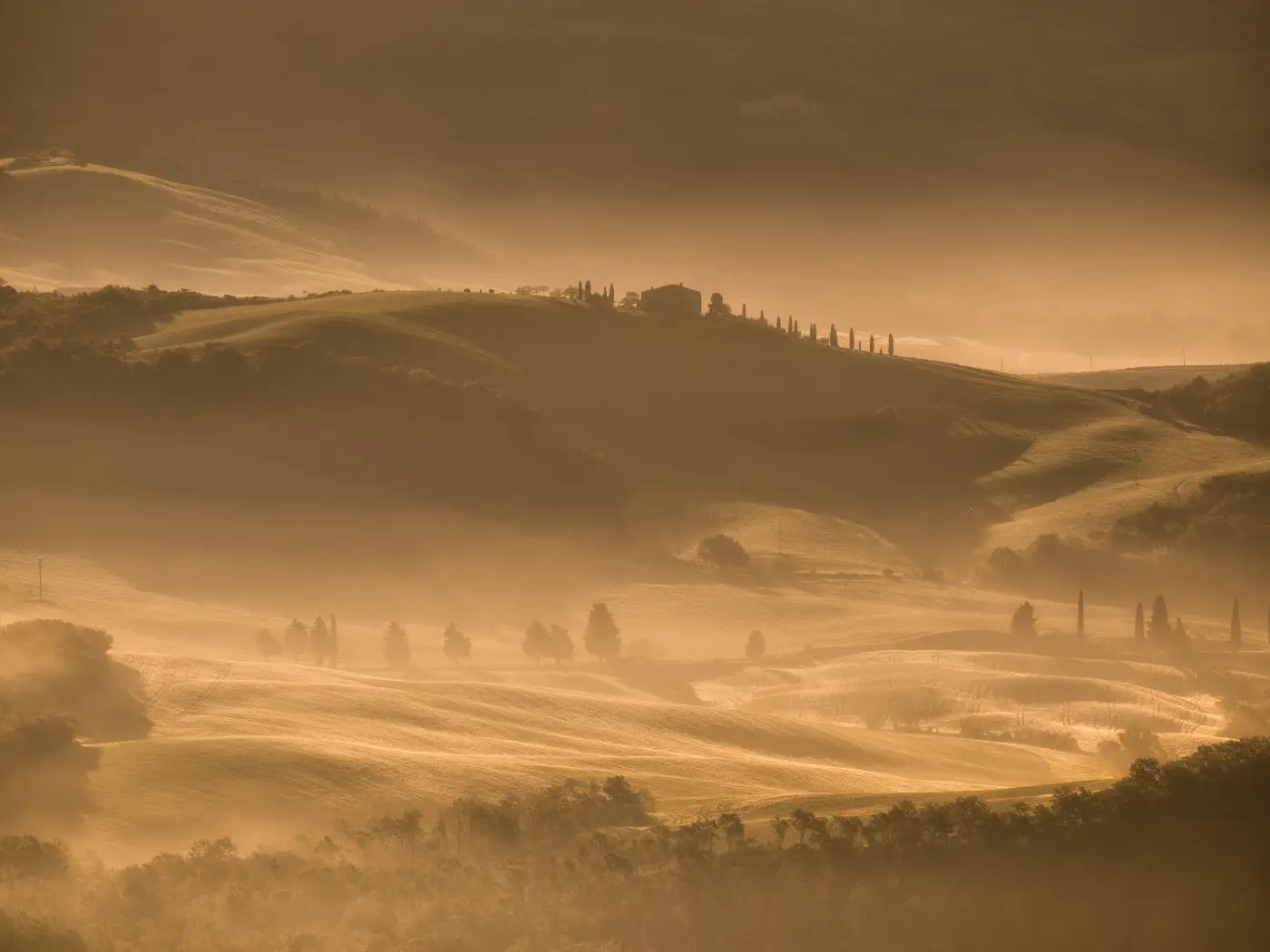
photo: © Bas Meelker - Morning mist at sunrise over the valley - Tuscany, Italy - GFX100S II - GF500mmF5.6 R LM OIS WR - 1/500 sec at f/8.0 - ISO 80
As a landscape photographer, I am always looking for the best balance between image quality, ease of use and the freedom to capture a landscape in my own way. After more than twenty years of working with another camera brand, I switched to the Fujifilm GFX system. That may sound like a major change, but in practice the transition was surprisingly smooth.
The way of working soon felt familiar, and the GFX system has since become much more than just a camera system. It is an important part of how I look at landscapes and create my images.
My move to medium format was driven mainly by curiosity. What would a larger sensor actually add to my photography?
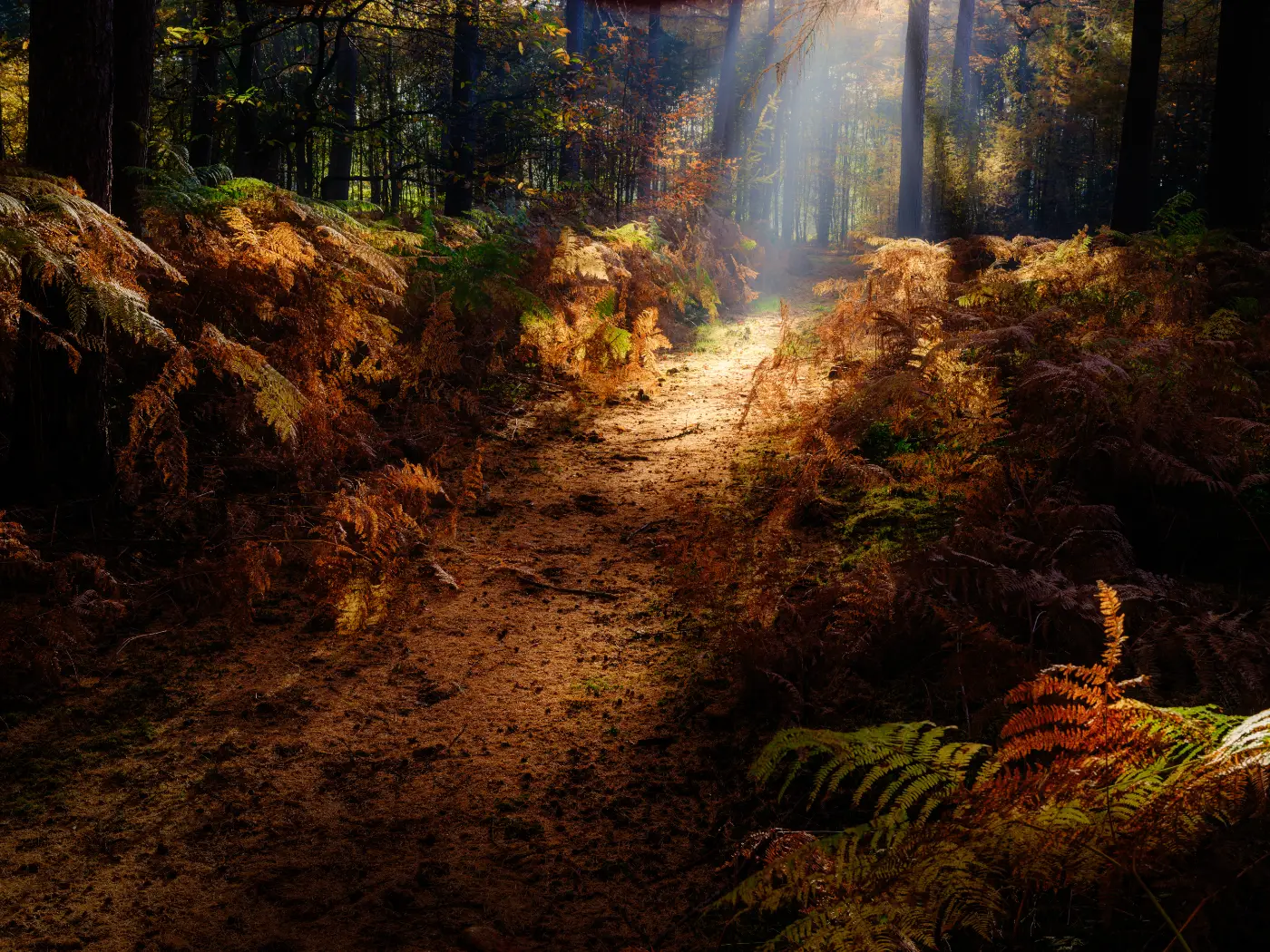
On paper, the advantages are clear: high resolution, exceptional detail and a wide dynamic range. But specifications are not what ultimately matter to me. What matters is what the technology allows you to do when you are standing in the middle of a landscape.
And that is precisely where the GFX system has positively surprised me.
Detail and image quality
One of the qualities I value most is the amount of detail contained in a GFX file. Landscapes are, of course, particularly well suited to this. In a single image, small details in the foreground and subtle structures in the distance can both be important to the story.
With the Fujifilm GFX100S II, my RAW files contain an enormous amount of information. You notice this not only when printing a photograph at a large size, but also during post-processing. I can crop an image without it immediately losing quality. That gives me additional freedom.
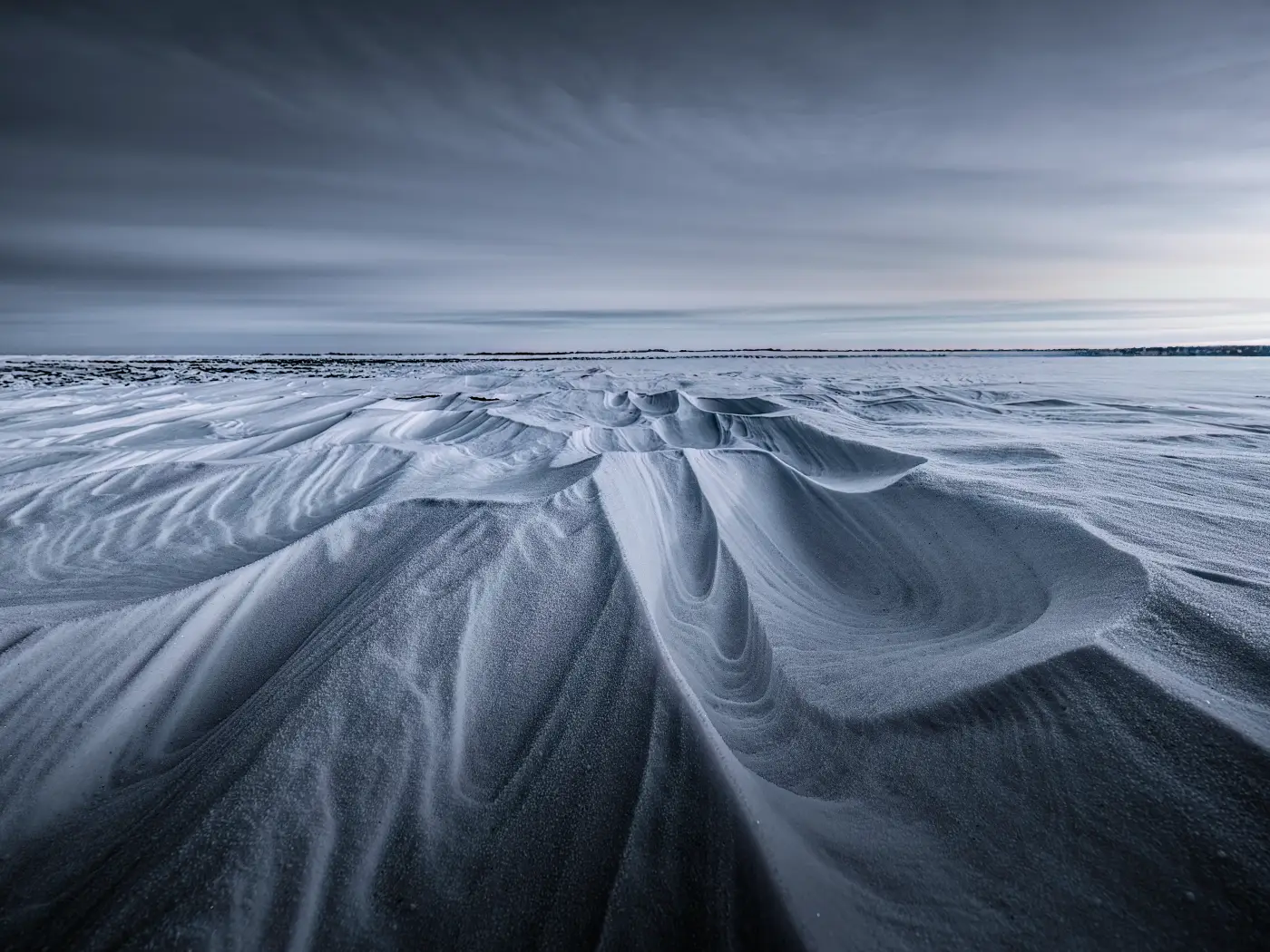
I also find the different aspect ratios available in-camera extremely valuable. To me, an aspect ratio is not merely a technical setting, but part of the composition. In addition to the classic 4:3 format, I enjoy working with wider ratios when the landscape calls for them.
The 65:24 ratio is particularly interesting to me. The remarkable thing is that, even at this extremely wide aspect ratio, the GFX100S II still delivers approximately 50 megapixels. That is an enormous amount of resolution for a panoramic image. So you are not simply making a heavy crop; you can consciously choose a different way to tell the story of a landscape.
A broad horizon, long coastline or minimalist landscape can suddenly become much stronger in 65:24. The image quite literally has more room to breathe.
The power of colour and nuance
One aspect of medium format that may be even more important to me than the enormous resolution is how the system renders colour and tonality.
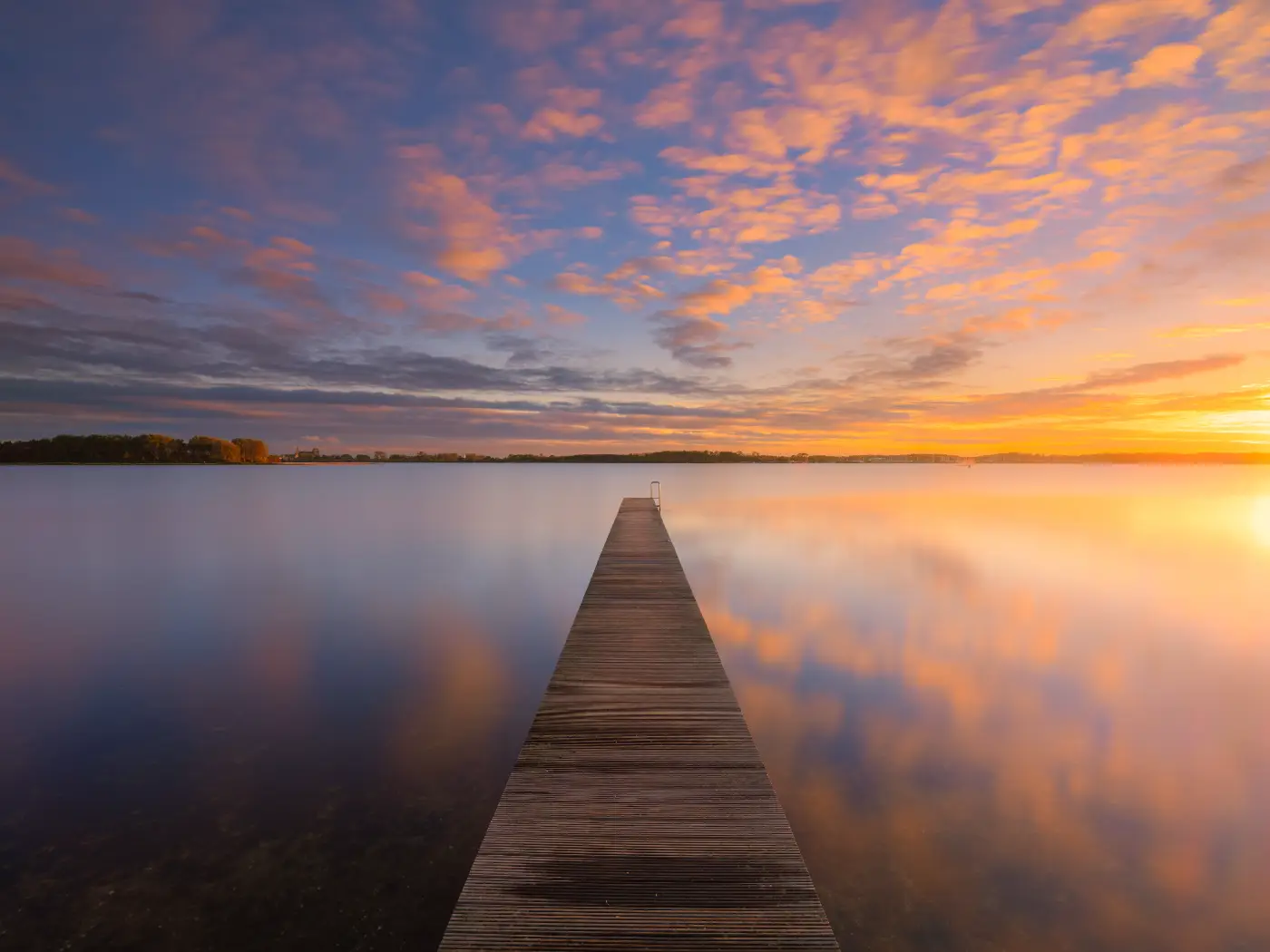
In landscape photography, we often work with very subtle differences. Think of the various shades of green in a forest, the transition from warm yellow to orange during a sunset, or the almost imperceptible shift from blue to purple in an evening sky.
It is precisely in those nuances that I notice a clear difference.
It is not only about how many colours a camera can record, but above all about how beautifully the transitions between those colours are rendered. The transition from light to dark, from one colour to another and from sharp detail to softer areas feels very natural.
That beautiful drop-off between colours and contrasts is something I greatly appreciate in my GFX files. There is a certain refinement in the transitions, without the image losing any of its sharpness or clarity.
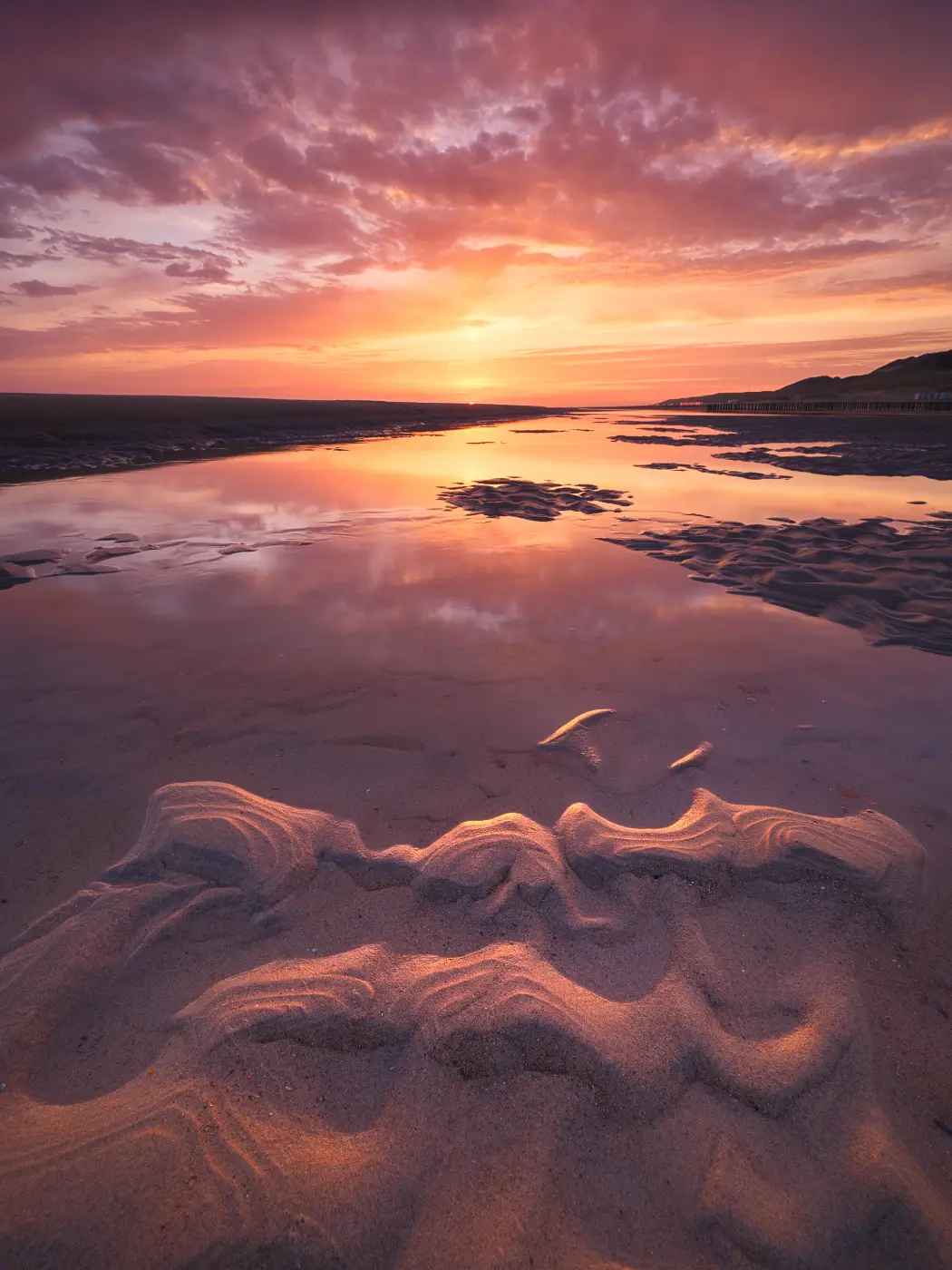
This is difficult to express in technical figures. You can talk about pixels, dynamic range and colour depth, but ultimately it is something you see when you look at a photograph. To me, the strength of medium format lies in that combination: an incredible amount of detail and subtle, fluid transitions.
Dynamic range
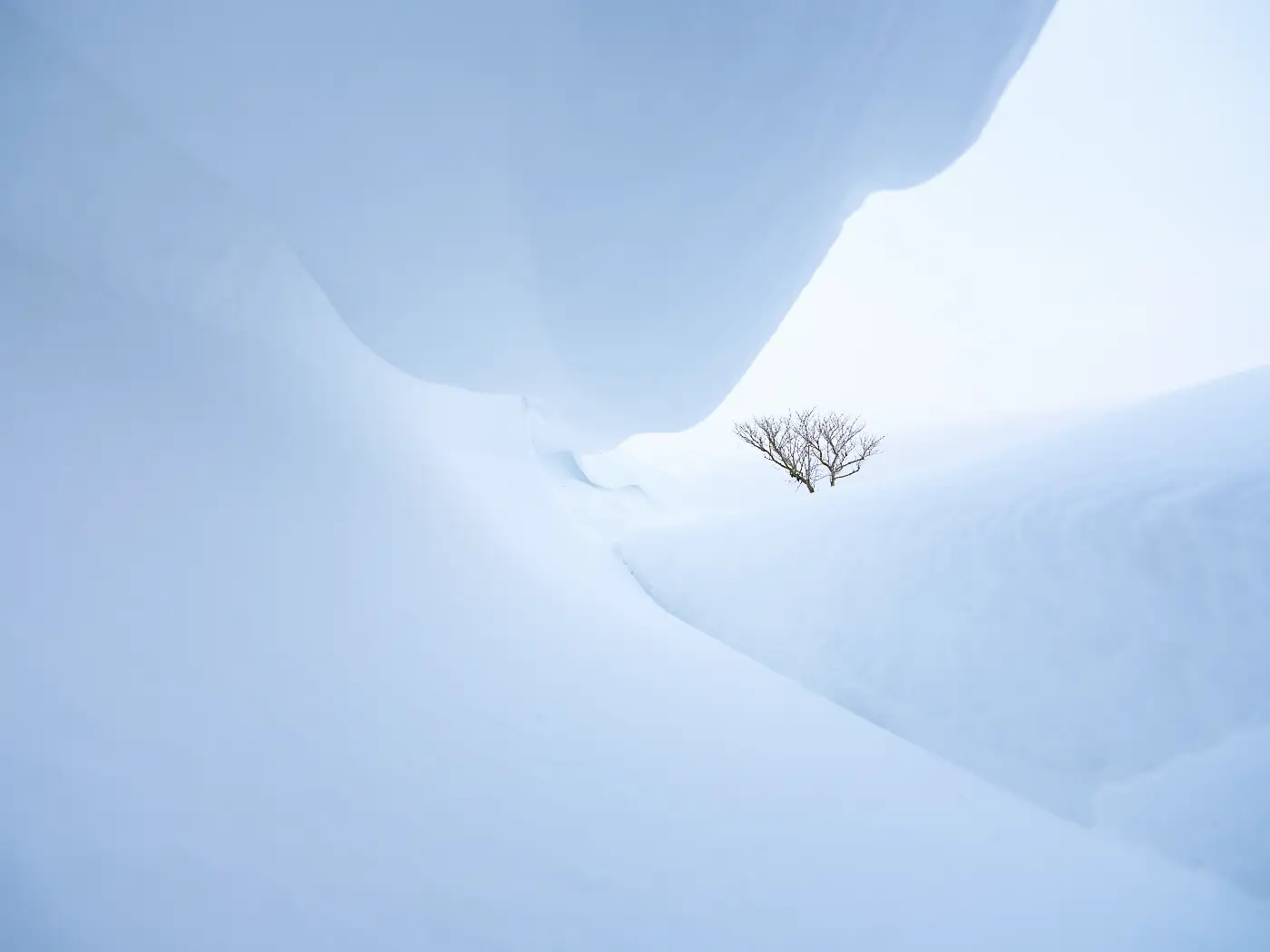
Landscape photography often means working with strong contrasts. Think of a sunrise where the sky is much brighter than the foreground, or a landscape containing both brilliant sunlight and deep shadows.
The wide dynamic range of the GFX sensor gives me plenty of room to handle those situations. Of course, I still use filters. A well-positioned graduated neutral-density filter ensures that you create the best possible foundation while shooting. But it is also reassuring to know that a RAW file contains so much information.
This is especially useful during post-processing. When you open up a shadow area slightly or recover a highlight, the subtle differences in colour and tone remain beautifully intact.
A more considered way of shooting
Perhaps the greatest difference, however, is not in the technology but in the way I photograph.
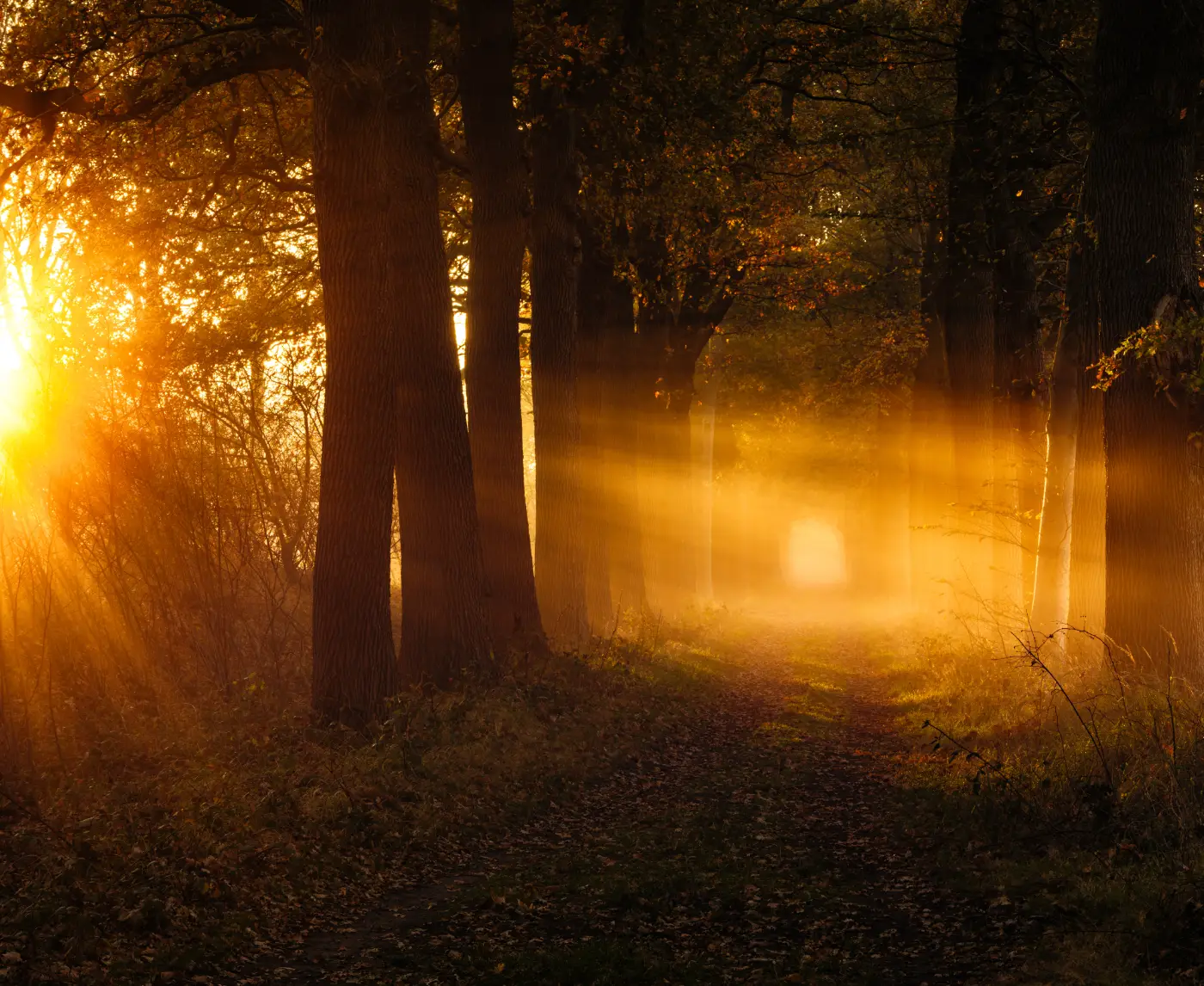
A GFX camera suits how I like to work. I am not someone who takes hundreds of photographs of the same landscape. I search for that one composition in which everything comes together: the light, the clouds, the foreground, the lines and the atmosphere.
Waiting may well be one of the most beautiful aspects of landscape photography.
I take the time to set up my tripod, carefully determine my composition and then wait for the light to do exactly what I hope it will.
That waiting may well be one of the most beautiful aspects of landscape photography. A camera can help you create a technically sound image, but of course it cannot determine when the light becomes beautiful. As a photographer, you must first and foremost learn to see.
More than technology alone
My experience with the Fujifilm GFX system has taught me above all that a camera can be more than a technical tool. The characteristics of a system can also influence the way you photograph.
For me, landscape photography is about observing, waiting and making choices. The GFX system gives me the technical capabilities to capture that vision as effectively as possible: with enormous resolution, an abundance of detail, a wide dynamic range and, above all, beautiful nuances in colour and contrast.
But ultimately, the camera remains just a tool. The most beautiful landscape does not automatically become a good photograph simply because it was captured with a medium-format camera.
It is still about the light. The composition. The moment. And, above all, the way you look at a landscape as a photographer.
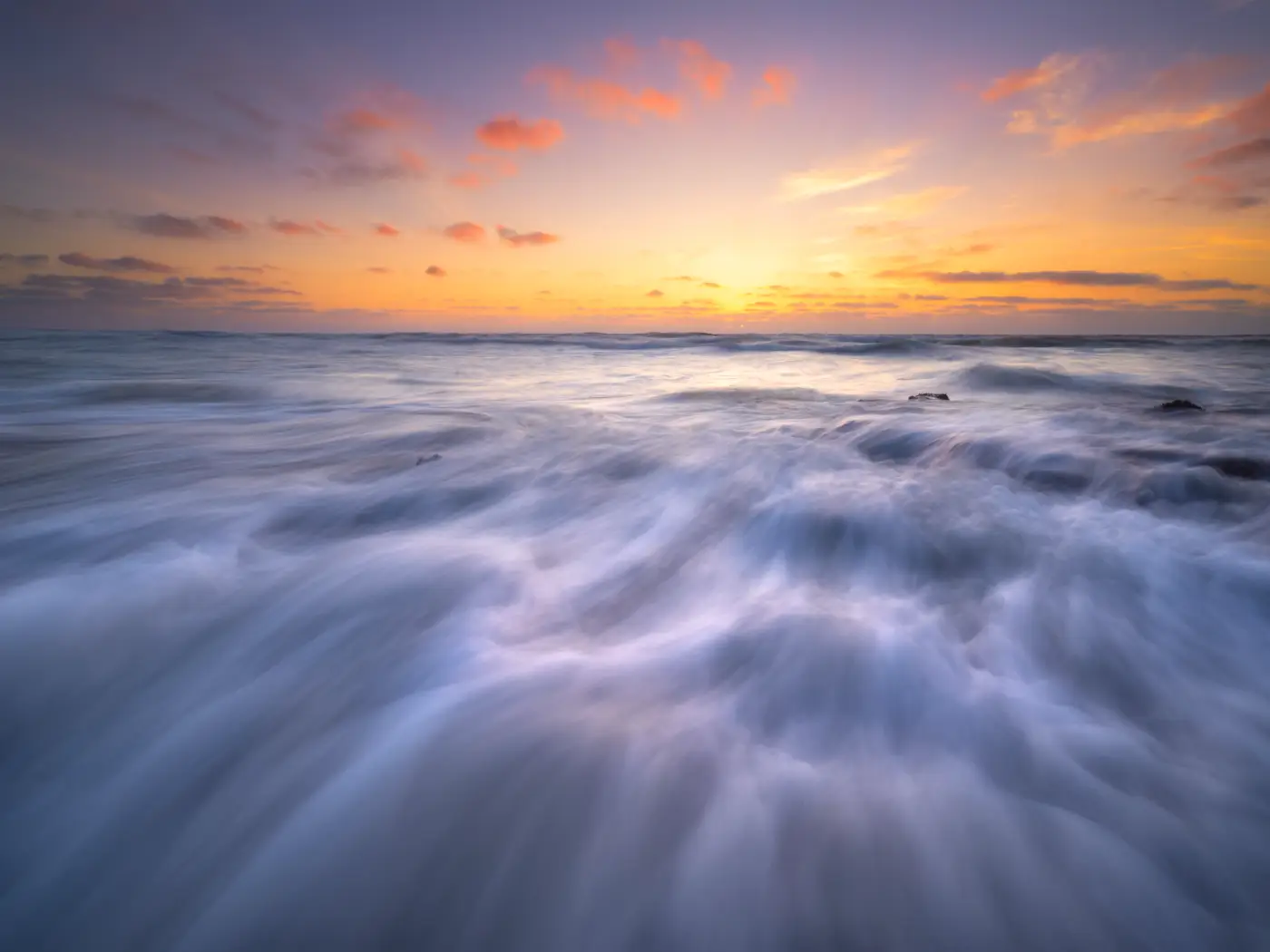
The Fujifilm GFX system has now become a natural part of that process for me. Not because it is by definition the best camera, but because the system is exceptionally well suited to the way I want to photograph landscapes: calmly, deliberately and with as much attention as possible to the details, colours and nuances that ultimately give an image its character.