photo: Albert Dros - Milky Way 004, Sony 24mm
Astrophotography captures the imagination, and few subjects are as fascinating as photographing the Milky Way. In the run-up to International Dark Sky Week, Albert Dros joined forces with Sony to share his practical tips for capturing the night sky. Using the Sony 24mm F1.4 GM lens, he shows how to capture stars, star trails and galactic structures in pin-sharp detail, even under challenging lighting conditions.
For Albert, the Milky Way is one of the most fascinating galaxies because of its mysterious appearance. The award-winning Dutch photographer had recently captured this galaxy in all its glory from a mountain pass in Kyrgyzstan, south of Lake Issyk-Kul.
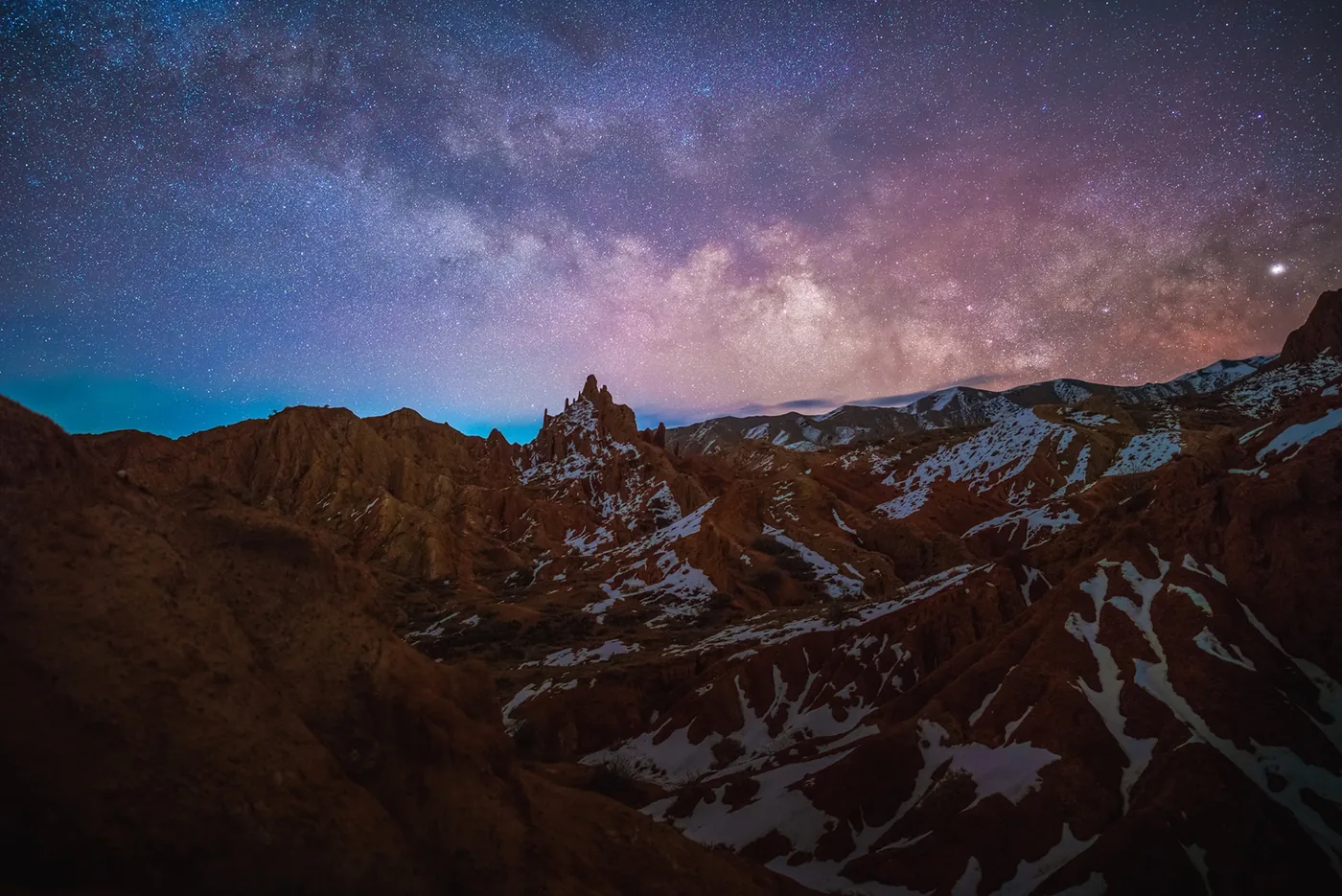
“The night sky is endlessly beautiful, and people go to great lengths to capture its breathtaking beauty. So always make sure your camera is ready to photograph this magic. The 24mm F1.4 GM is the perfect lens for capturing detailed astrophotographs because it can produce bright, sharp images of the night sky, while the stars show virtually no distortion in the corners even at f/1.4,” says Albert Dros.
The Five Most Beautiful Astronomical Events of 2019
The supermoon (March 21) – The final supermoon of 2019, when it came closest to Earth that year.
Eta Aquariid meteor shower (May 6-7) – Probably the best opportunity to enjoy a meteor shower that year, when the thin crescent moon created an inky-black sky: the perfect backdrop for the spectacular display of shooting stars.
Total solar eclipse (July 2) – This eclipse was not visible from Europe, but those who traveled to South America or the Pacific region could enjoy the spectacular view.
Partial lunar eclipse (July 16) – A small part of the lunar surface was covered by the darkest part of Earth’s shadow. It was visible across most of Europe, as well as in Africa, Central Asia and the Indian Ocean.
Geminid meteor shower (Dec. 14) – Shooting stars lit up the sky for about a week, with the peak expected on the 14th, when as many as 100 meteors per hour could be visible.
The Best Destinations for Admiring the Night Sky in Europe
Bettymaya Foott of the International Dark-Sky Association explains the best places to see the galactic center of the Milky Way.
Exmoor National Park, UK - Like many national parks in the United Kingdom, Exmoor has one of the most beautiful night skies. It was designated a Dark Sky Reserve in 2011, and light pollution throughout the park is minimal. Many of its scenic locations are easy to reach at night, and it lies far enough south to view the core of the Milky Way from March through September.
La Palma, Canary Islands - Located in the Atlantic Ocean some distance from mainland Europe and blessed with a mild, stable climate, La Palma offers clear views of the night sky throughout the year. Climb to the island’s highest point to get above any clouds and enjoy a spectacular view of the Milky Way.
The Dolomites, Italy - With beautiful rolling terrain and a climate that allows you to ski in winter and sunbathe in summer, the clear skies of the Dolomites provide a variety of photographic opportunities throughout the year.
Bükk National Park, Hungary - Mountainous Bükk is Hungary’s largest national park, situated among the country’s highest peaks and surrounded by enchanting waterfalls and caves. It was designated a Dark Sky Park in 2017.
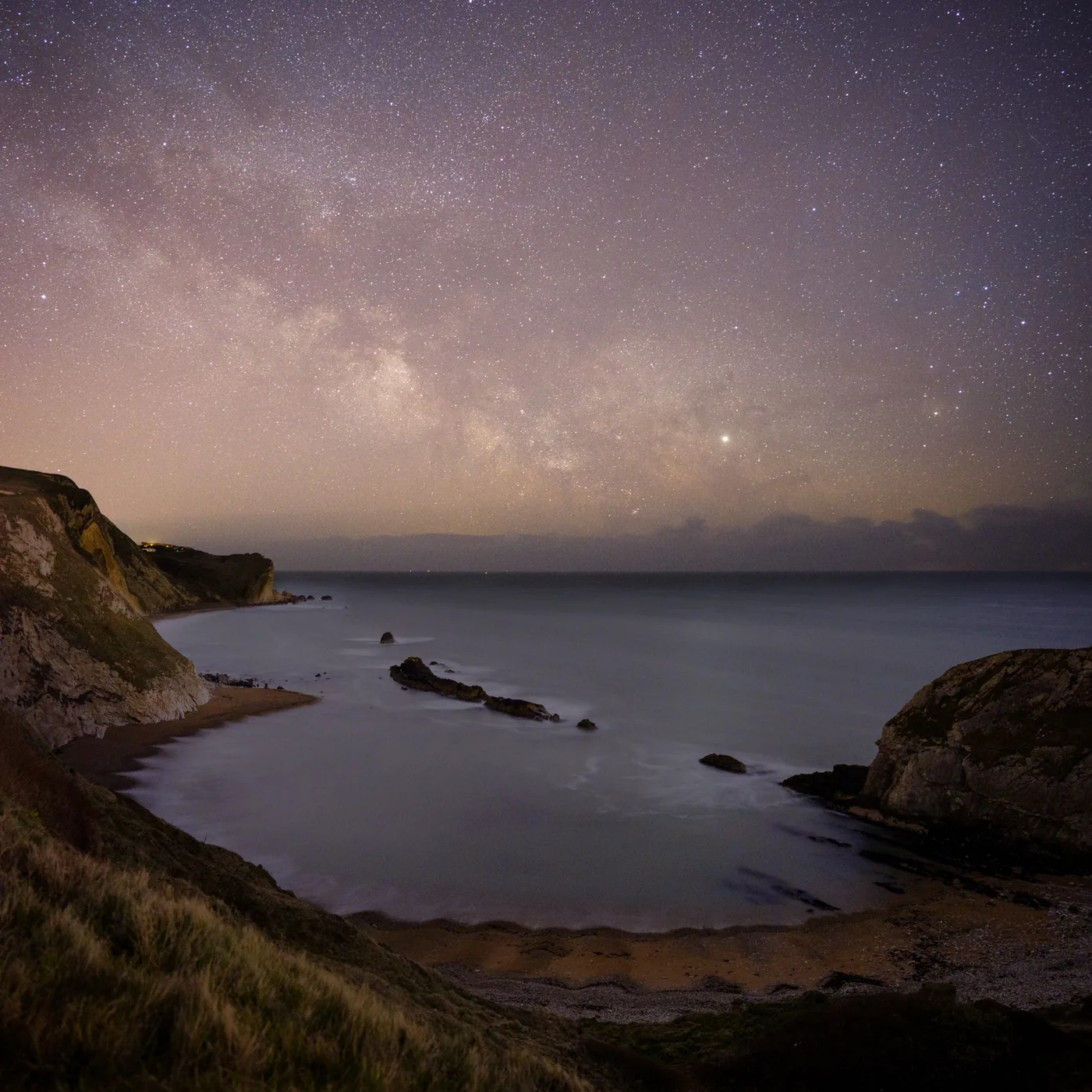
Cévennes National Park, France - Cévennes had recently been added to the list of Dark Sky Reserves and lies in an area popular for tourism and camping, making summer evenings under the stars a realistic prospect.
European astrophotographers Andrew Whyte and Leonardo Orazi were also involved in this project. Read the stories behind these remarkable images below.
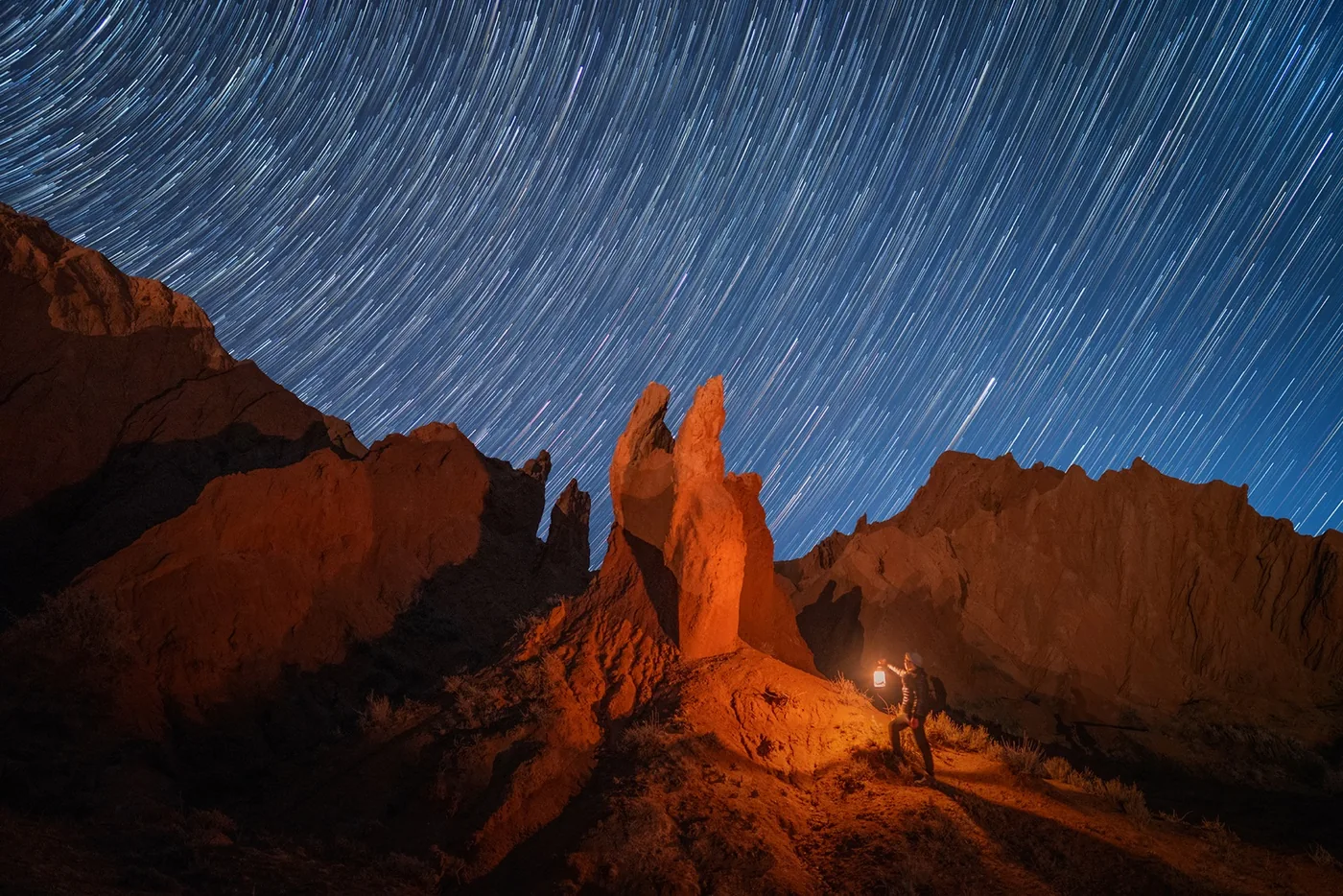
Star Trails (Leonardo Orazi, Italy)
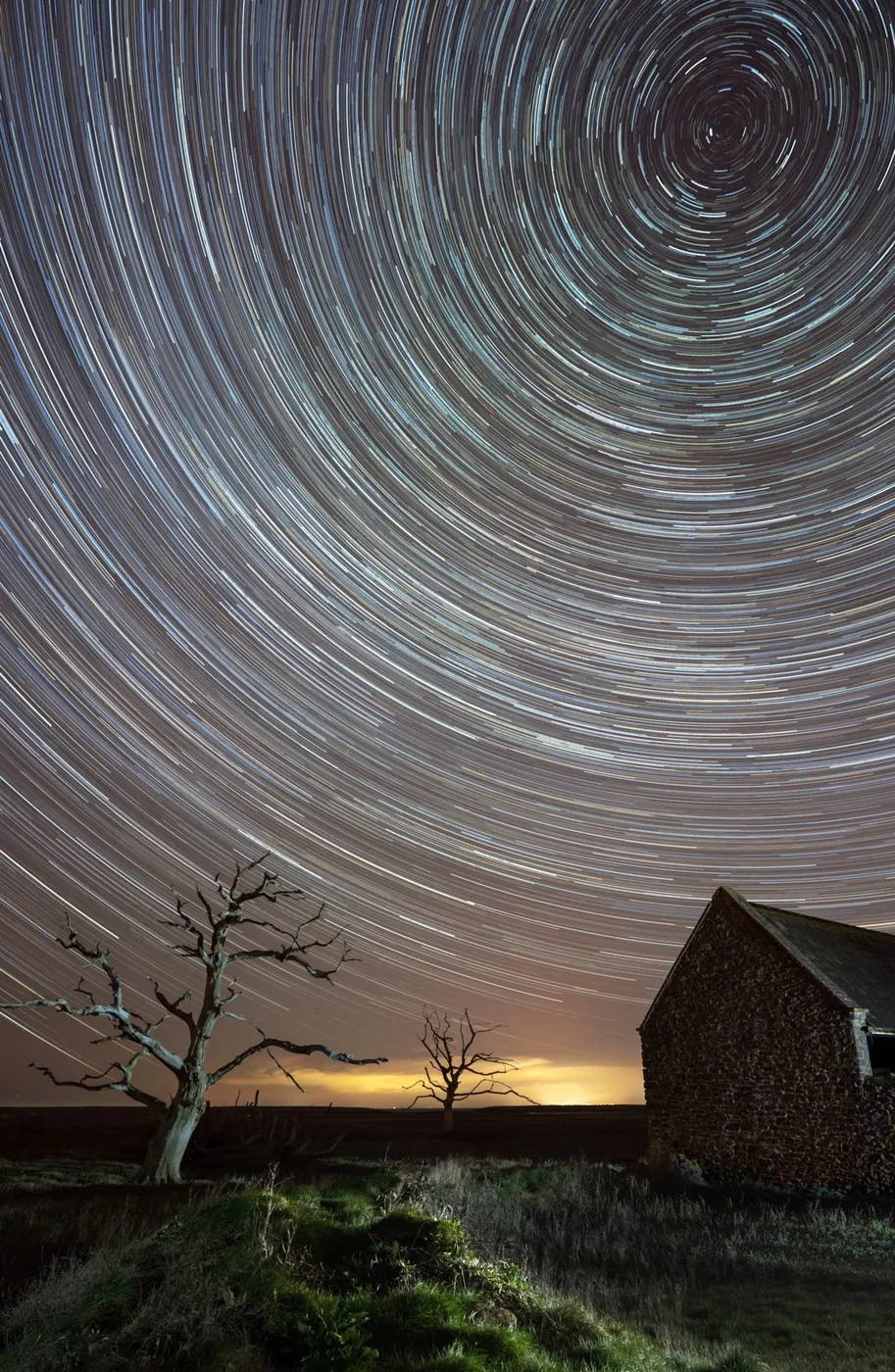
Italian astrophotographer Leonardo Orazi used the 24mm F1.4 GM lens to capture star-trail images near Sestriere in the Alps: “I usually take my best photographs in the Alps. I love the peaceful silence there, but above all the clear, dark skies that give me the opportunity to get the perfect shot. Lightweight equipment is essential to me when I am walking along a mountainside. Weighing just 400 grams, the new Sony lens is the ultimate travel companion.”
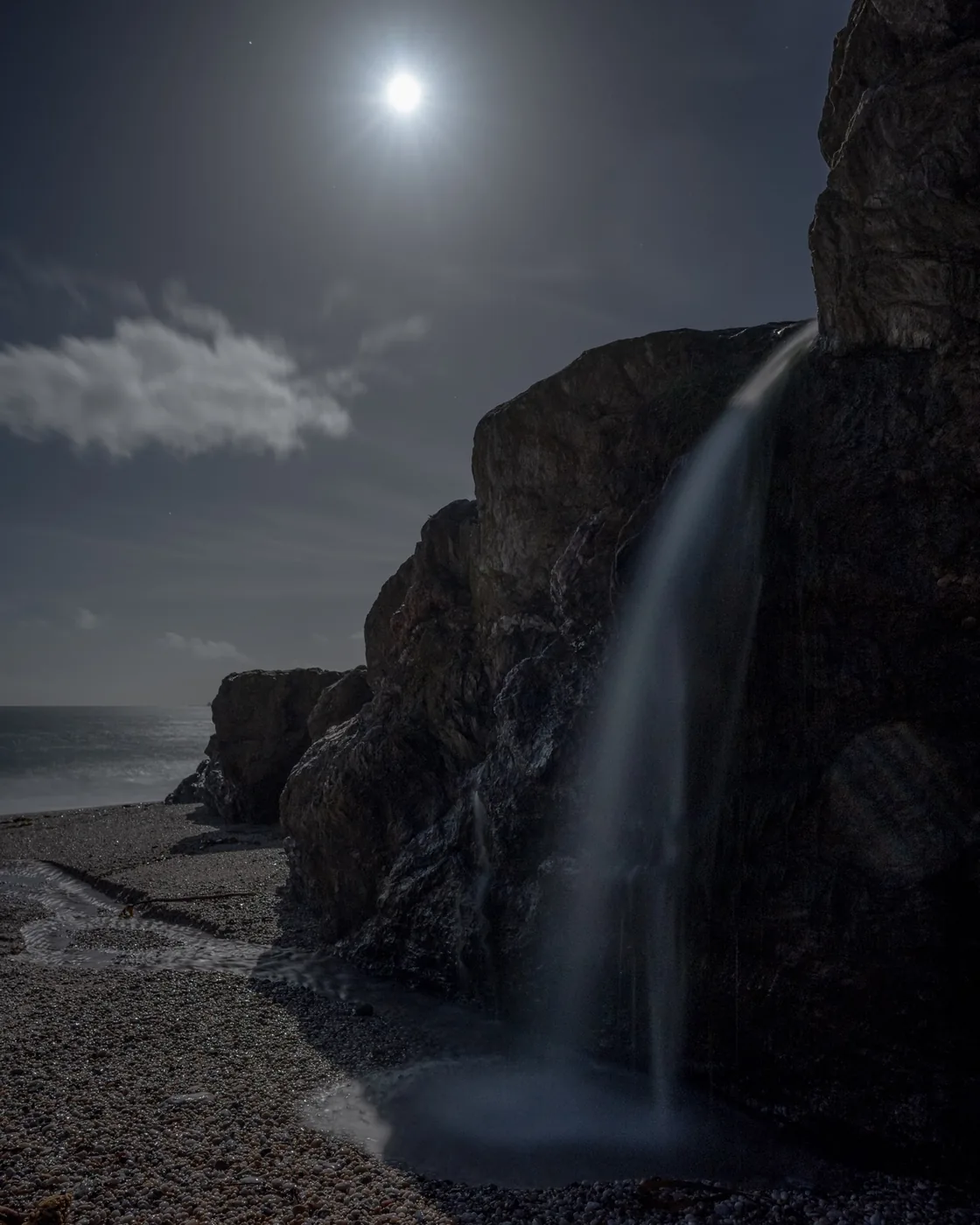
Supermoon (Andrew Whyte, UK)
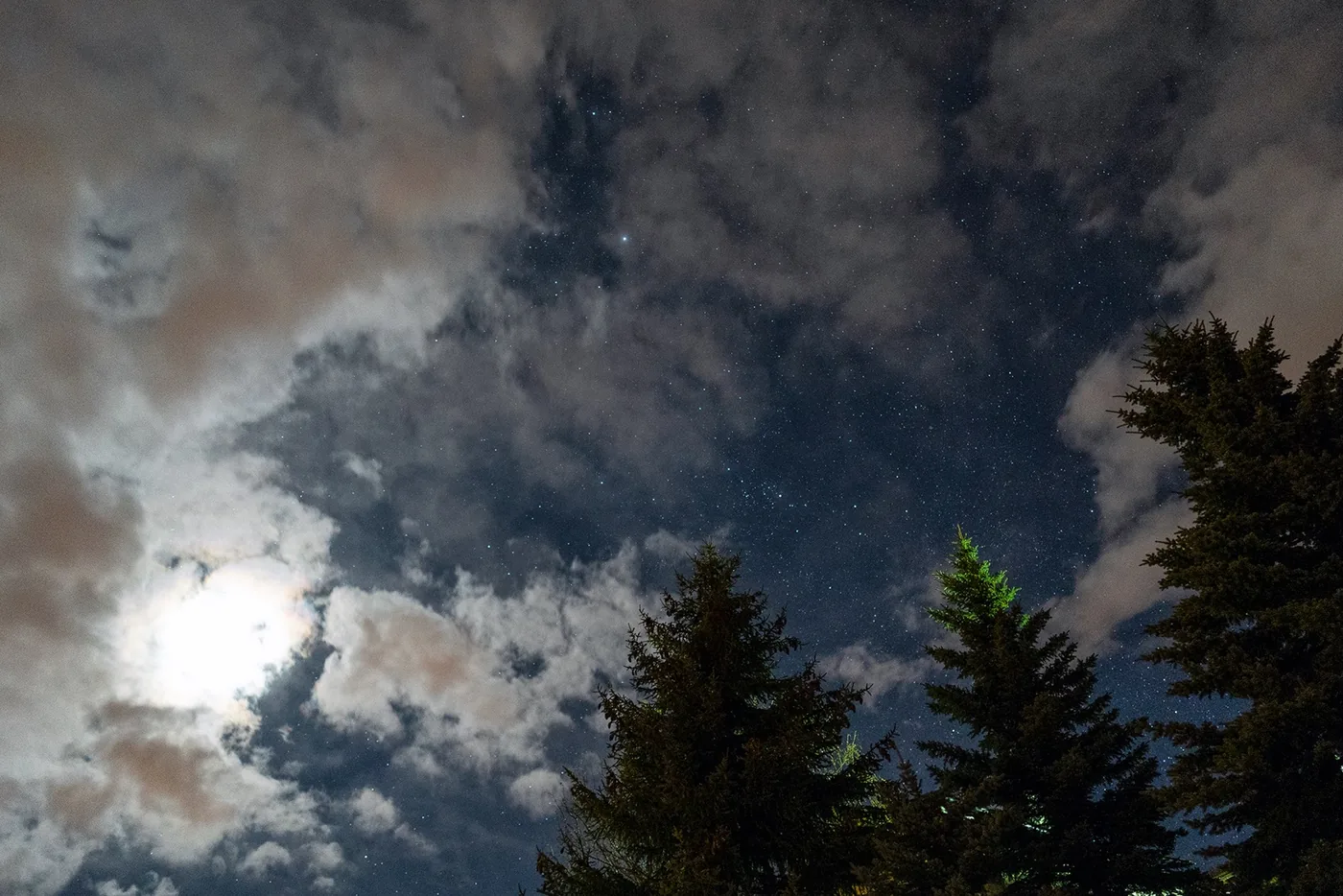
Andrew Whyte shares his best tips for capturing the moon in all its glory when it is at its closest to Earth: “There are many ways to photograph the supermoon—the classic close-up shot with something in the foreground, or a shot from farther away that includes the night sky. The best photographs are taken with careful attention to the equipment I use. Sony’s 24mm F1.4 GM lens captures the details, avoids sagittal flare and simply lets me do what I do best.”
The Photographers
Albert Dros – Albert has been a professional photographer since 2012. His work is vibrant and colorful, with a fairy-tale atmosphere. The landscapes he photographs are often said to evoke The Lord of the Rings. His cityscapes, by contrast, are crystal clear and sharp. He is a perfectionist and therefore always tries to capture moments and scenes as well as possible.
He takes the time to create precisely the photograph he has in mind. Albert describes himself as a “modern” photographer and loves new technologies.
His work has appeared in the magazines Time and National Geographic, as well as in the Huffington Post. He works on a variety of projects, including natural landscapes and artistic, abstract scenes in which he experiments with different photographic techniques. Dros believes artistic visions should be expressed without boundaries. Click here for more information.
Andrew Whyte – Andrew is a commercial photographer from Hampshire in the United Kingdom and has been nominated four times for the Royal Observatory’s Astronomy Photographer of the Year award. Andrew has two distinctive specialties: by day he captures playful scenes using perspective tricks, while at night he is known for his astrophotography.
Leonardo Orazi – Leonardo was born in Umbria, Italy, and is a passionate astrophotographer who captures gas clouds, galaxies, clusters and other nocturnal phenomena throughout the year.
International Dark Sky Week
The International Dark Sky Week is a worldwide initiative that draws attention to light pollution. International Dark Sky Week began in 2003 and grew into a global event and an important part of Global Astronomy Month. That year, the festivities began on Sunday, March 31, and continued through April 7, 2019.
Also read: The World’s Largest Camera Begins a Cosmic Time-Lapse