RAW: it is that intimidating format you hear so many photographers swear by. You have probably heard this before: RAW is better. But why? And is it right for you?
The main advantage of shooting in RAW rather than directly in JPEG is that you can optimize your photos yourself. Although even today's software for creating a photo book lets you edit your images, adjusting RAW files on a computer can produce especially beautiful results. Read on to learn about six benefits of shooting in RAW.
When should you not use RAW?
RAW is not always better. There are several reasons not to shoot in RAW. First, every RAW file requires some processing before it can be viewed online or on commonly used platforms. If you do not have much time to spend on your photos, RAW is not for you.
RAW can also be inconvenient for action photography. RAW files are much larger than JPEG files, so they take longer to write to a memory card. This makes the format less suitable for sports or other activities involving fast movement.

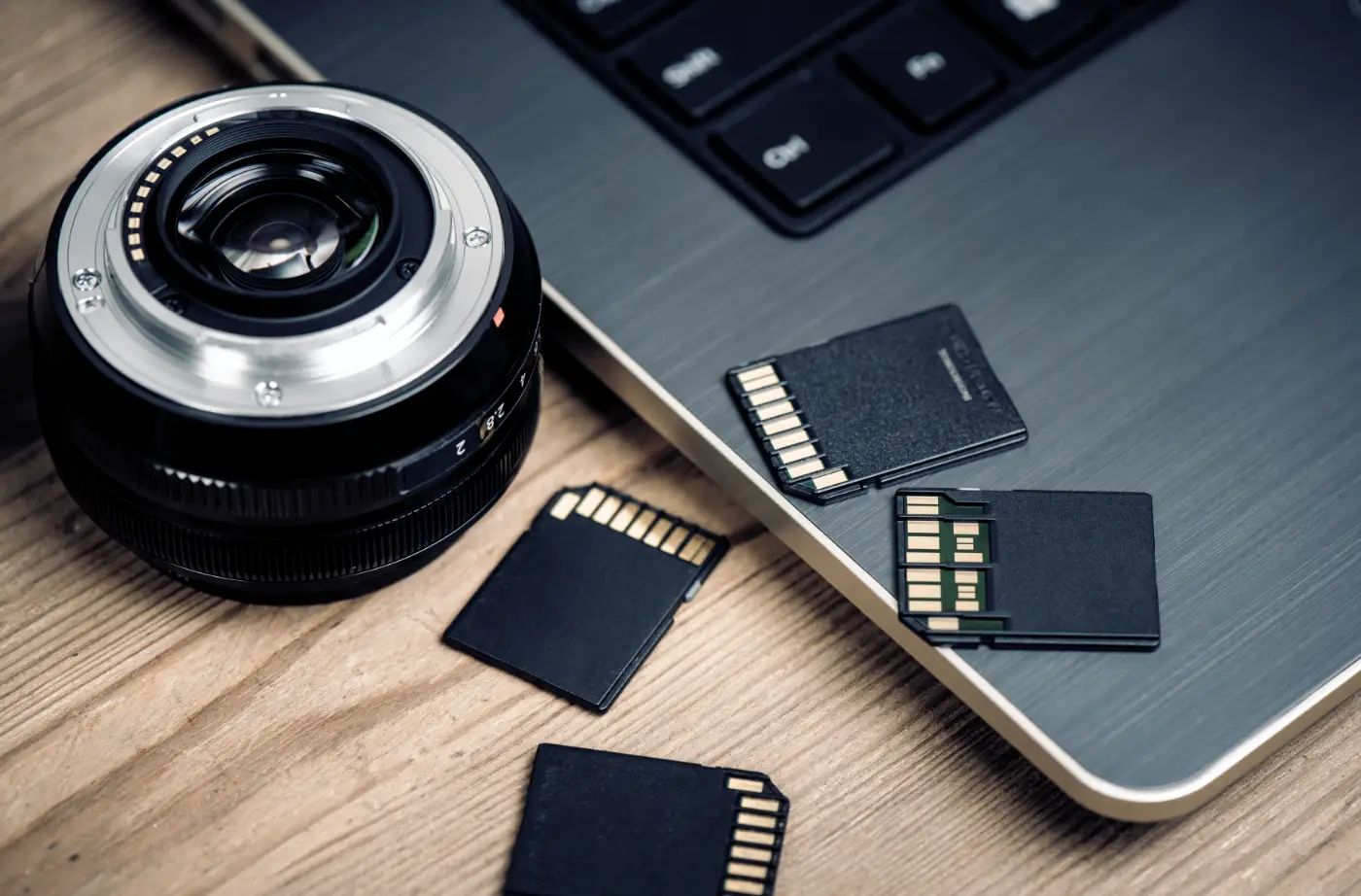
RAW files also take up a lot of space. In action photography, you therefore cannot take full advantage of your camera's burst mode because RAW files write too slowly, and your memory cards such as the Samsung EVO Plus fill up too quickly because action photography generally requires more consecutive images than, for example, landscape photography.
Finally, if you mainly print your photos at 4 x 6 inches (10 x 15 cm) and are not very concerned about a small loss of detail in the shadows or dynamic range, keep shooting in JPEG.
If RAW feels intimidating in general, it is also advisable to keep using JPEG. JPEG can still produce beautiful images. But for technically strong photos with a wide range of tones and details, switching to RAW is worth considering. For
smartphone photography, you can use various camera apps to capture photos in RAW format. Six reasons to use RAW
1. Dynamic range
Your camera's sensor can capture only part of the available dynamic range in a scene. That means the full range of tones, from dark to light, will not appear in your image. Shooting in RAW preserves most of the data your sensor can collect. JPEG does not retain all that data, which is why JPEG images sometimes have blown highlights or blocked-up shadows.
Why is there a difference? JPEG is a compressed image format, which means it is designed to create a small file. When the camera creates a JPEG image, it processes the image in-camera. Some information is considered unnecessary and discarded. The camera also decides what to do to make the image look better. It may sharpen the image, slightly saturate the colors, or adjust the contrast.
A RAW file, by contrast, is exactly that:
RAW . It preserves all the information it collects and does not alter the file.2. Complete control
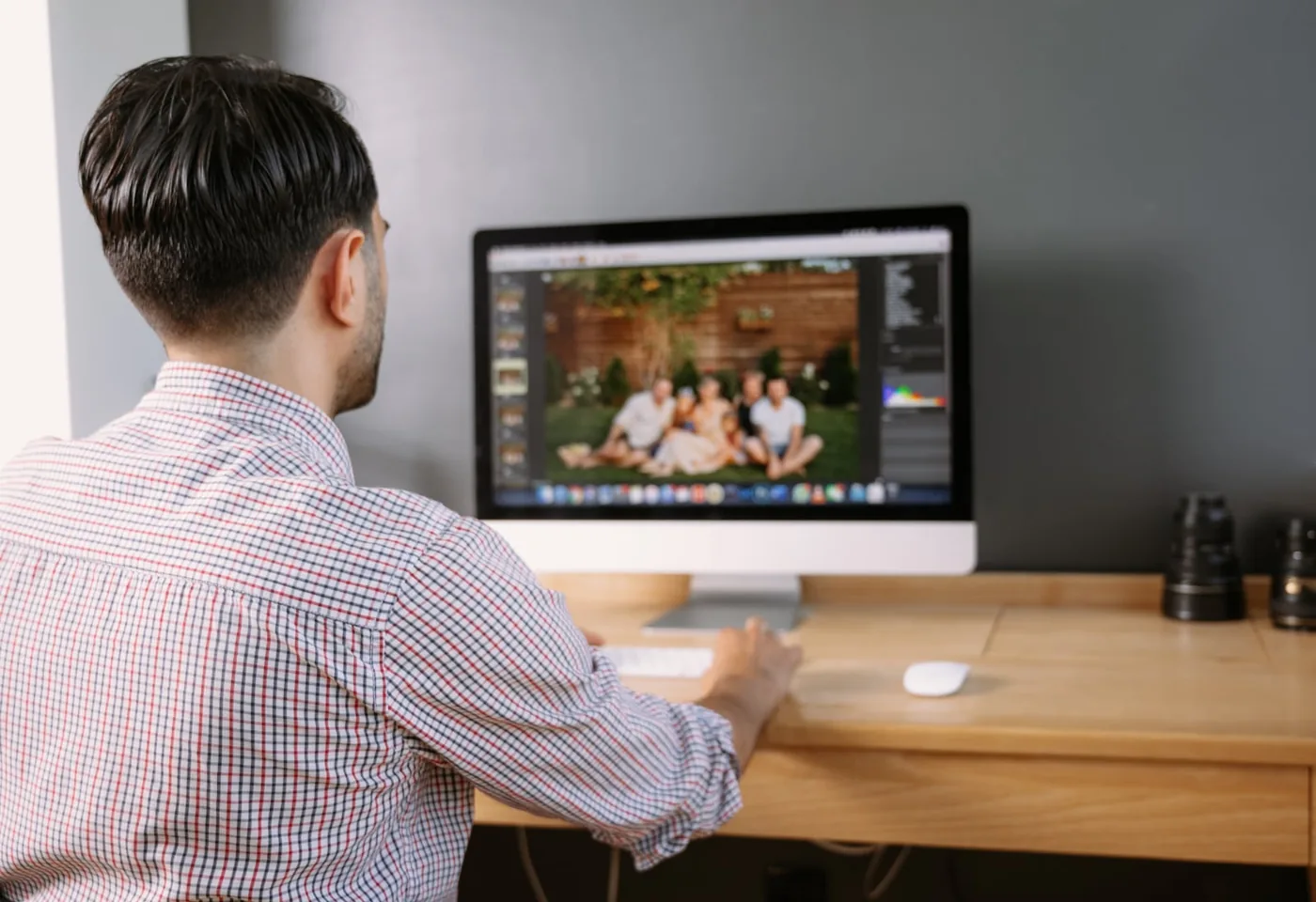
With RAW, you control how those photos will ultimately look. You are smarter than your camera's processor, and chances are the software on your computer is much more capable than what is built into your camera. This lets you make your own creative decisions.
You can adjust color saturation, decide how much detail to recover from the shadows, and change the white balance. You determine how the image will look, and if you change your mind, you can always undo your edits.
Although you can do all of this with a JPEG too, the results are not as good because the camera already discarded a great deal of image information when it created the JPEG file.
Have you ever been disappointed by how well certain software sharpens a JPEG file? That is not entirely the software's fault. JPEGs are already sharpened, so it is easy to oversharpen them. With a RAW file, you can also sharpen parts of a shot selectively while leaving other areas untouched.
3. Nondestructive editing
What does that mean? Have you ever edited and saved a JPEG file, only to realize that you overwrote the original? Perhaps that is fine and you do not plan to restore the old version. But what if you reduced the file size, applied an artistic filter, or did
something cool and creative with it, only to decide later that you do not want that variation to be the only version of the image? If you work in JPEG, you are out of luck. Unless the action can still be undone in Photoshop, you are stuck with the edited version. With RAW, you can always go back and retrieve the original file. RAW software also keeps track of everything you have done to the file, so you never again have to scratch your head and wonder how to undo something you did to an image weeks or months
earlier.
The unfortunate truth about JPEGs is that the more you edit them, the more quality they lose. Every time you open, adjust, and then resave a JPEG, its quality becomes slightly worse. This is a consequence of the compressed file format.
Tip: always keep the original version of the file. Never edit it directly; work on a copy instead.
4. No more worries about white balance
A camera's automatic white-balance setting is not always accurate. Manually setting white balance for indoor lighting will not work well if daylight is also entering through the windows. Using a white card is not especially practical or quick either.
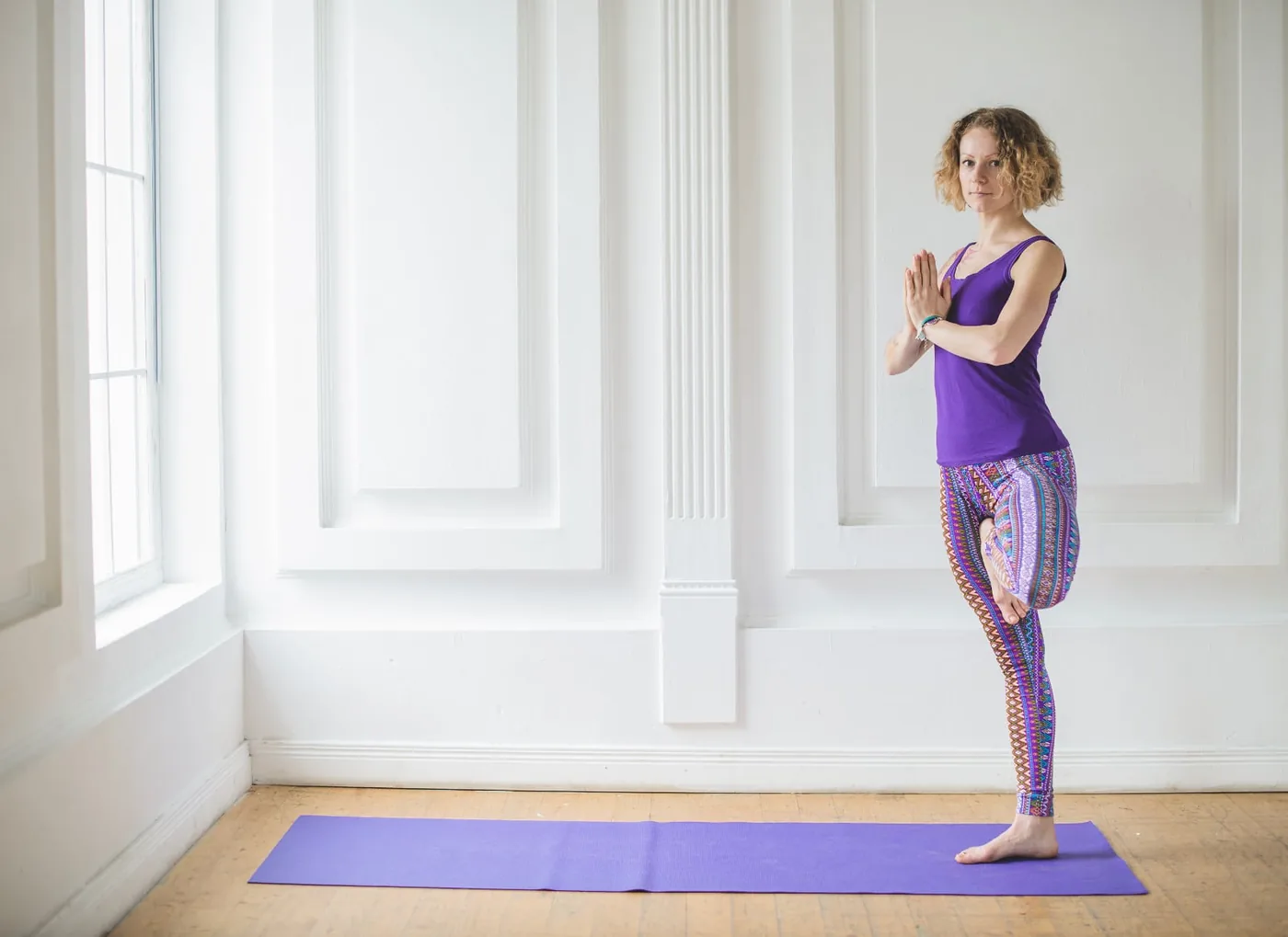
When you shoot in RAW, you do not need to worry about the white balance in your camera. You can easily correct it by moving a small slider back and forth in your editing software, making the whites warmer or cooler. The editor can change the white balance without degrading the image.
5. Get more from difficult lighting
Everyone knows you should shoot during the golden hour, but many moments happen at other times. If you are shooting in very bright conditions and know you will end up with blown highlights, switch to RAW.
If you lose some highlight detail, there is a reasonable chance you can recover it during post-processing. That is because RAW records between 4,000+ and 16,000+ brightness levels. How many does JPEG record? 256. This means you can do much more to improve RAW images than JPEGs. You can even repair severely underexposed or overexposed photos.
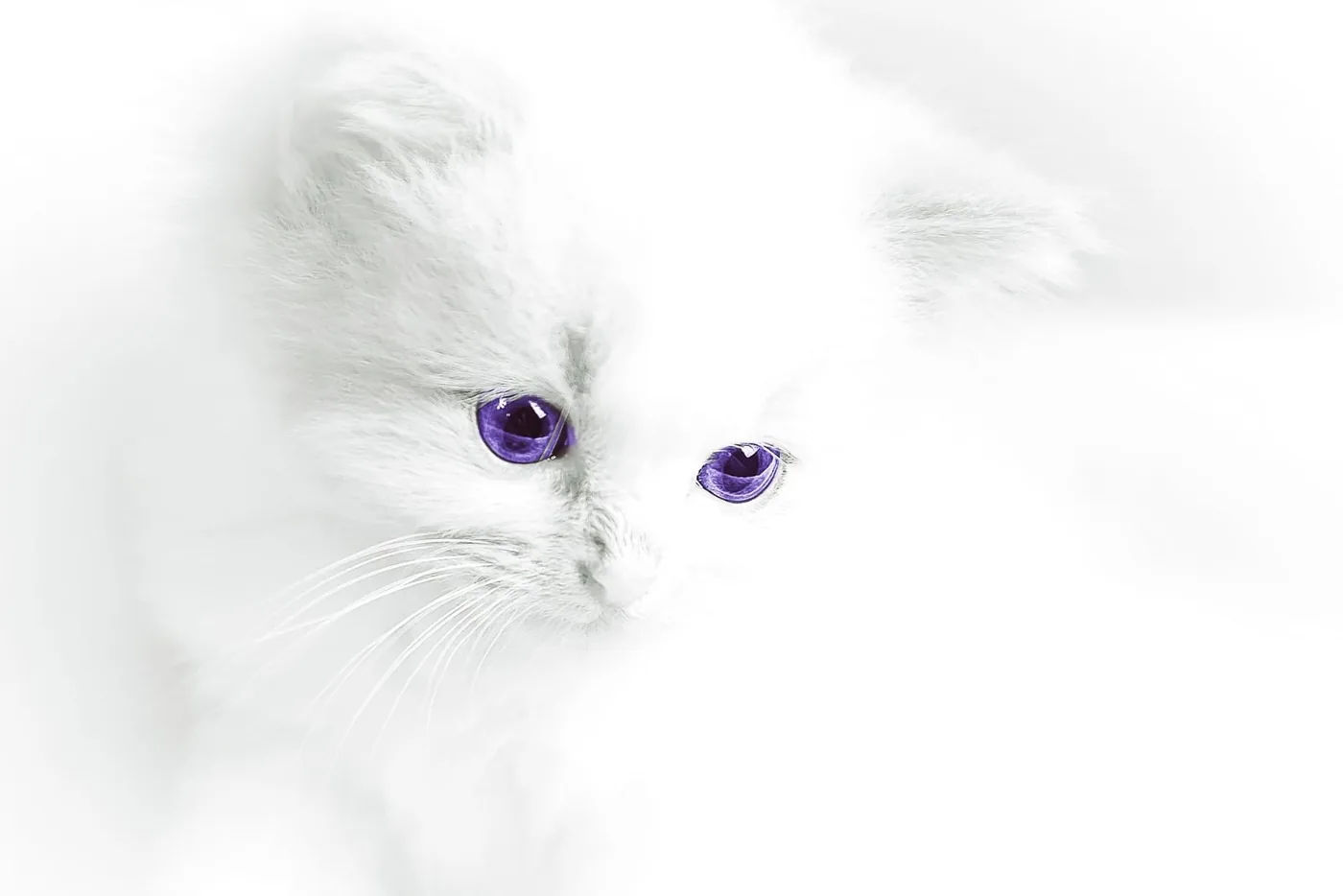
Keep in mind that you may not be able to recover anything from completely blown-out areas, such as the side of the cat image above. Although RAW captures many additional brightness levels, it still cannot capture them all. Rather than trying to improve that partially overexposed image, you might be better off turning it into an artistic high-key image.
6. Images can be printed at large sizes
You can also print a JPEG at a large size, but there is a limit before quality loss from JPEG compression becomes visible. A RAW file is limited only by the camera's megapixel count. With today's high-megapixel cameras, this means you can potentially create enormous prints without quality loss, especially if you choose low JPEG compression.
In conclusion
Still unsure? Most cameras let you shoot in RAW and JPEG simultaneously, as do newer smartphones. You have the JPEG versions for quick printing and sharing, while keeping the RAW versions on hand in case you want to return later and improve the files.